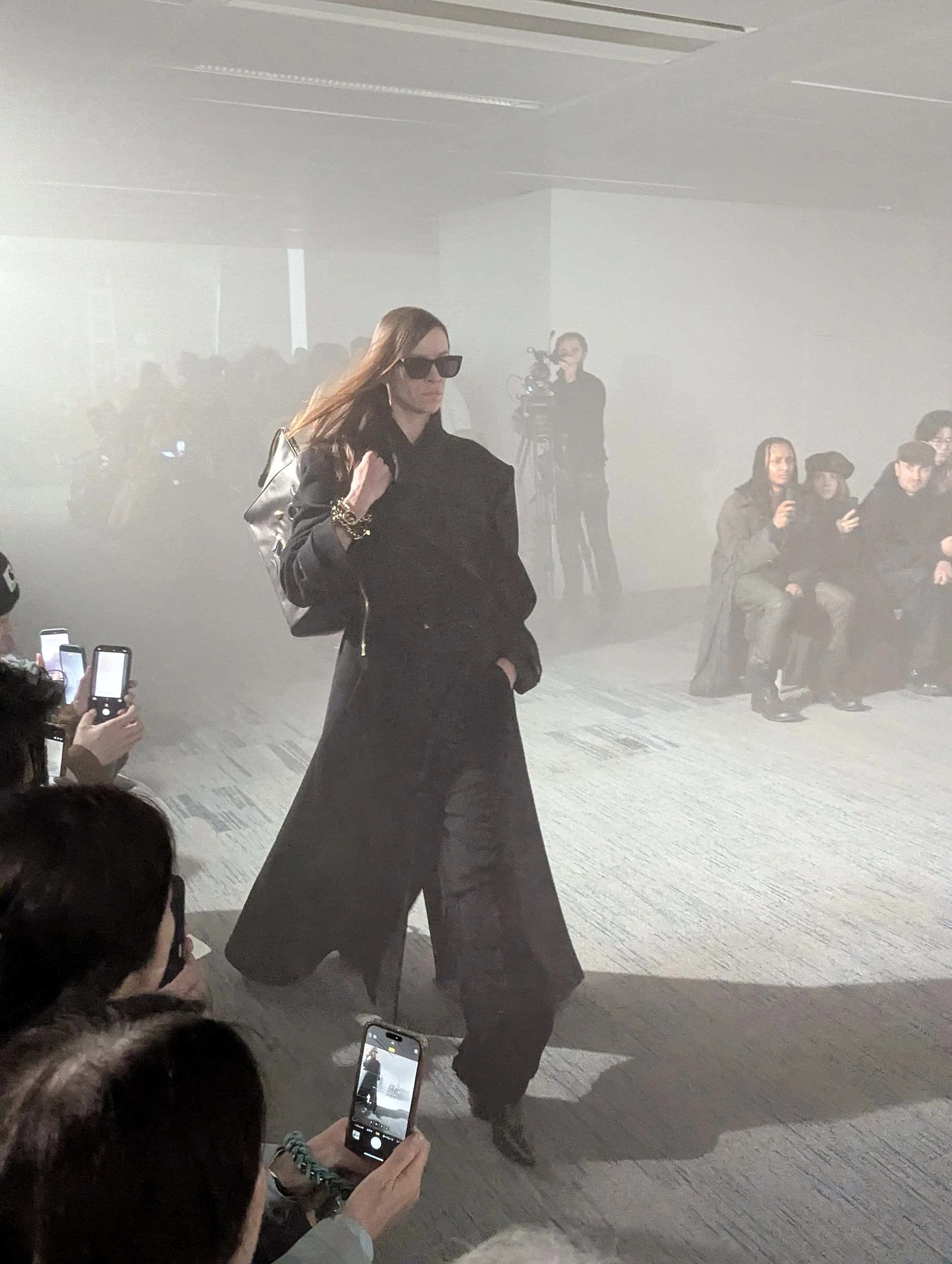
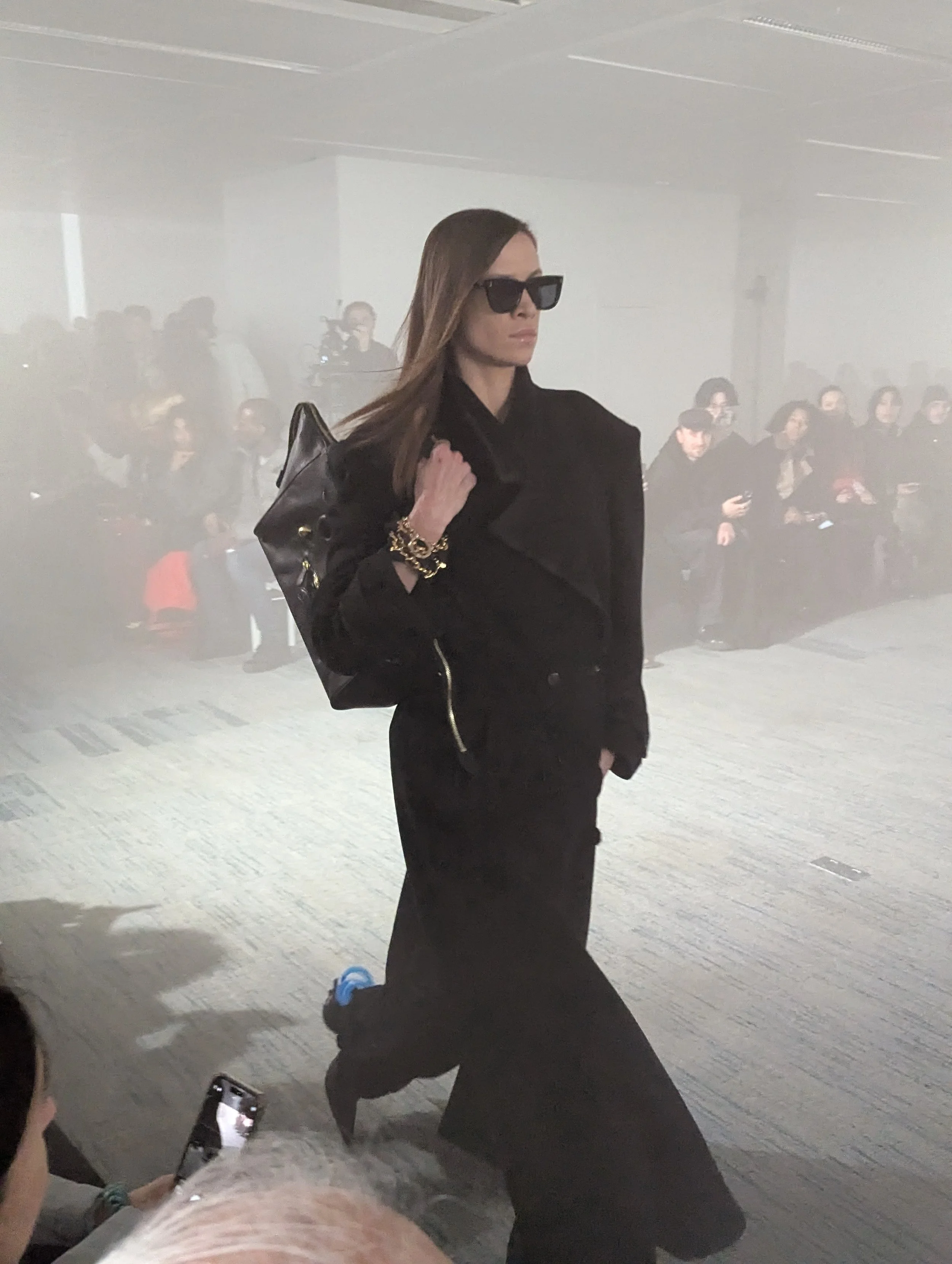
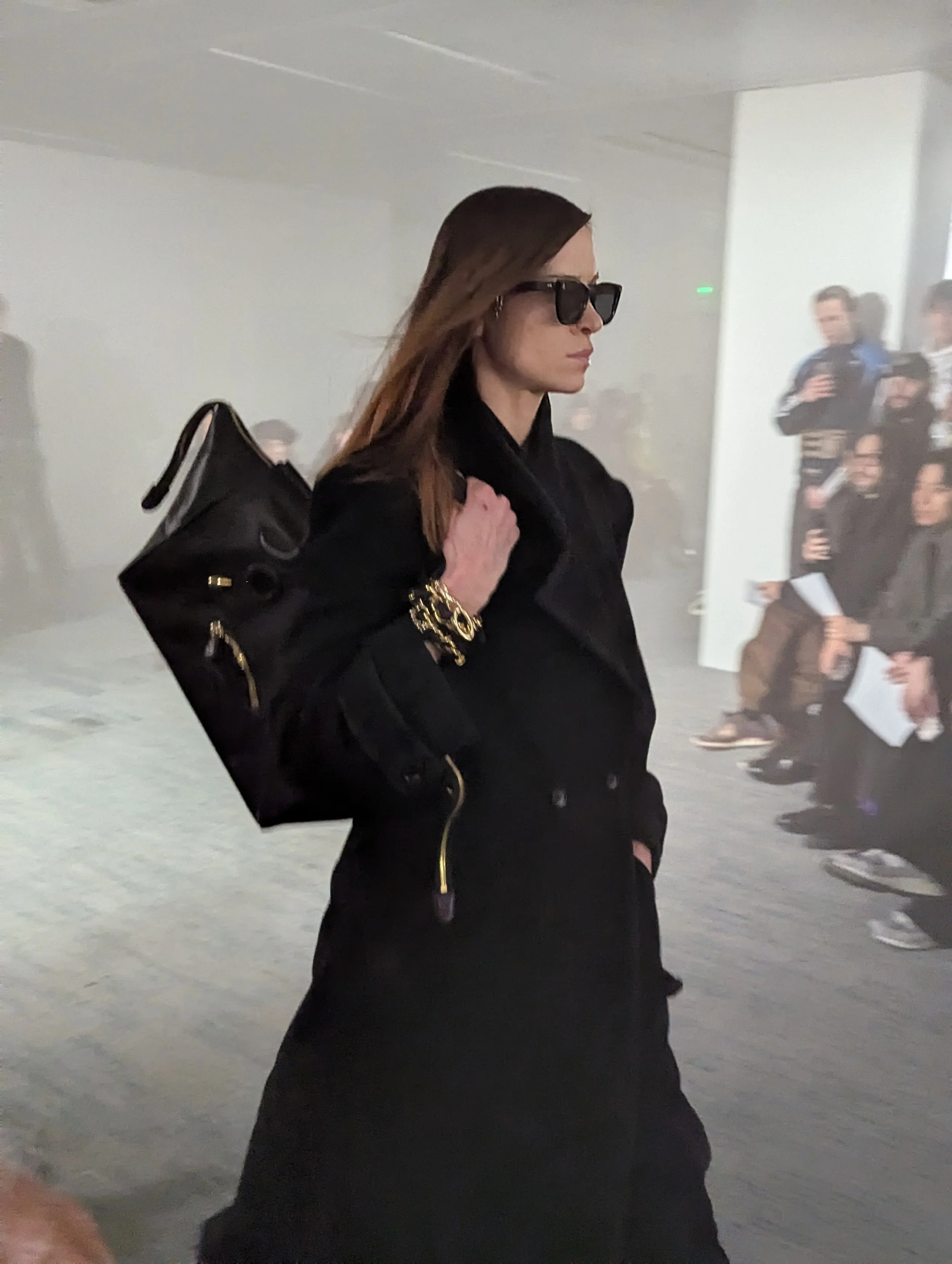
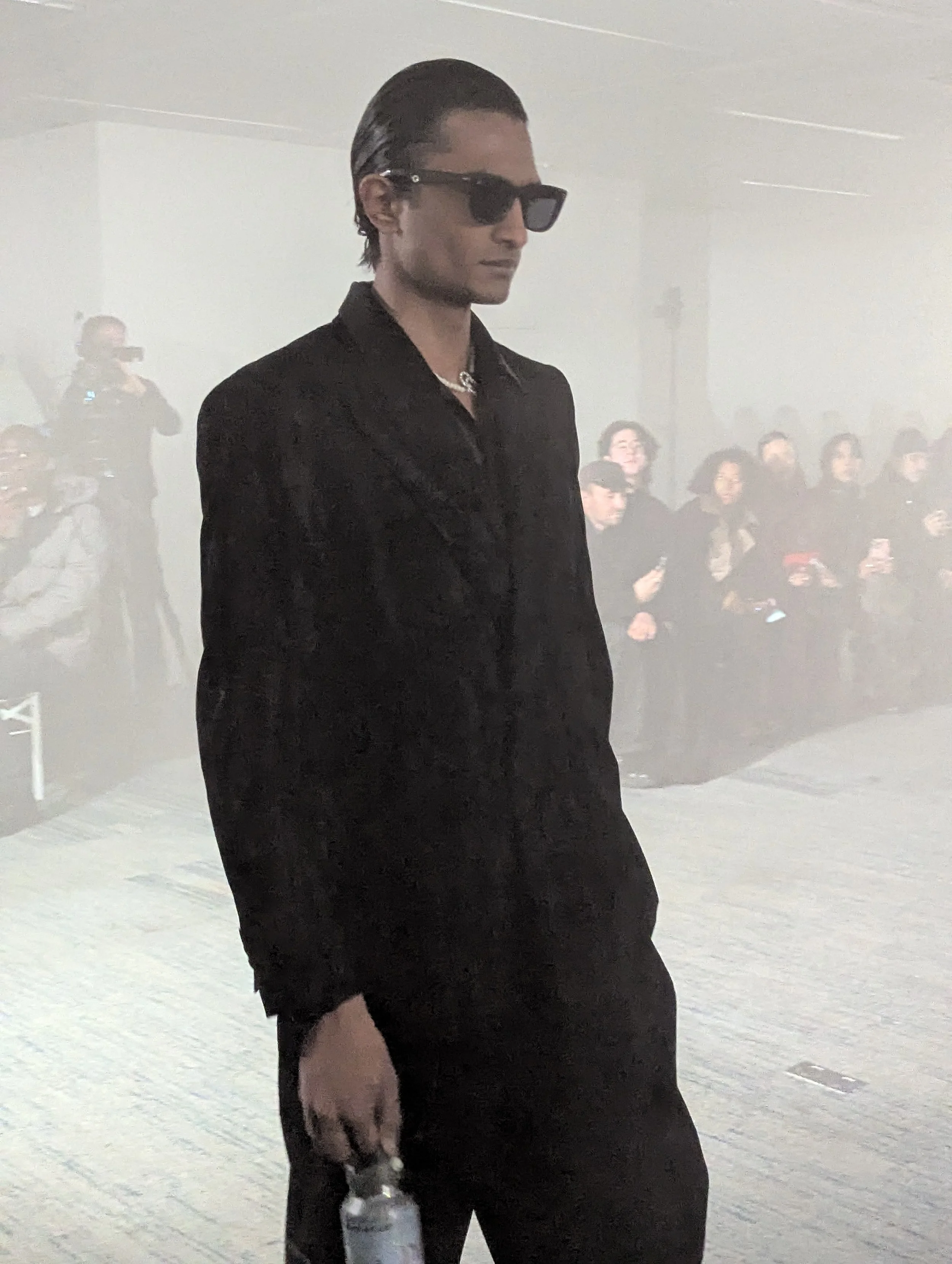
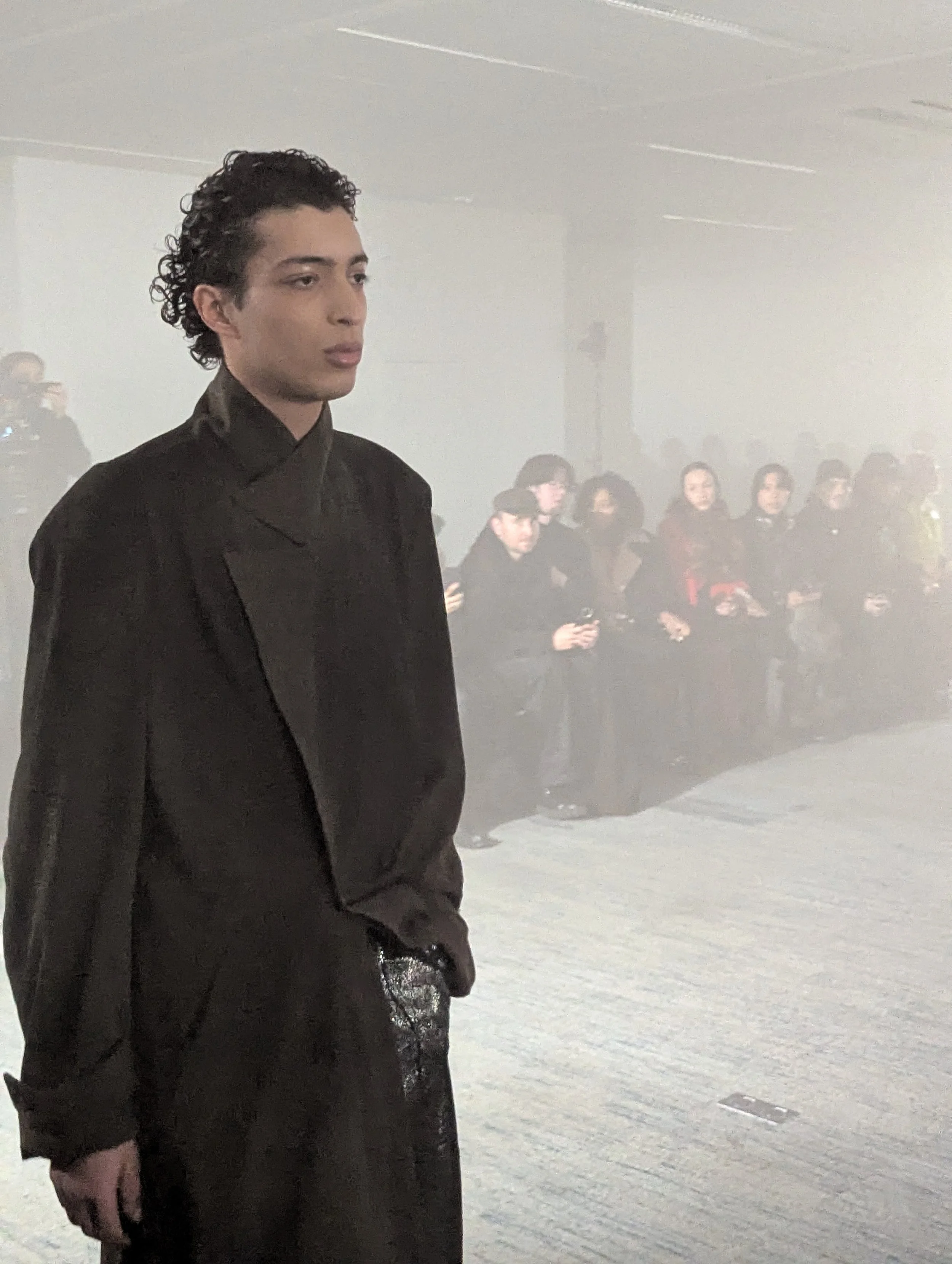
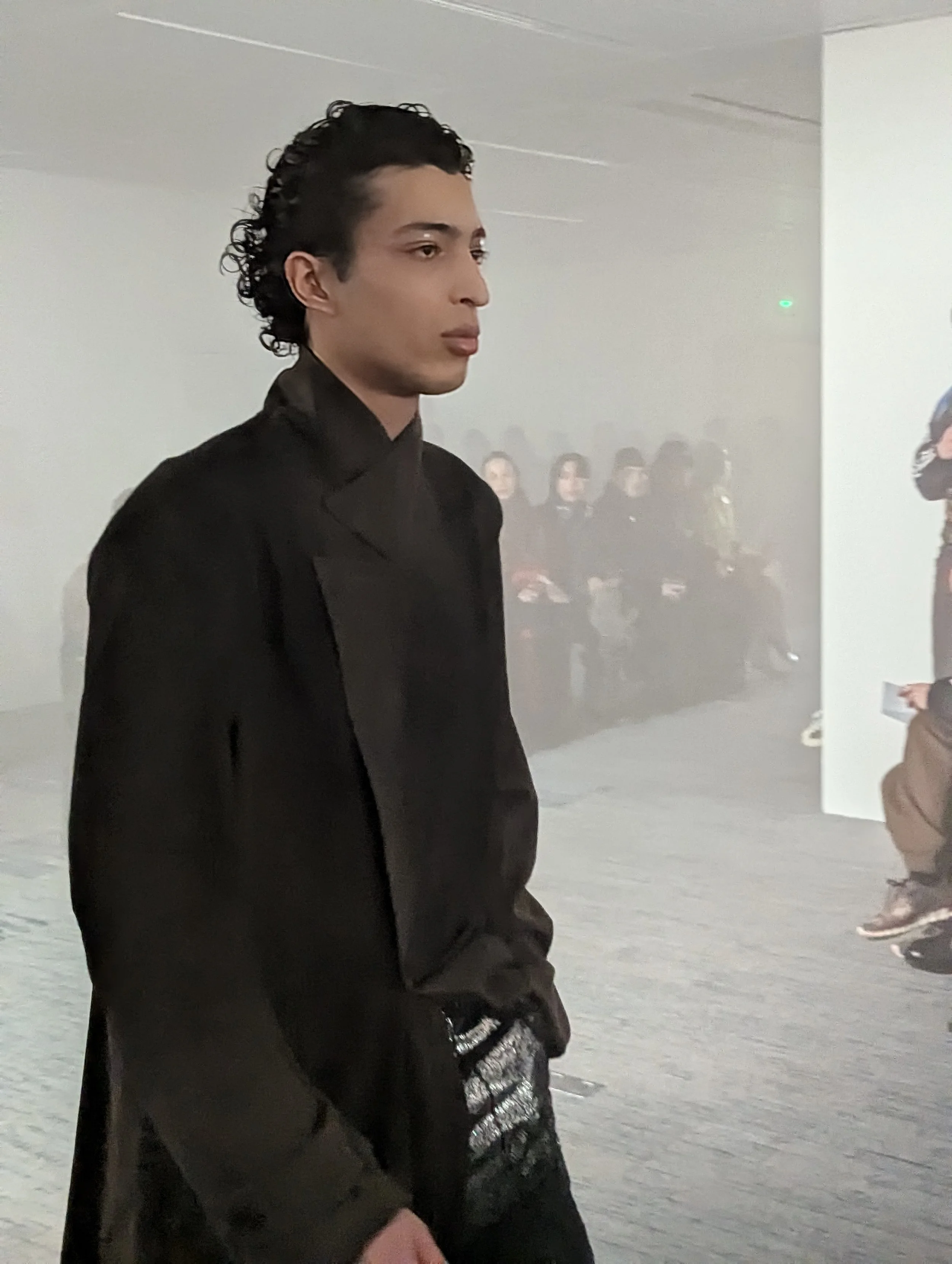
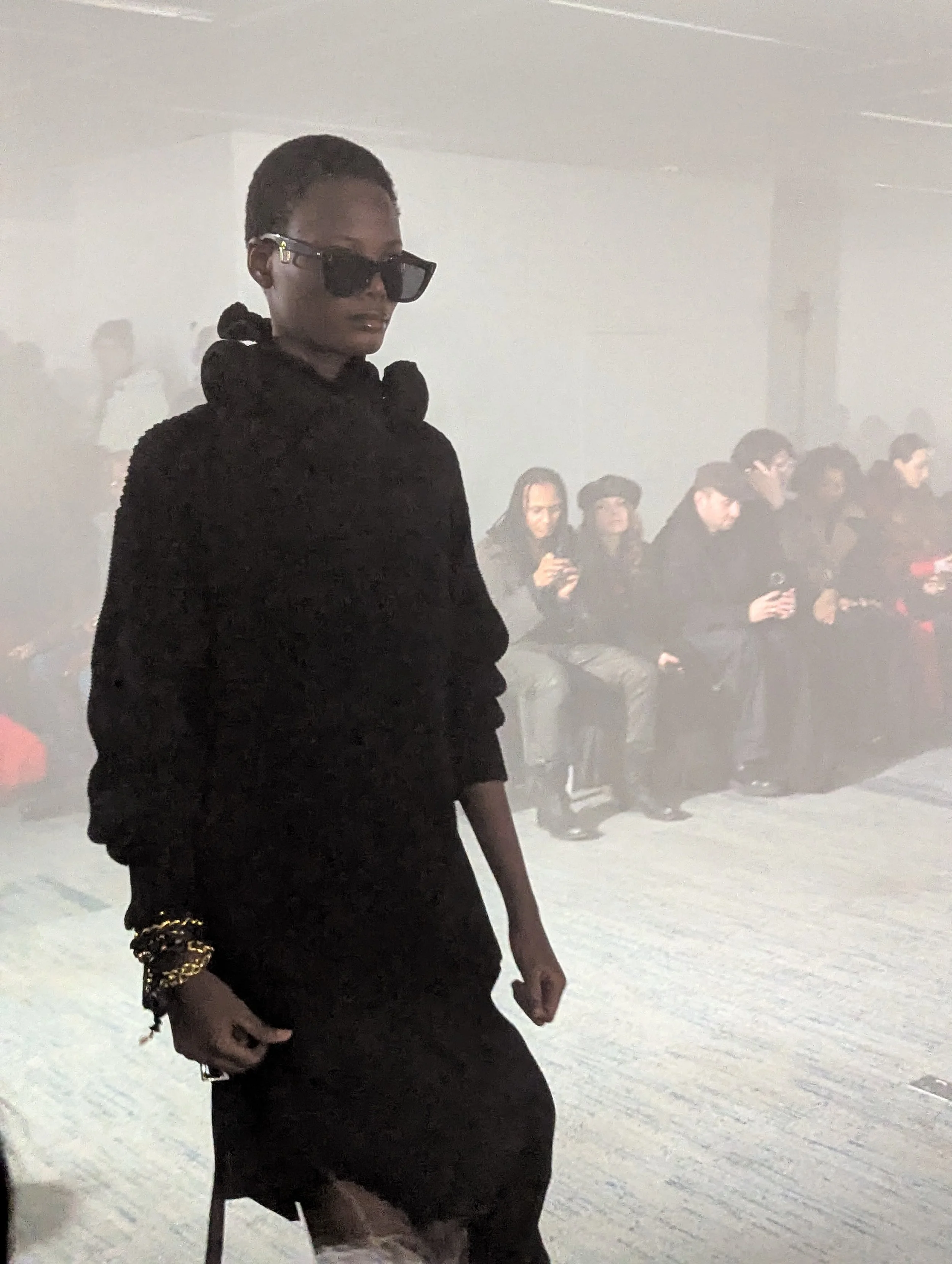
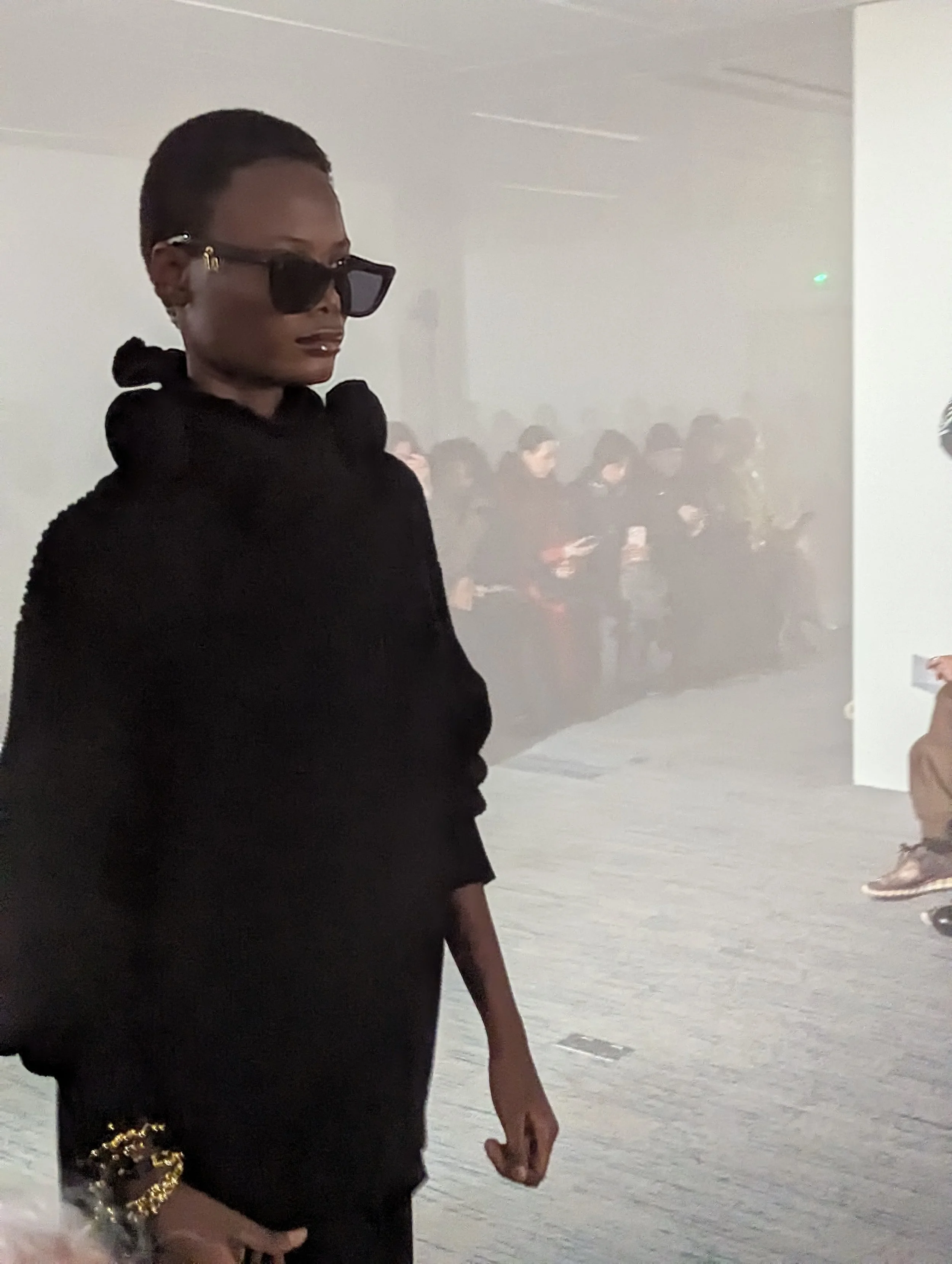
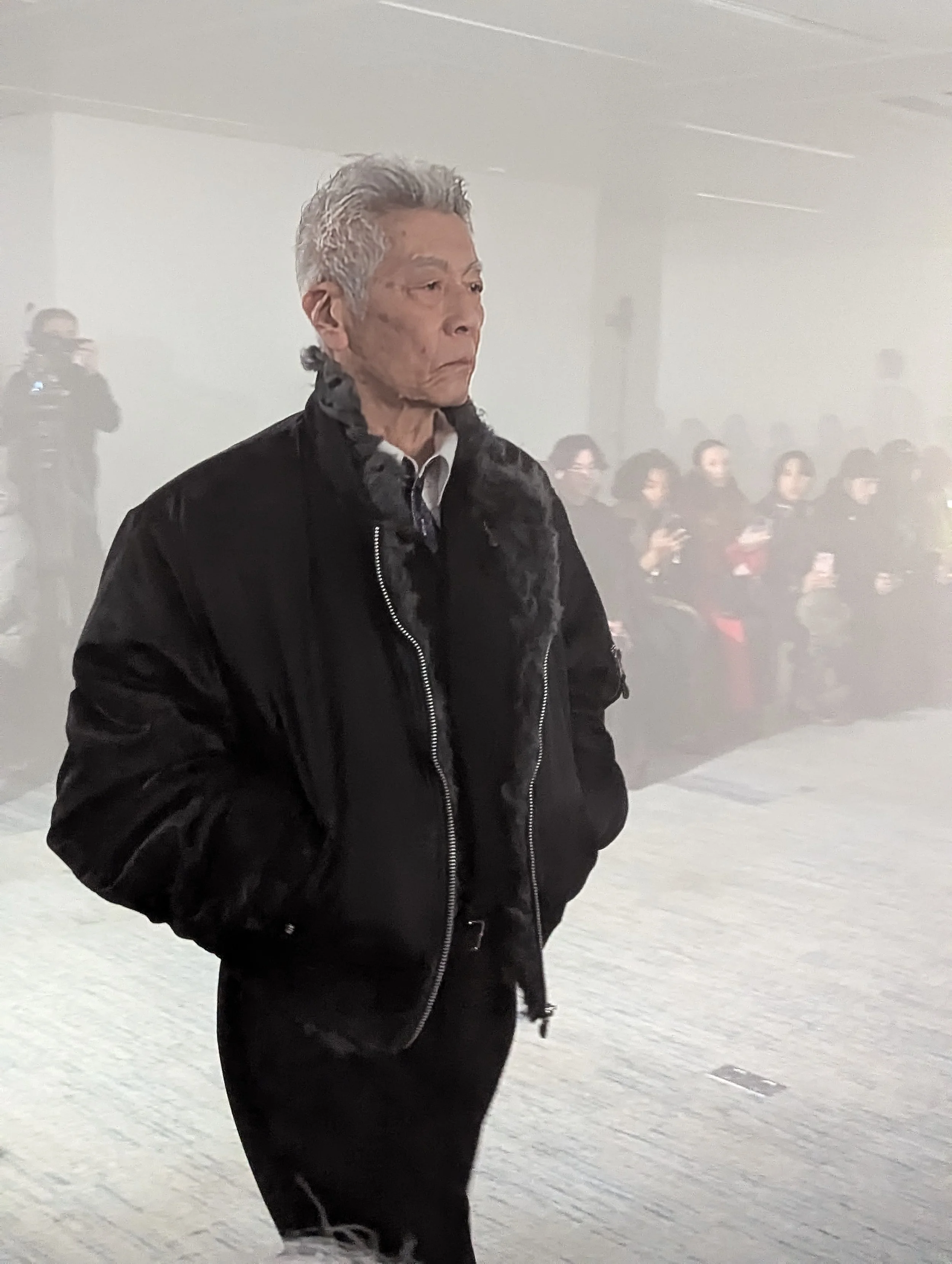
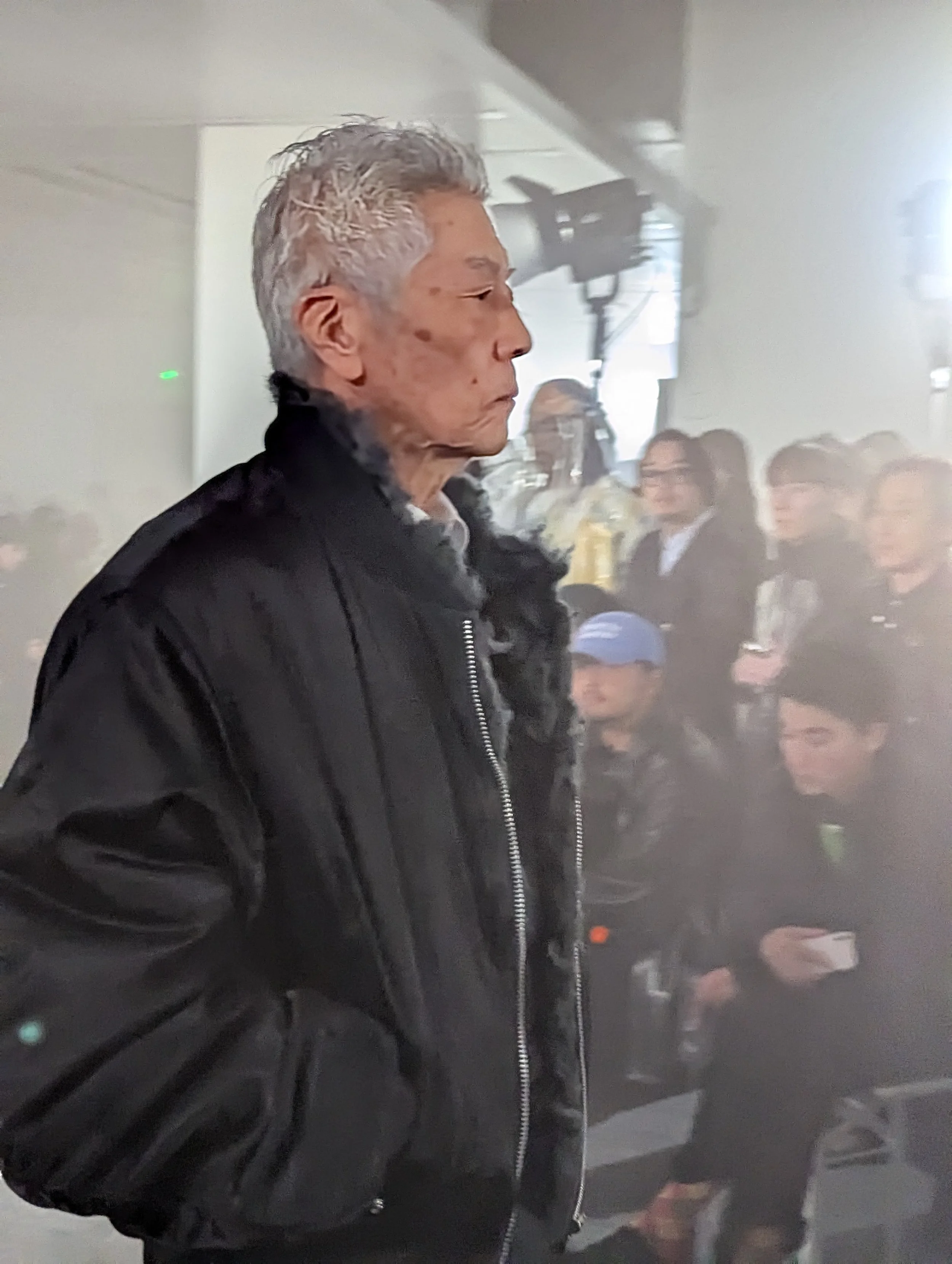
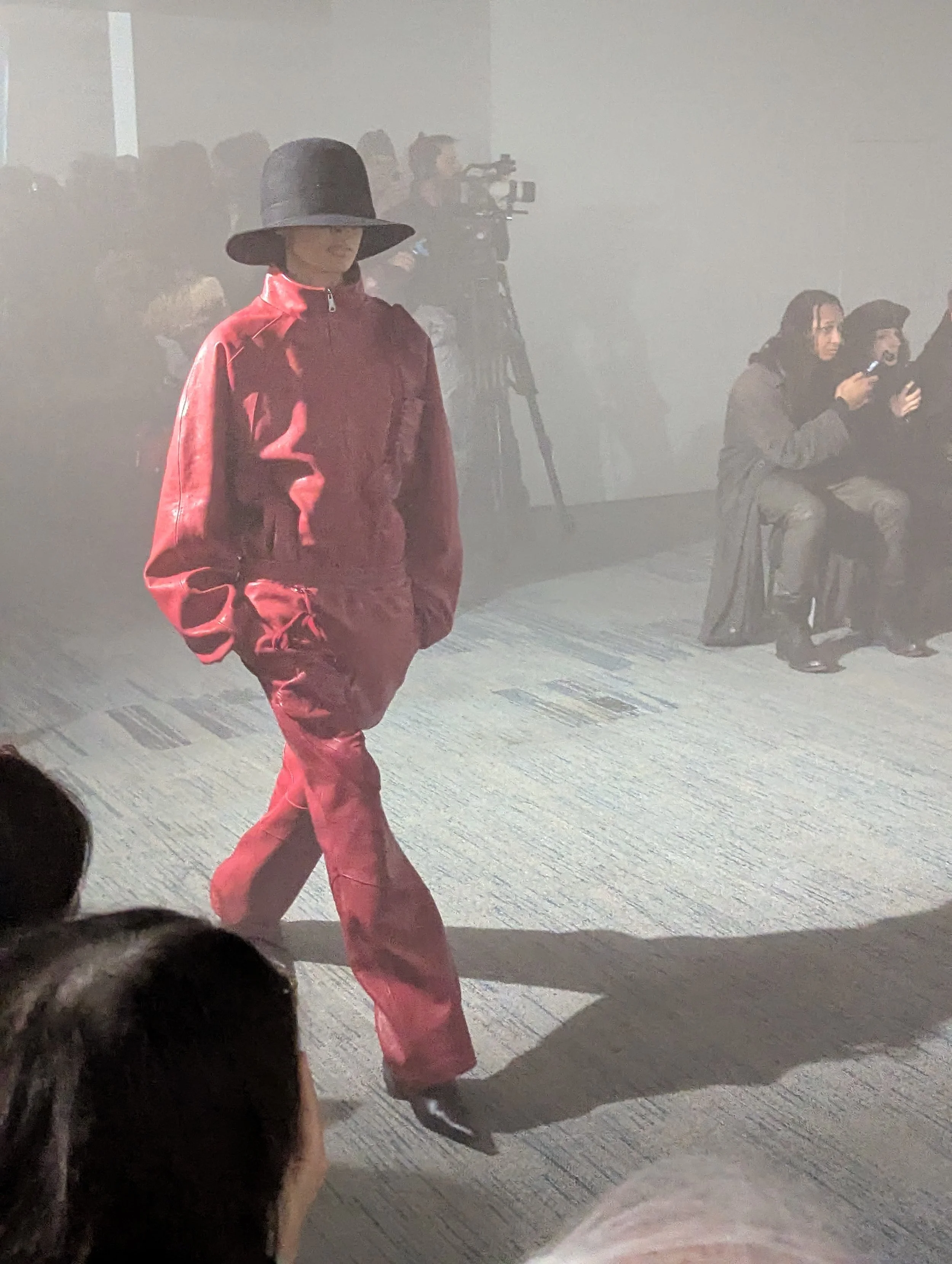
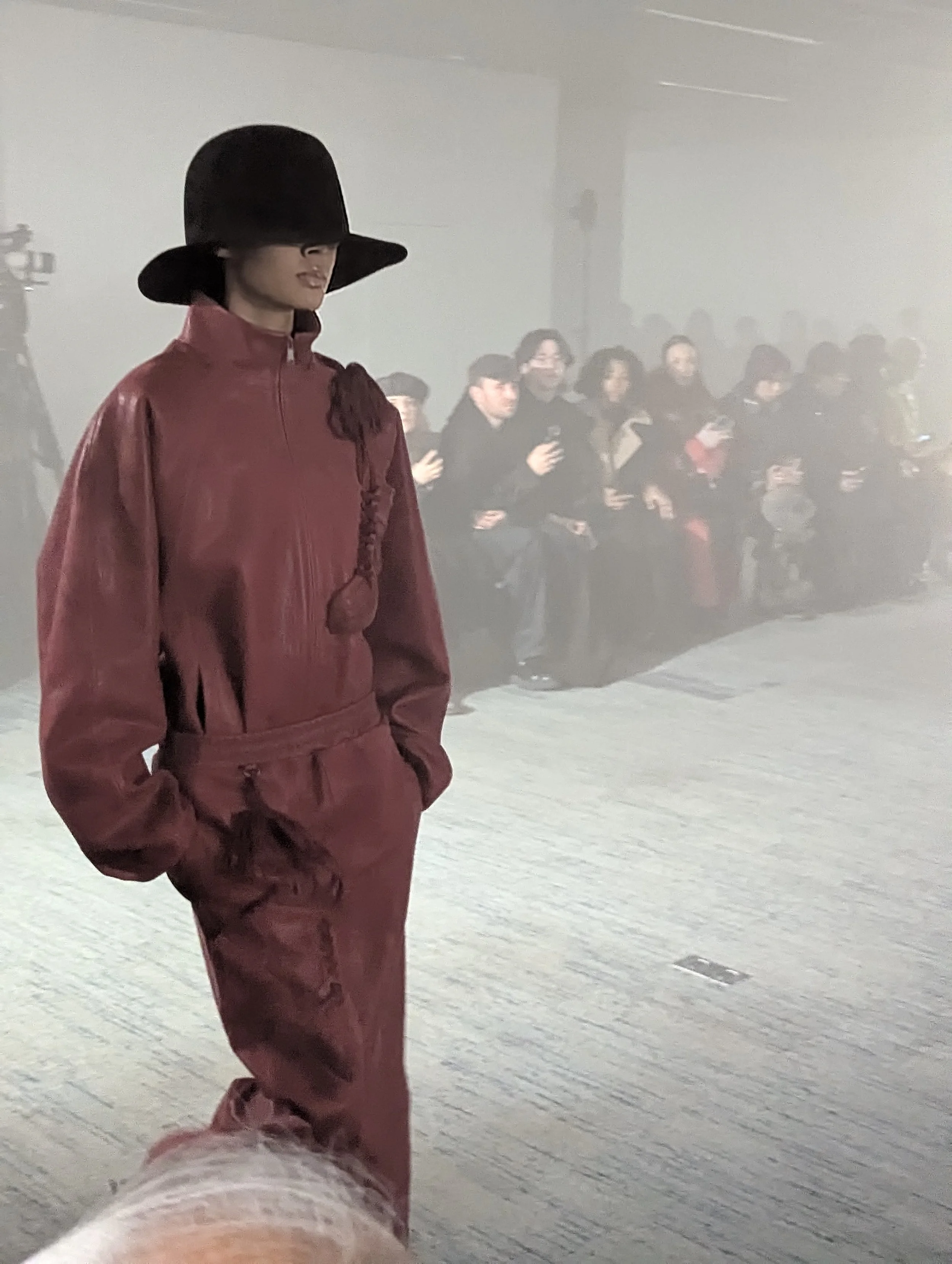
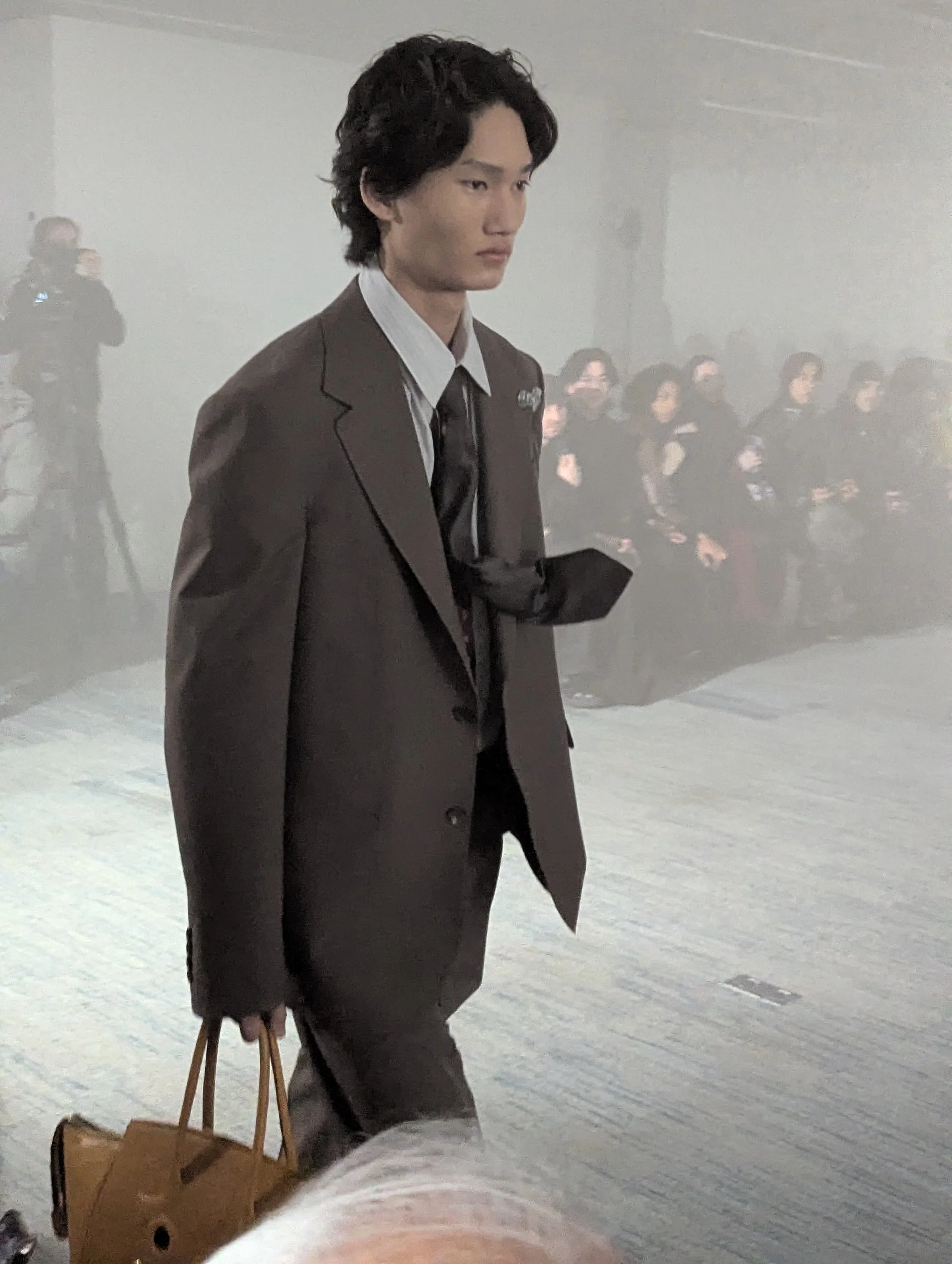
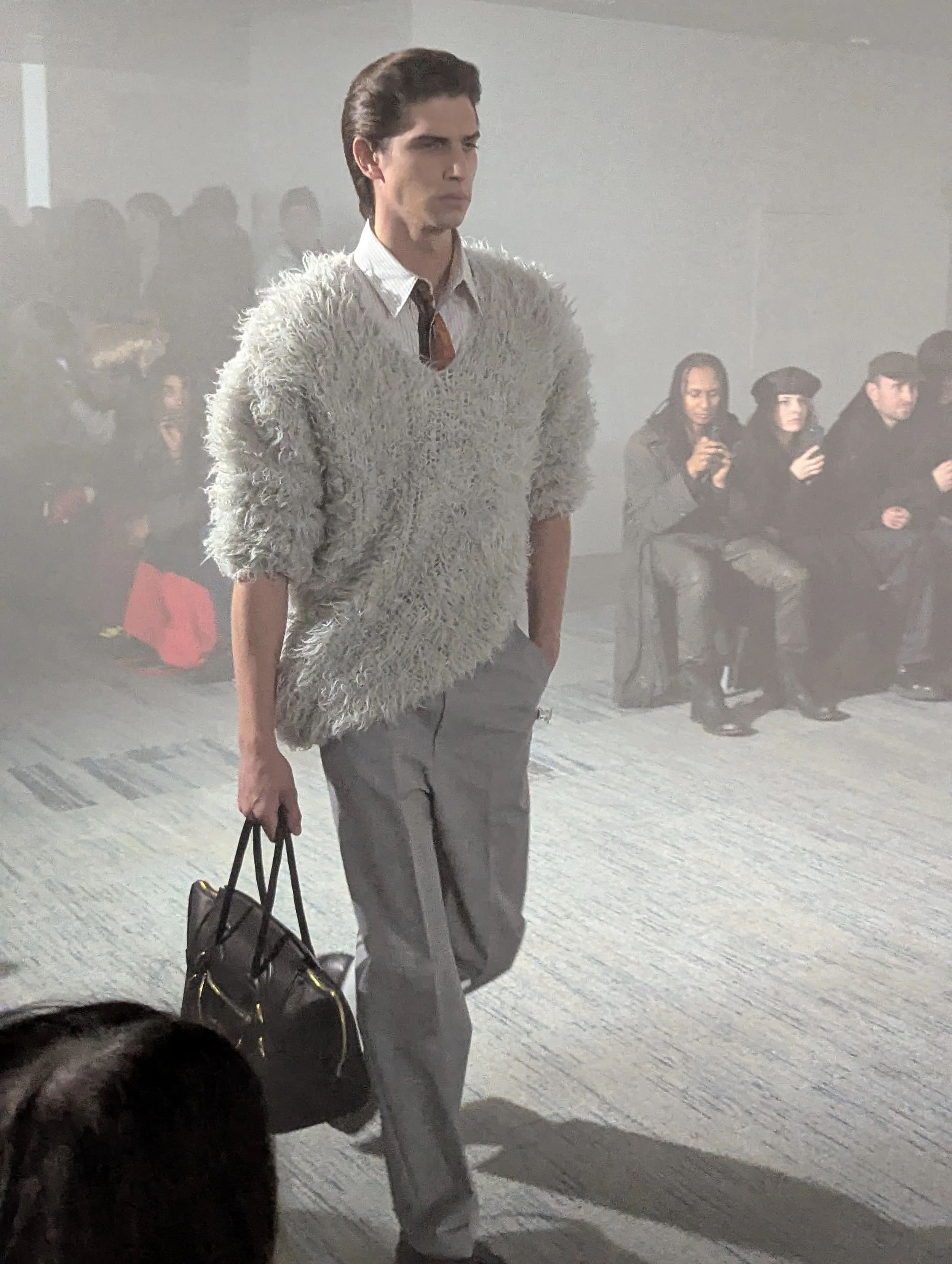
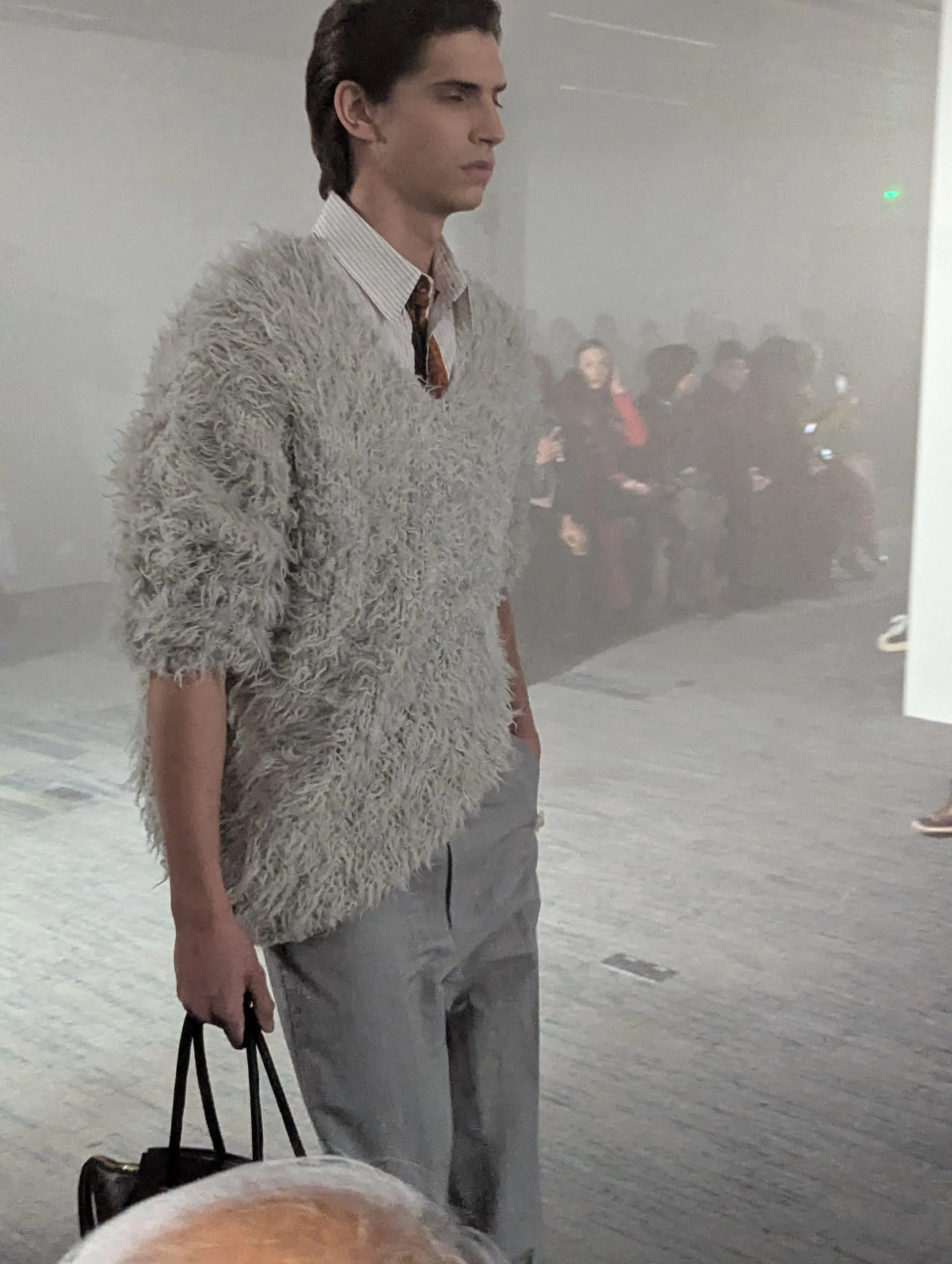
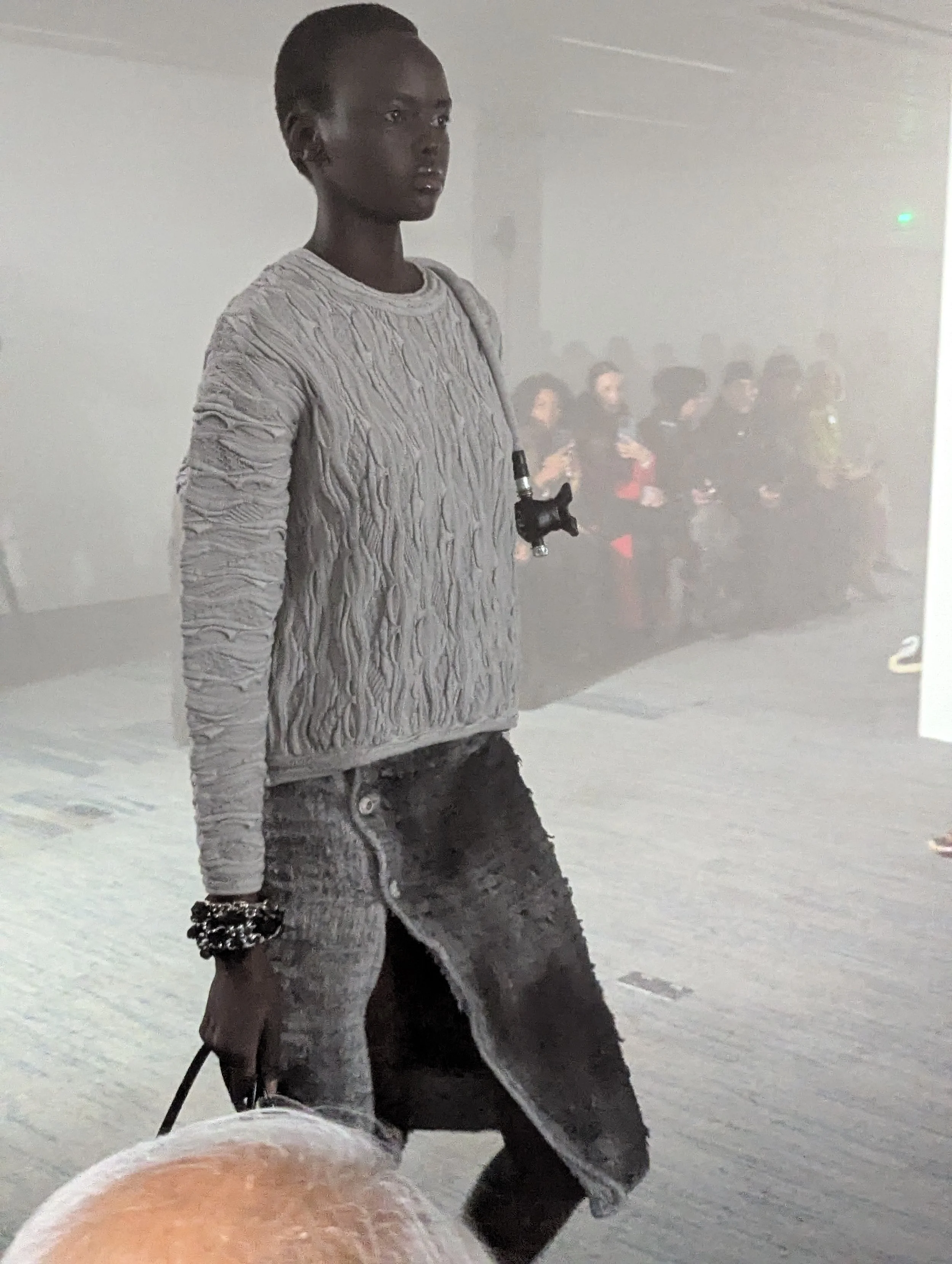
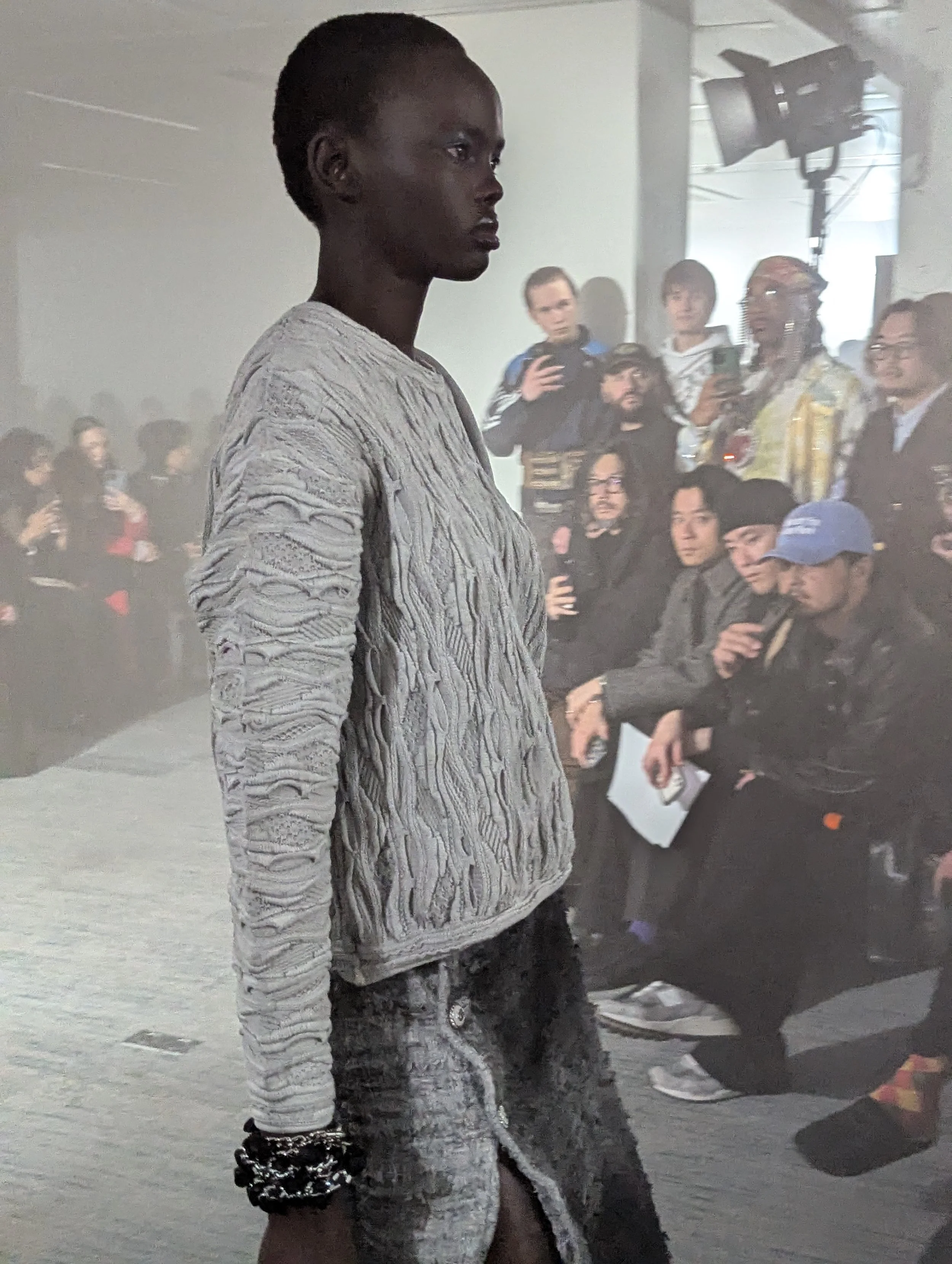
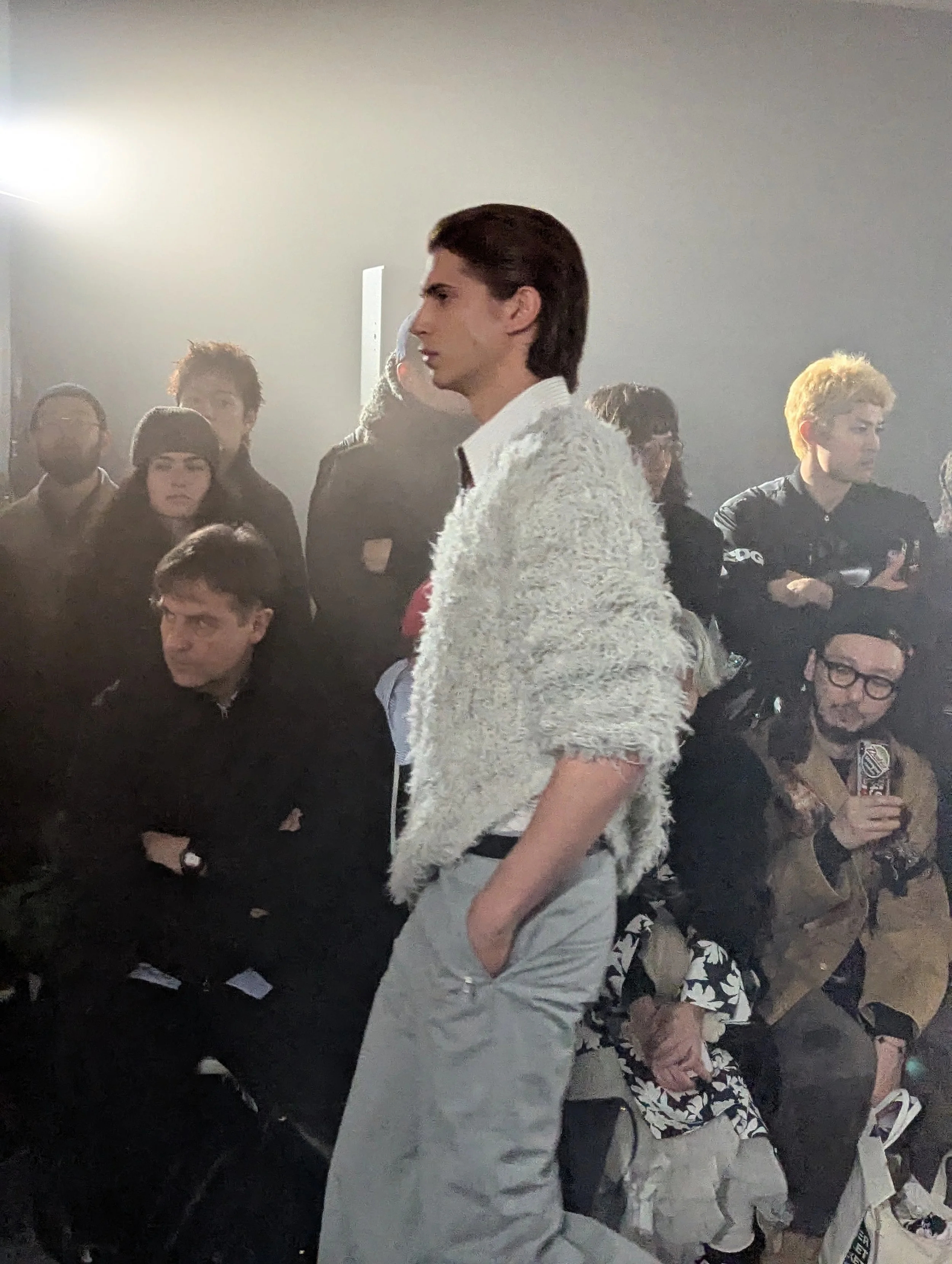
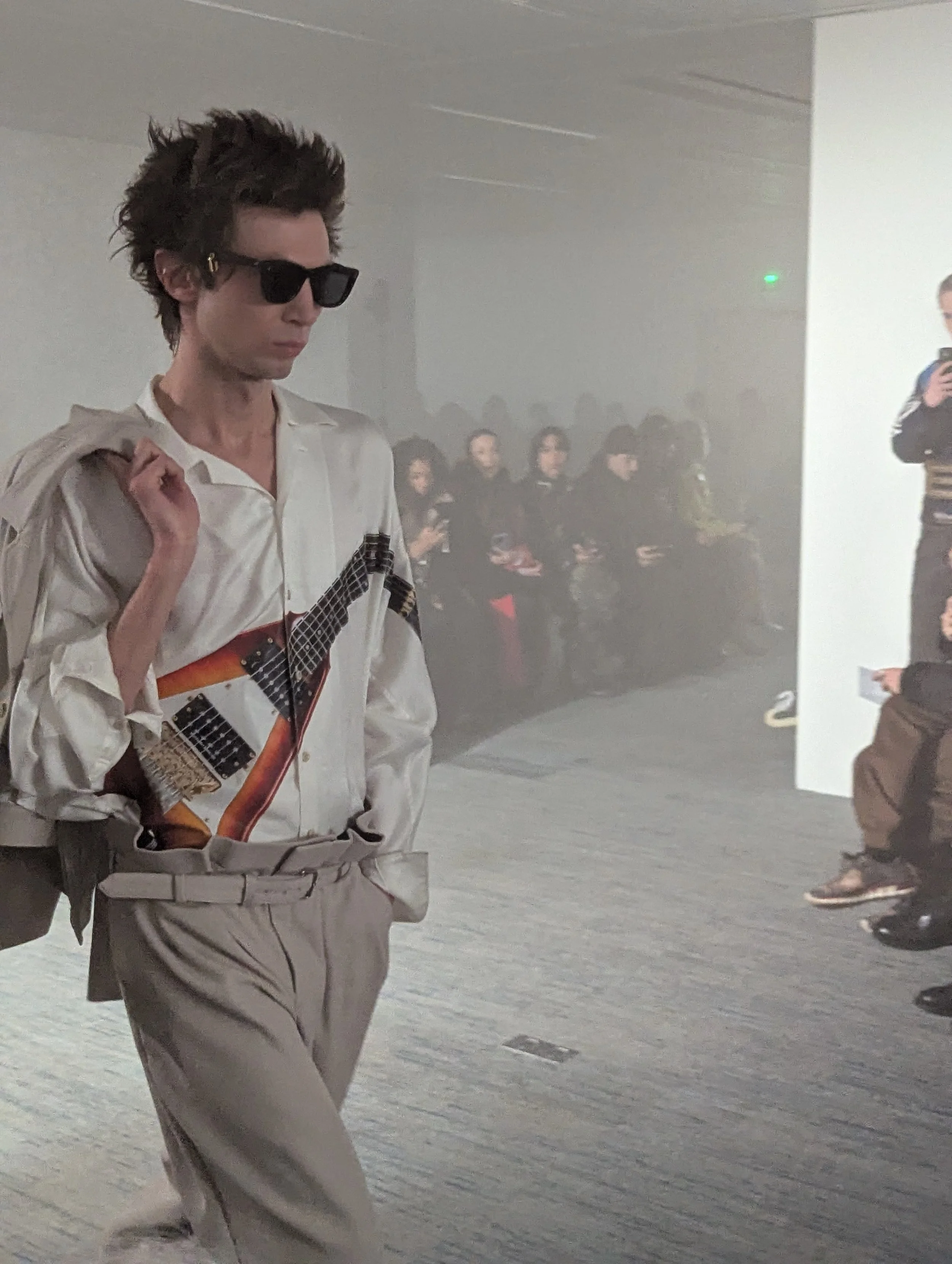
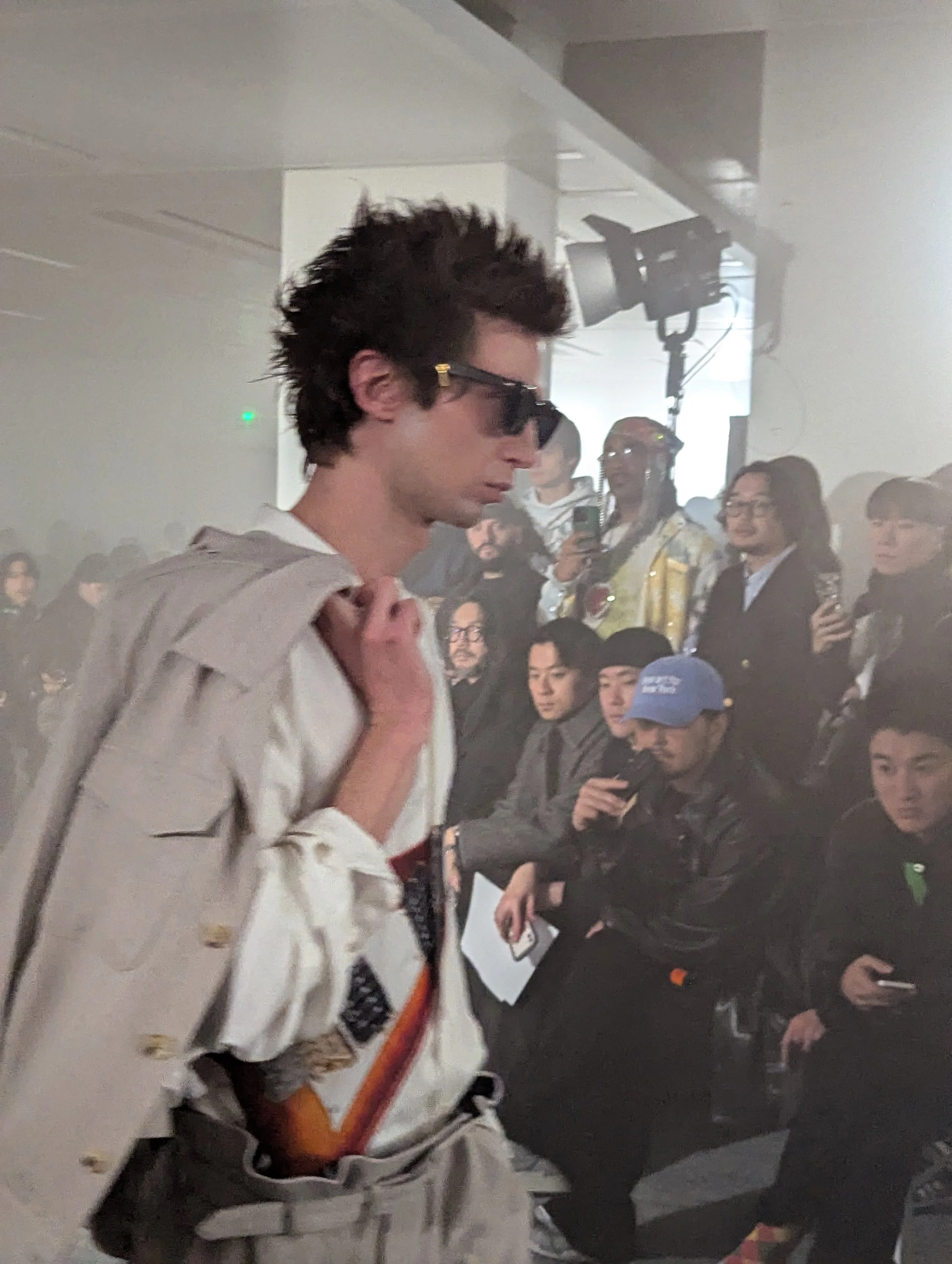
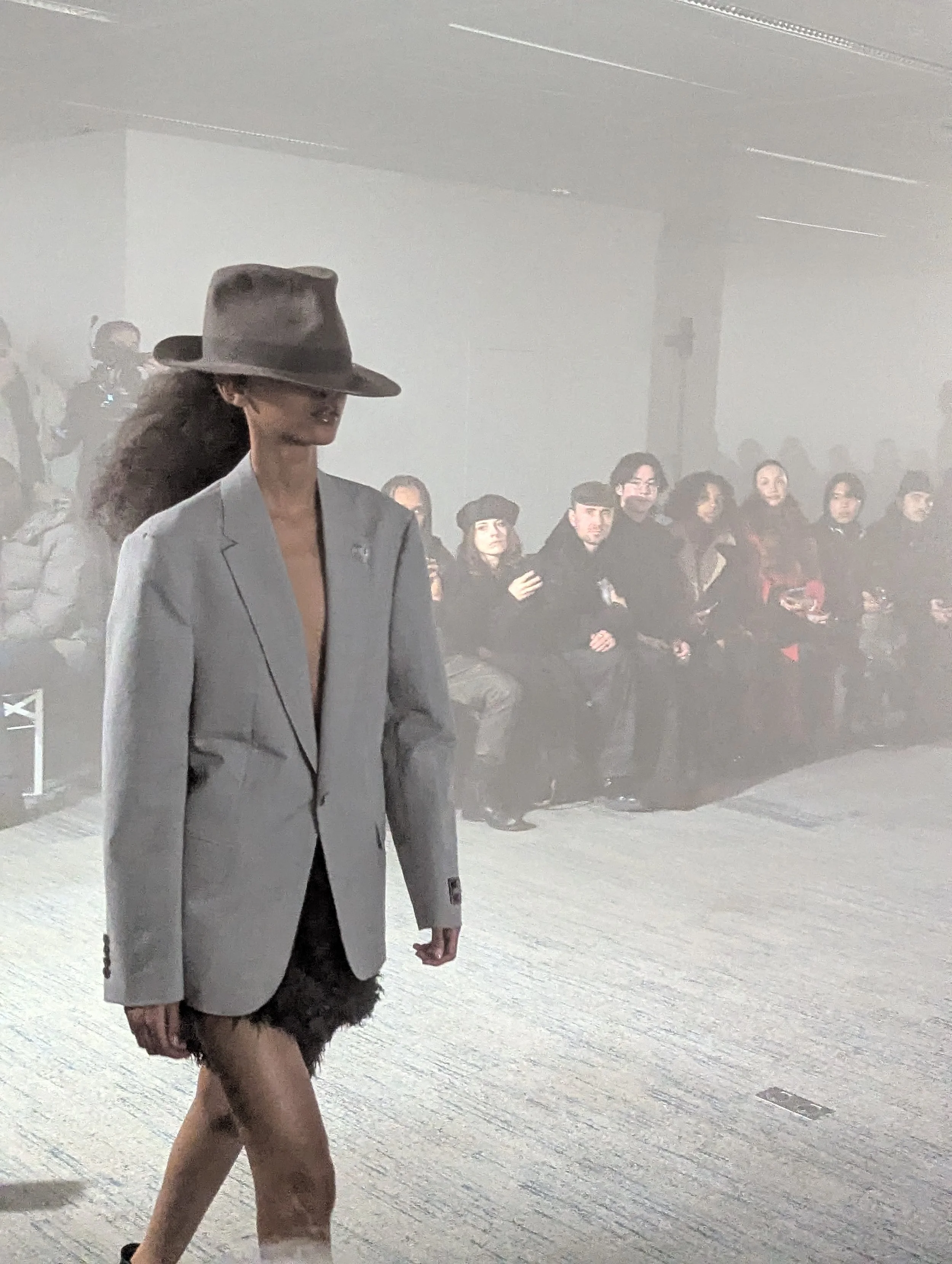
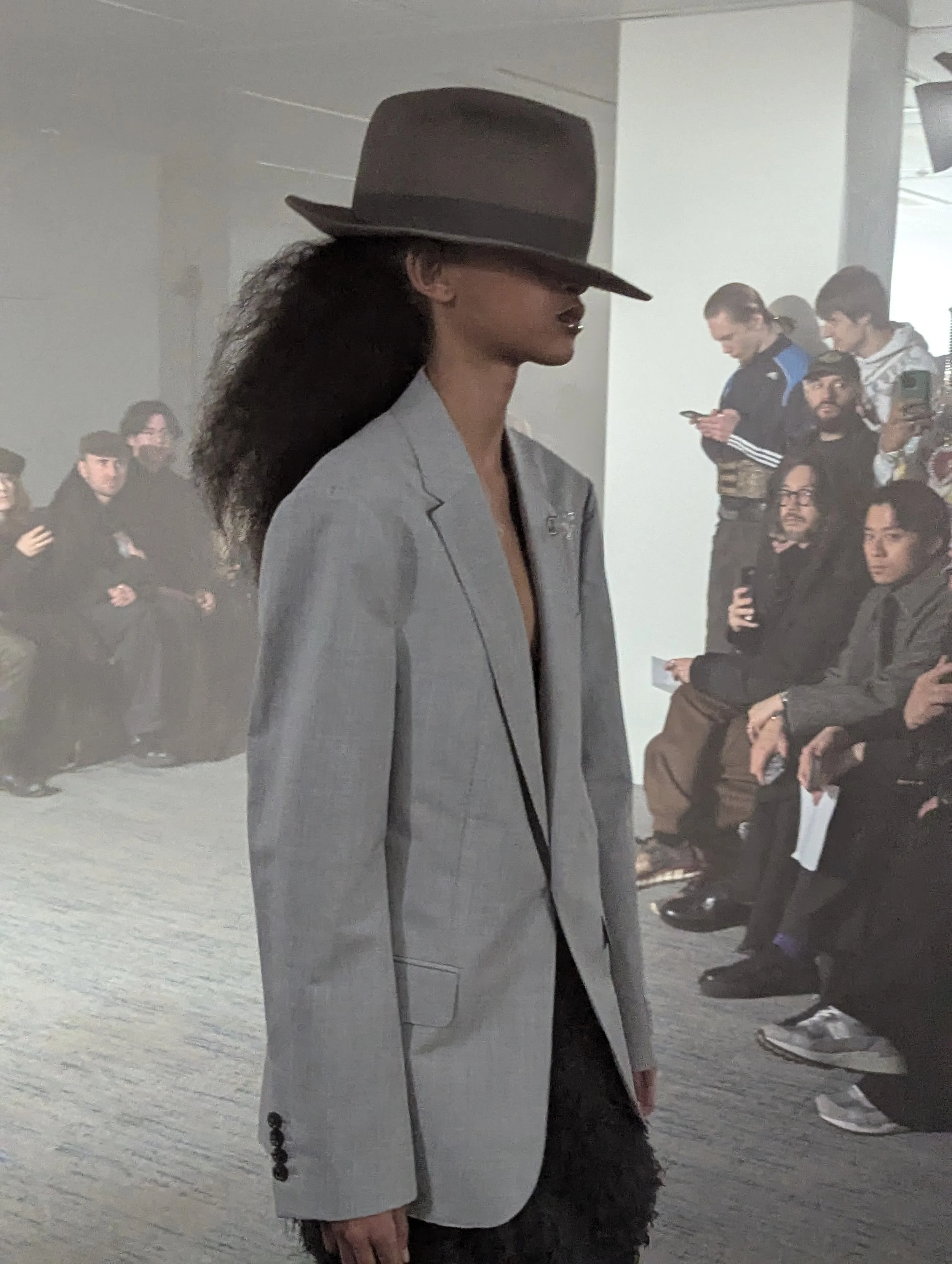
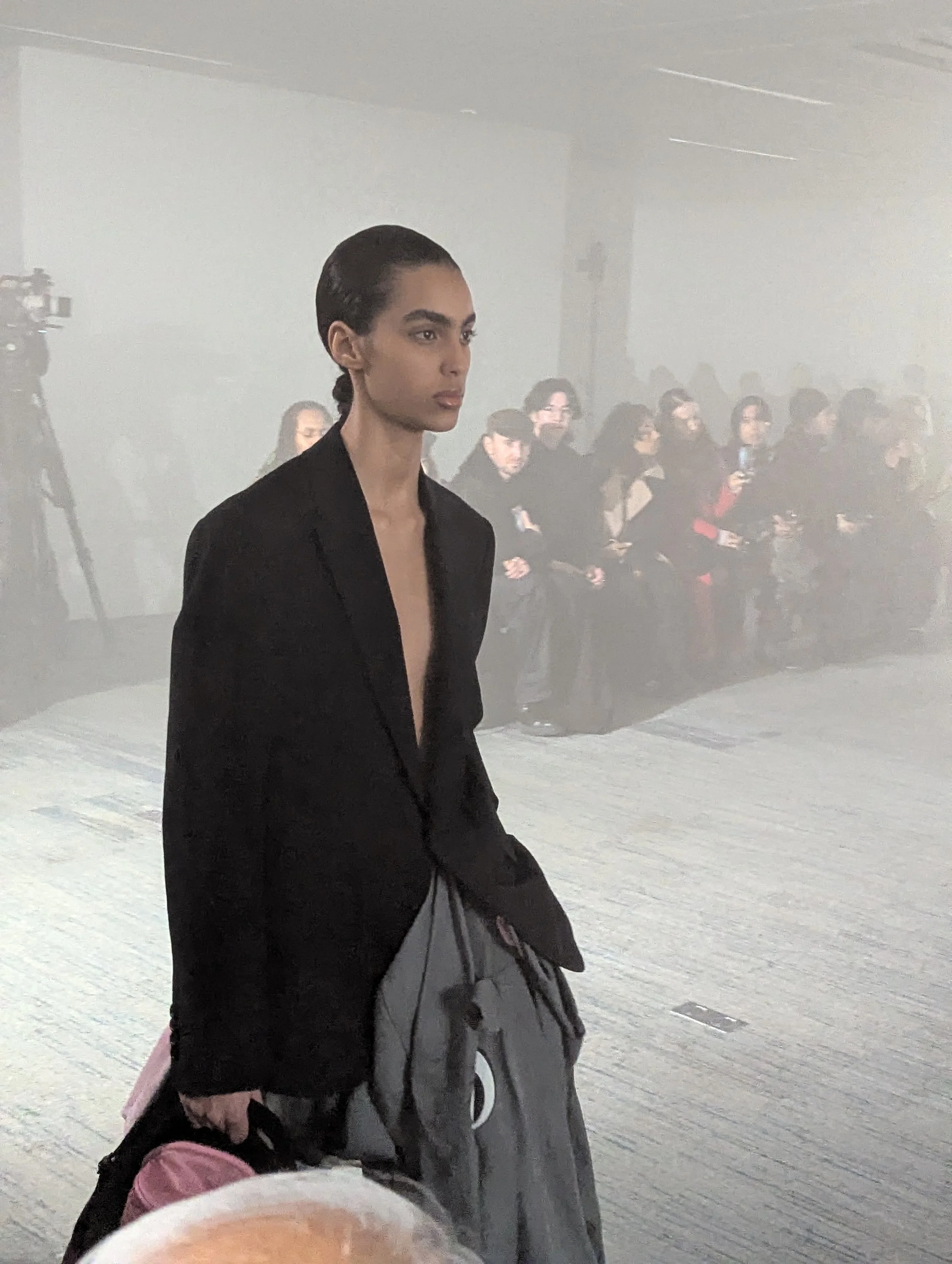
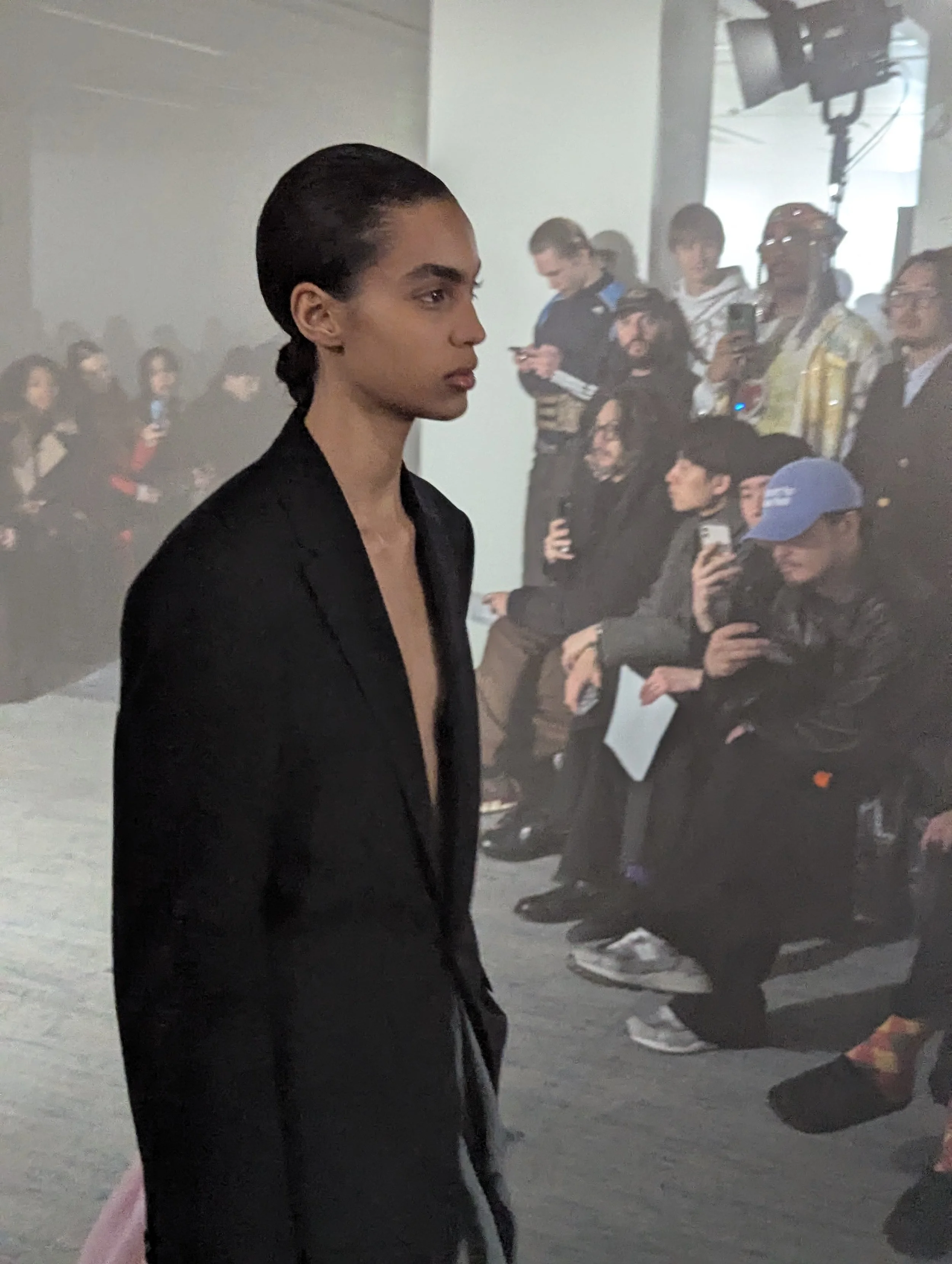
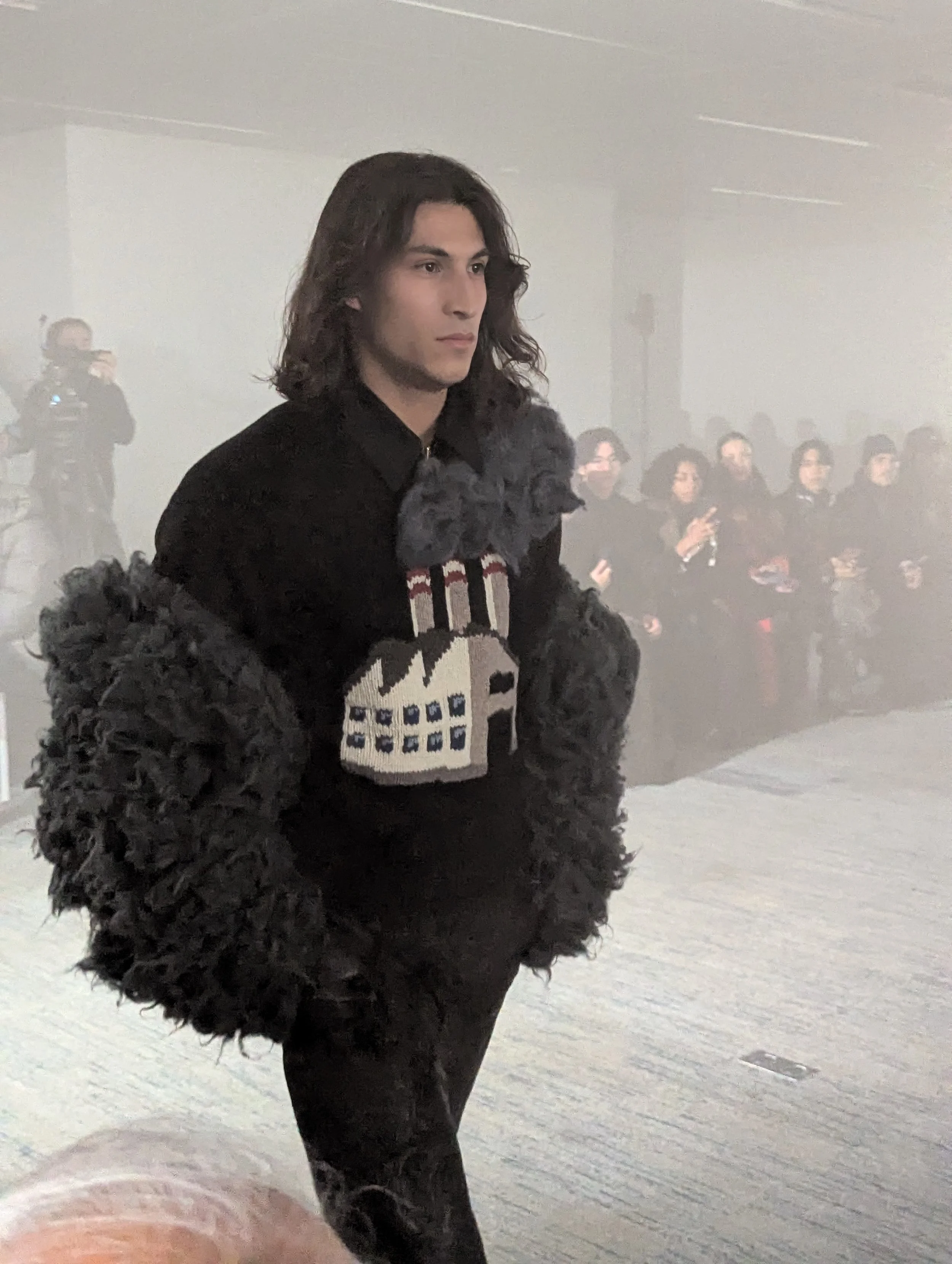
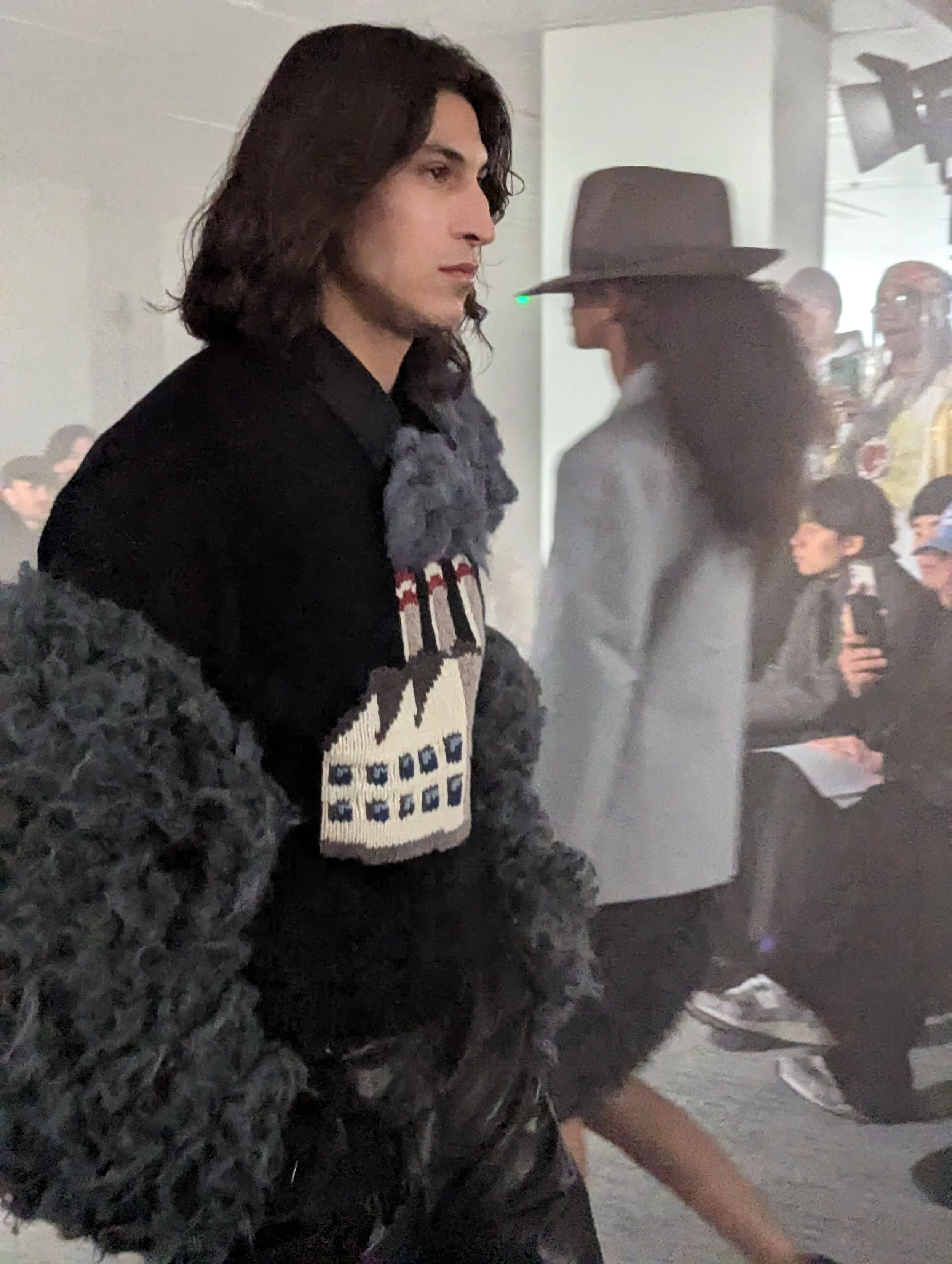
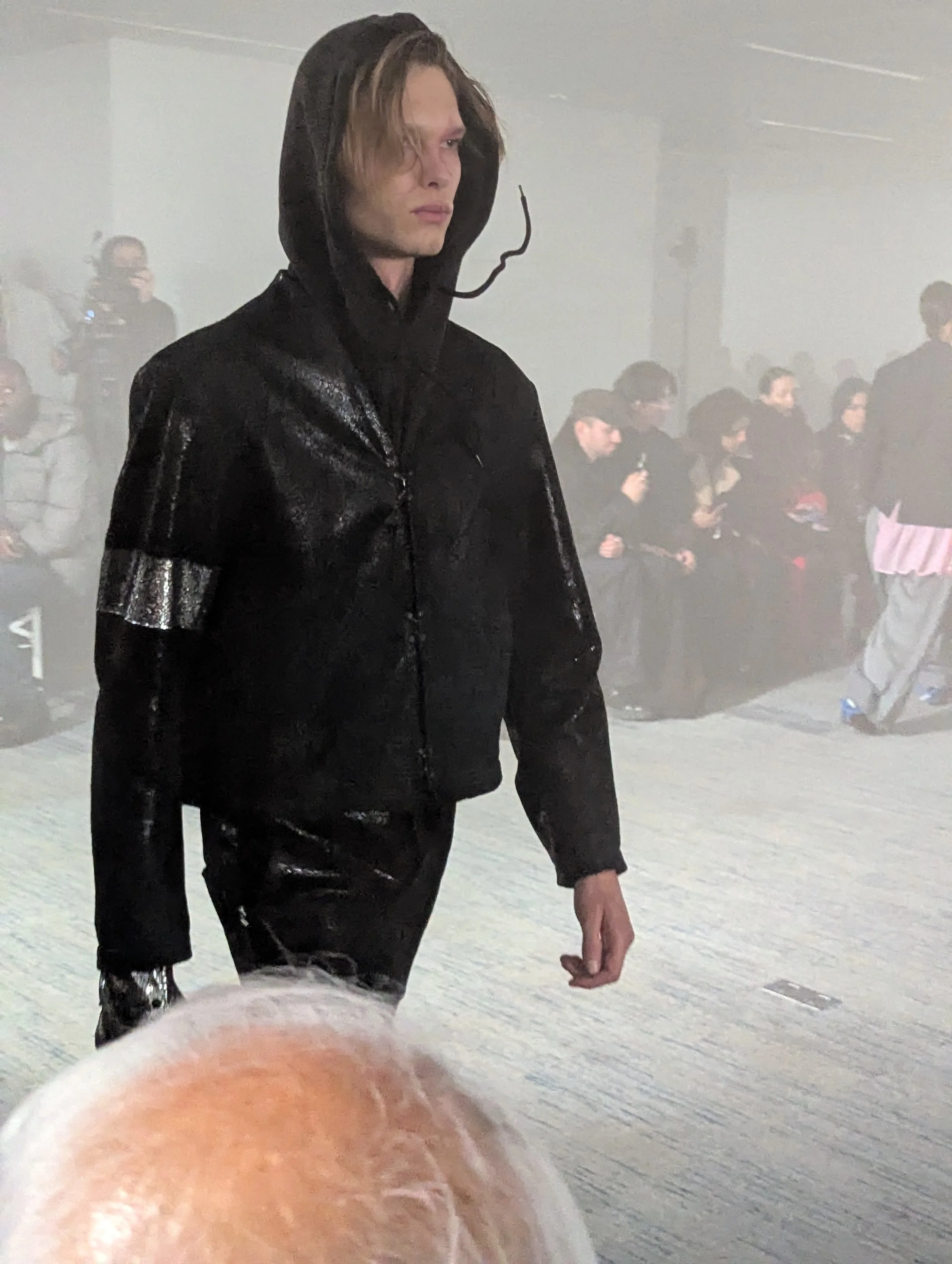
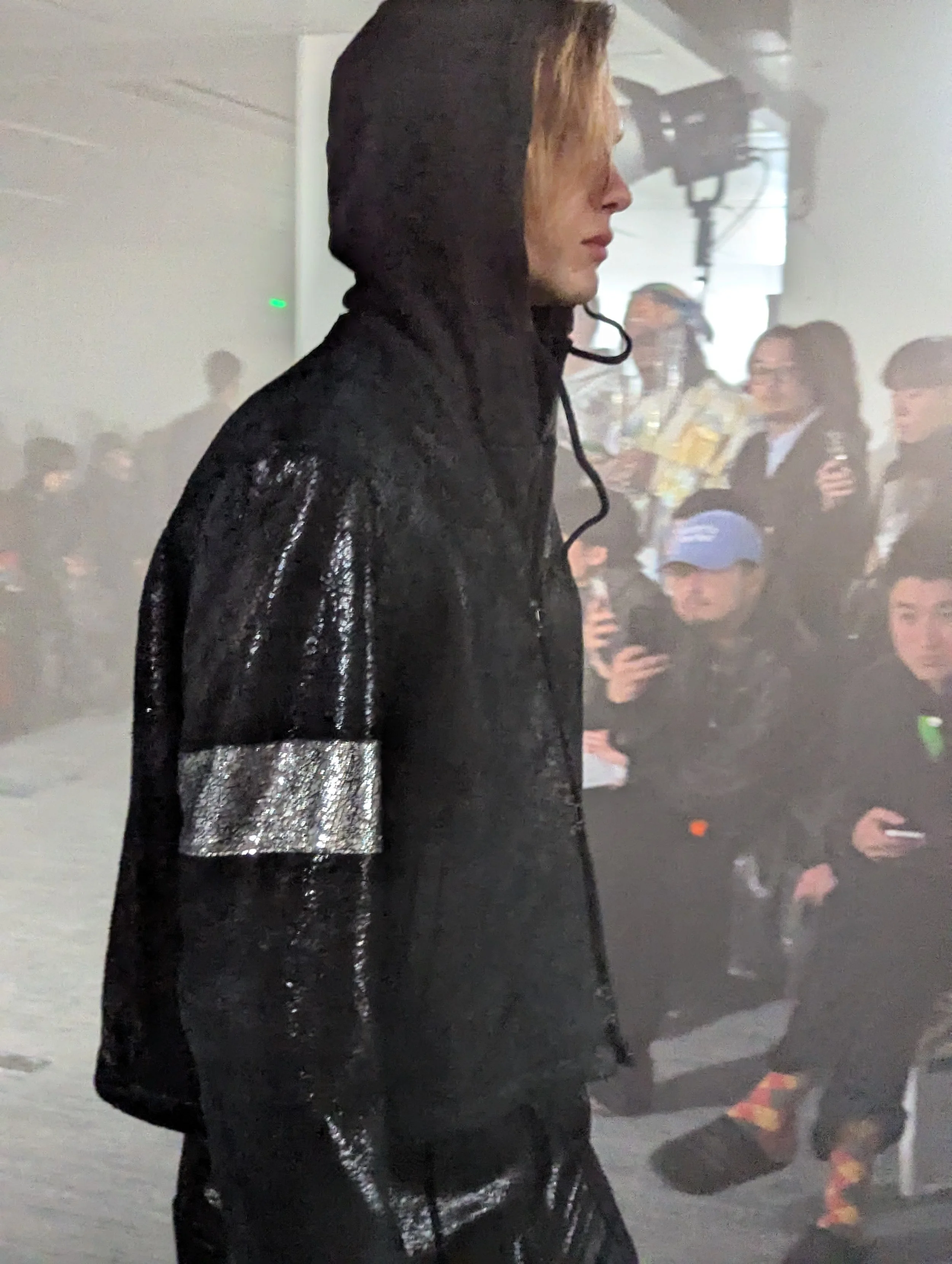
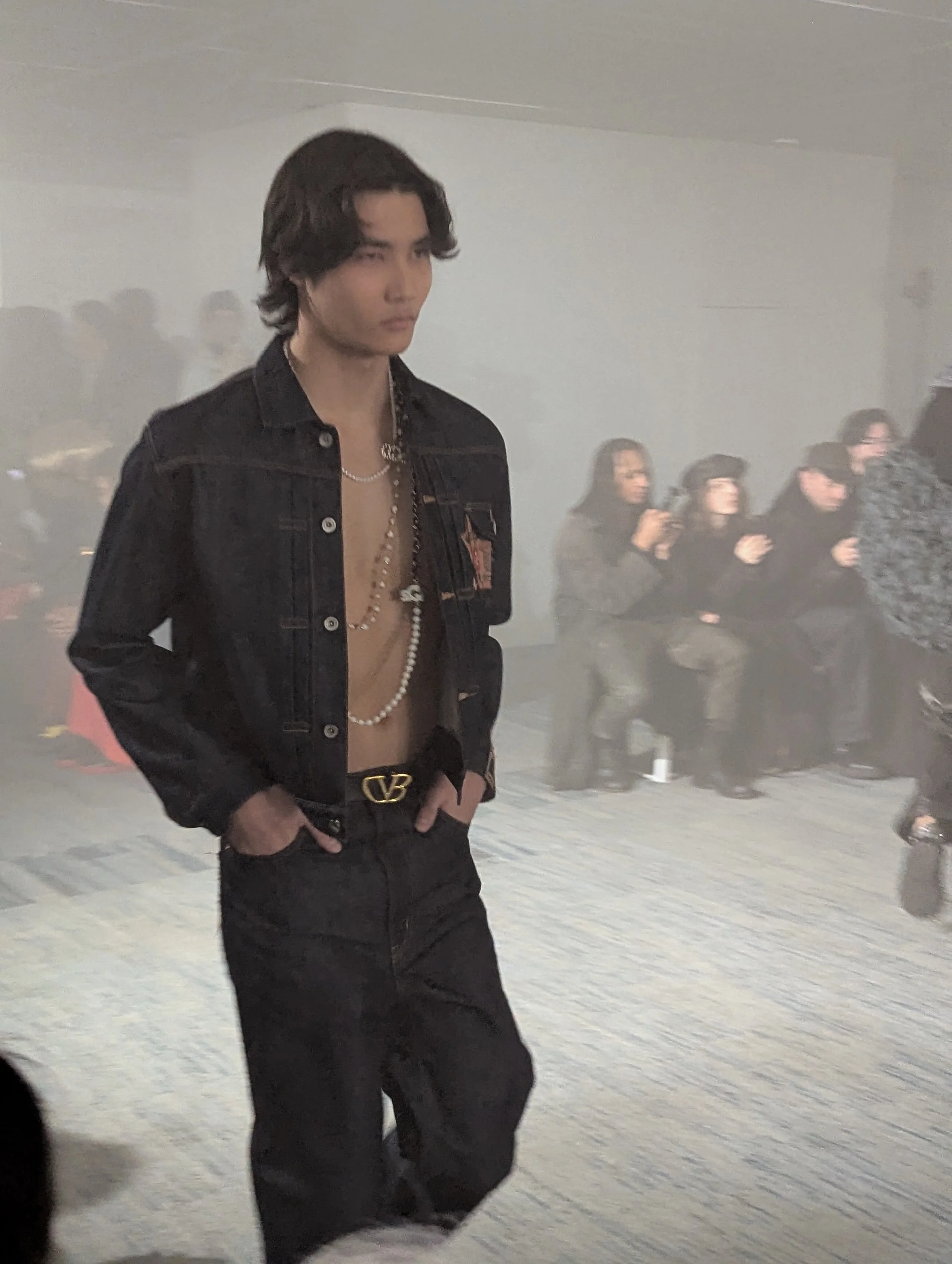
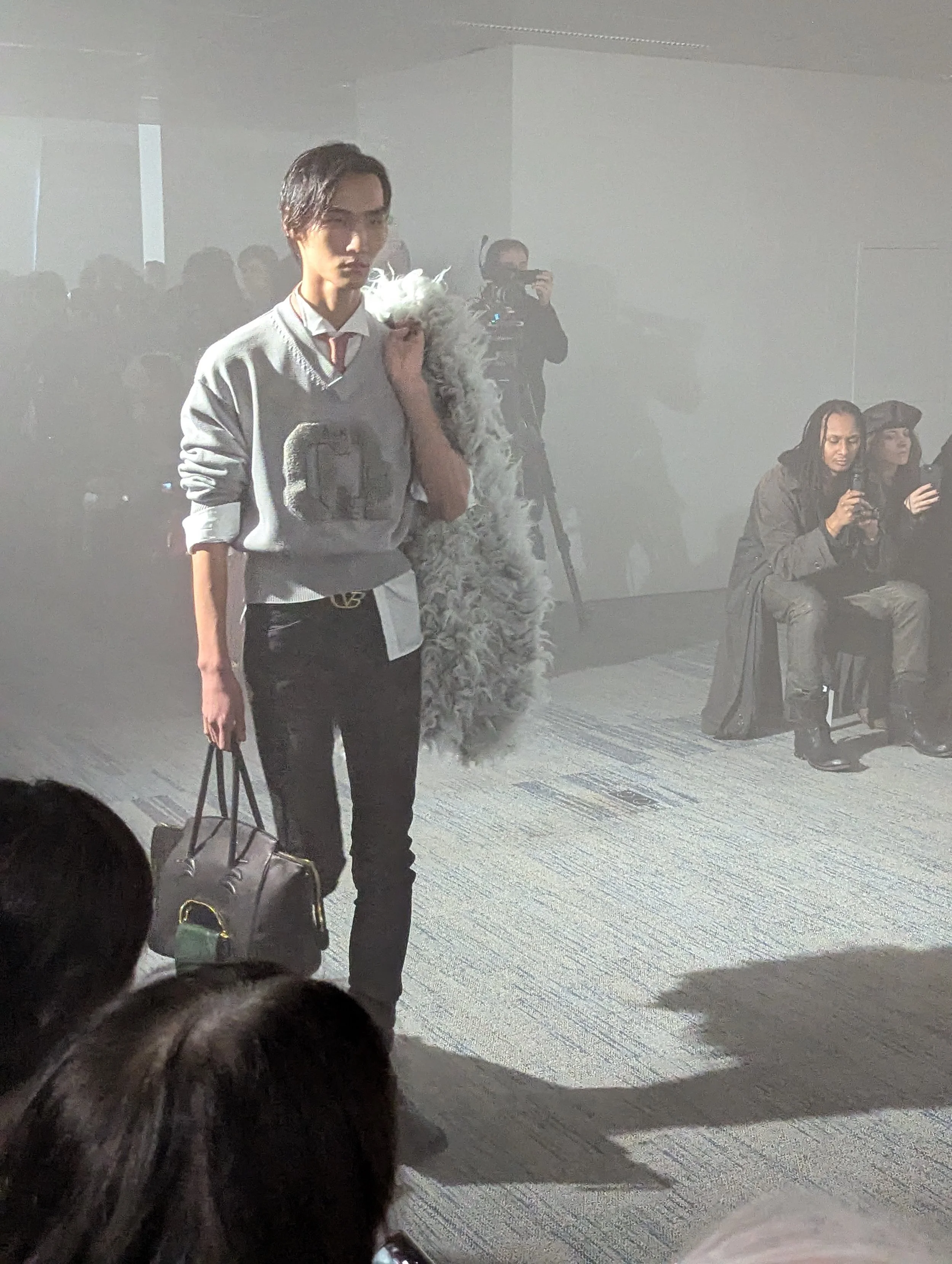
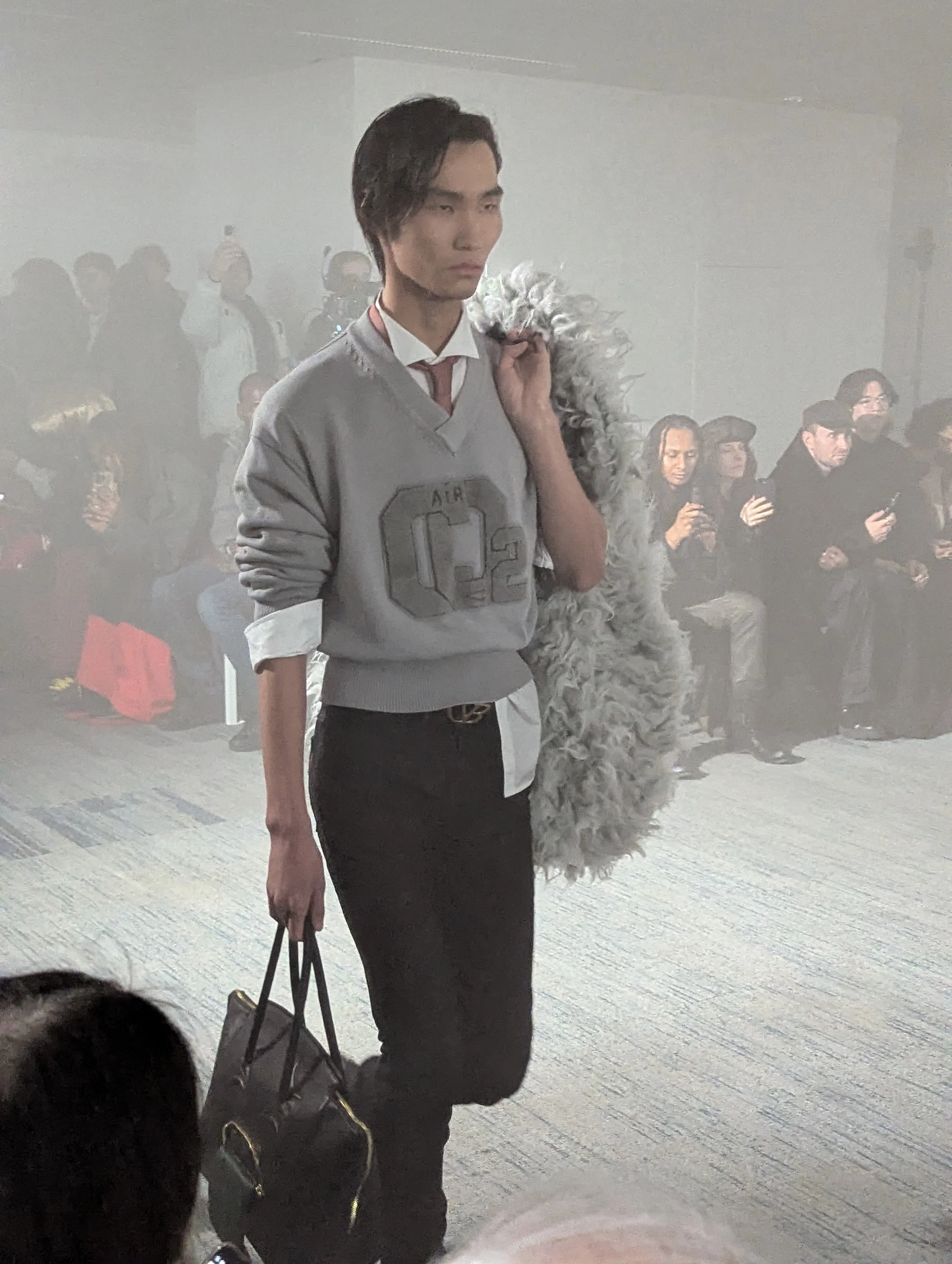
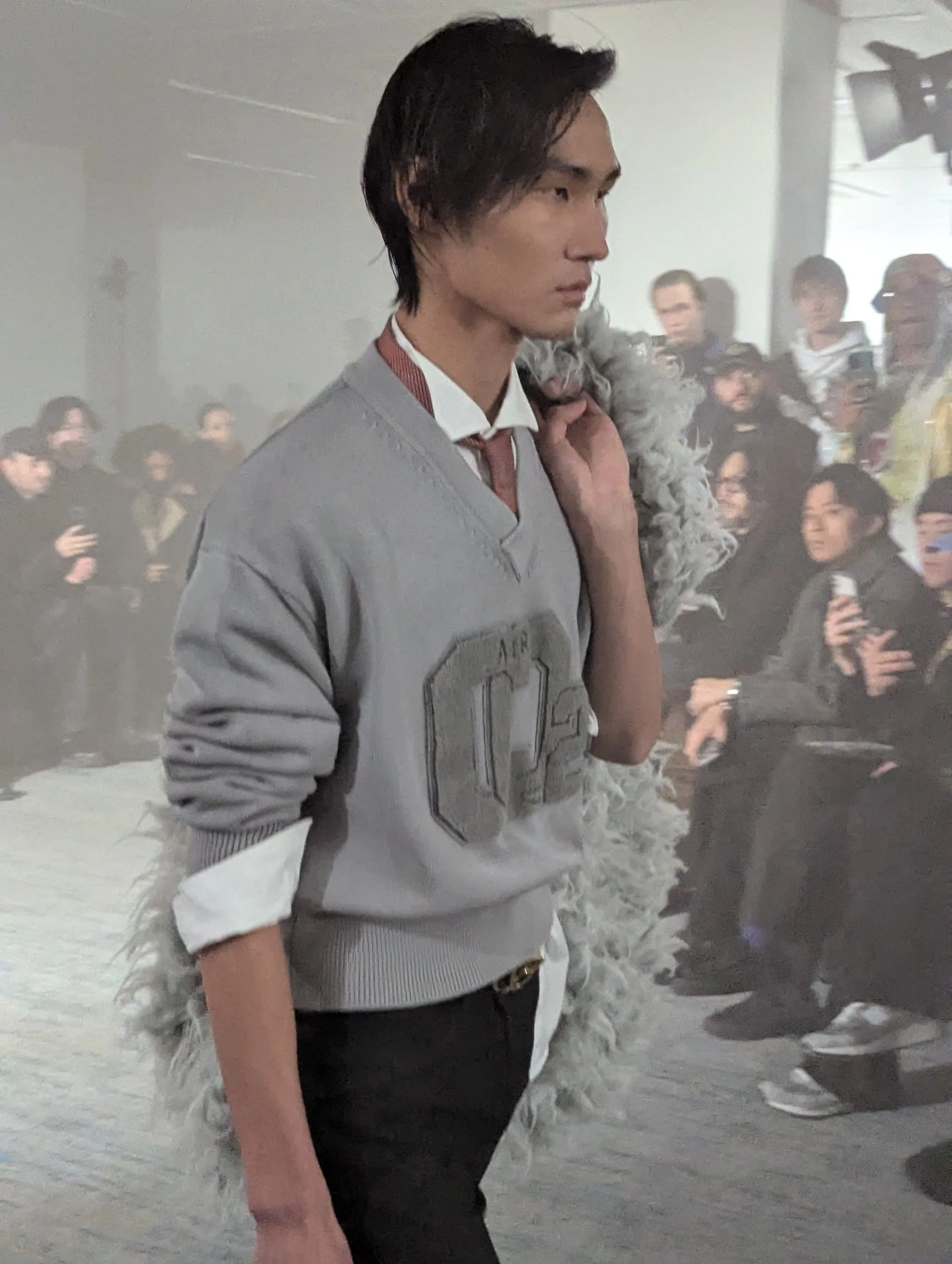
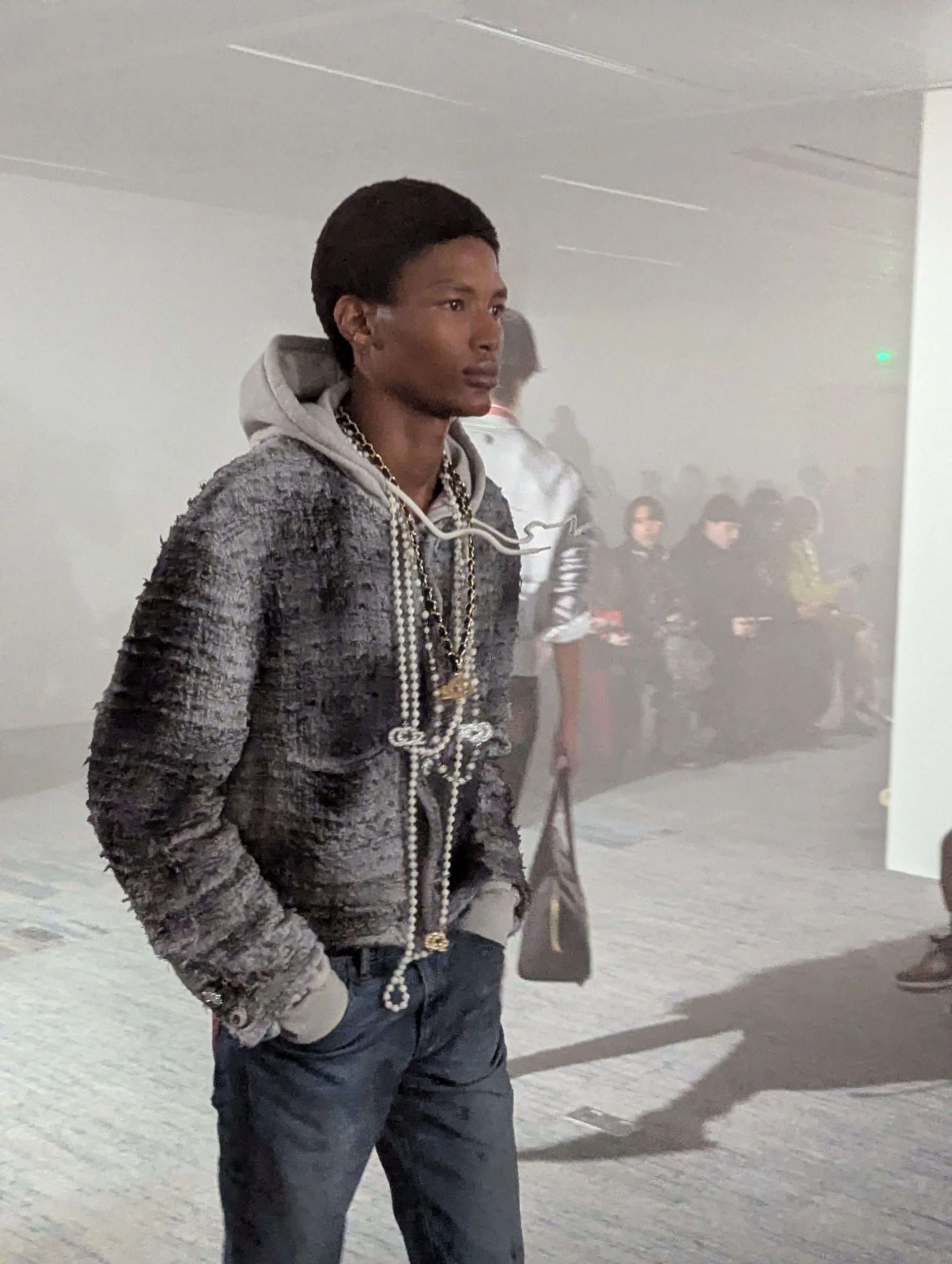
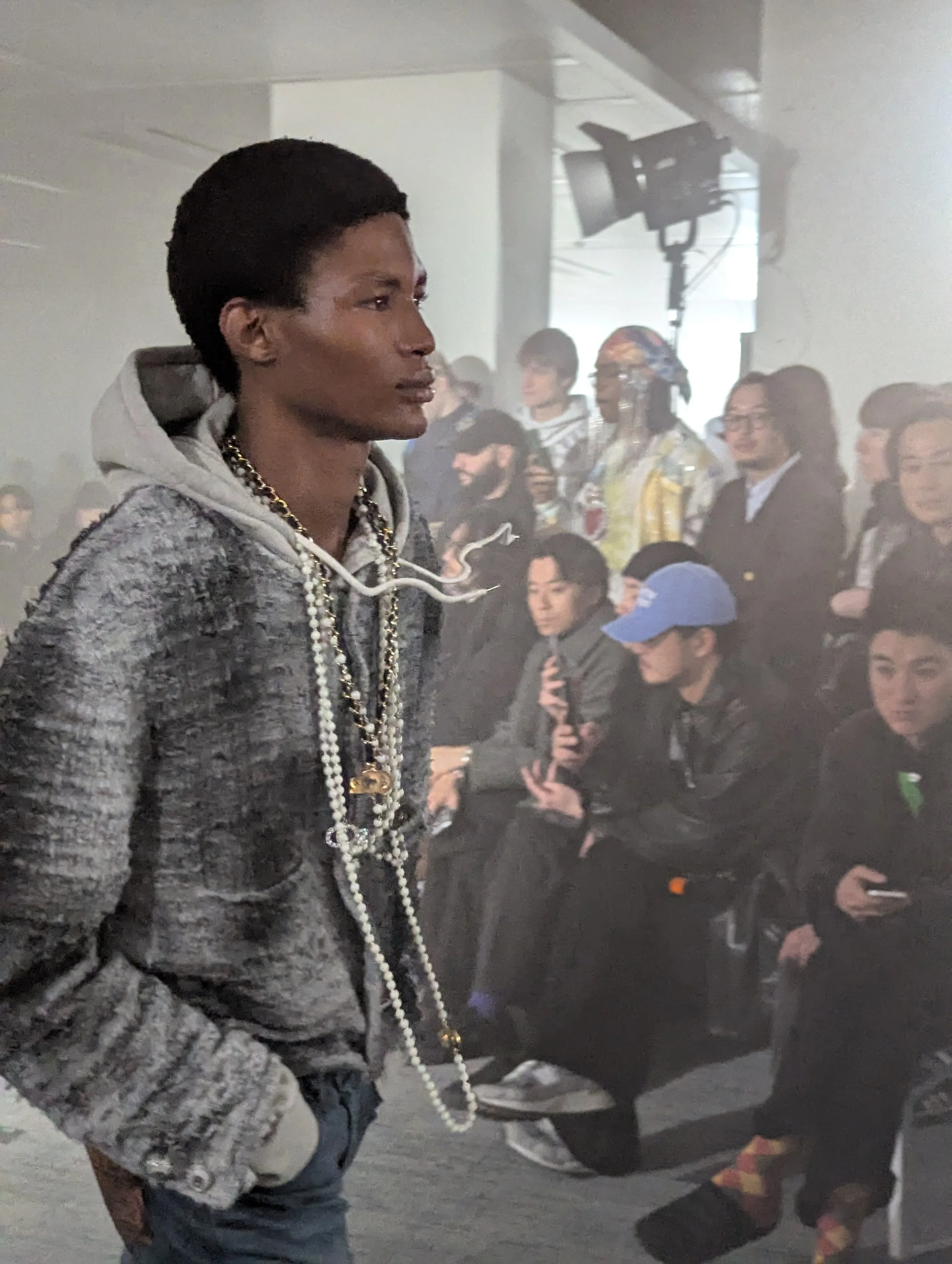
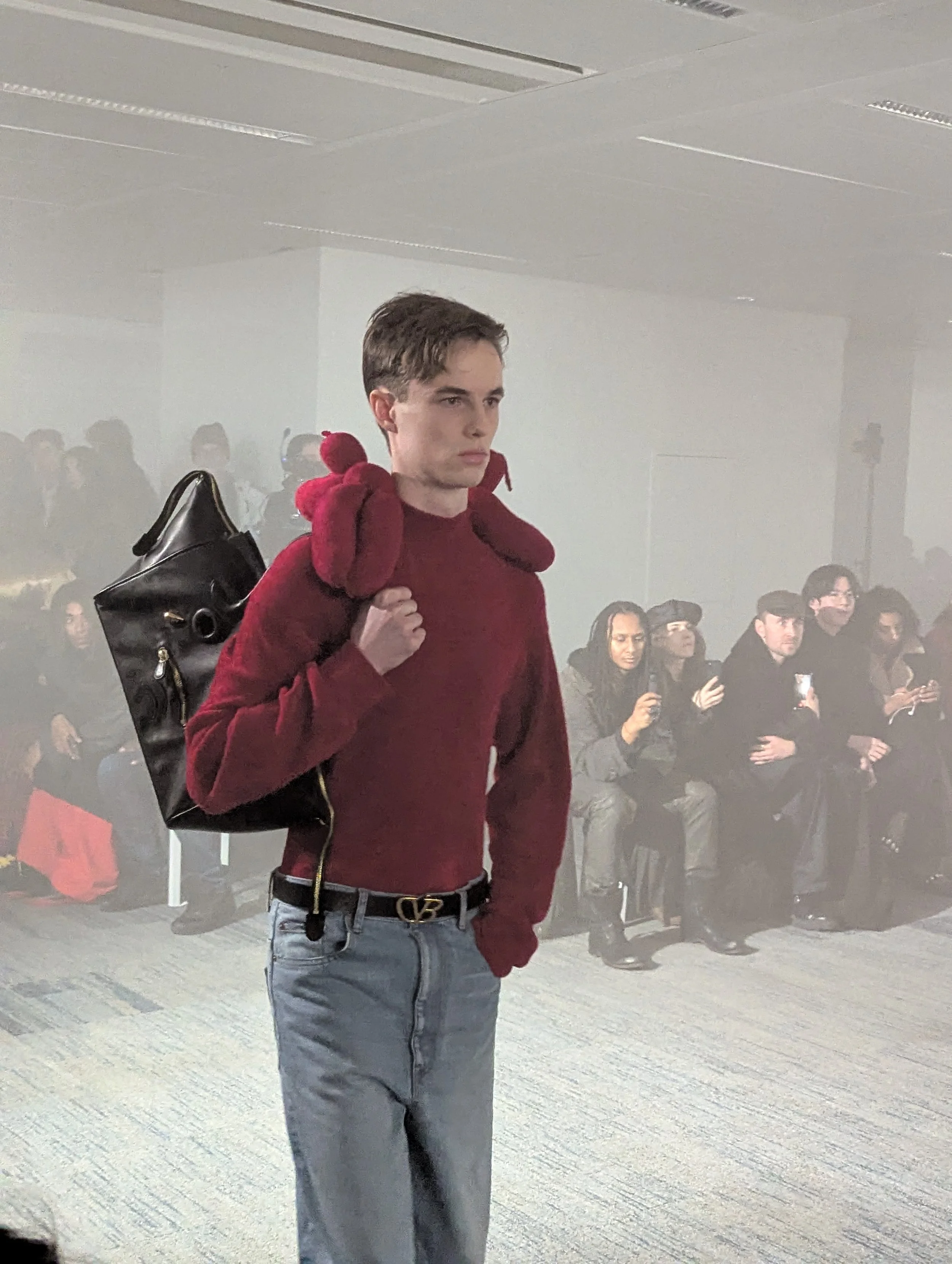
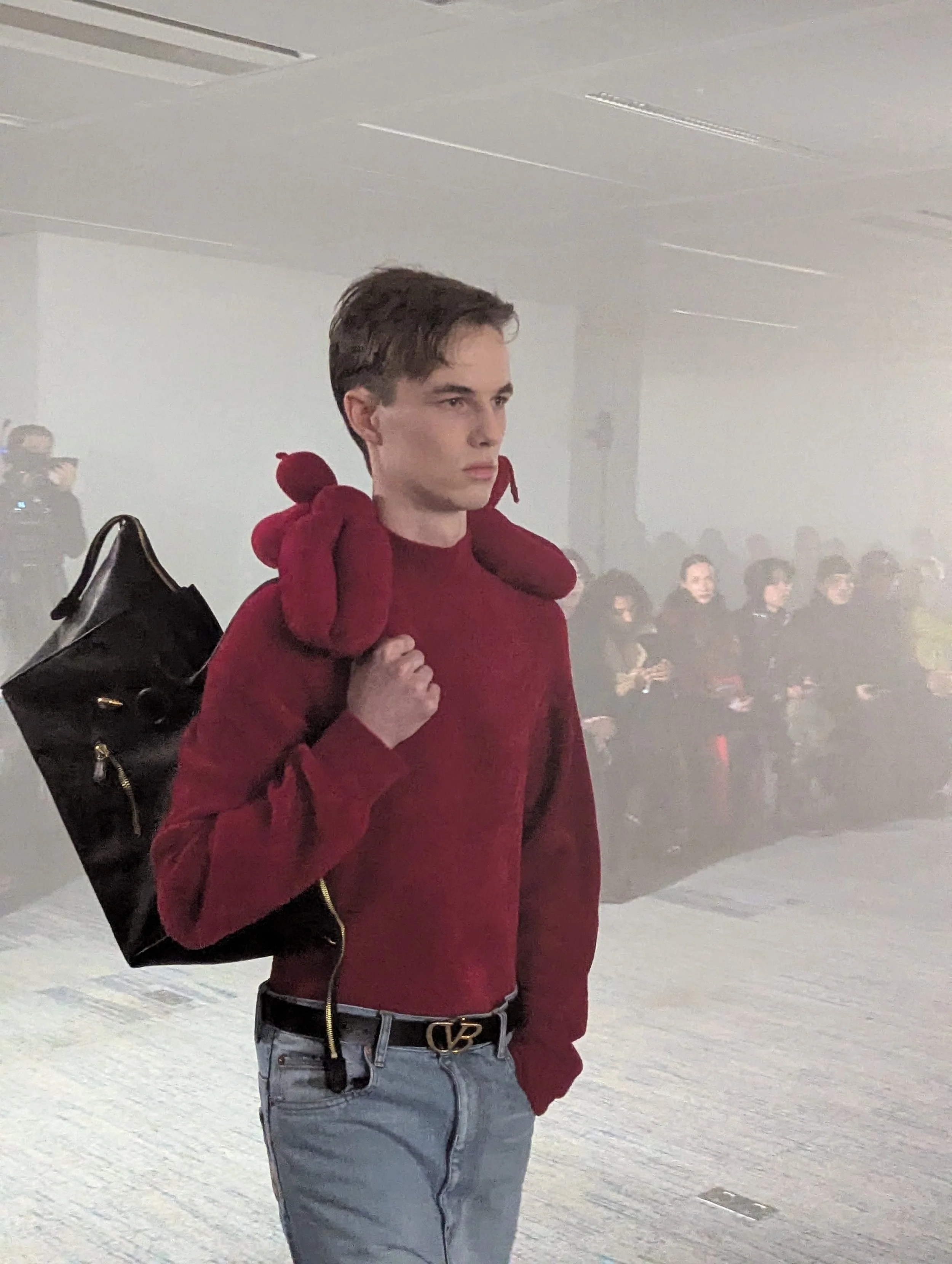
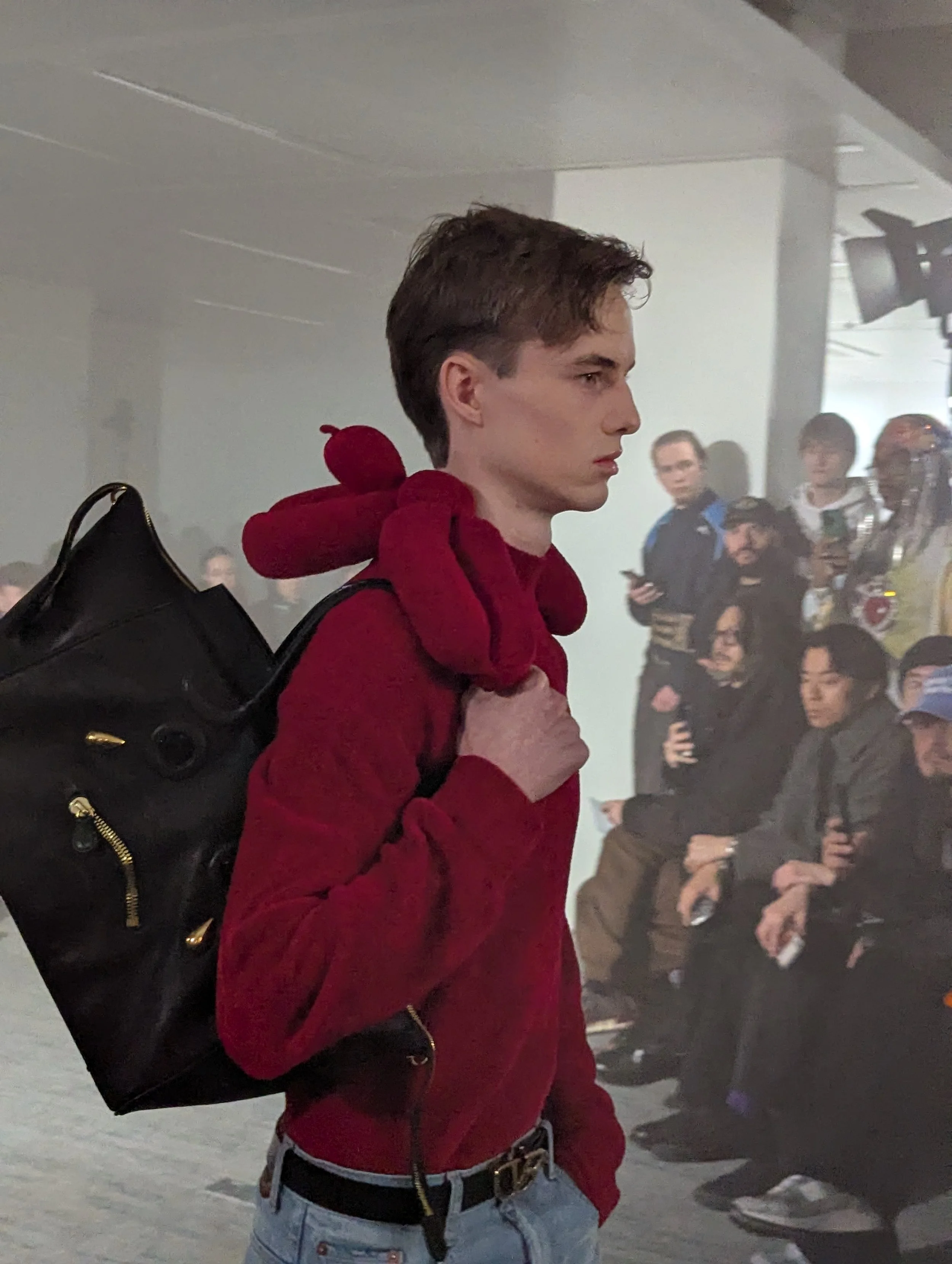
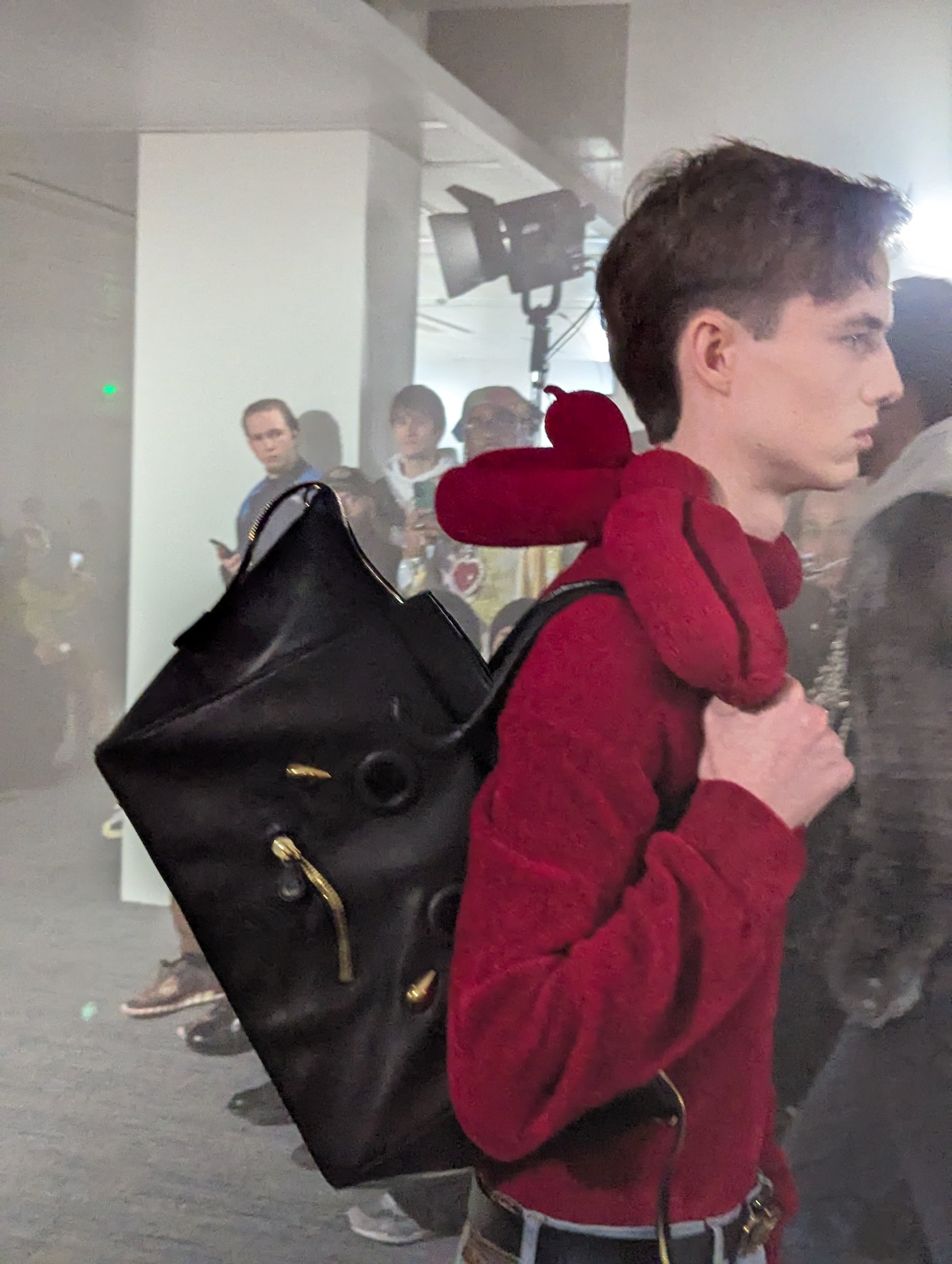
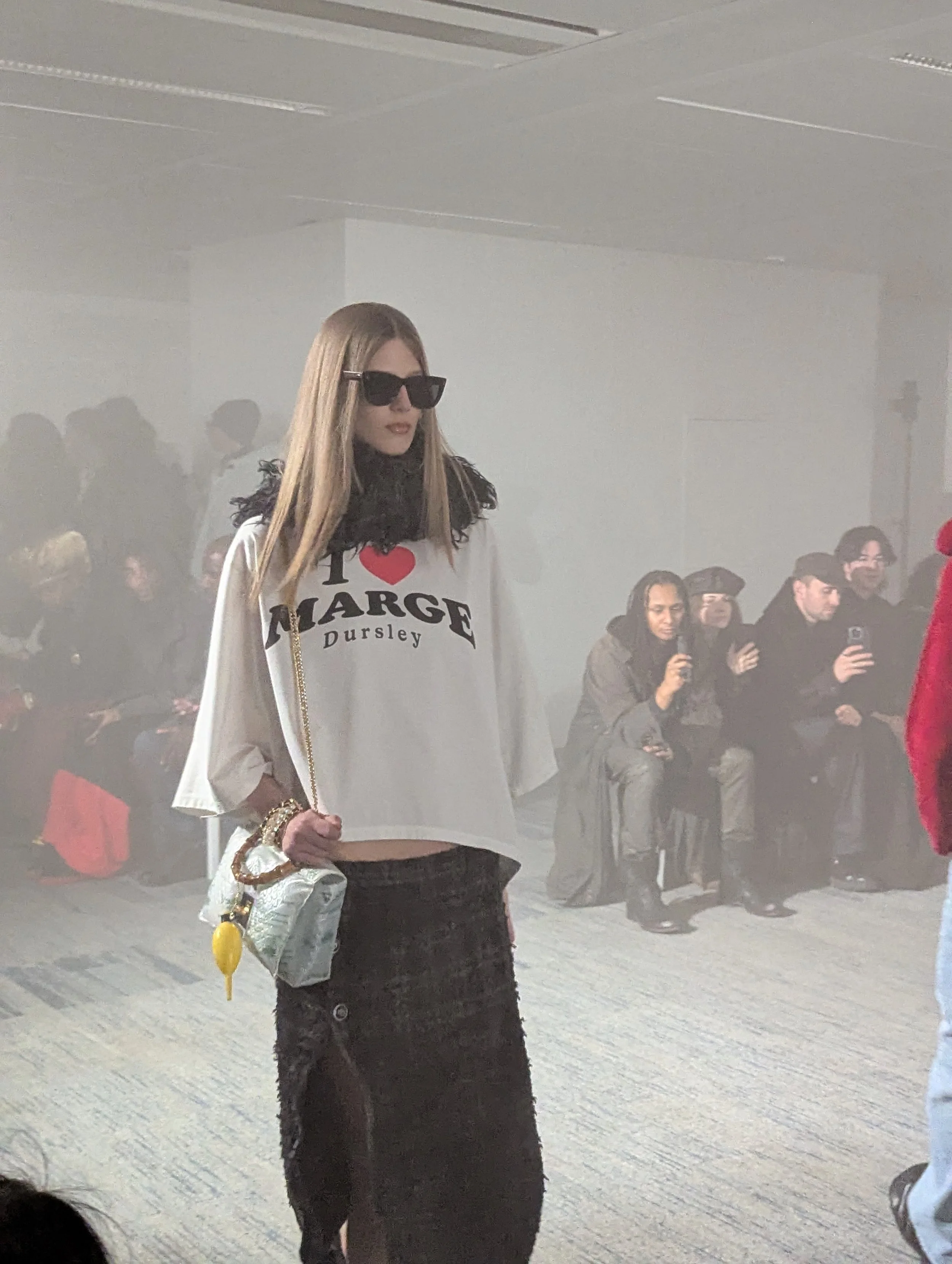
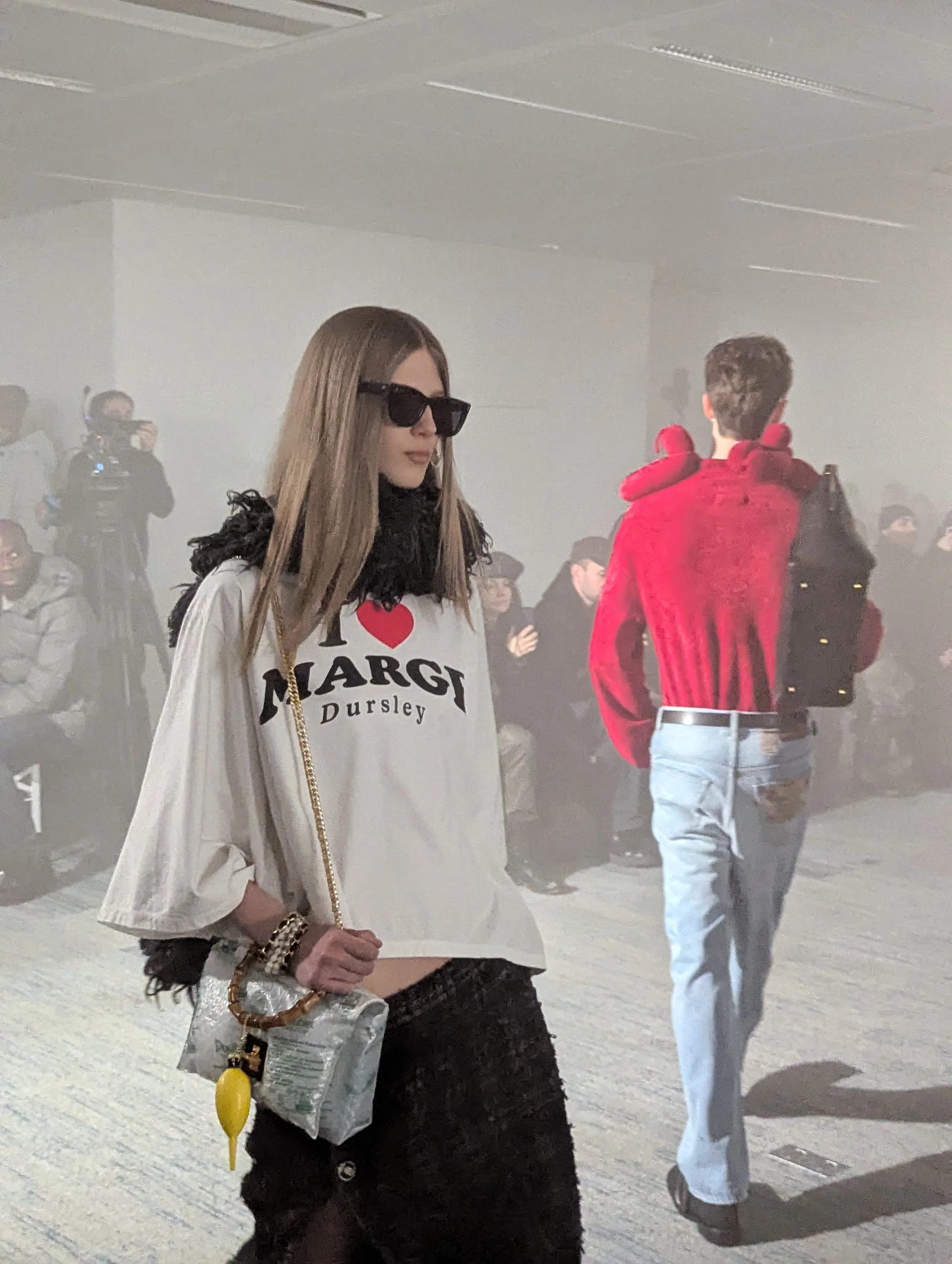
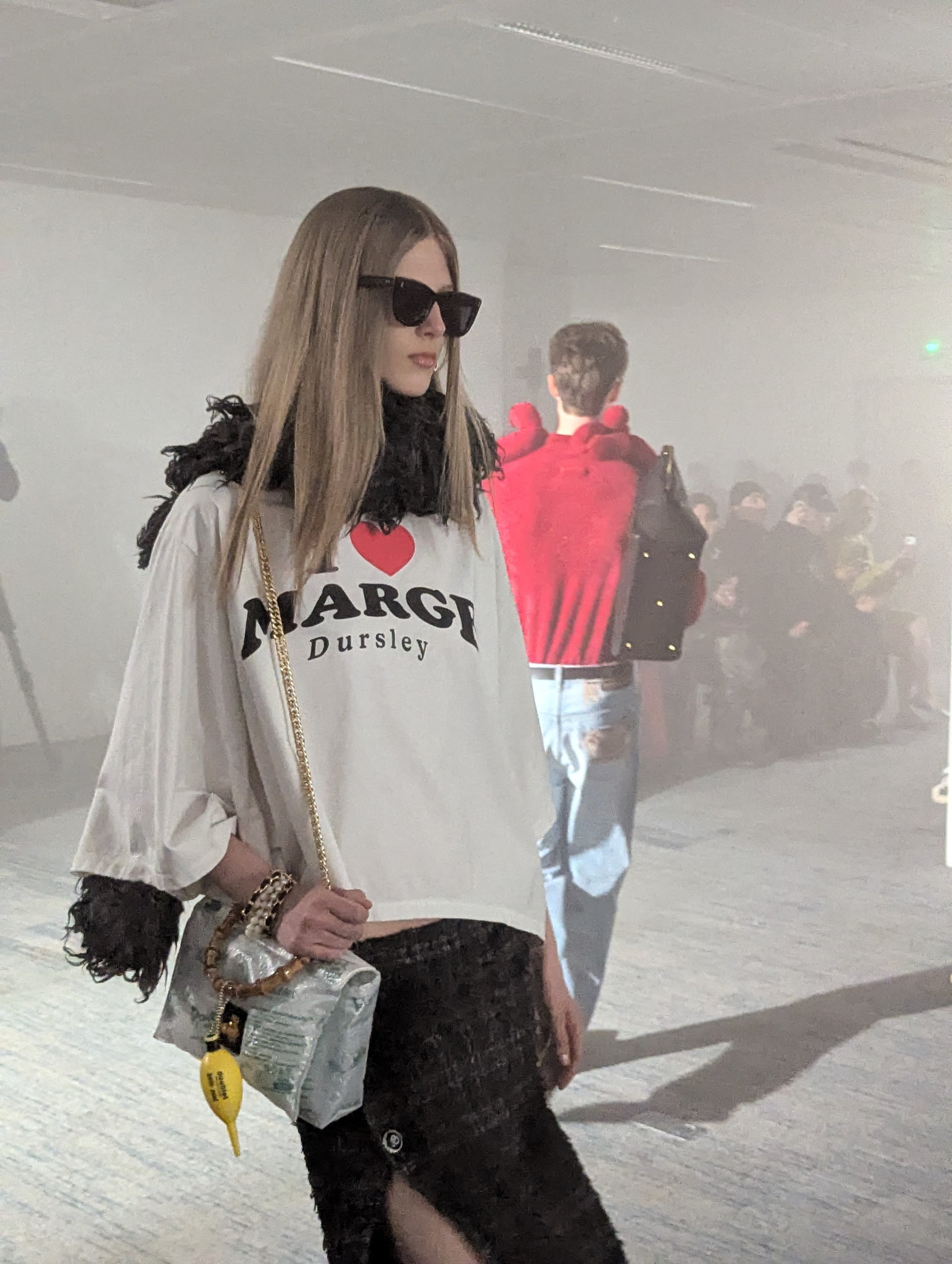
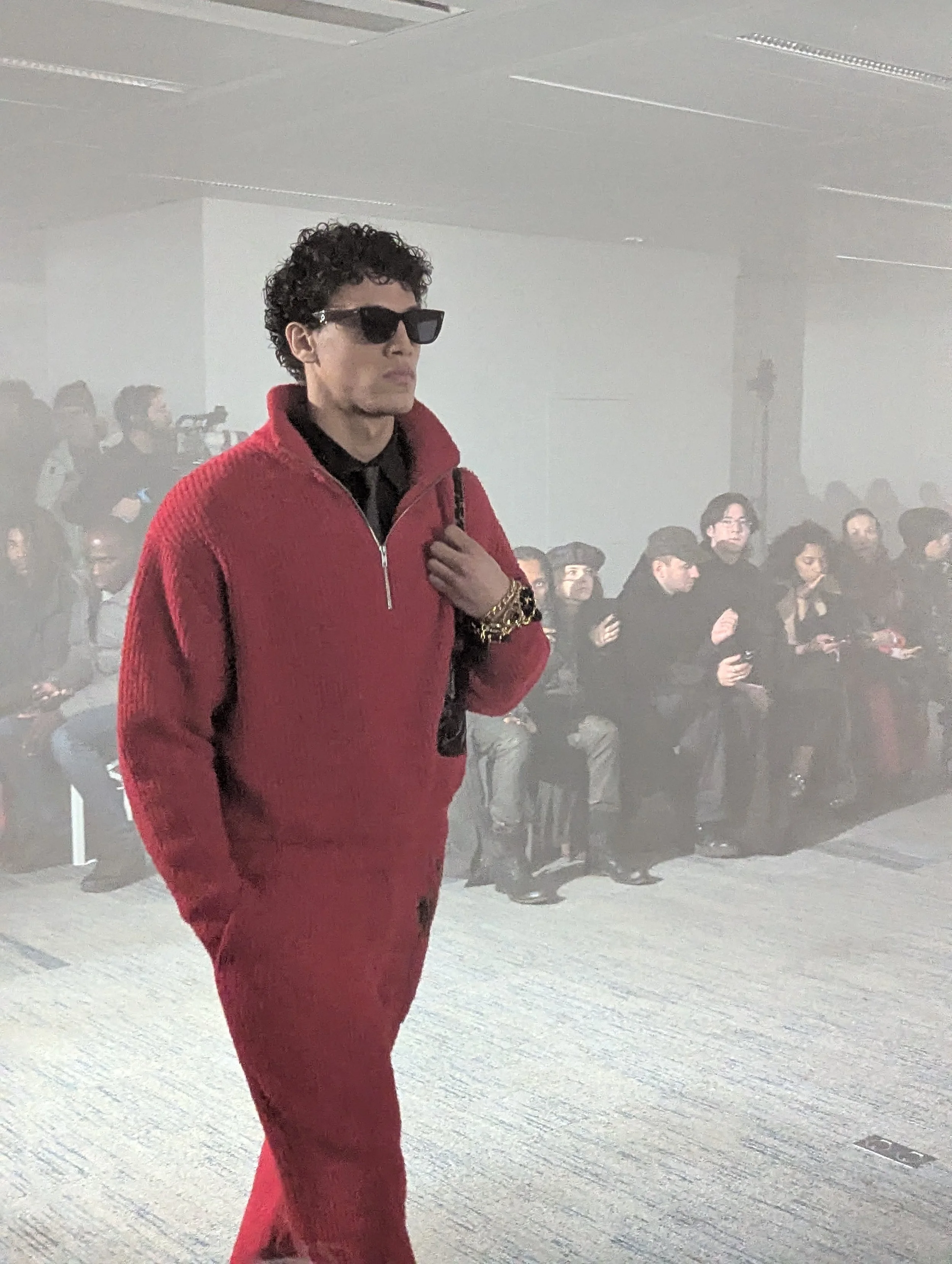
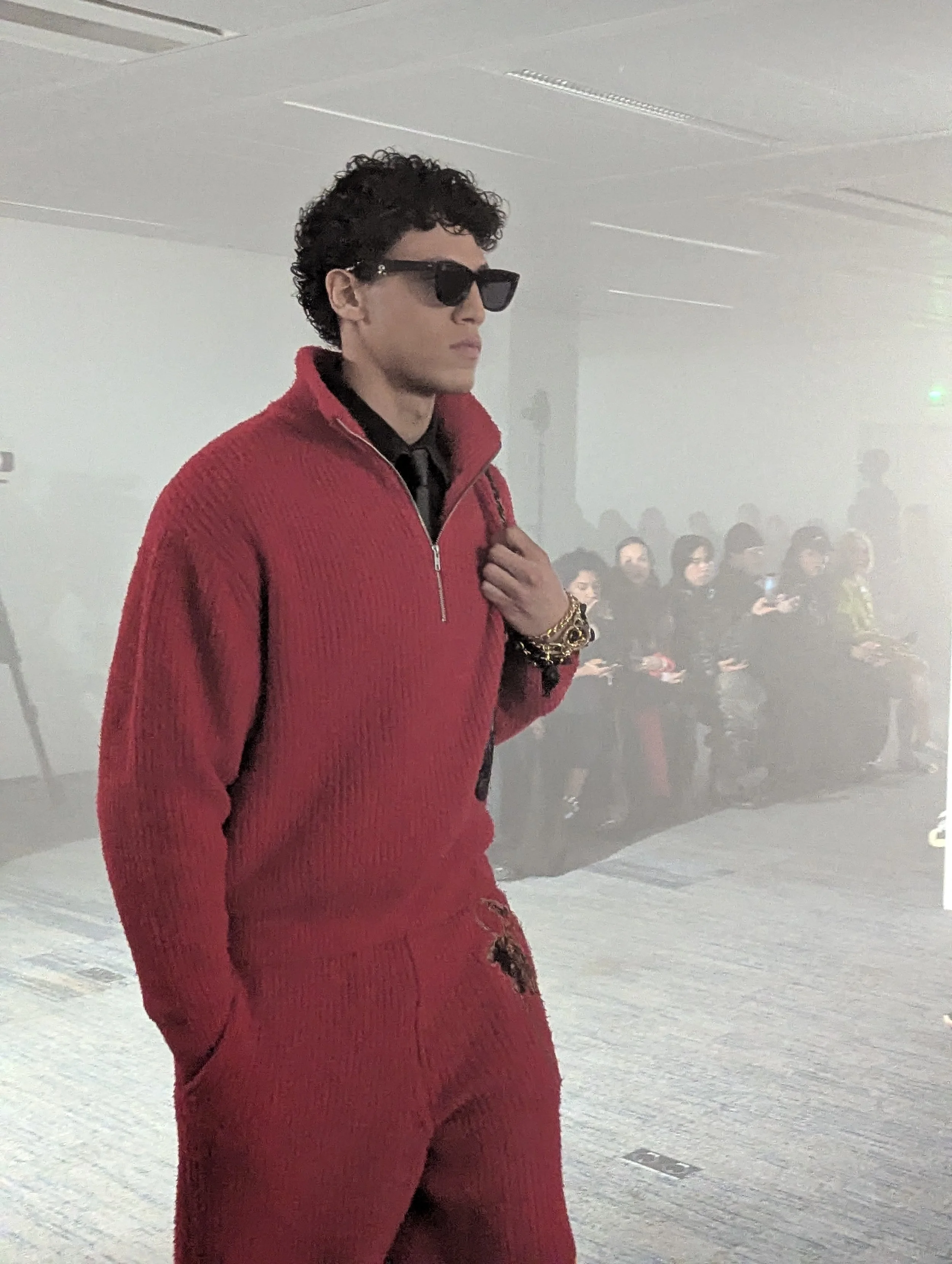
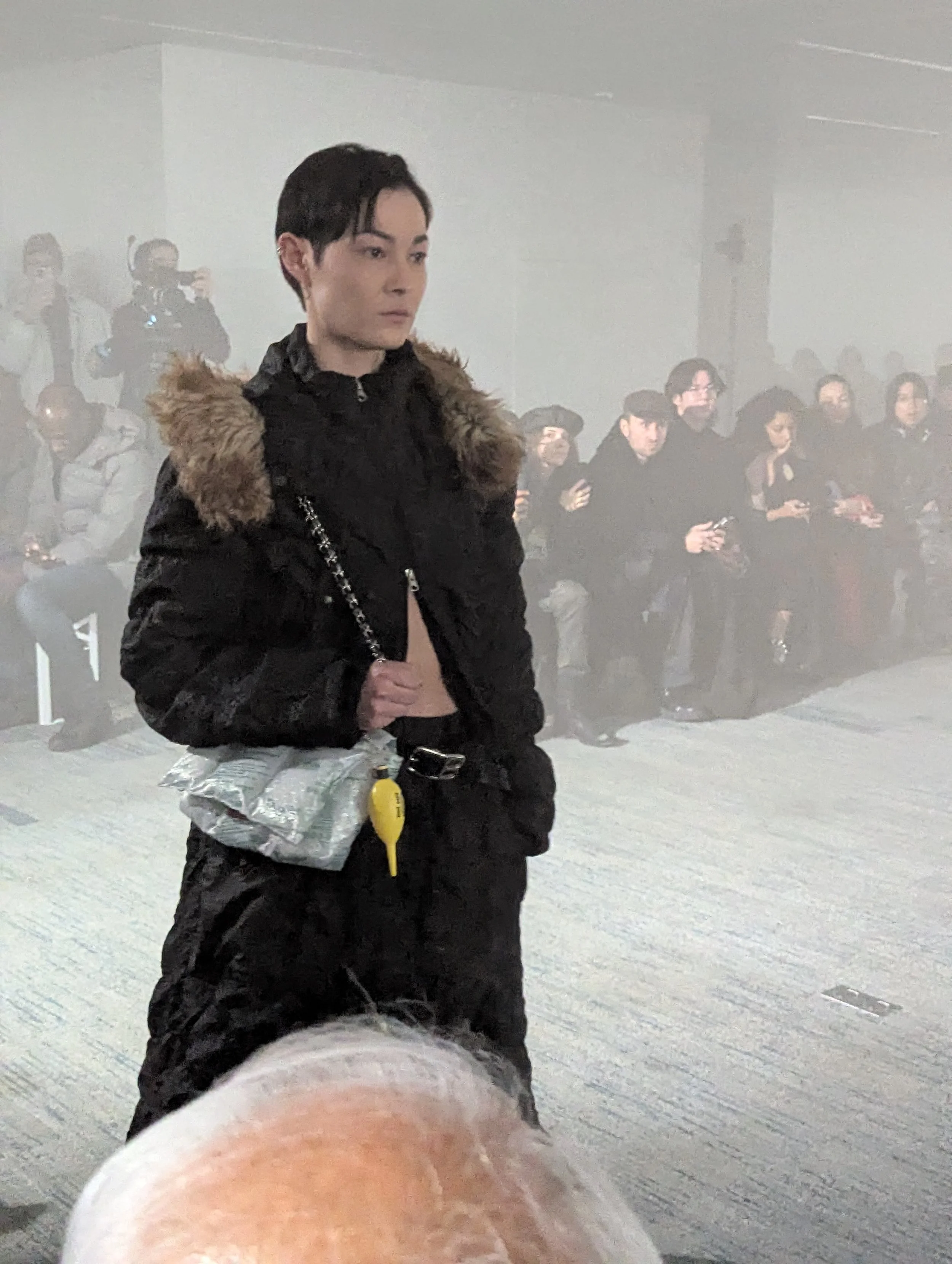
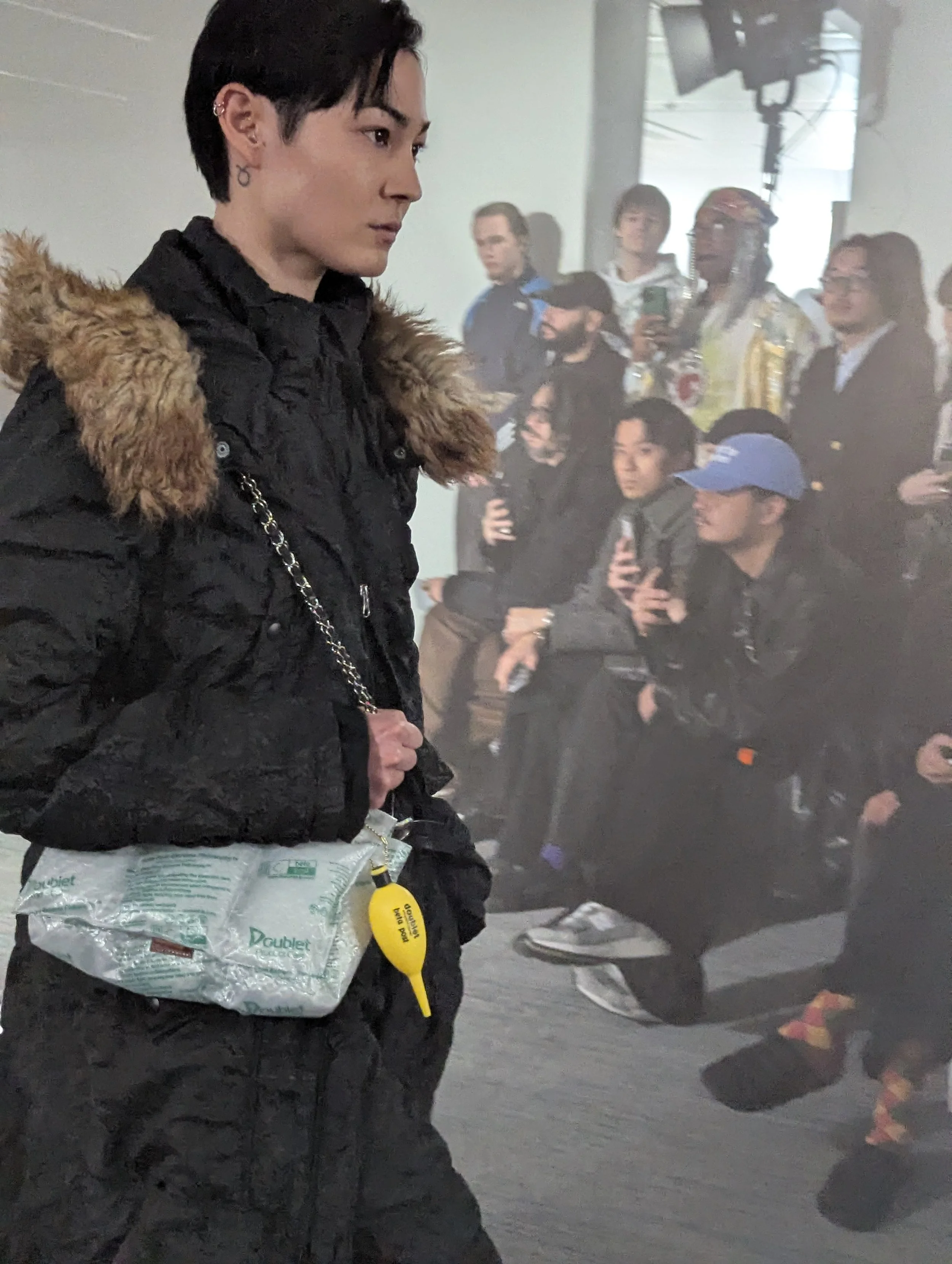
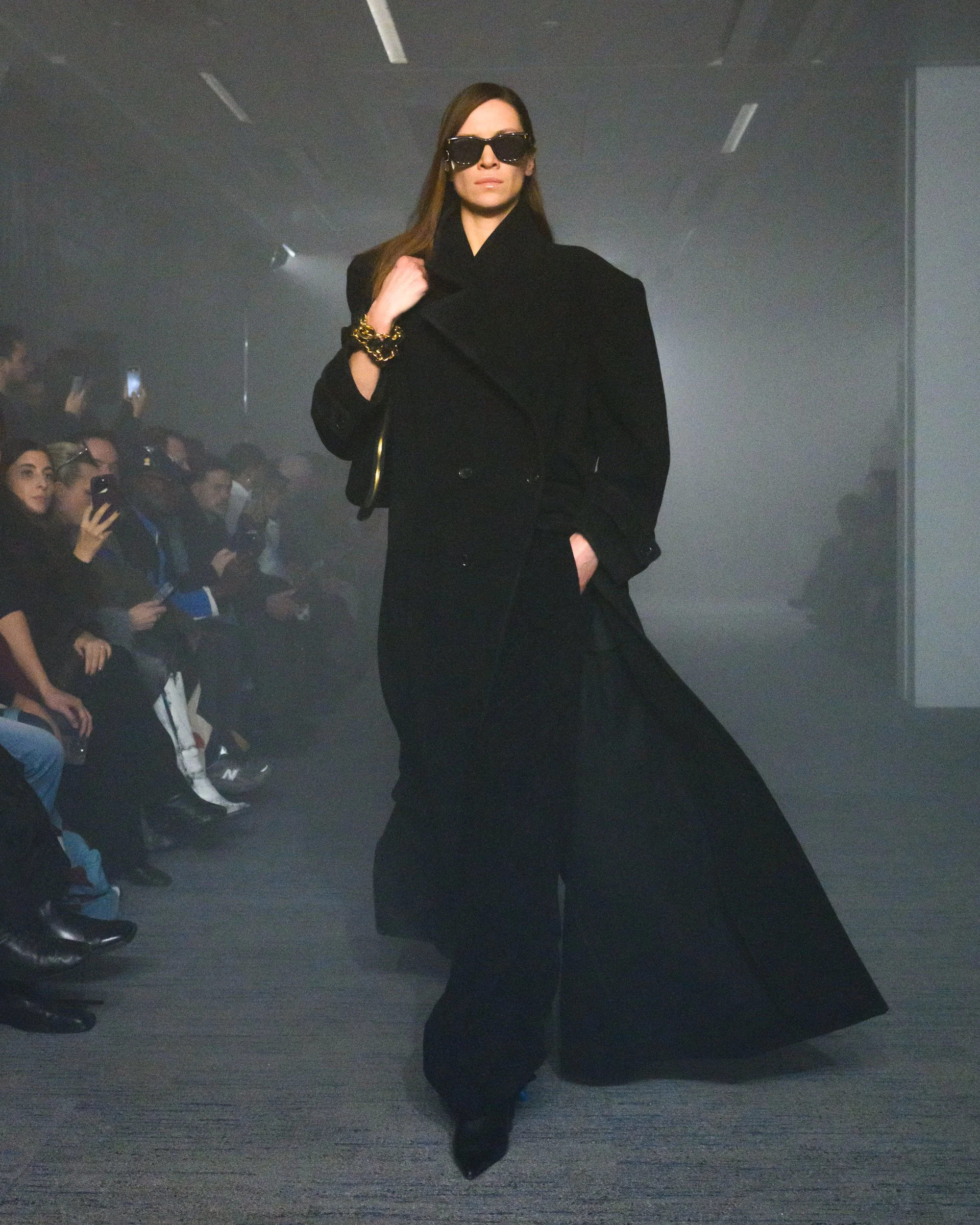
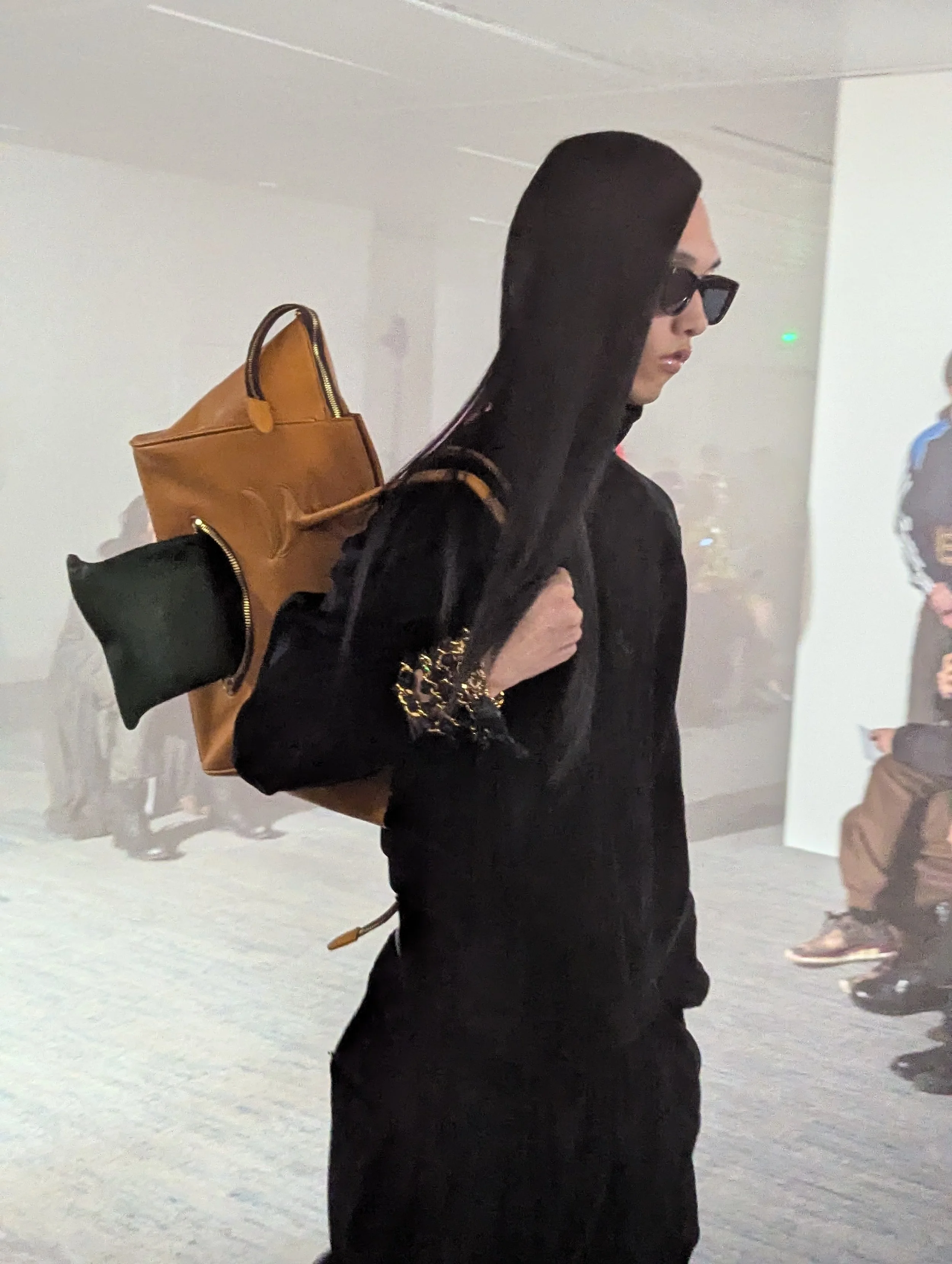
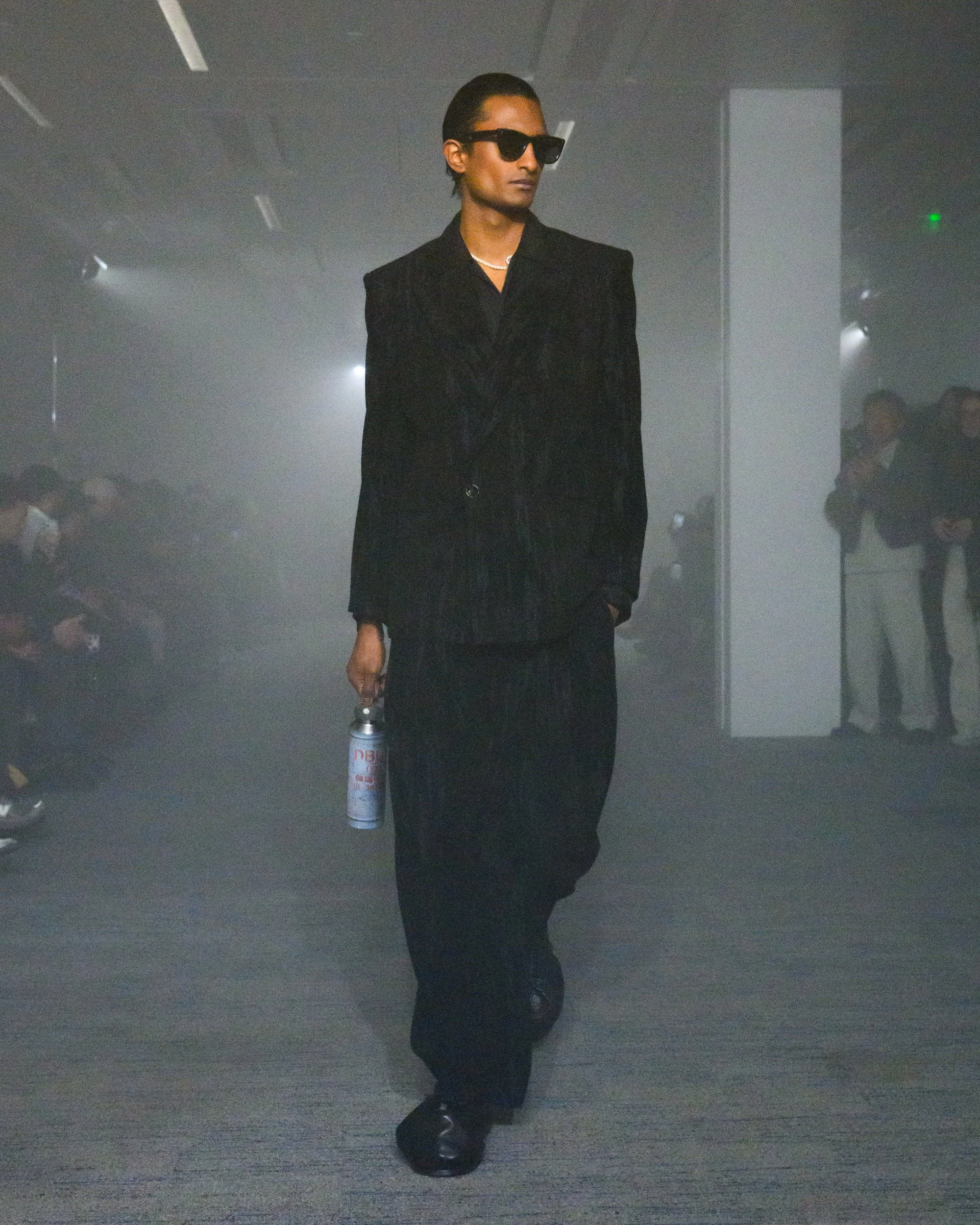
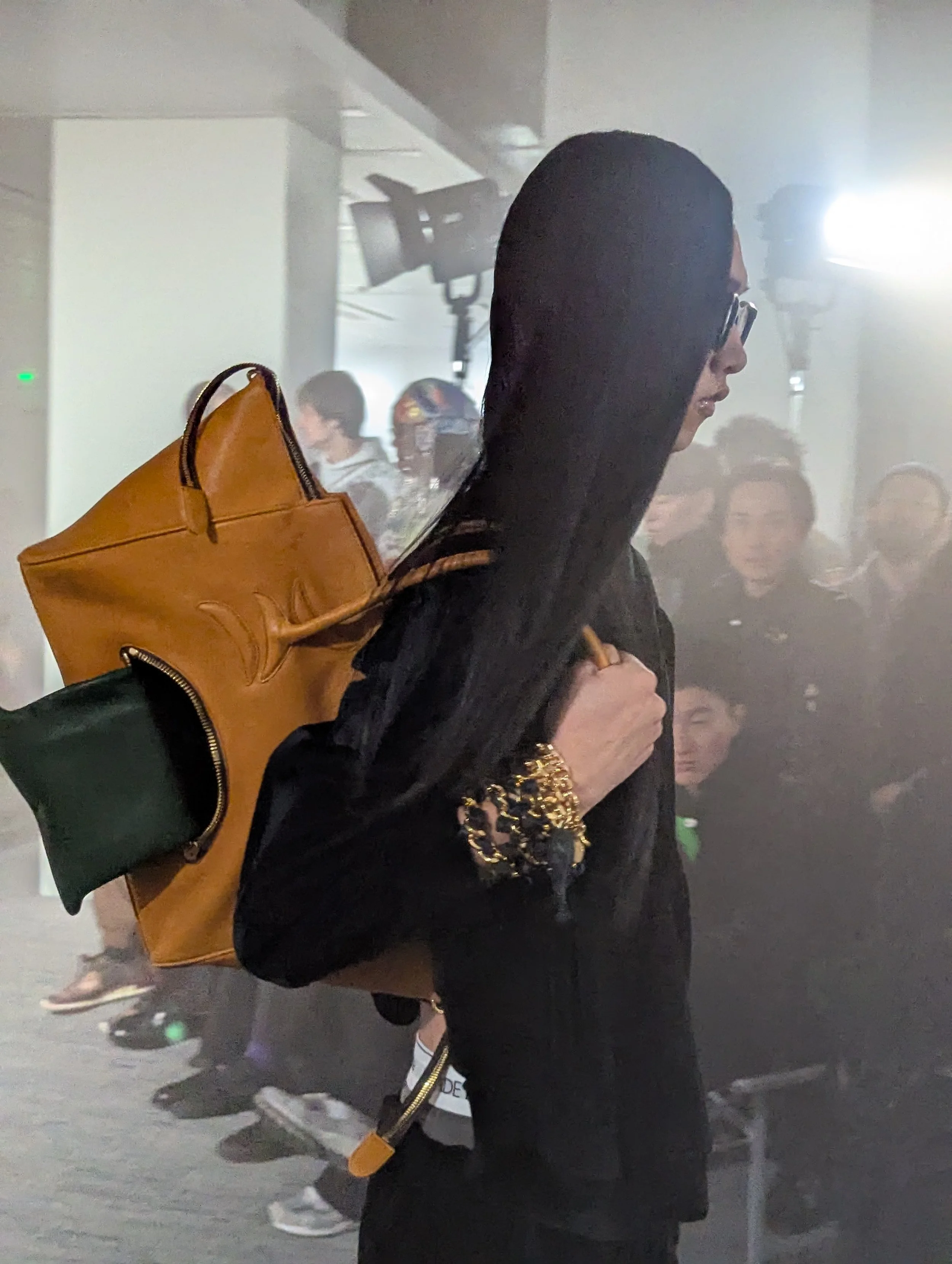
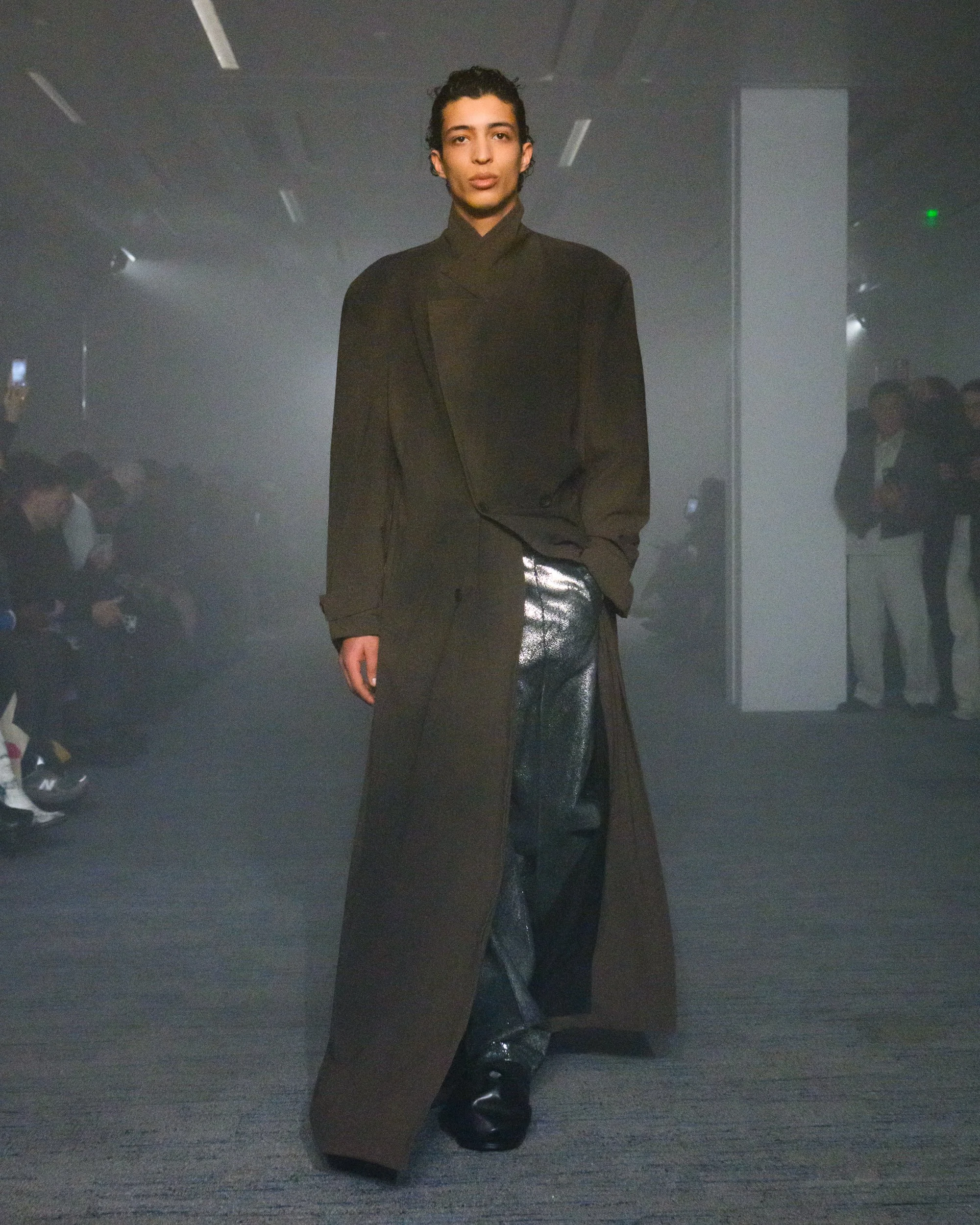
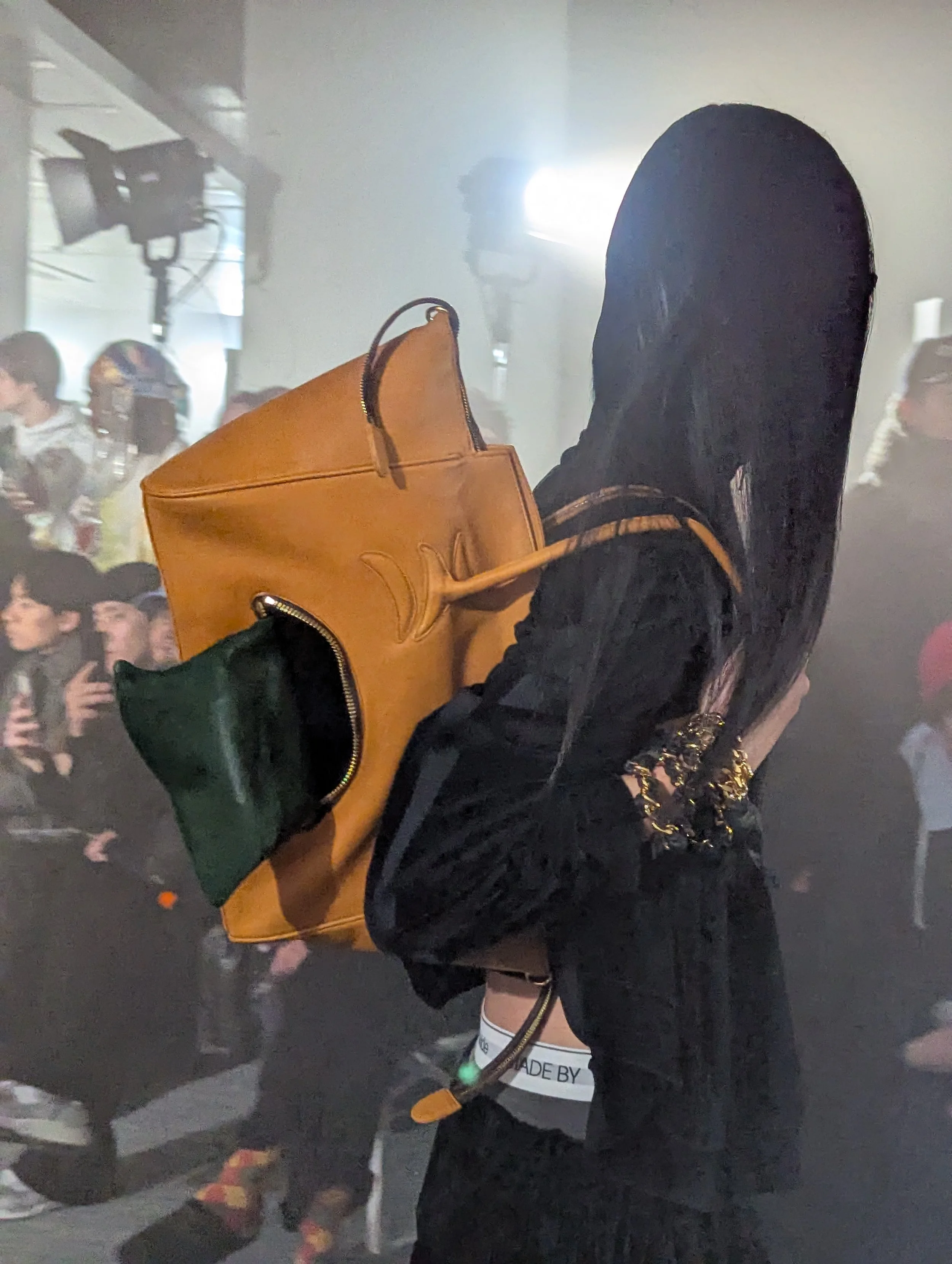
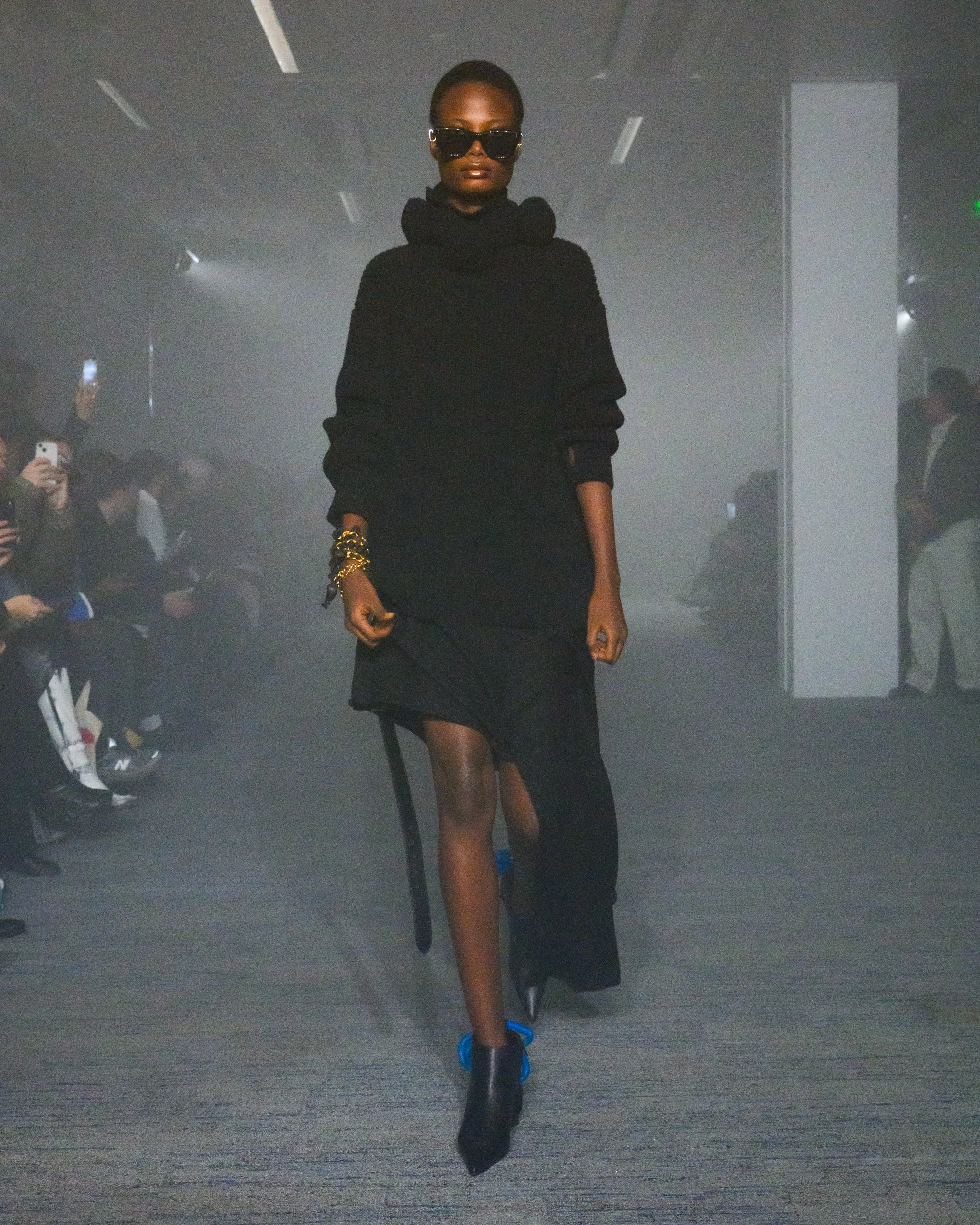
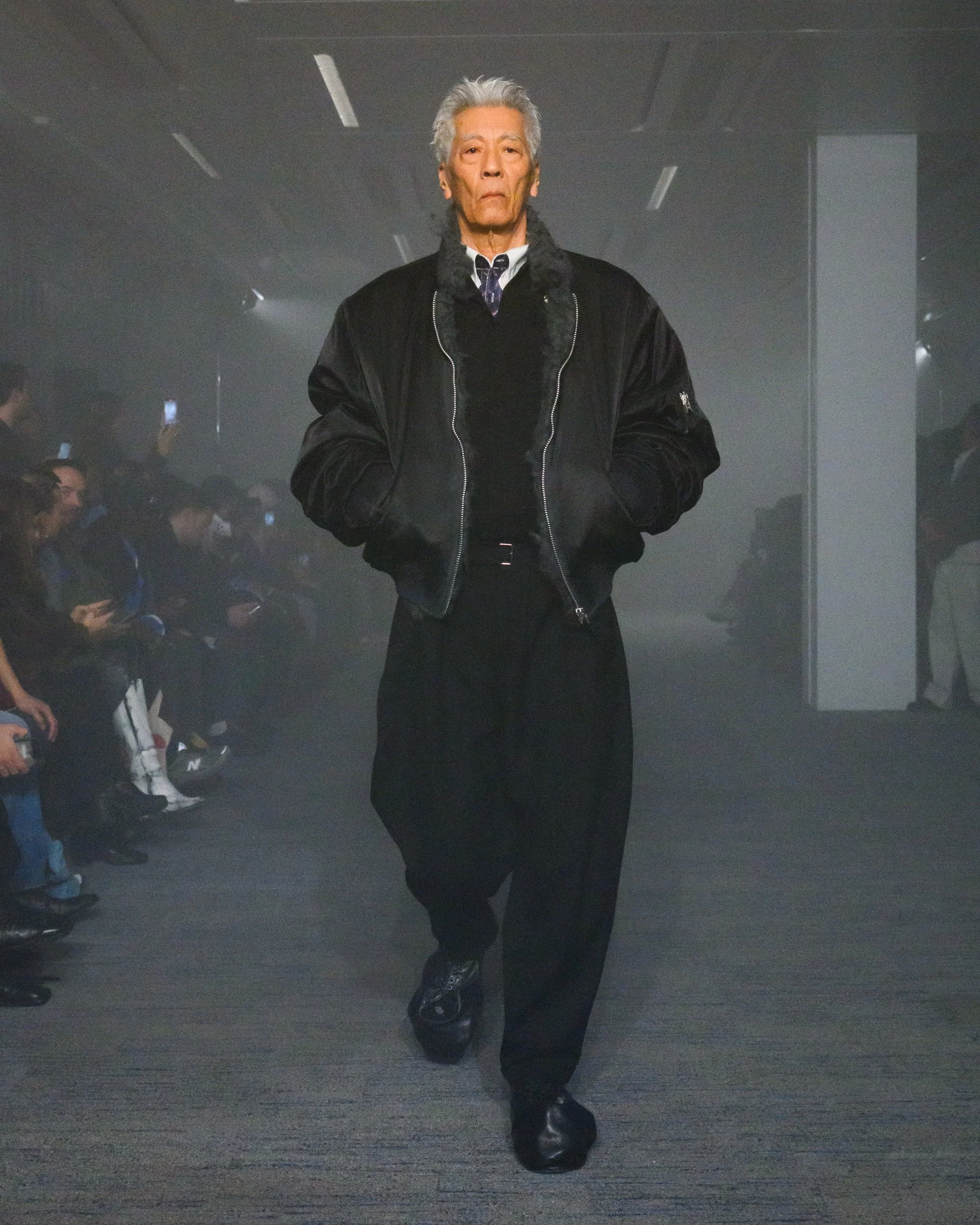
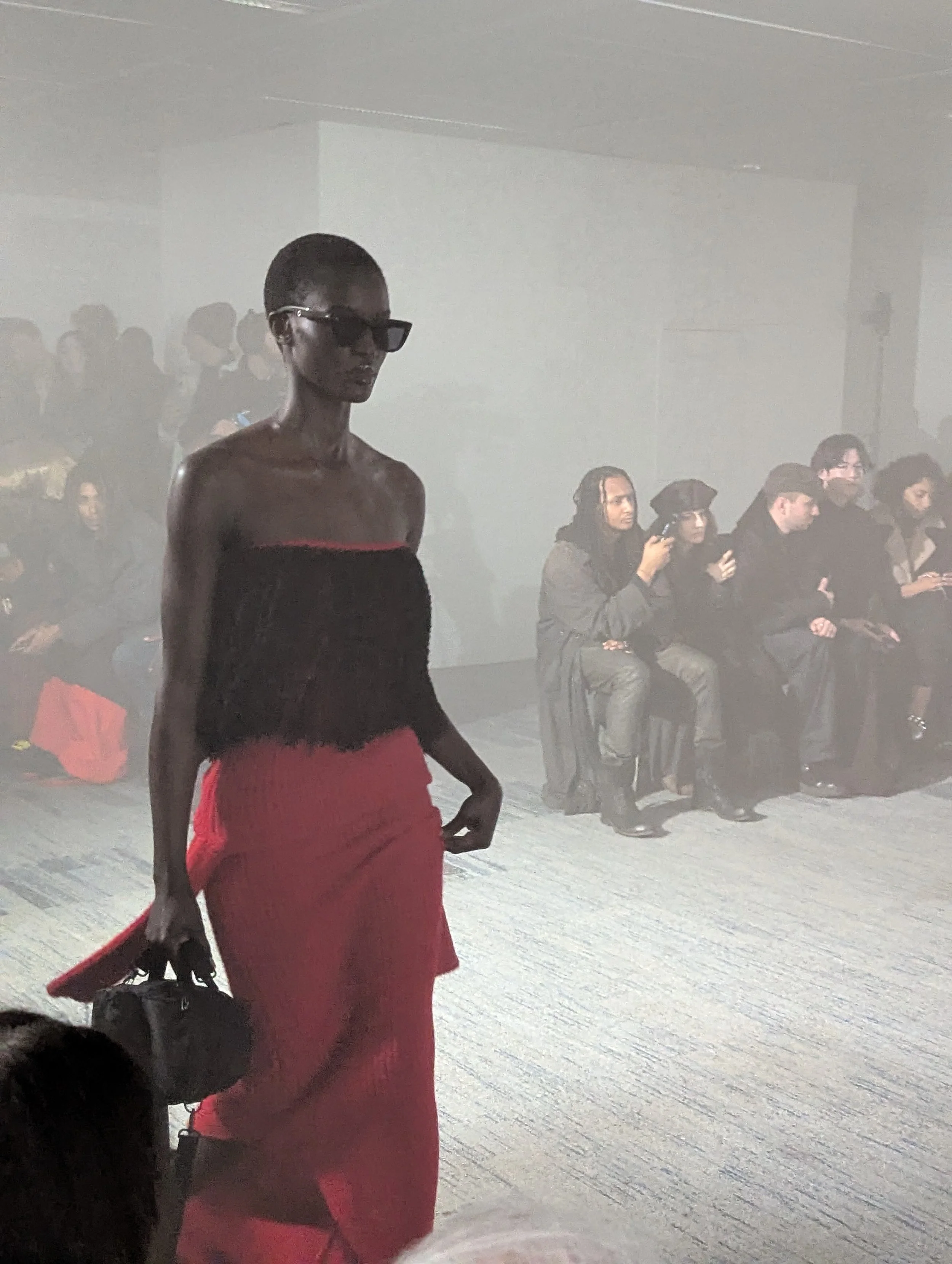
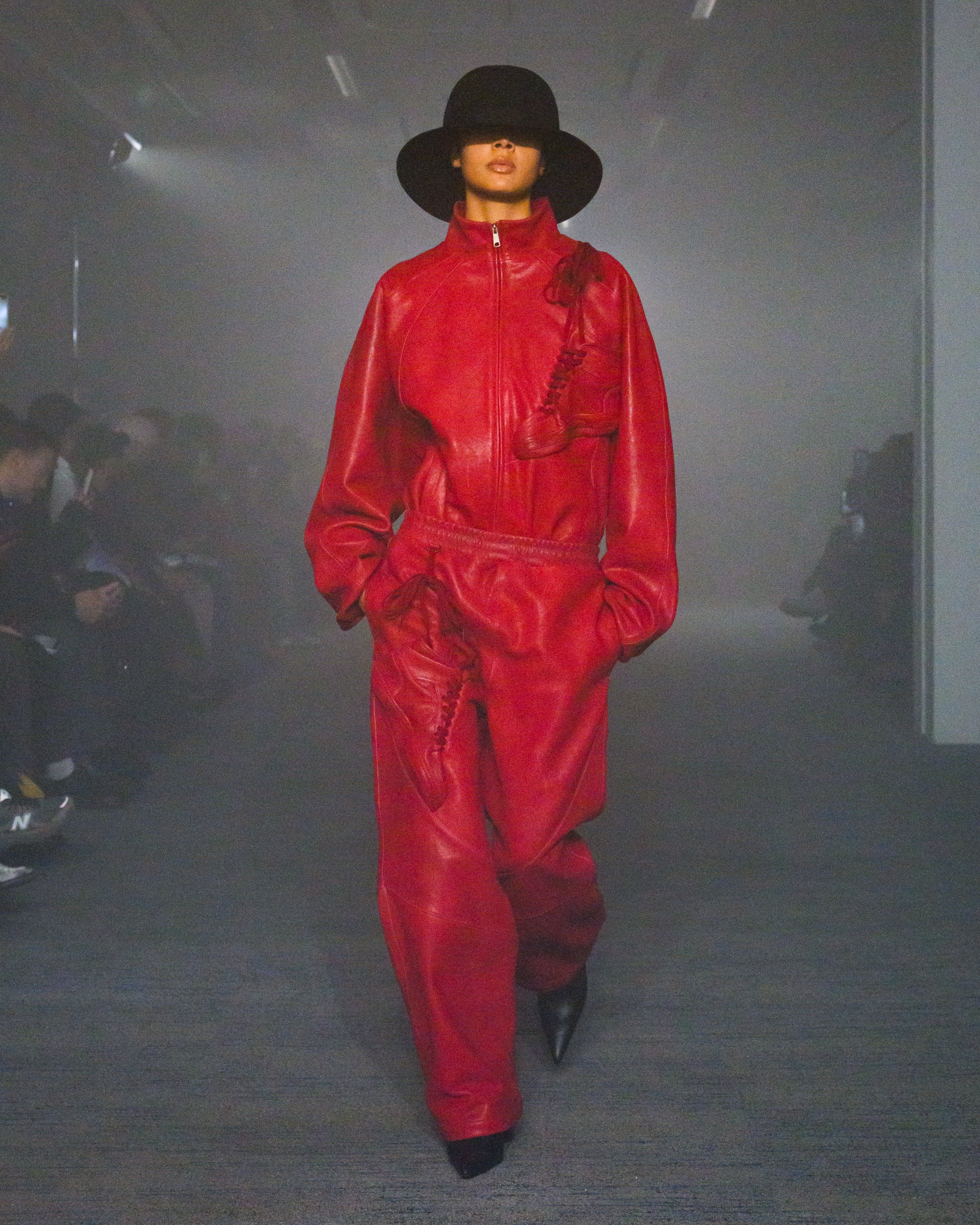
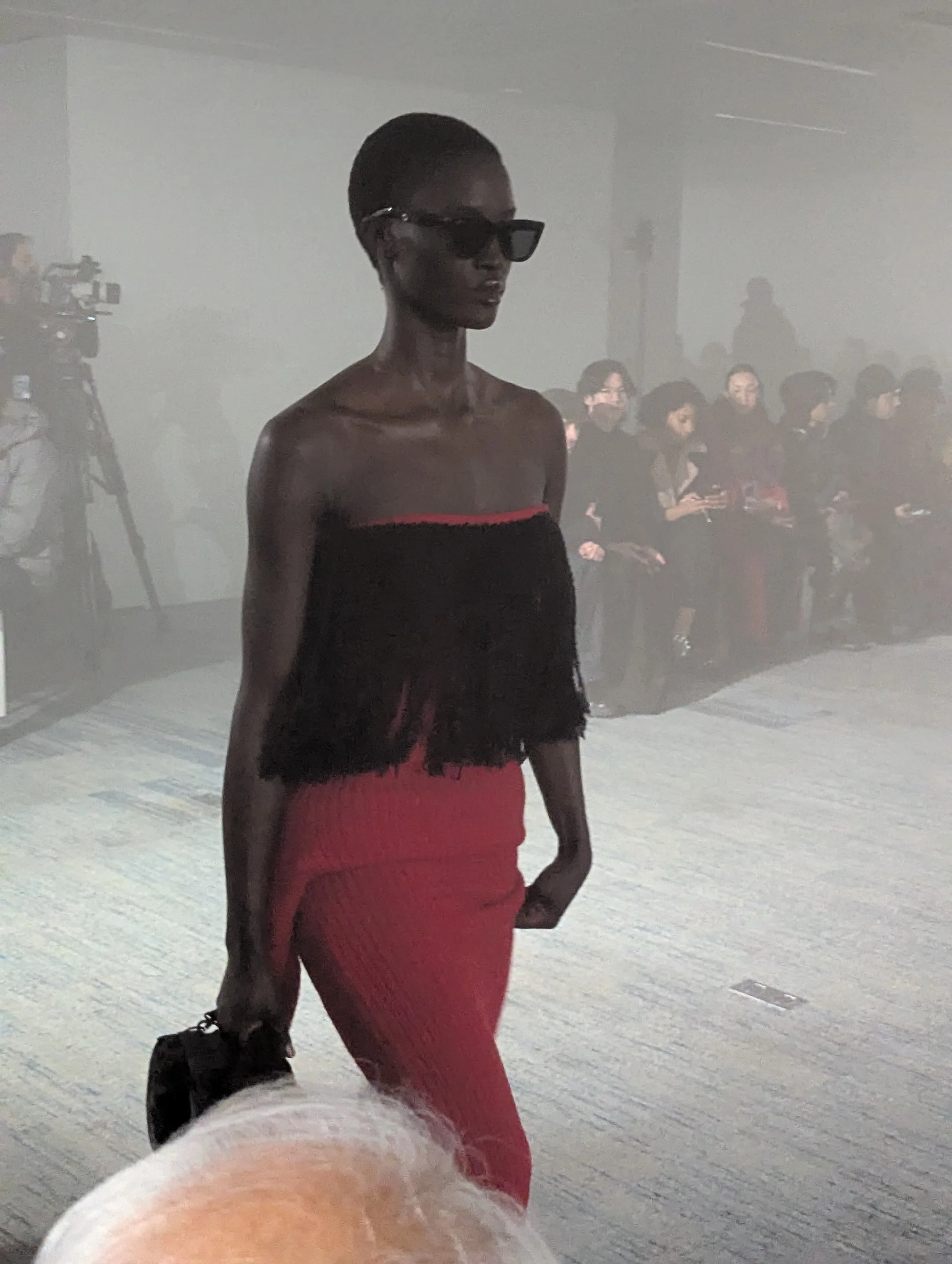
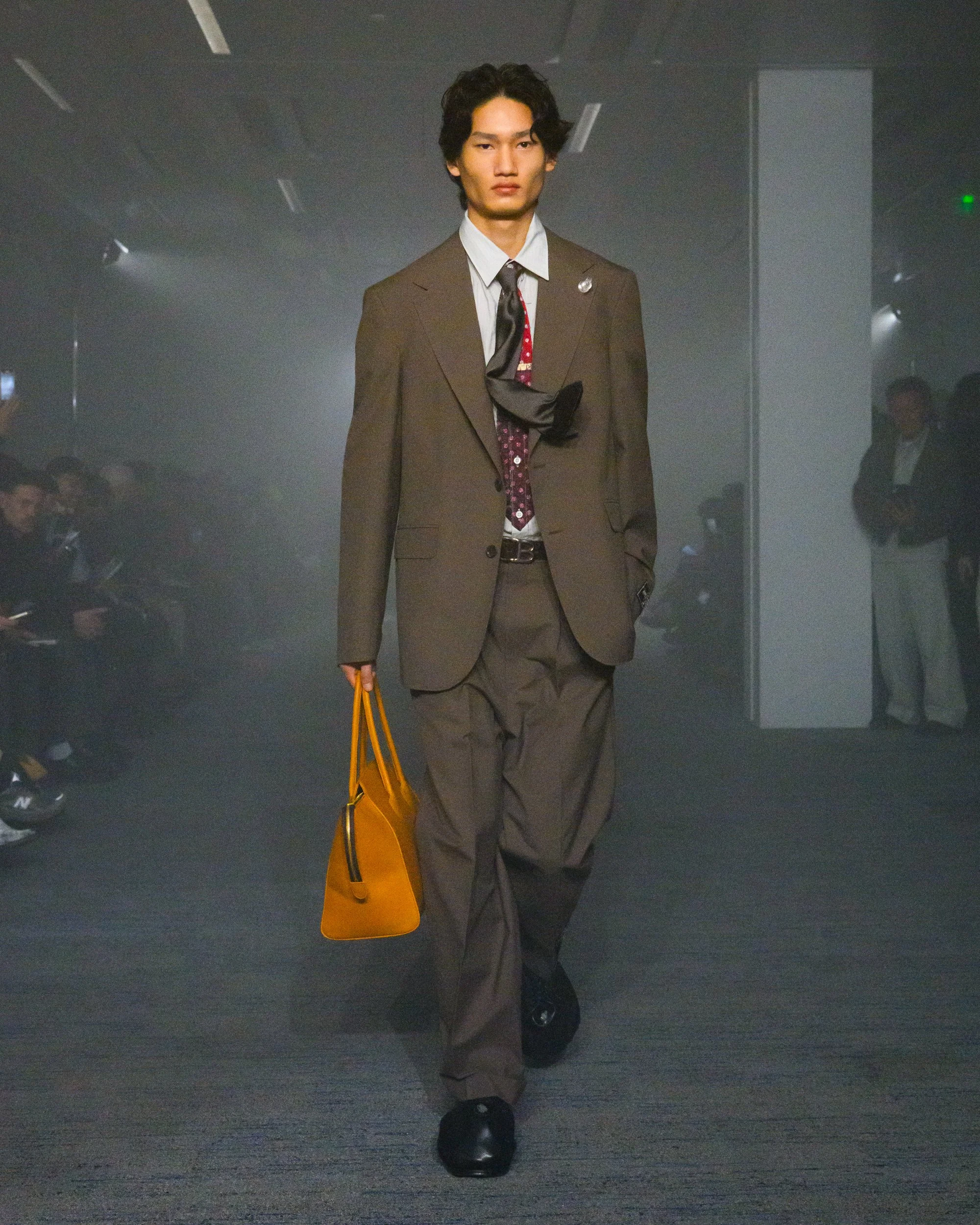
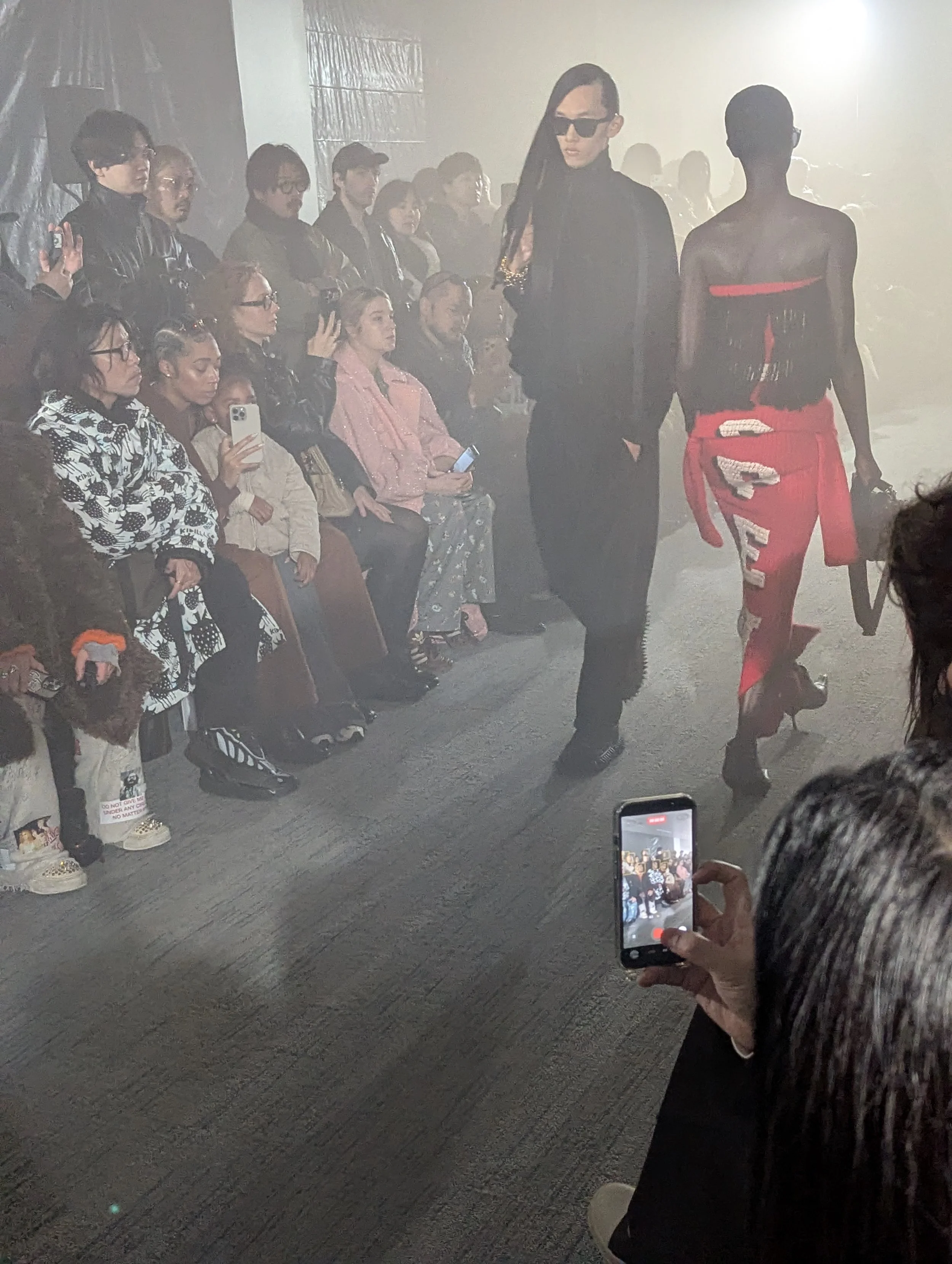
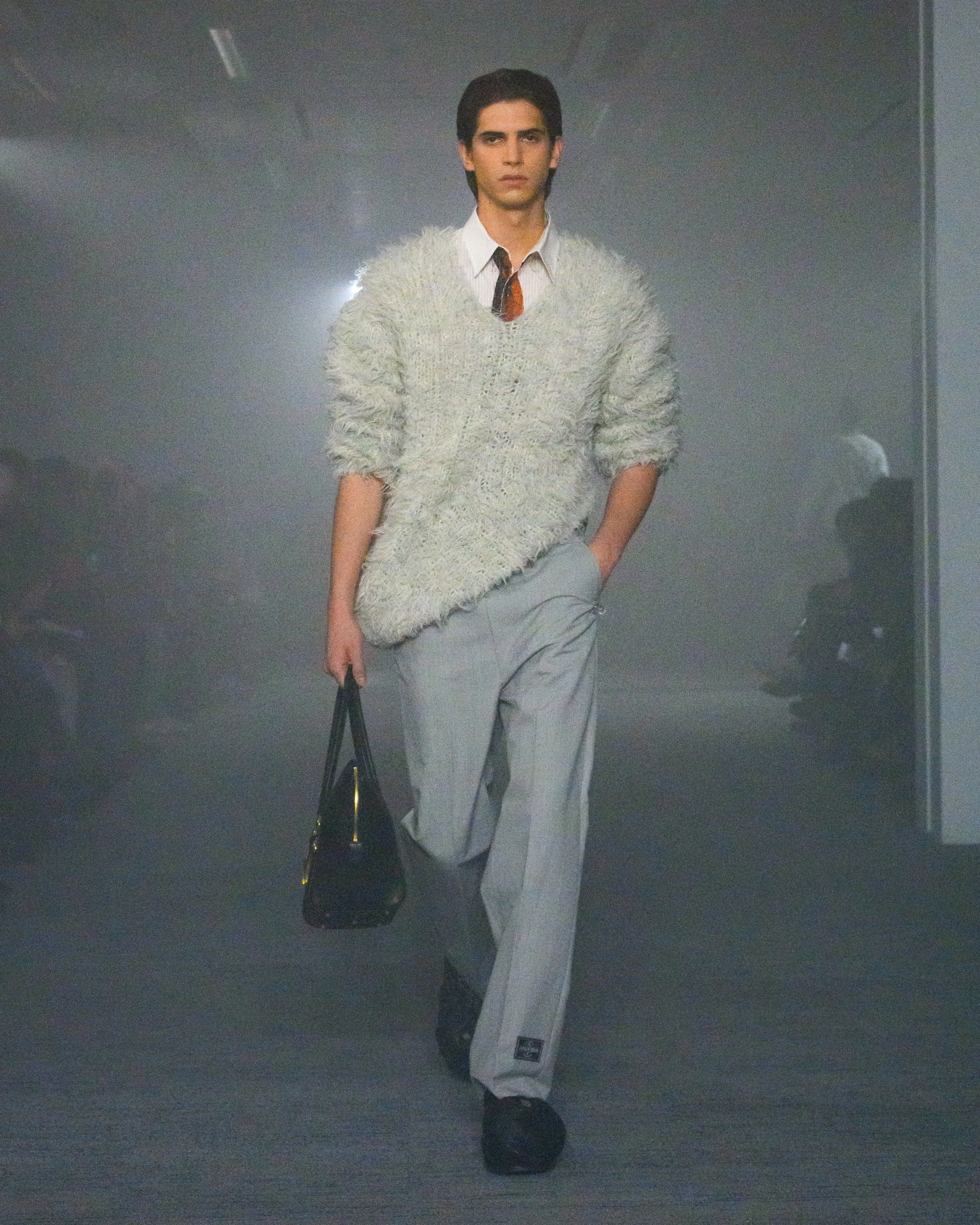
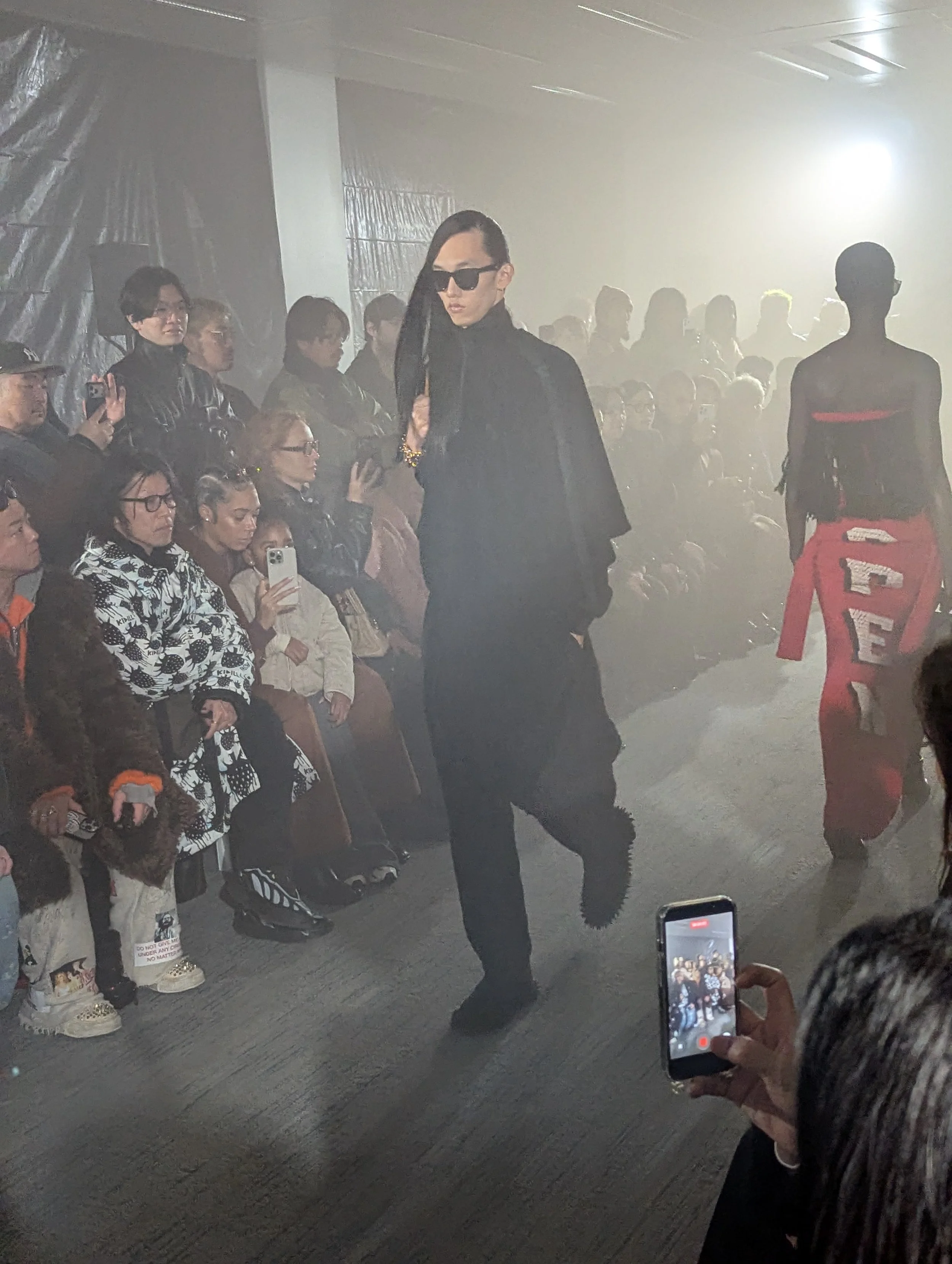
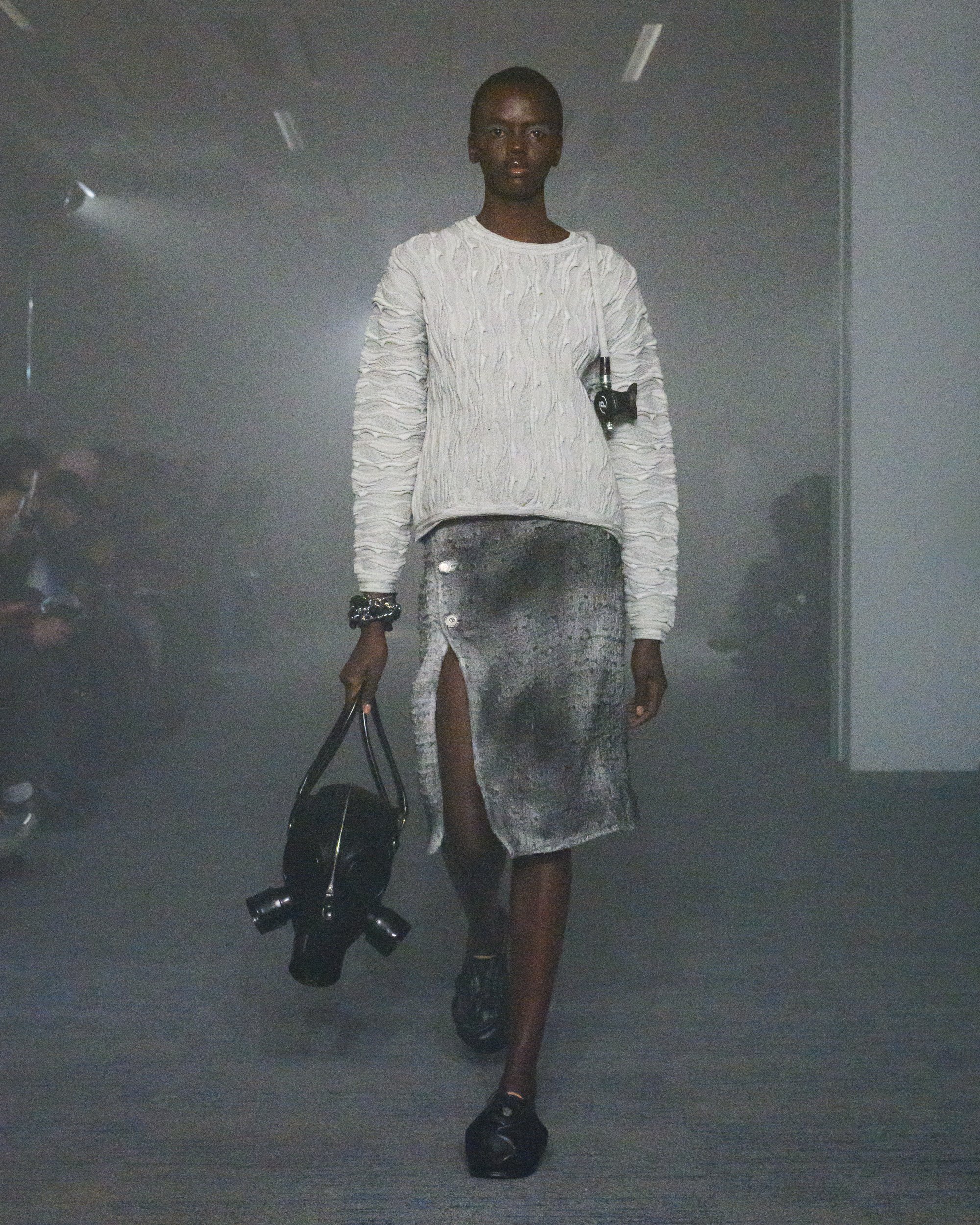
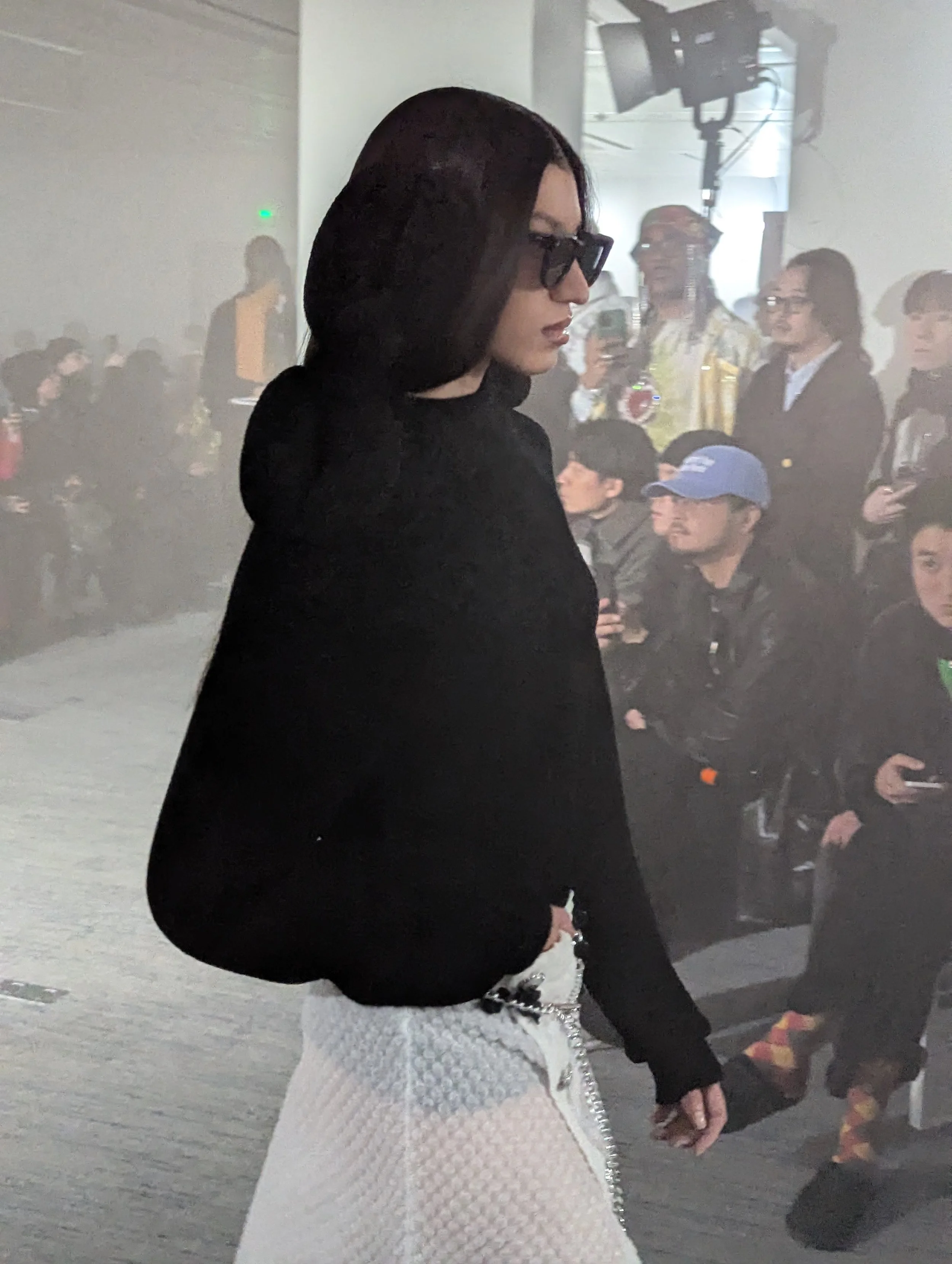
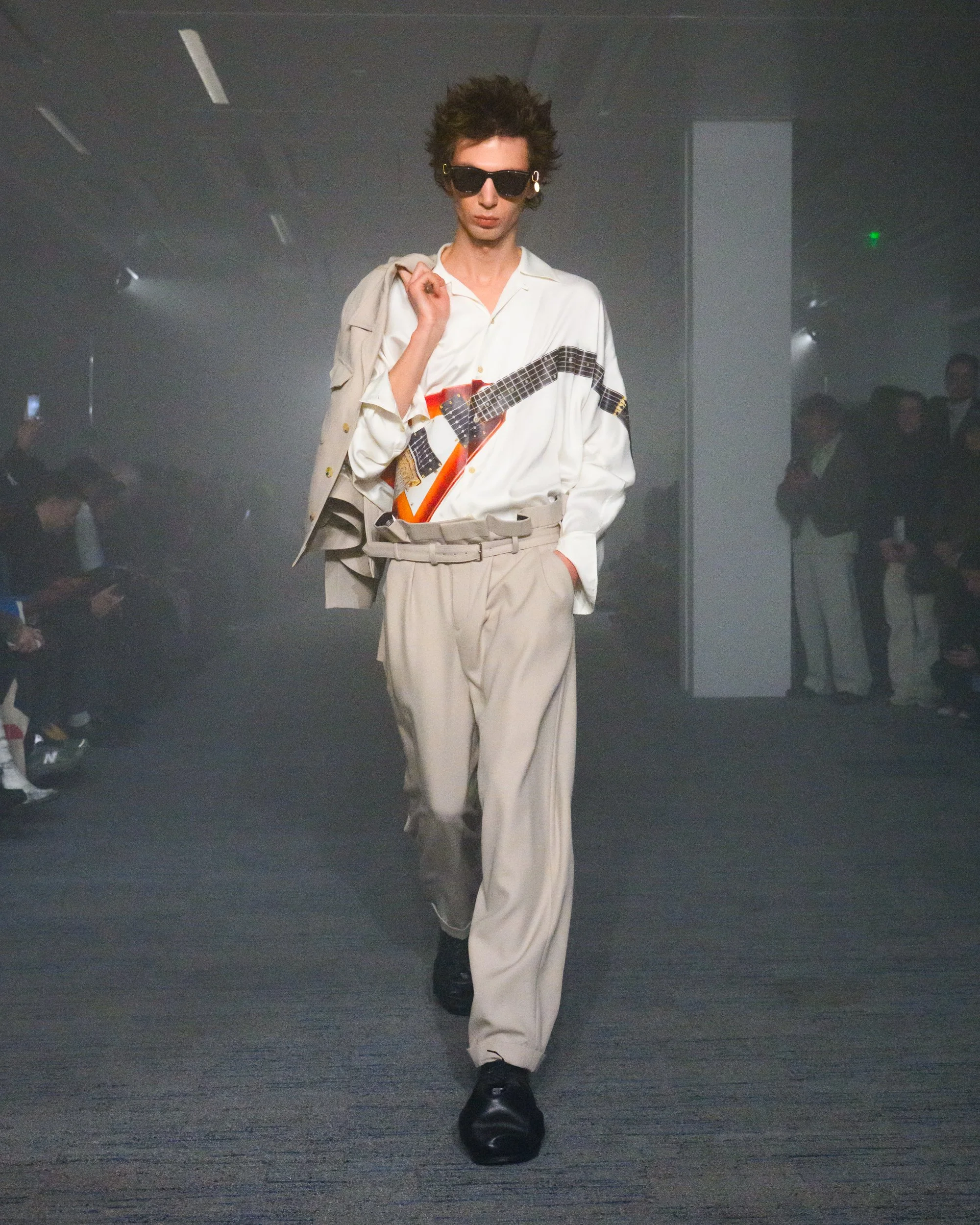
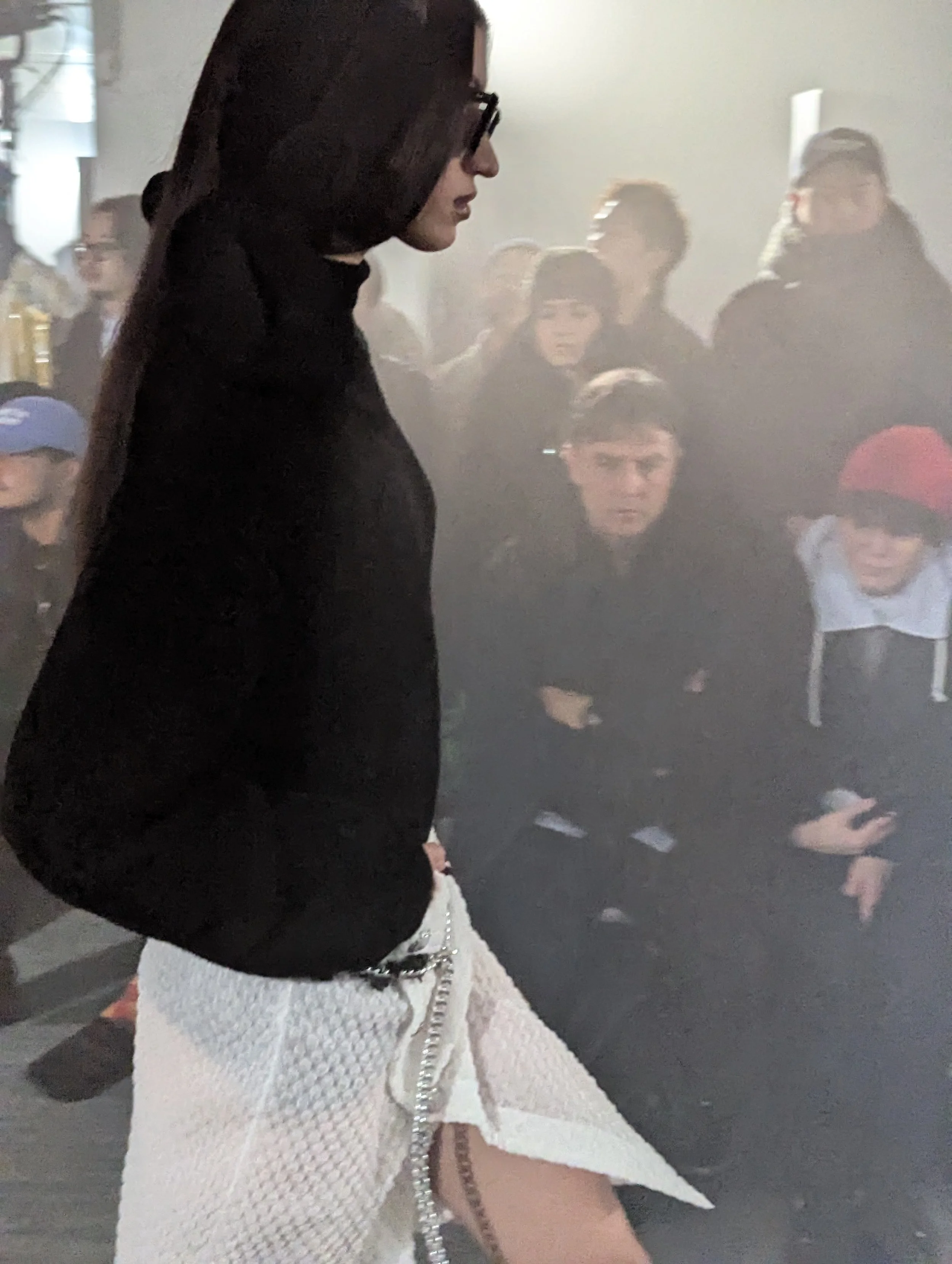
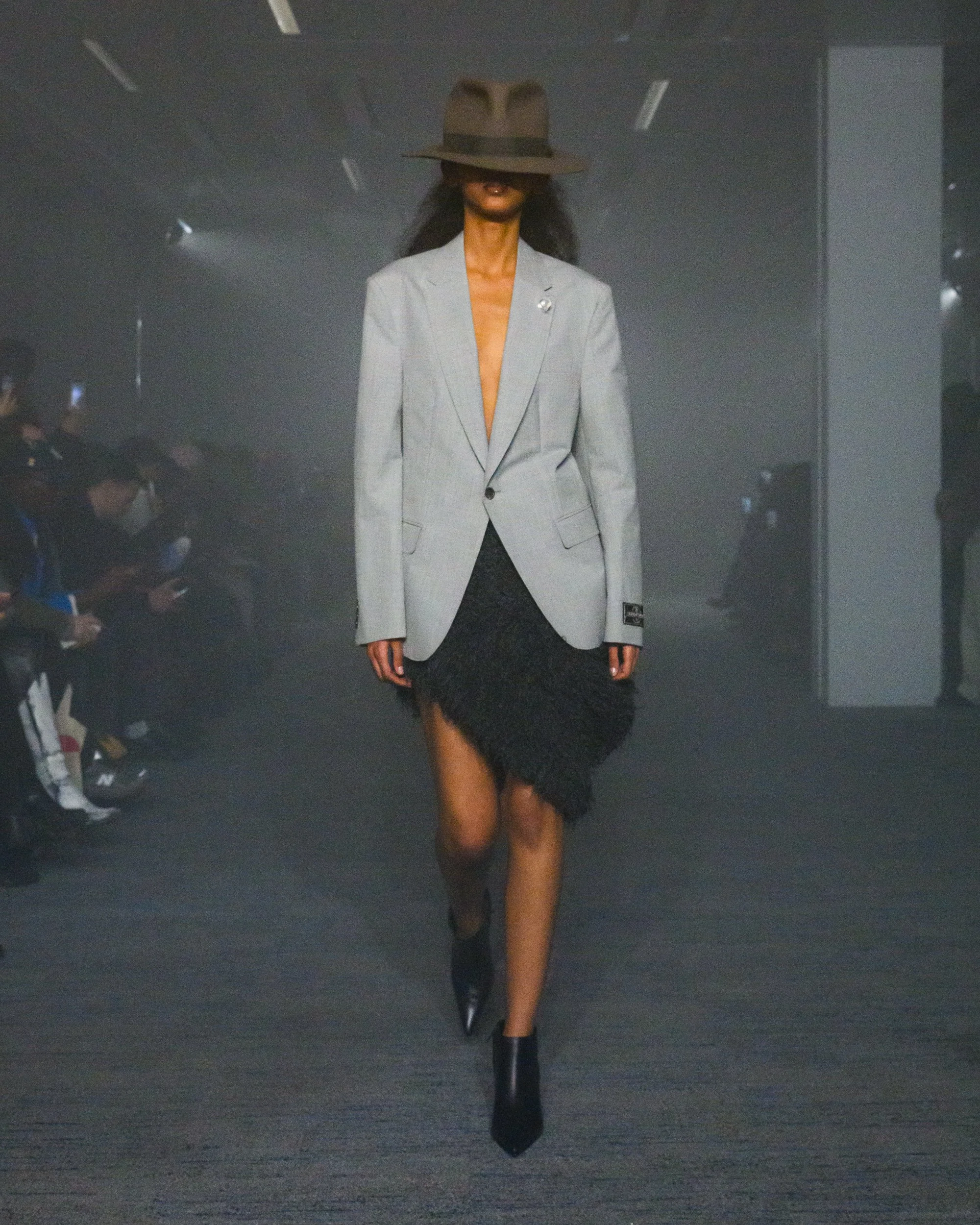
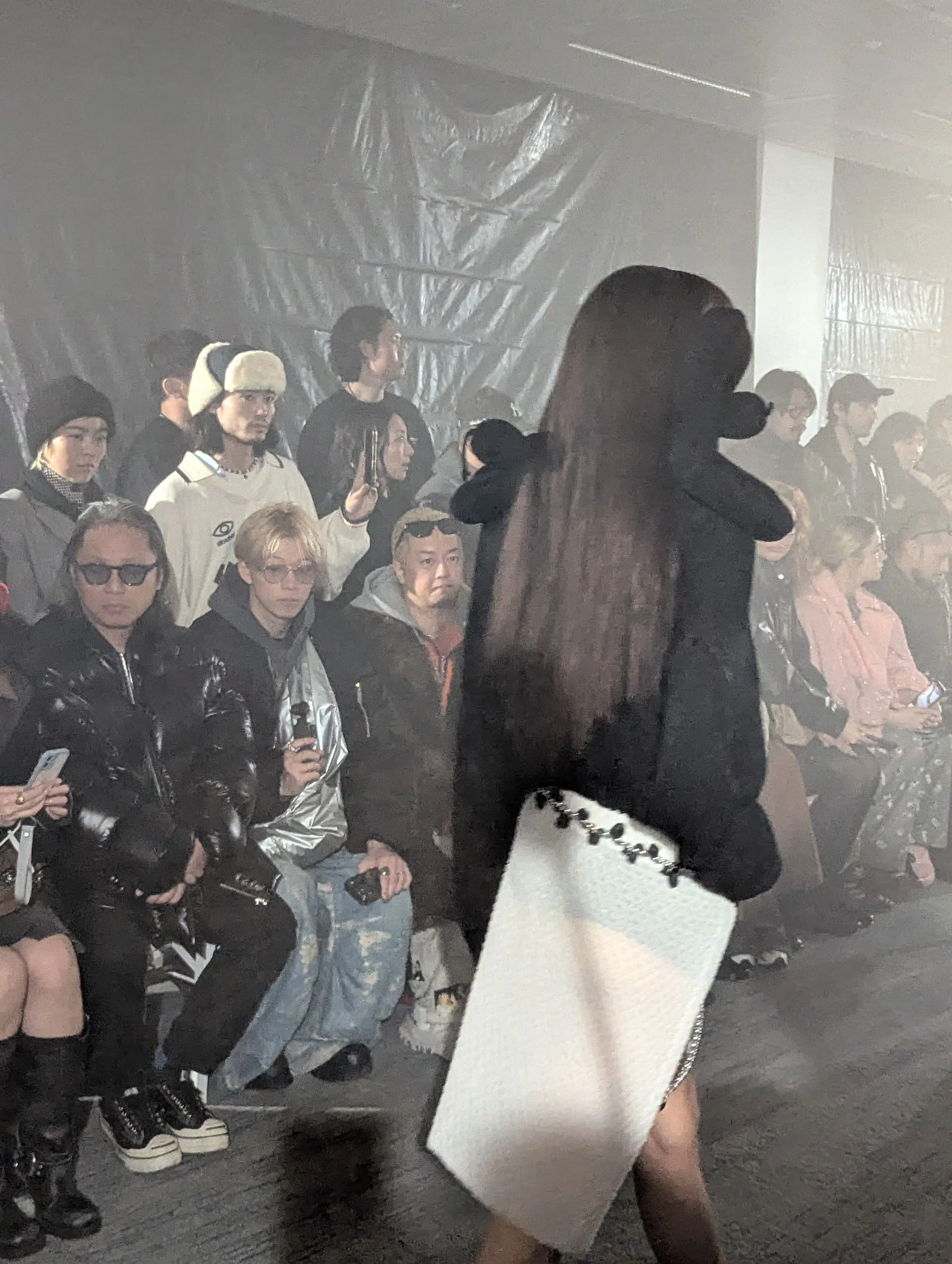
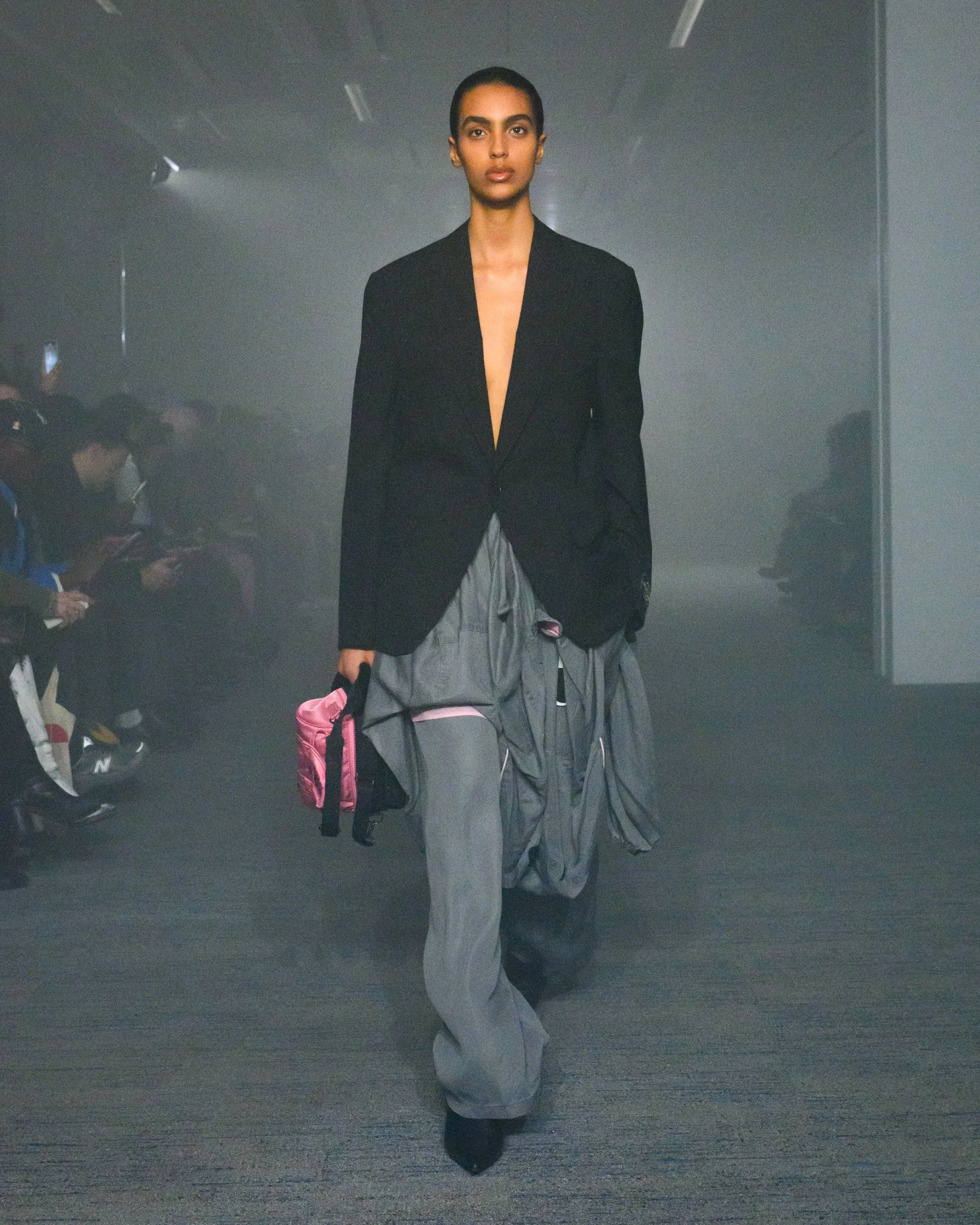
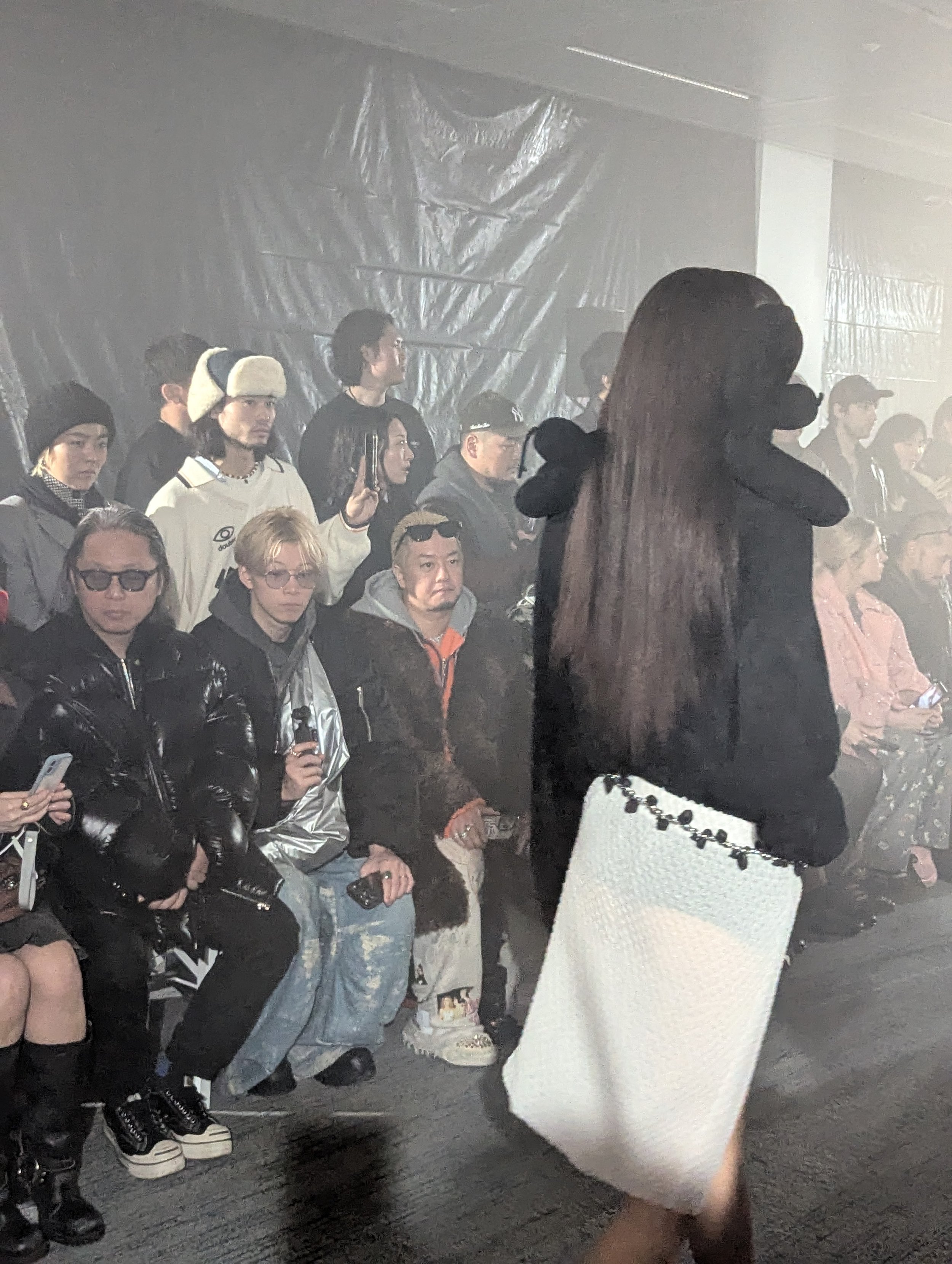
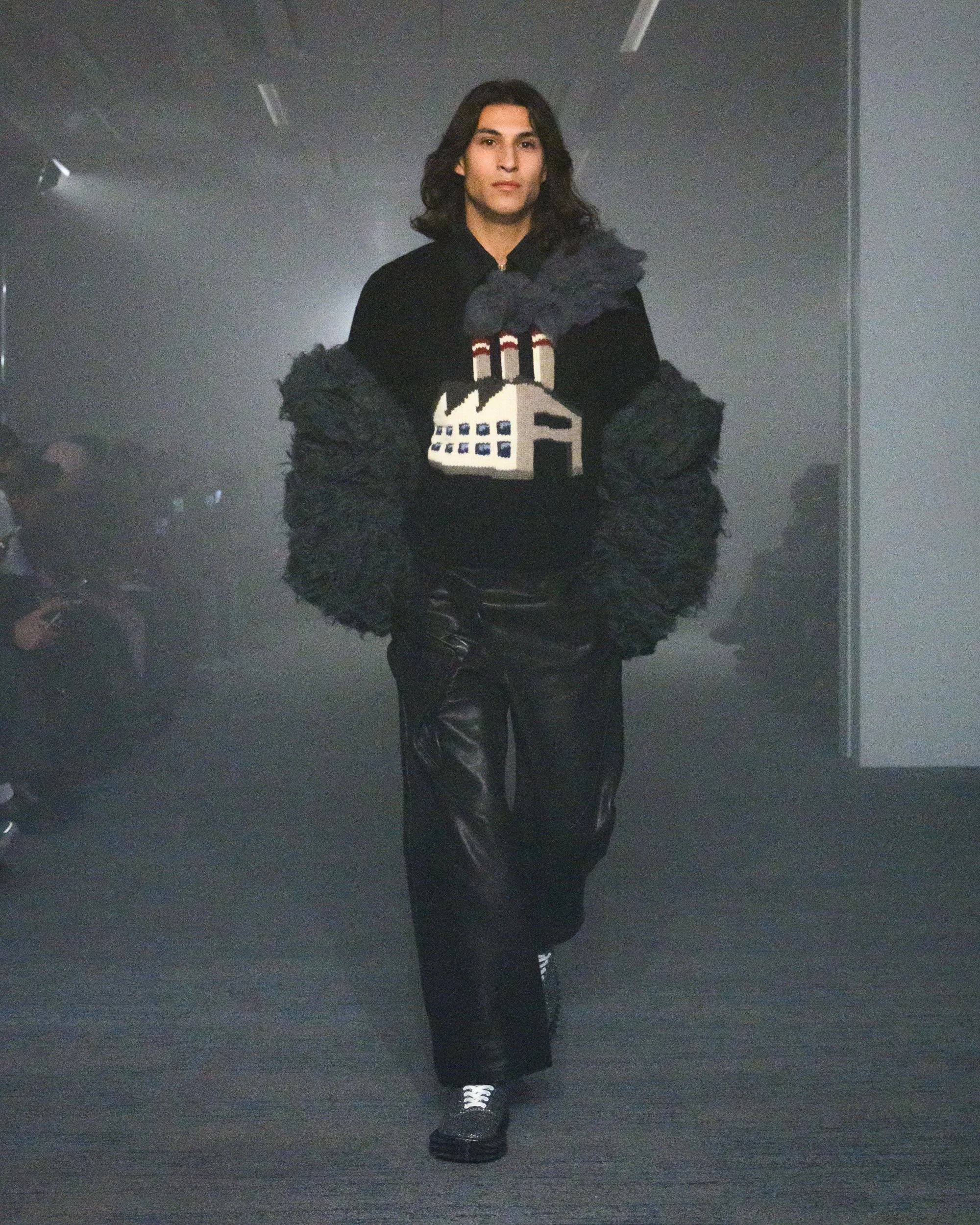
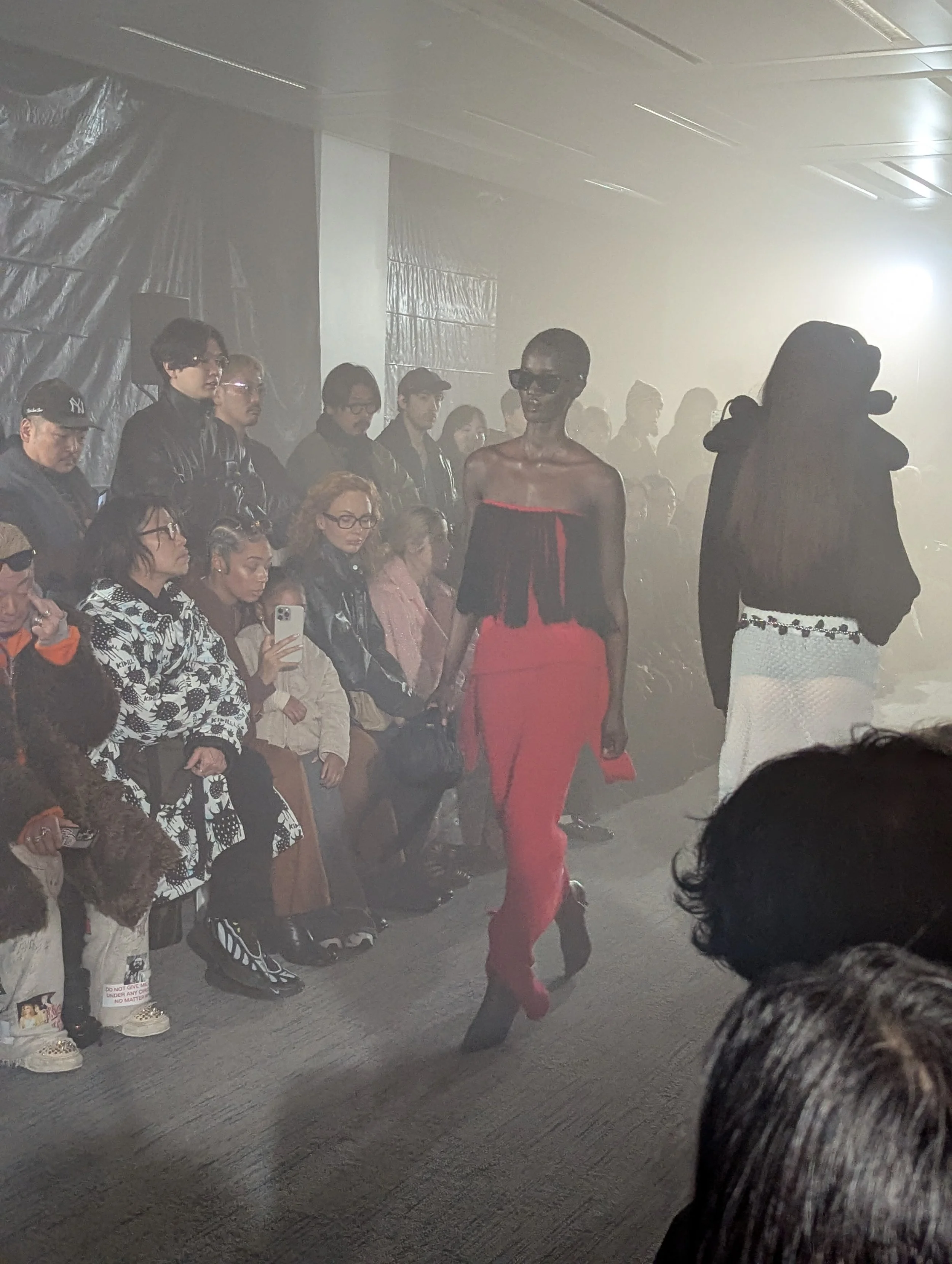
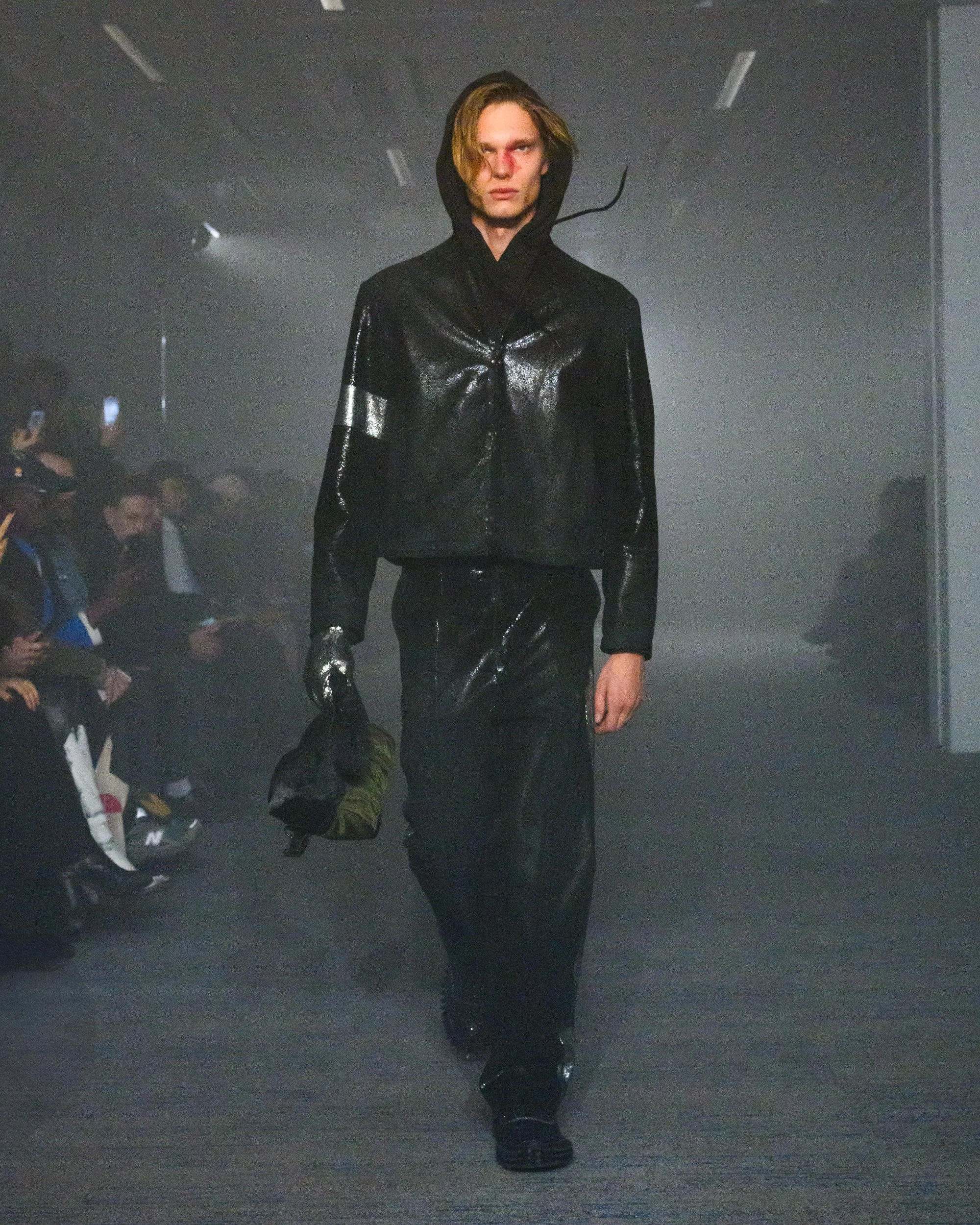
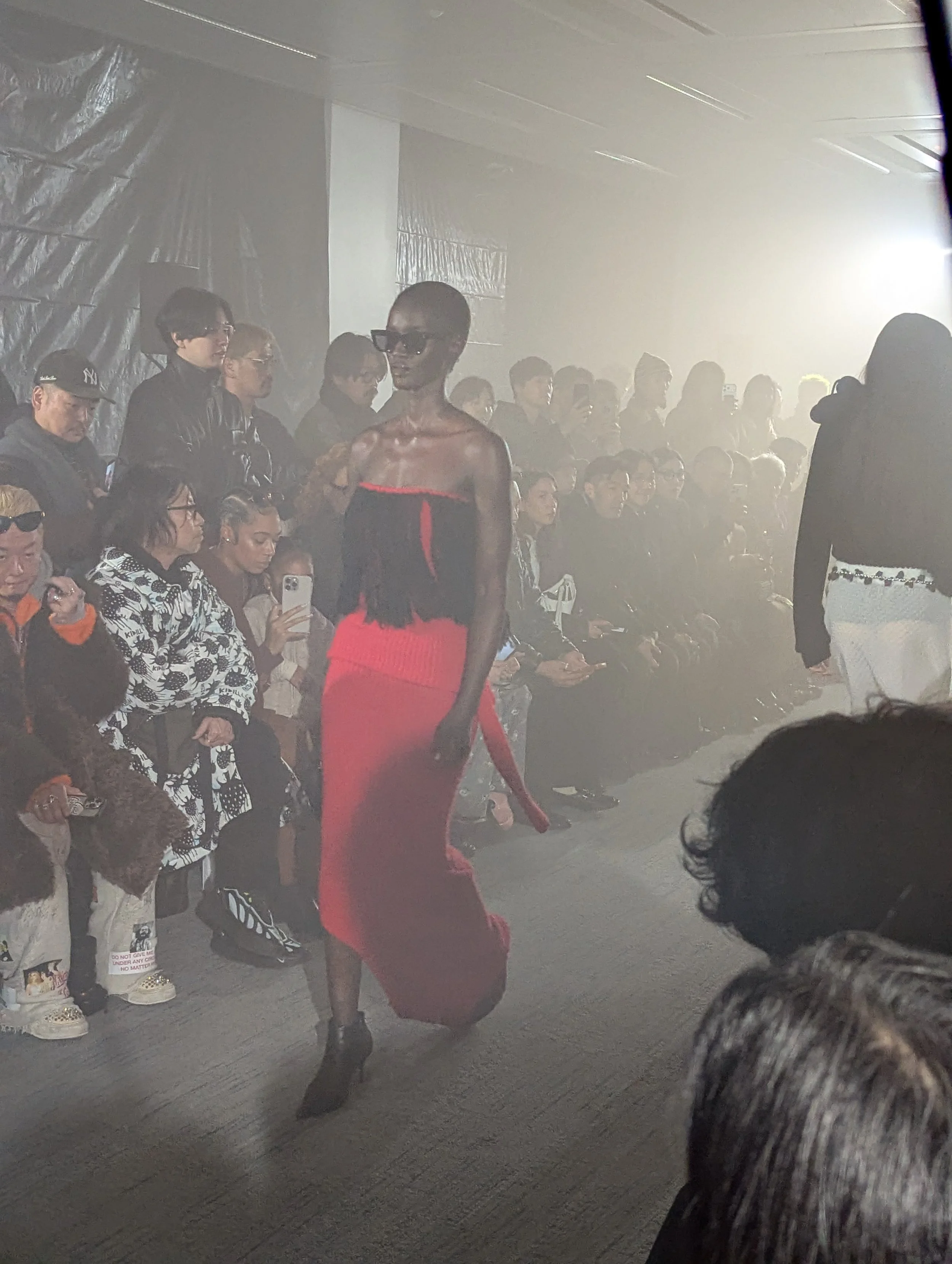
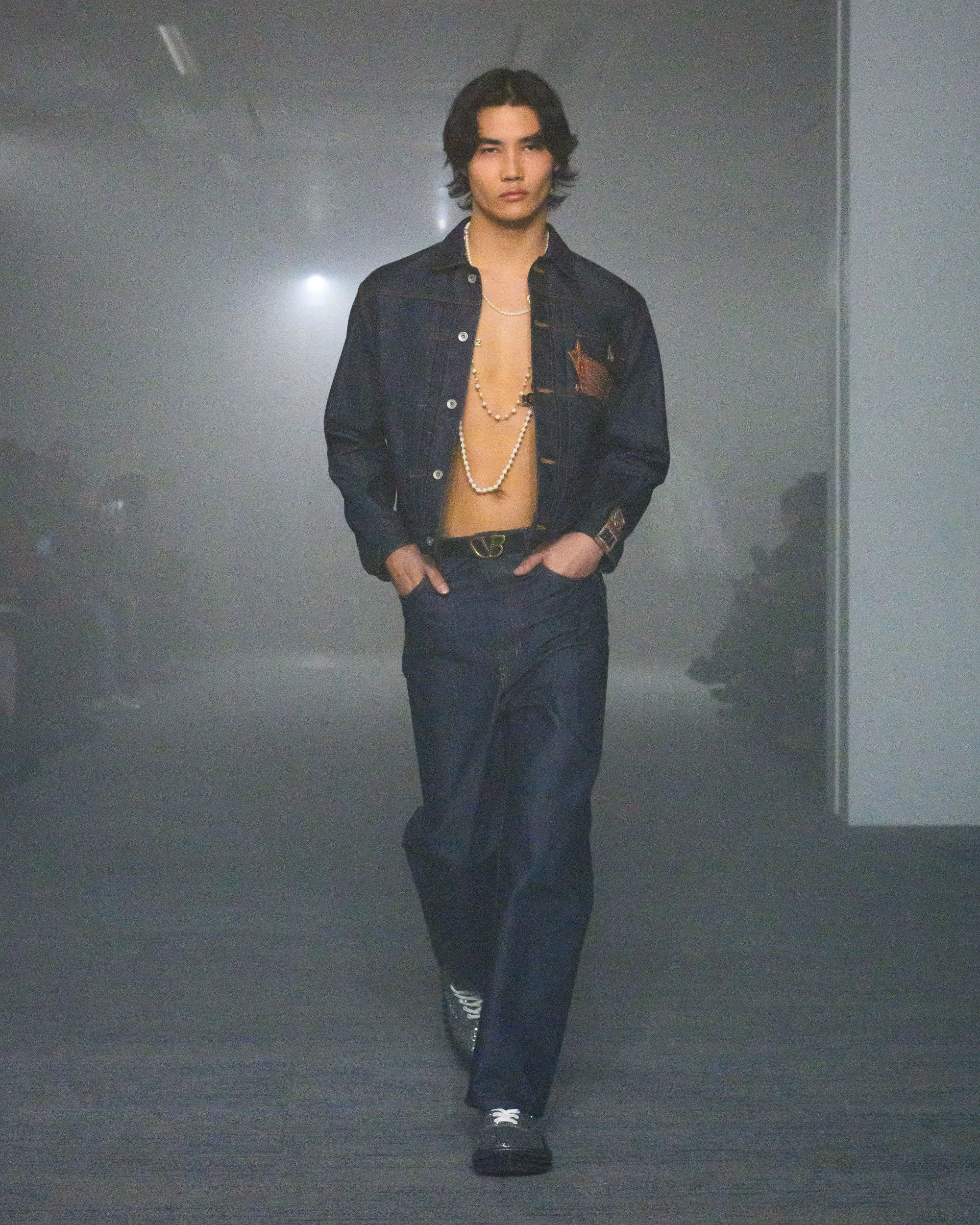
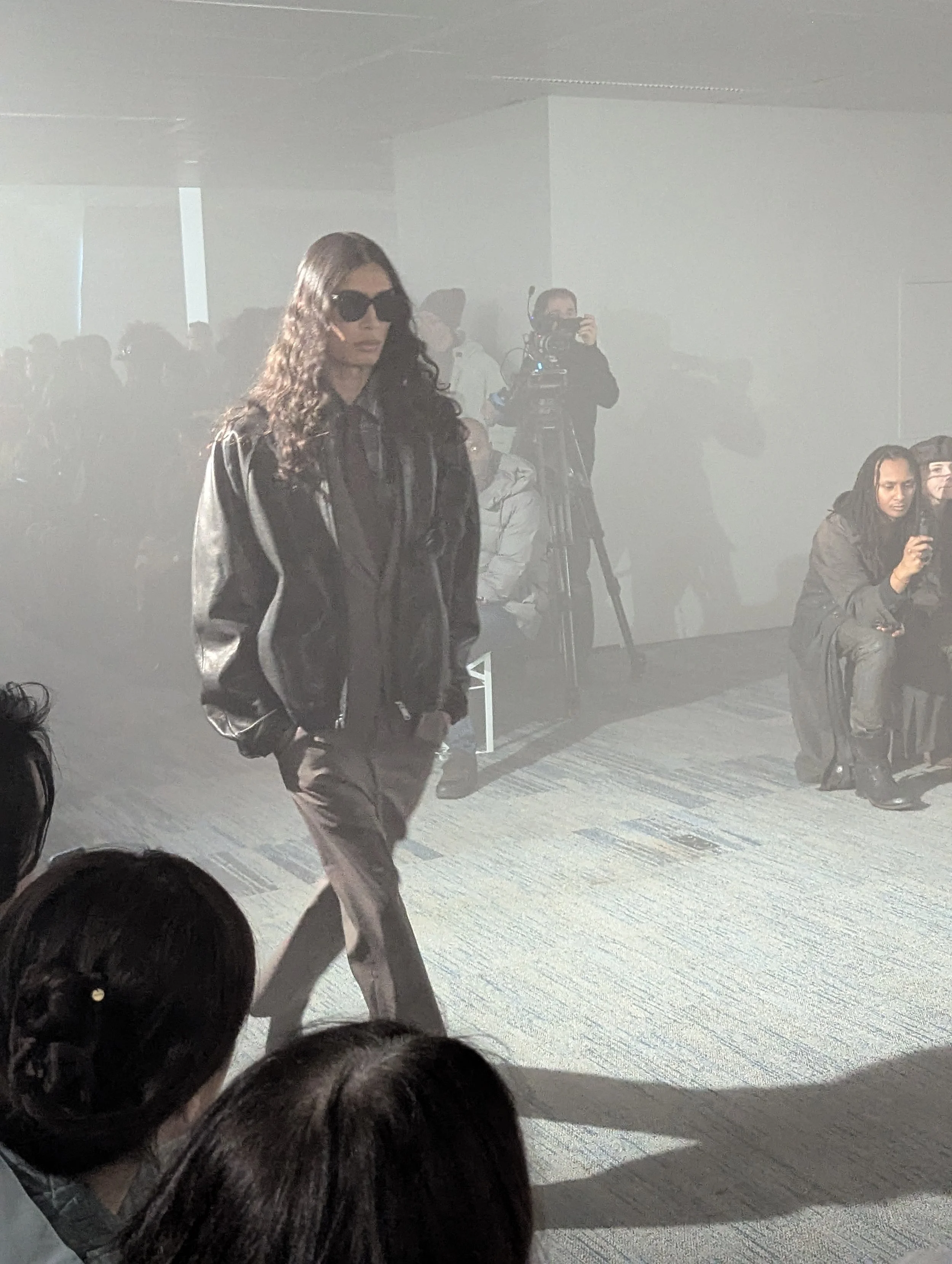
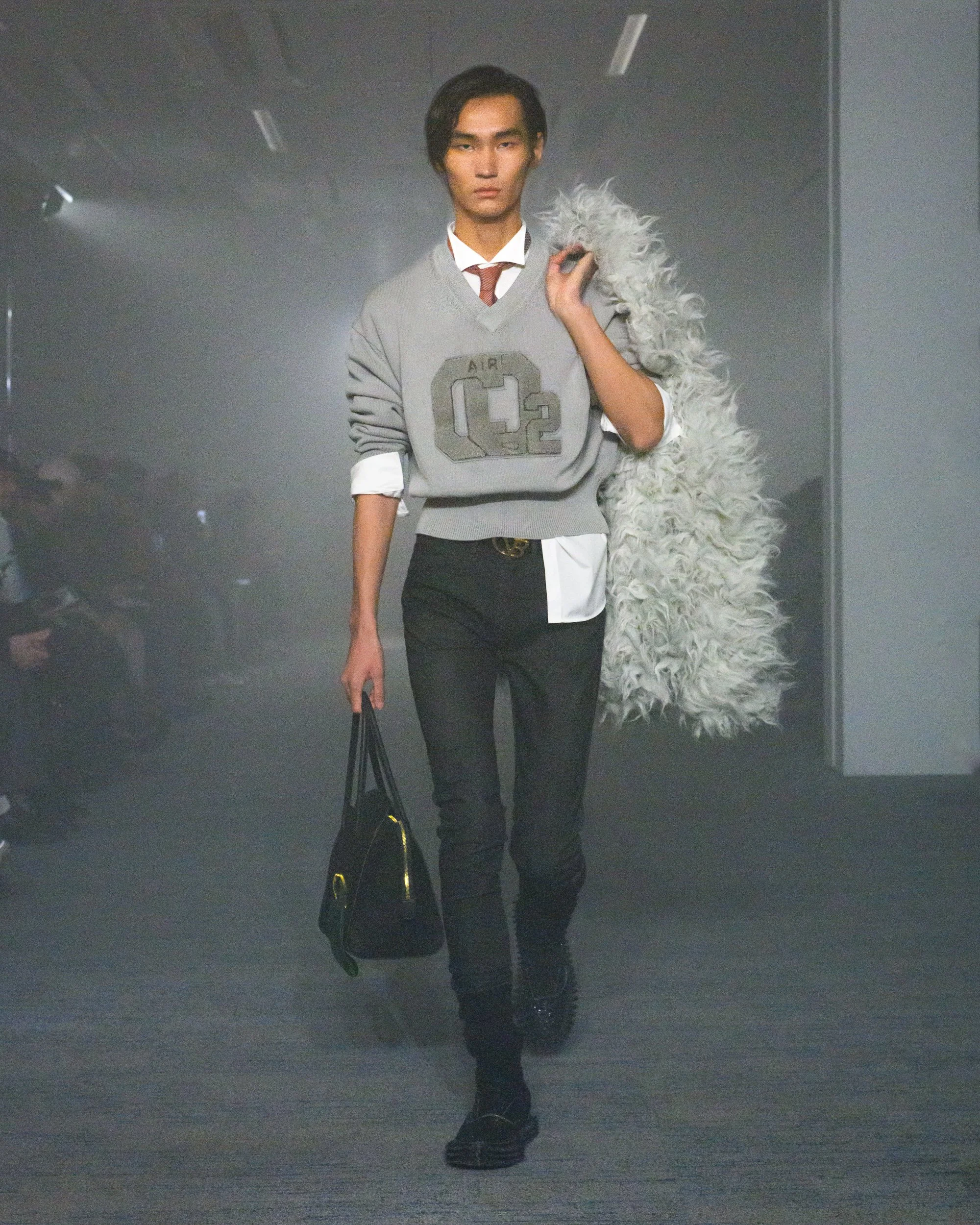
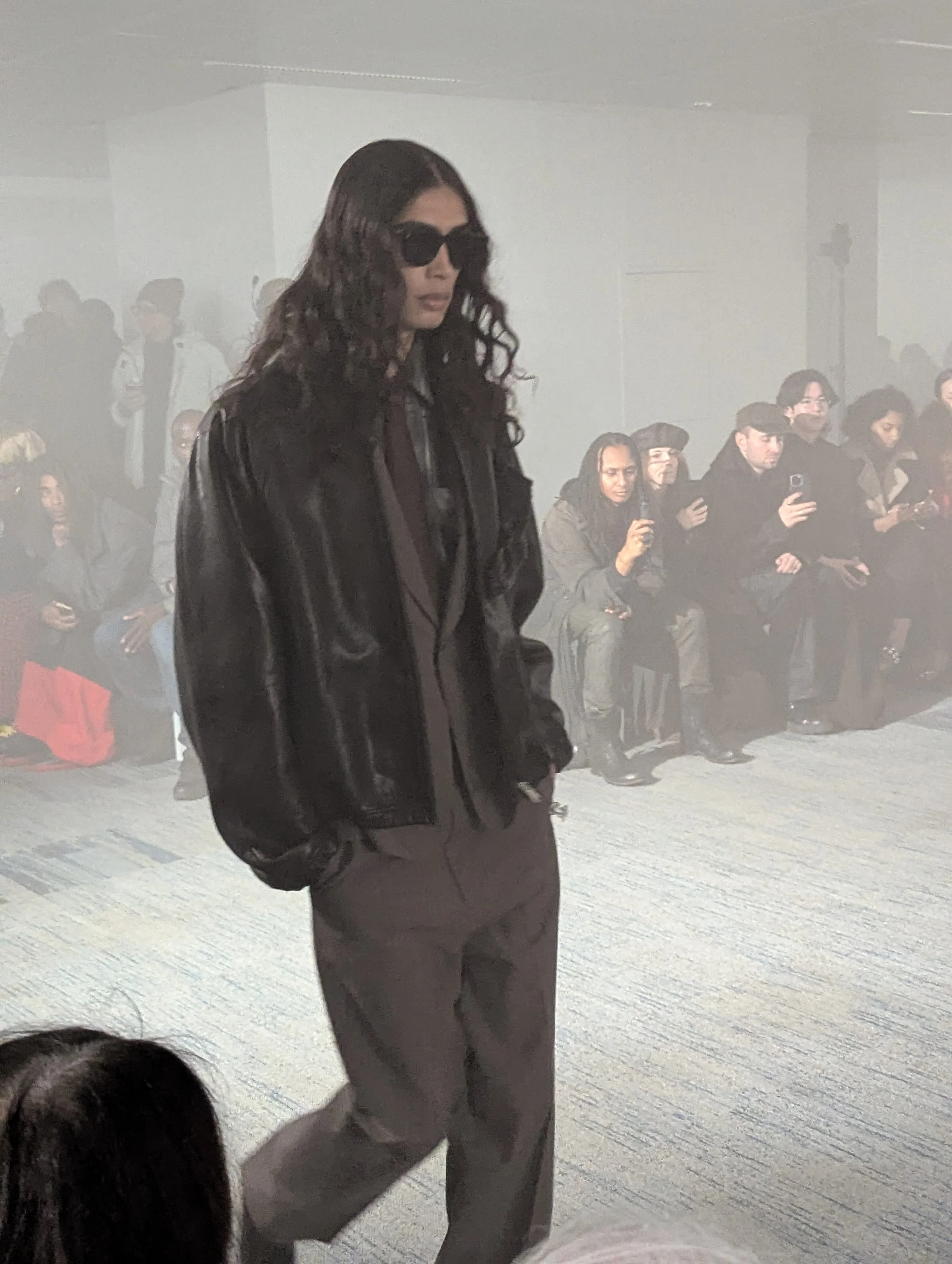
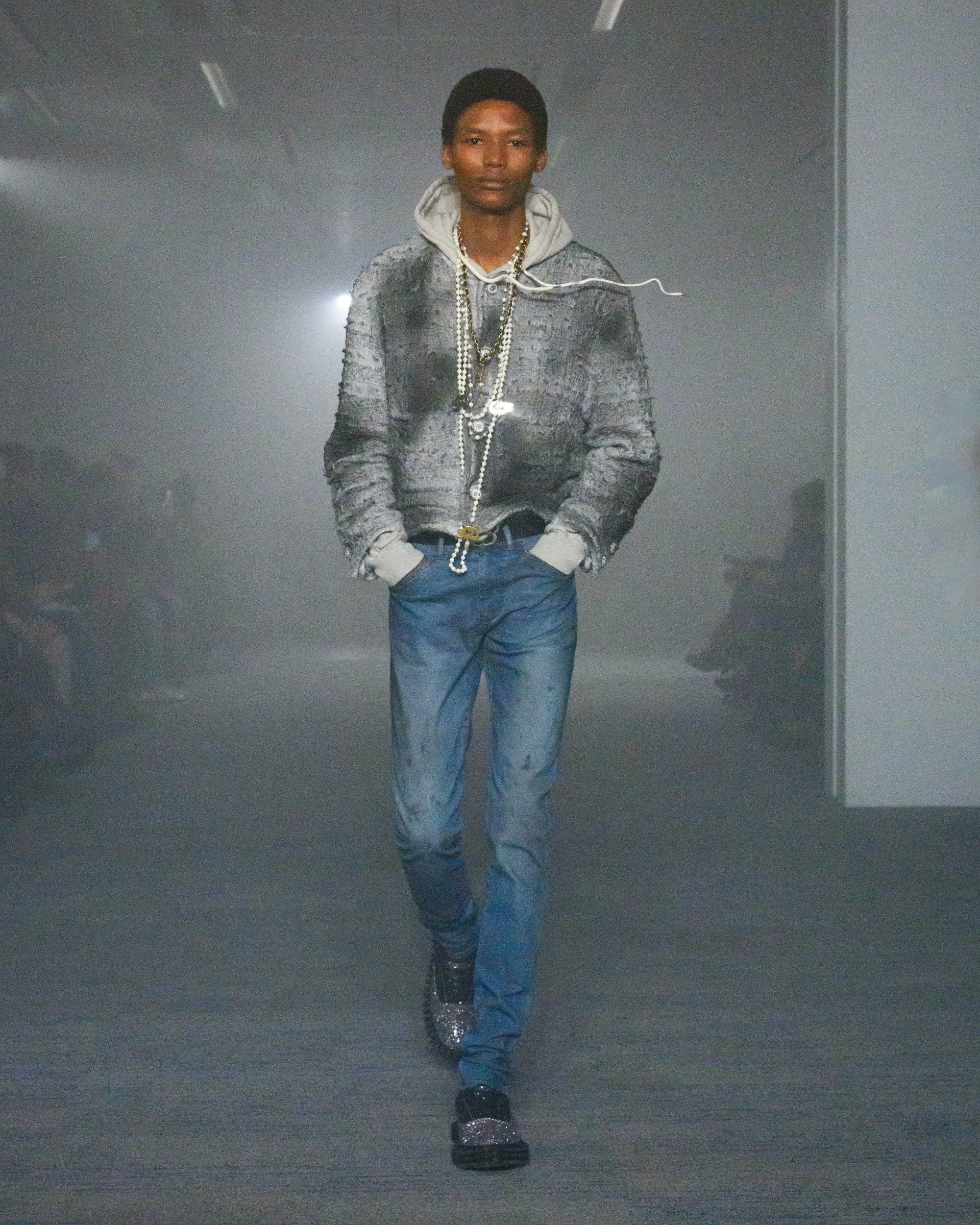
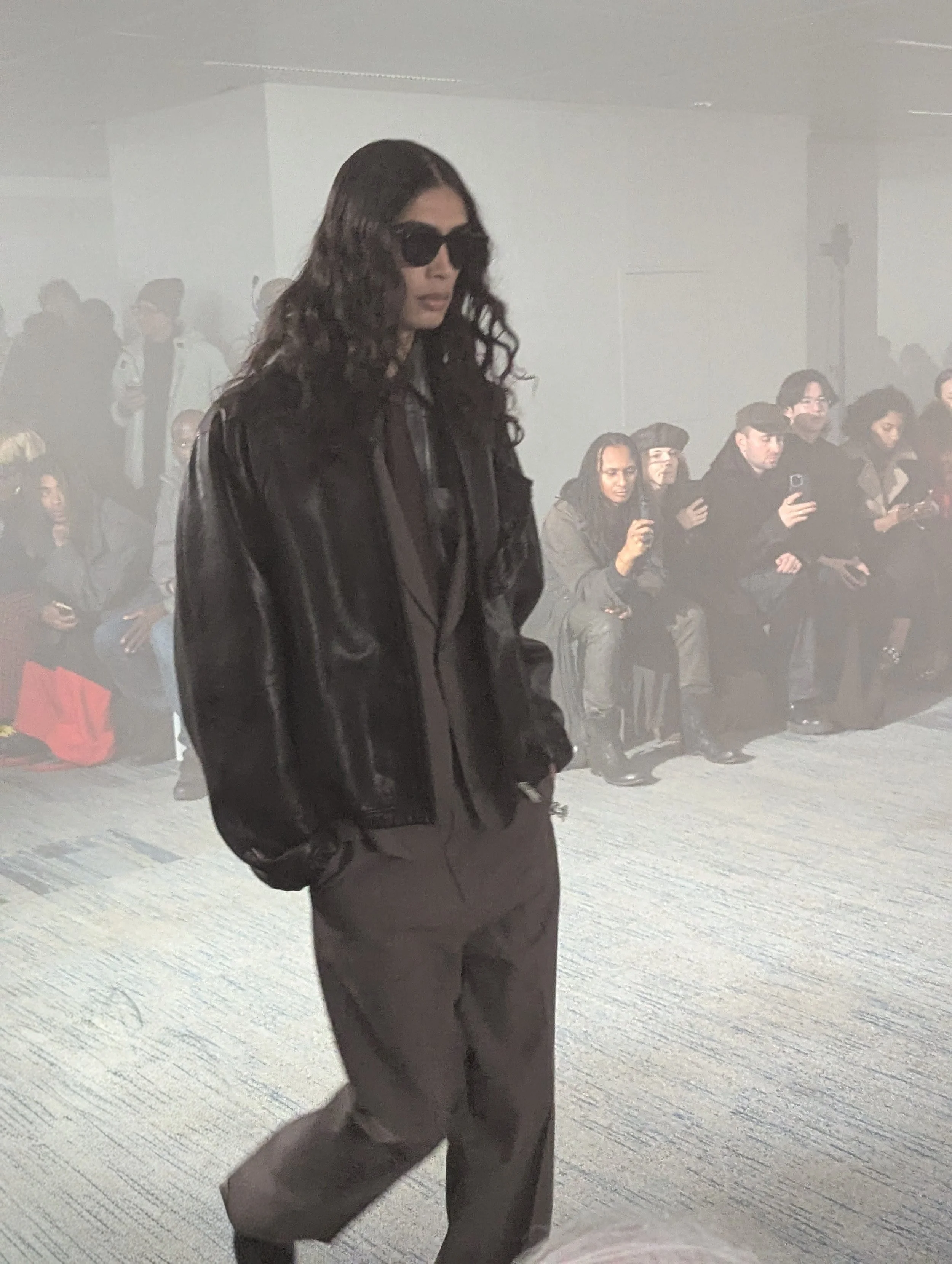
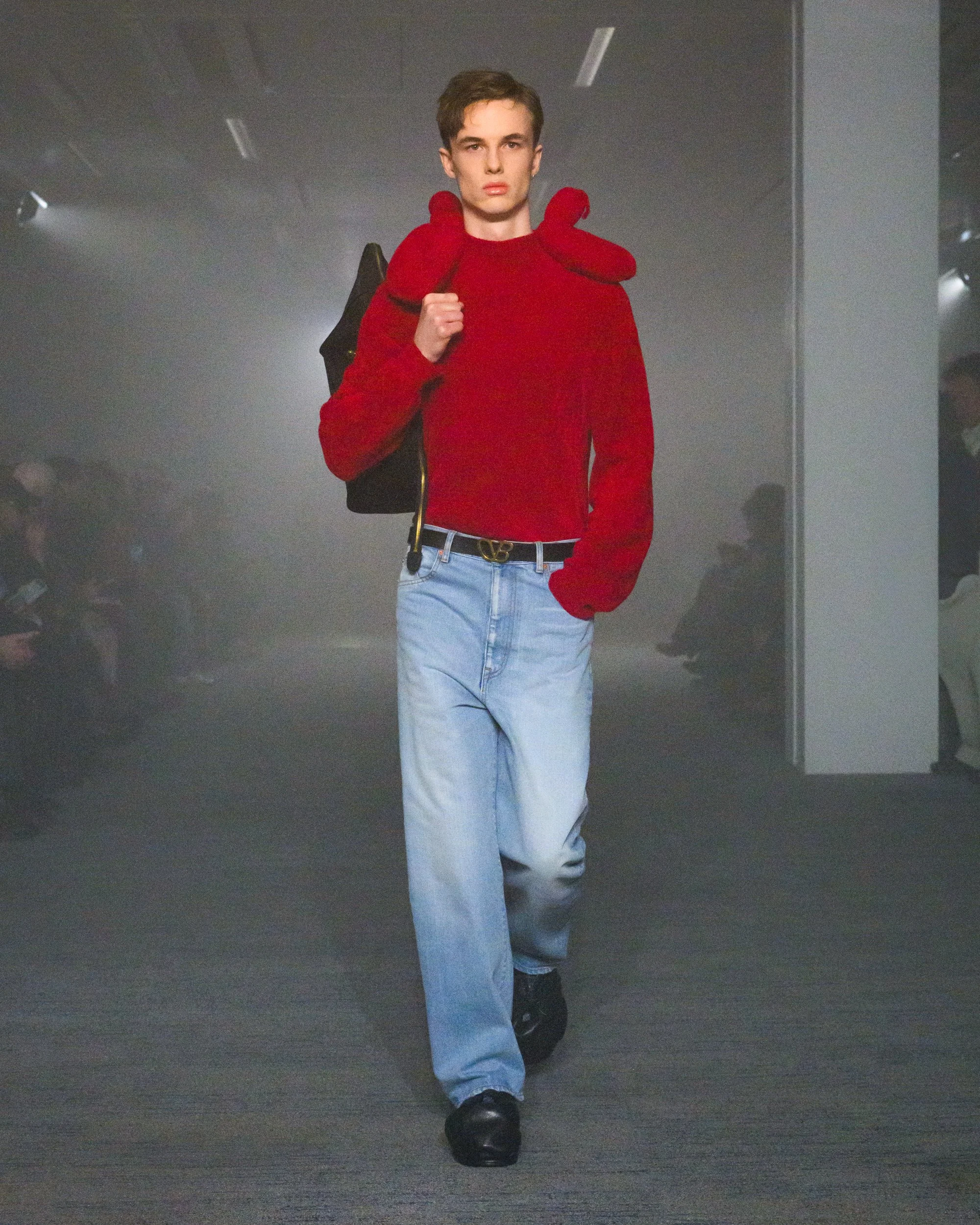
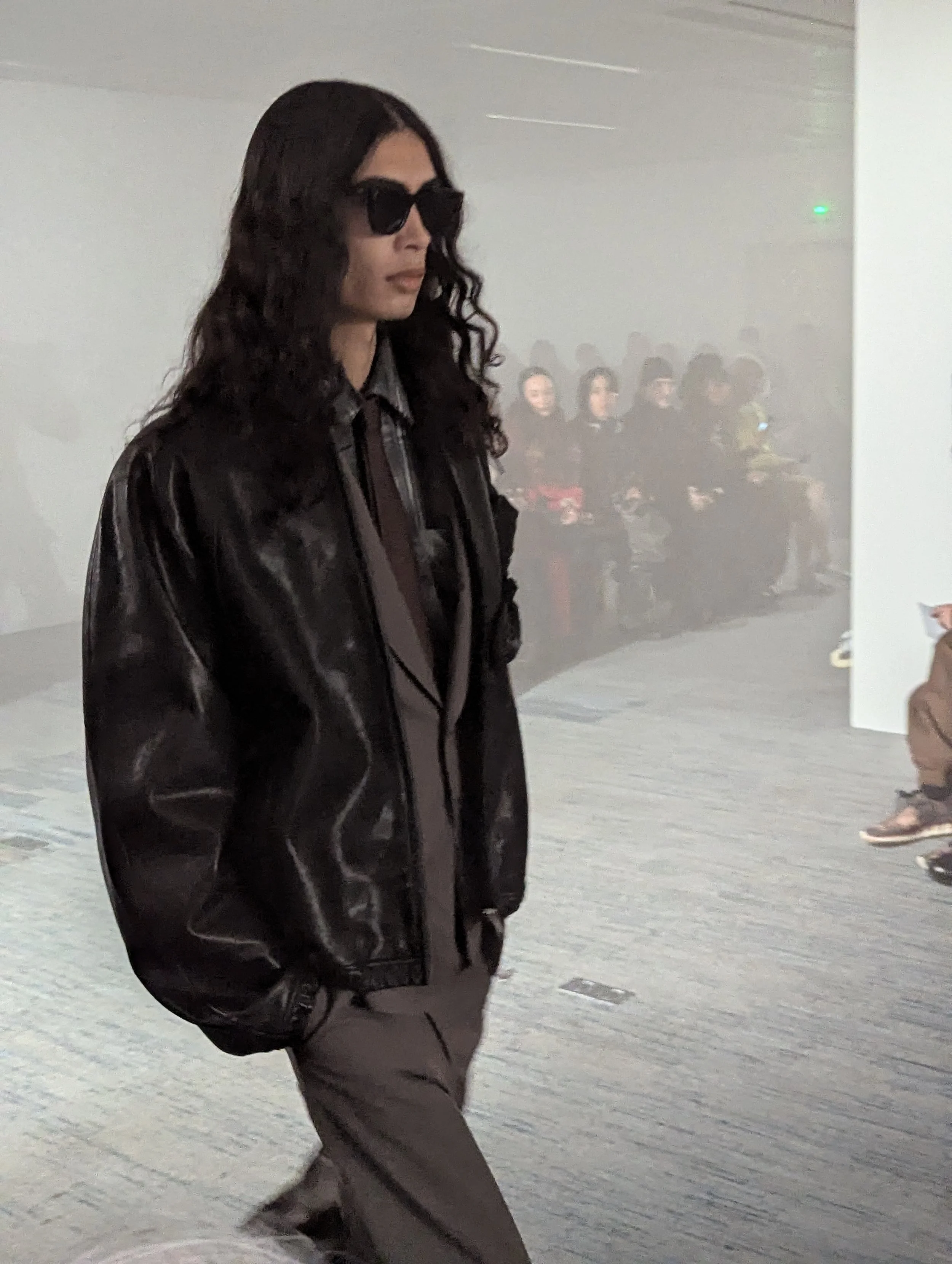
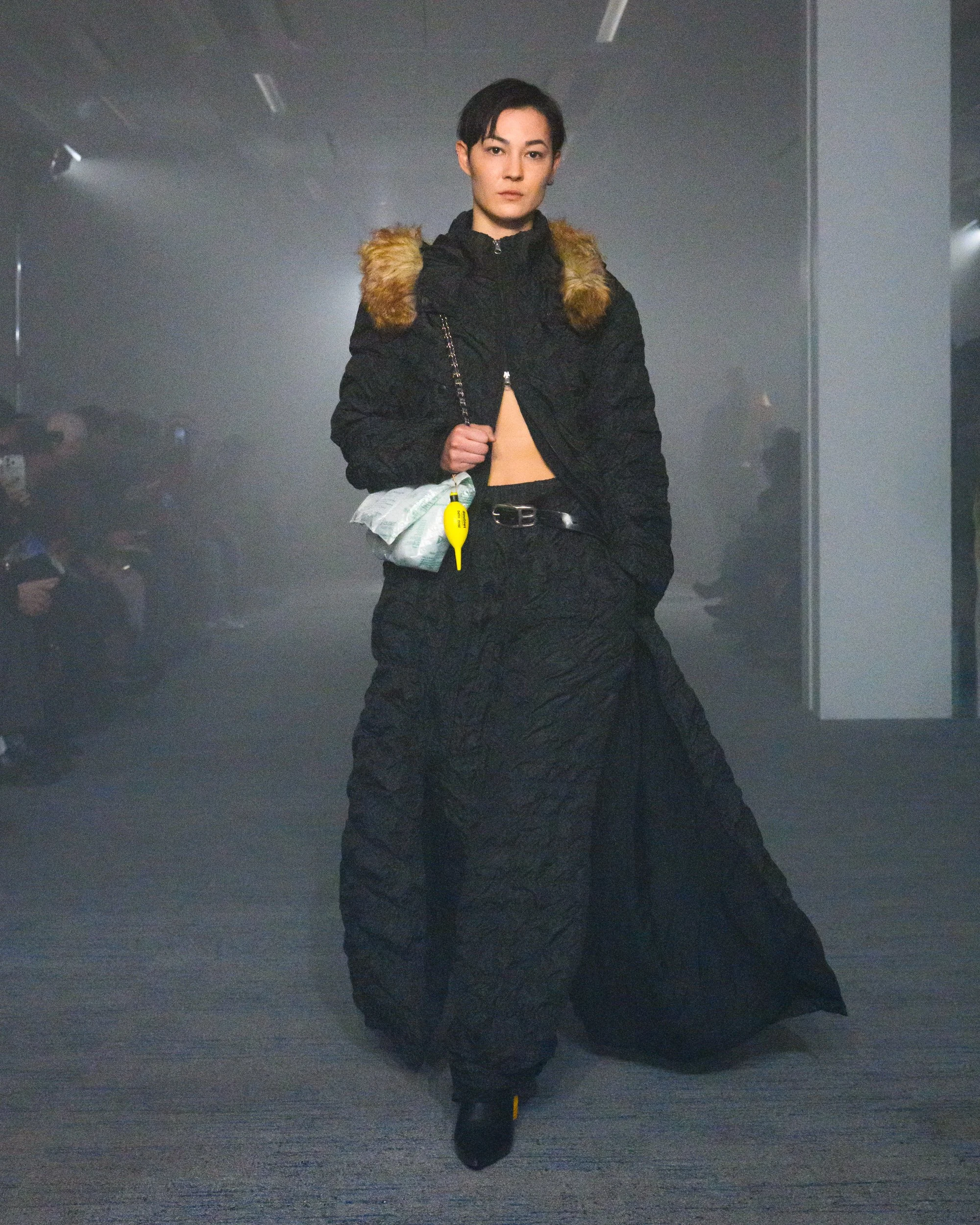
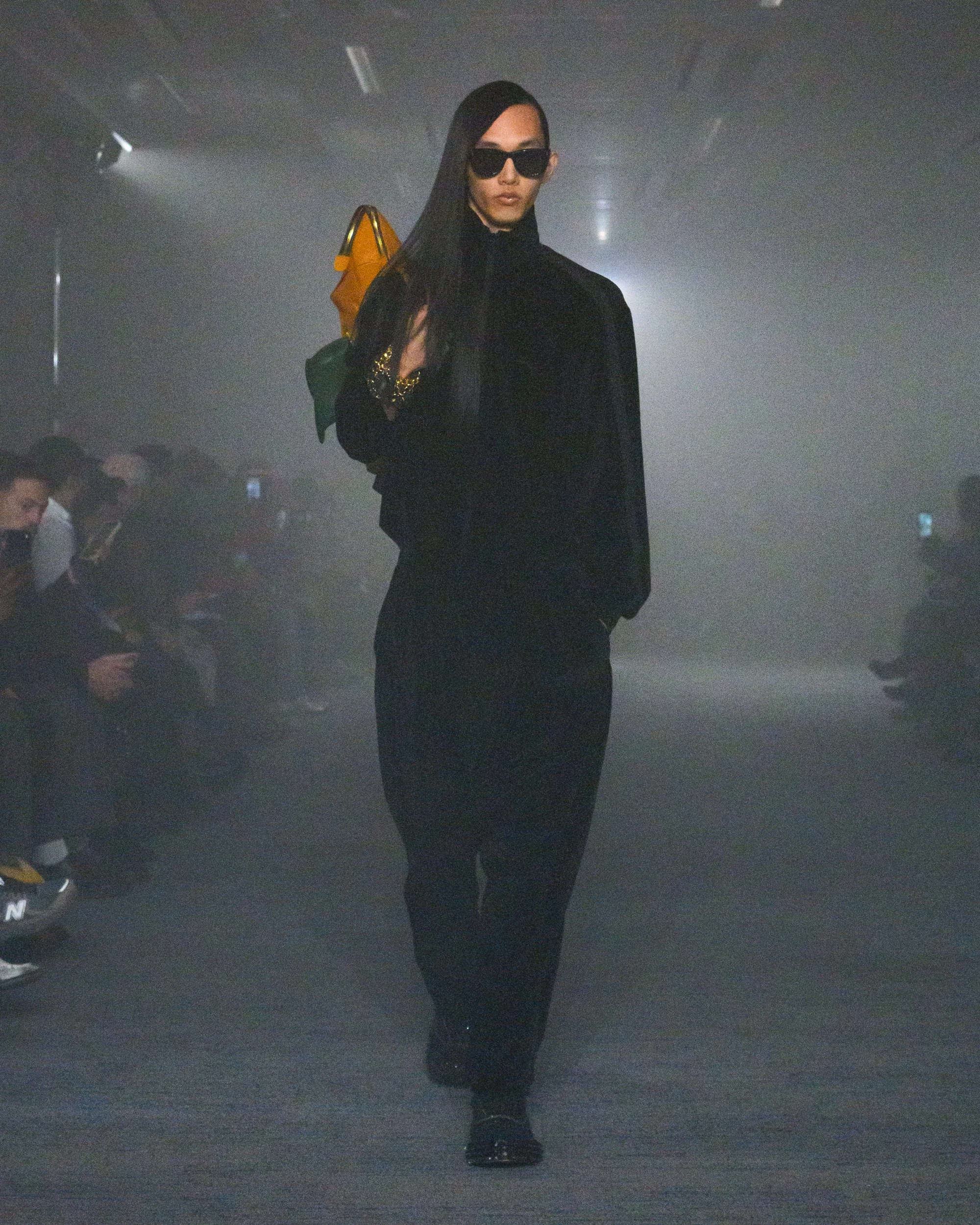
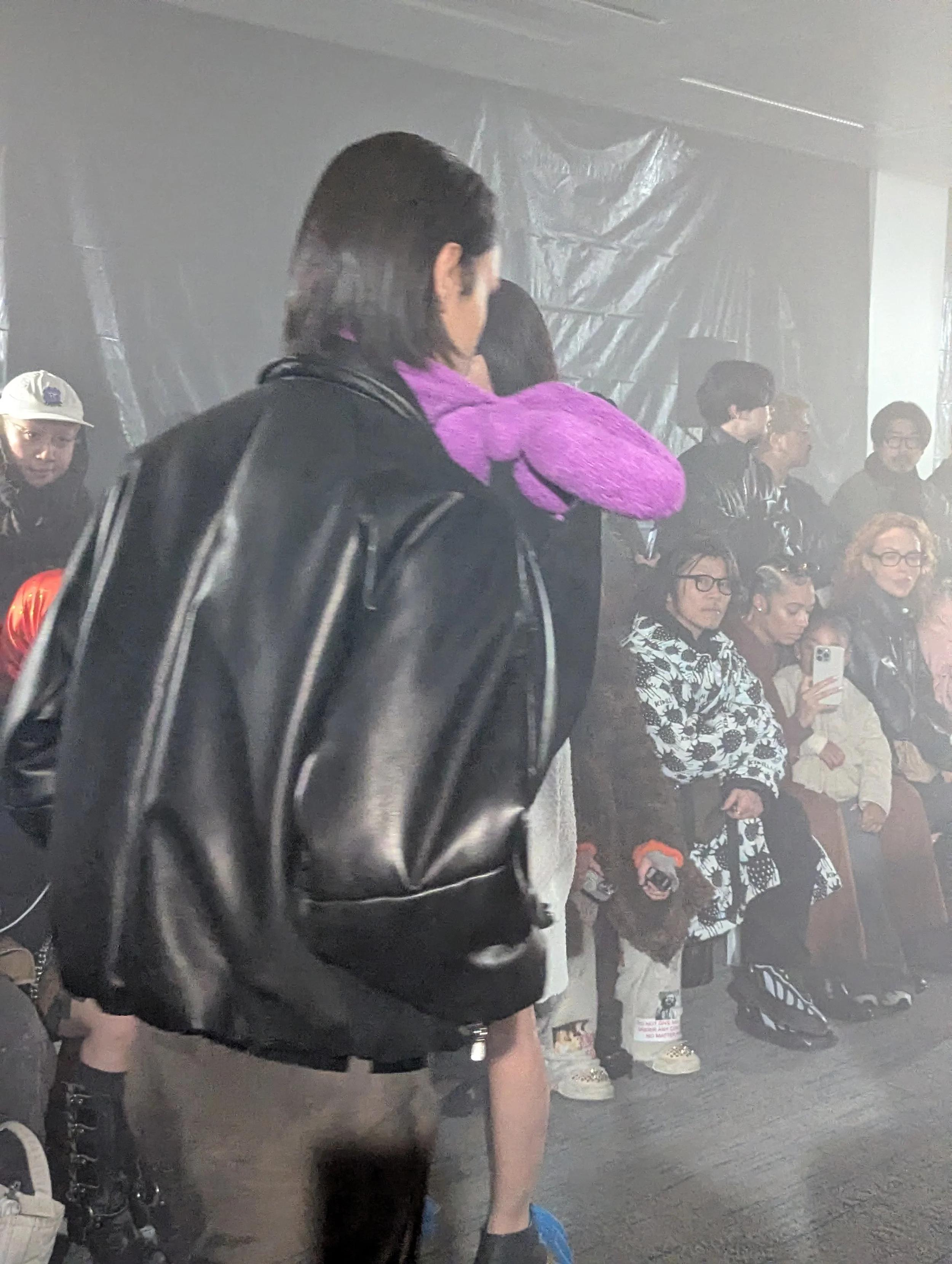
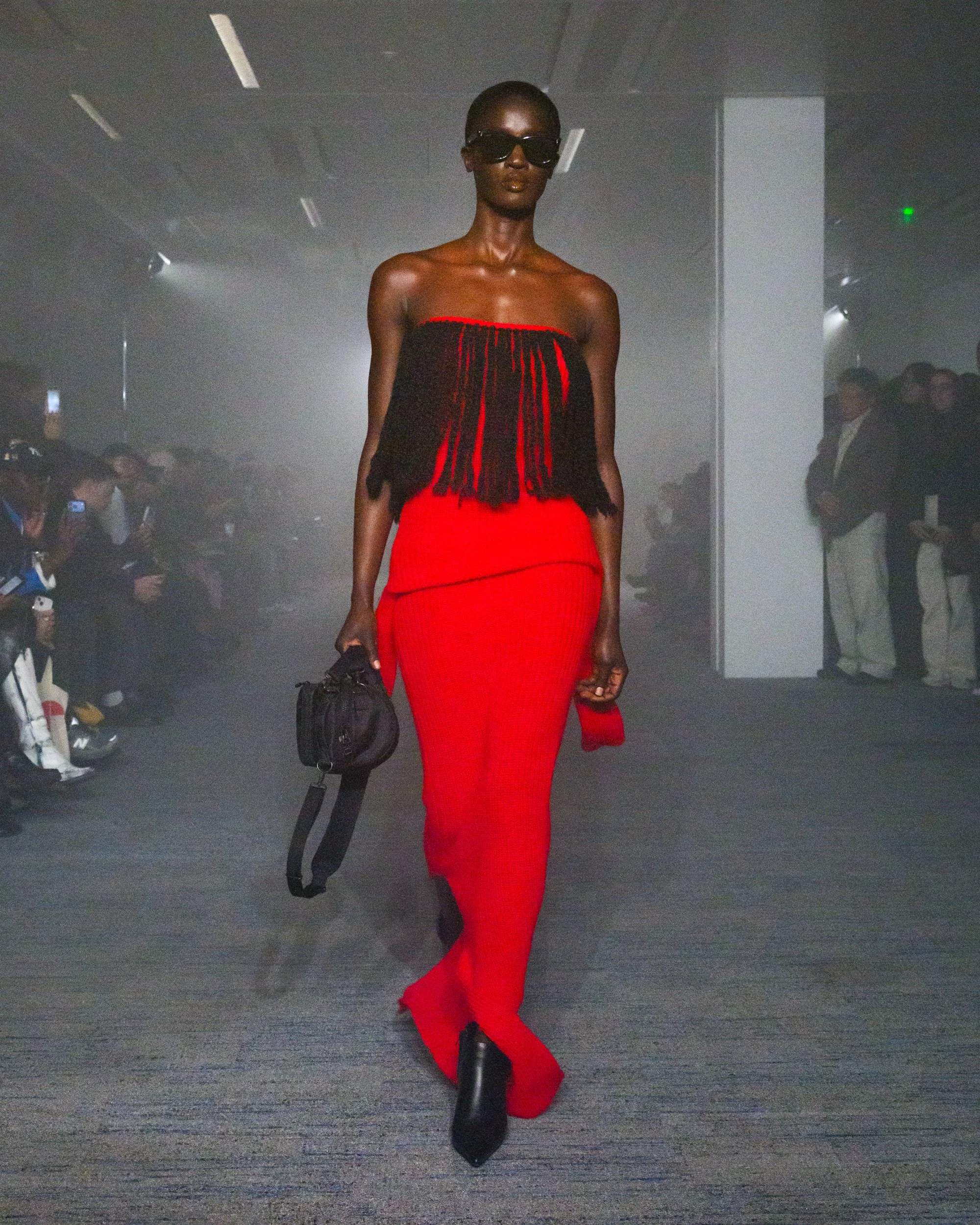
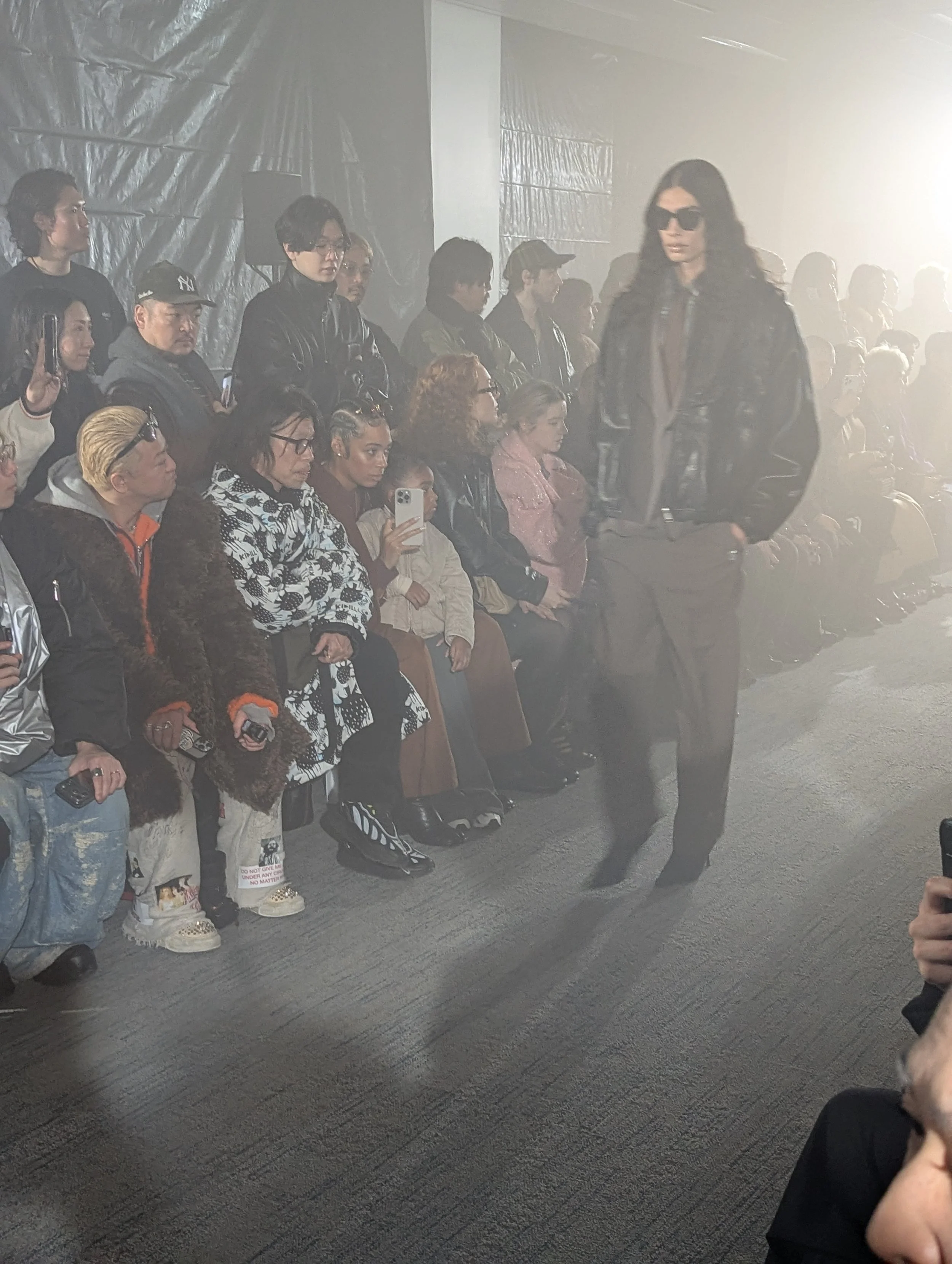
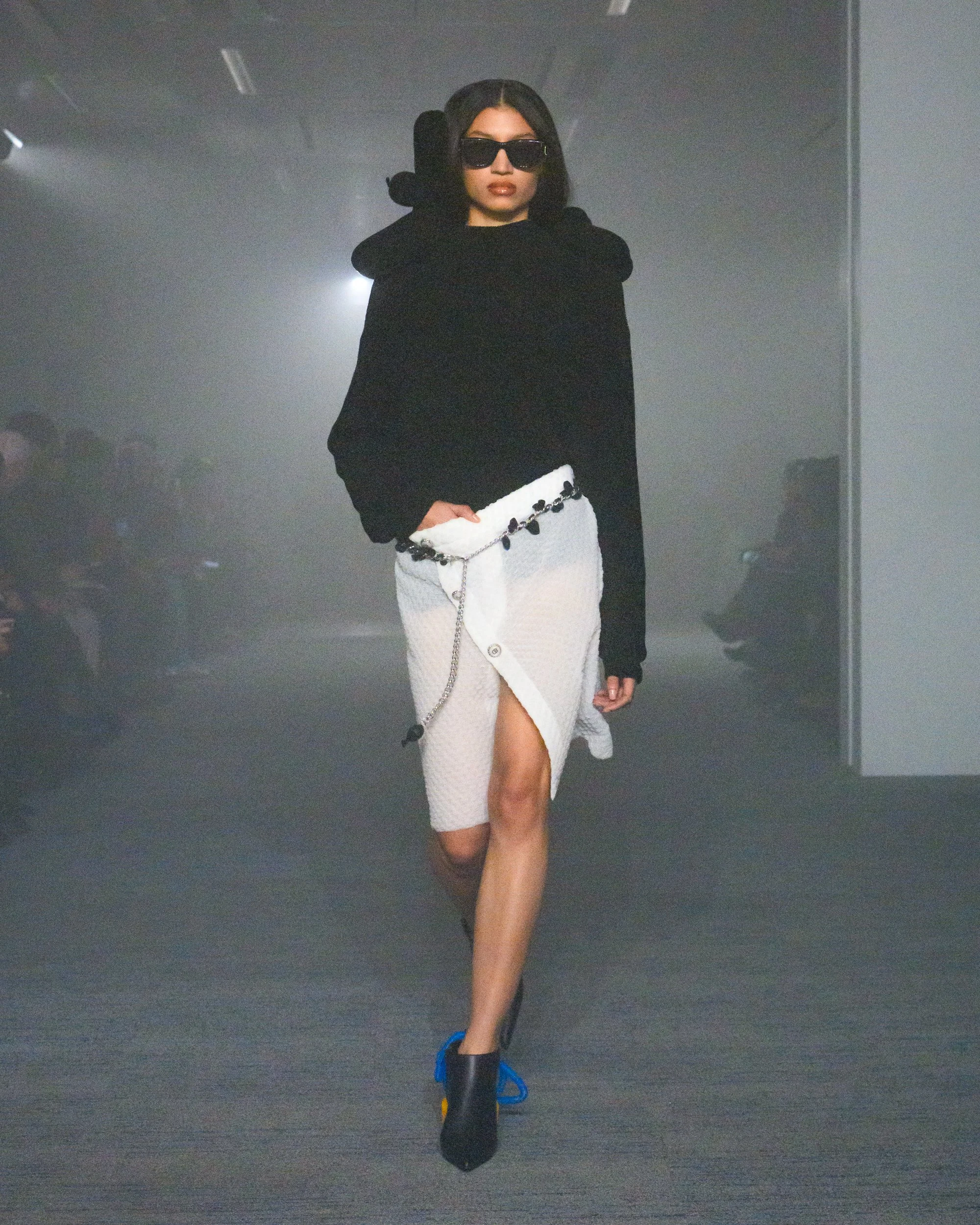
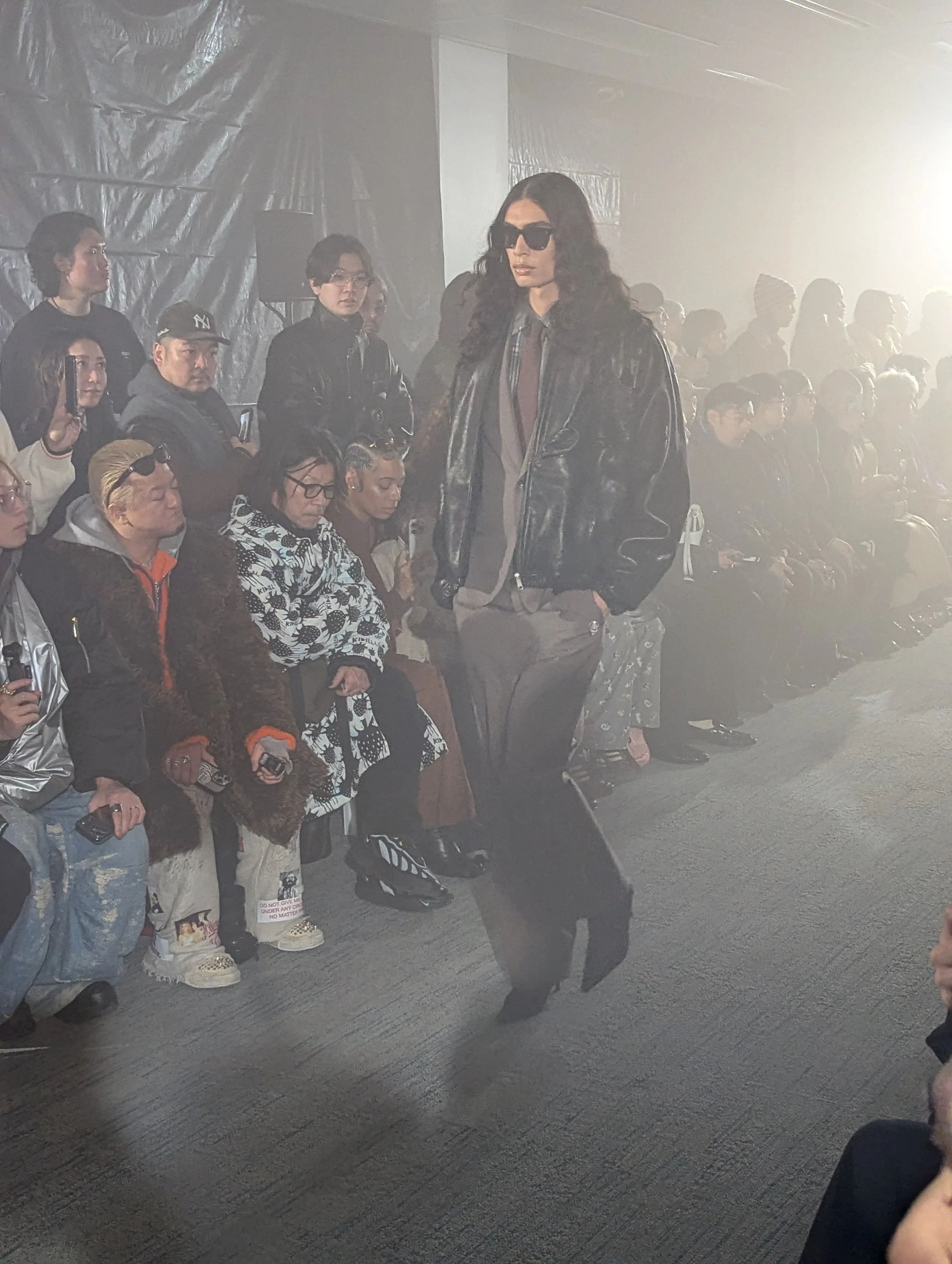
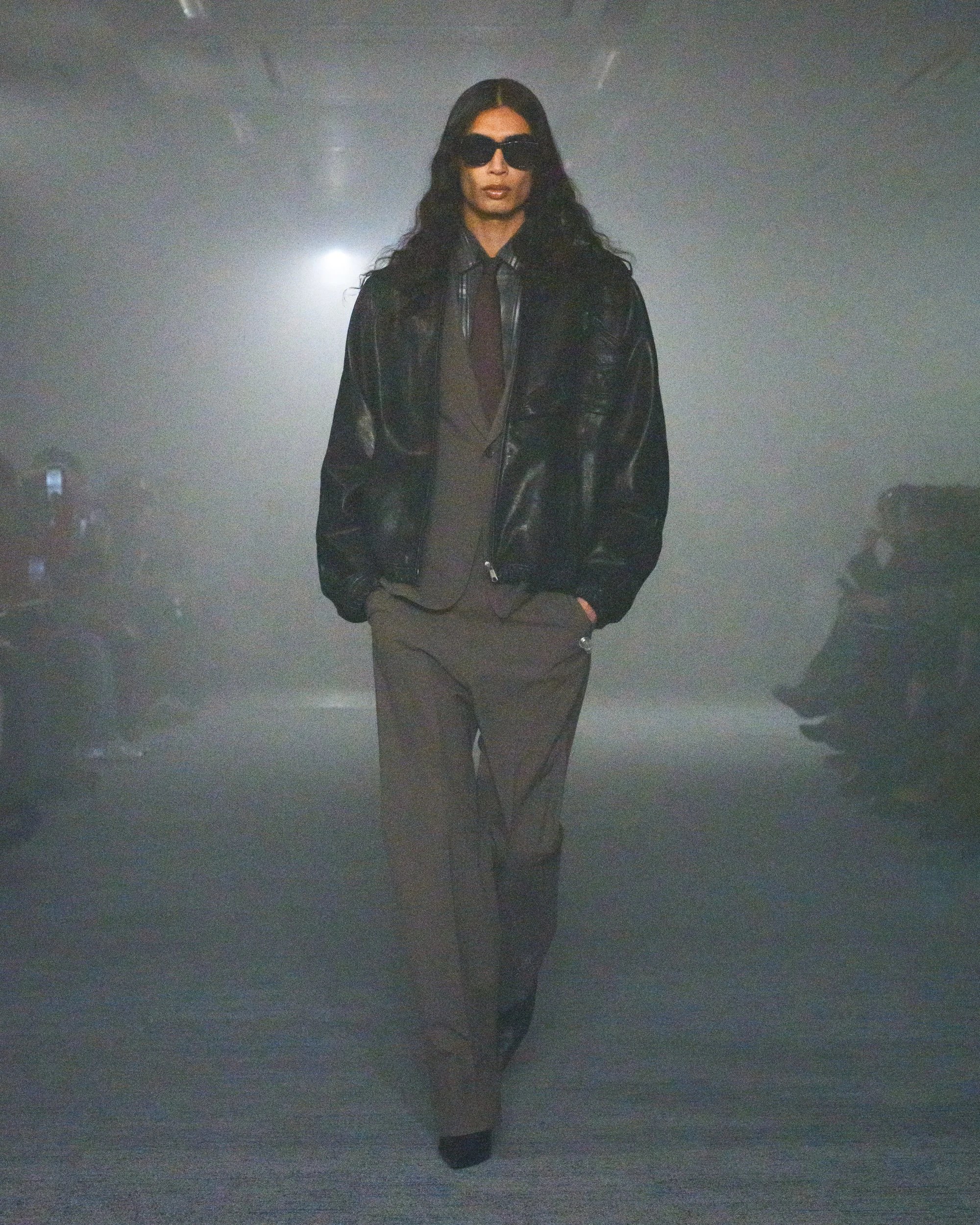
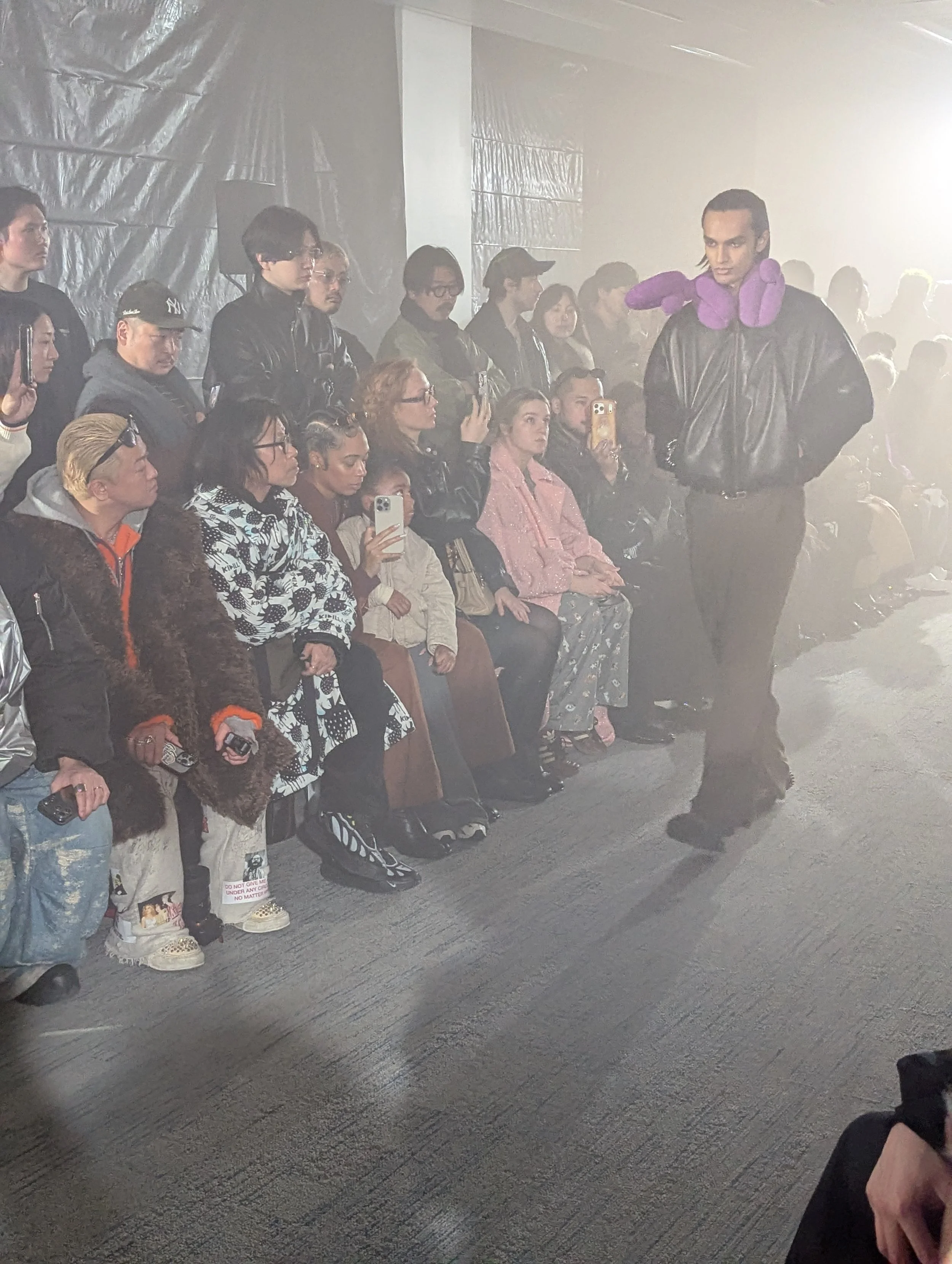
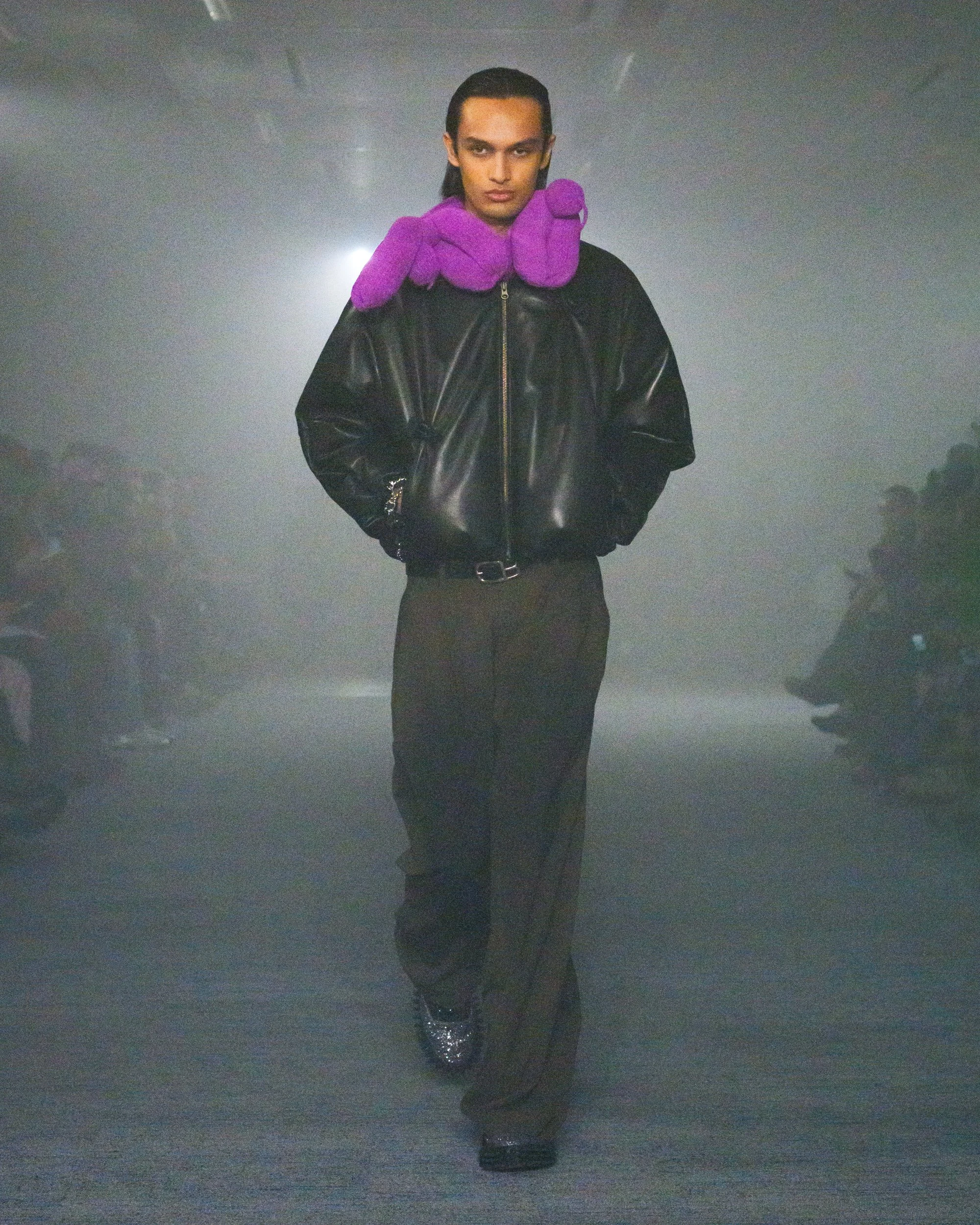
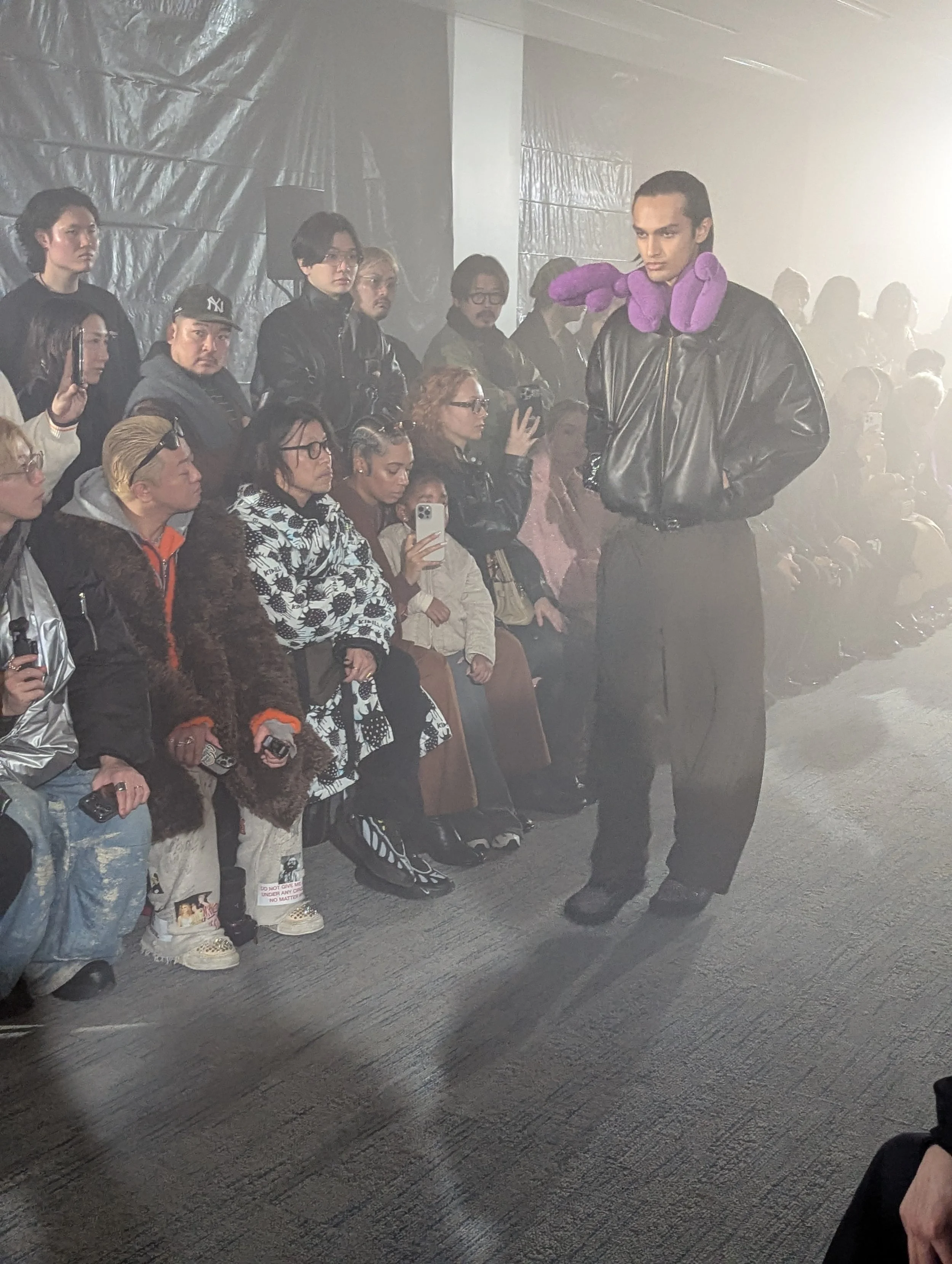
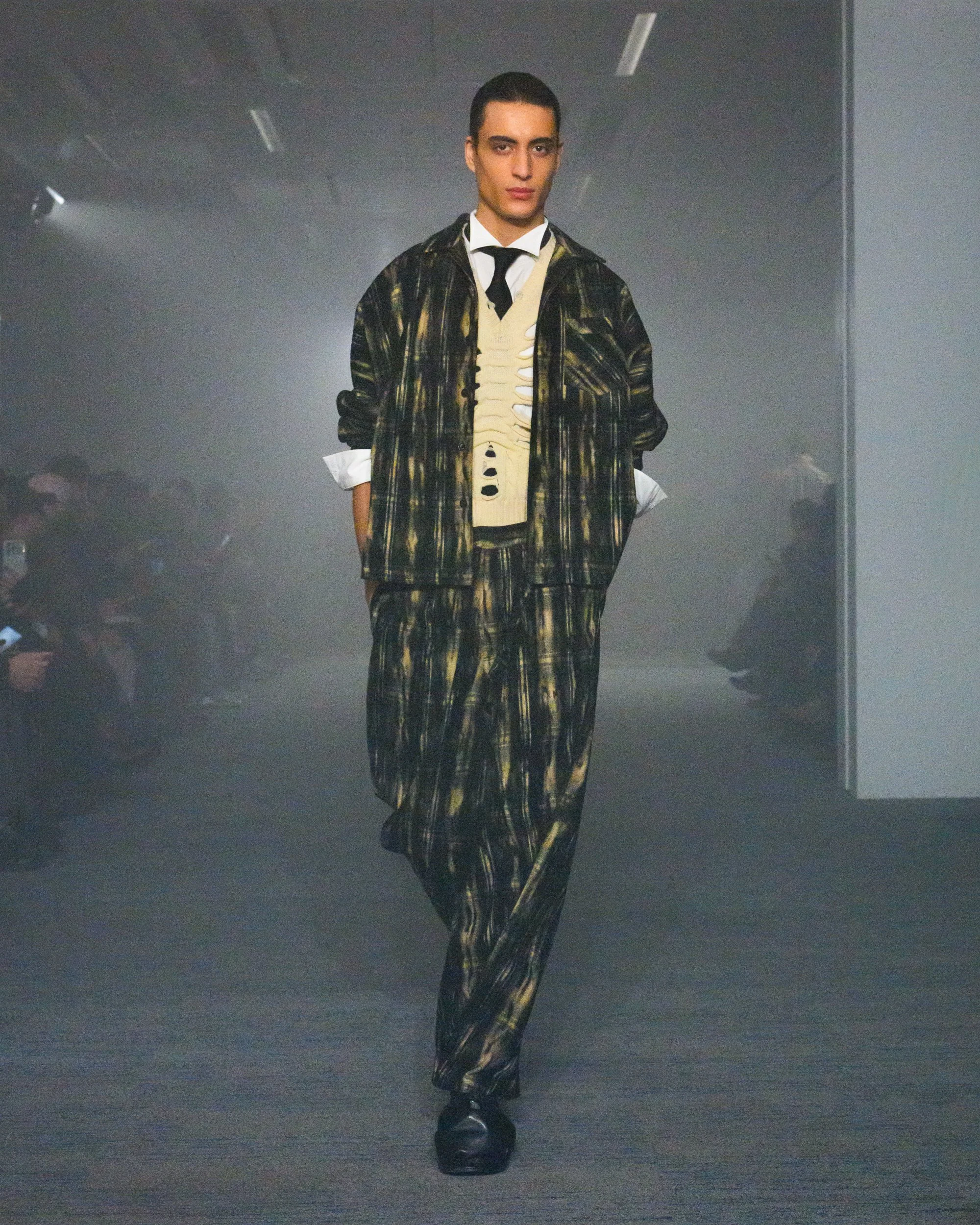
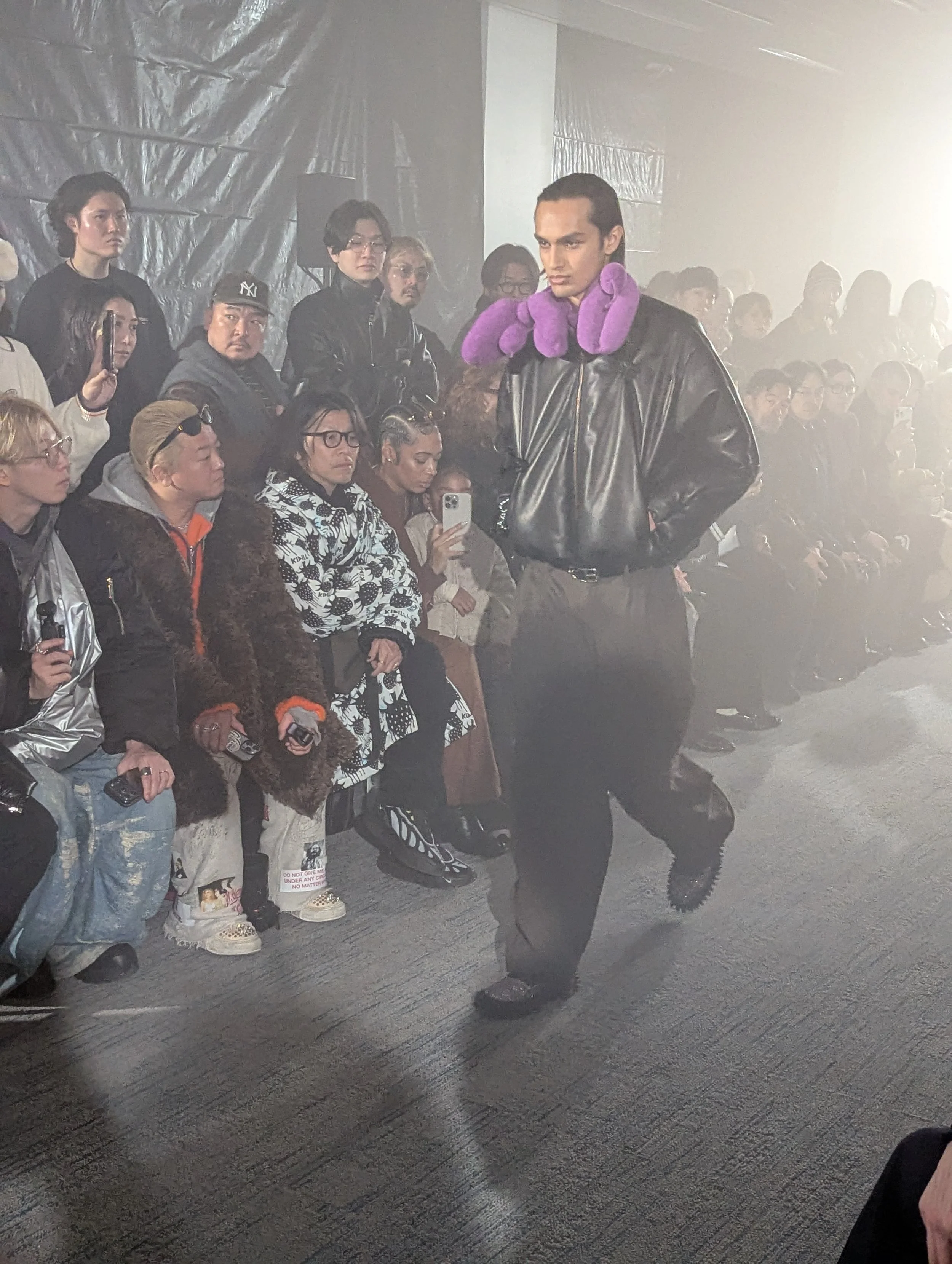
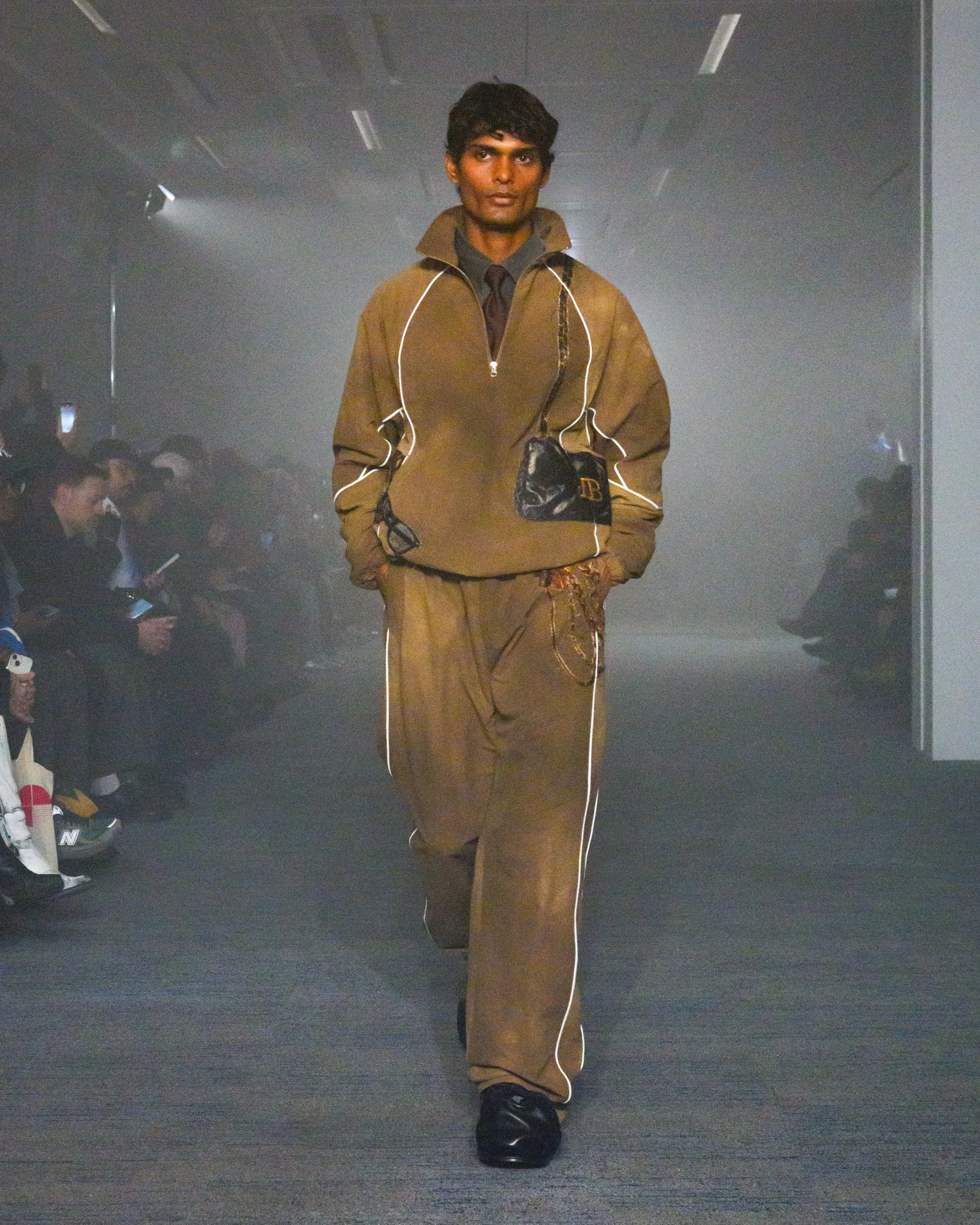
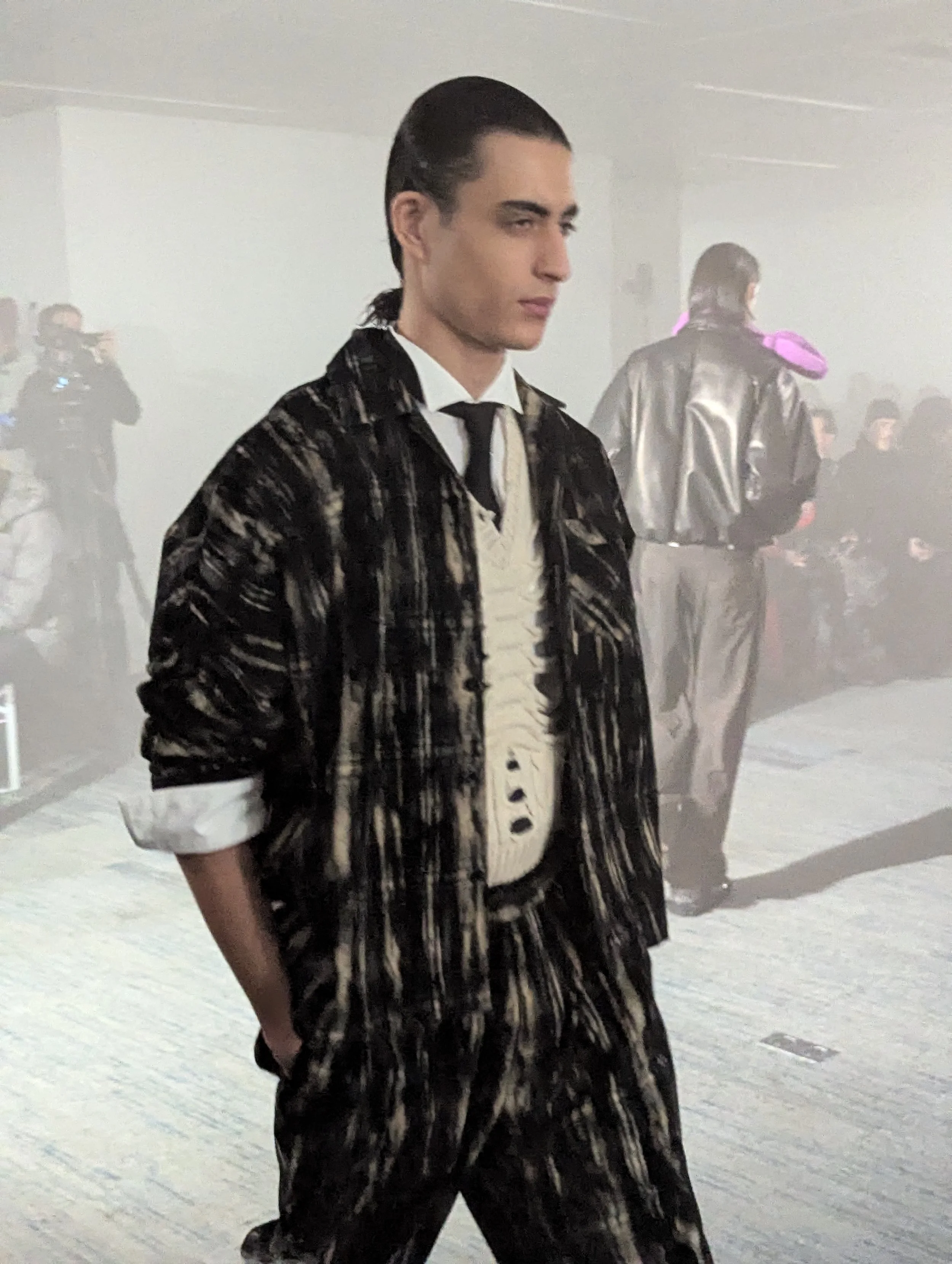
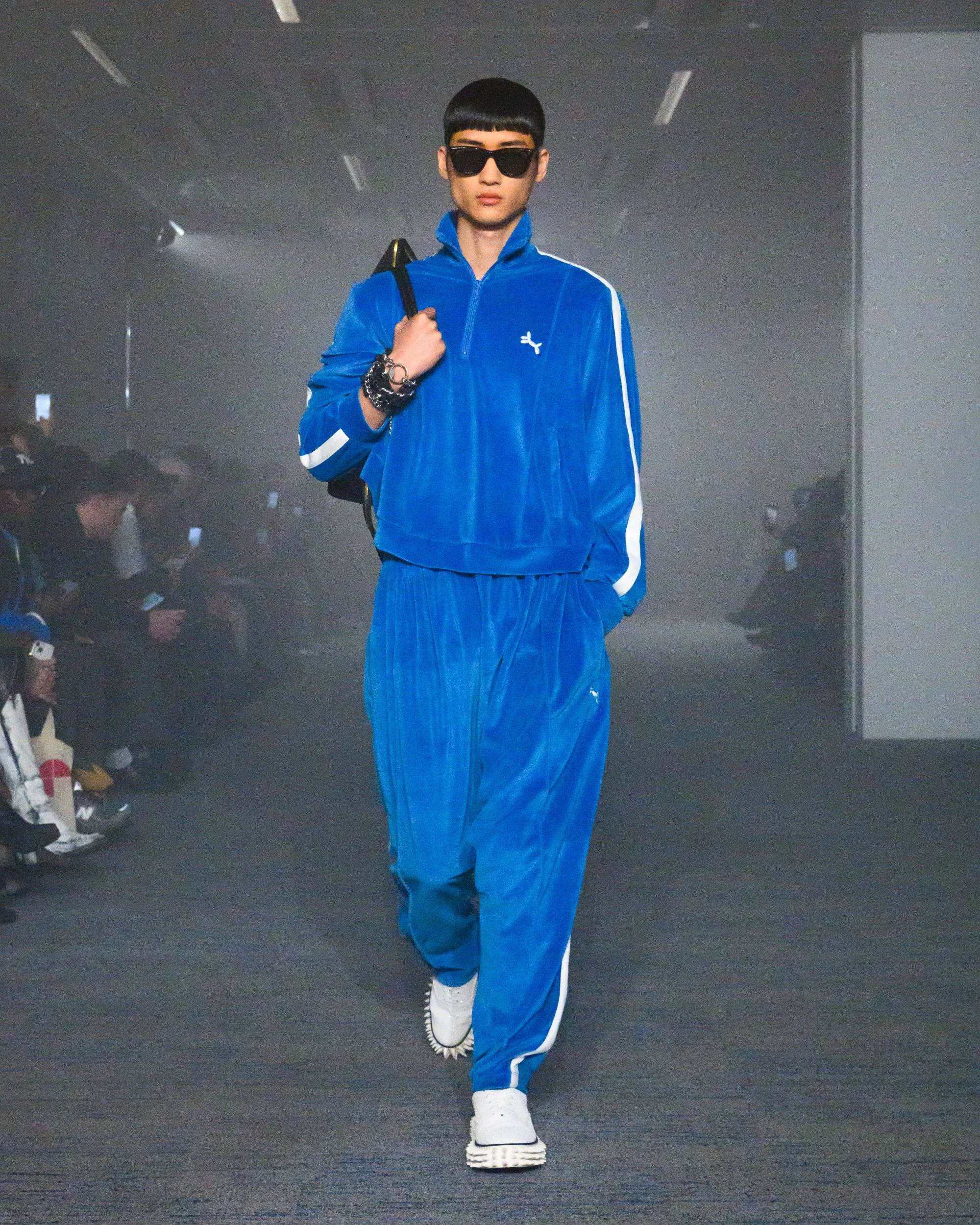
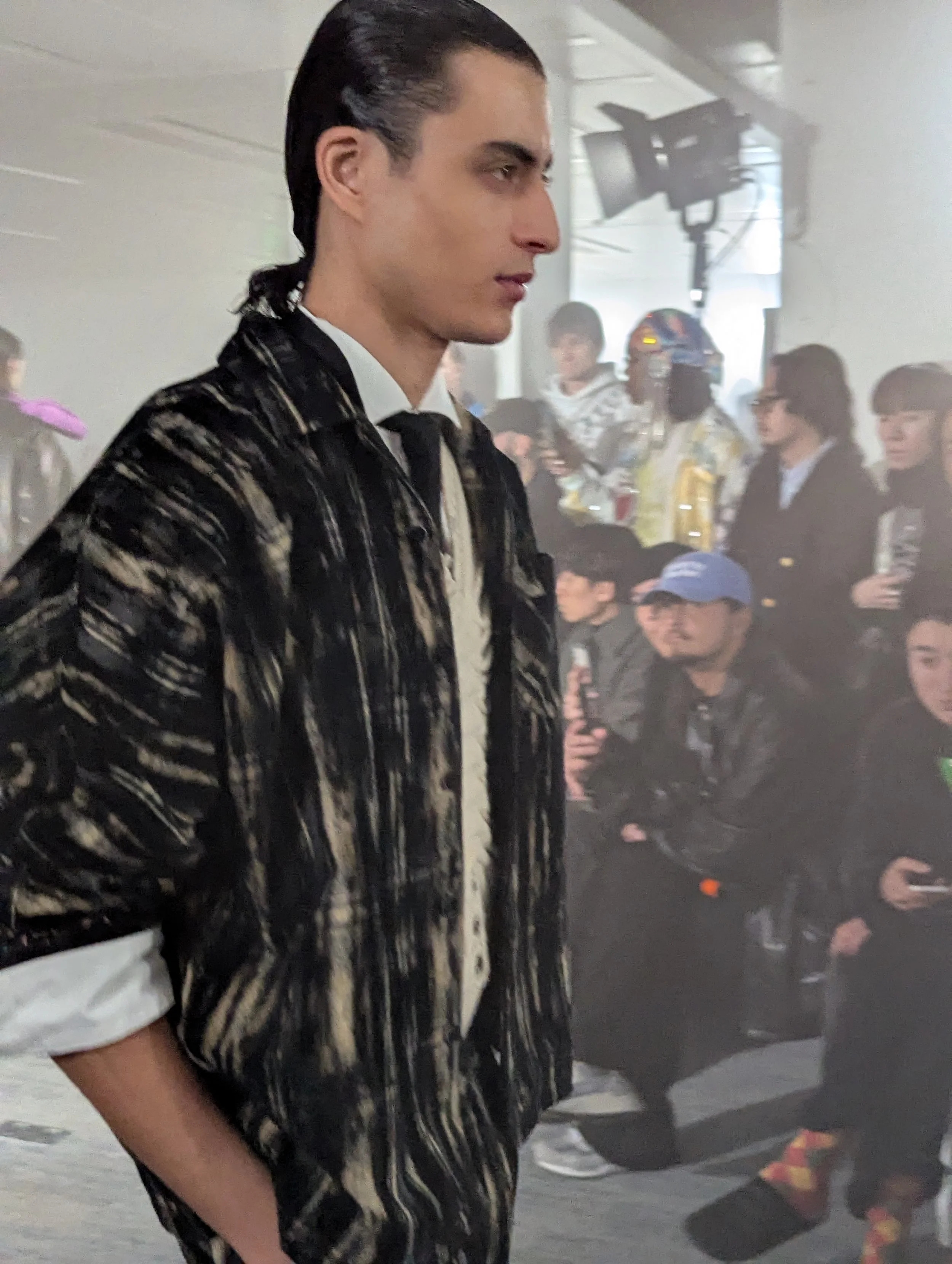
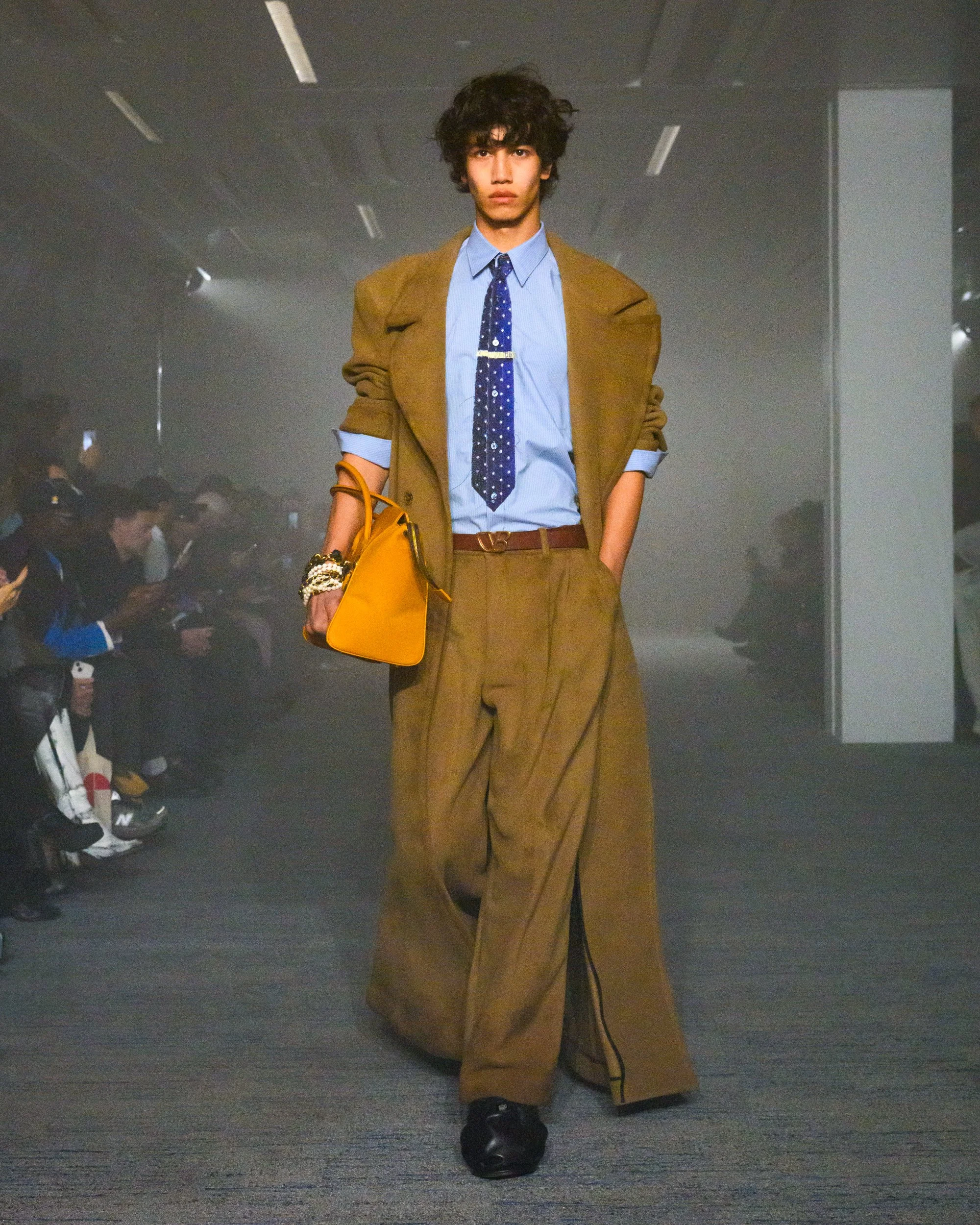
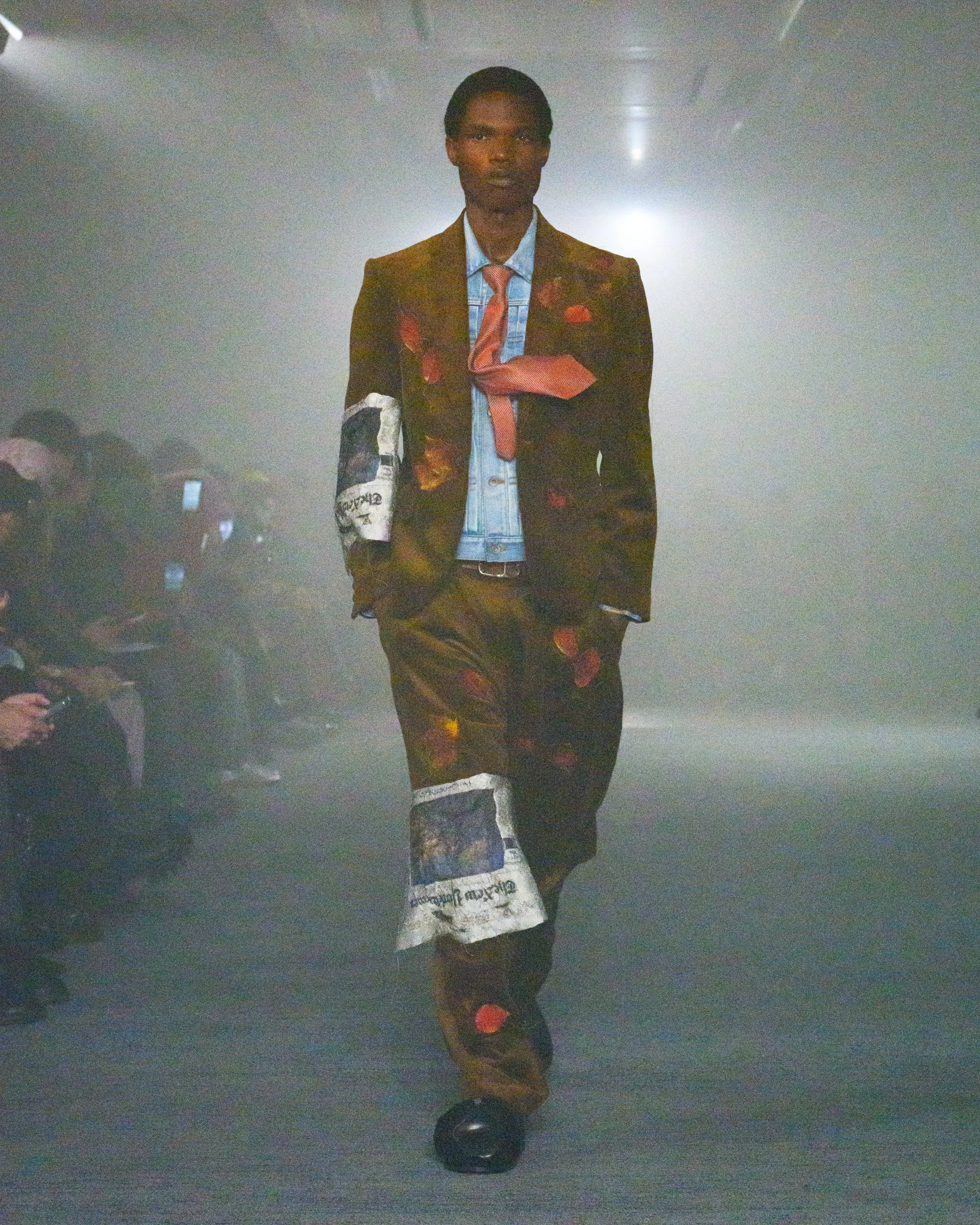
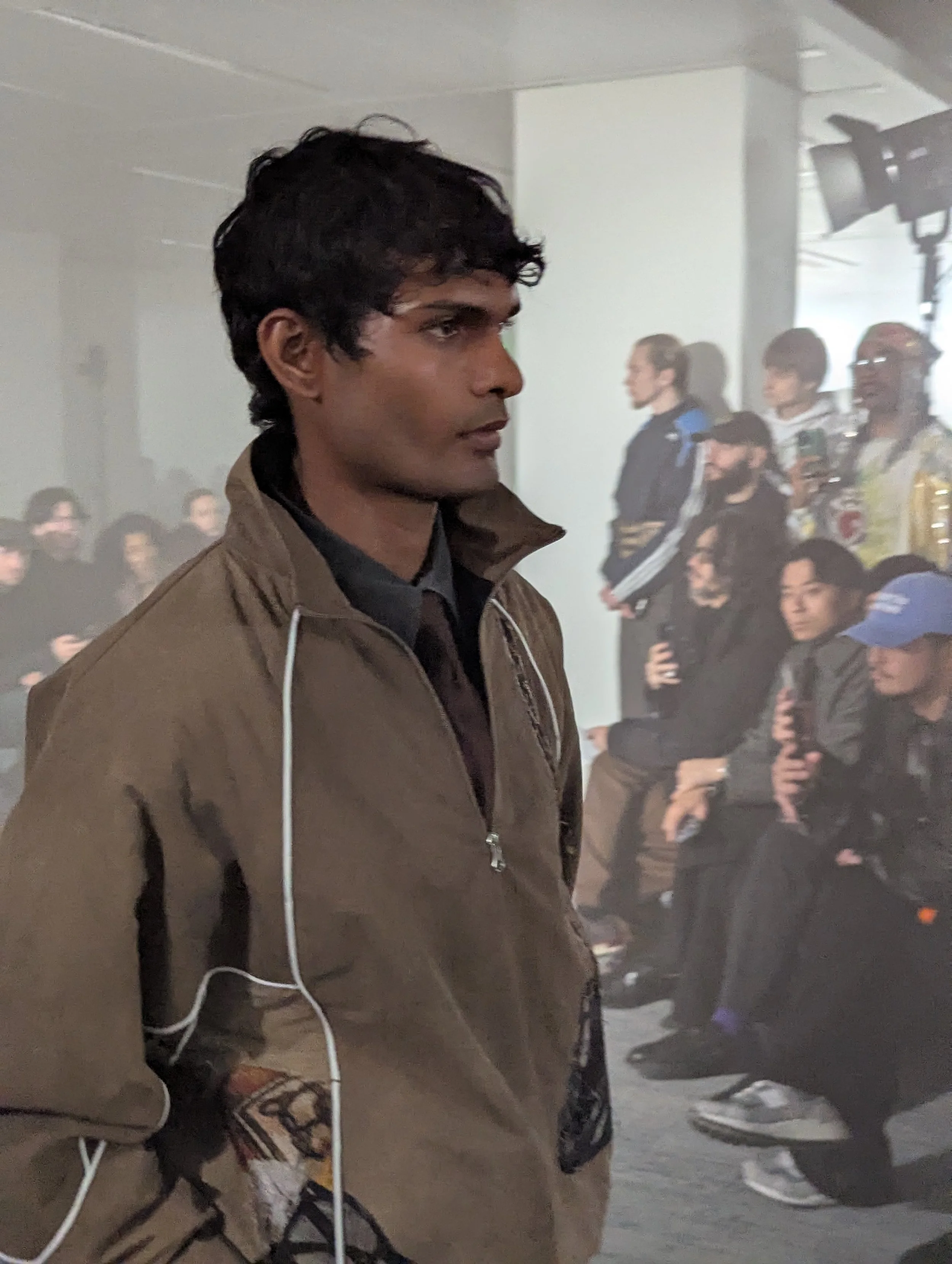
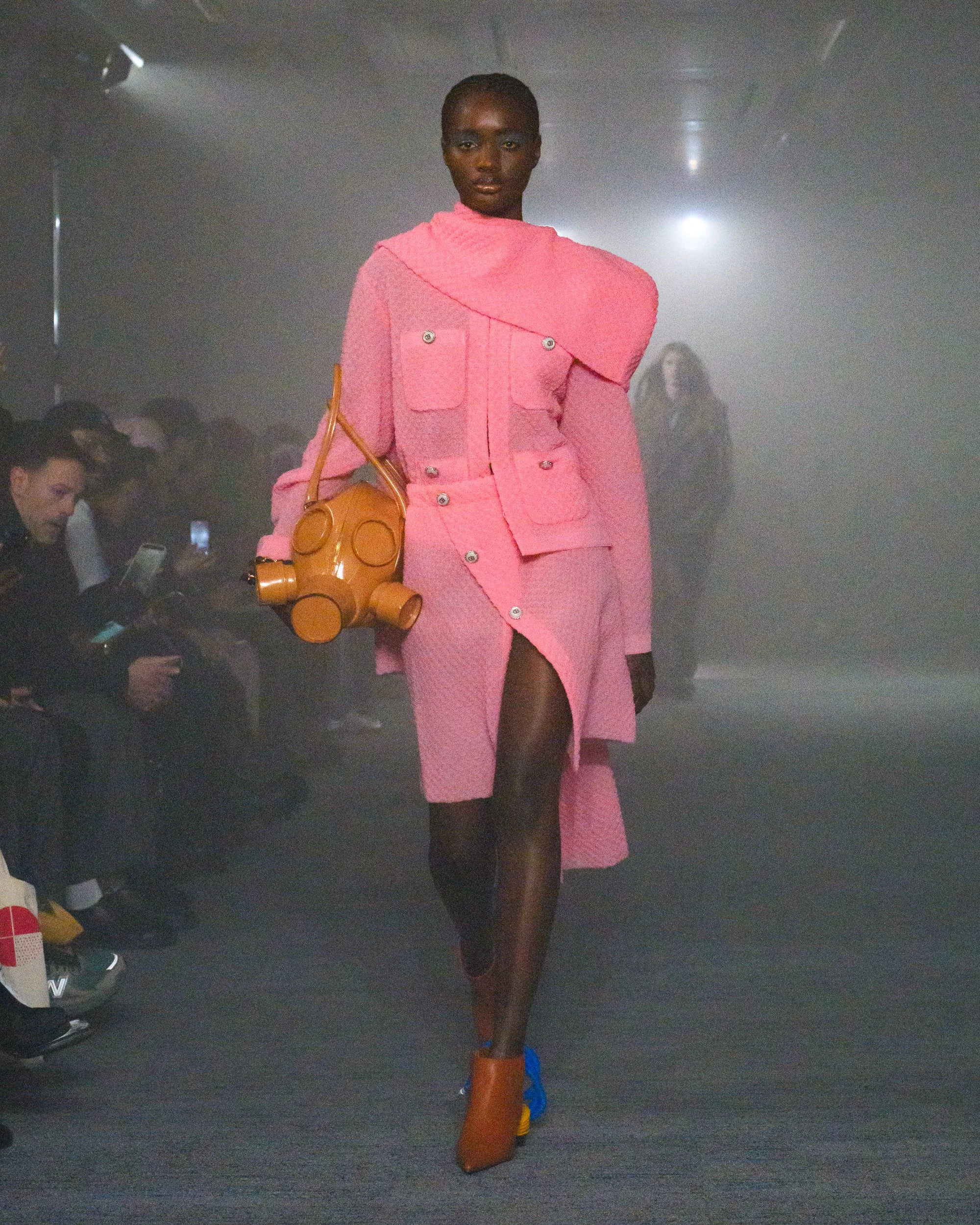
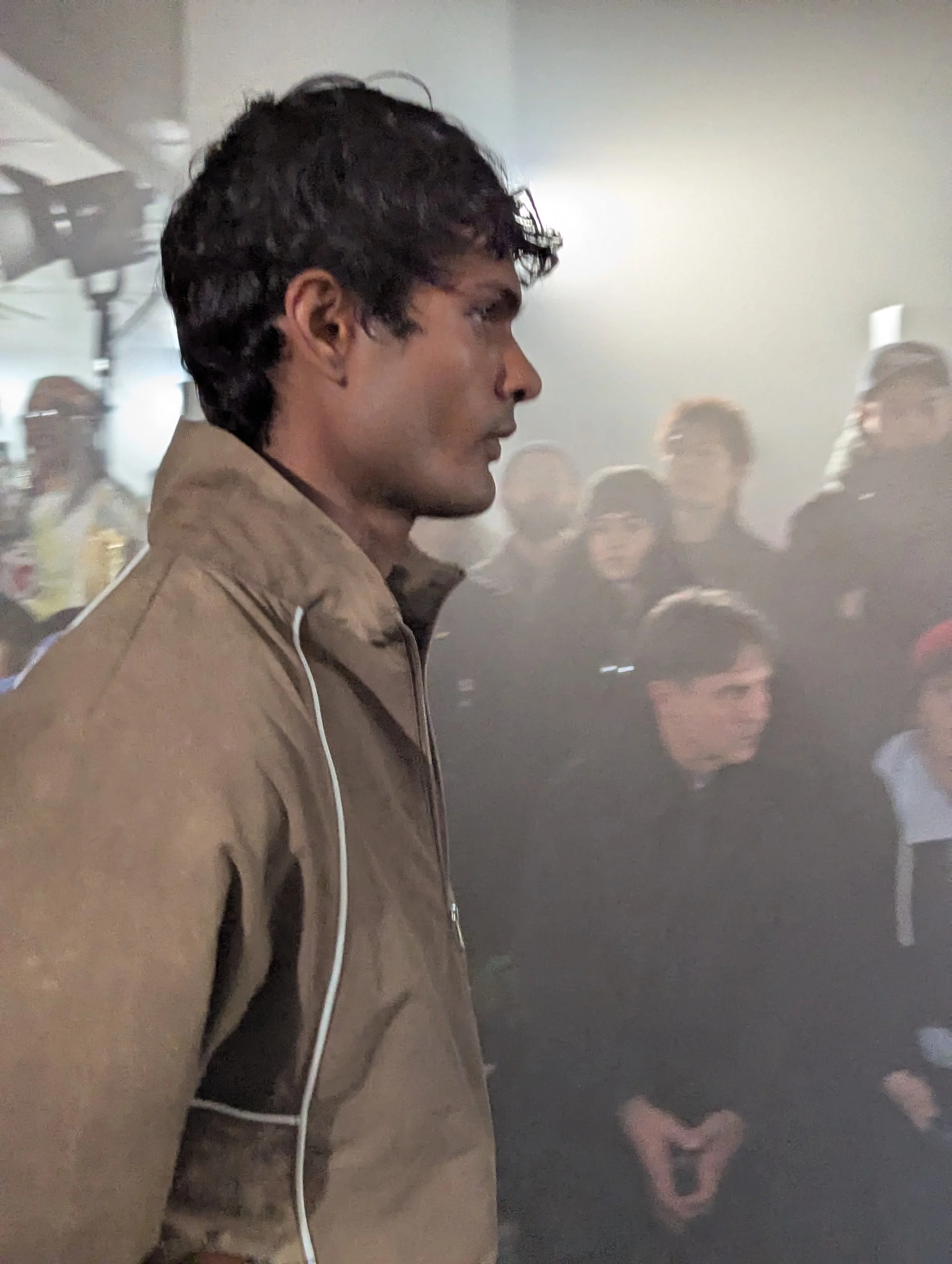
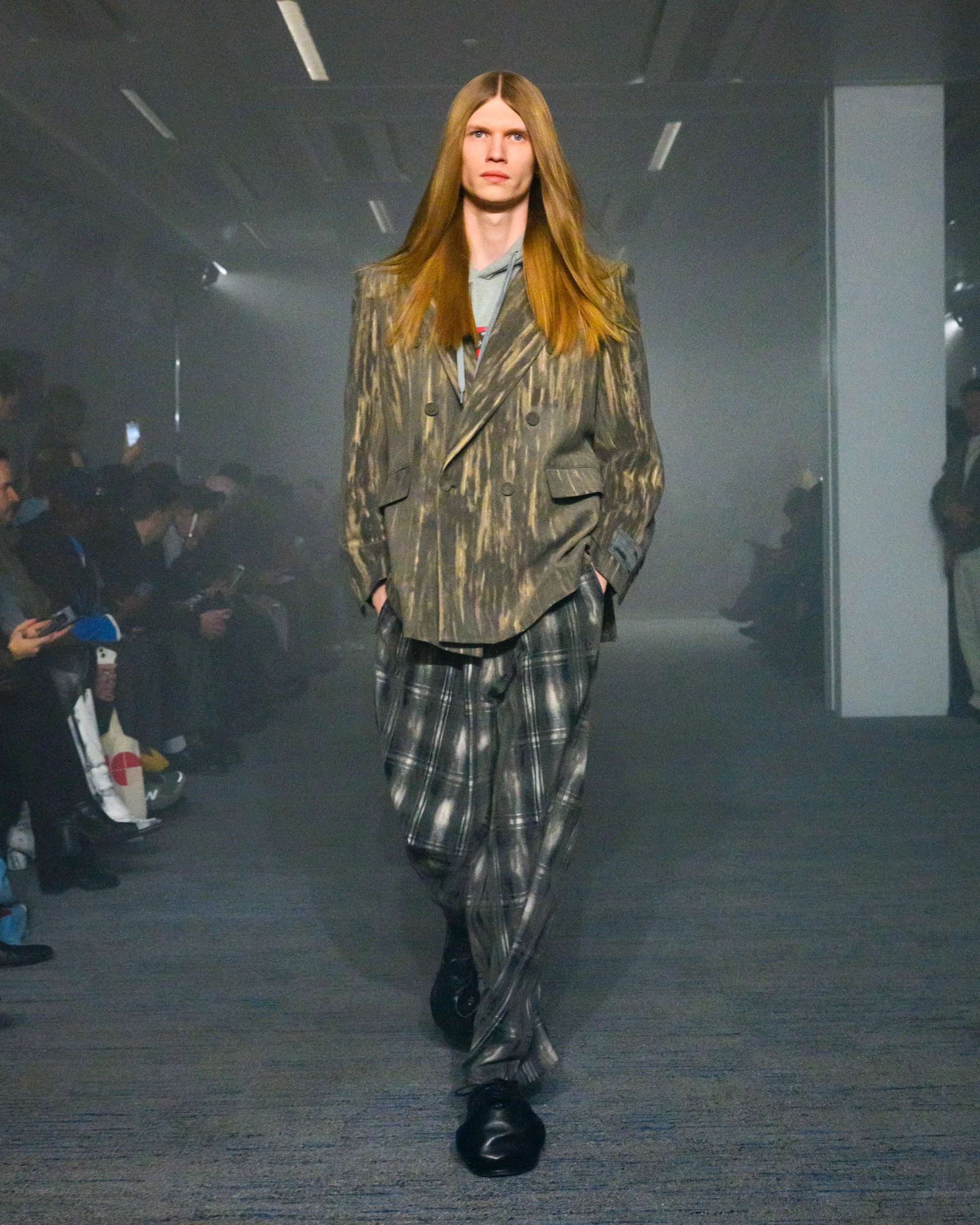
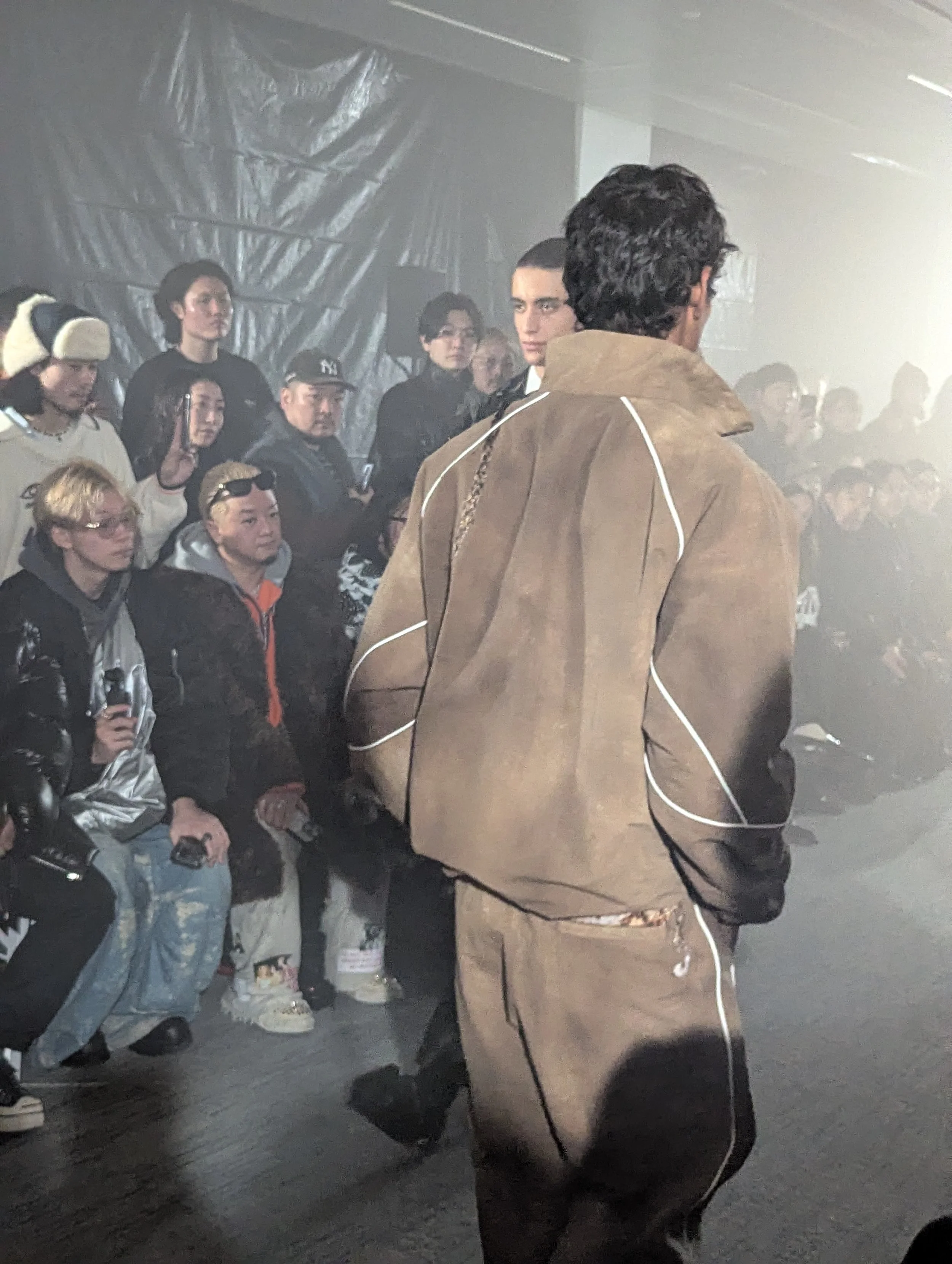
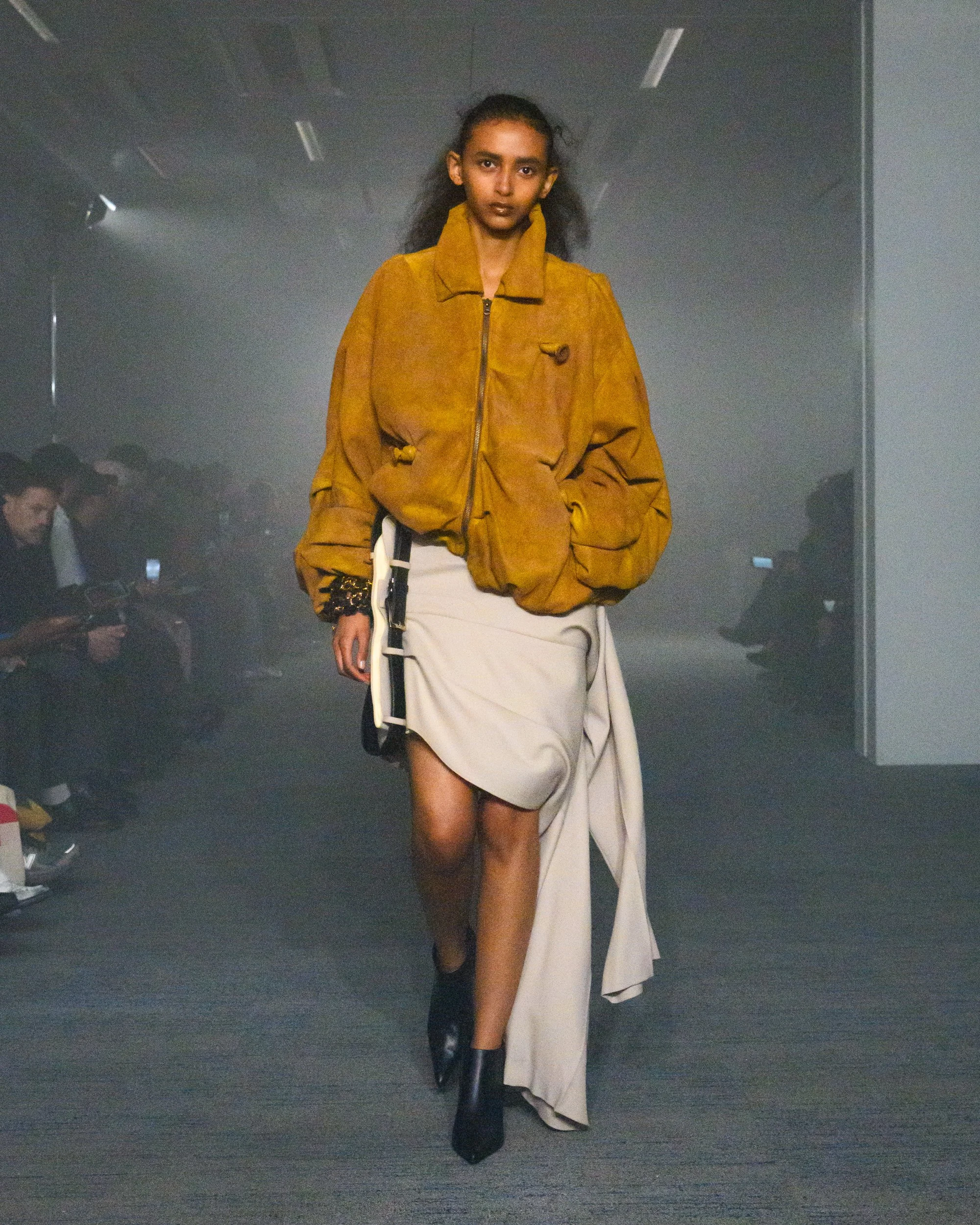
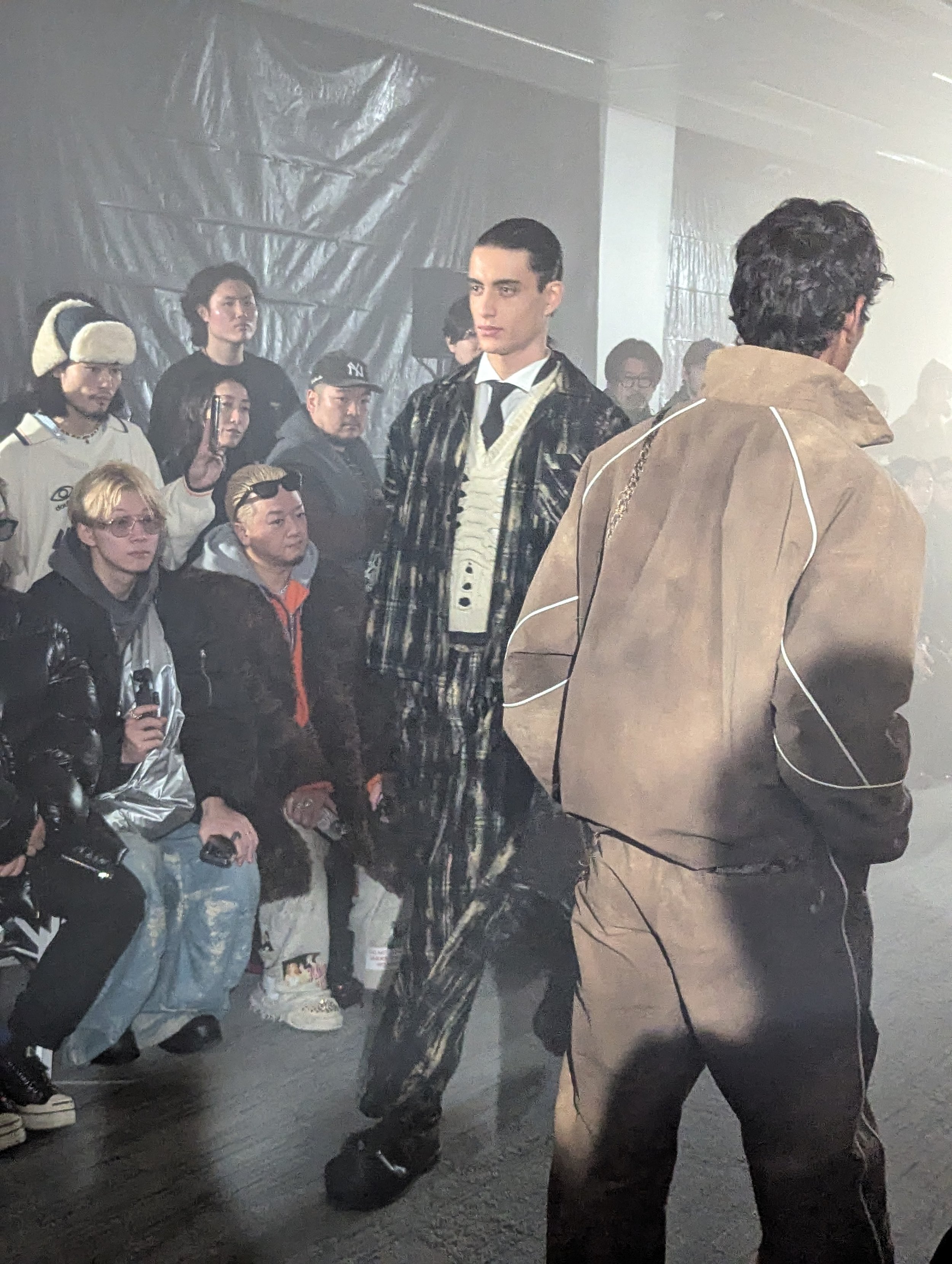
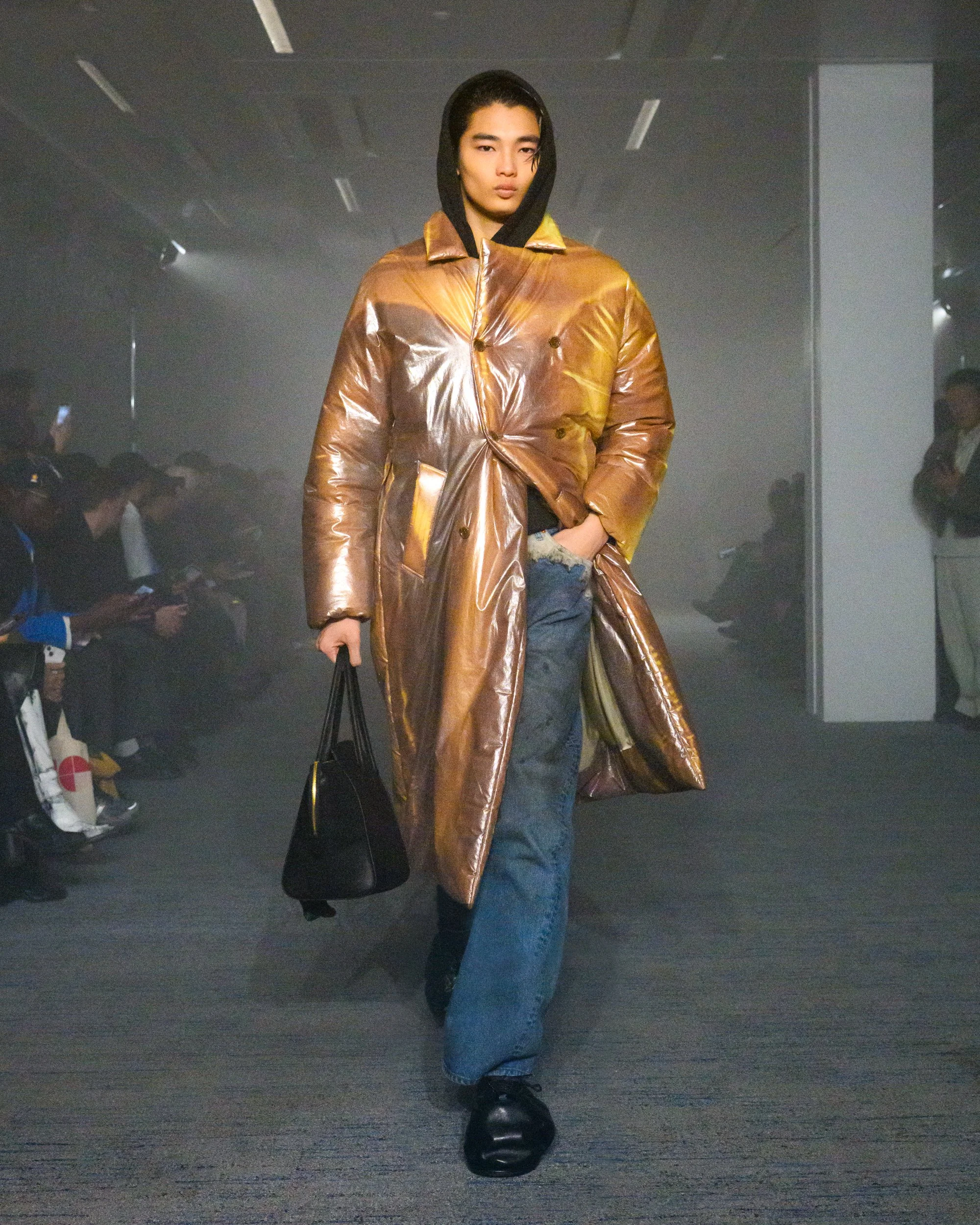
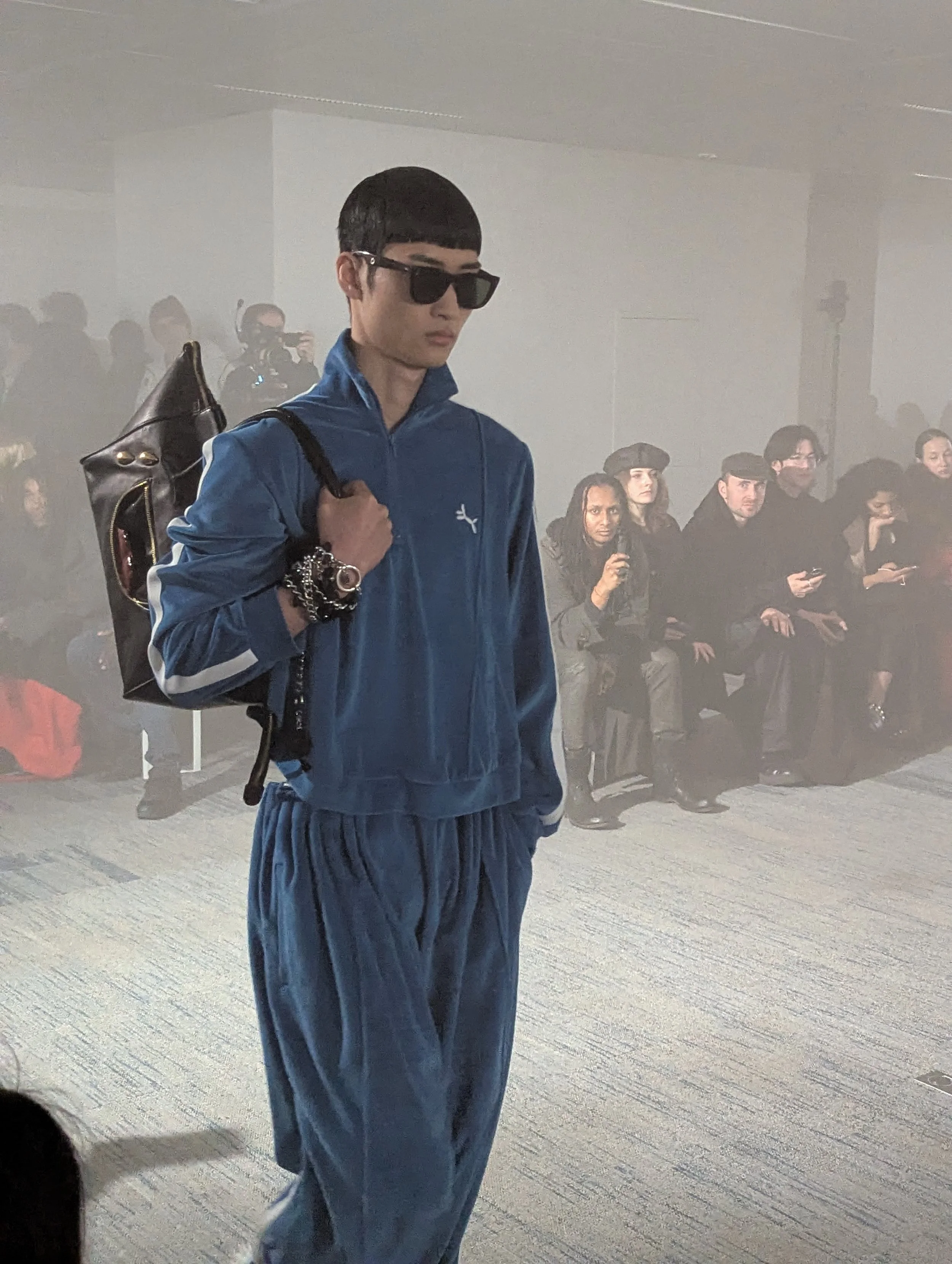
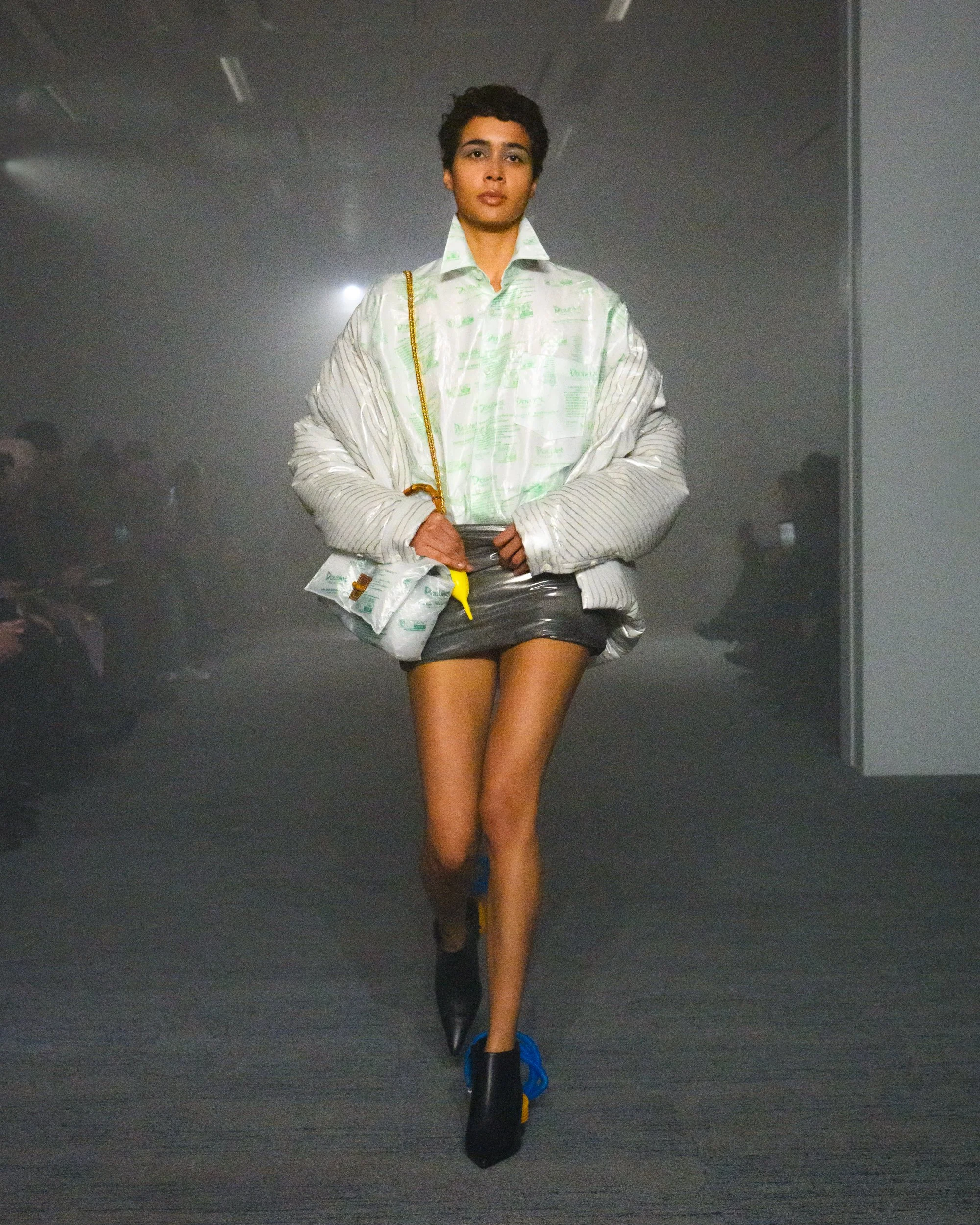
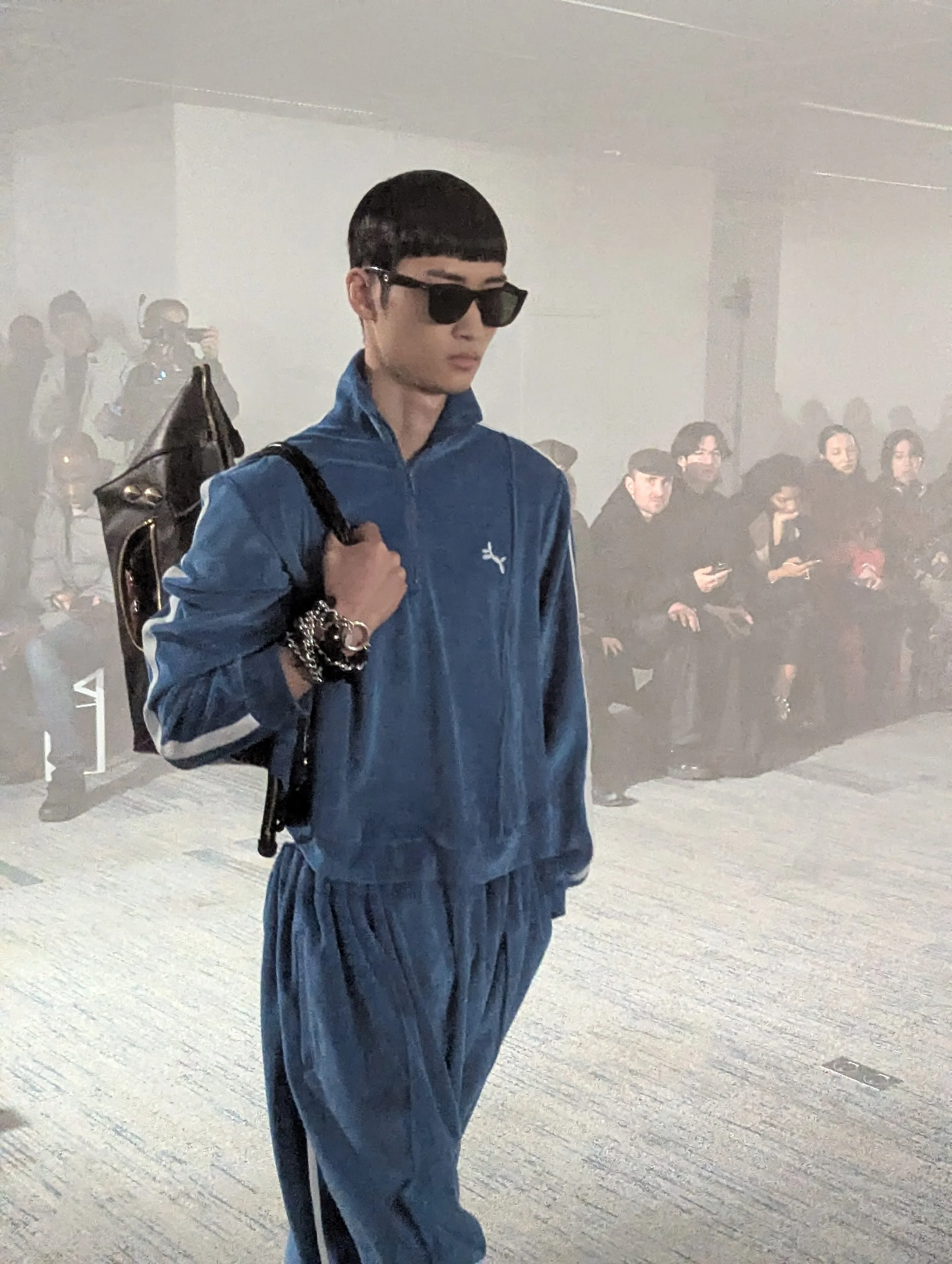
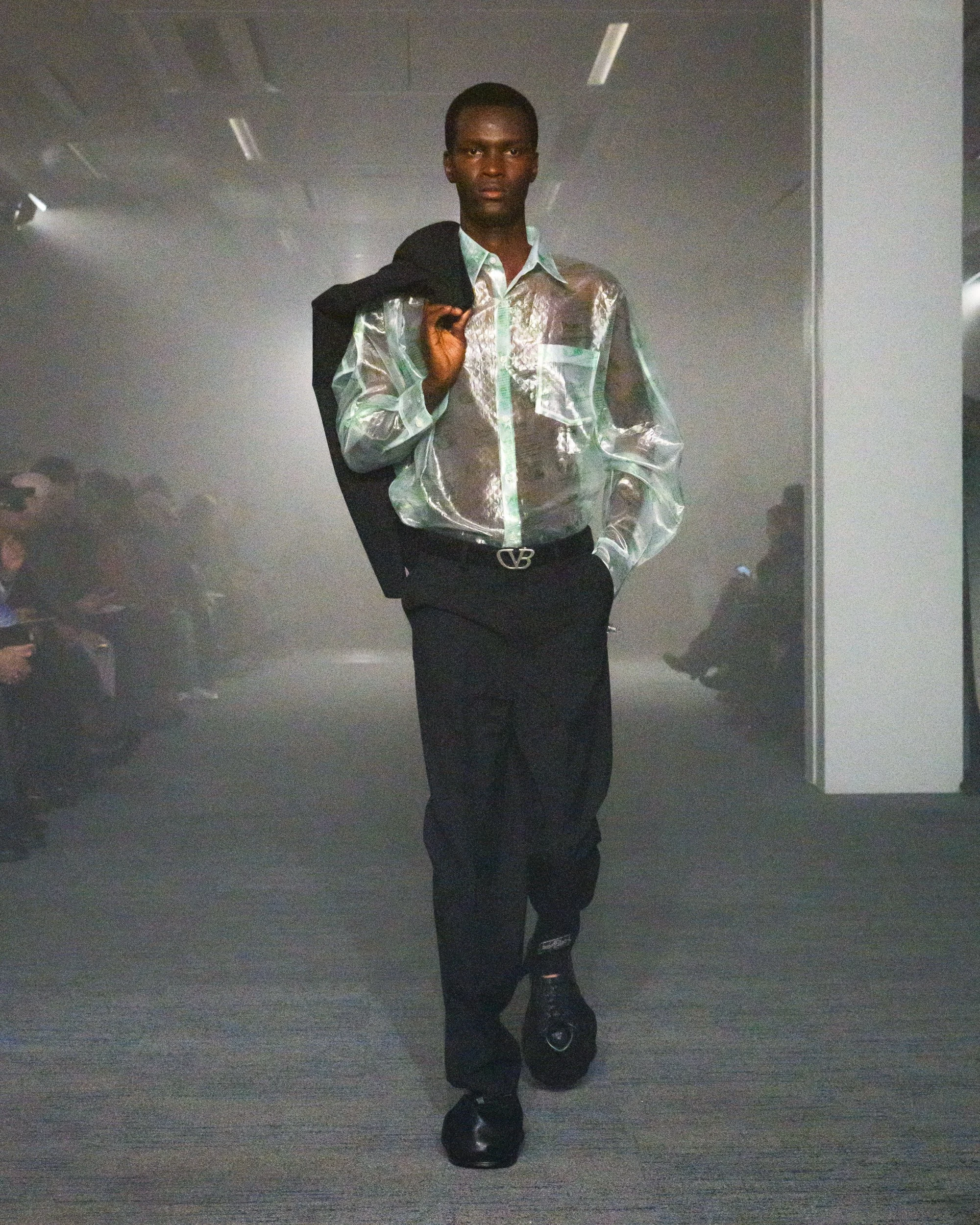
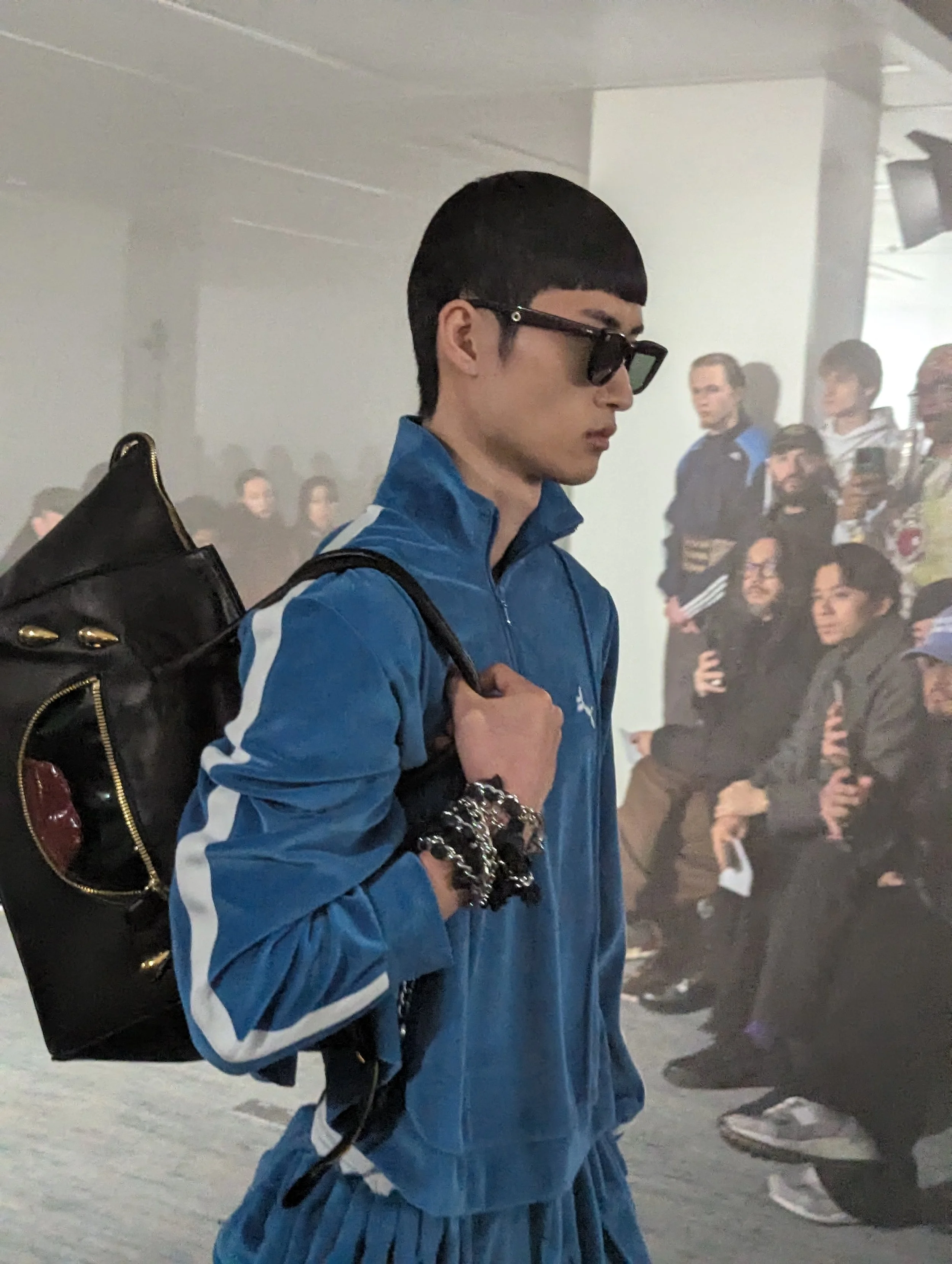
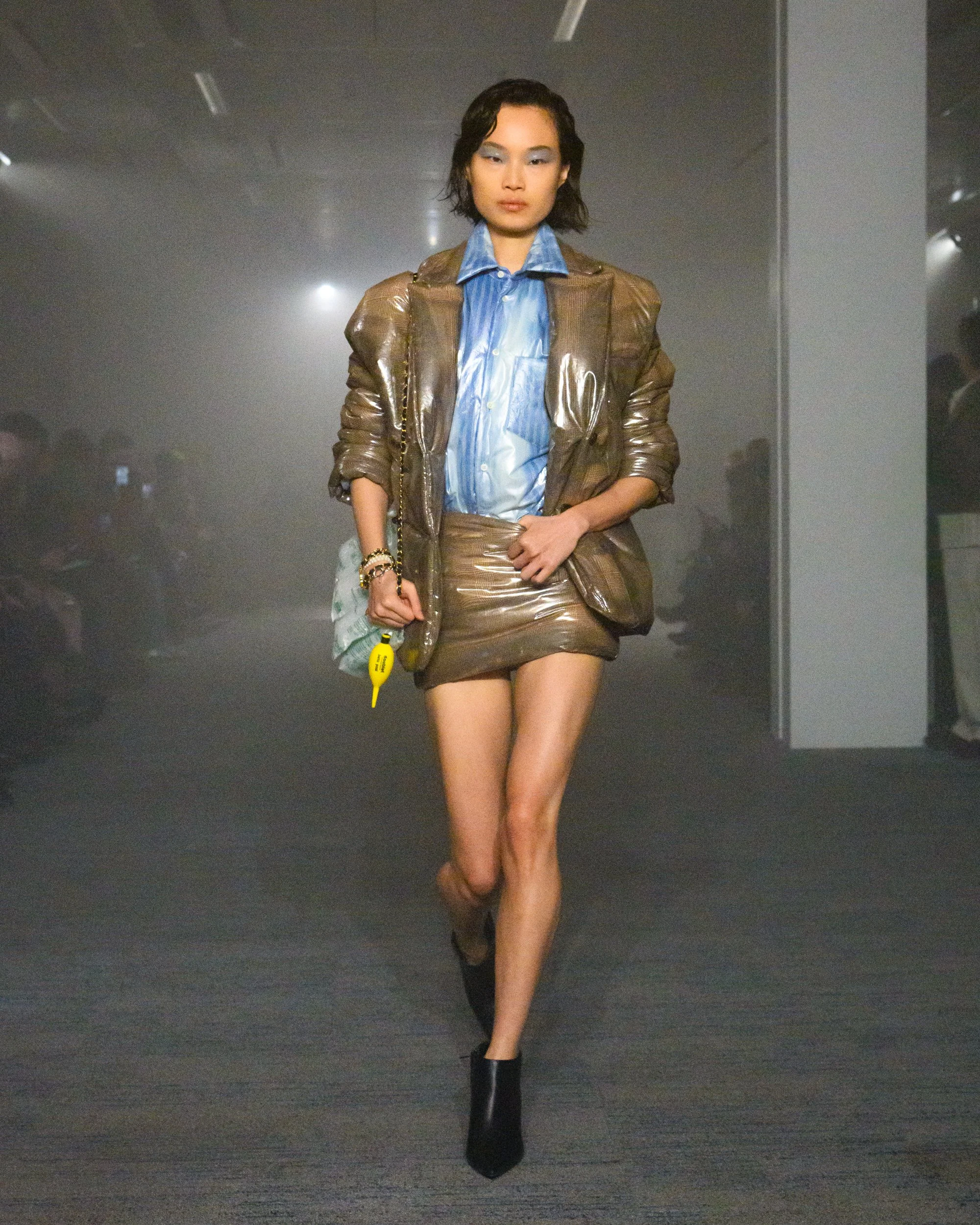
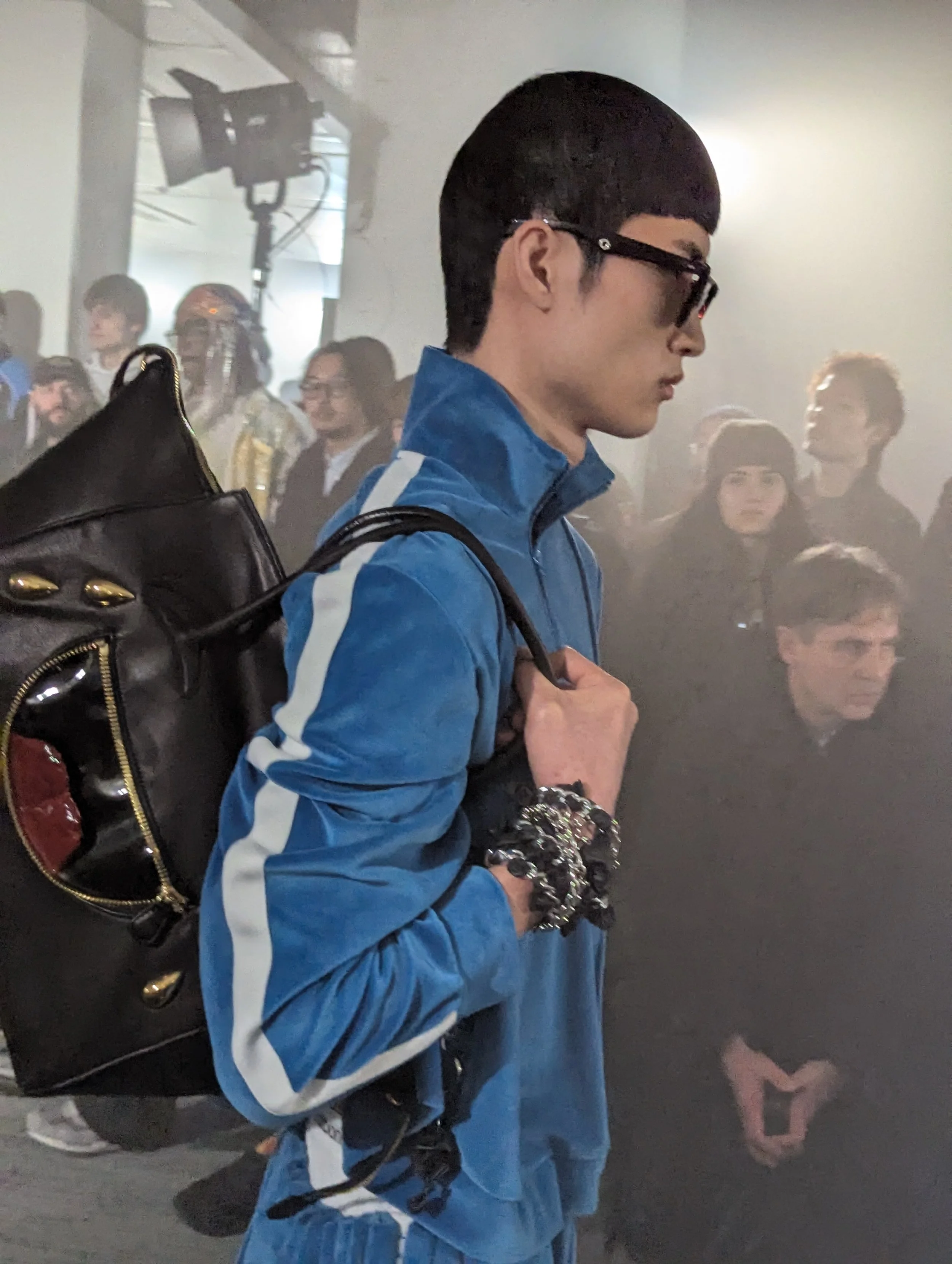
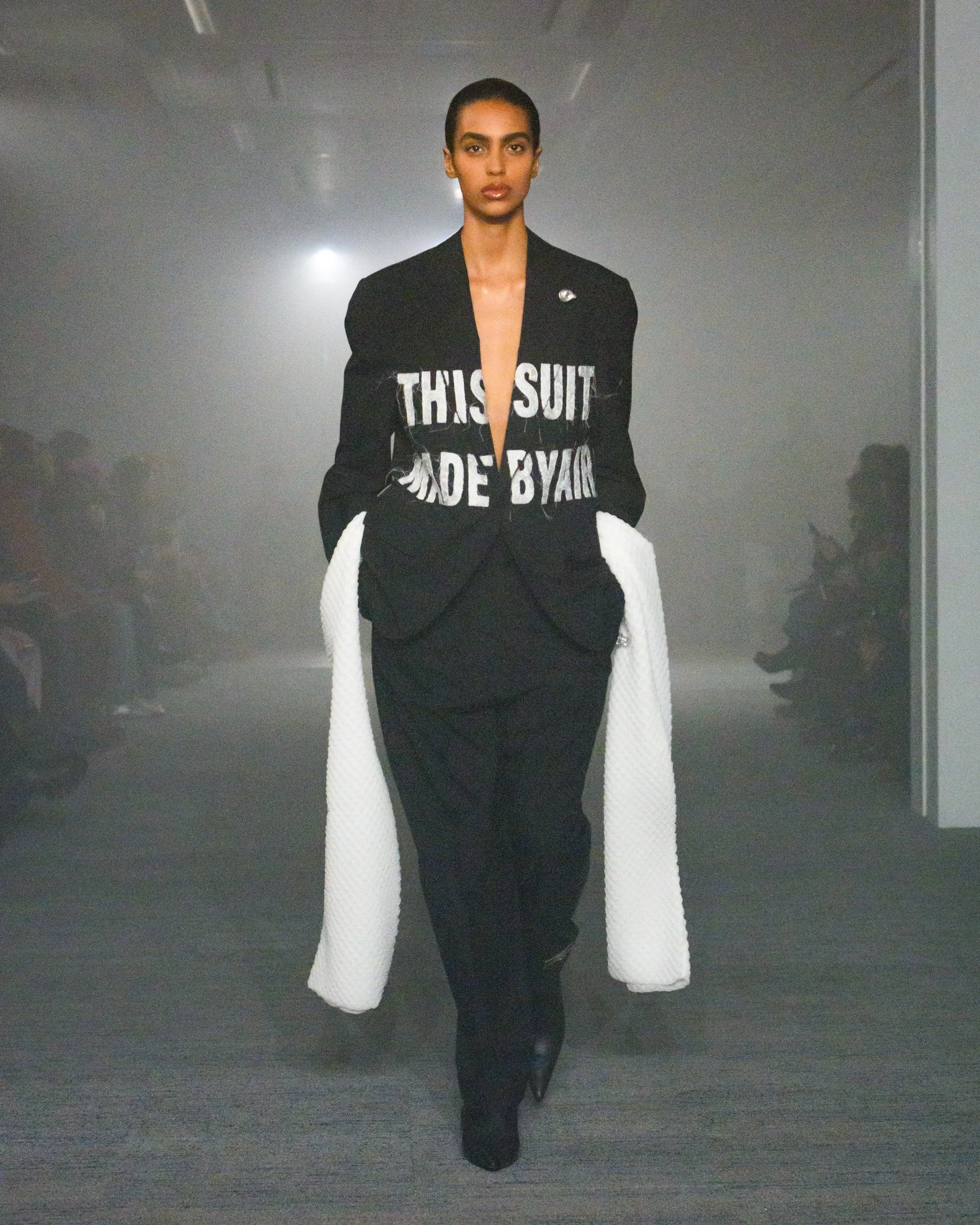
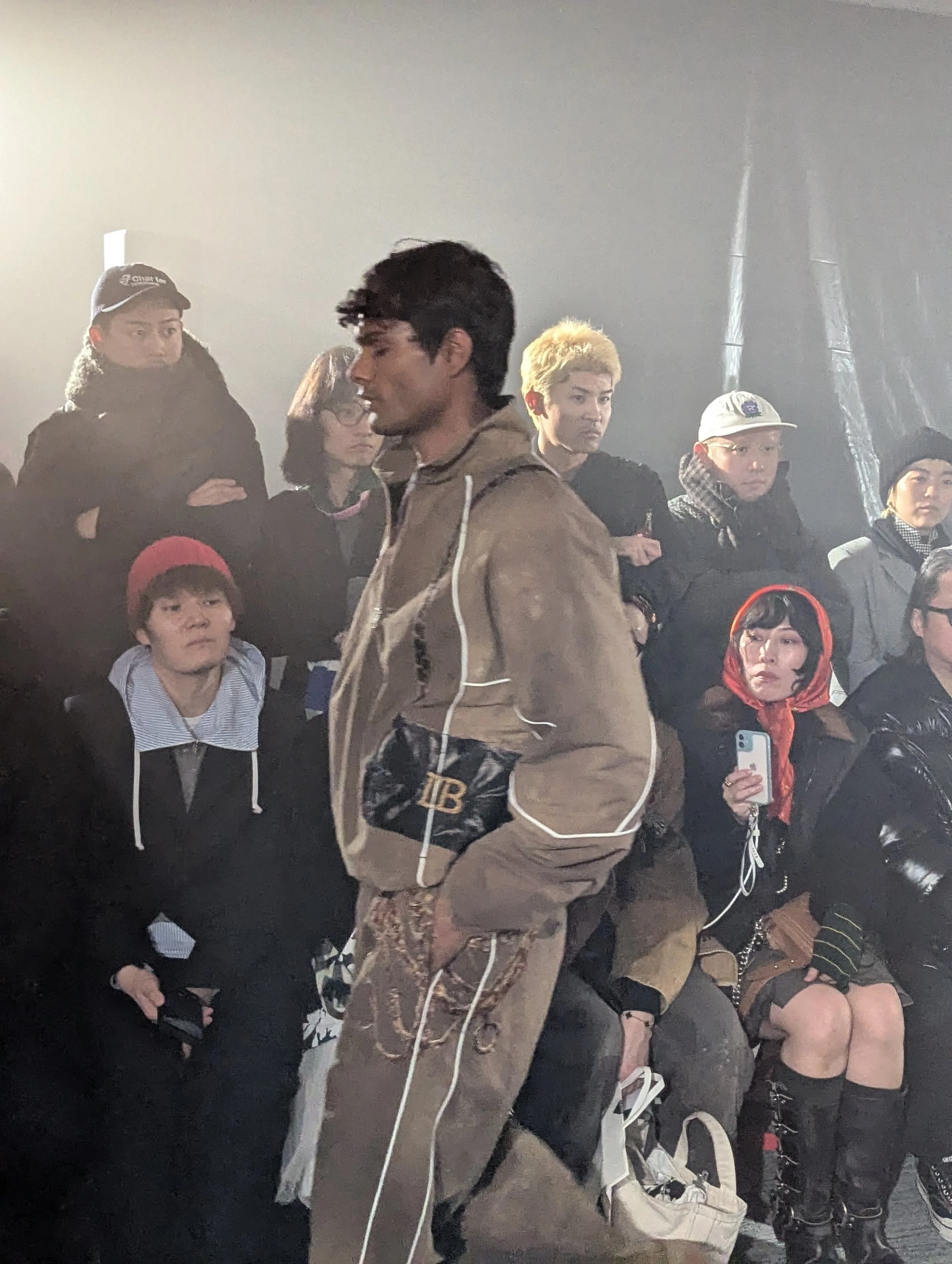
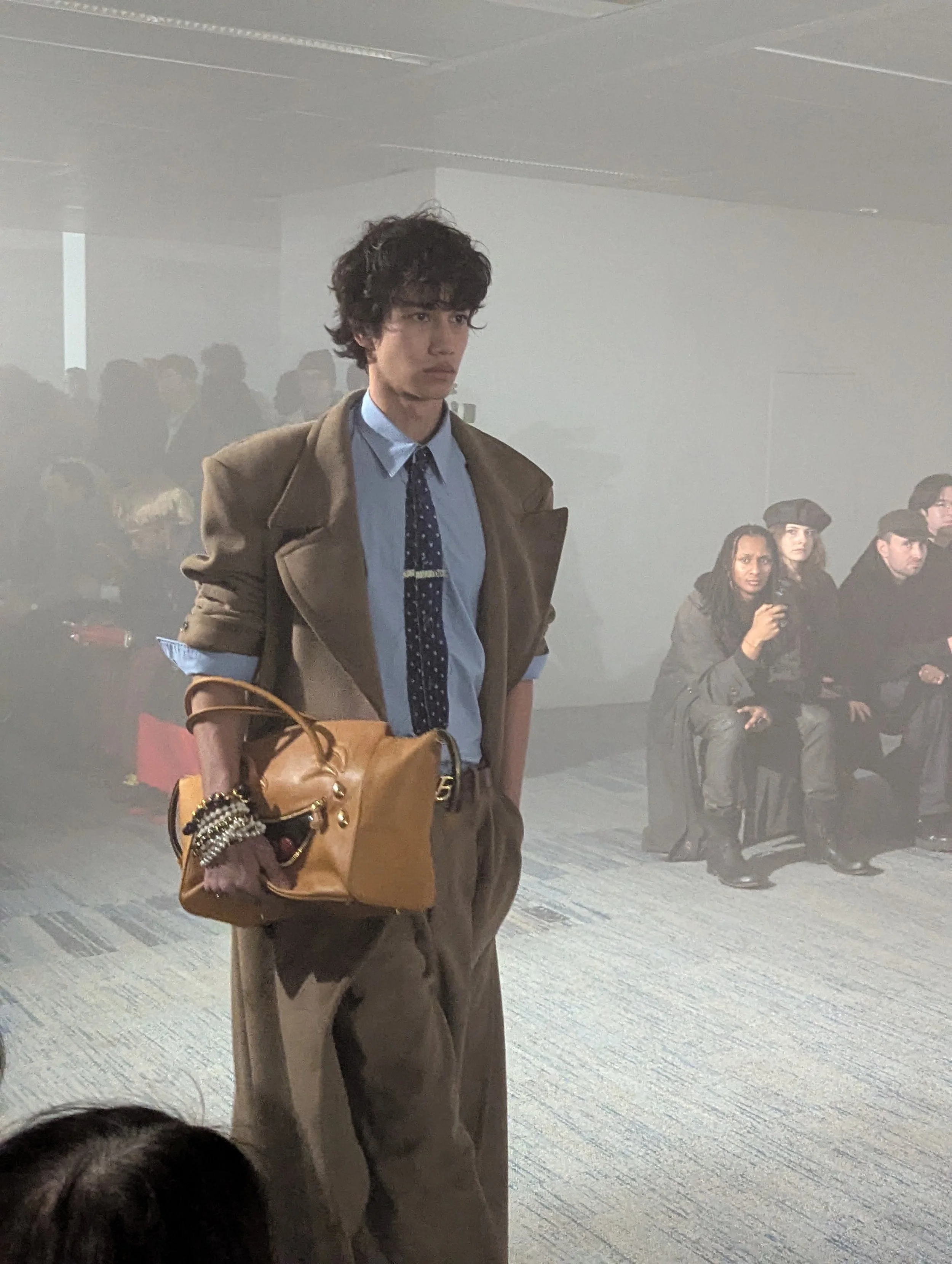
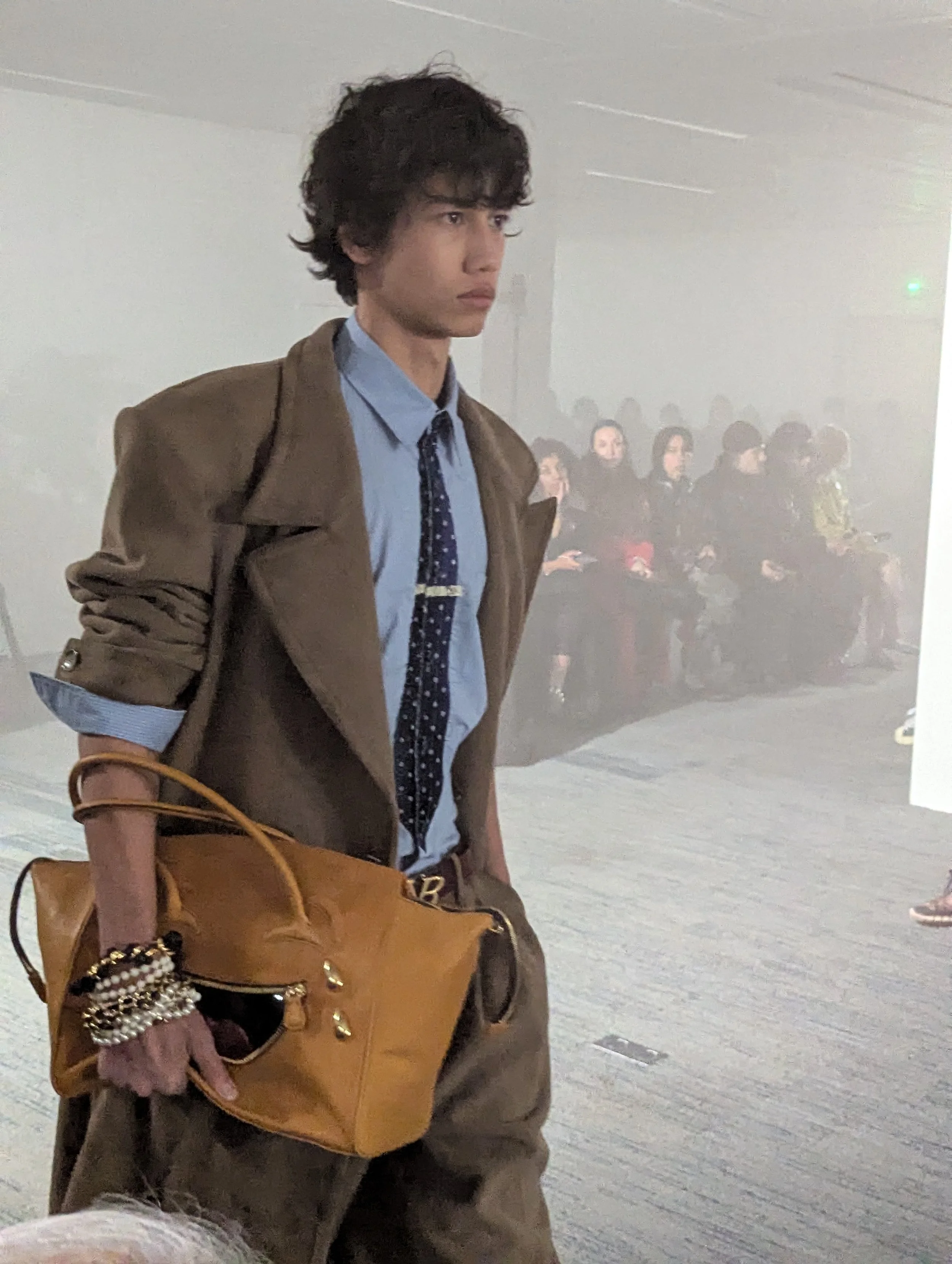
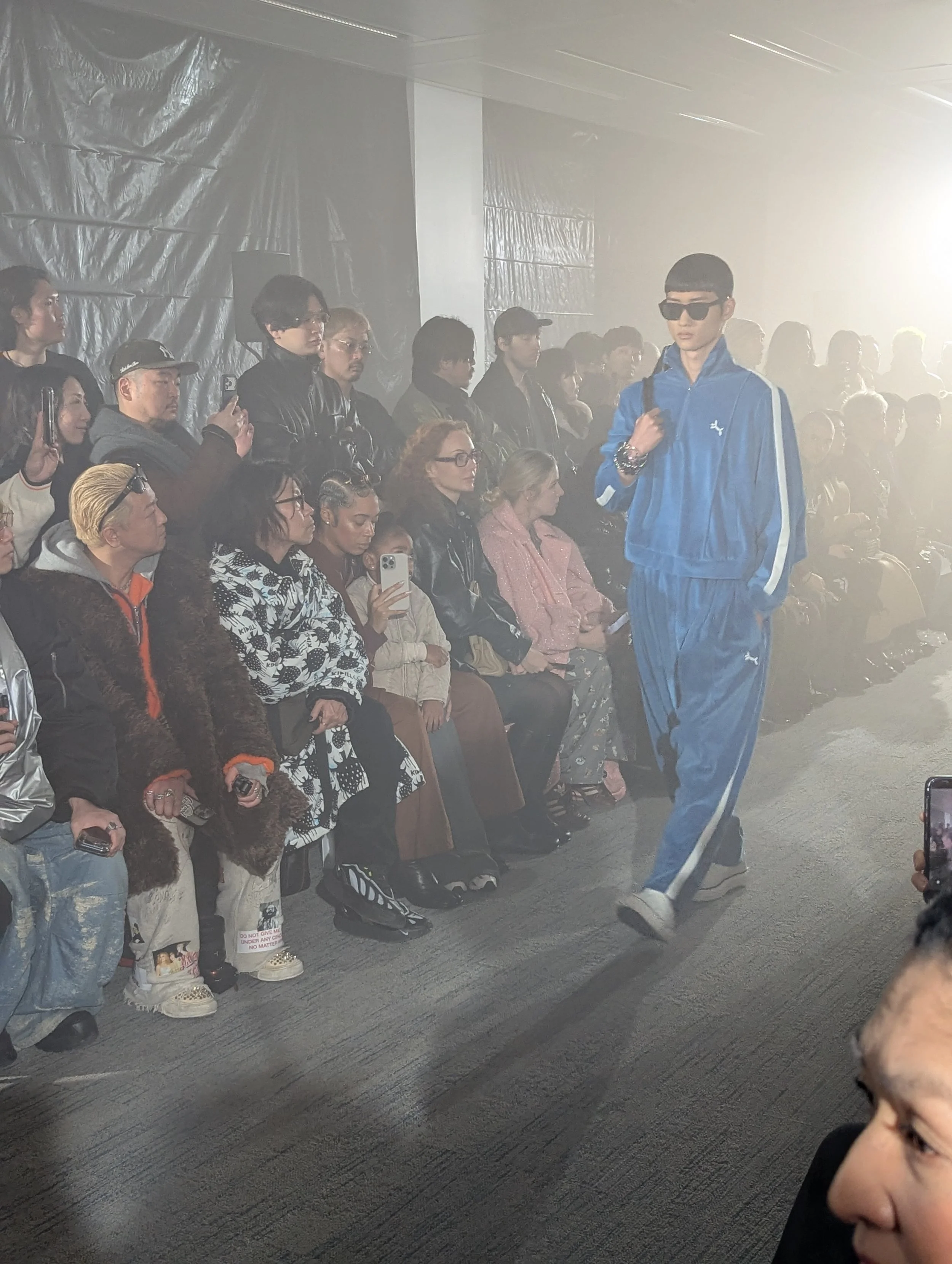
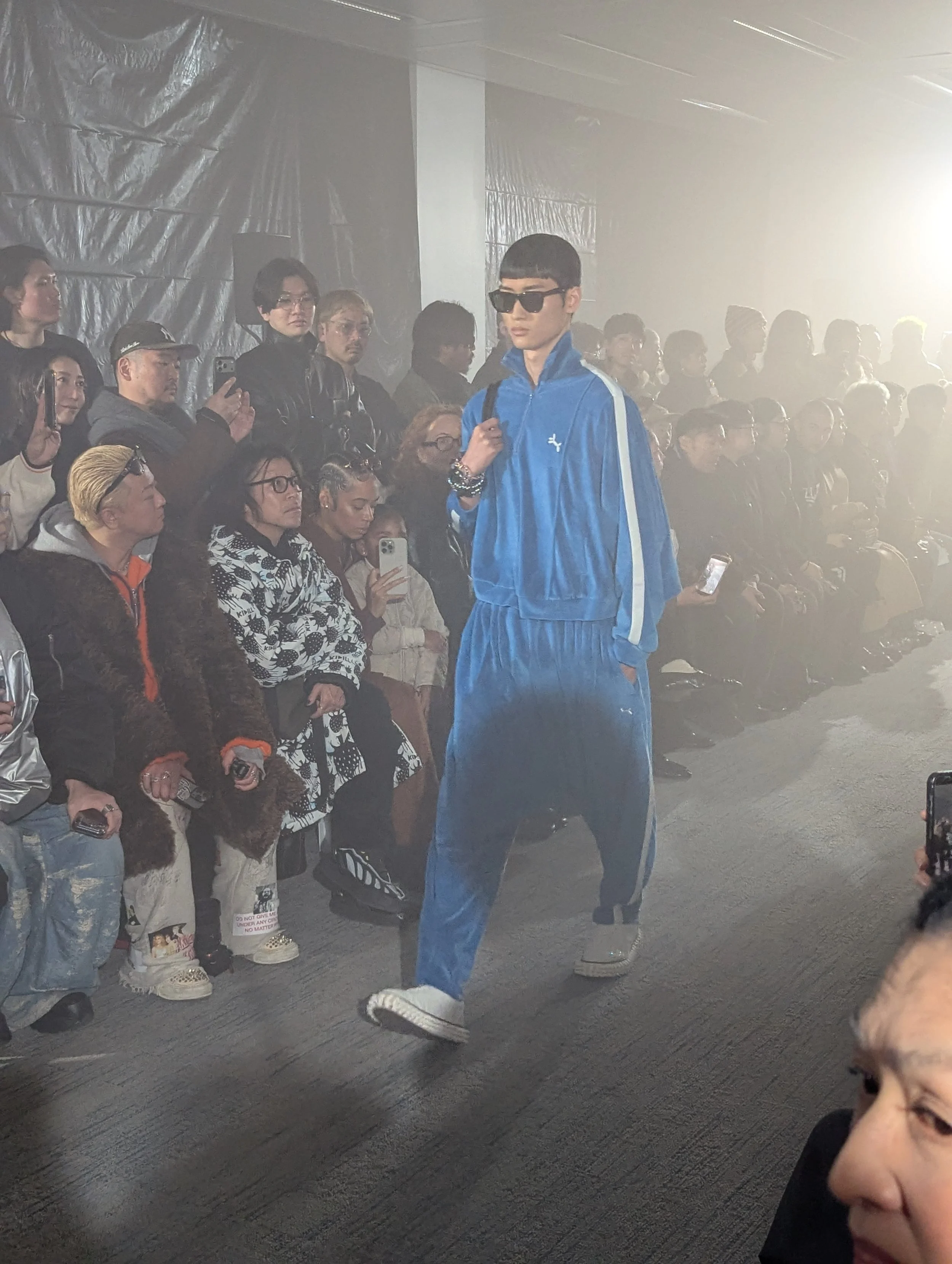
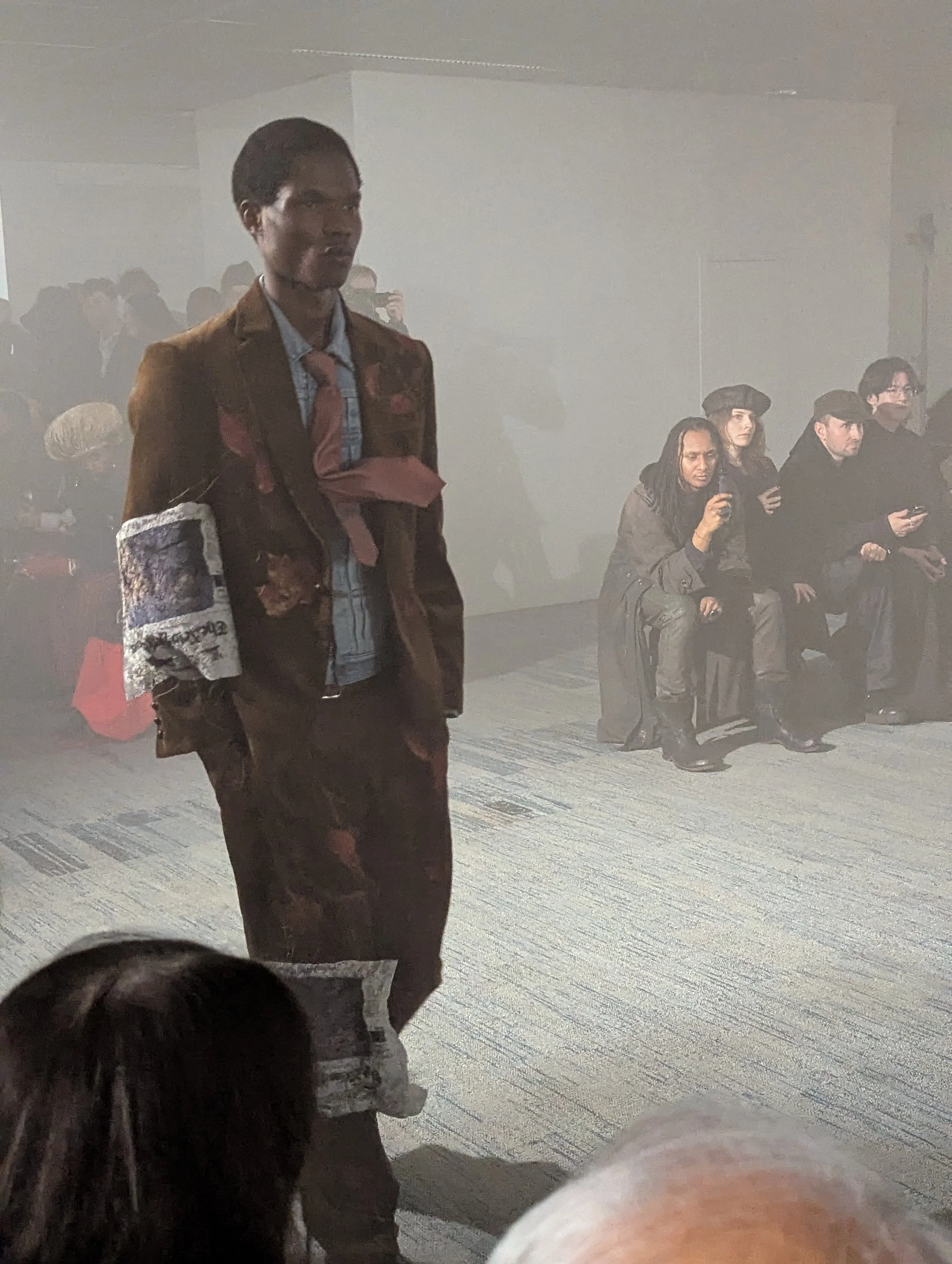
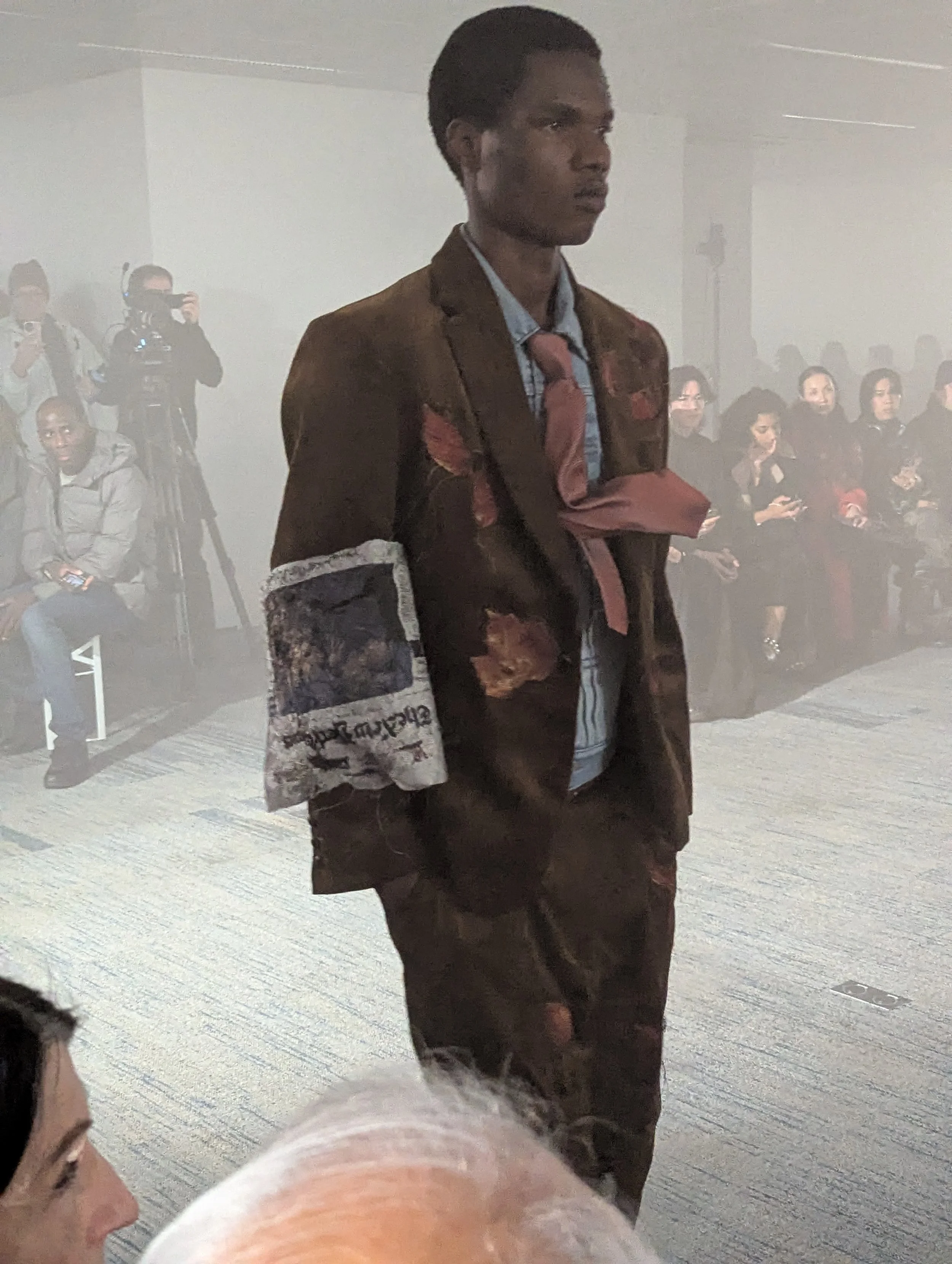
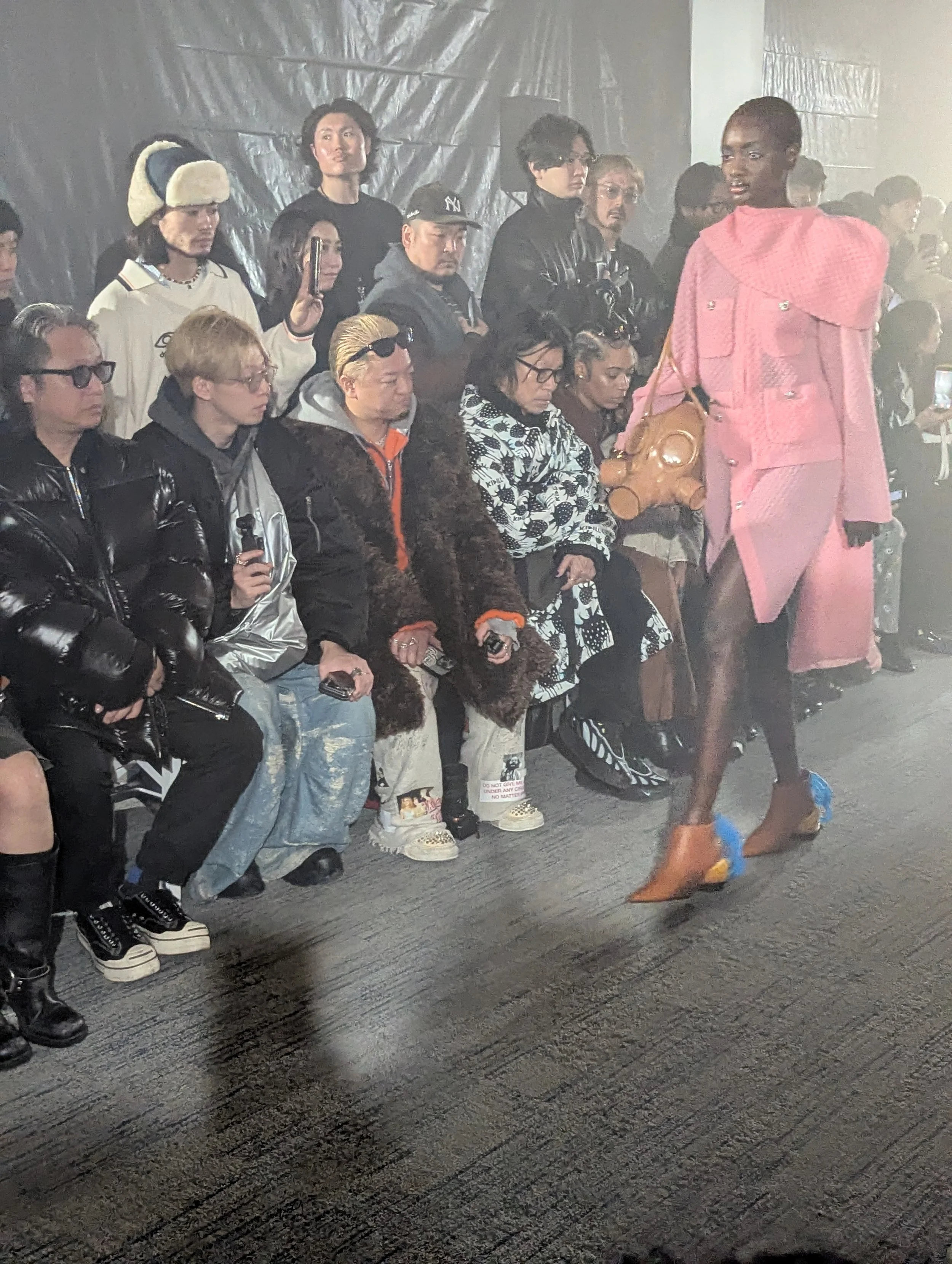
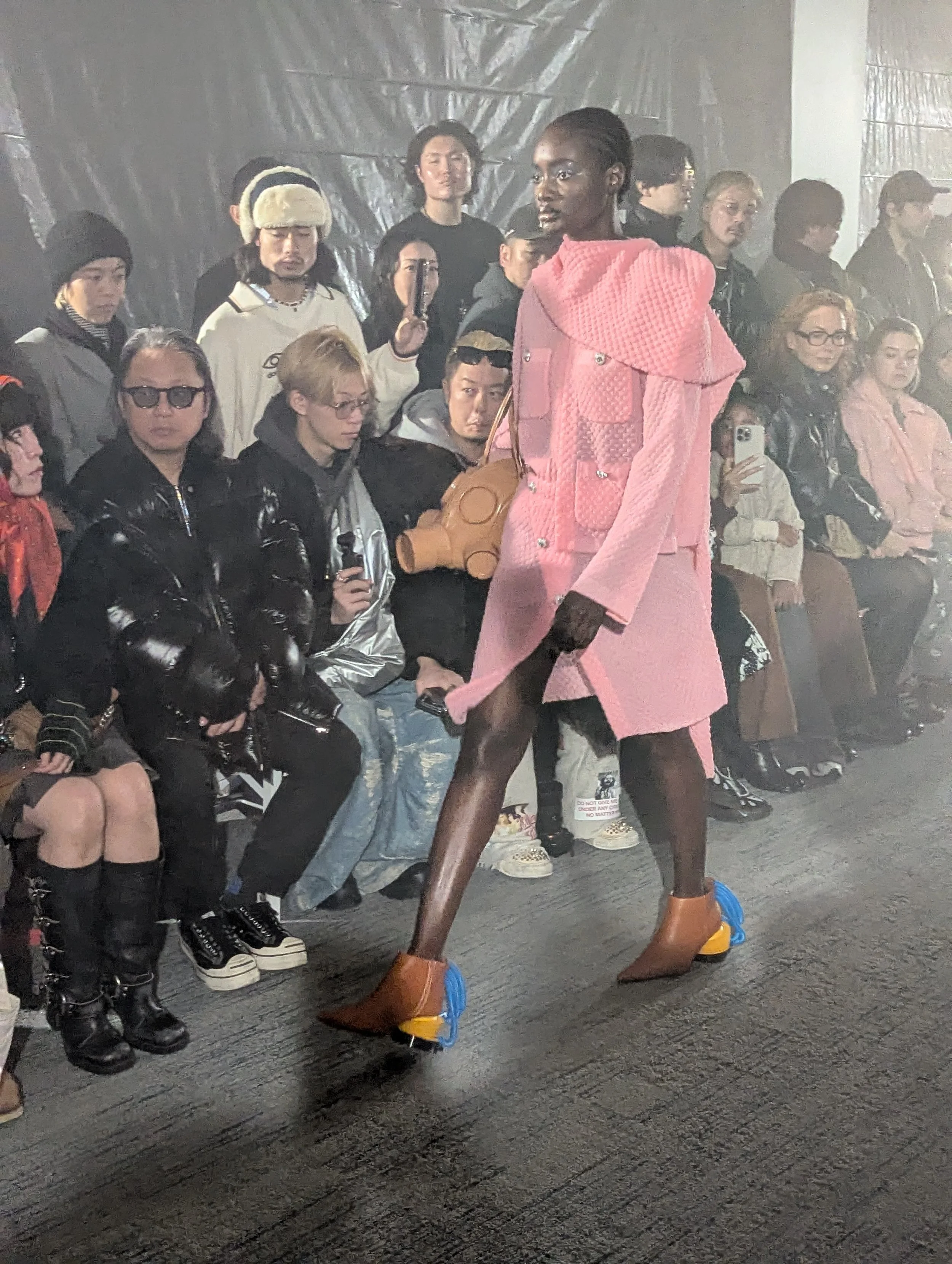
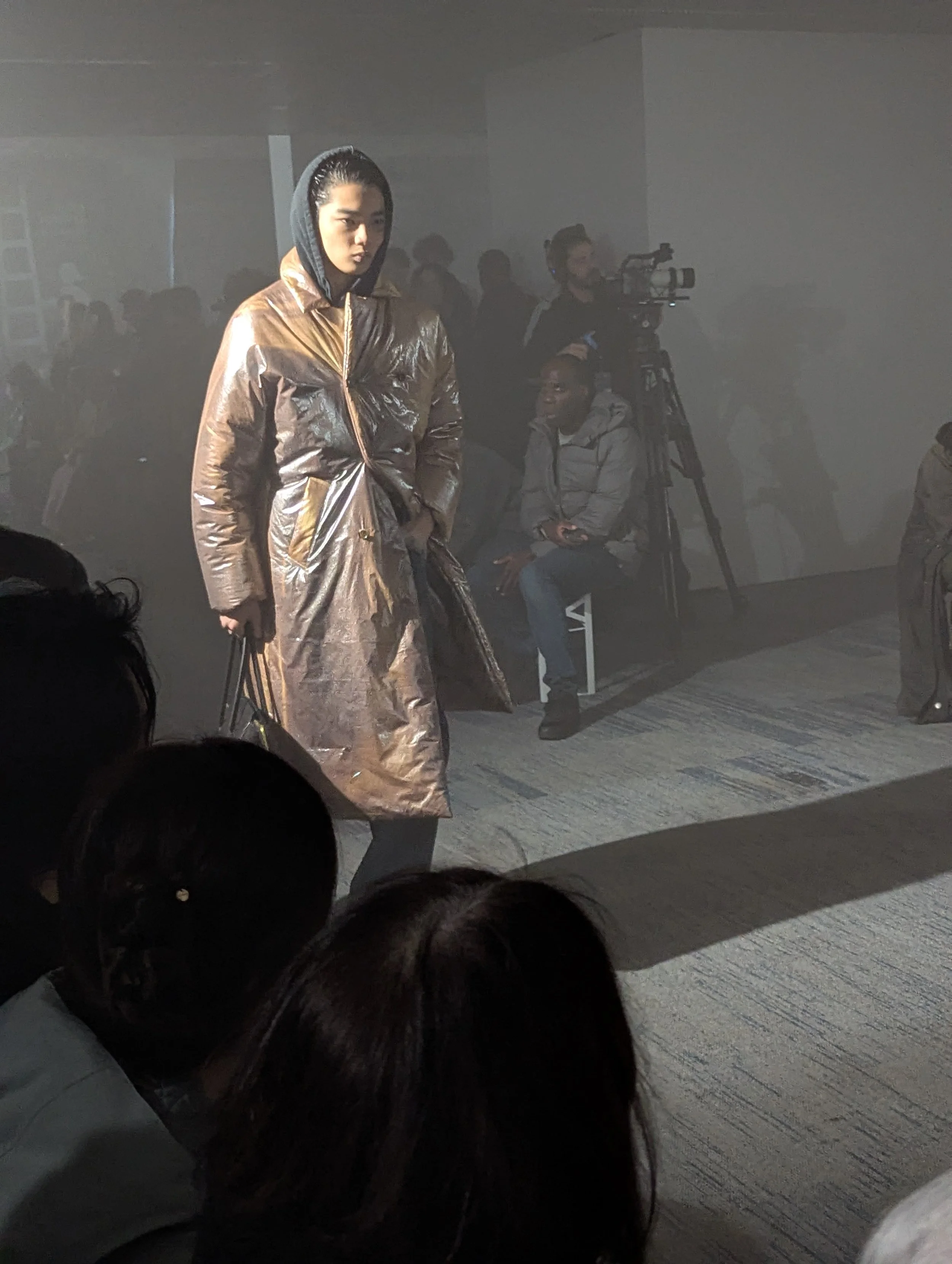
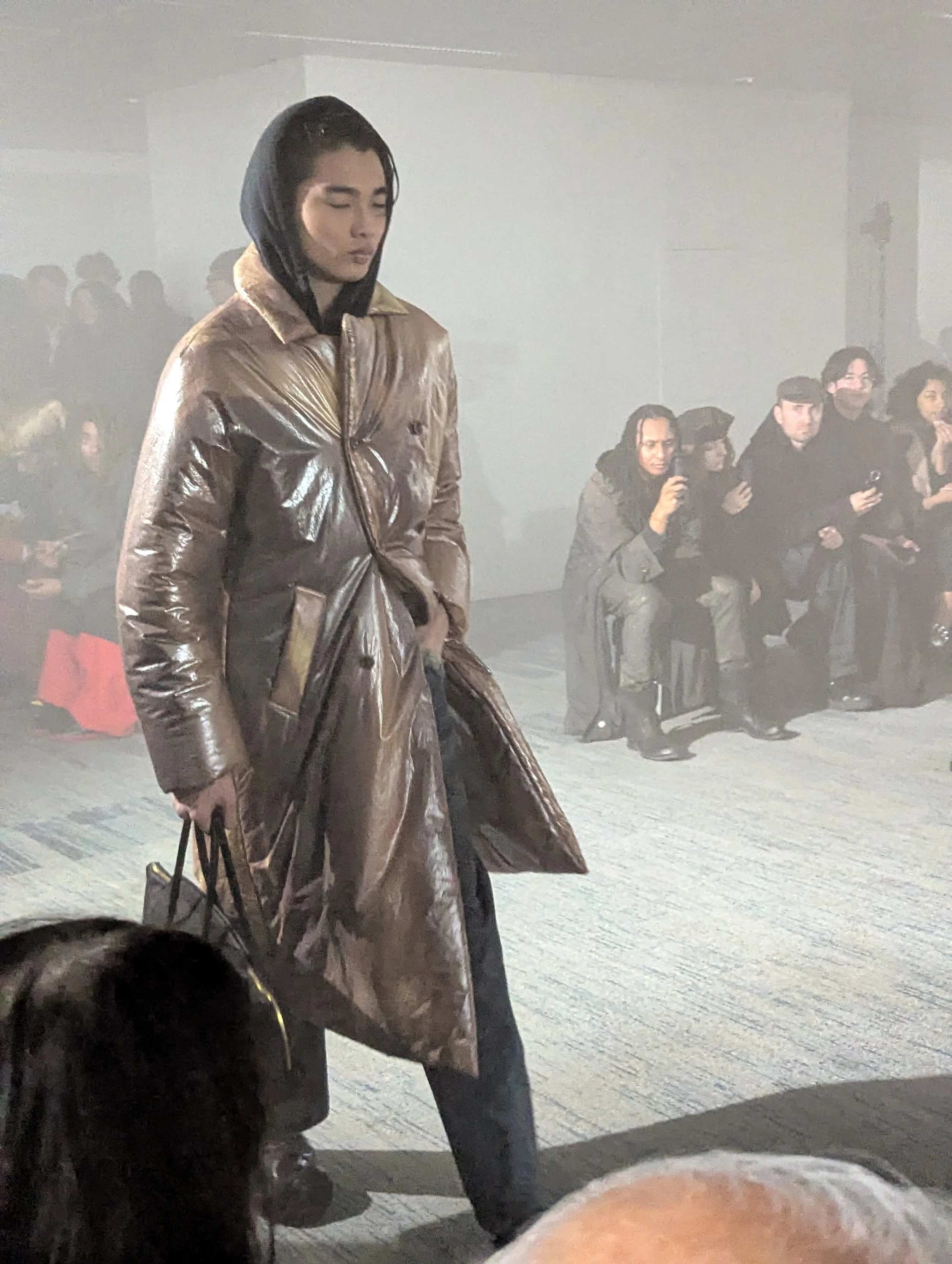
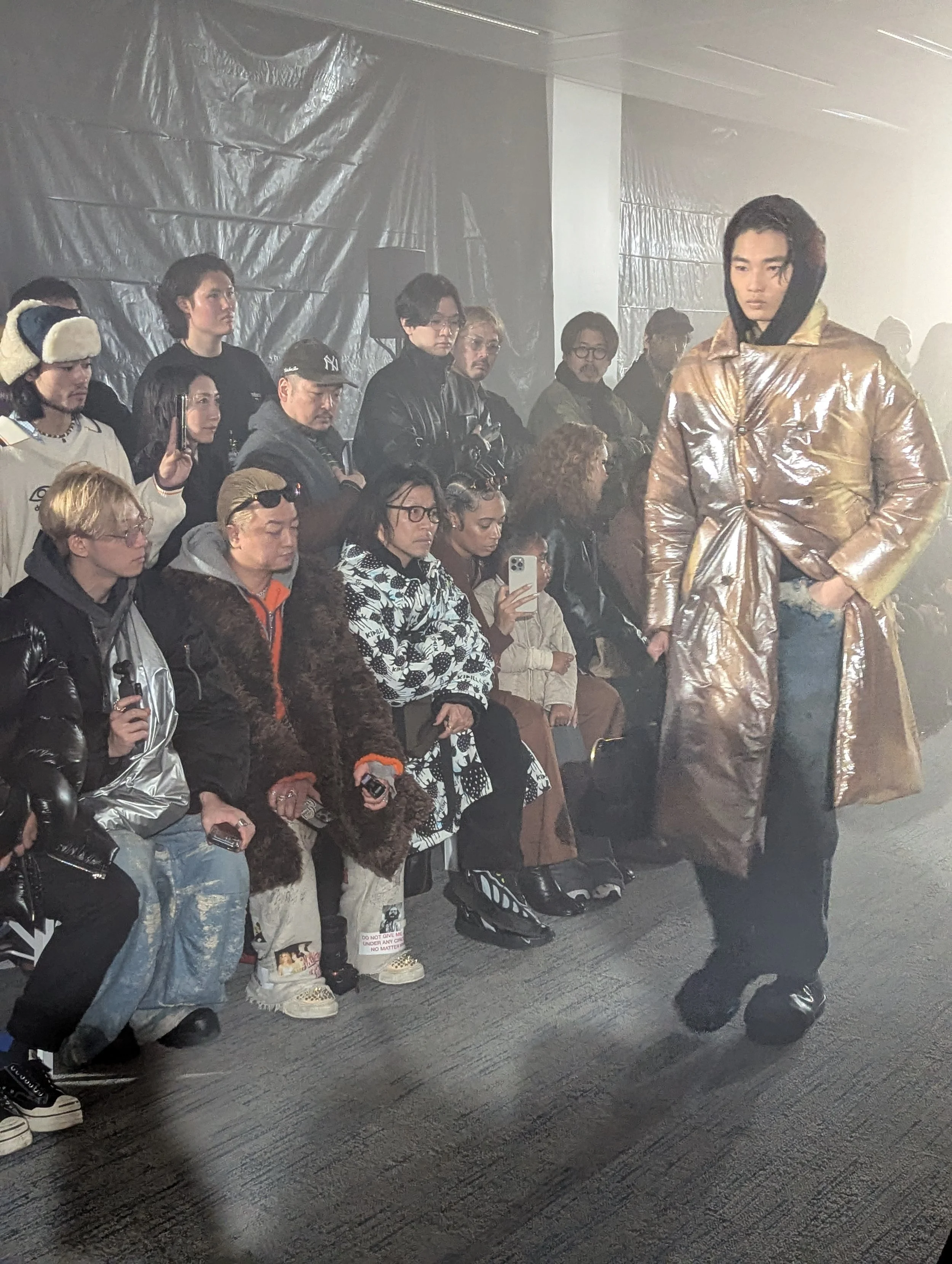
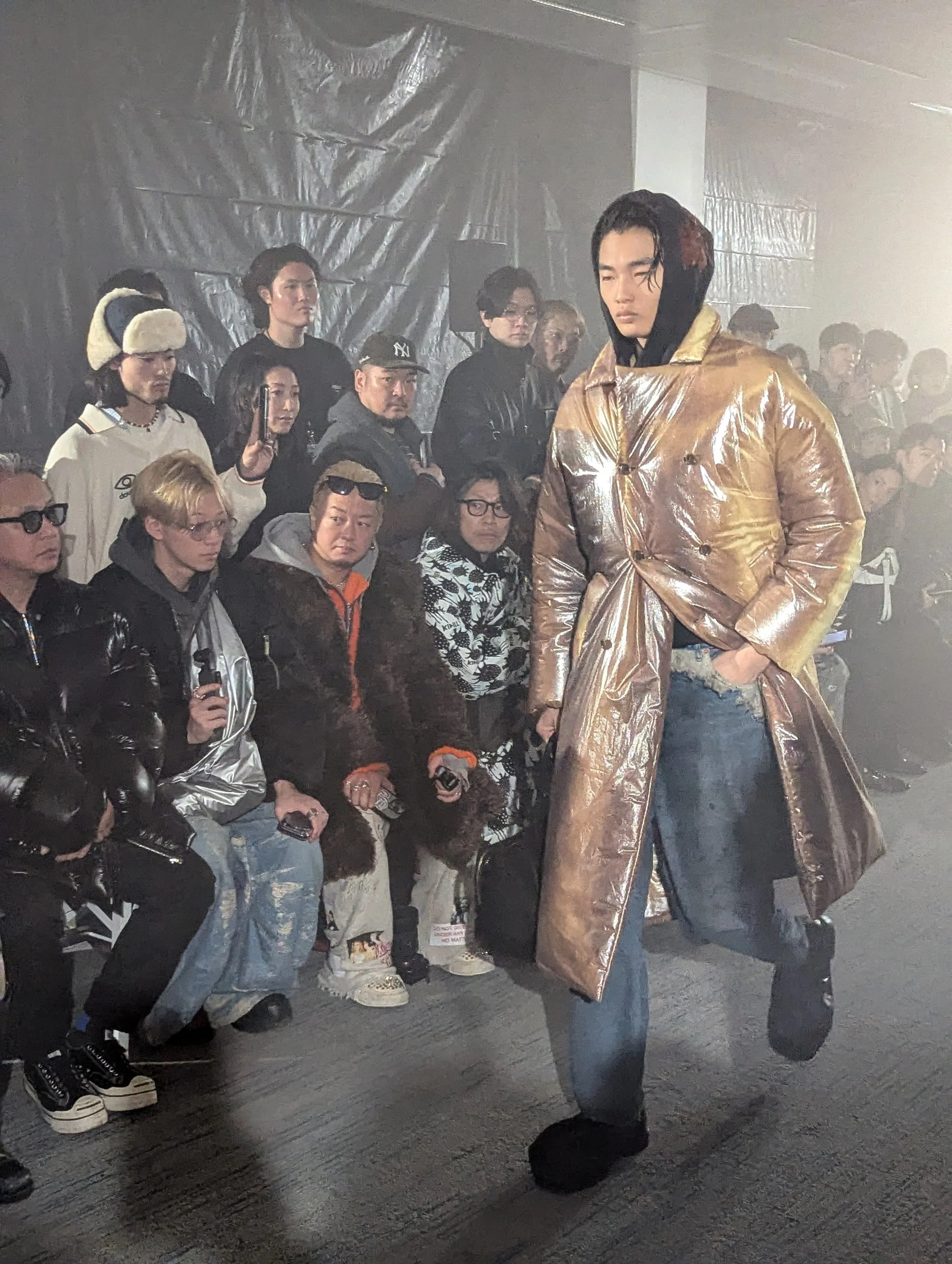
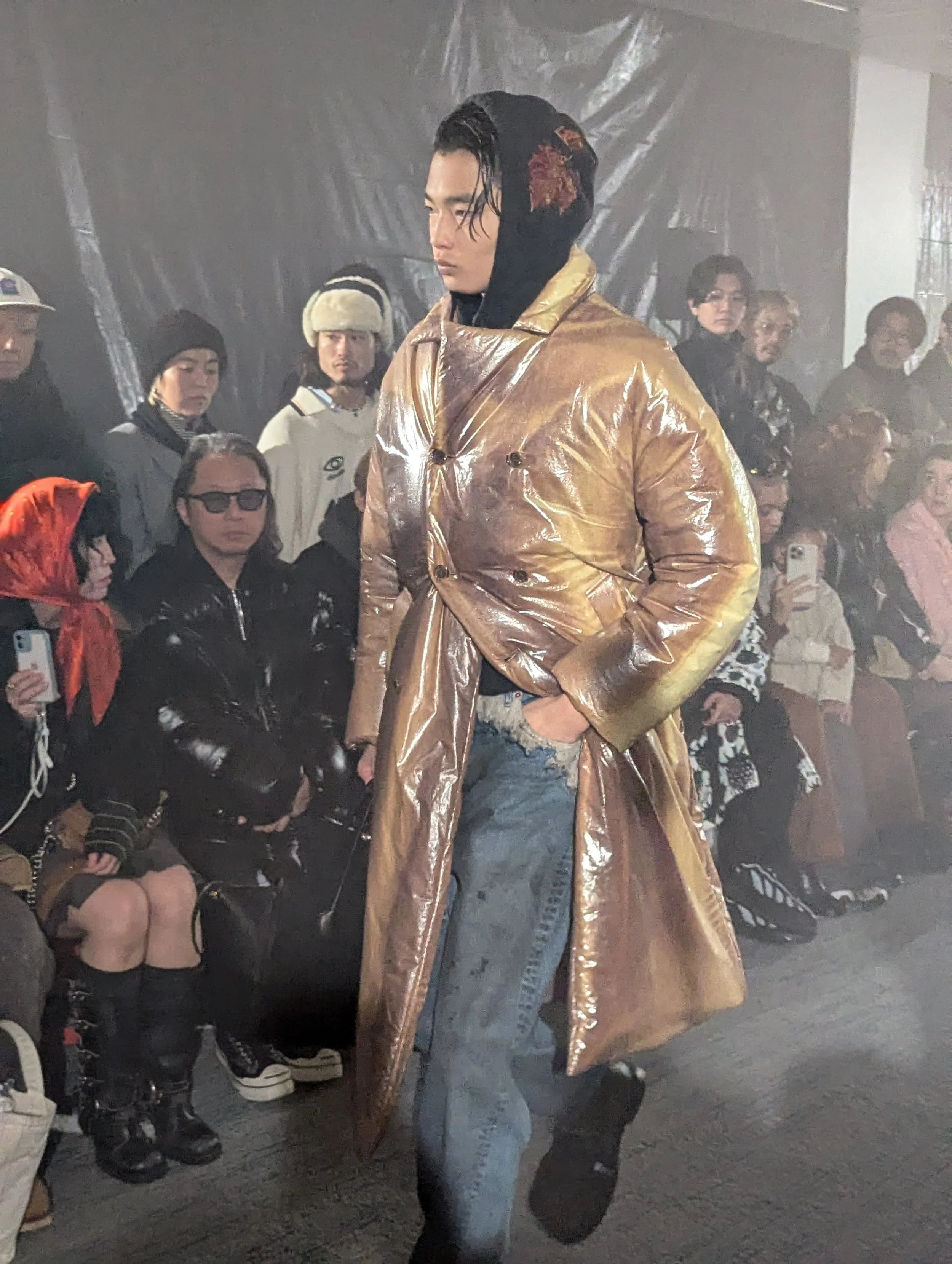
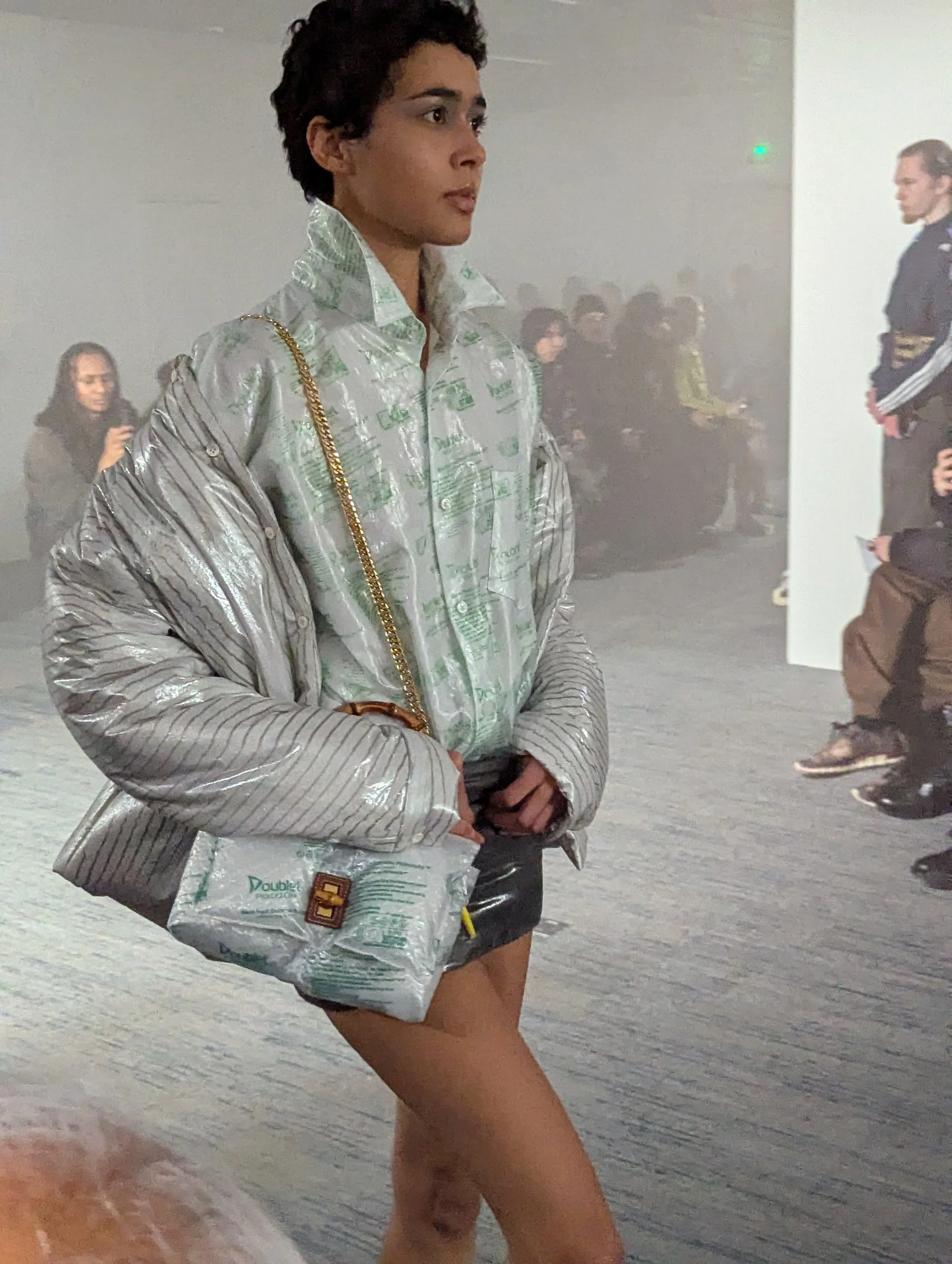
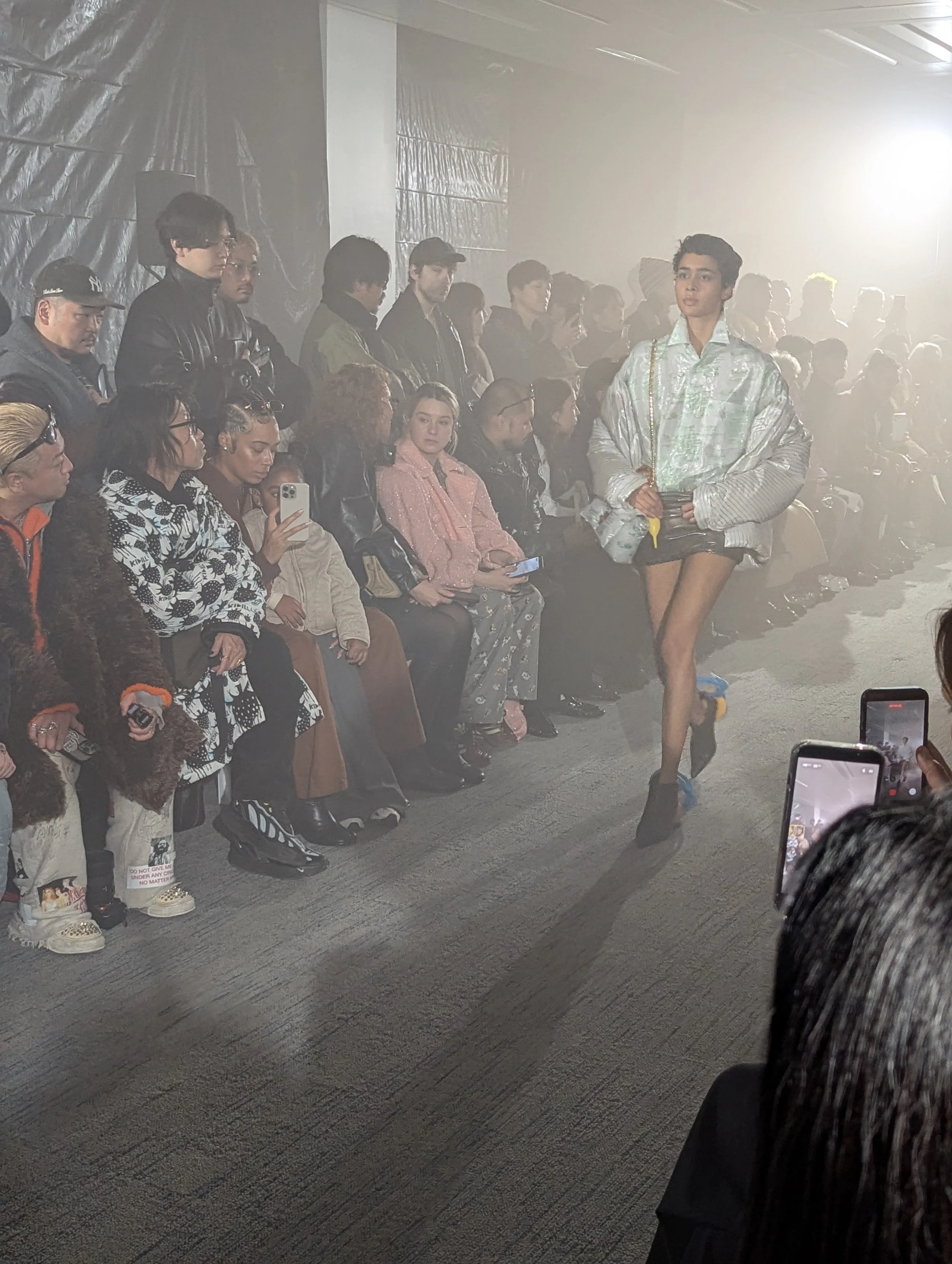
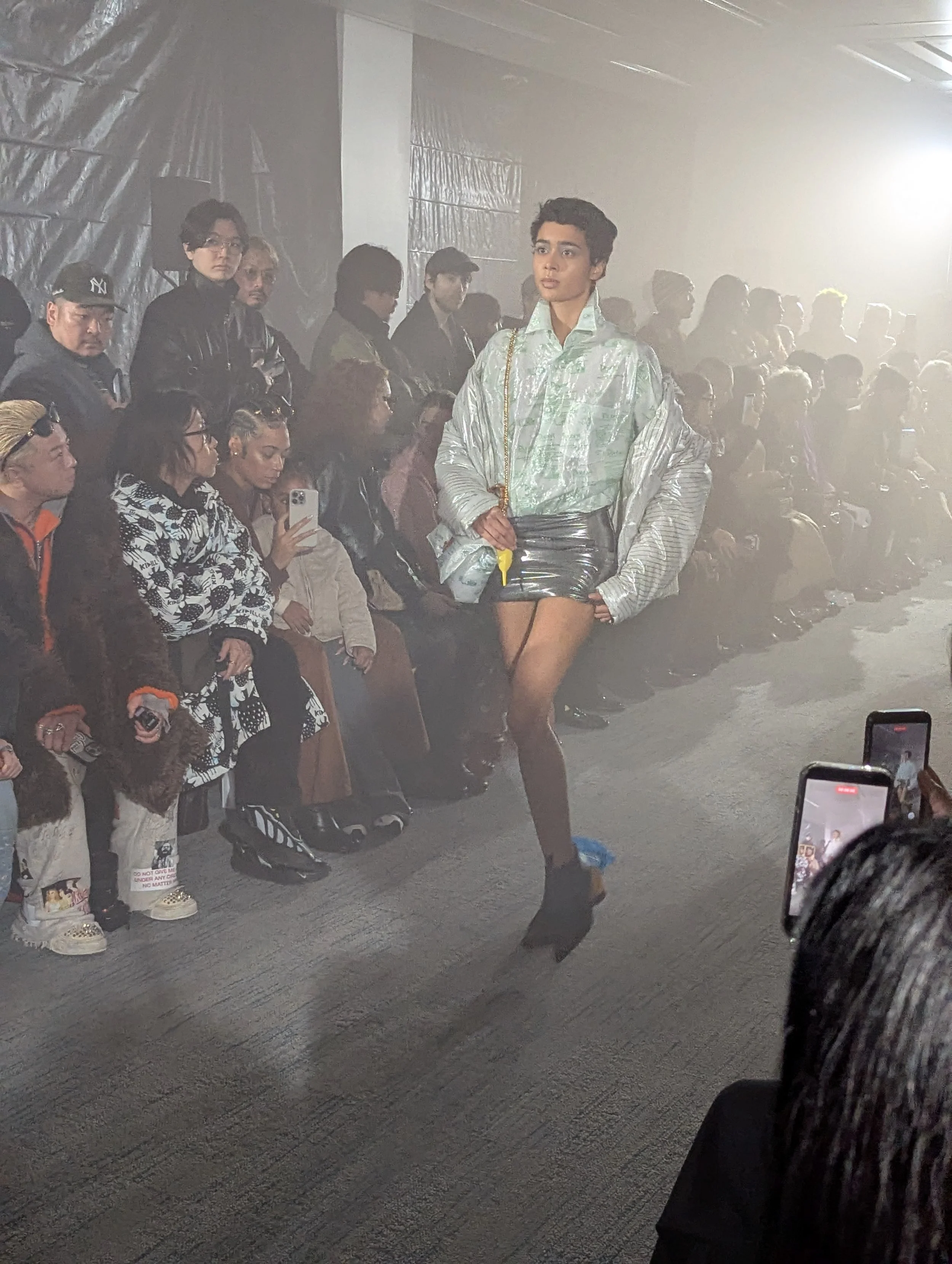
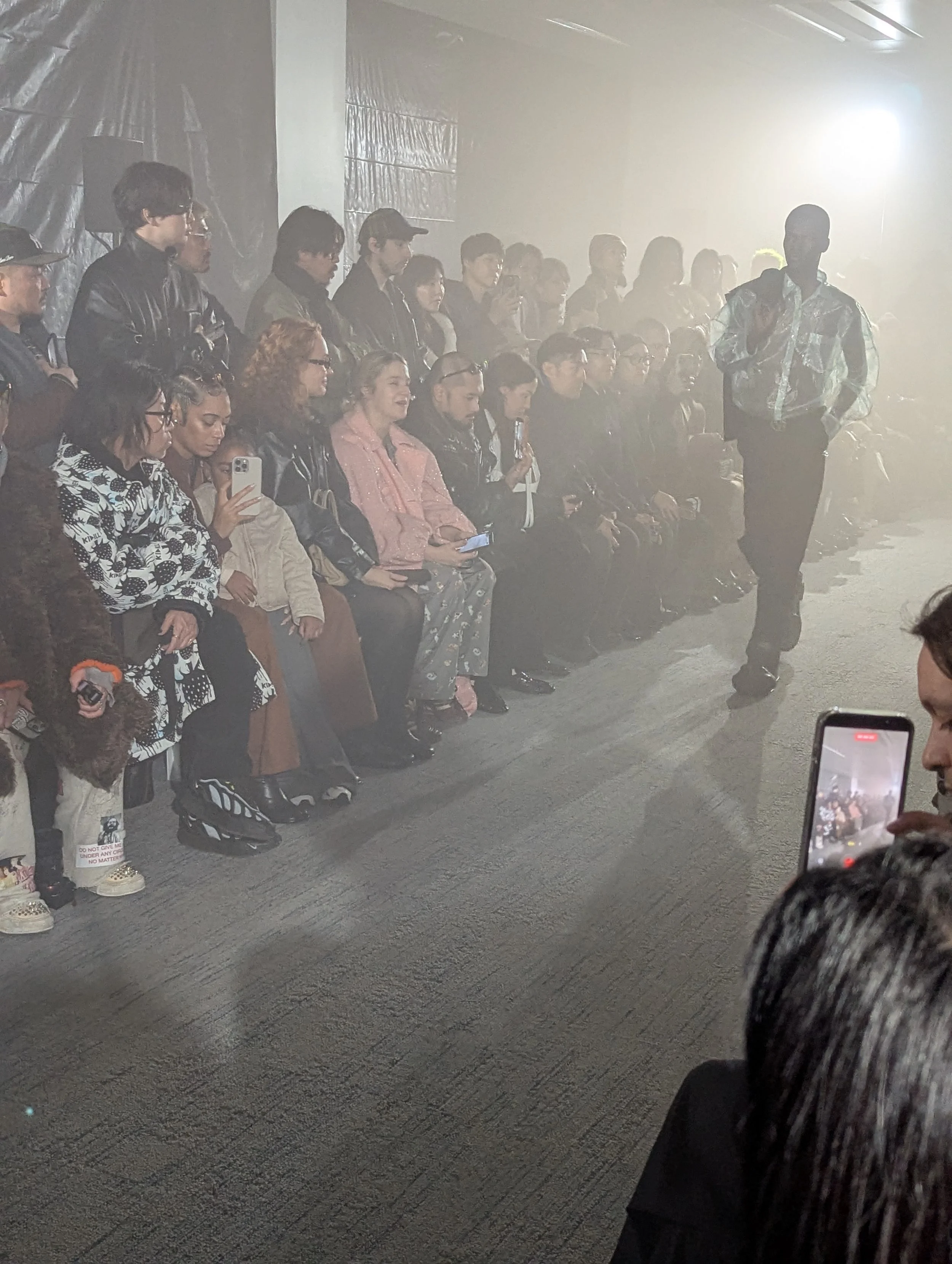
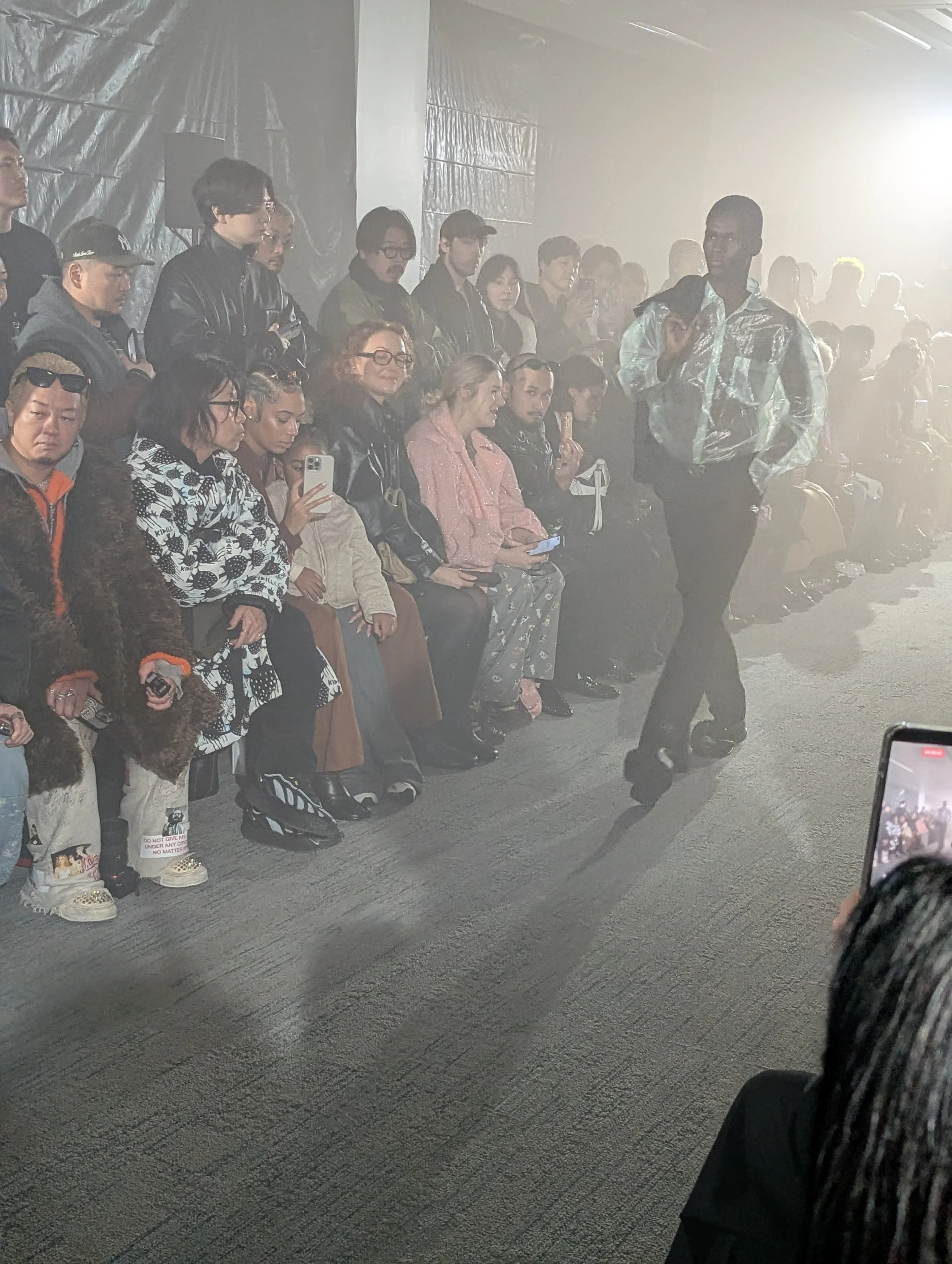
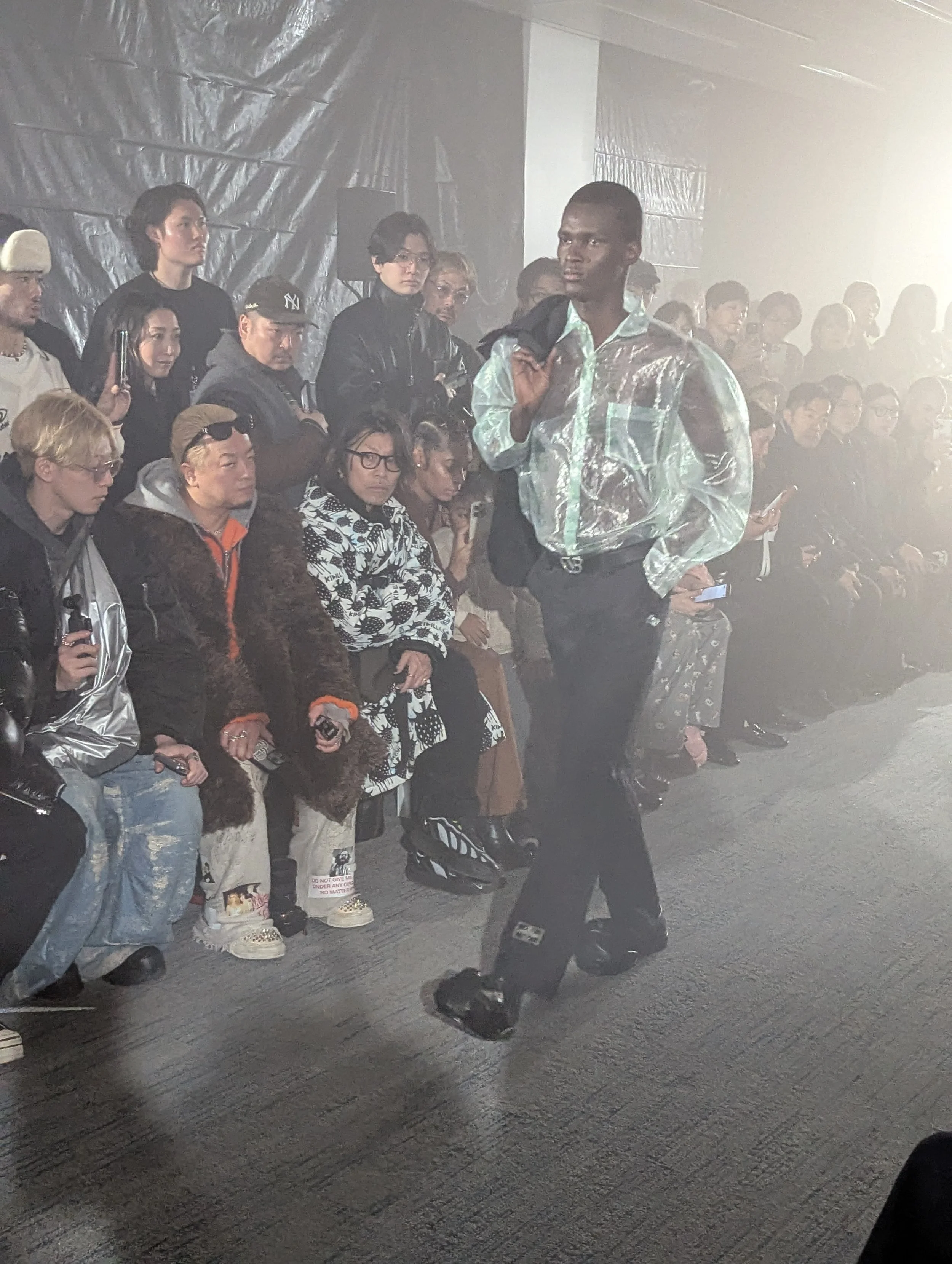
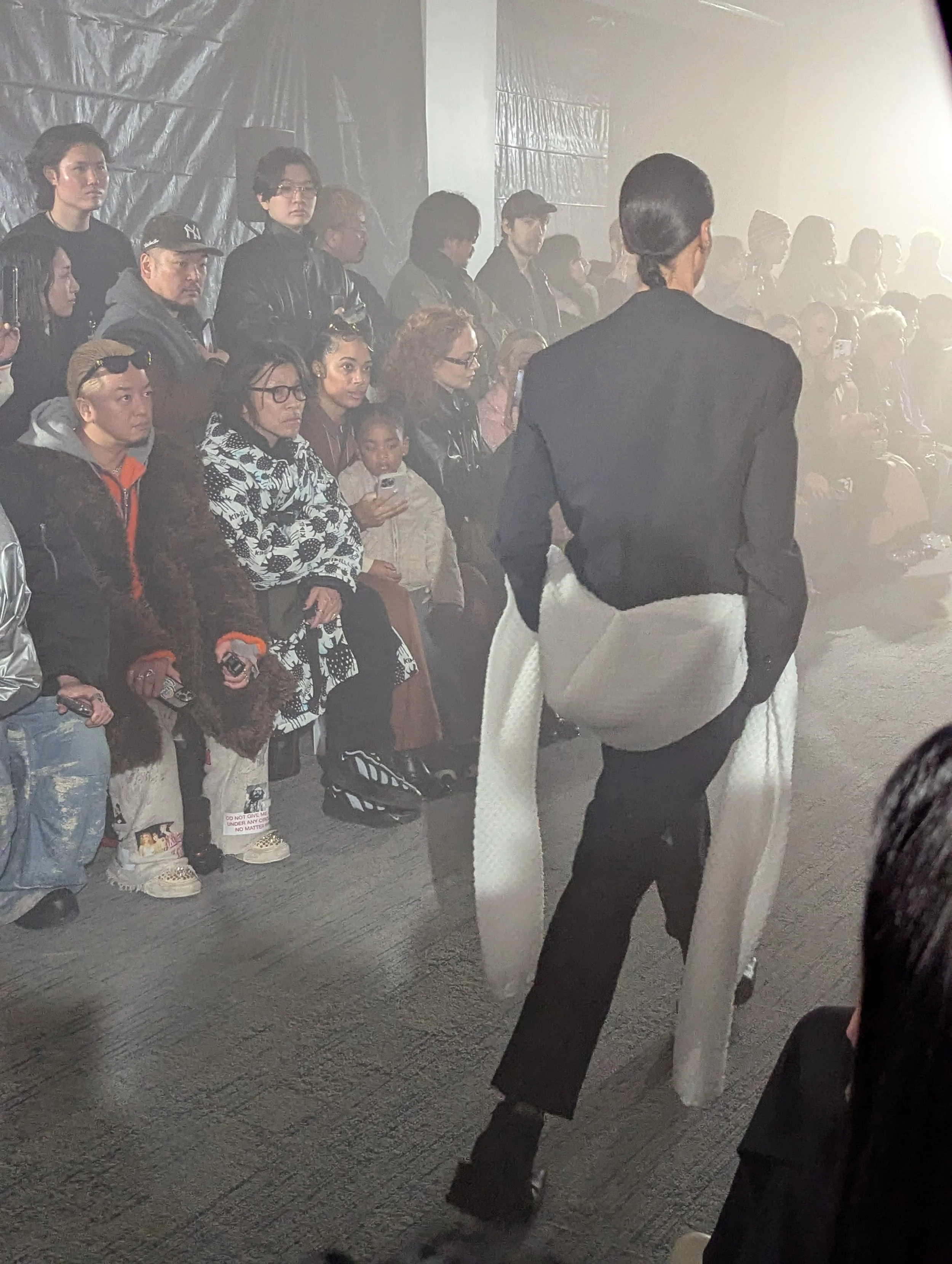
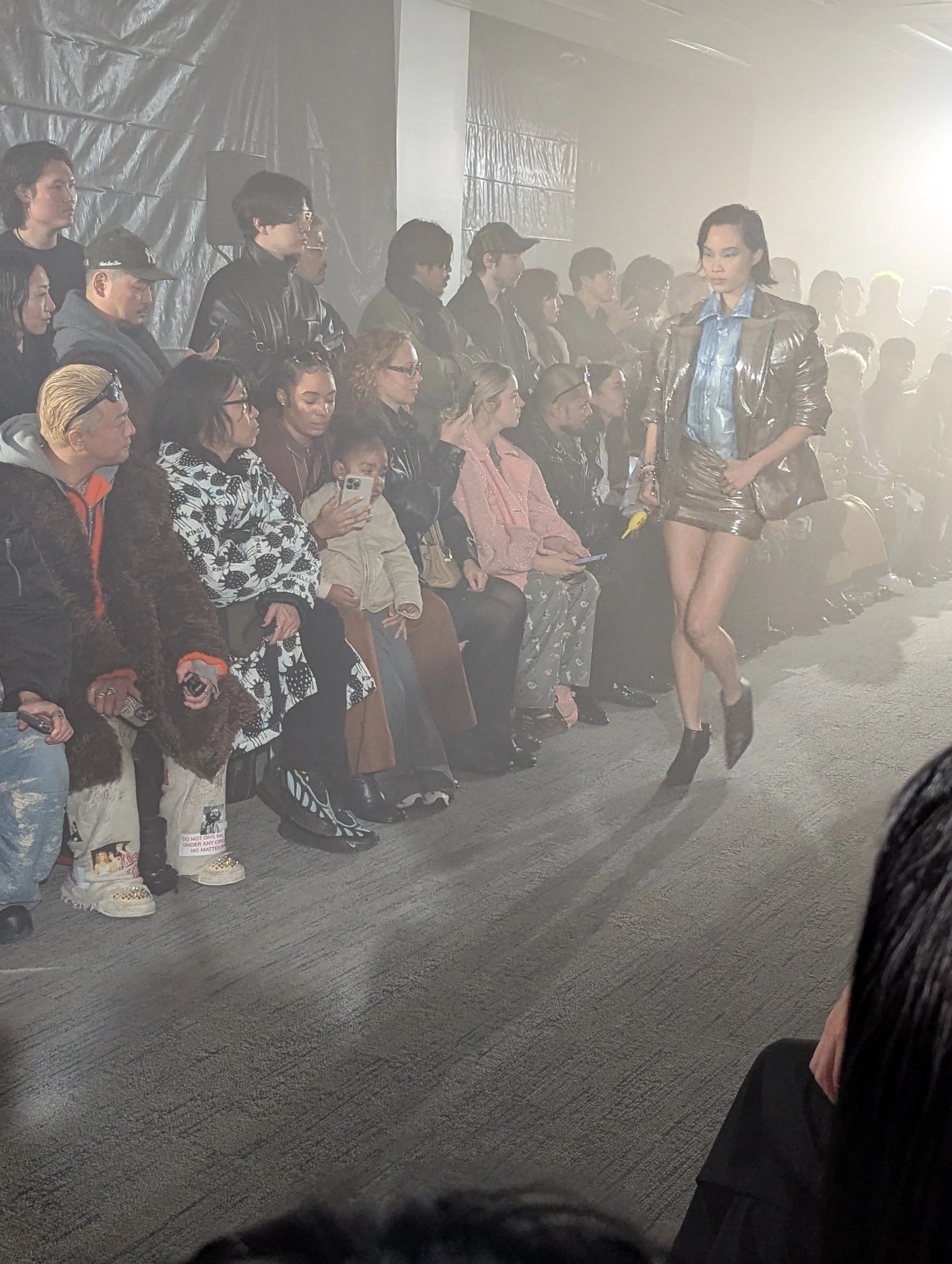
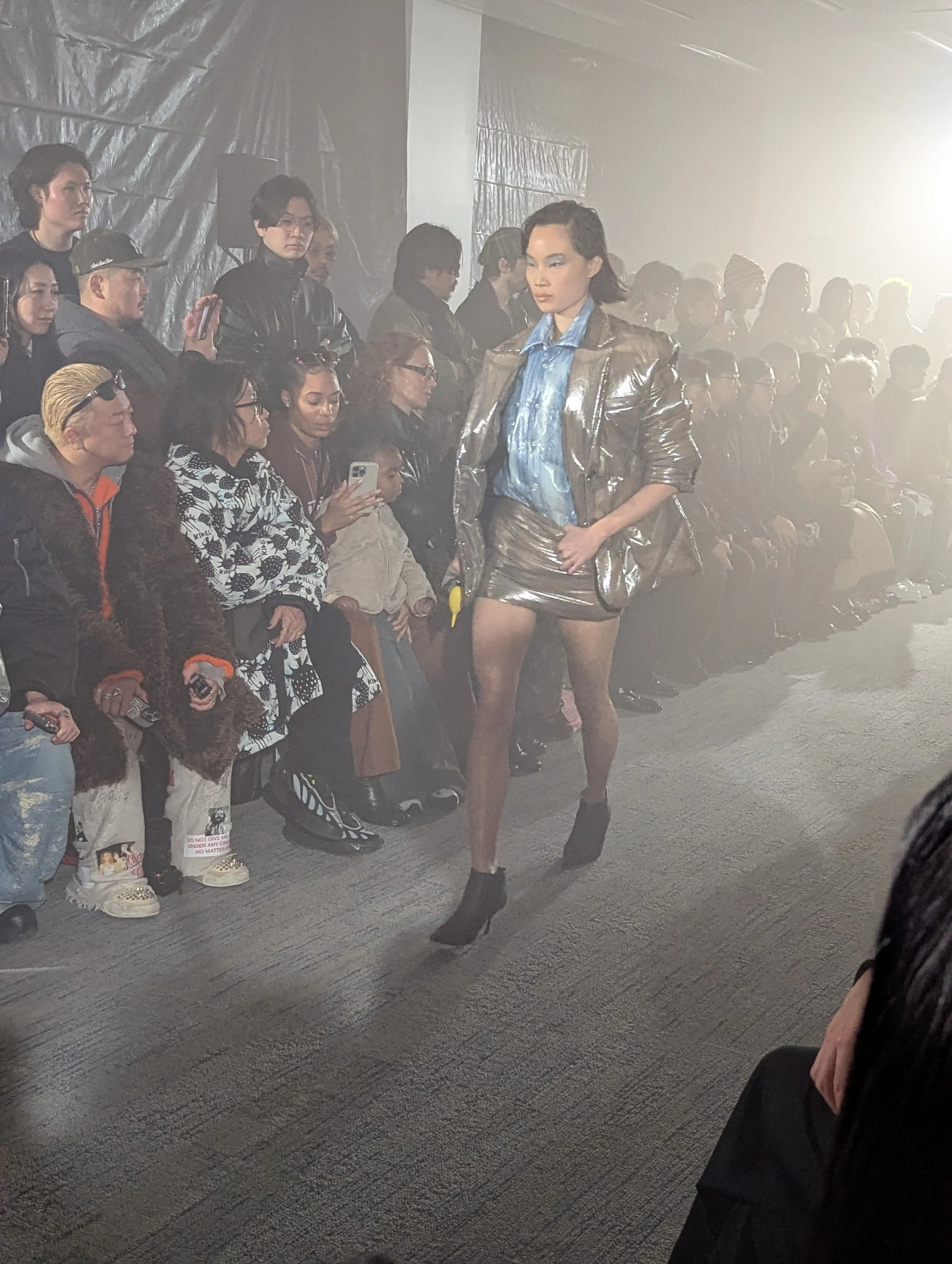
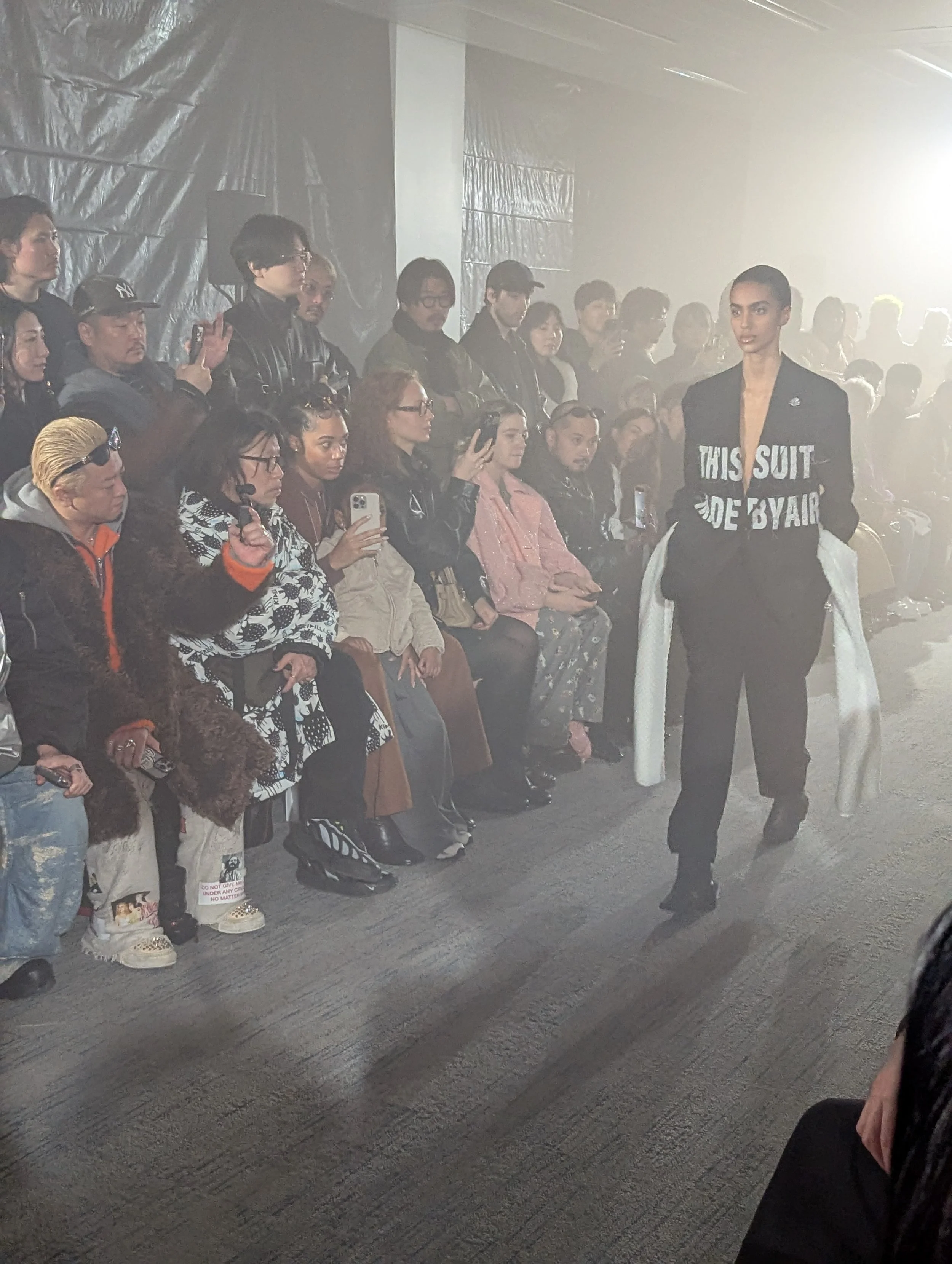
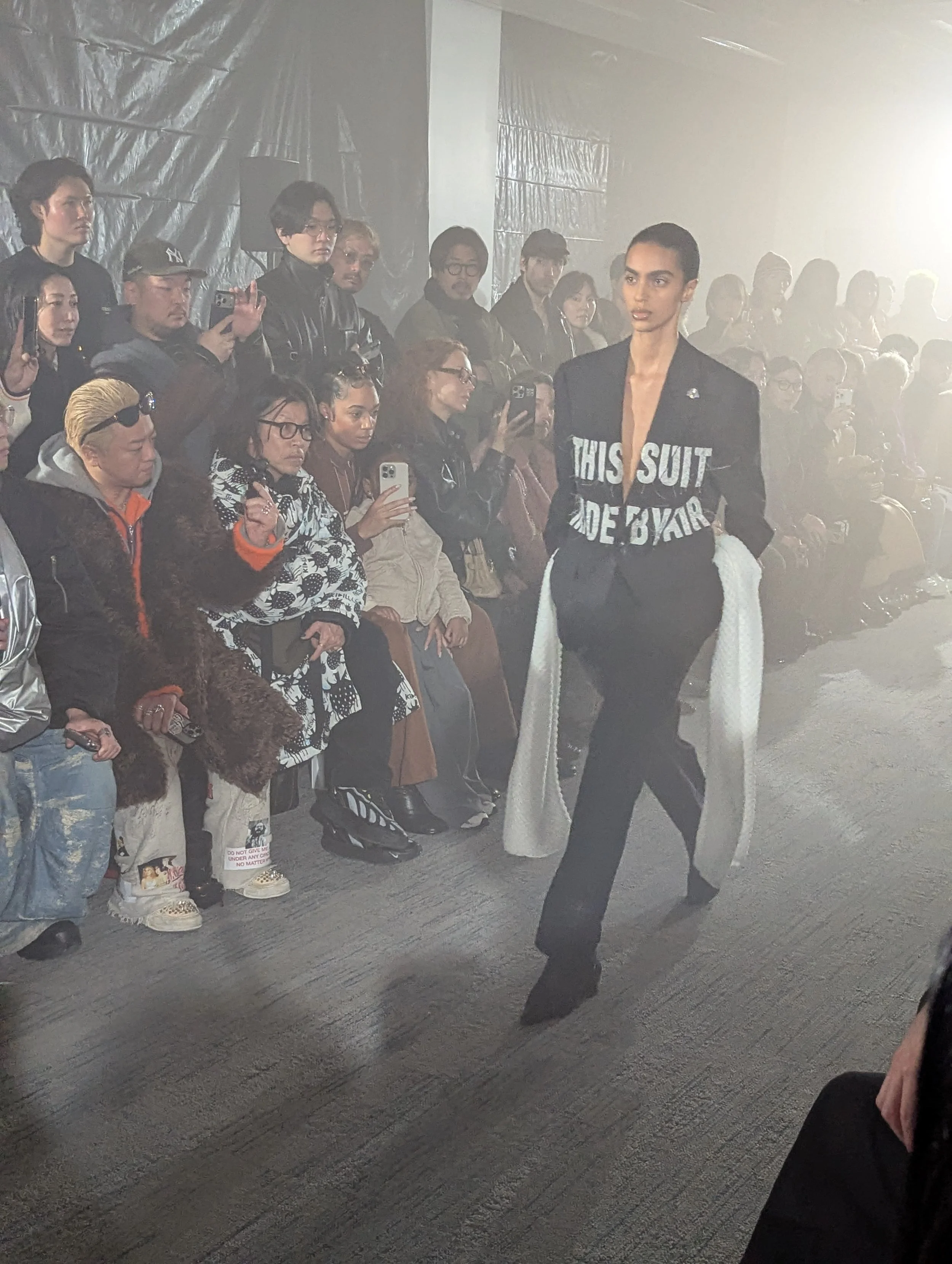
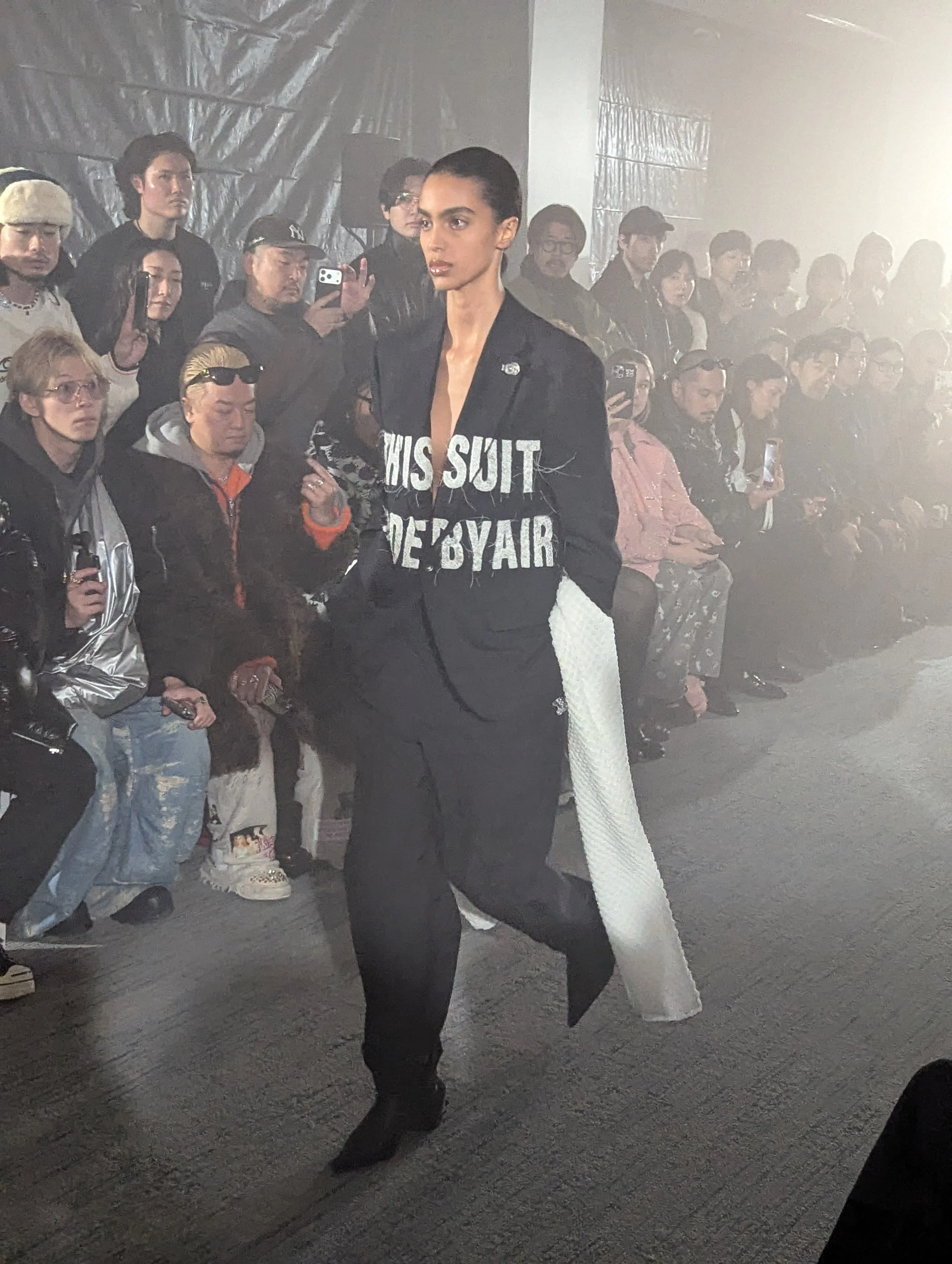
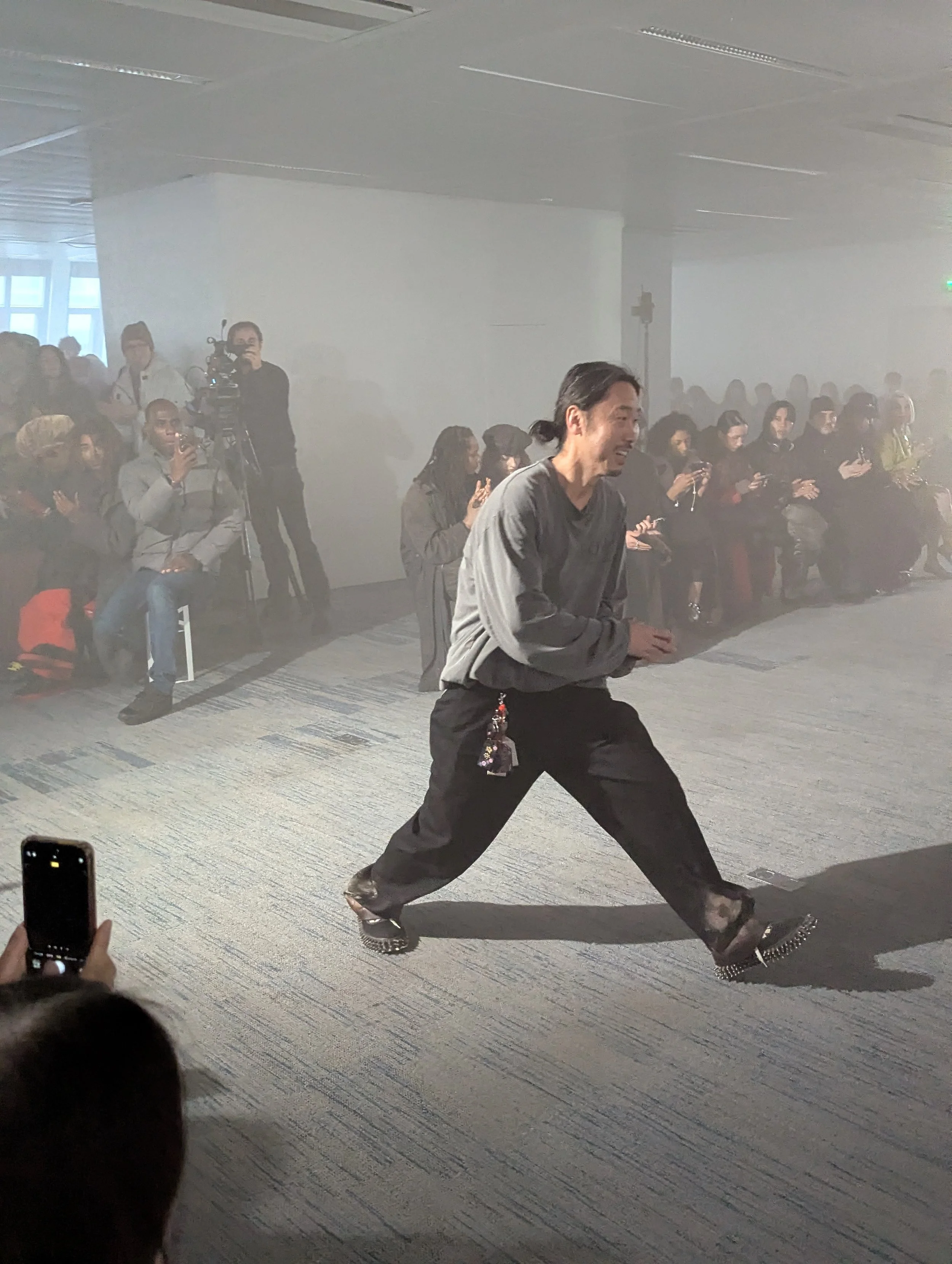
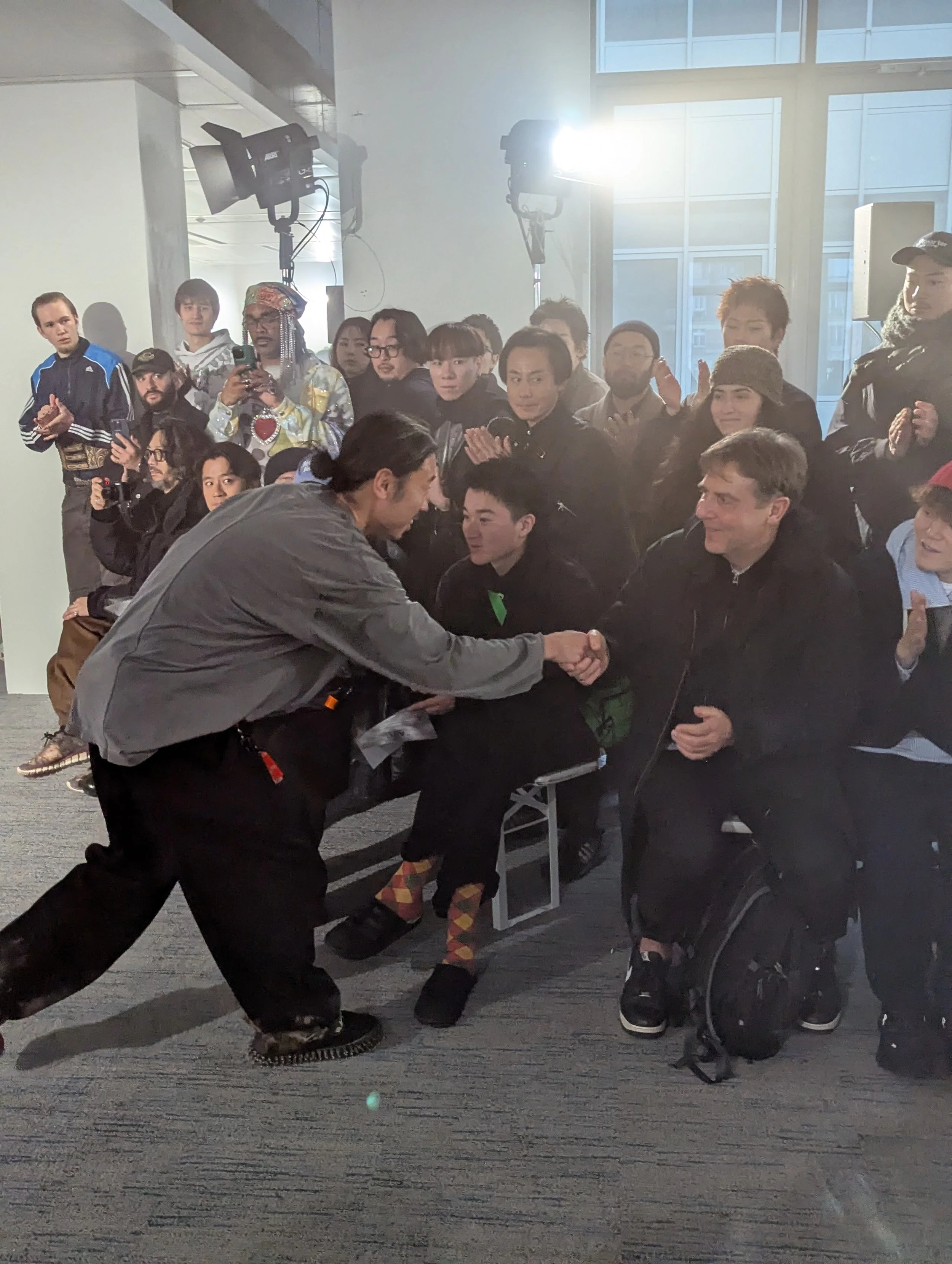
Doublet AW26
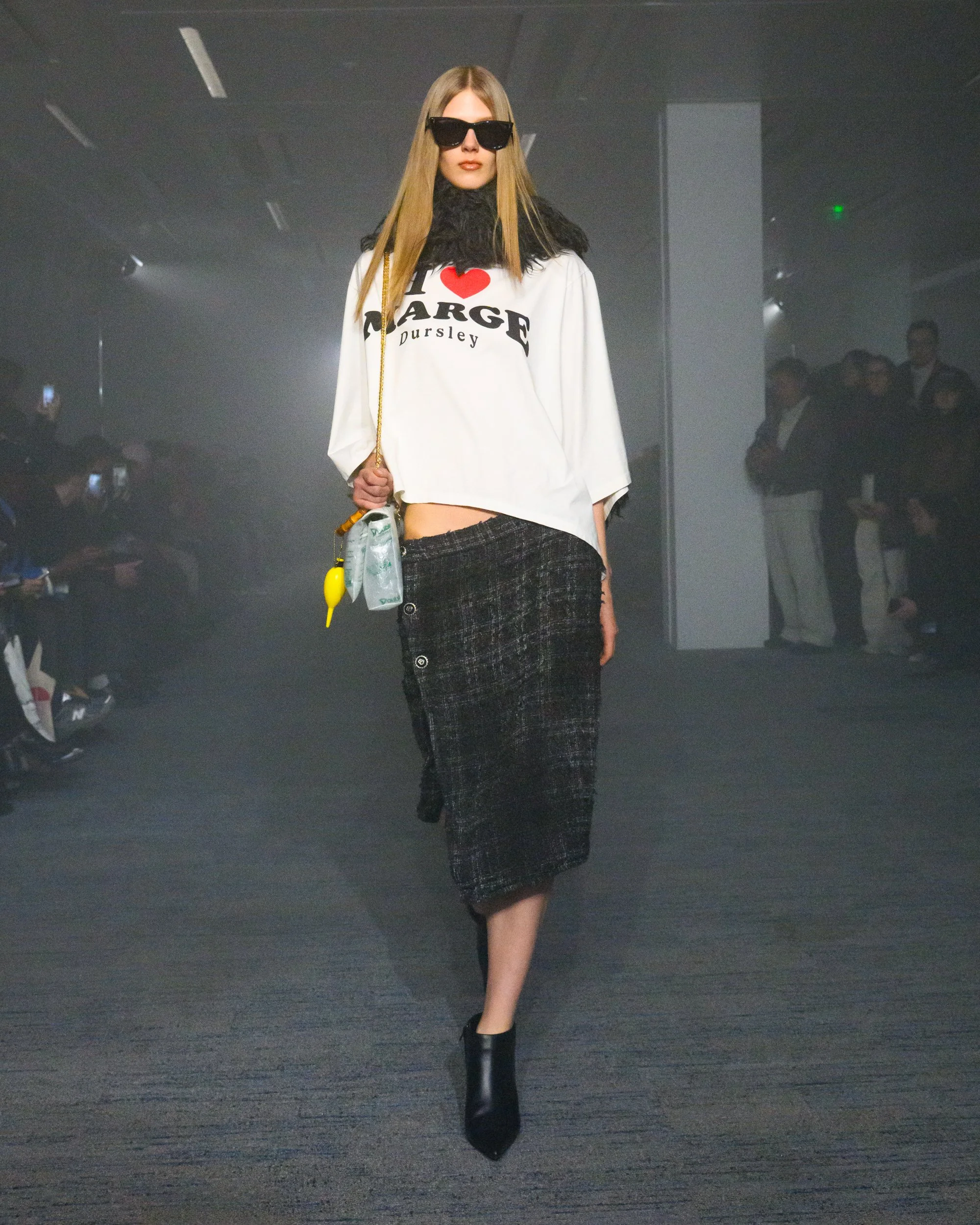
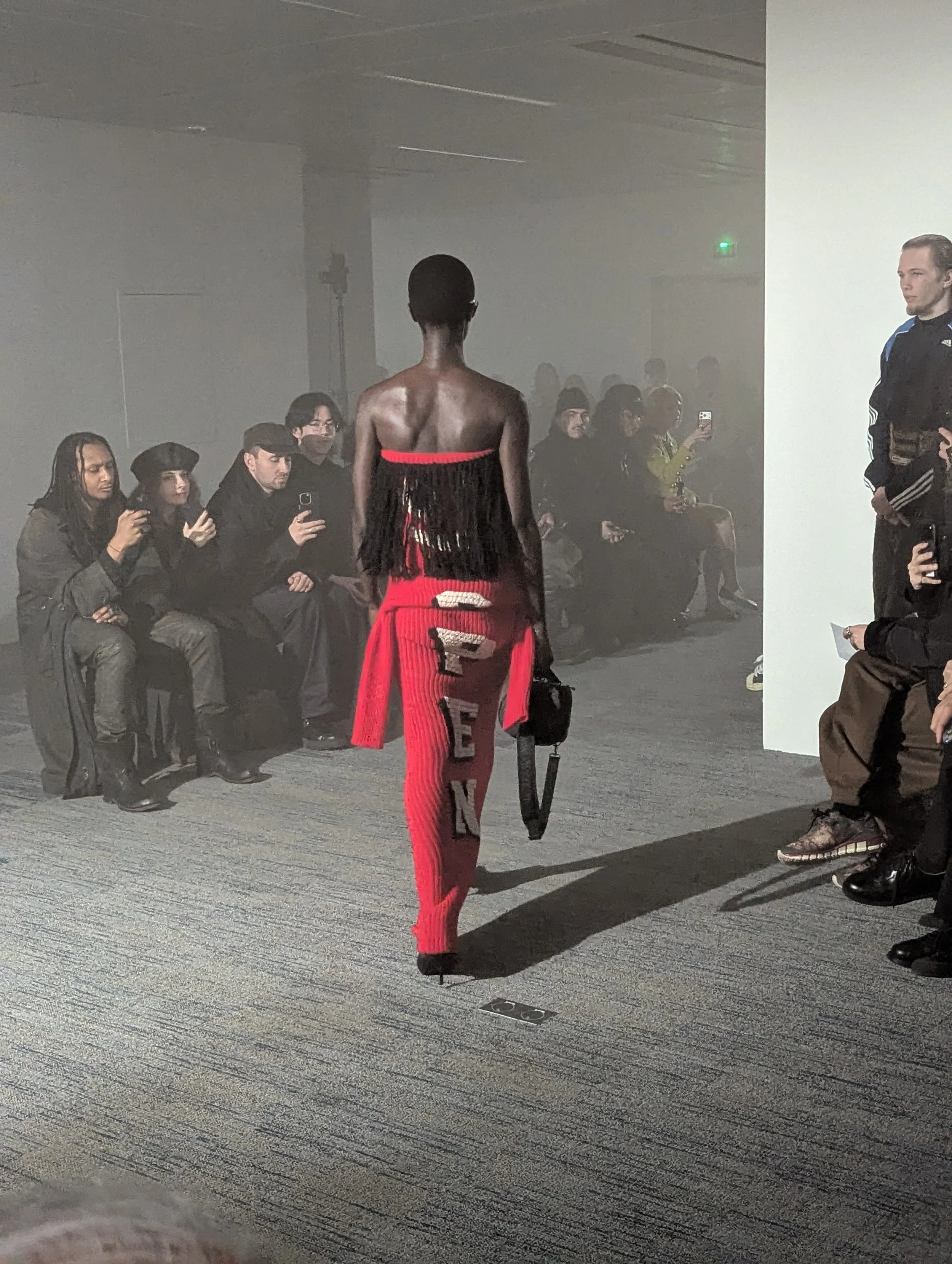
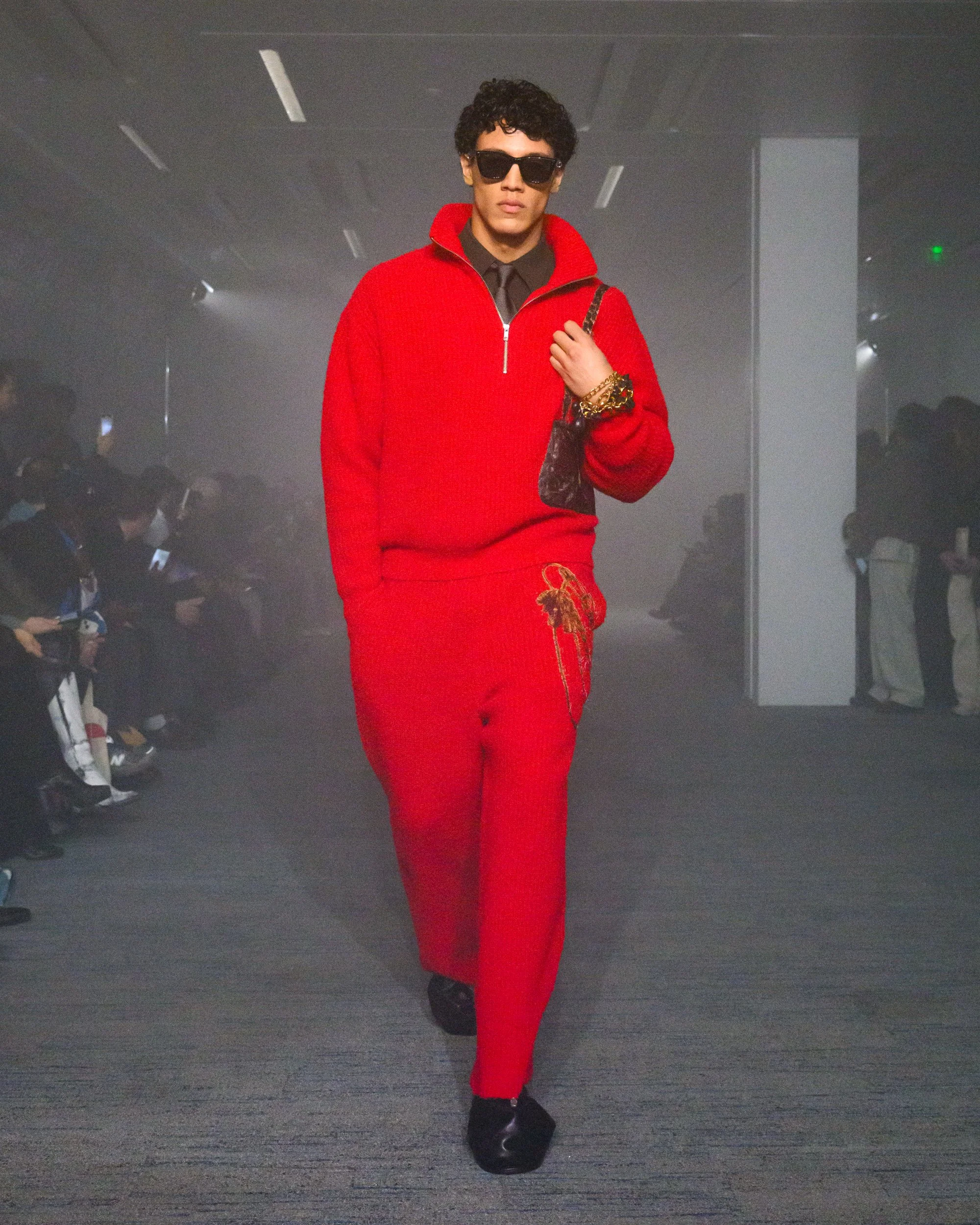
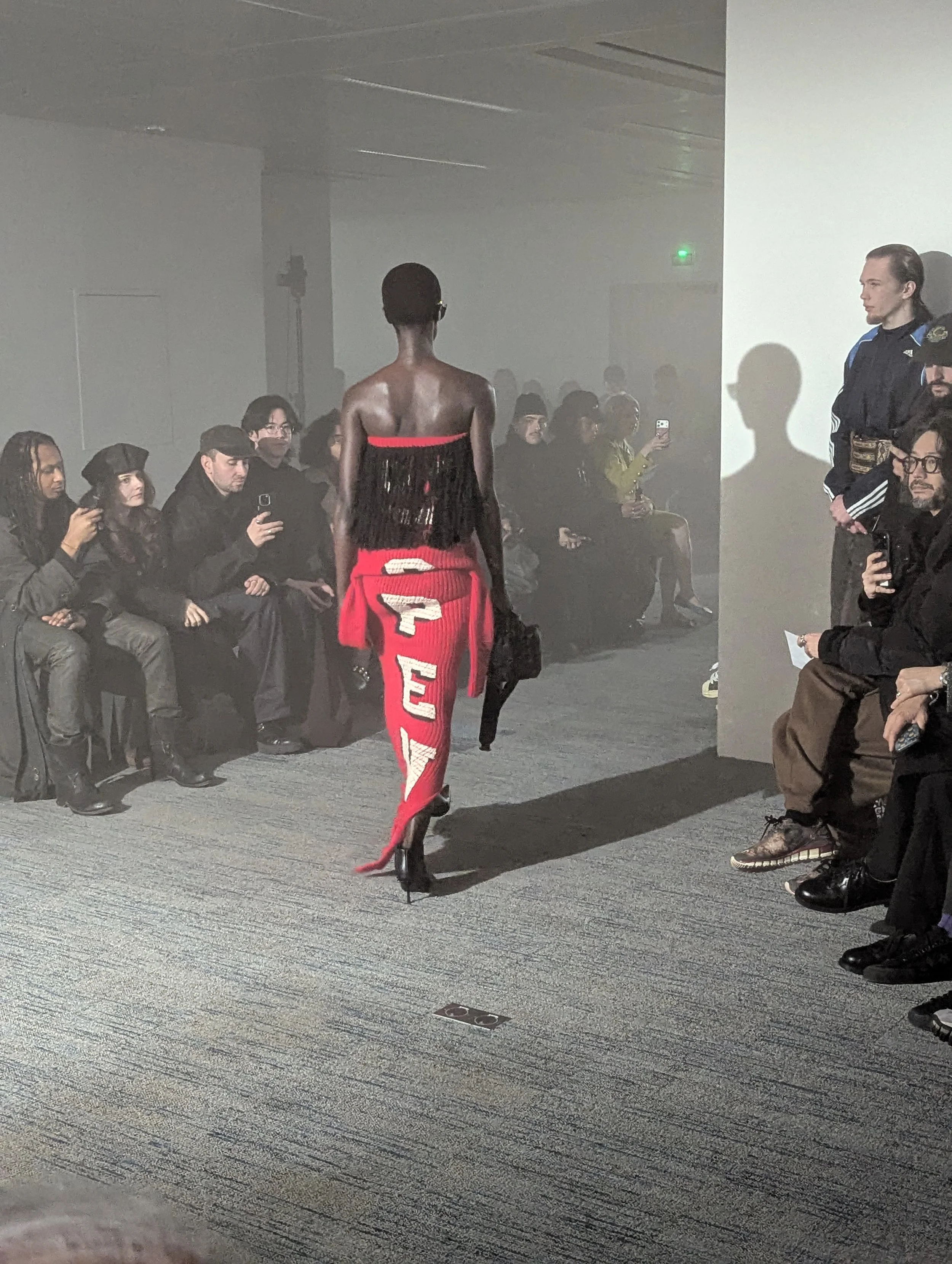
Doublet’s AW26 collection at Paris Men’s Fashion Week took an unexpectedly poetic route, turning its attention to something we usually overlook entirely, air. Titled “AIR,” the collection explored invisibility, breath, and the quiet power of what exists all around us but rarely gets noticed.
Rather than leaning into spectacle alone, Doublet used the idea of air as a conceptual starting point for a collection that felt thoughtful, experimental, and emotionally grounded. The brand described the line as clothing “born from the air” and “born from belief,” framing AW26 as a meditation on process, persistence, and the future.
At the heart of the collection is a deceptively simple idea; air has no weight, no color, and no clear outline, yet it is essential to everything we do. Doublet built AW26 around that invisibility, asking what it means to give form to something that cannot be seen but is always present. That concept gave the collection its emotional edge. Instead of treating the runway as a place for pure display, Doublet treated it as a space for reflection, with garments that seemed to speak to endurance, hesitation, and the quiet momentum that shapes a creative life.
What made AW26 feel compelling was not just the idea itself, but the way Doublet translated it into fashion language. The collection leaned into a sense of belief in motion; in the time it takes to keep going, even when the path is unclear.
That message landed with particular force in a menswear season where many brands are chasing immediacy and attention. Doublet instead offered a collection with a slower rhythm and a more philosophical point of view, which made it feel distinctive within Paris Fashion Week.
This was the kind of collection that reminds us fashion can be clever without losing heart. Doublet has long been one of those labels that rewards close looking, and AW26 continued that approach with a concept that was both intelligent and oddly moving. There is something refreshing about a brand that refuses to over explain itself while still delivering a clear emotional thesis. With “AIR,” Doublet made a case for the beauty of what cannot be pinned down, a rare and welcome position in an industry that often prefers hard edges over nuance.