Luca Magliano SS27
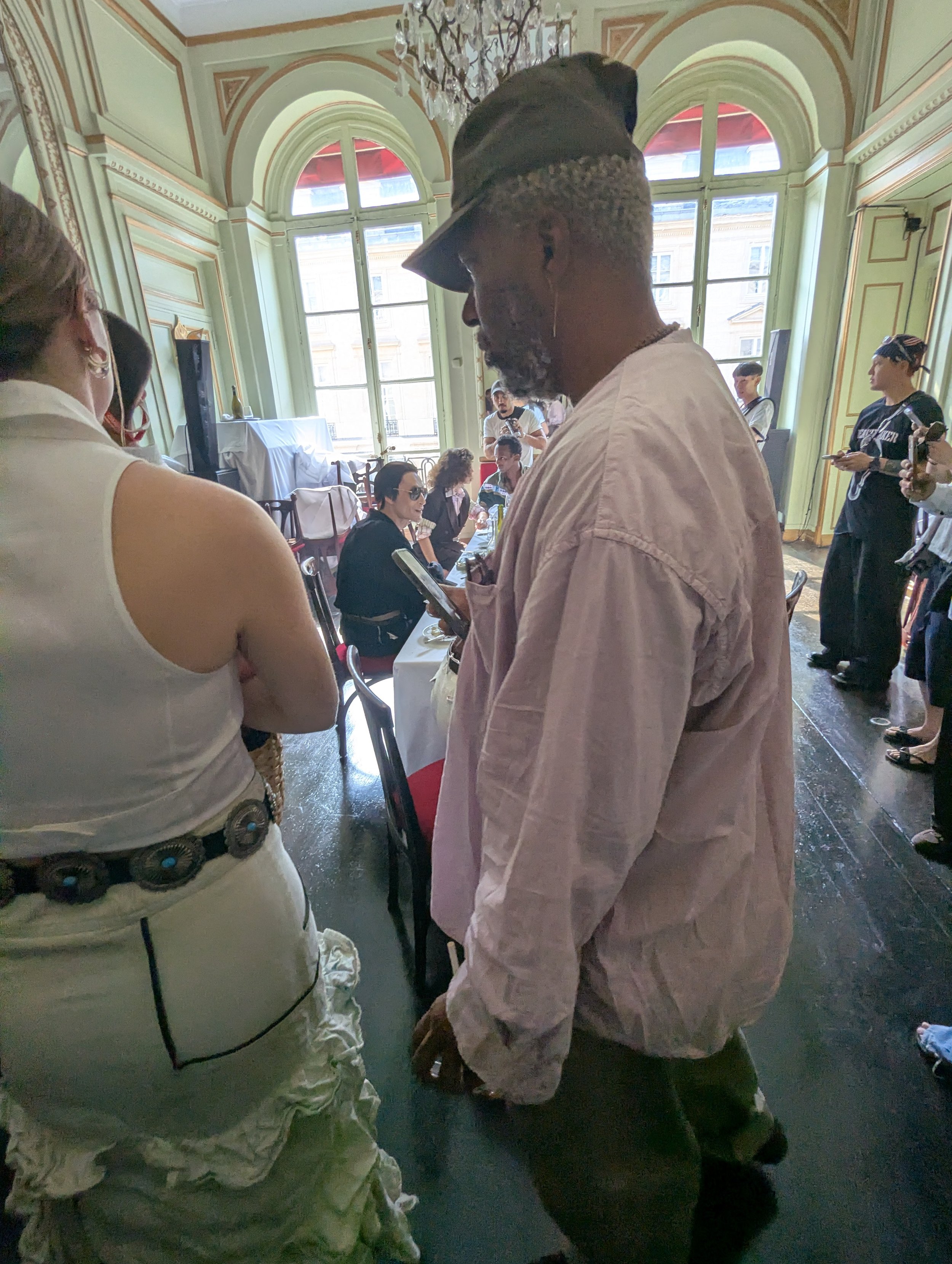
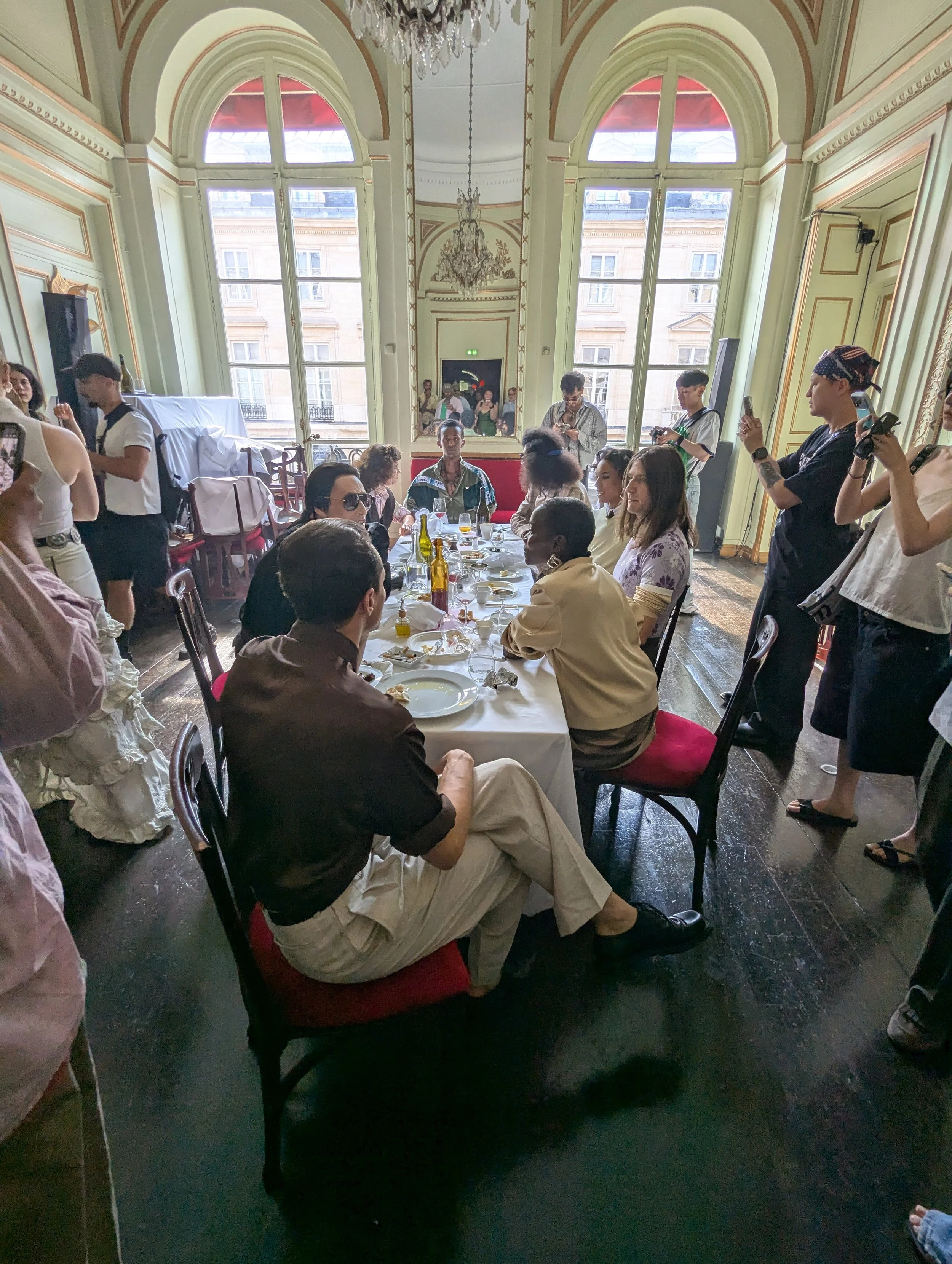
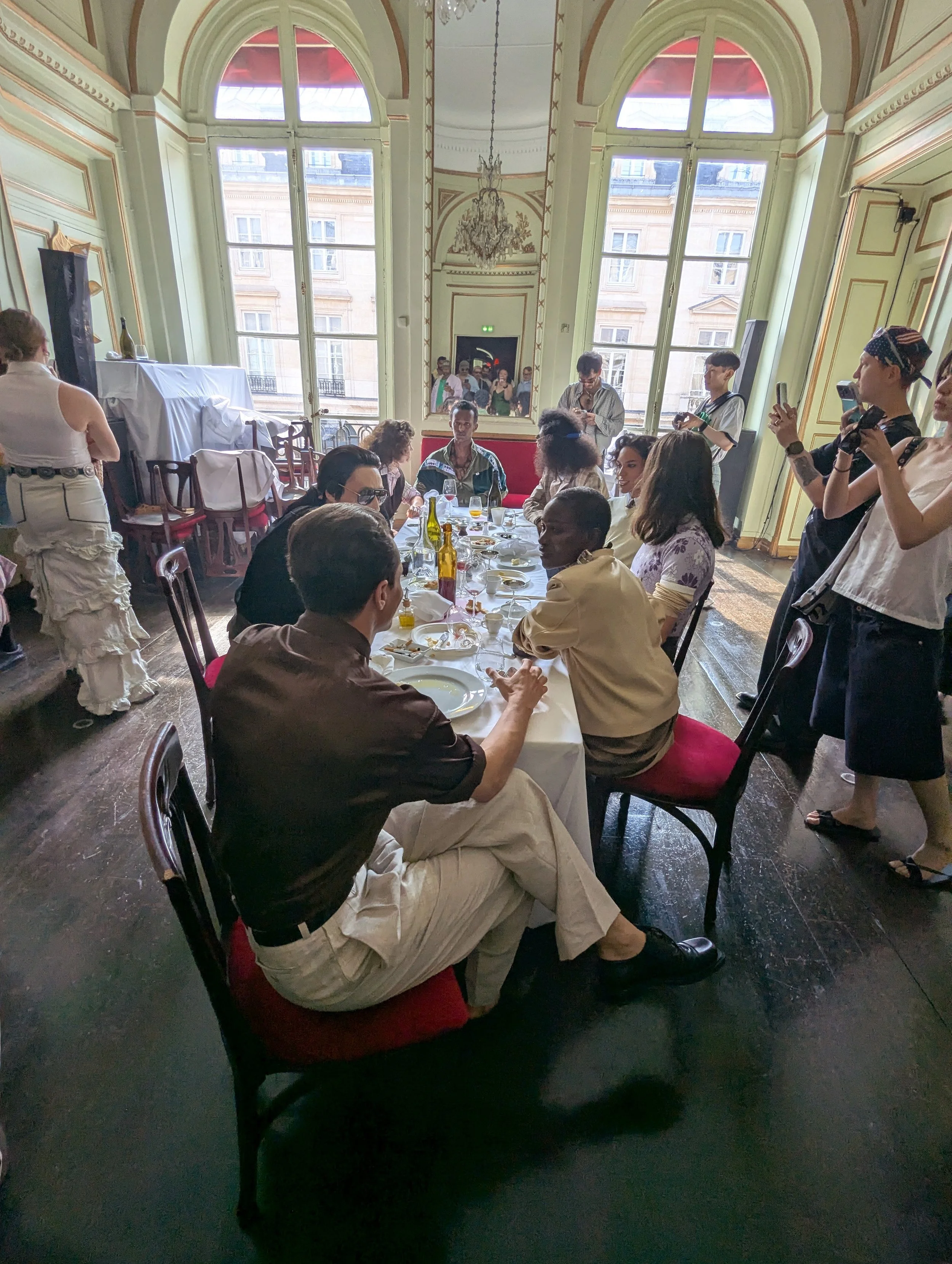
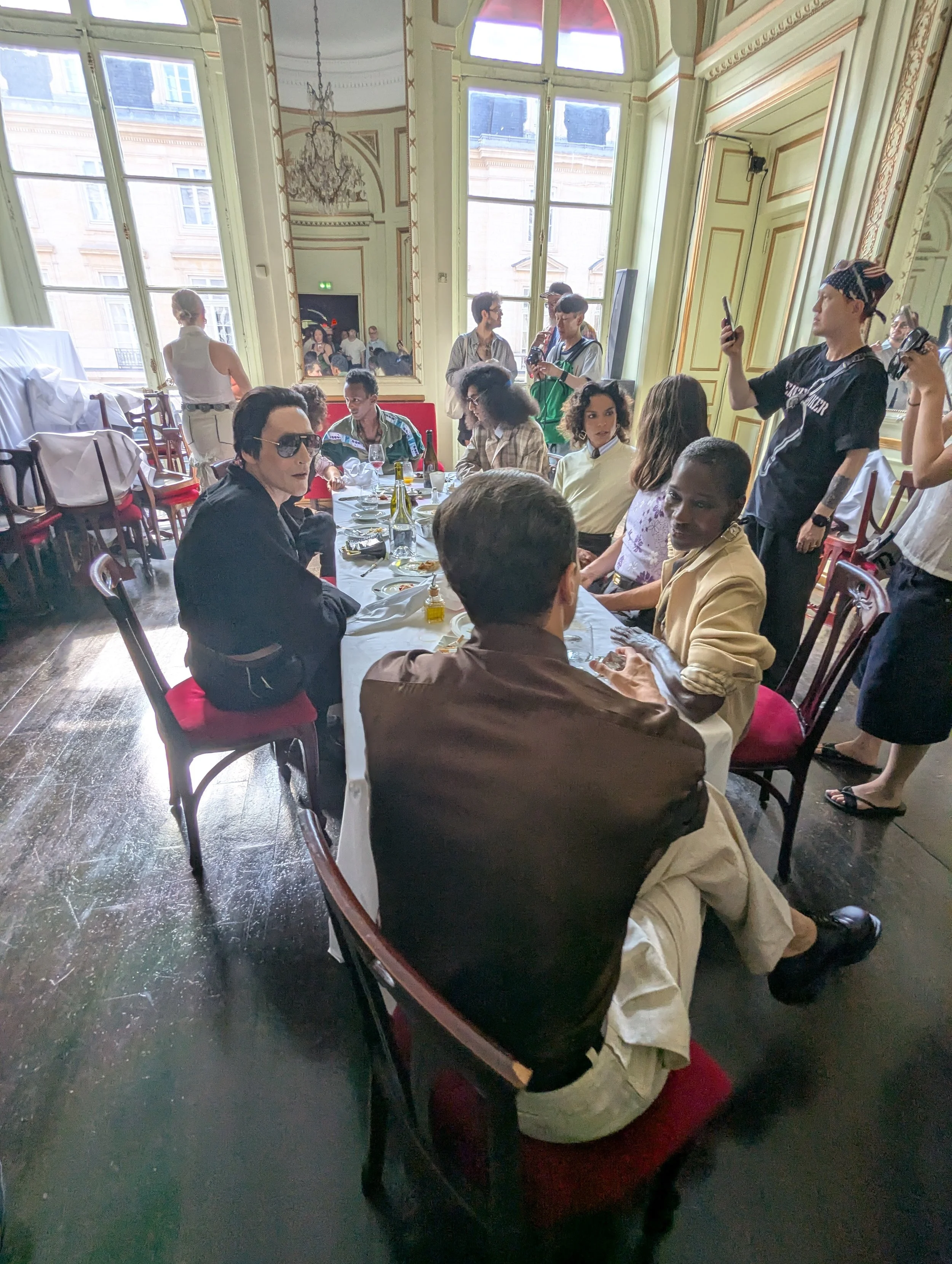
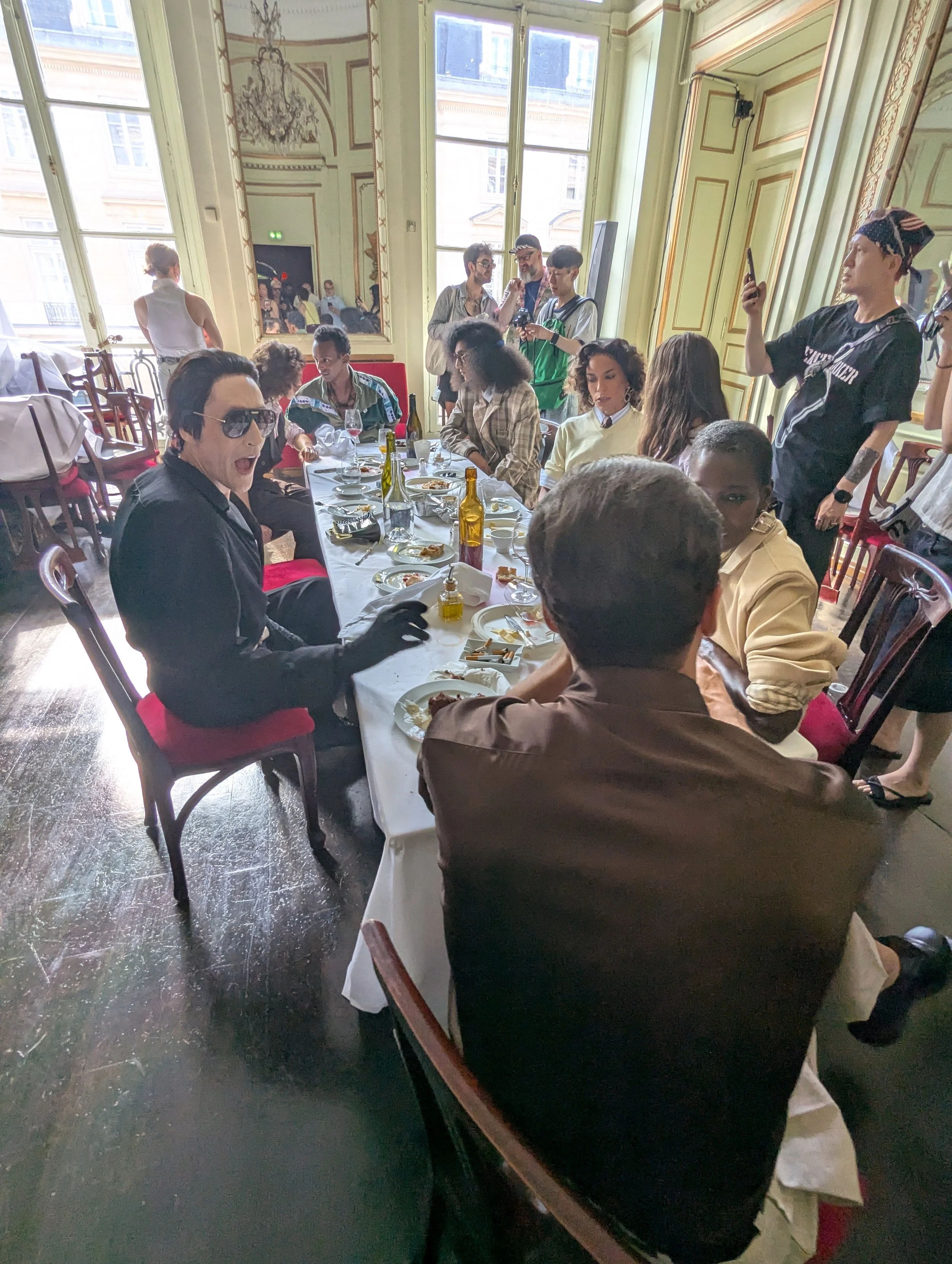
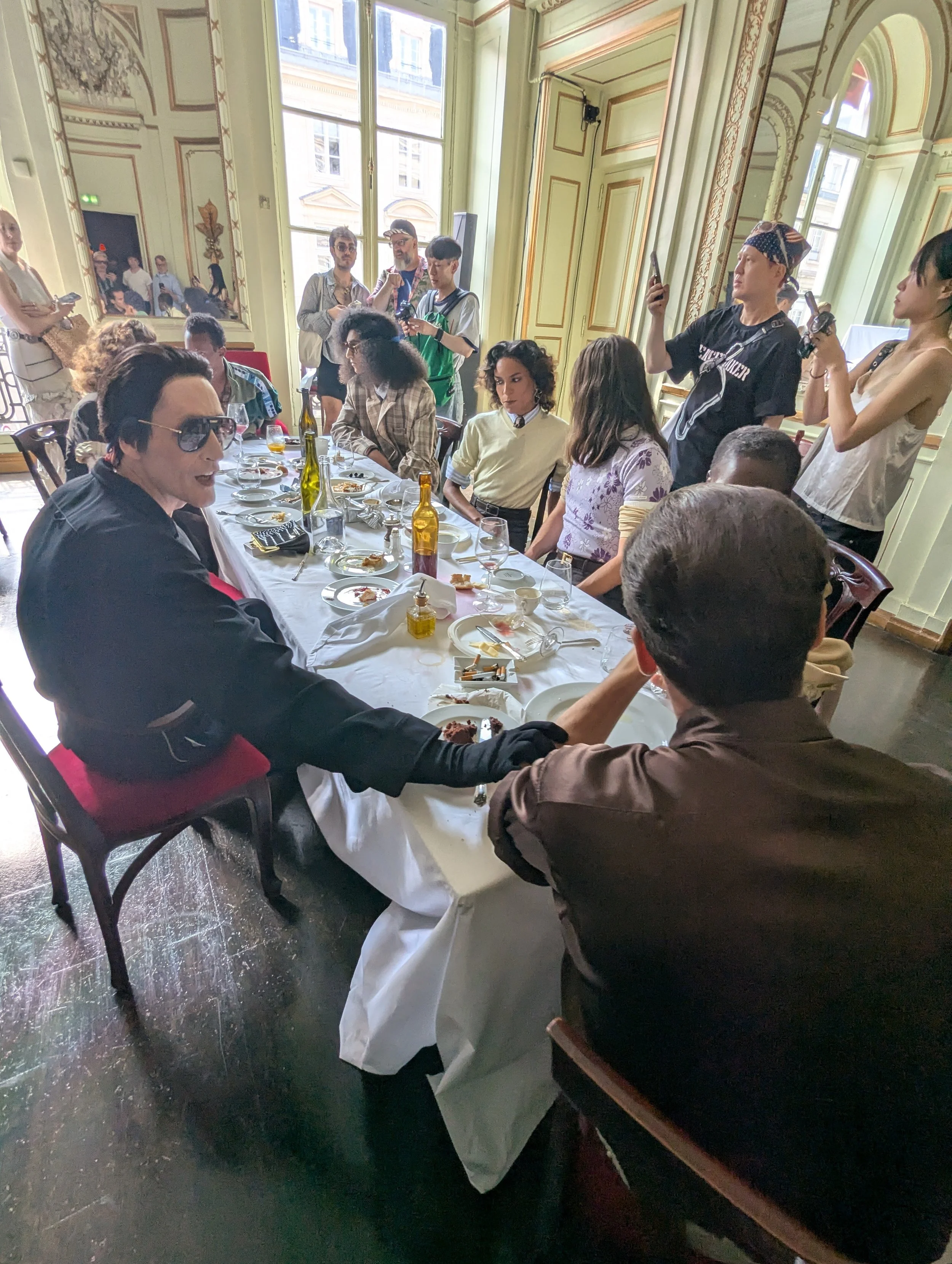
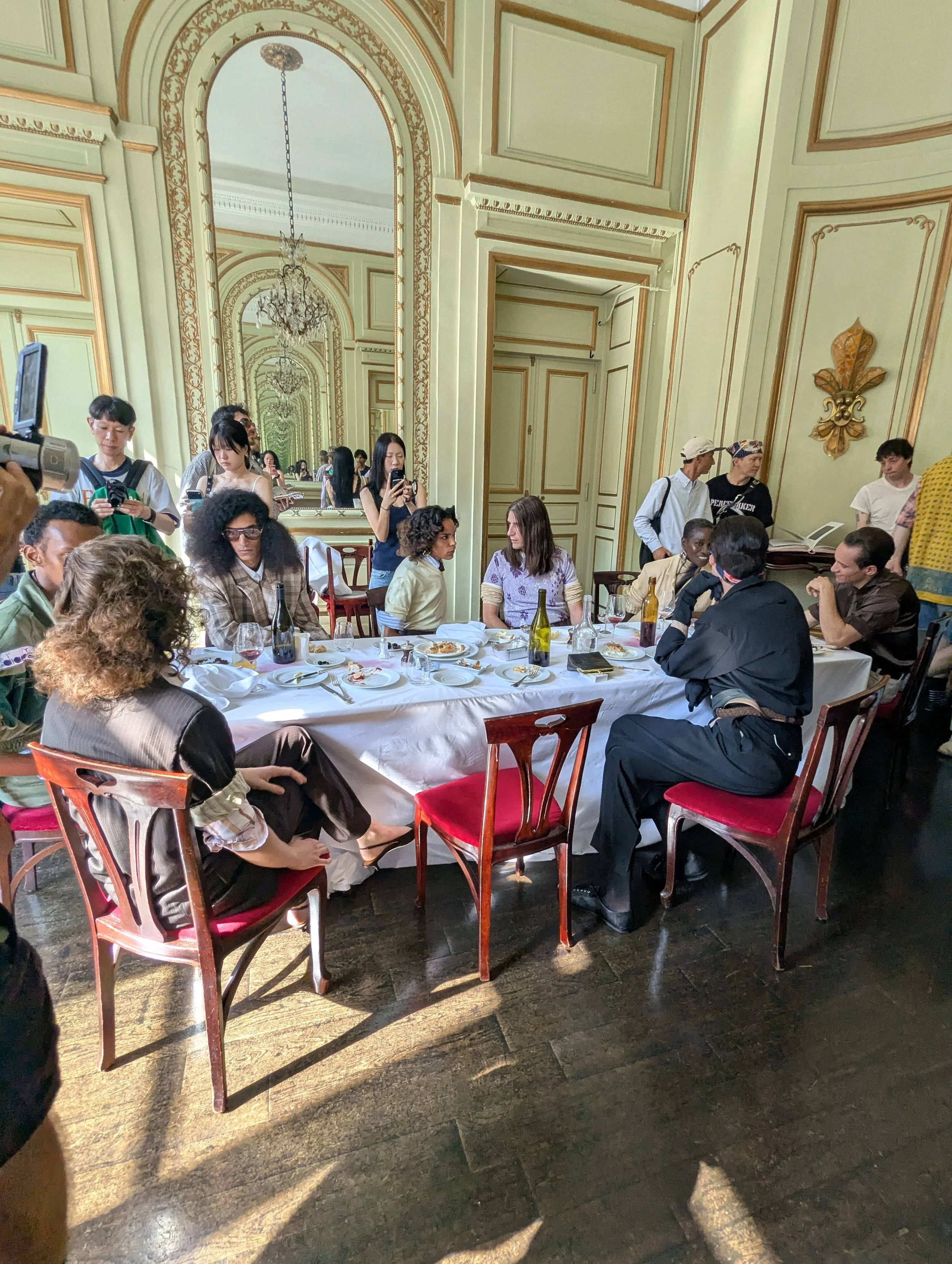
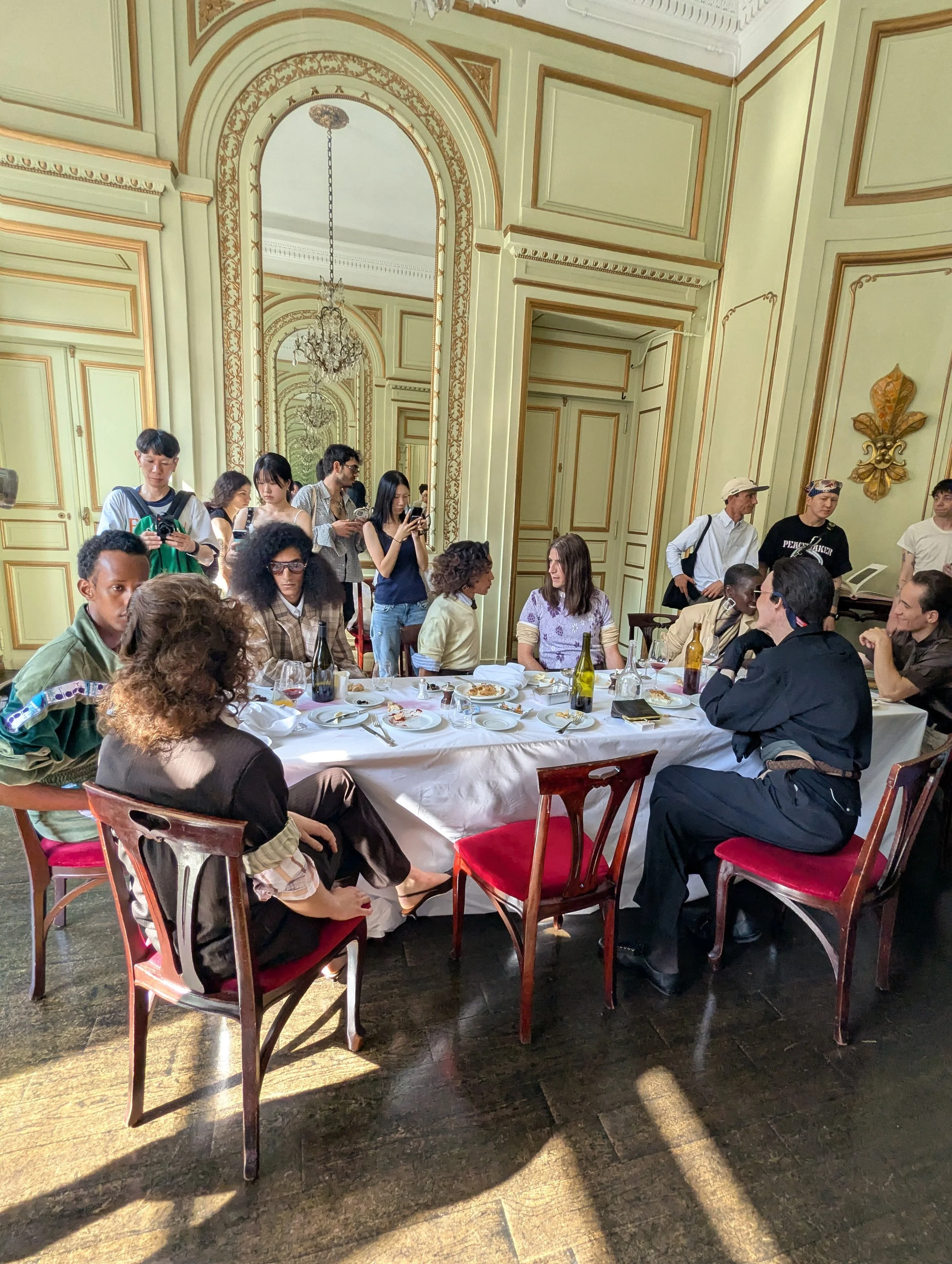
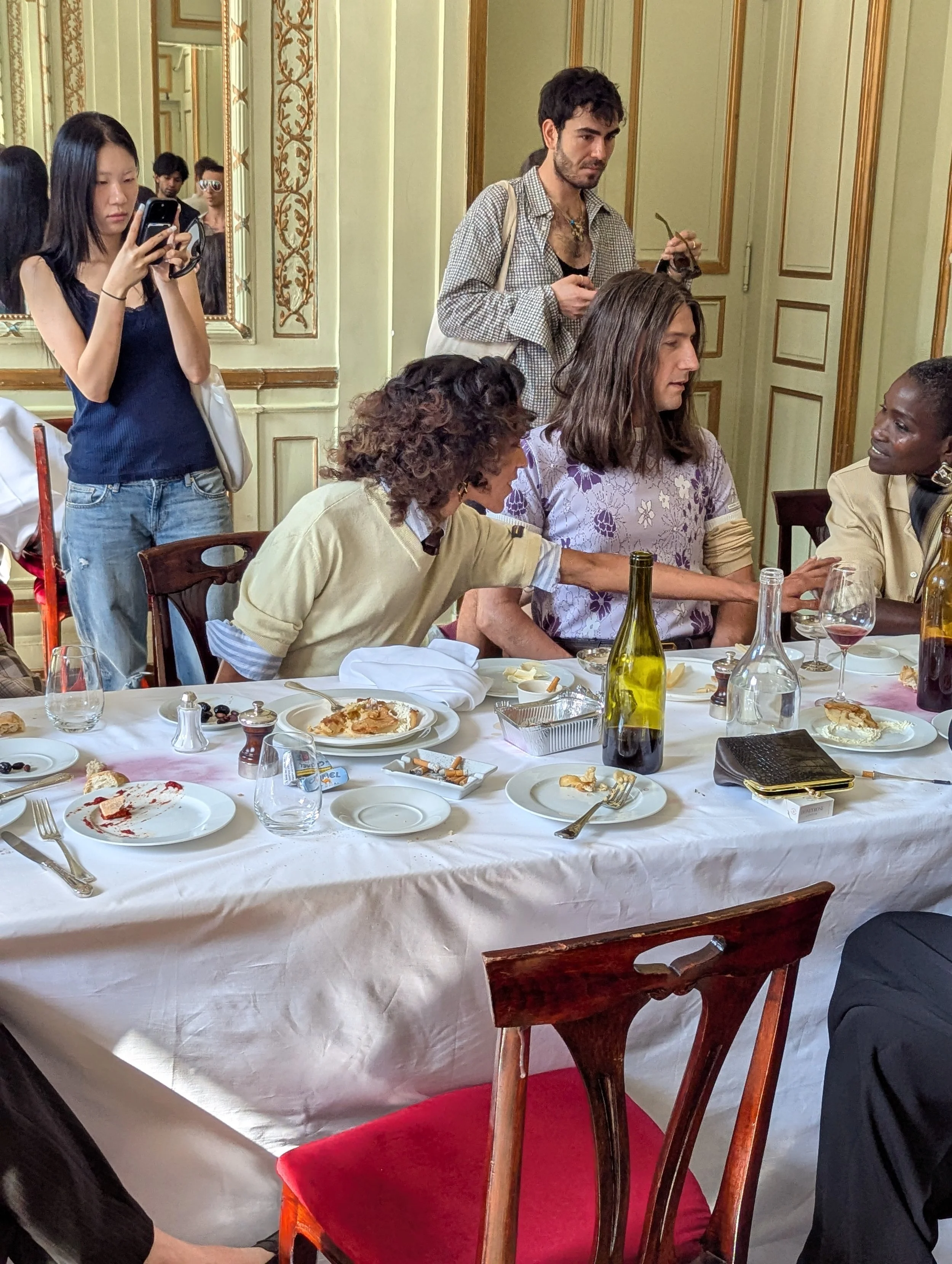
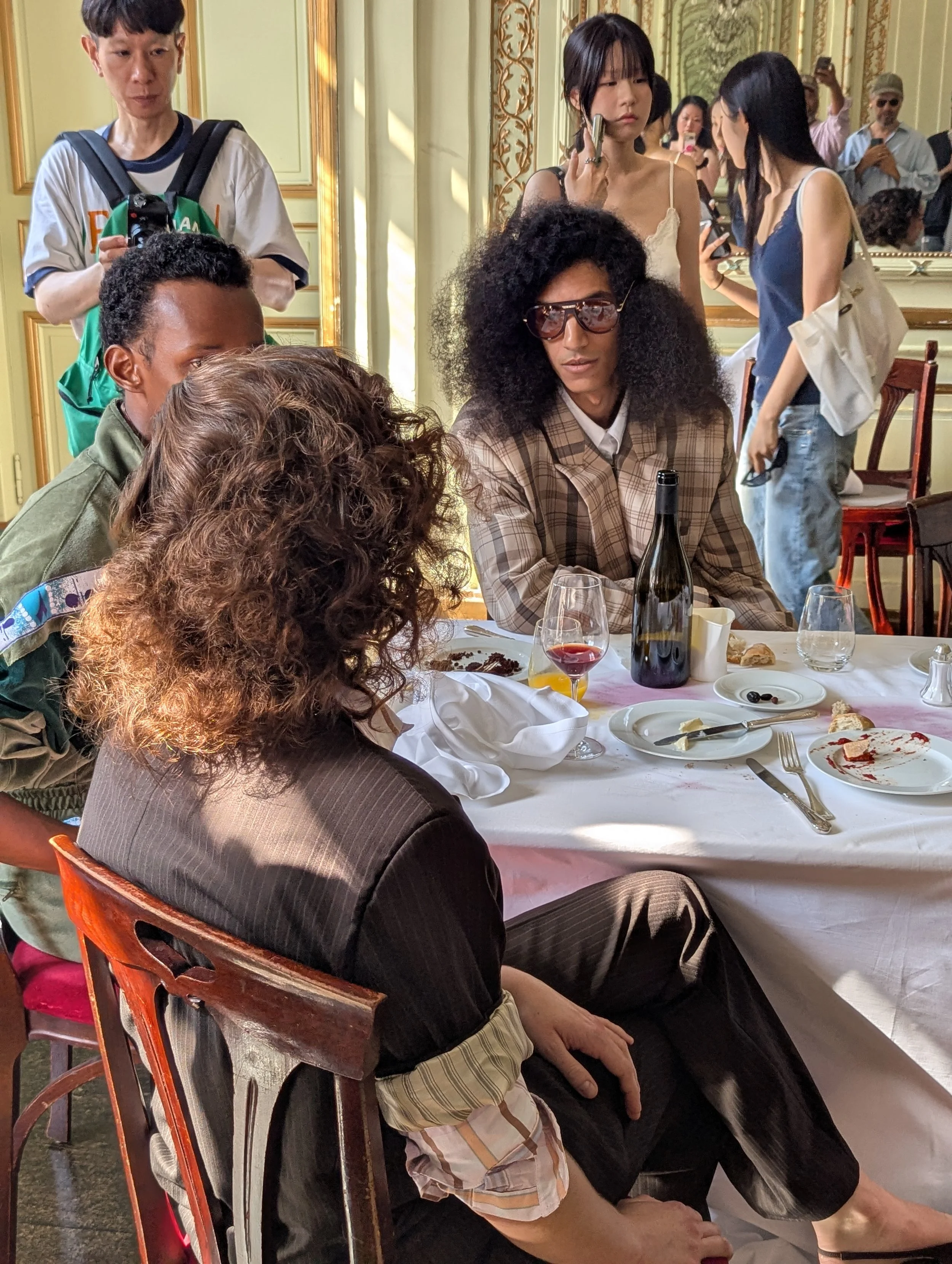
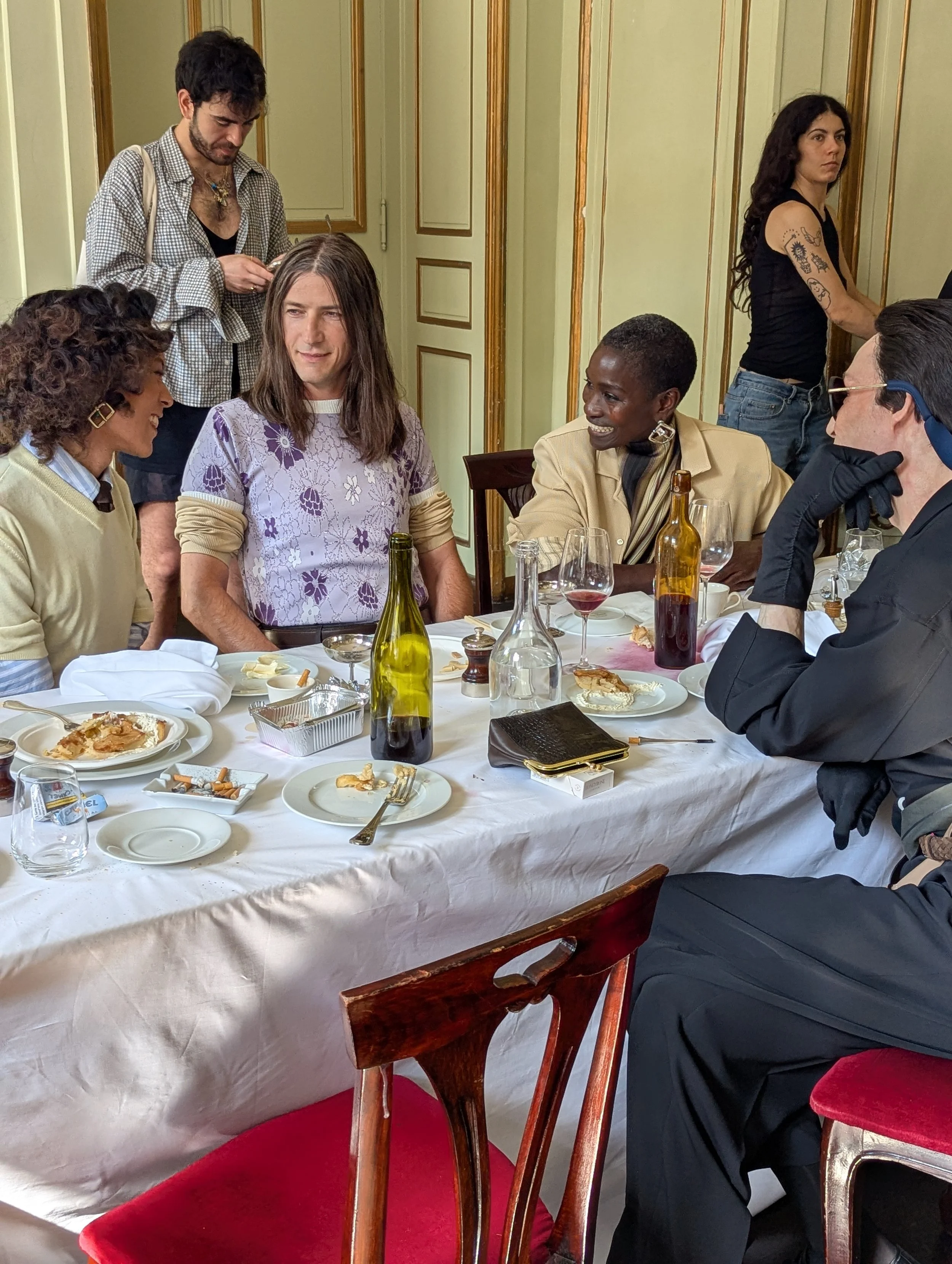
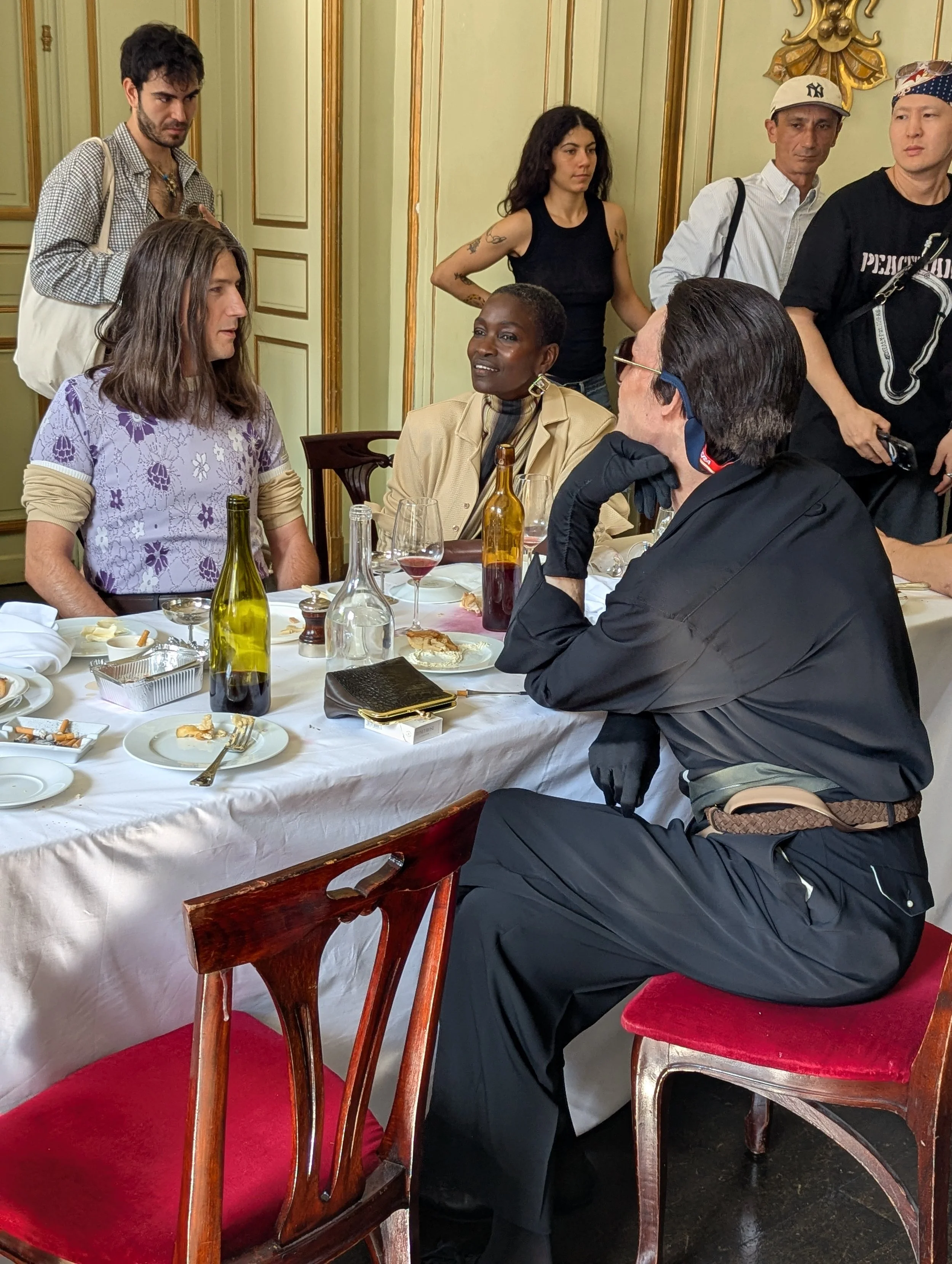
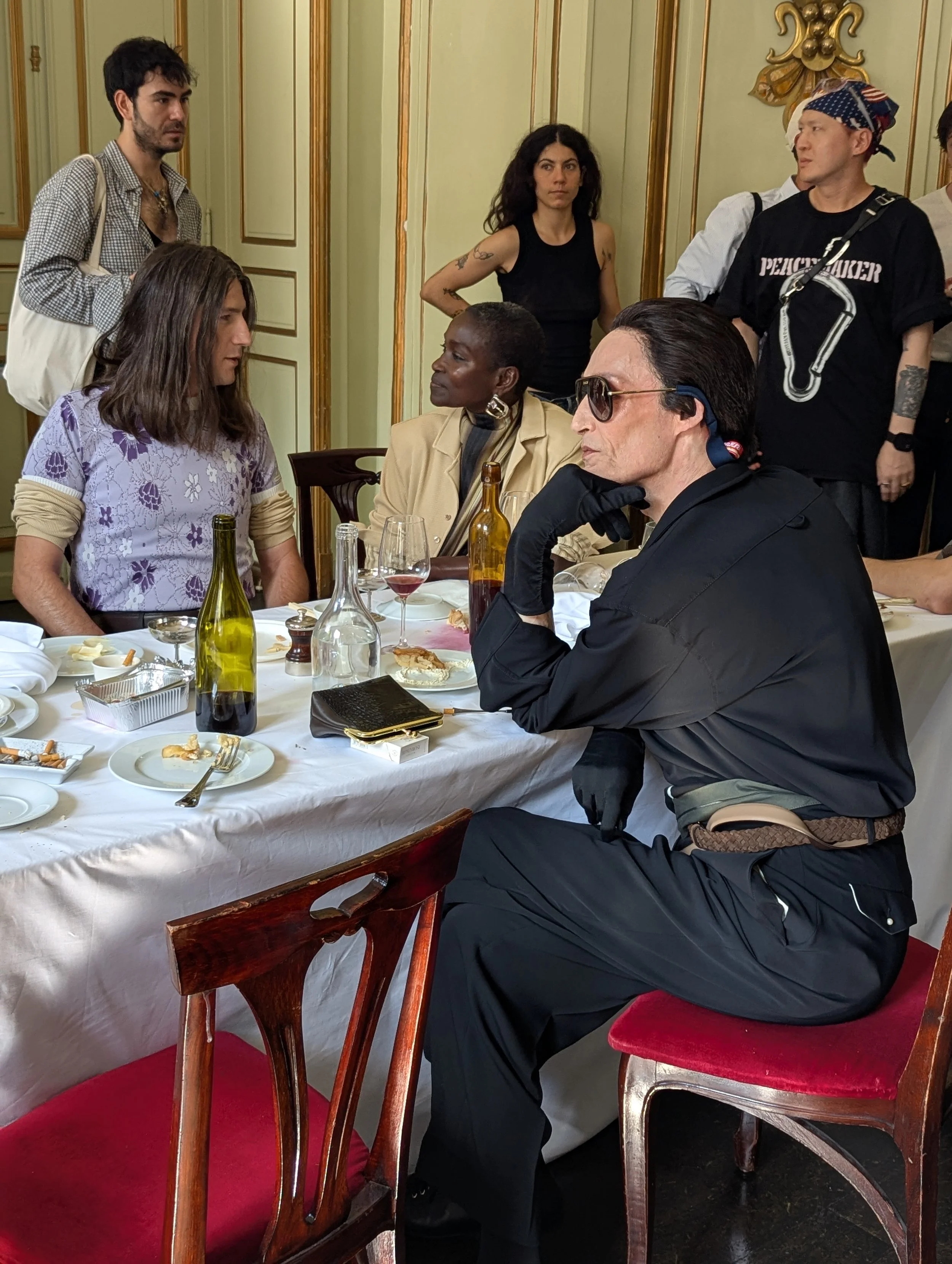
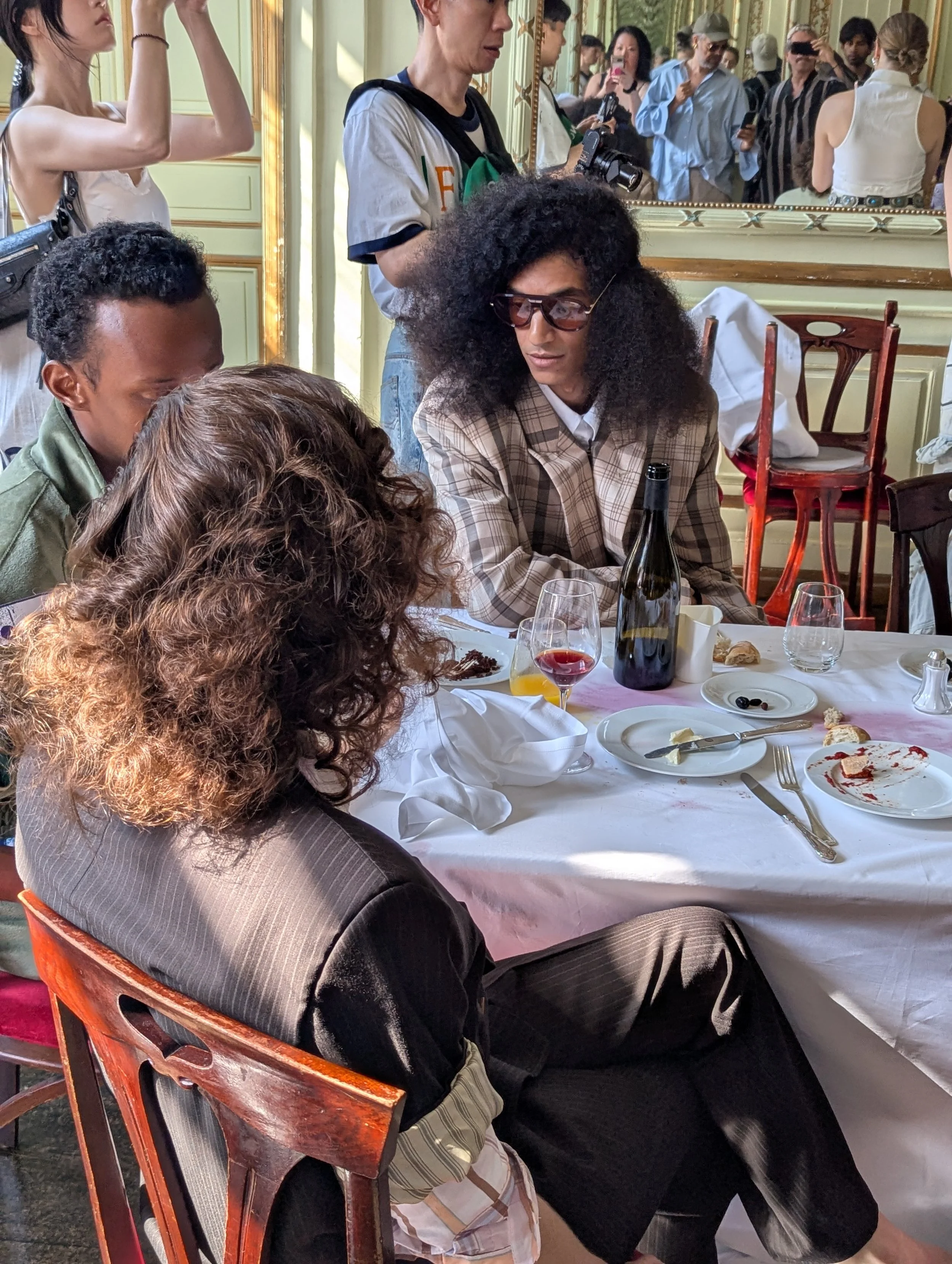
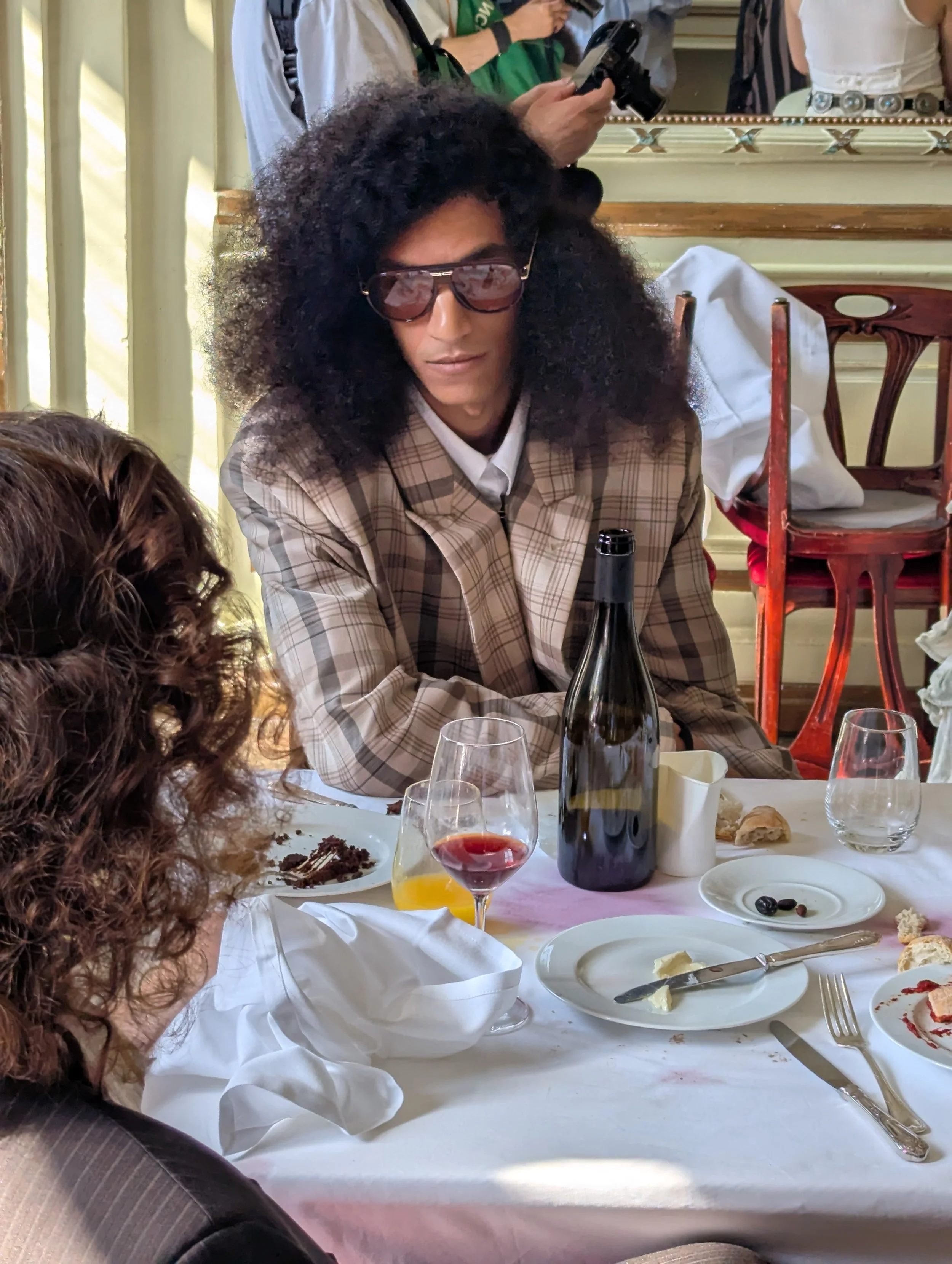
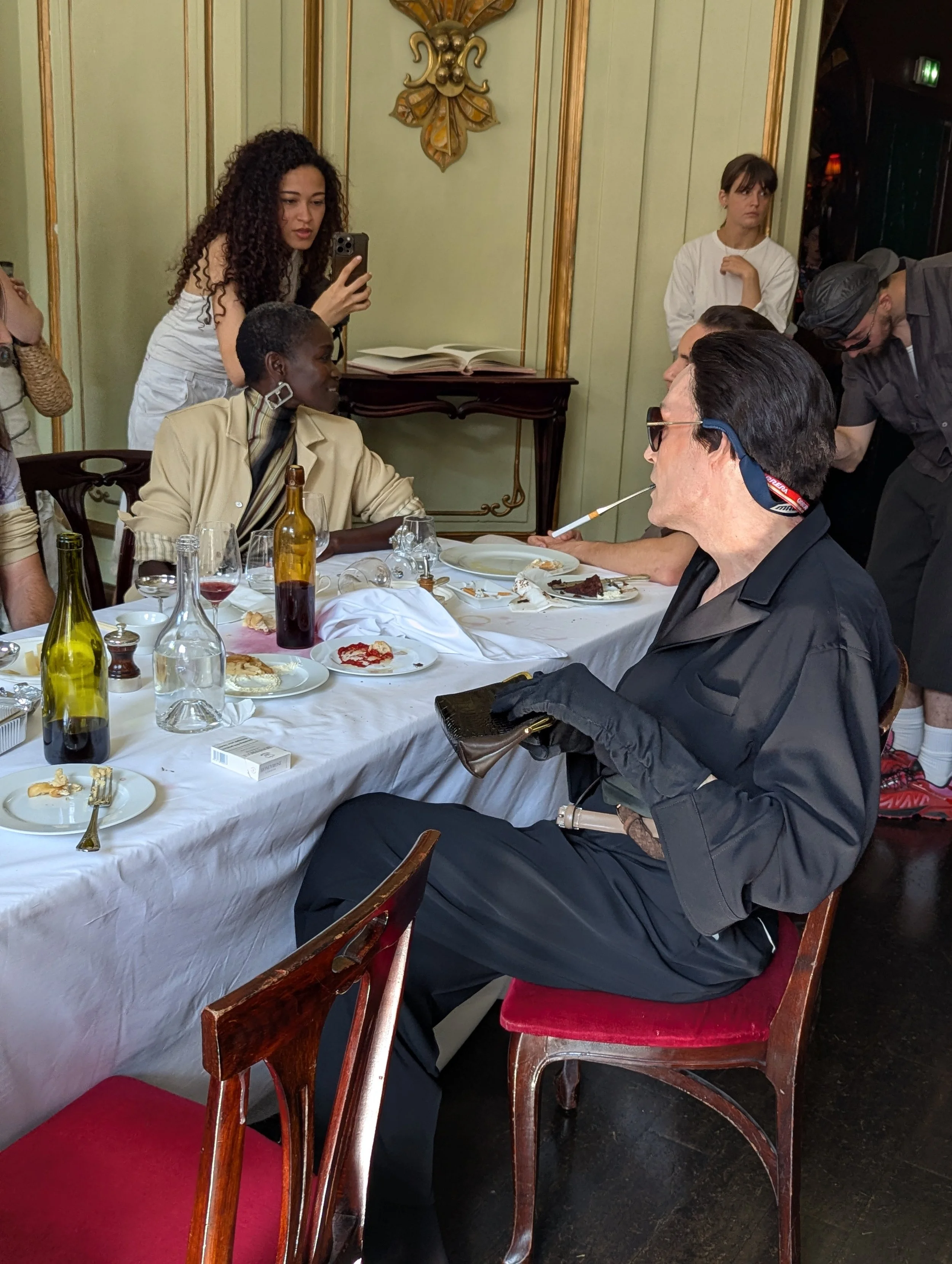
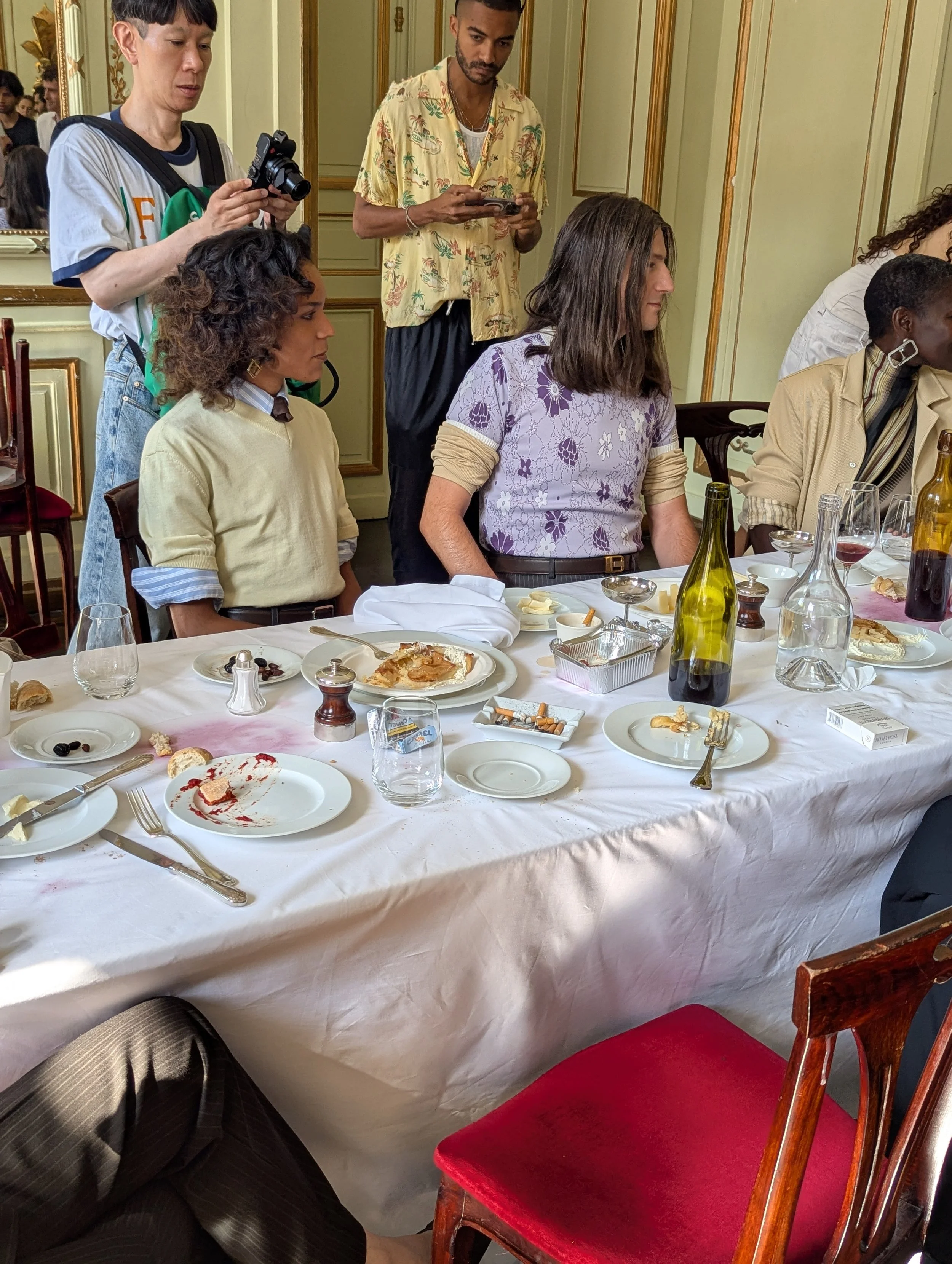
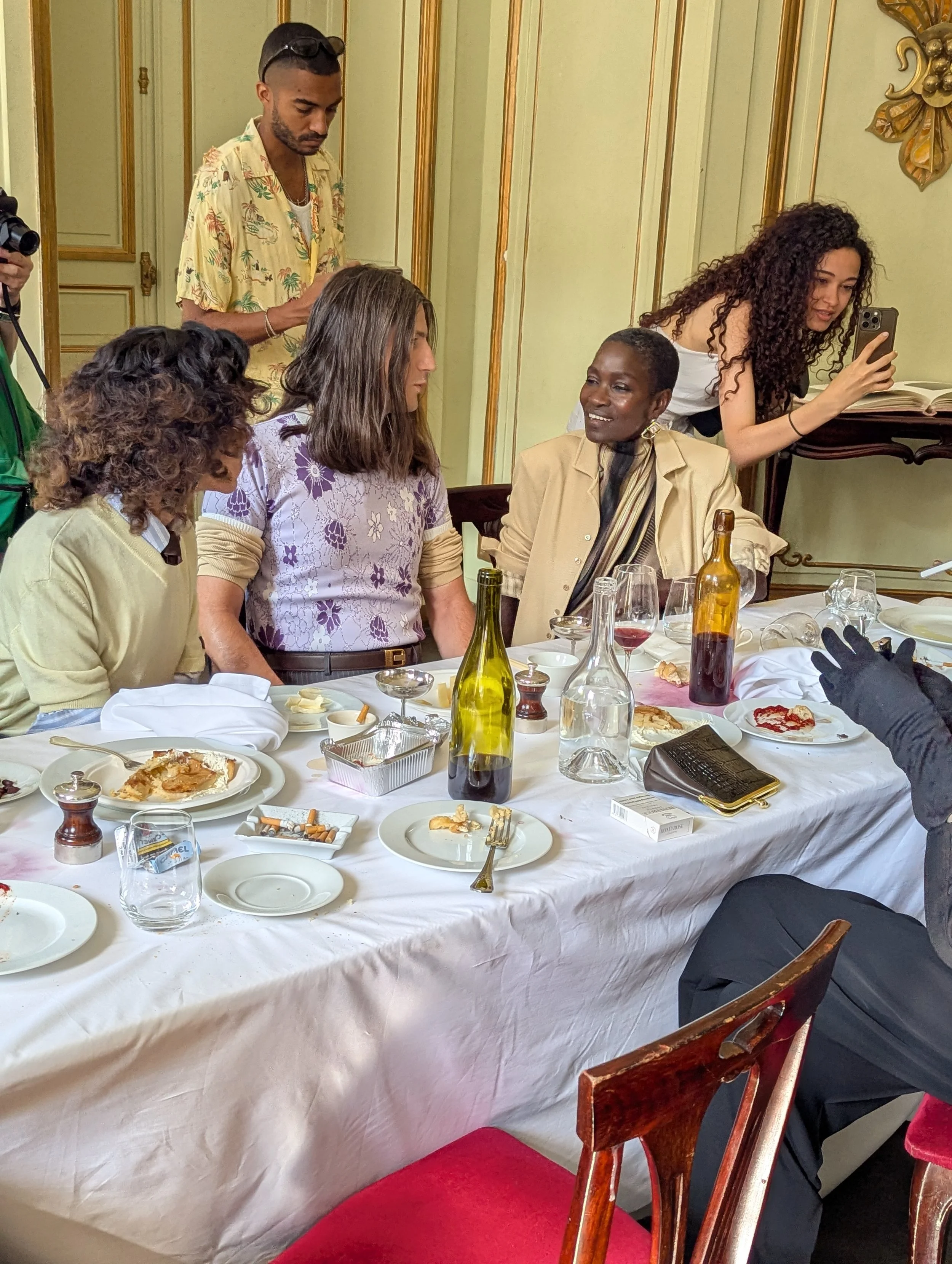
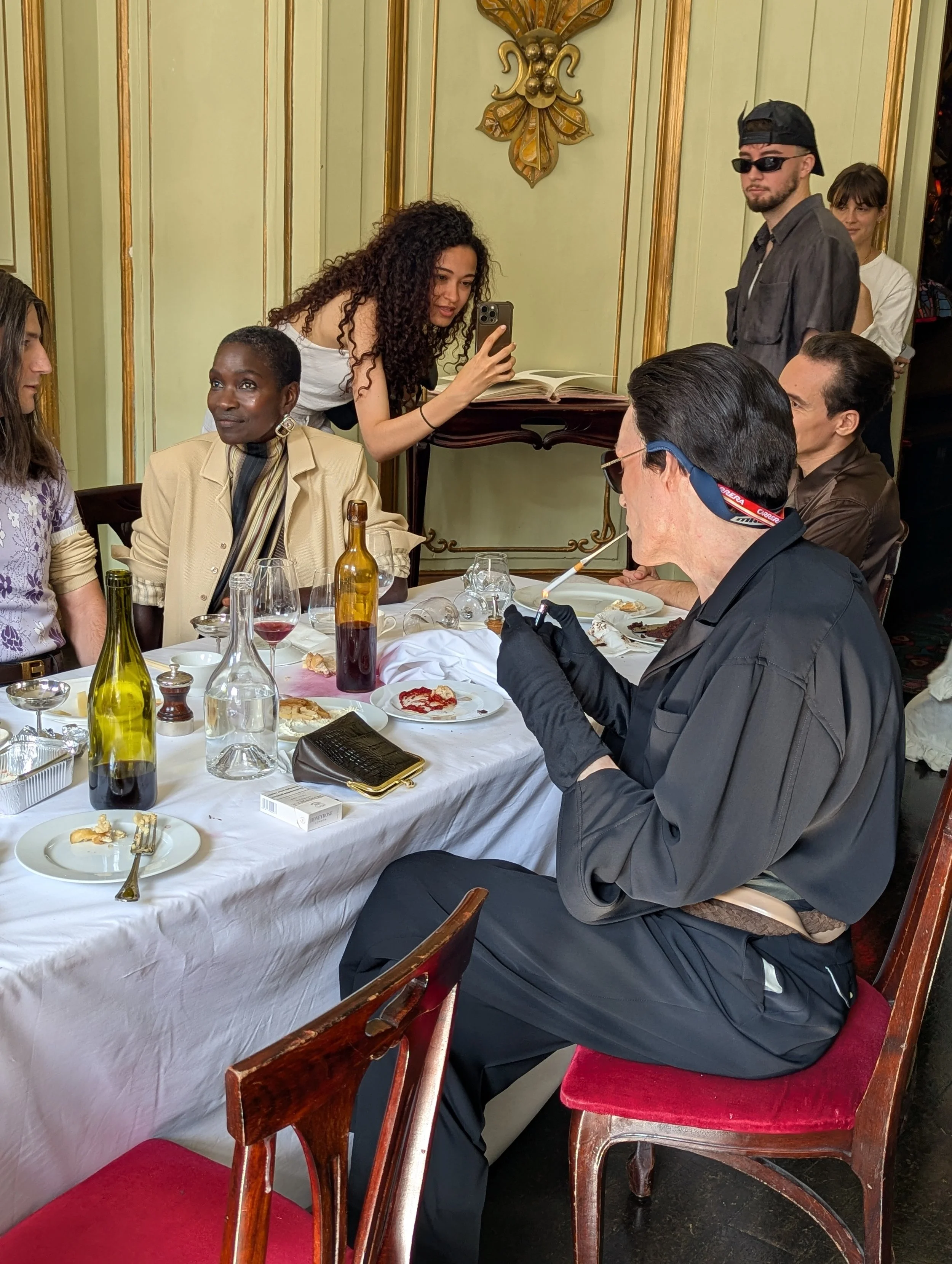
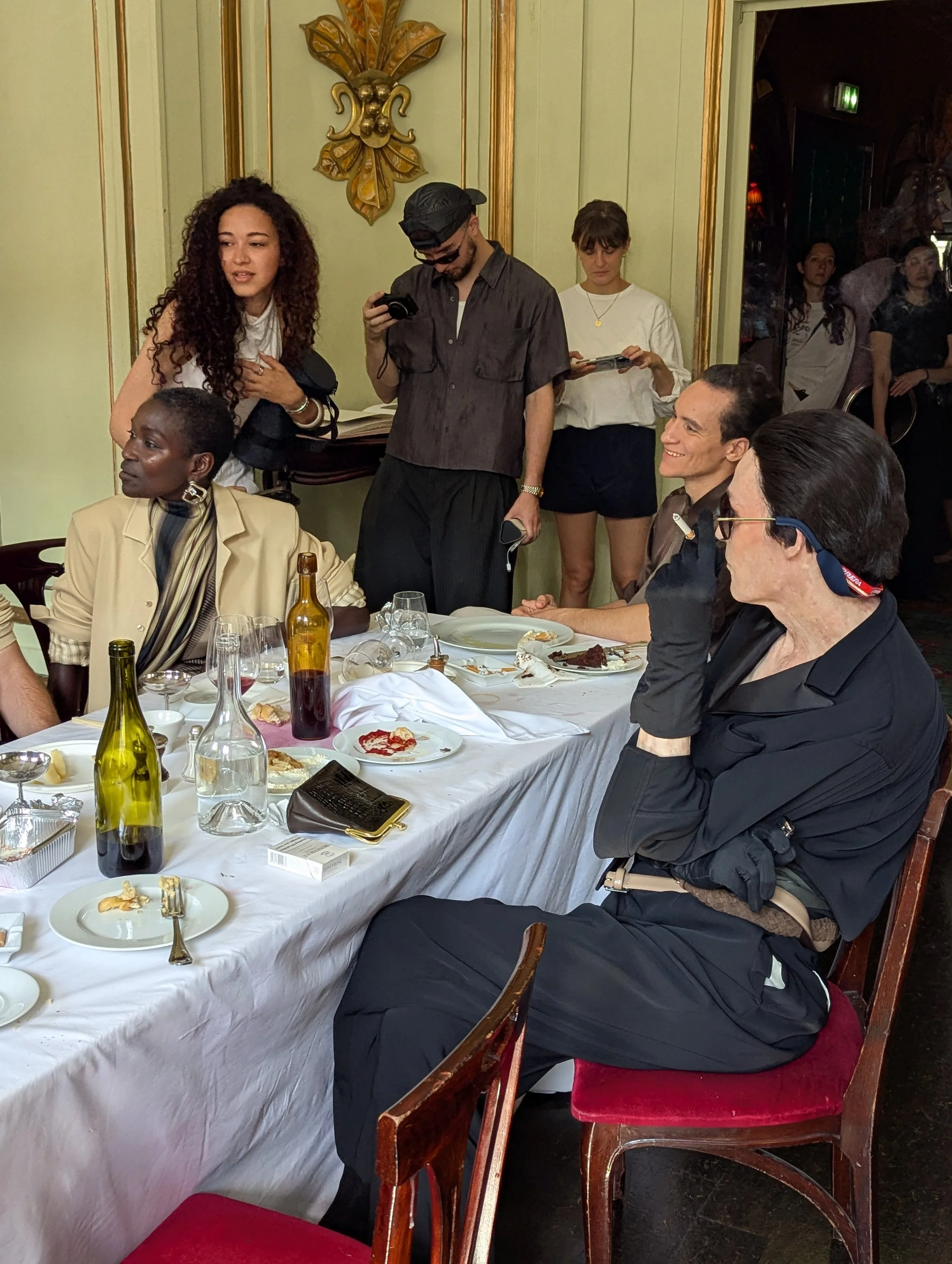
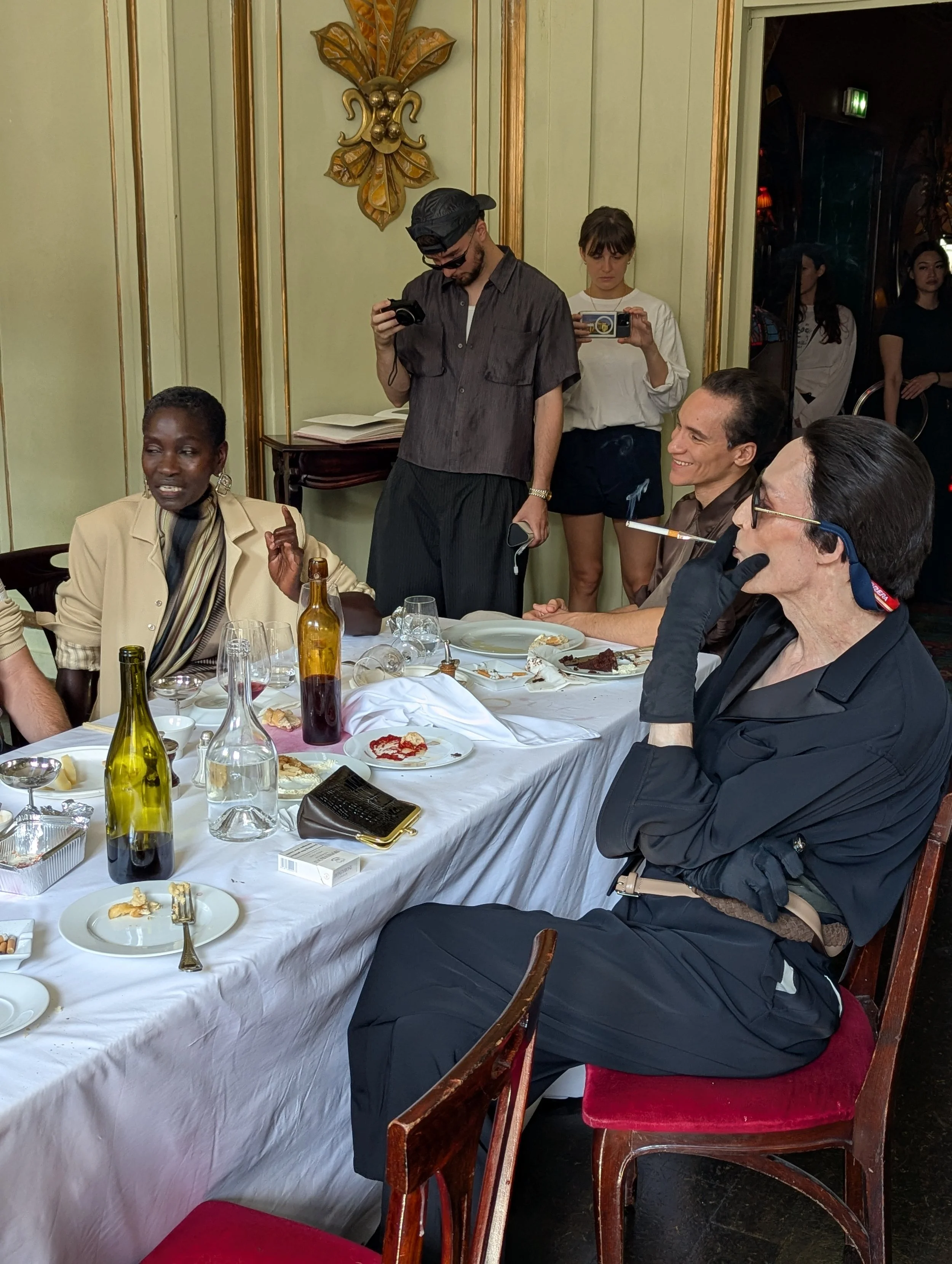
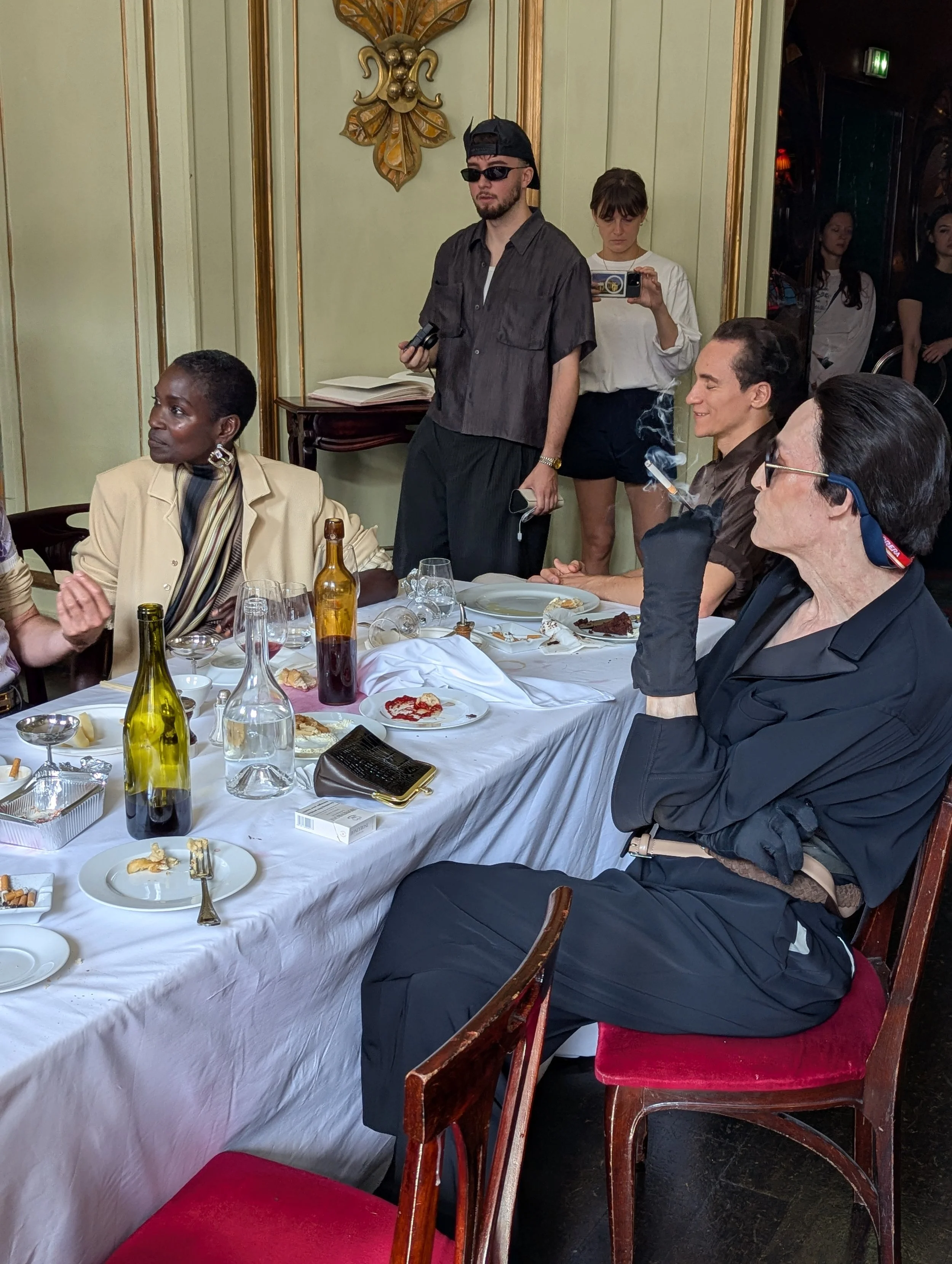
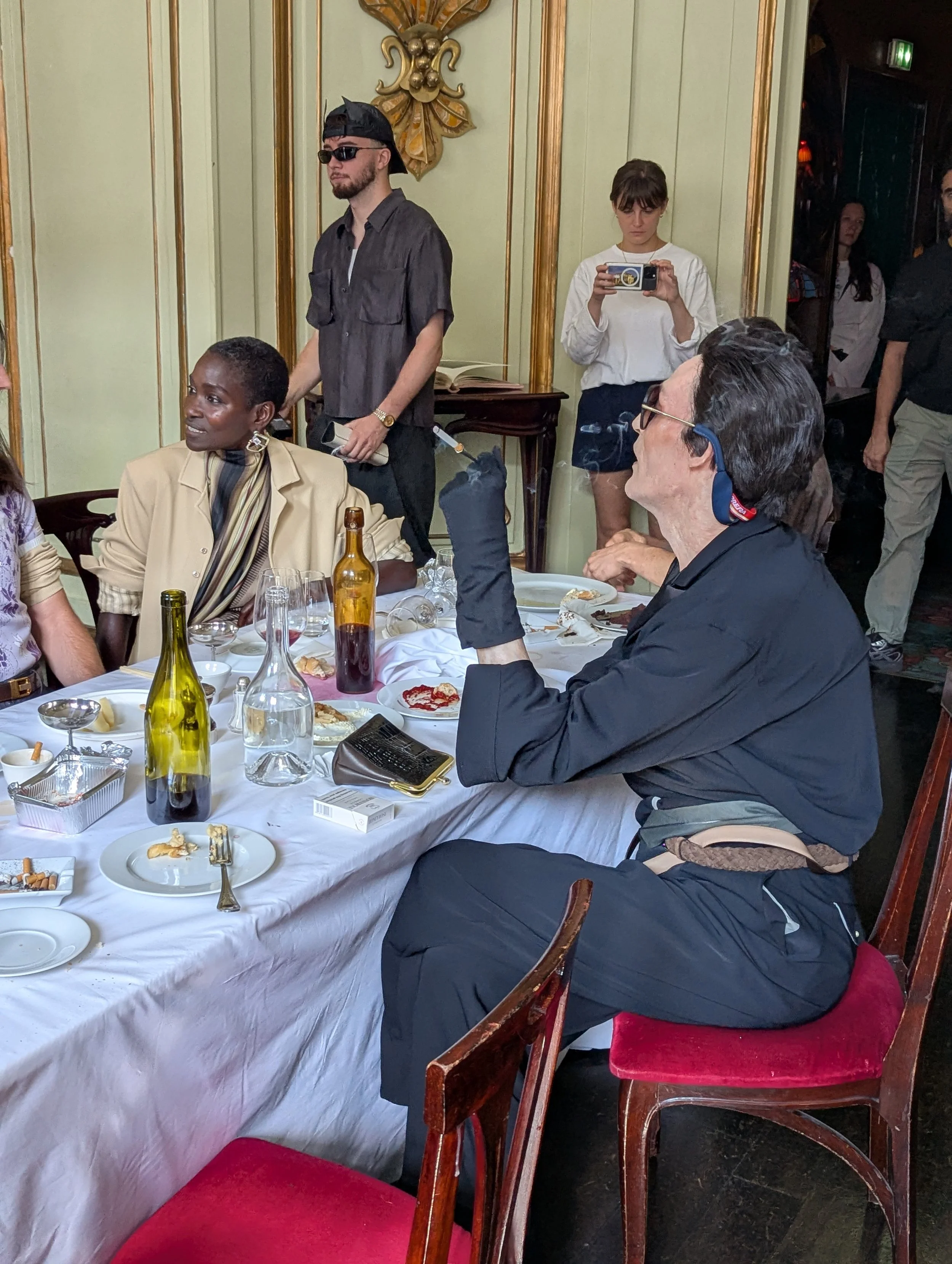
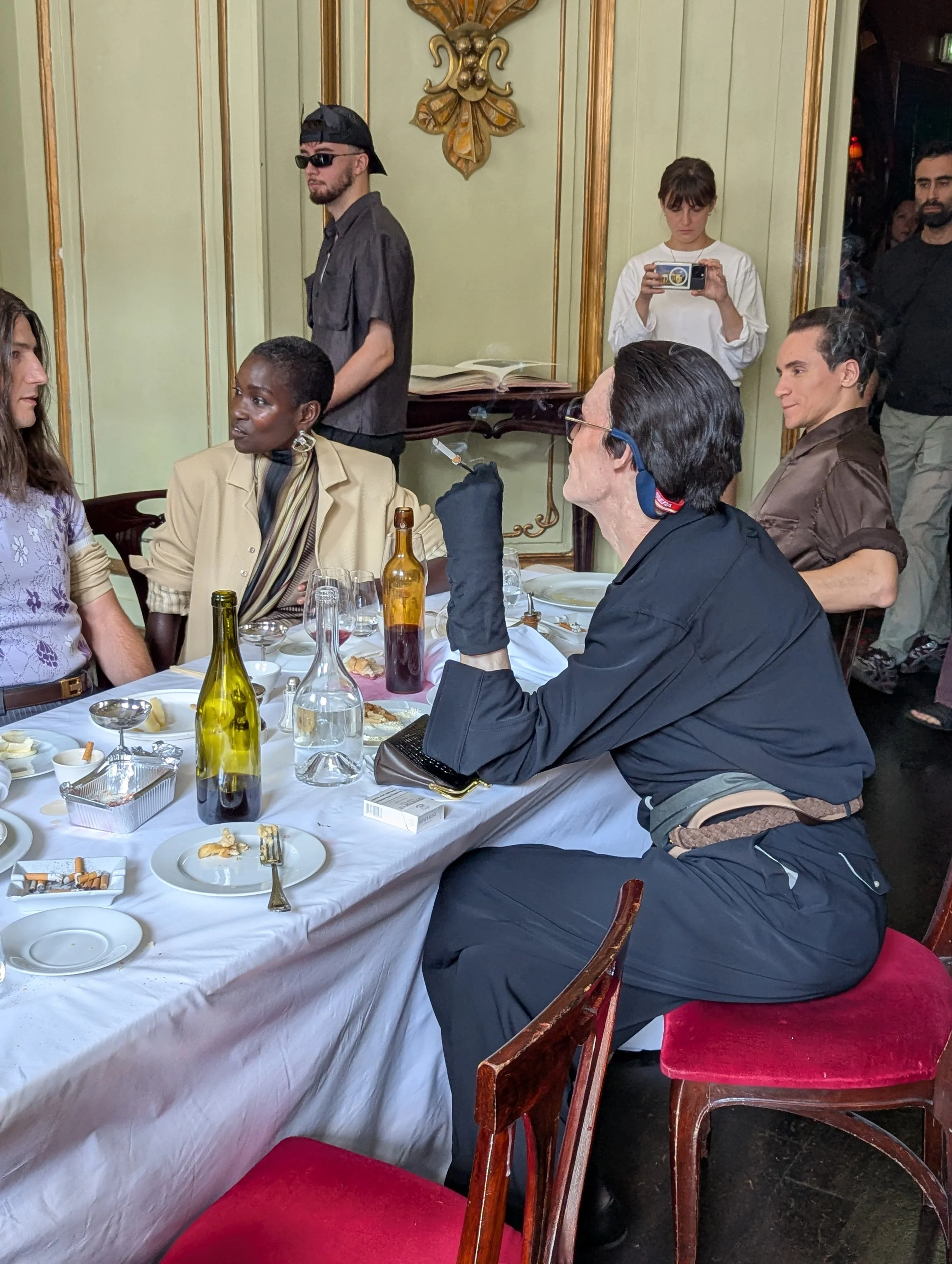
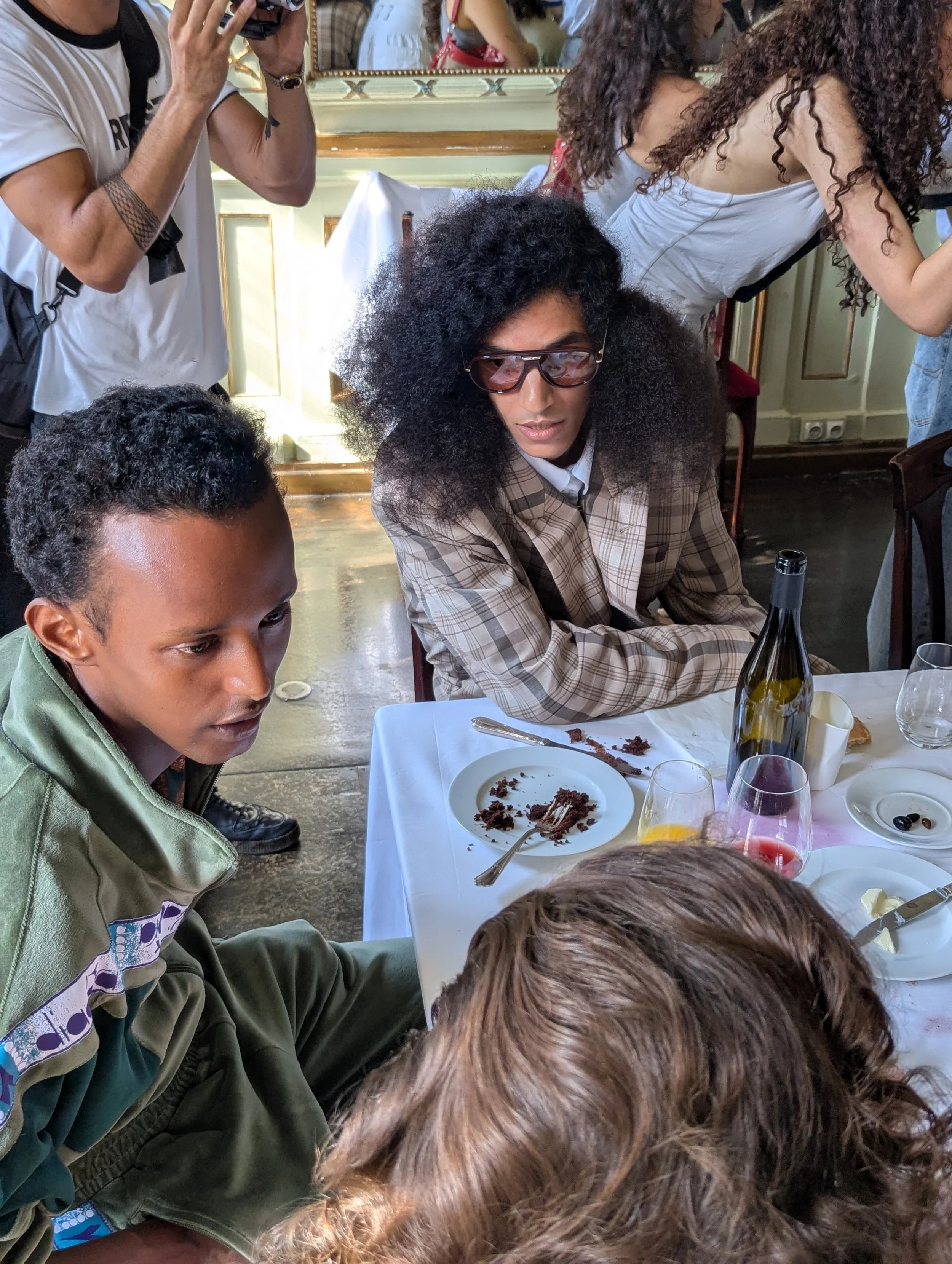
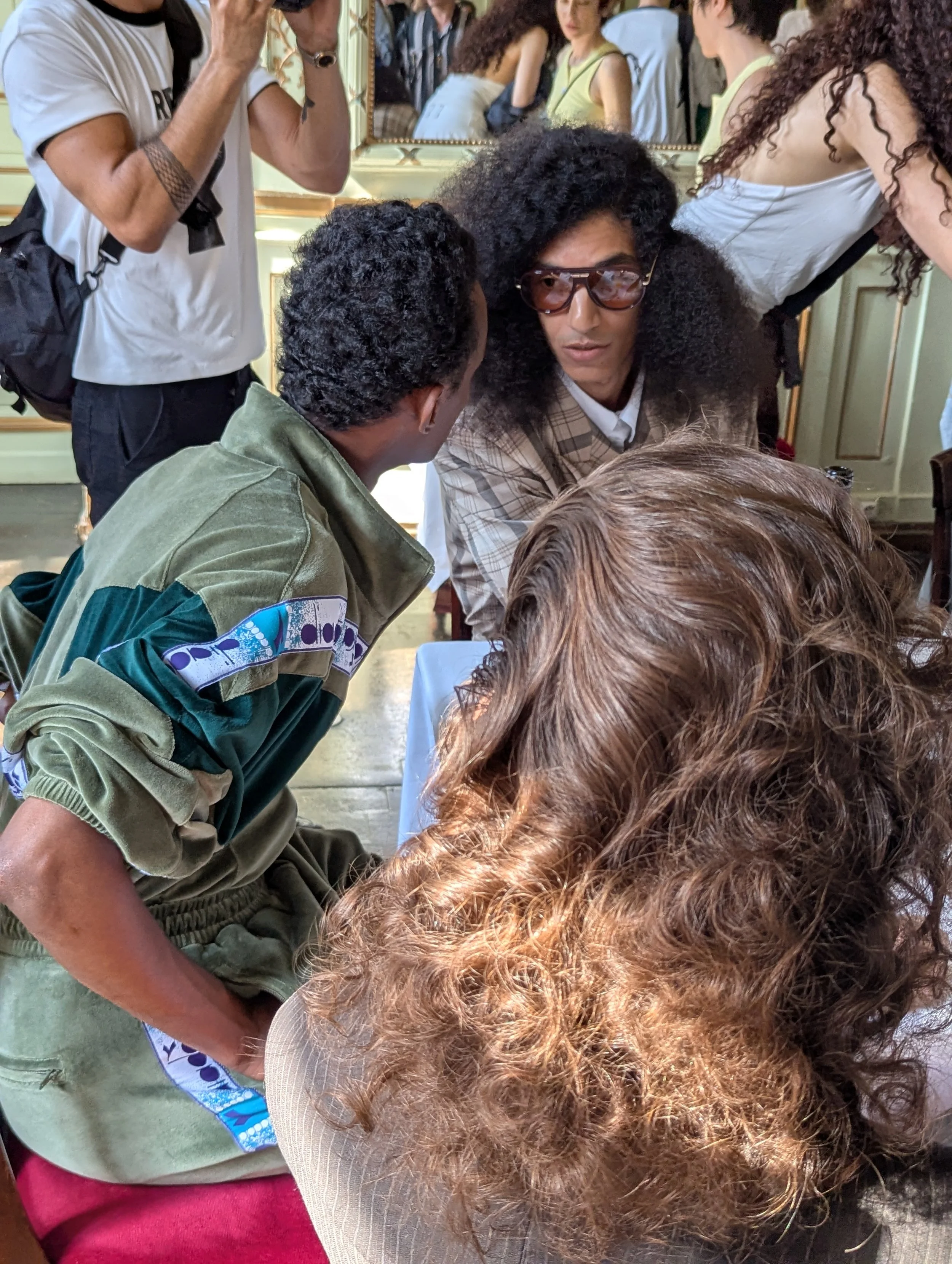
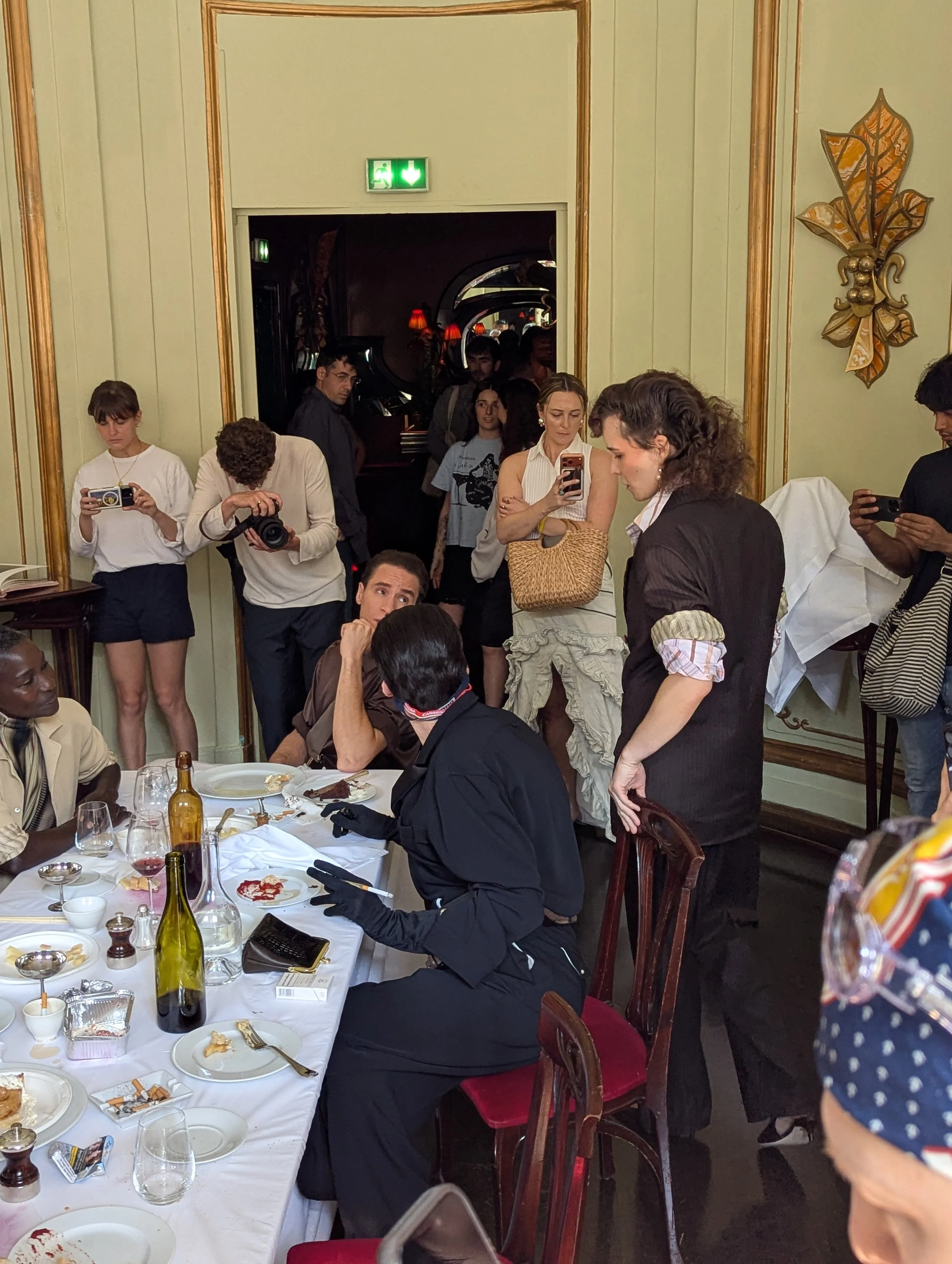
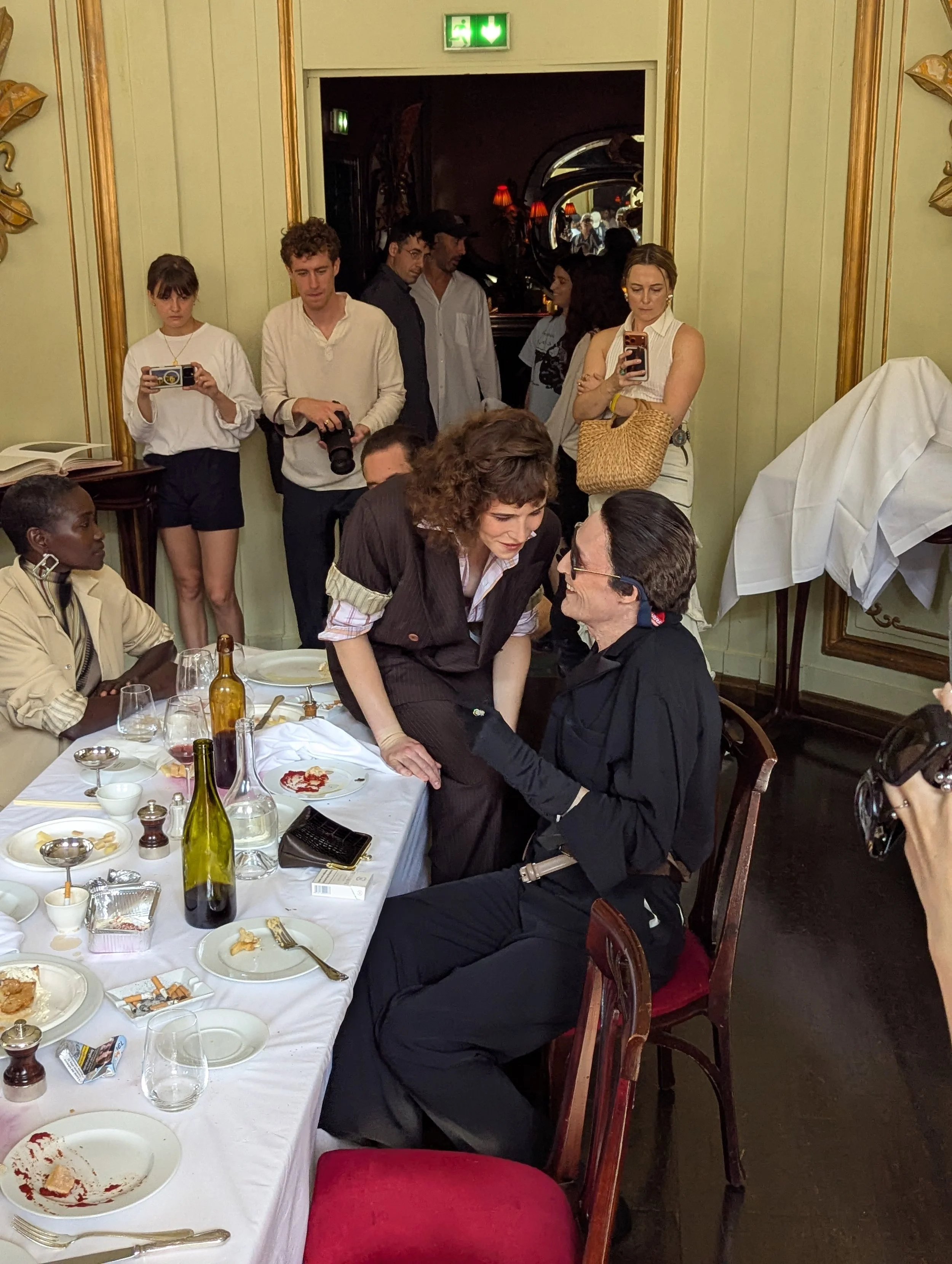
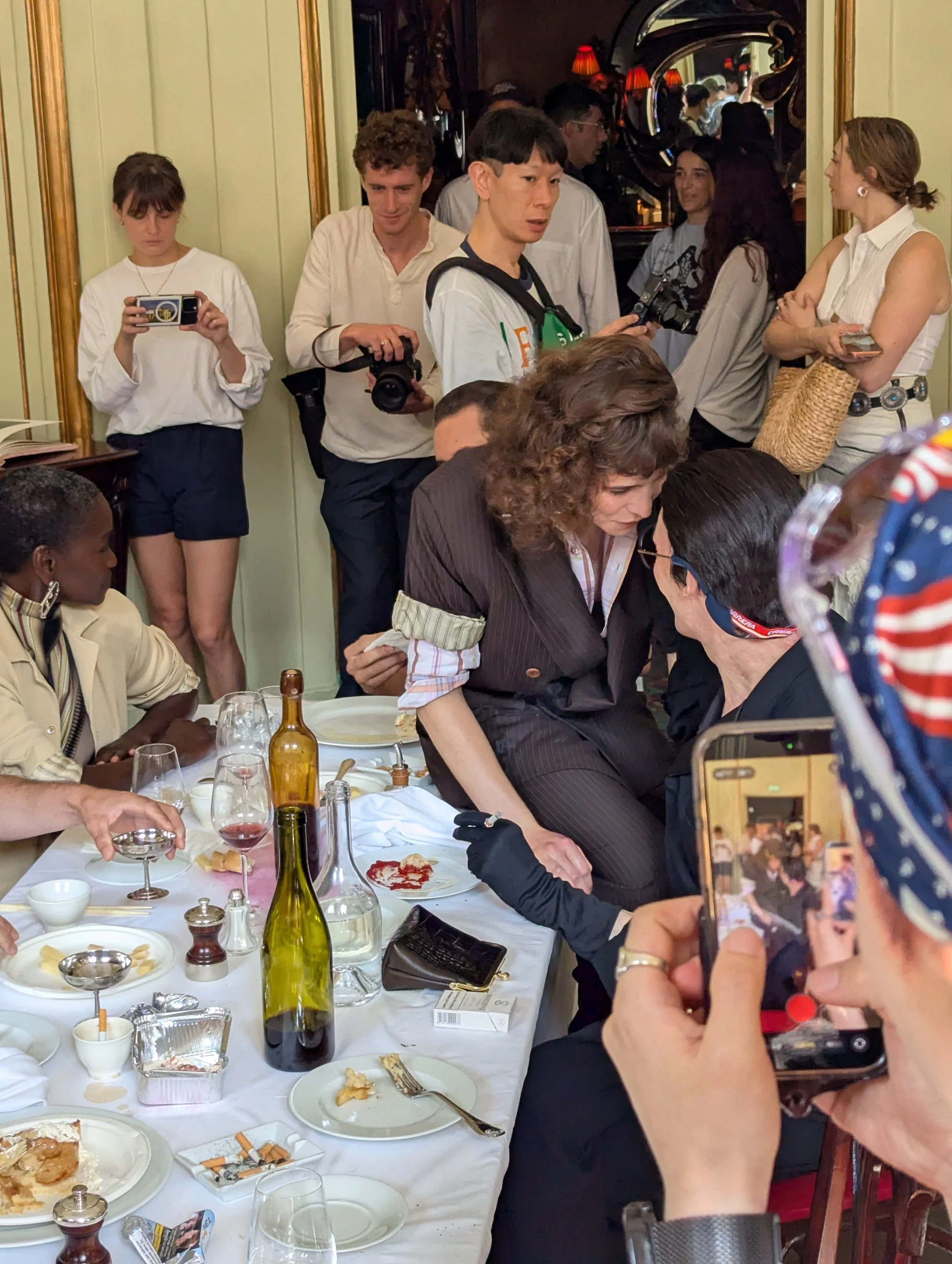
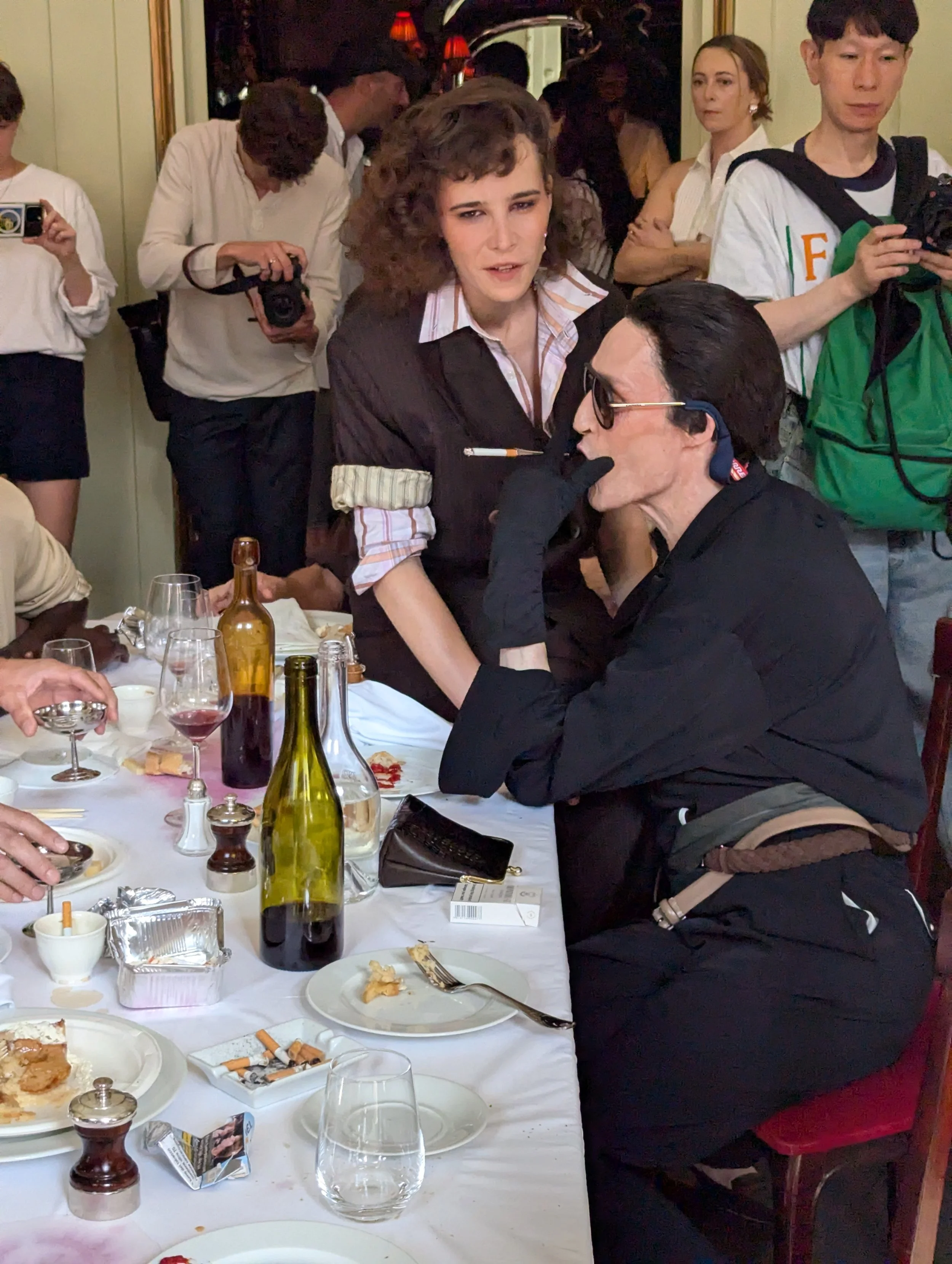
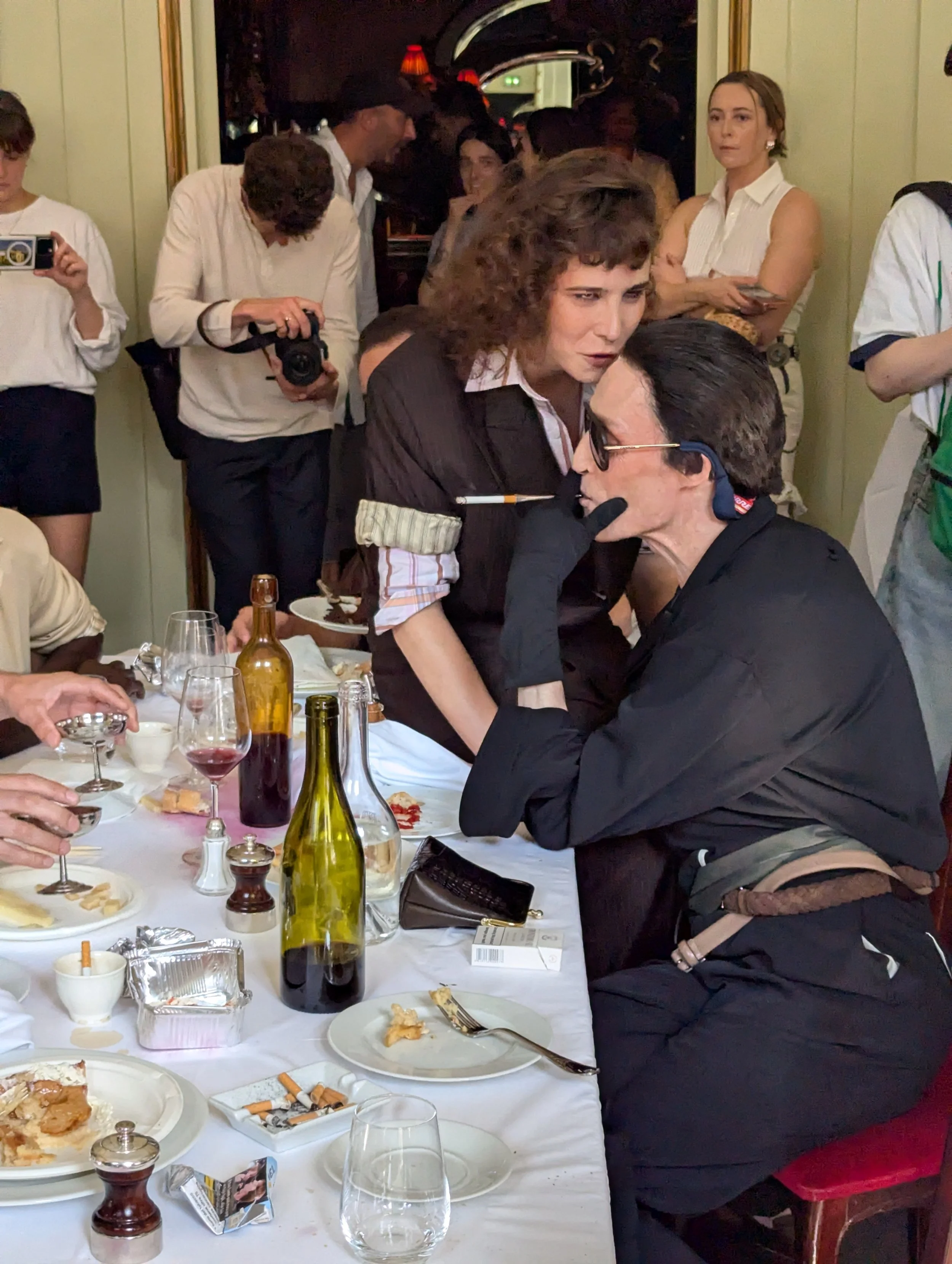
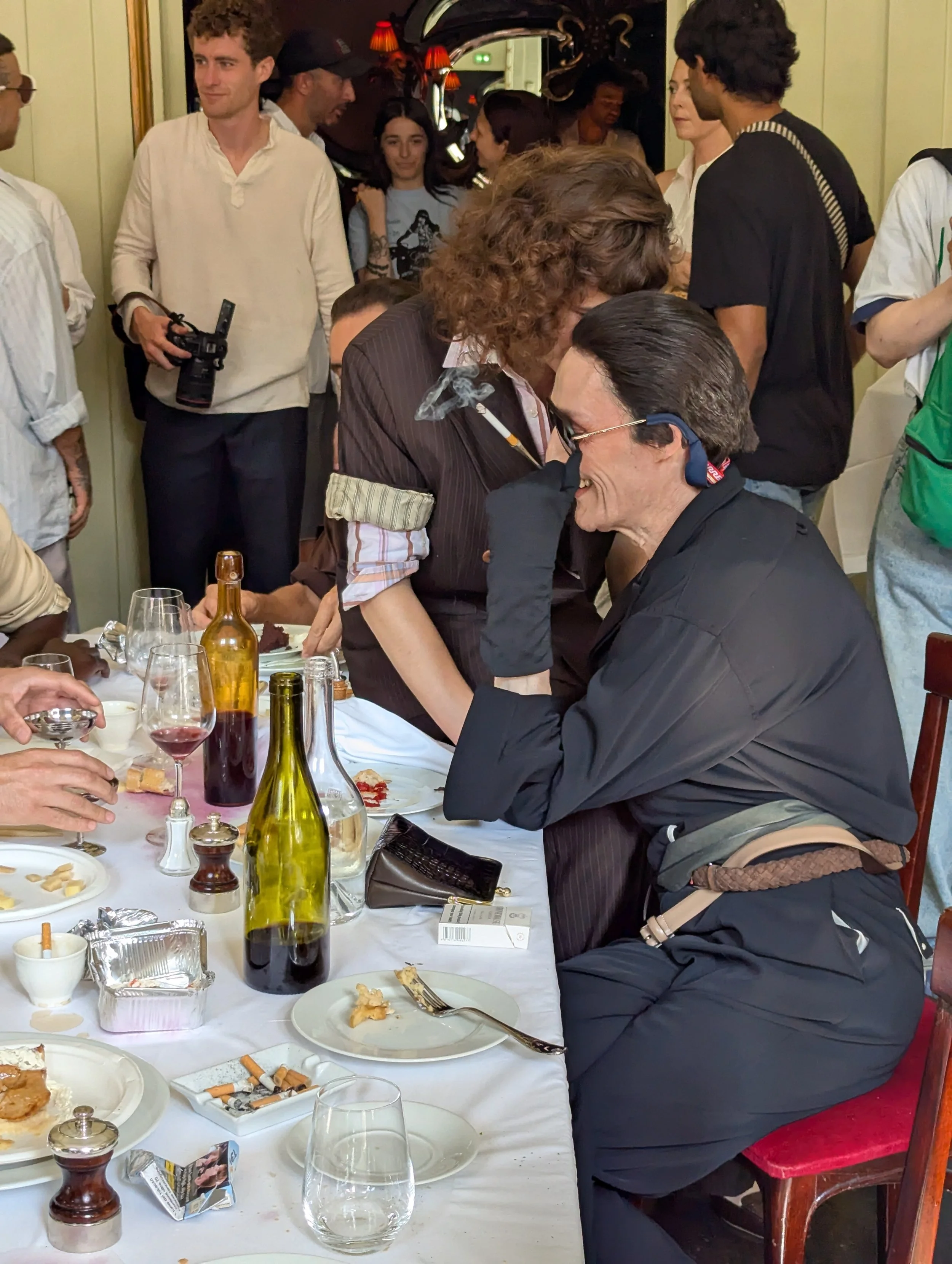
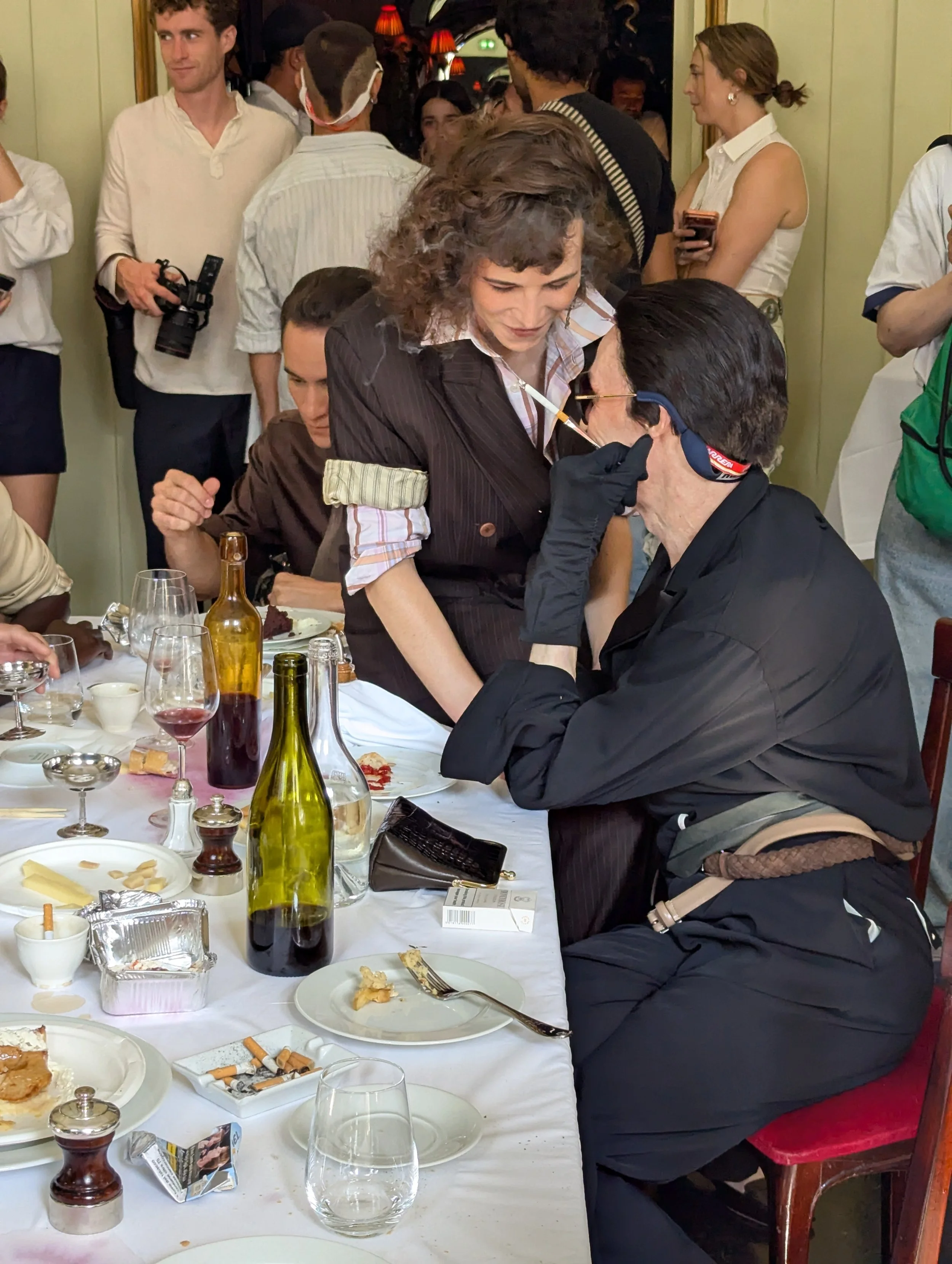
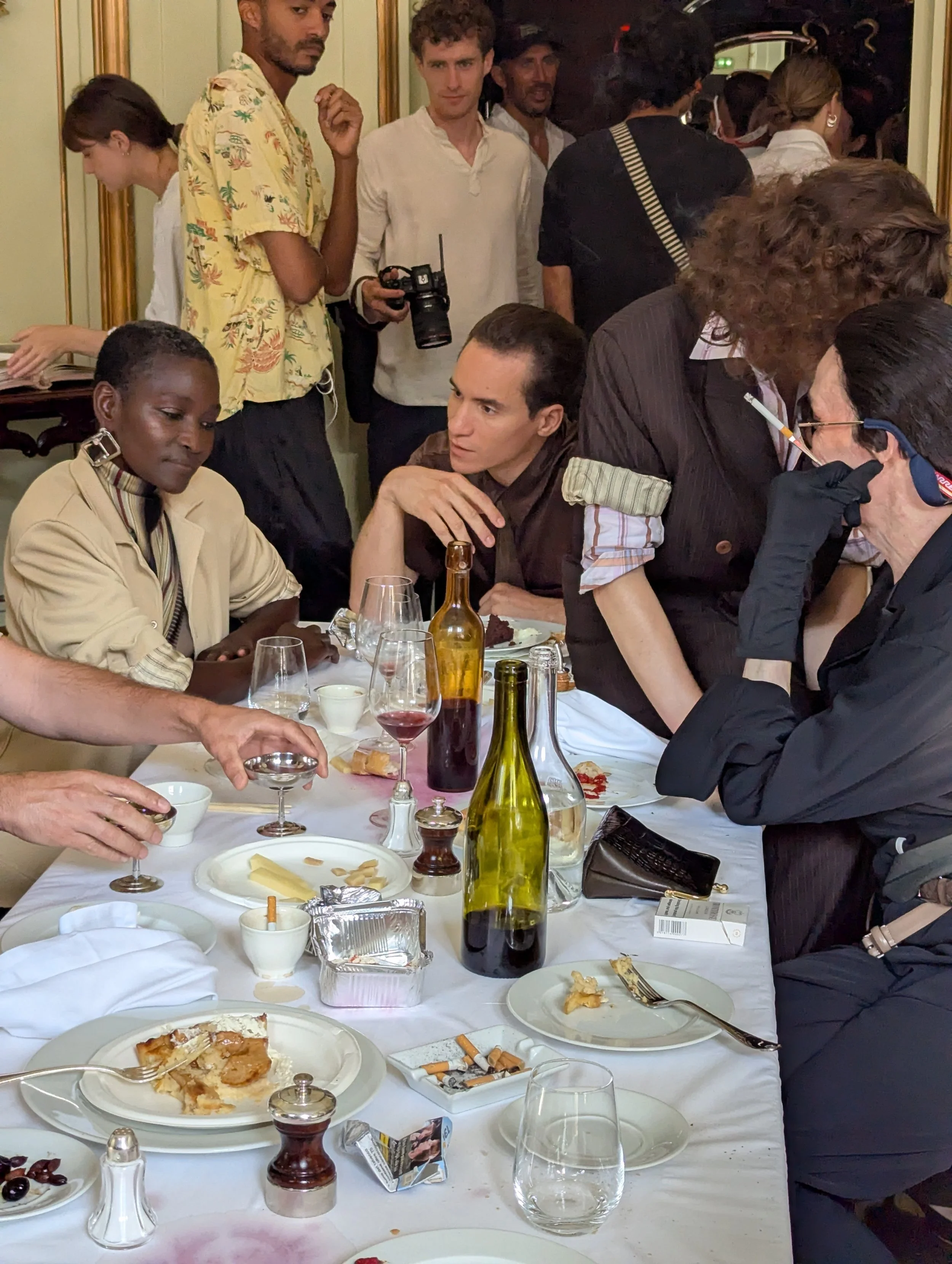
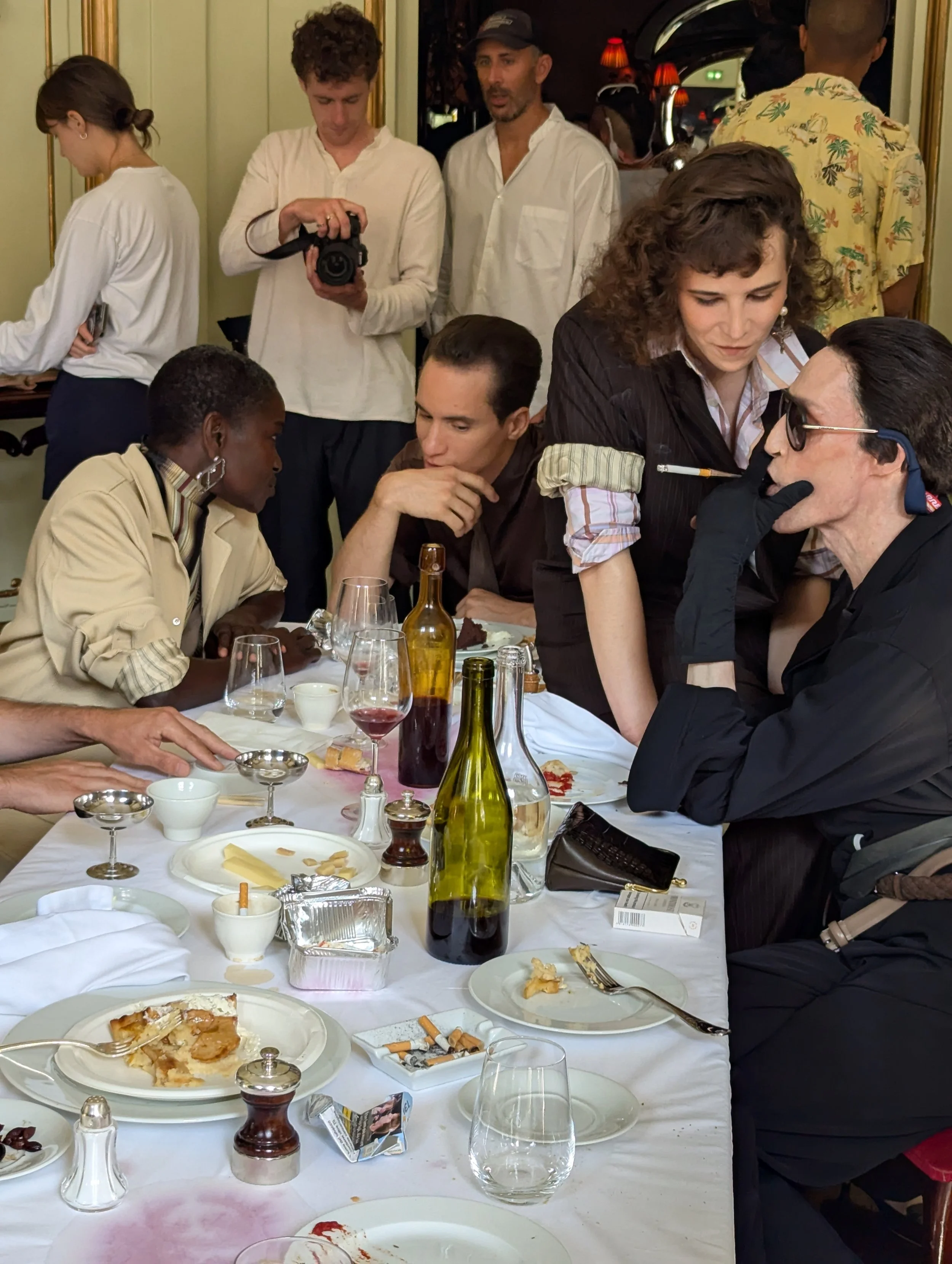
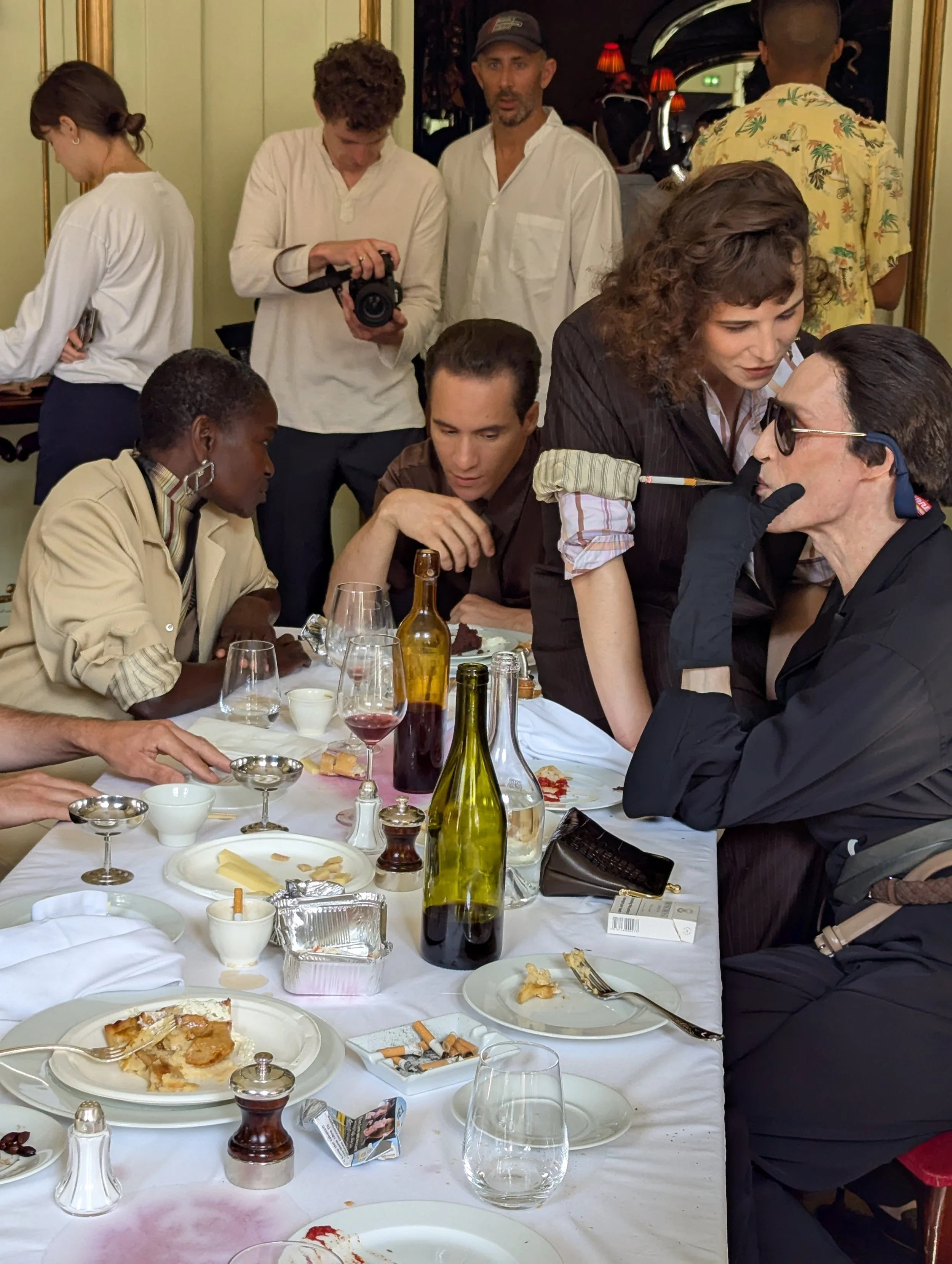
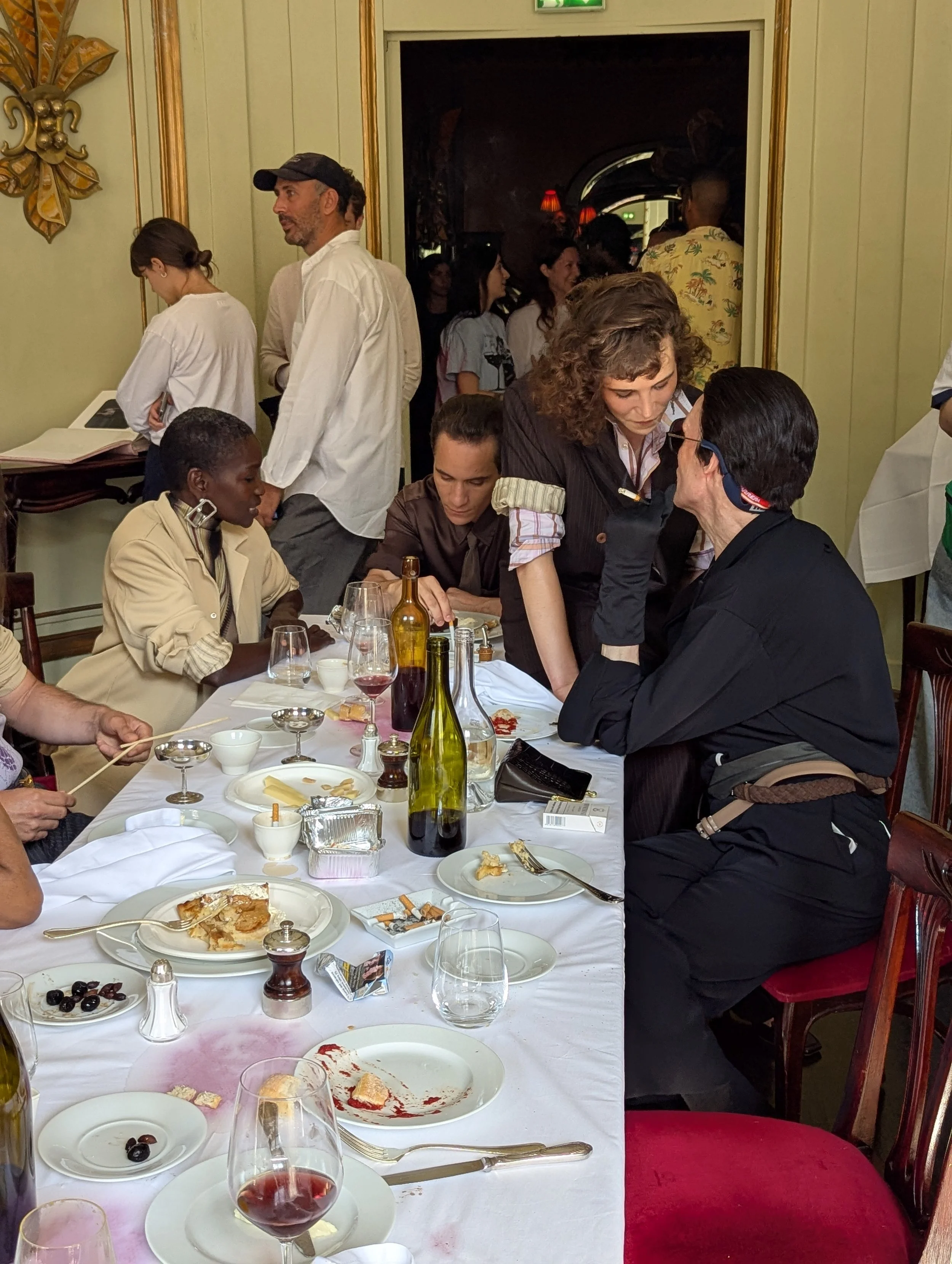
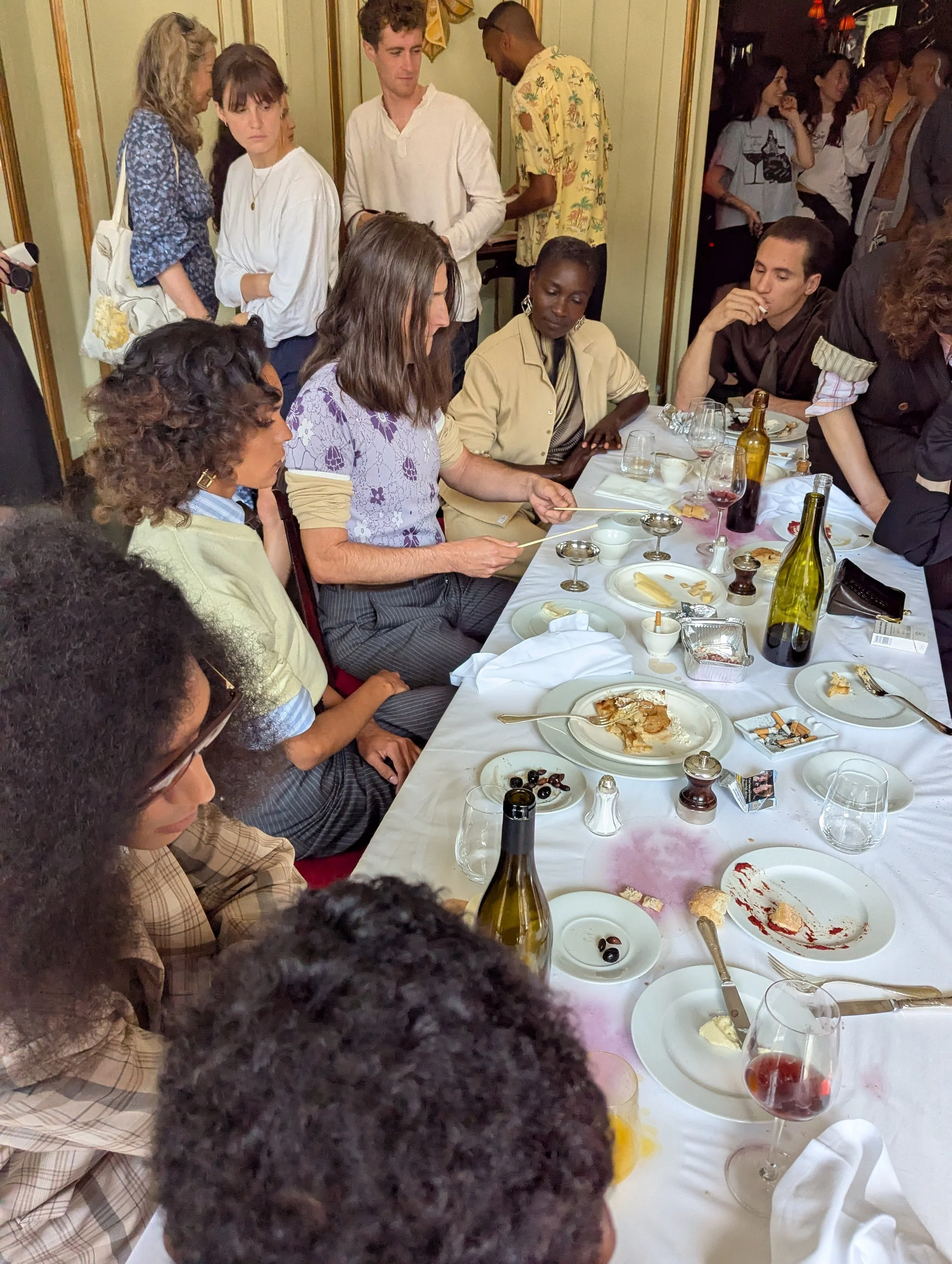
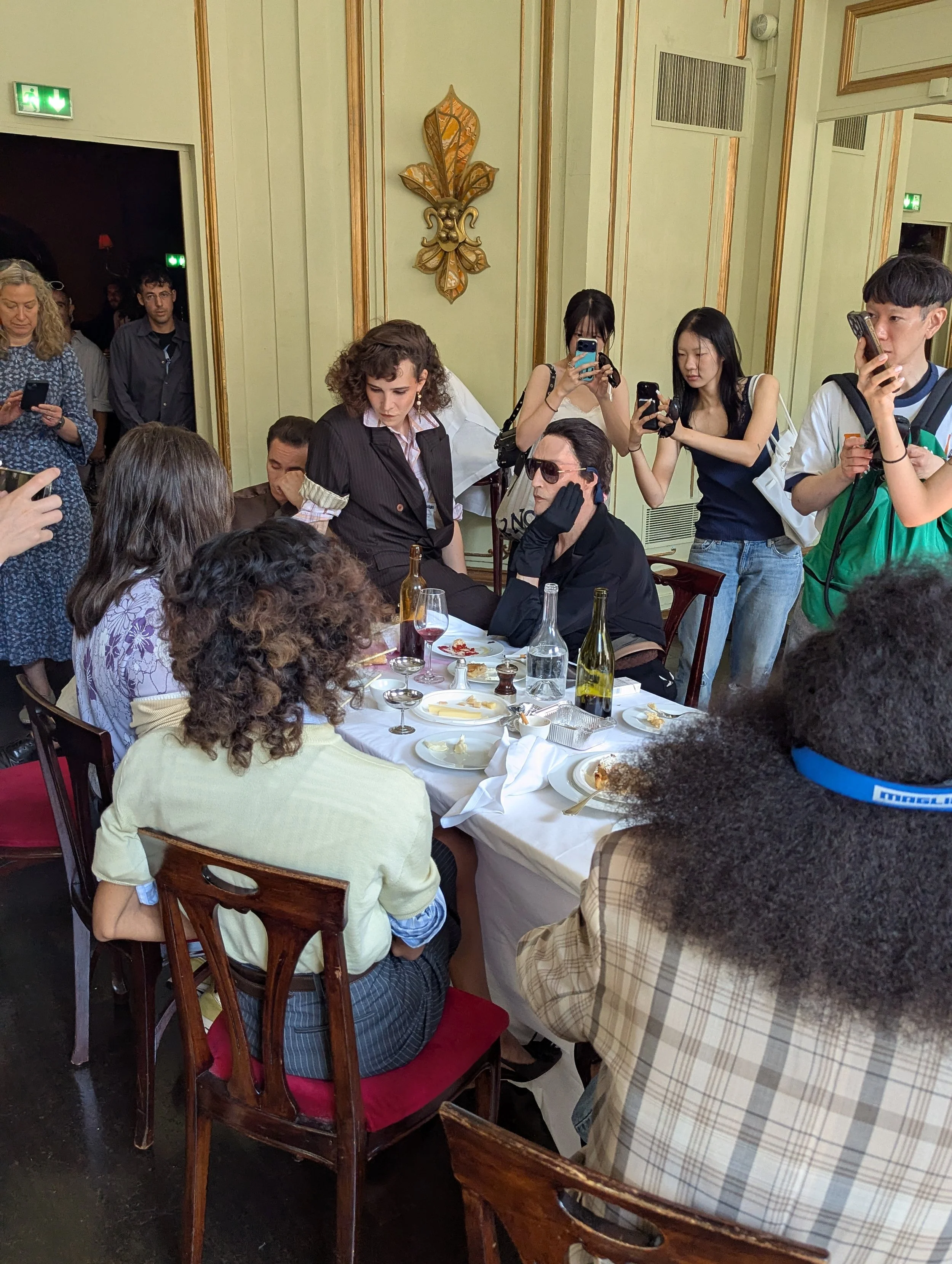
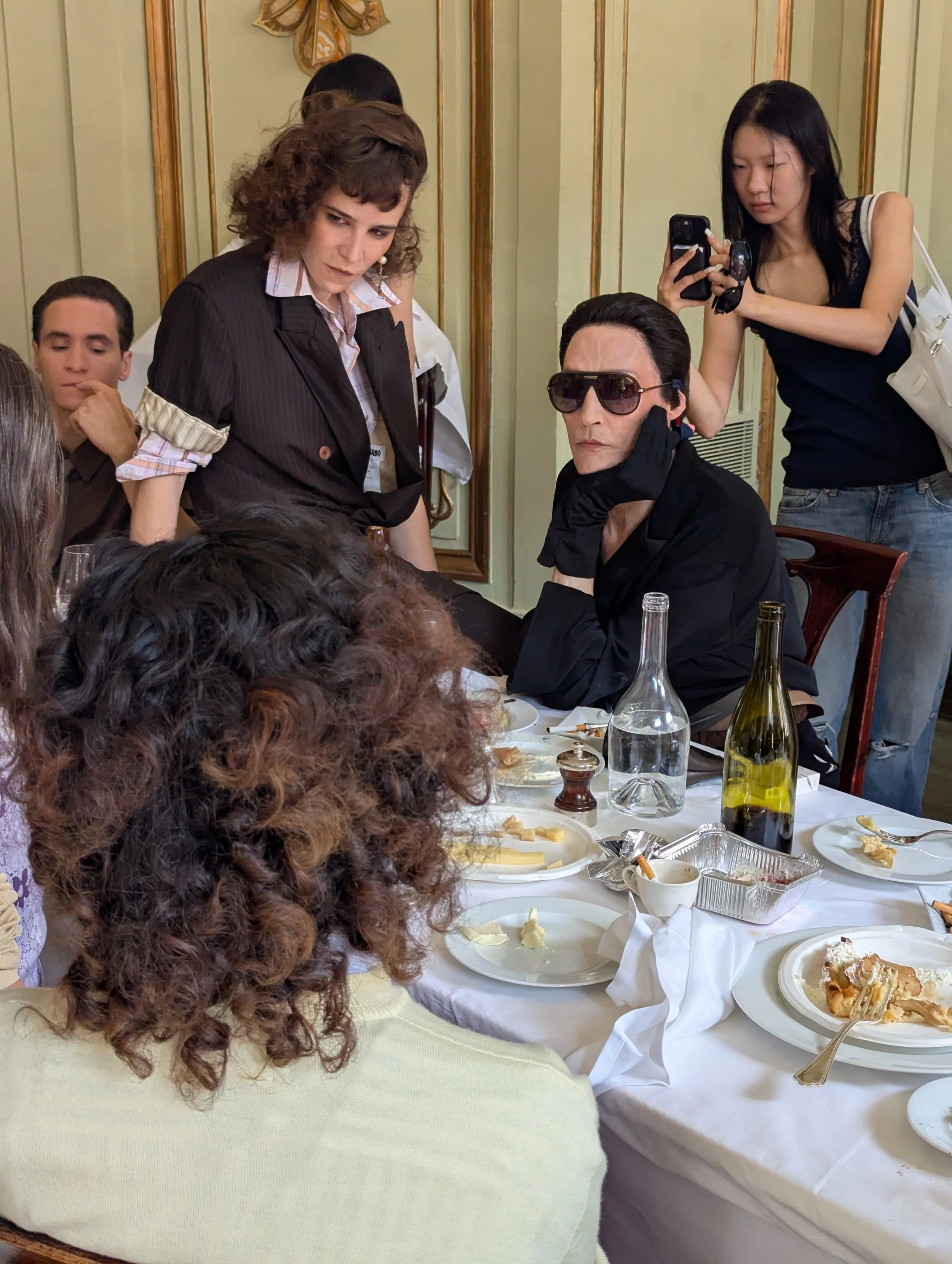
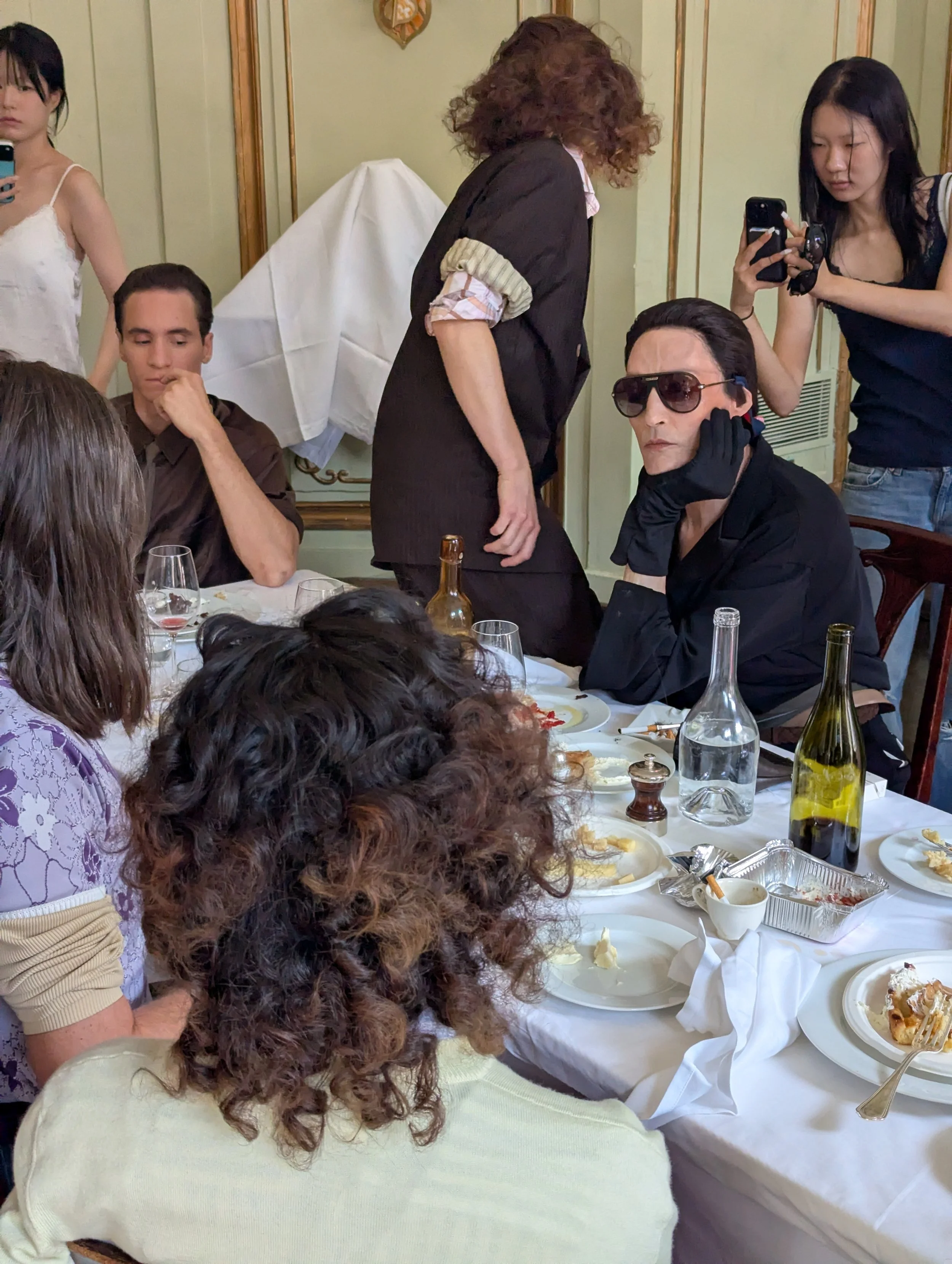
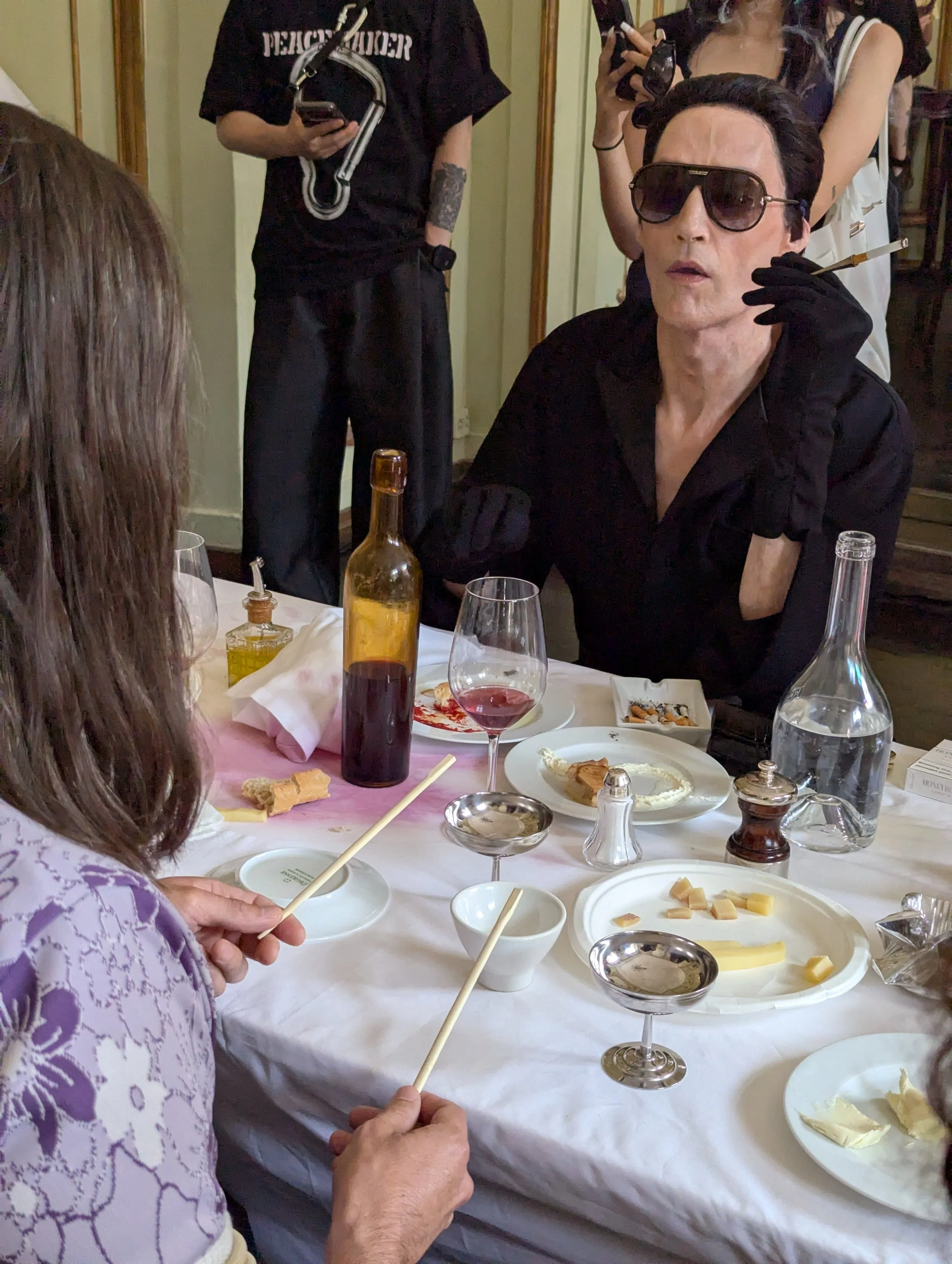
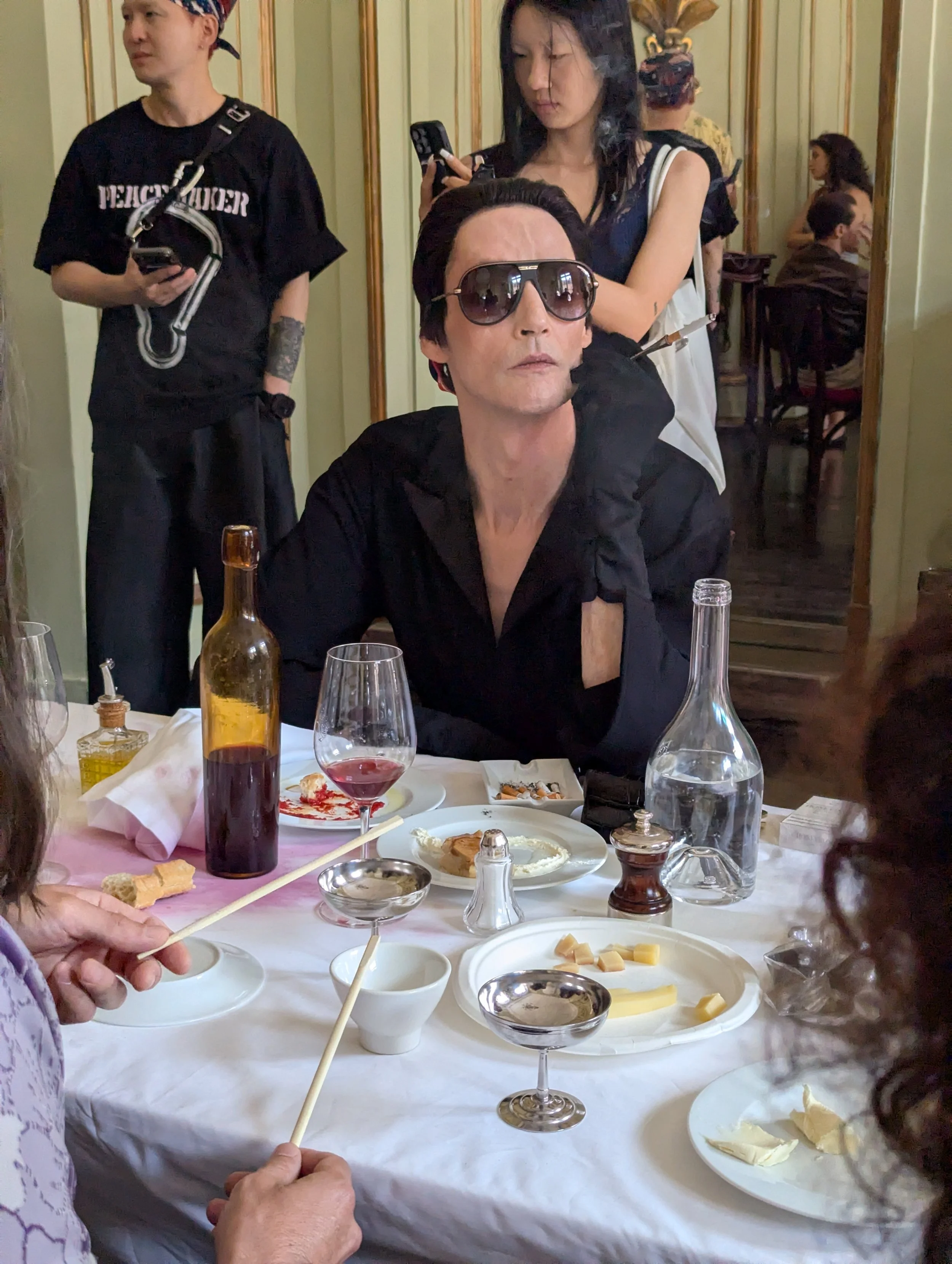
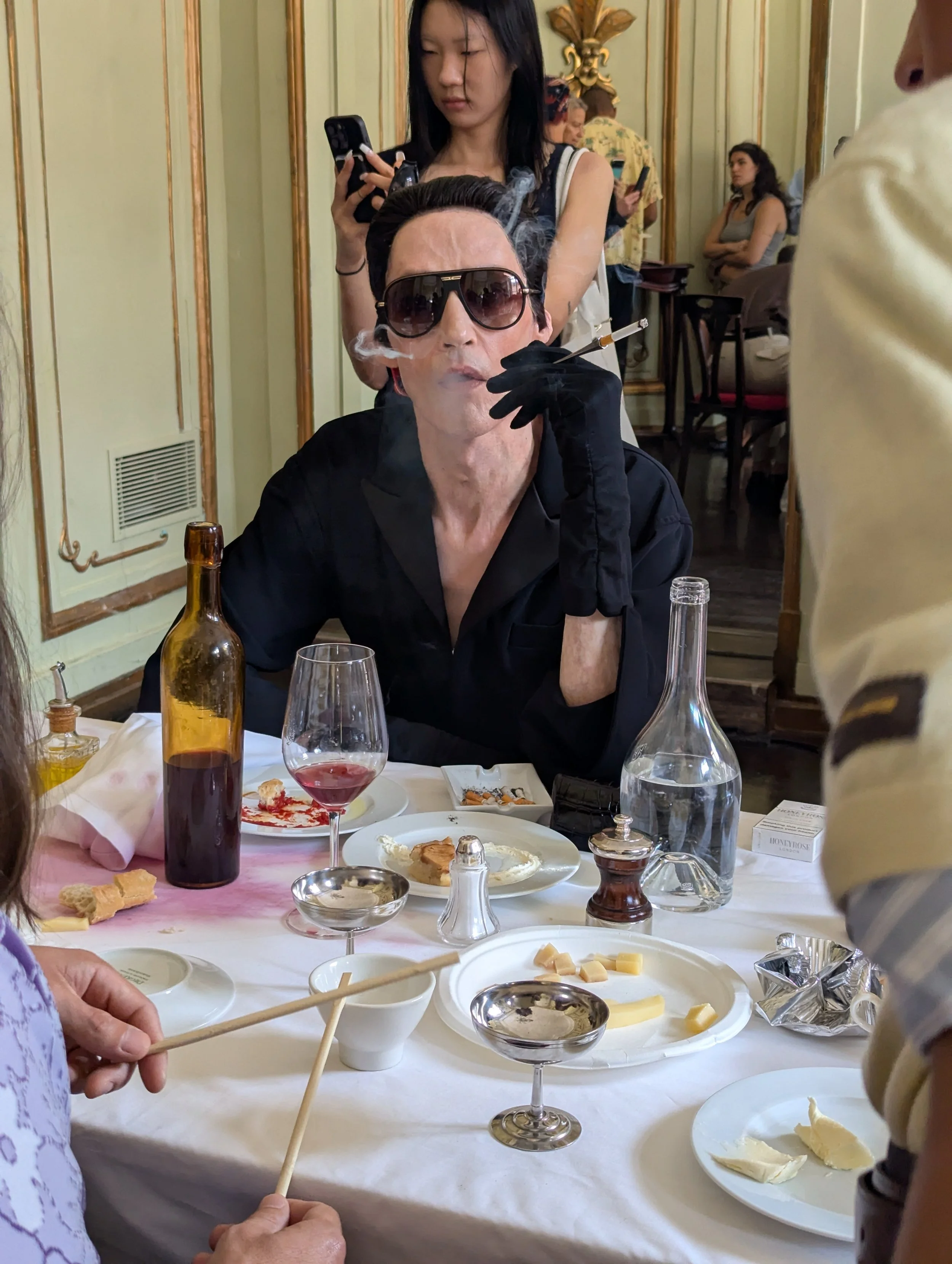
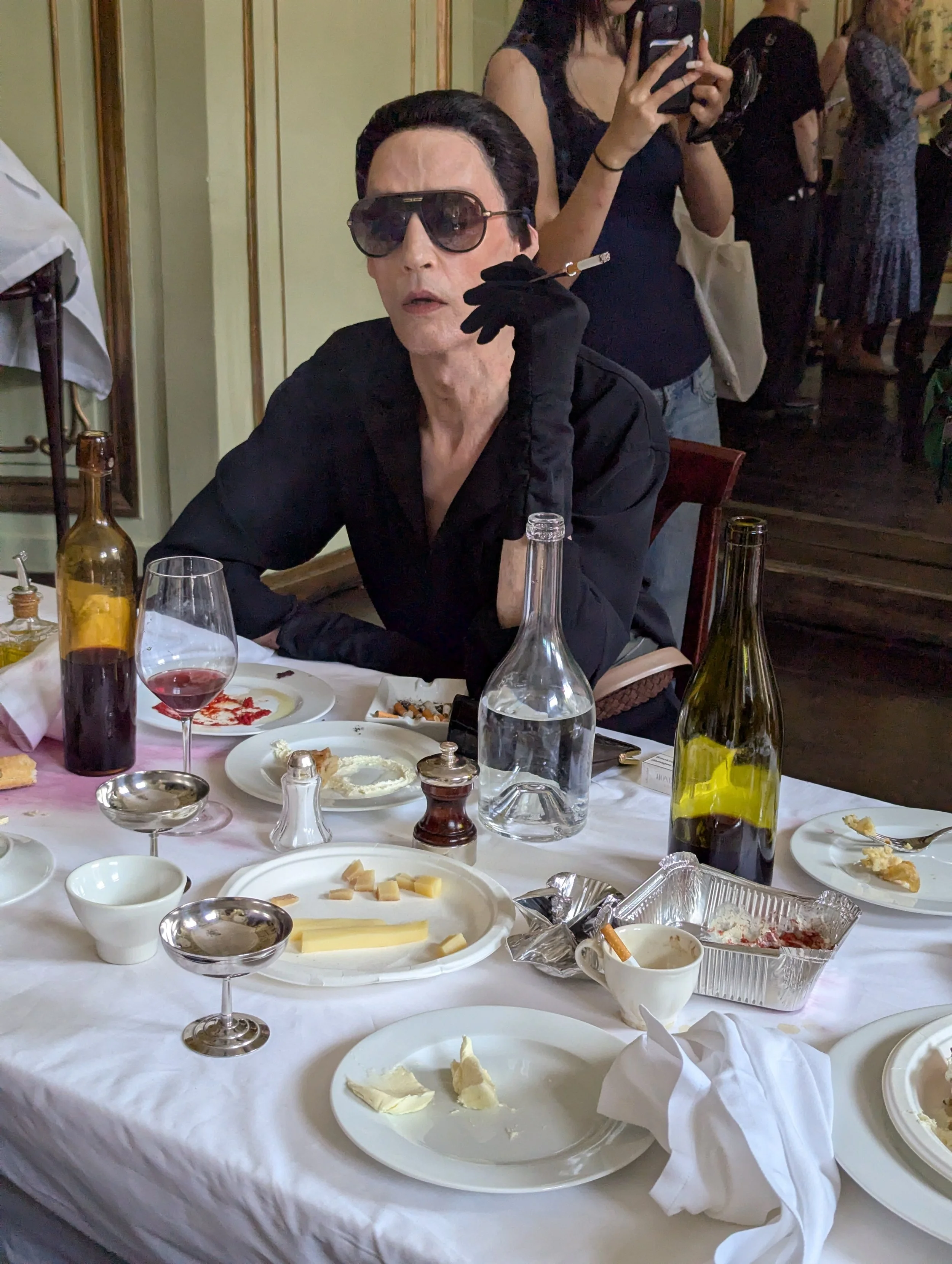
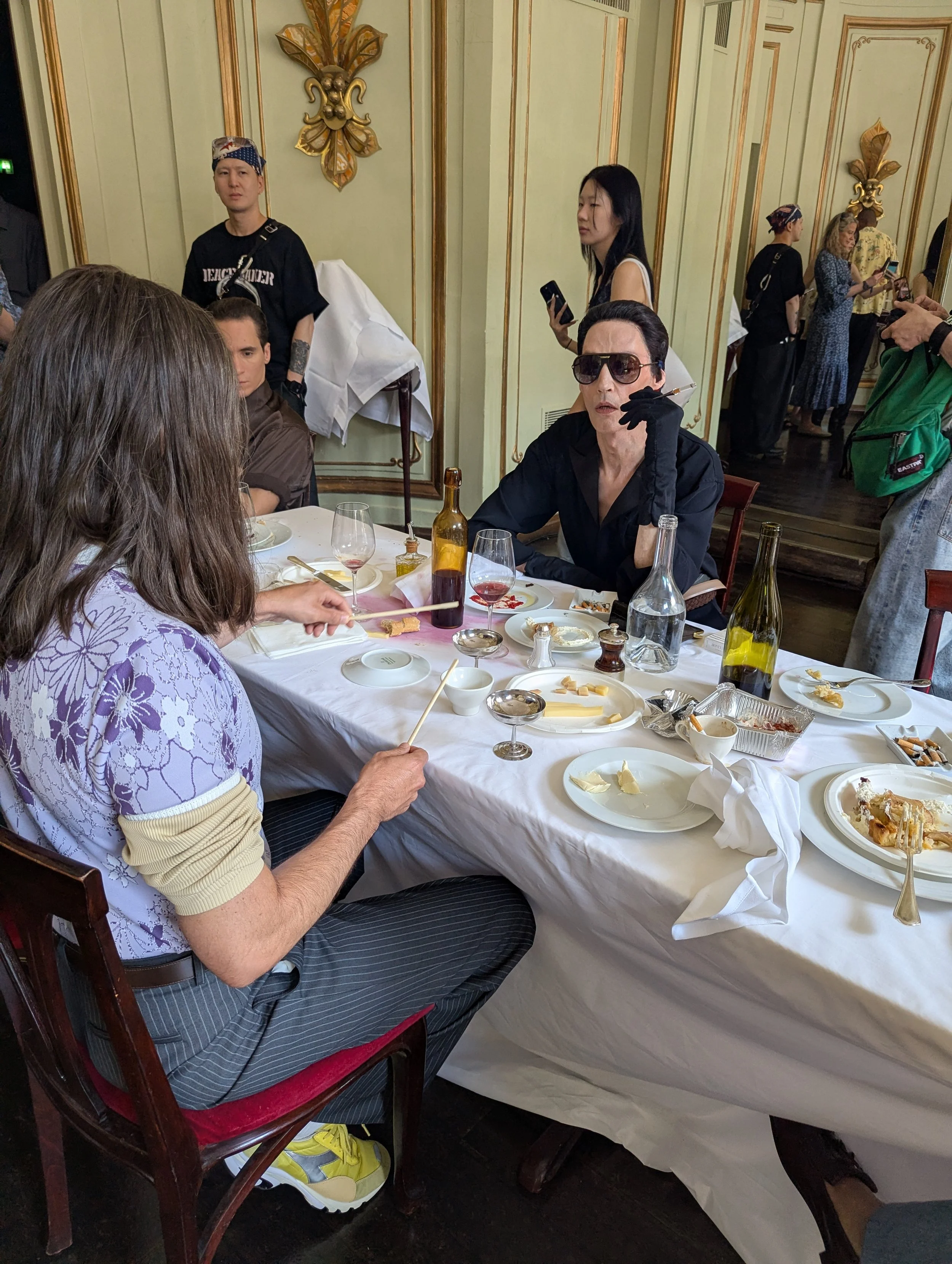
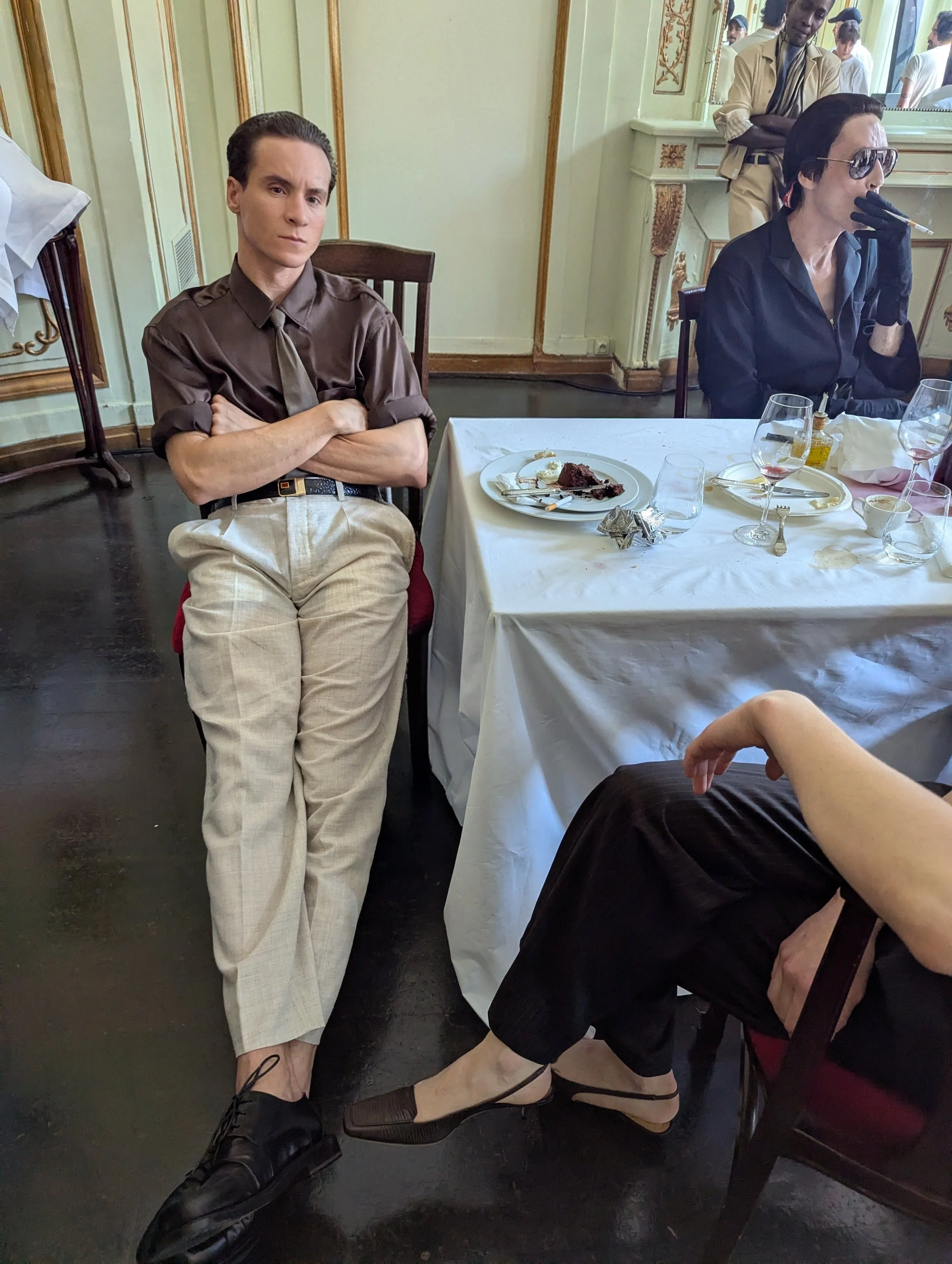
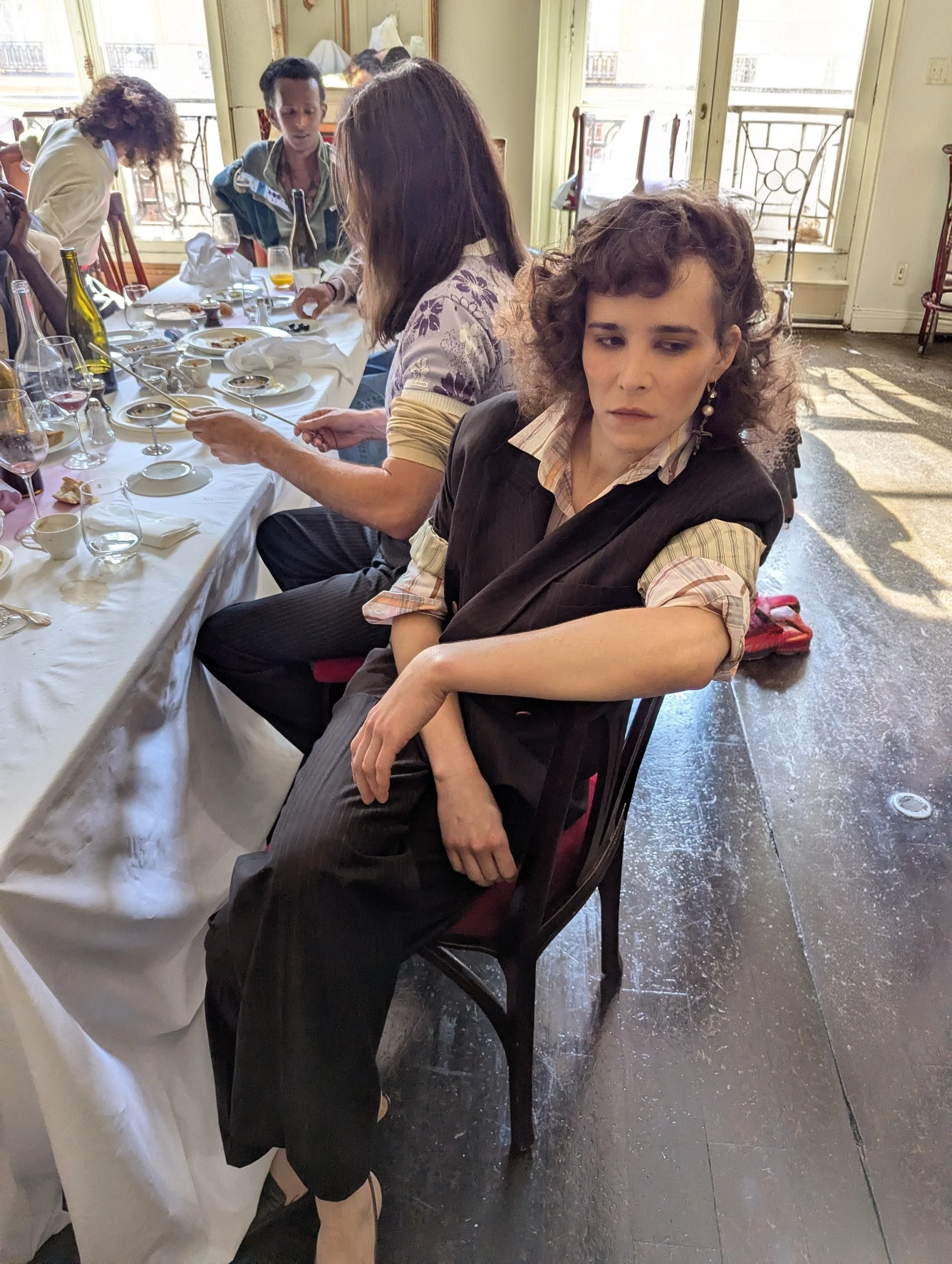
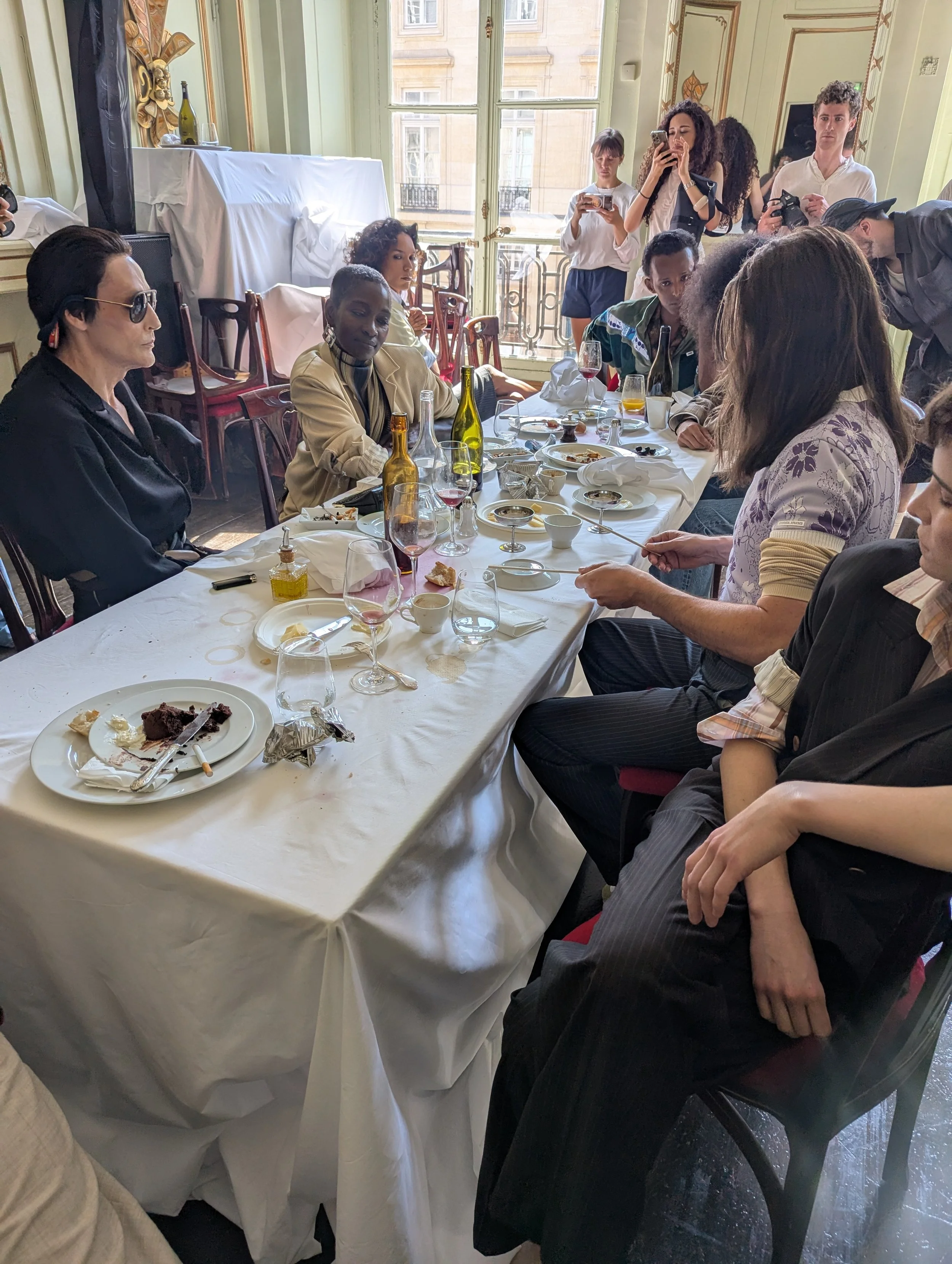
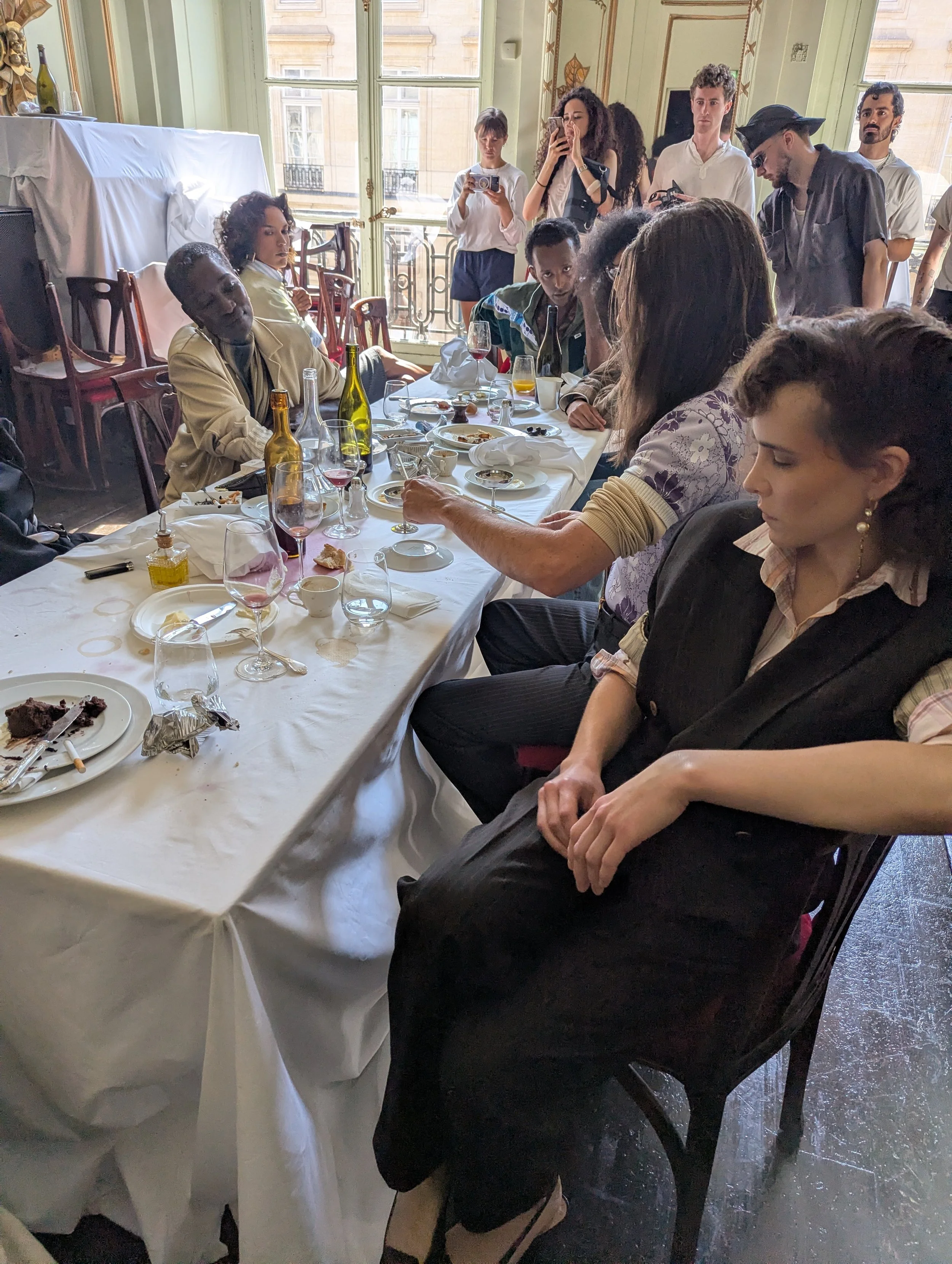
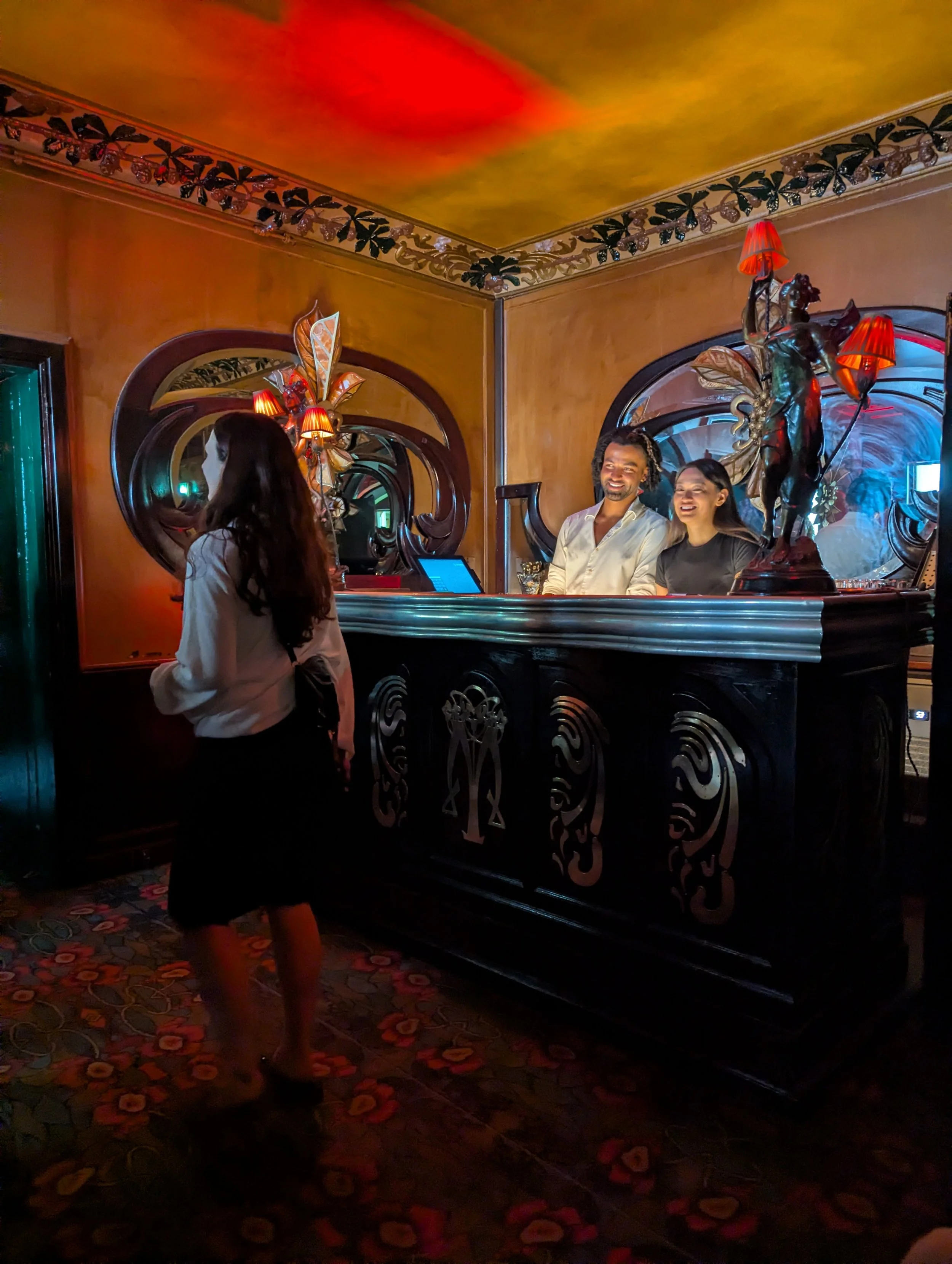
This presentation felt like I was intruding on the coolest fashion dinner there ever was. At Magliano’s SS27 presentation during Paris Men’s Fashion Week, held at the legendary Maxim’s, the usual distance between fashion and real life seemed to disappear. Smoke hung in the air, wine glasses and half finished plates littered the tables, and the guests looked less like an audience than a group of friends who had forgotten anyone else was in the room. It was intimate, slightly chaotic, and entirely intentional.
For designer Luca Magliano, the setting was more than a clever alternative to the traditional runway. It established the mood for a collection preoccupied with memory, nostalgia, and the peculiar beauty of things that feel as though they have already lived a life. Inspired by family photo albums and the visual language of the 1970s and early 2000s, SS27 explored the tension between the familiar and the unexpected.
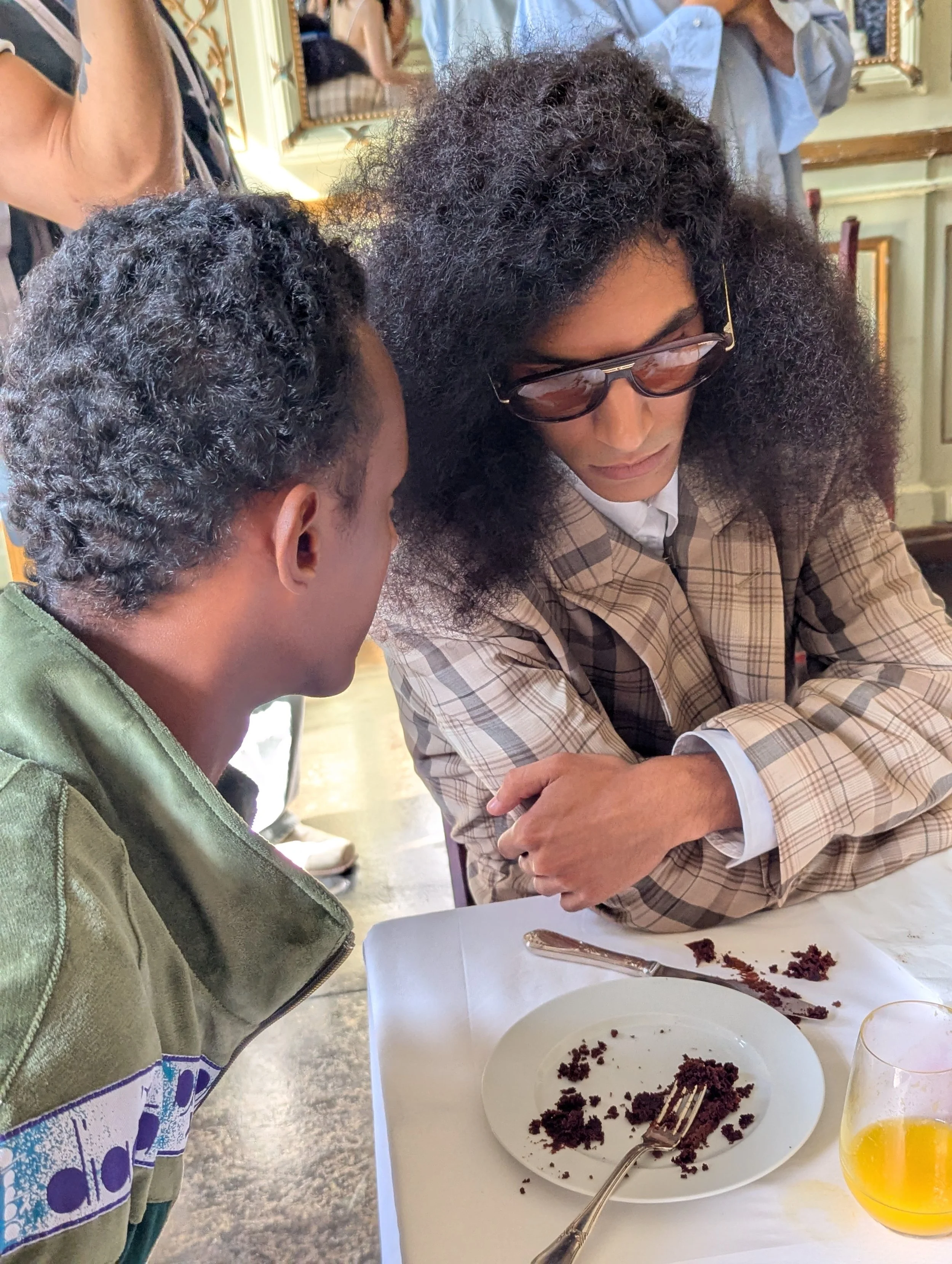
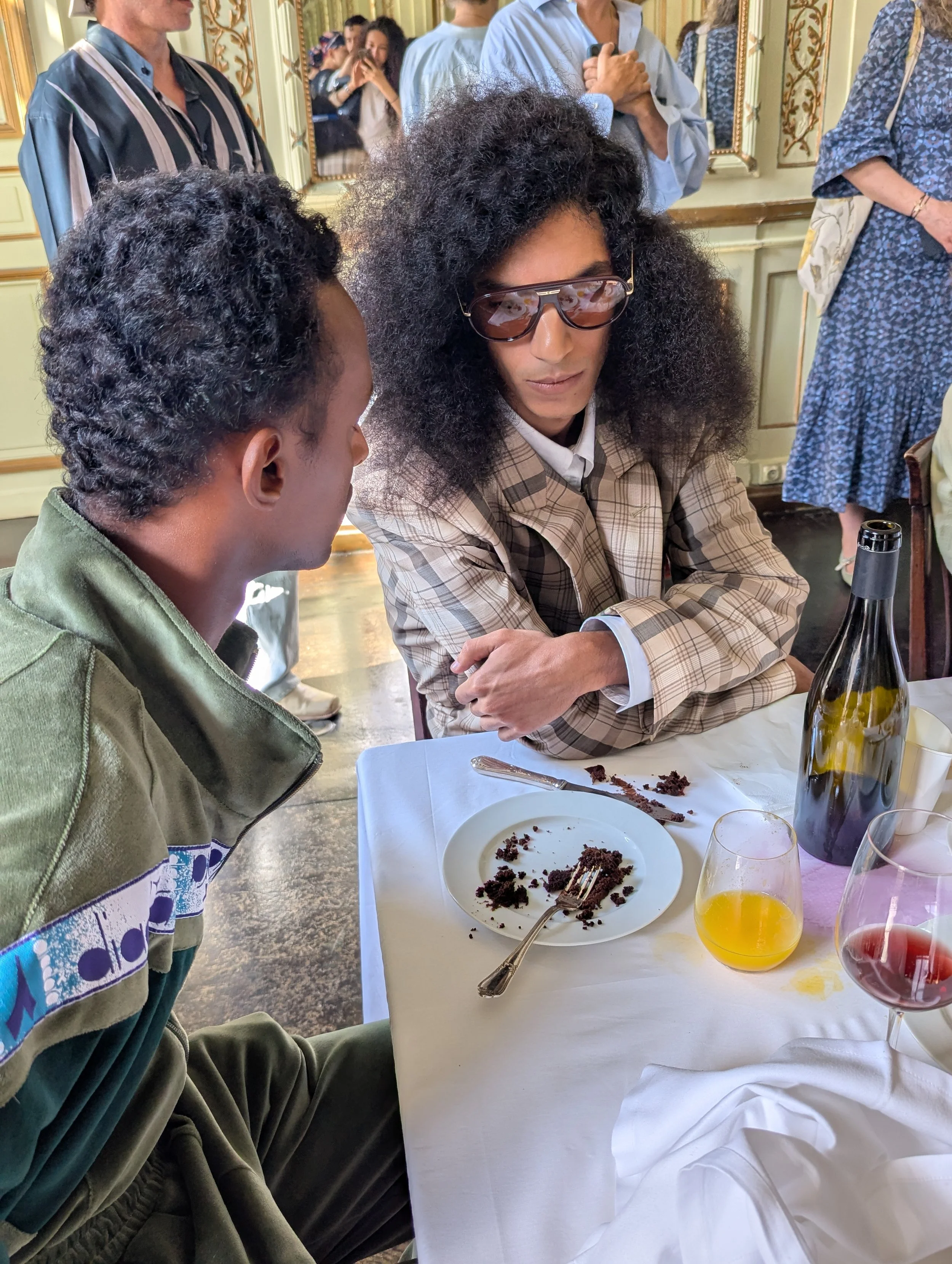
The clothes carried that same sense of beautiful disarray. Oversized plaid tailoring, earthy floral knits, and relaxed, borrowed from the past silhouettes evoked an older kind of elegance, while double collar polo shirts, cropped jacket sleeves, and twisted leather belts introduced a distinctly contemporary irreverence. Leopard print separates appeared deliberately undone, and even the most classic pieces seemed to resist looking too polished.
This is where Magliano's vision feels particularly compelling. His approach to menswear isn't about perfecting an ideal silhouette; it's about allowing contradictions to coexist. Tailoring can be sophisticated without being pristine, and nostalgia can feel romantic without becoming sentimental. There is an unmistakably queer sensibility at work, too, one that takes the conventions of traditional menswear and gently, sometimes provocatively, pulls them apart.
Collaborations with Diadora and Carrera further grounded the collection in everyday culture, balancing vintage inspired sportswear and expressive eyewear against the collection's more subversive tailoring. These weren't simply additions to the wardrobe, they reinforced Magliano's interest in the clothes people actually inhabit rather than those reserved for an immaculate fashion image.
What stayed with me most, however, was the atmosphere. The disheveled dinner table, the lingering conversations, the sense of having arrived halfway through a story all made the presentation feel strangely personal. The clothes seemed to belong to the same world as the people wearing them: imperfect, idiosyncratic, and all the more interesting for it.
With SS27, Magliano reminds us that the most memorable fashion rarely exists in isolation. It gathers meaning through the people, places, and memories surrounding it. And sometimes, the best seat in the room is the one that makes you feel you probably weren't supposed to be there in the first place.