Rafael Azevendo AW26
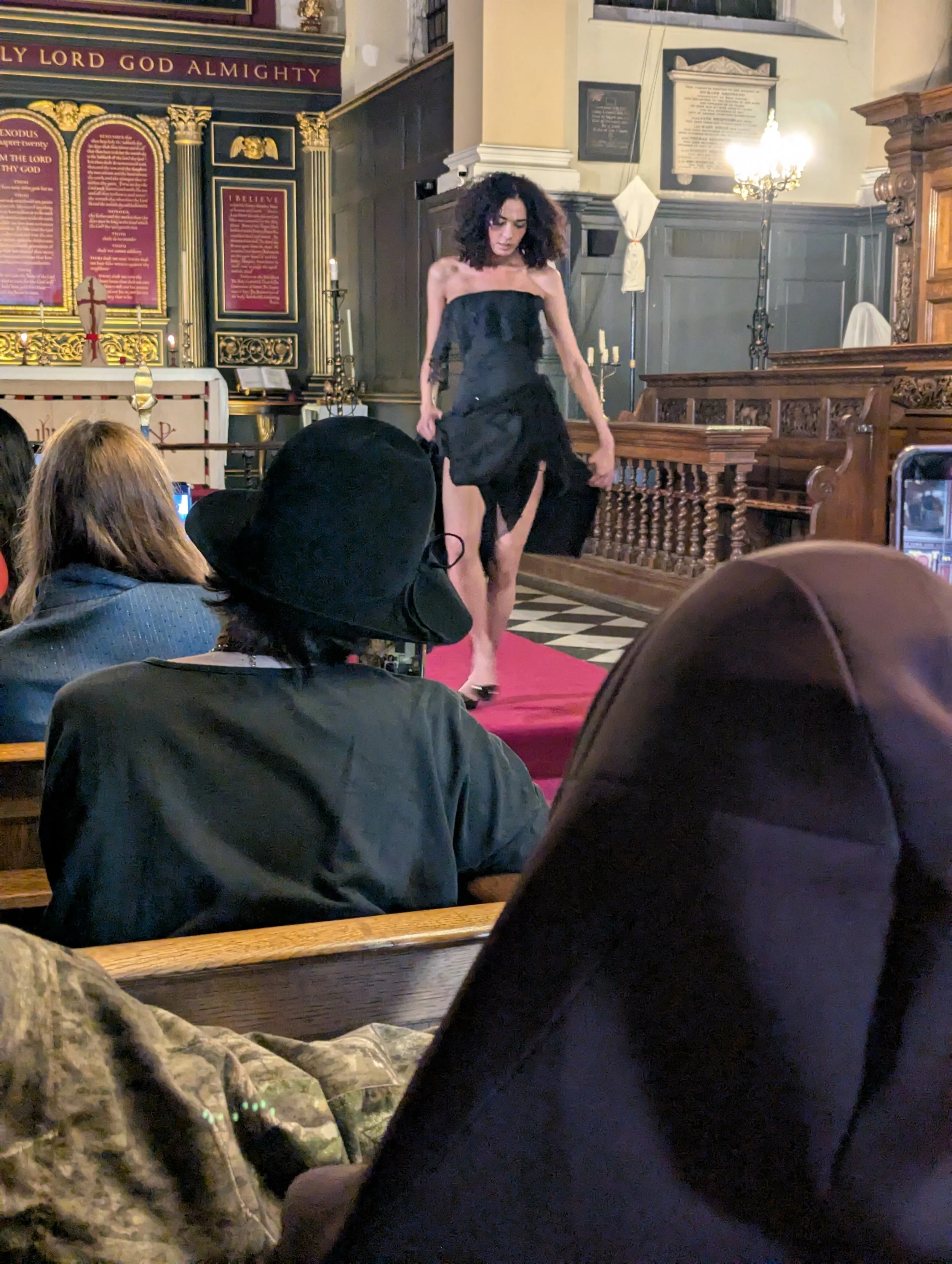
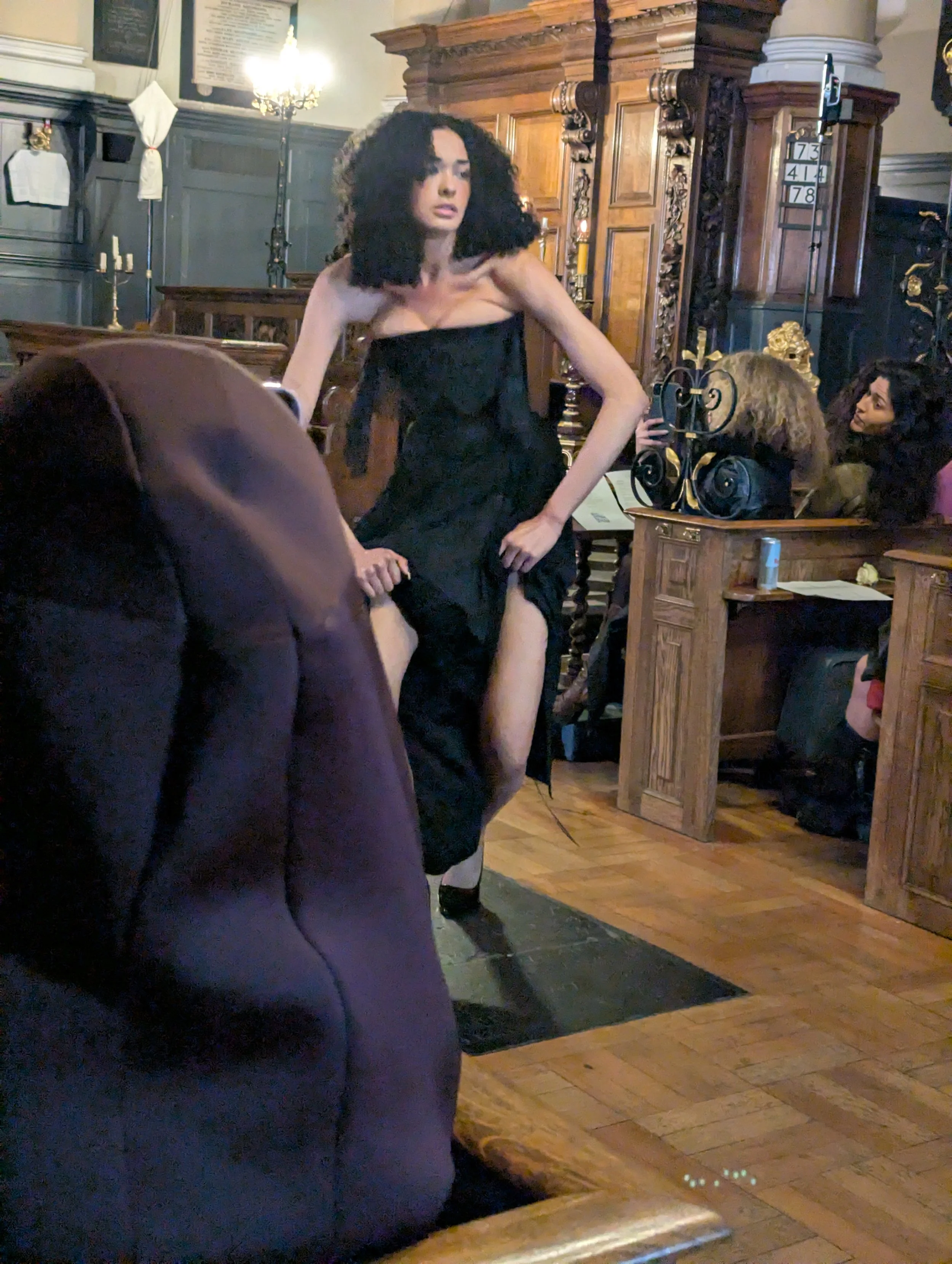
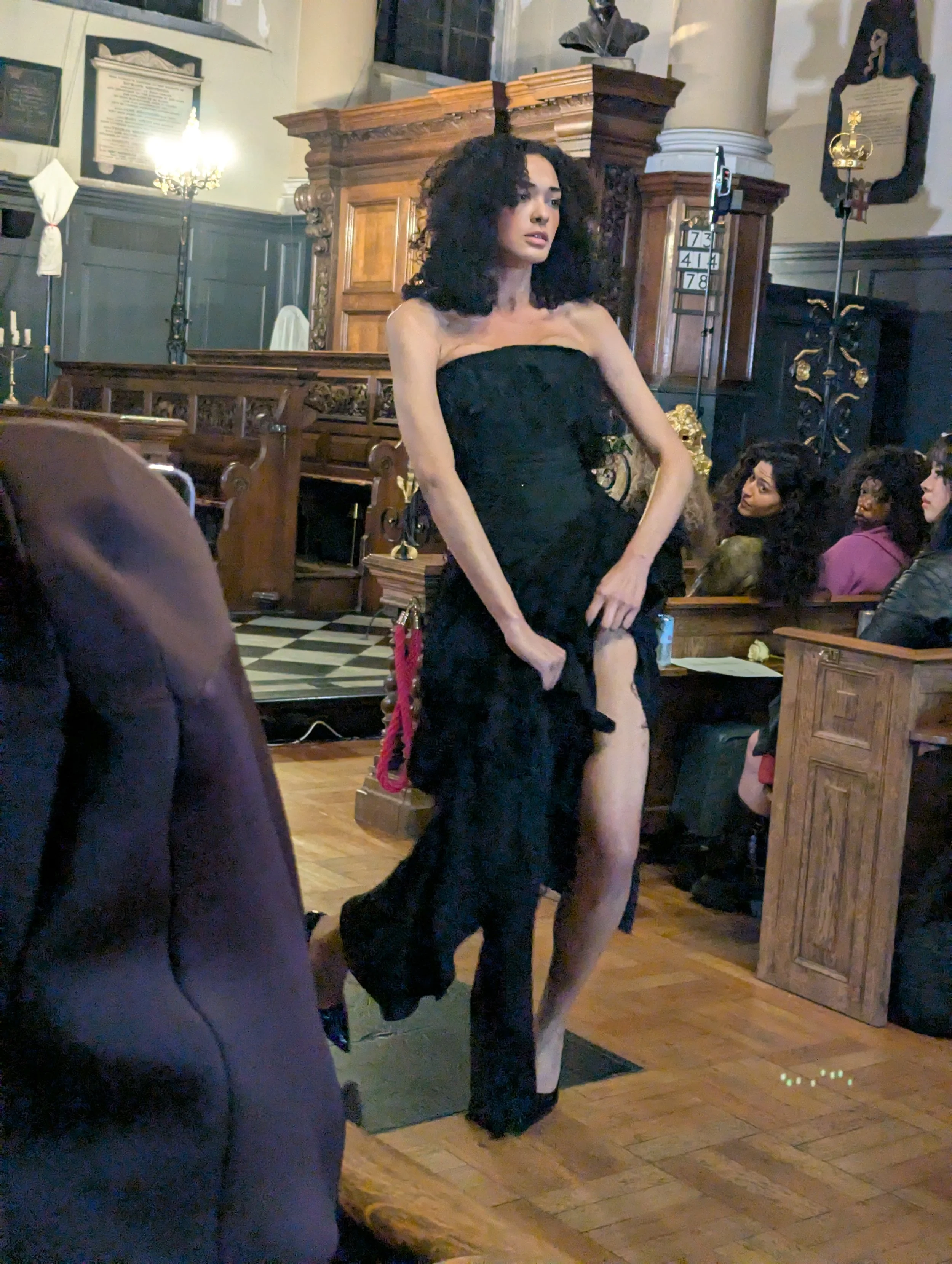
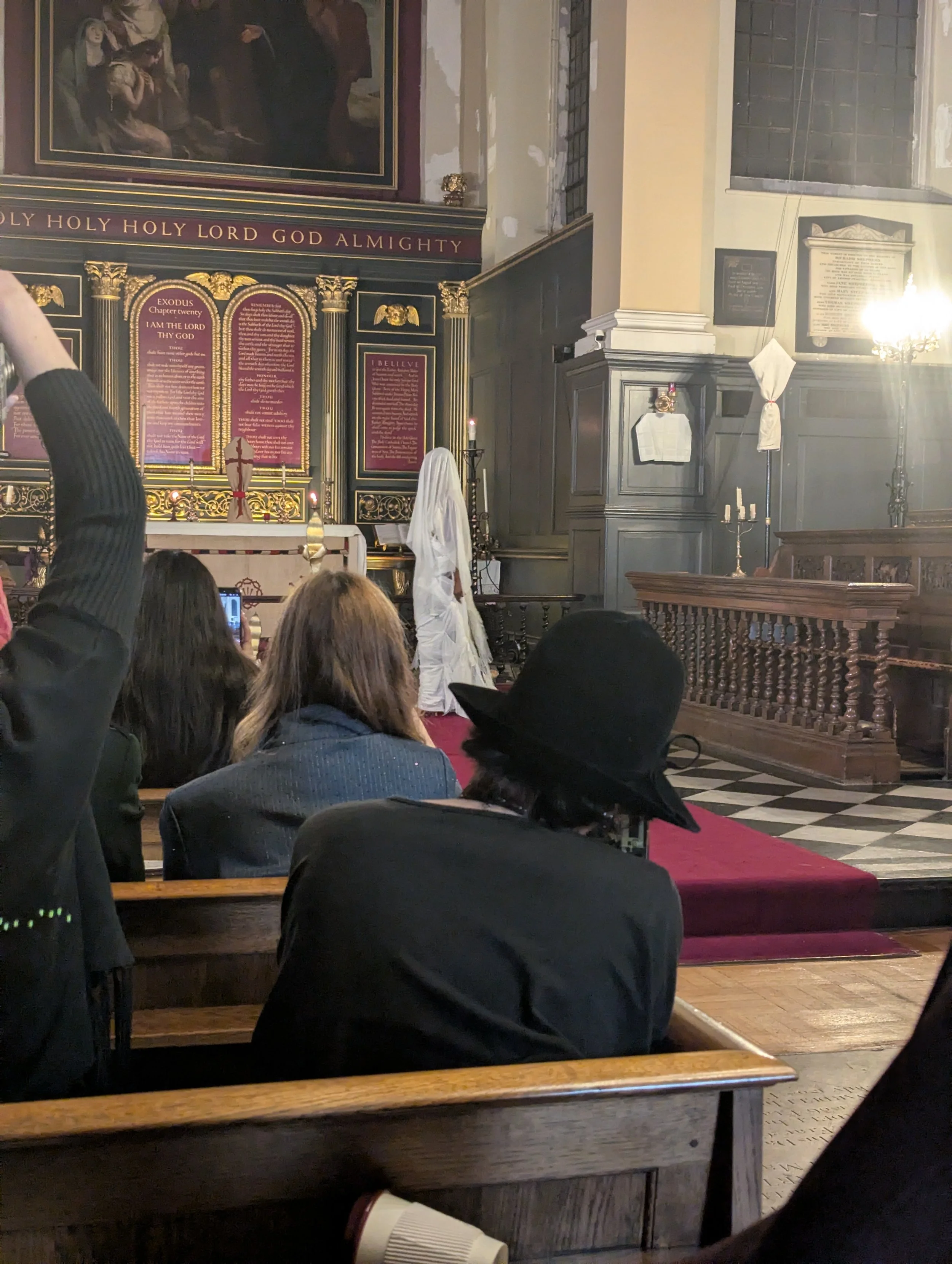
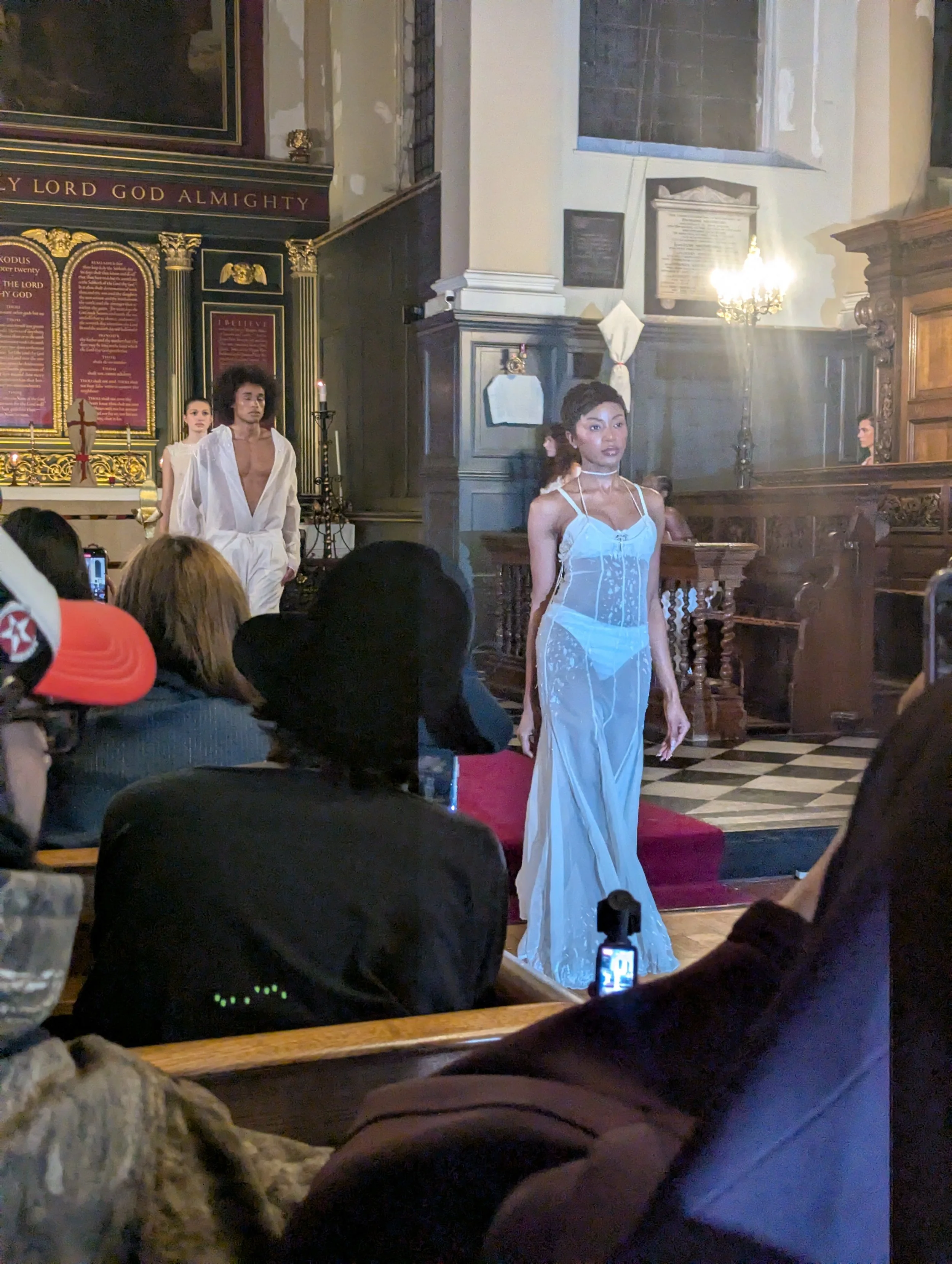
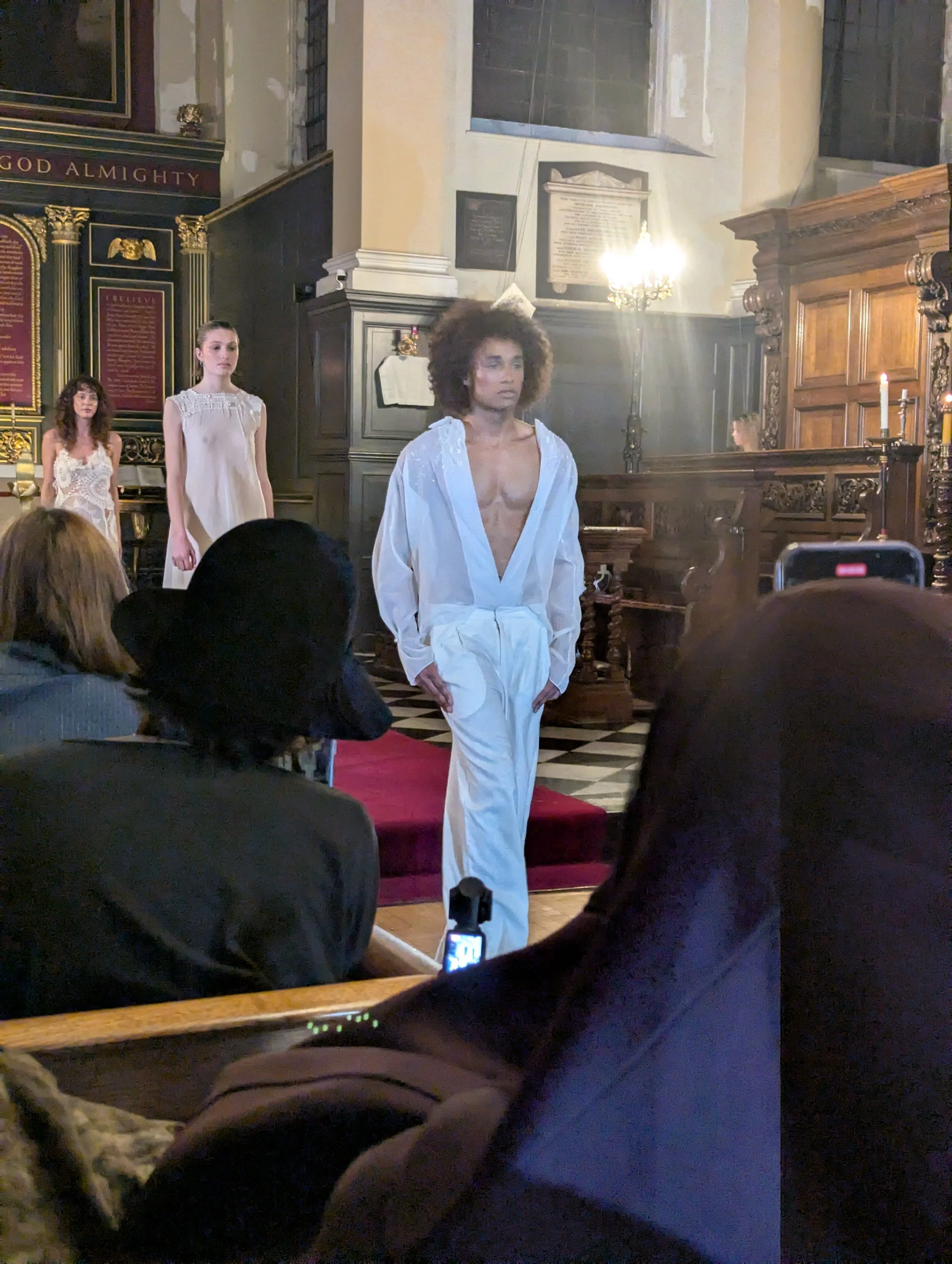
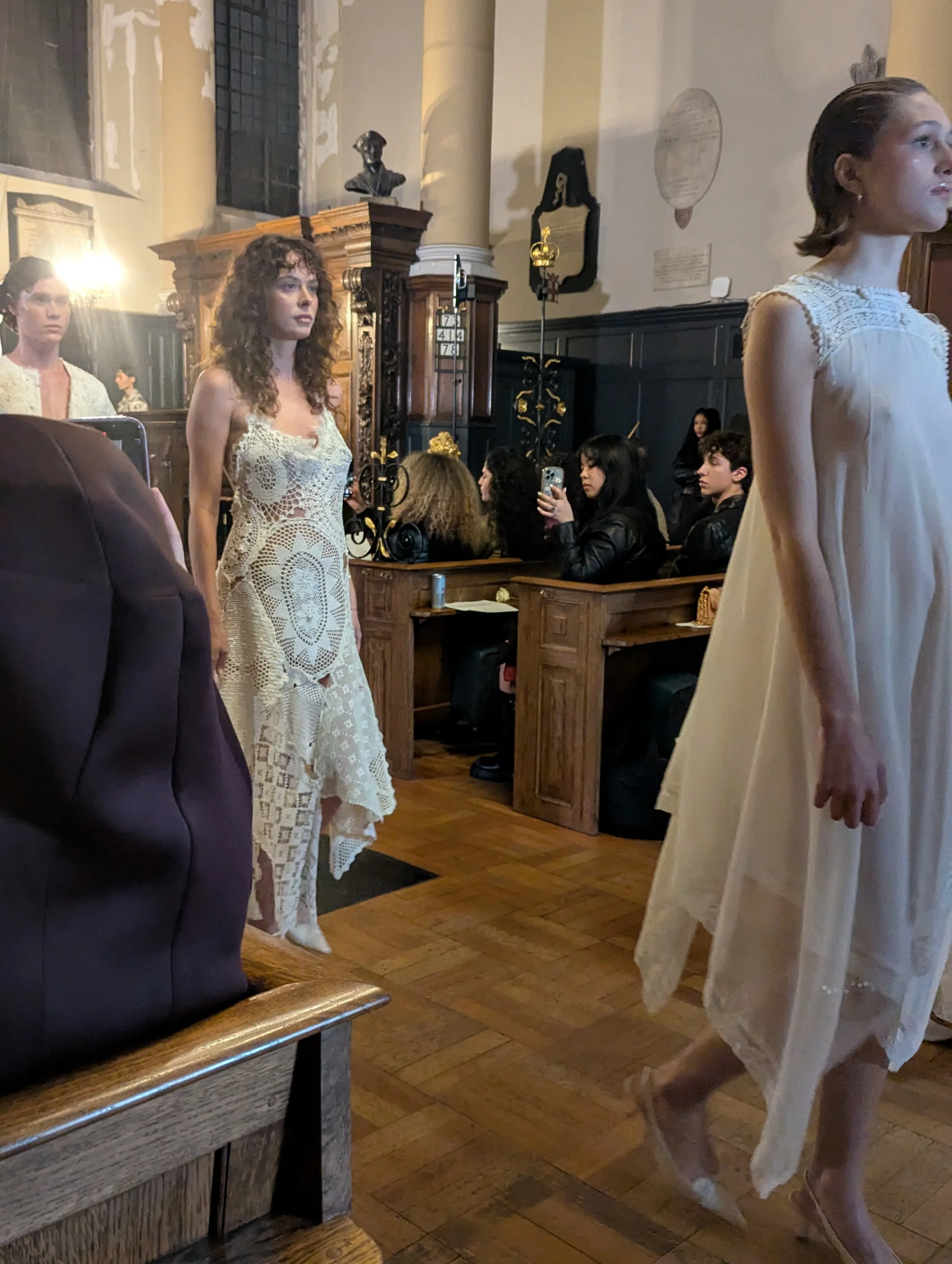
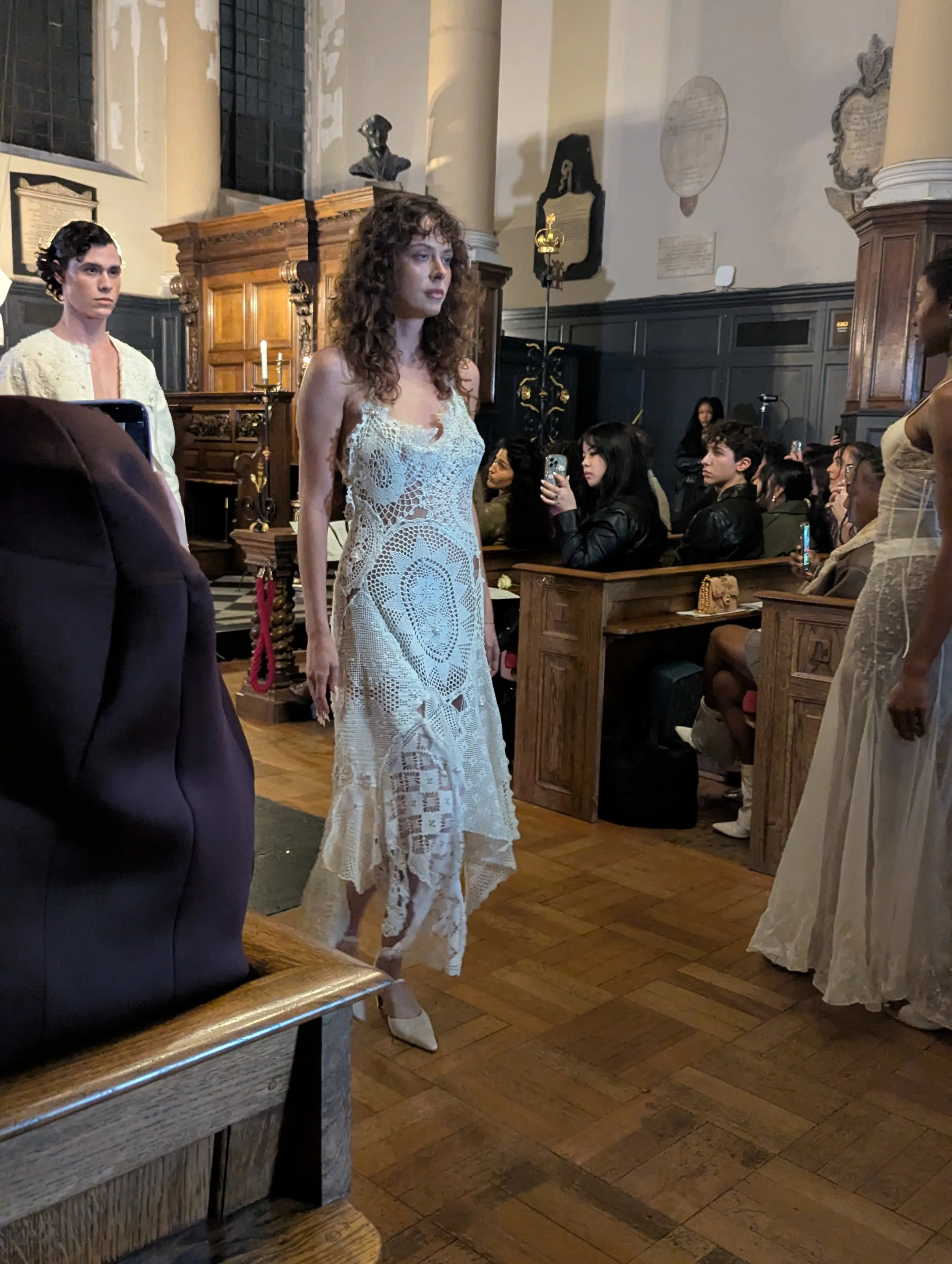
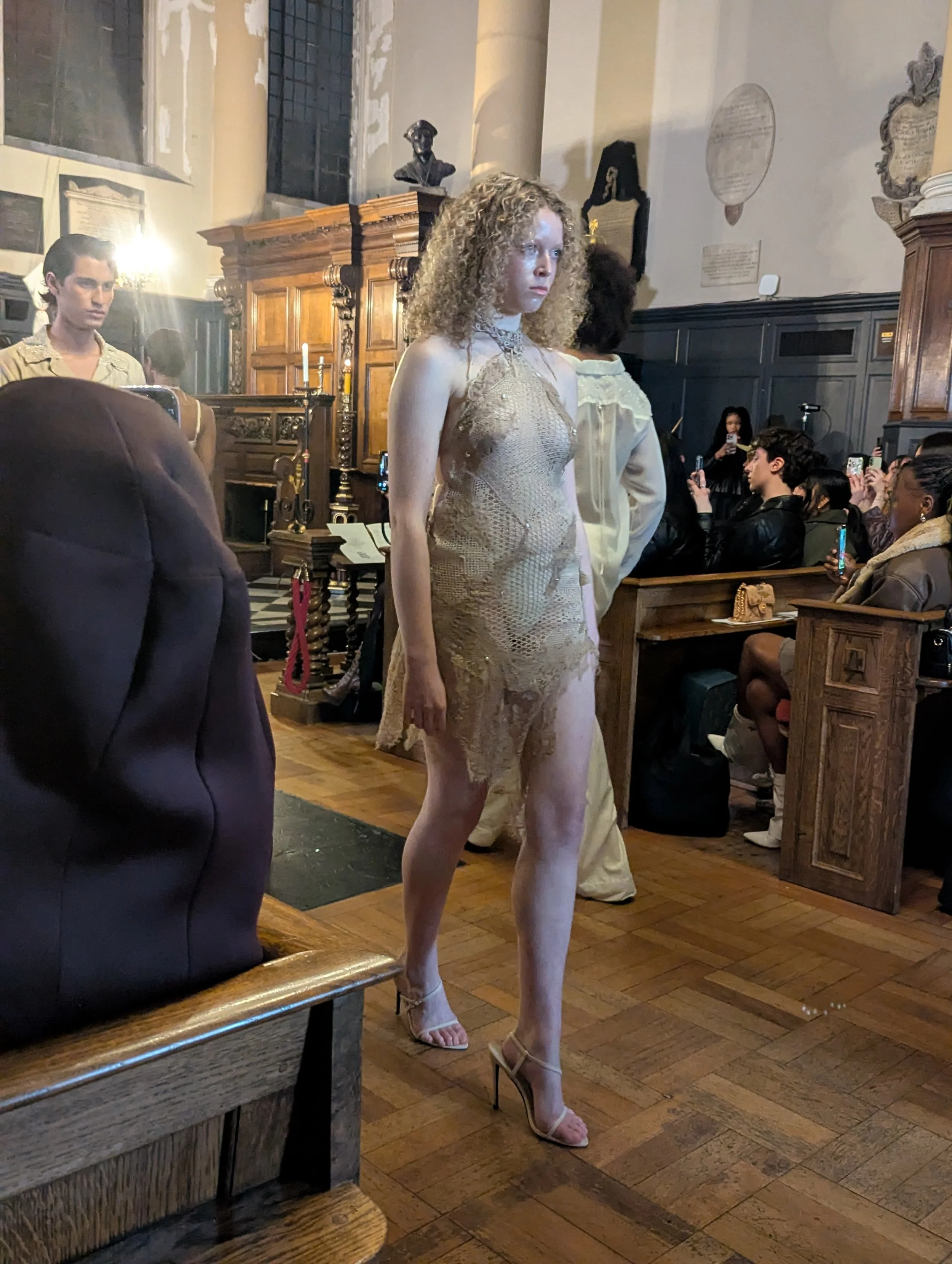
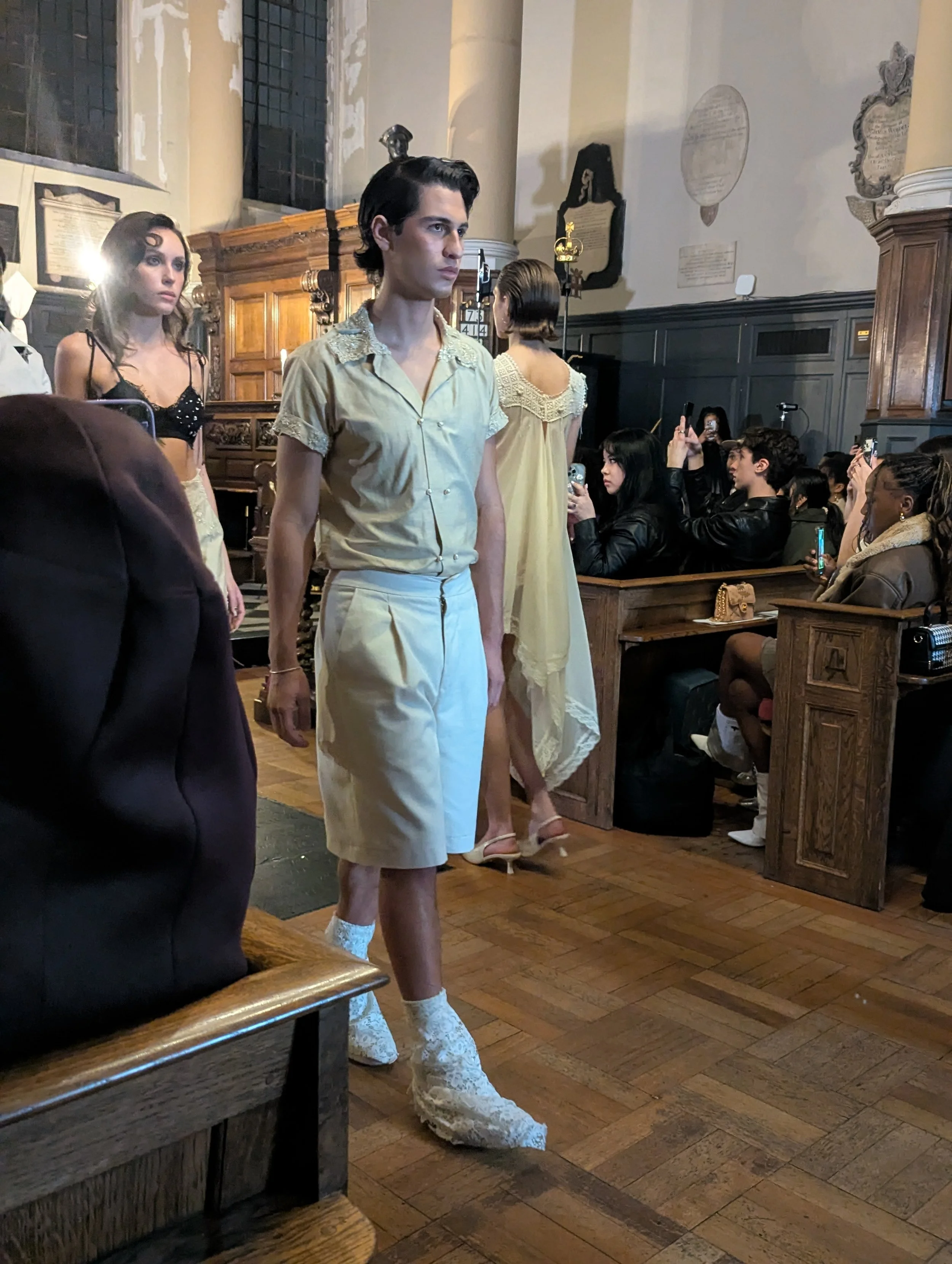
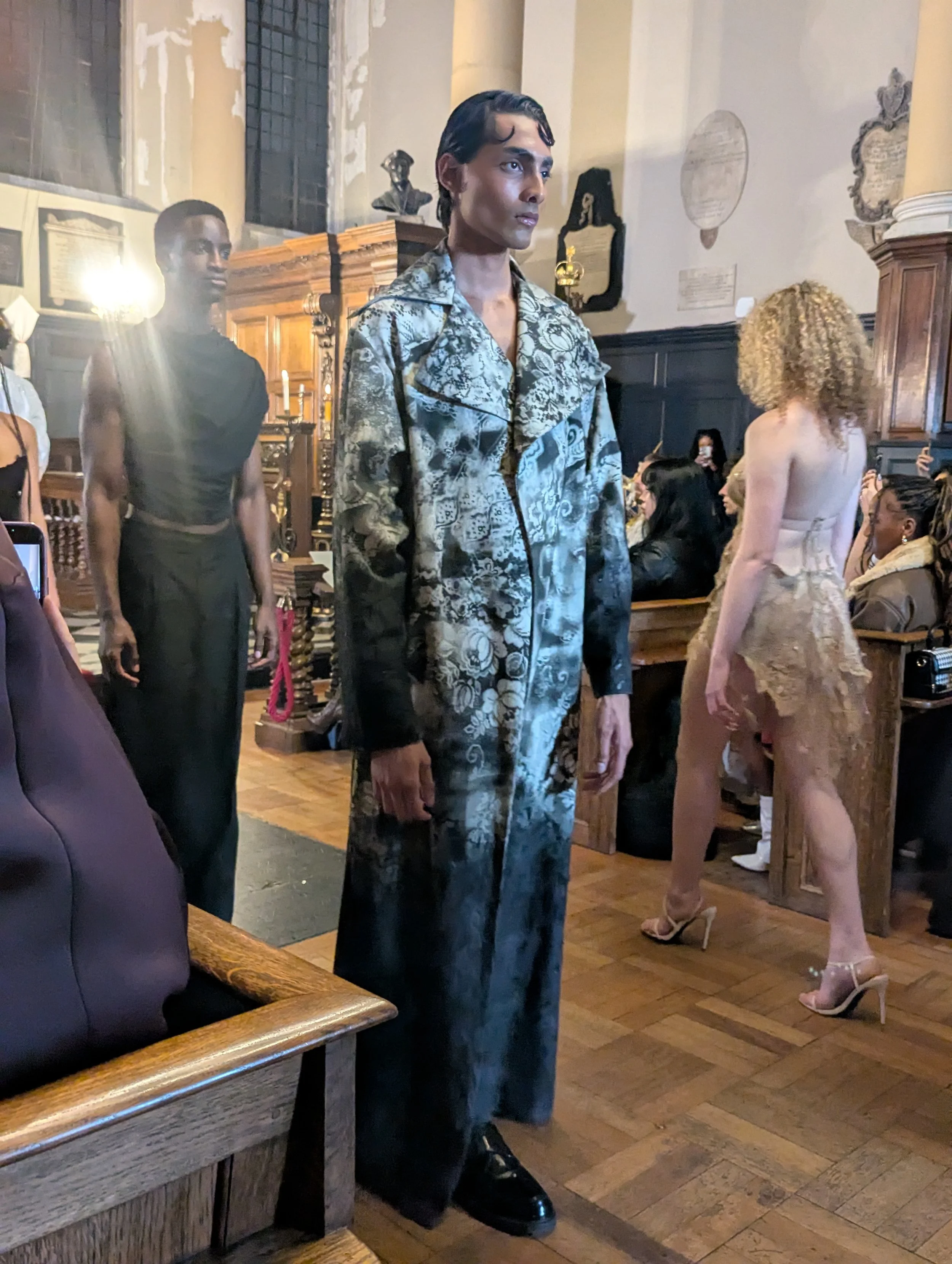
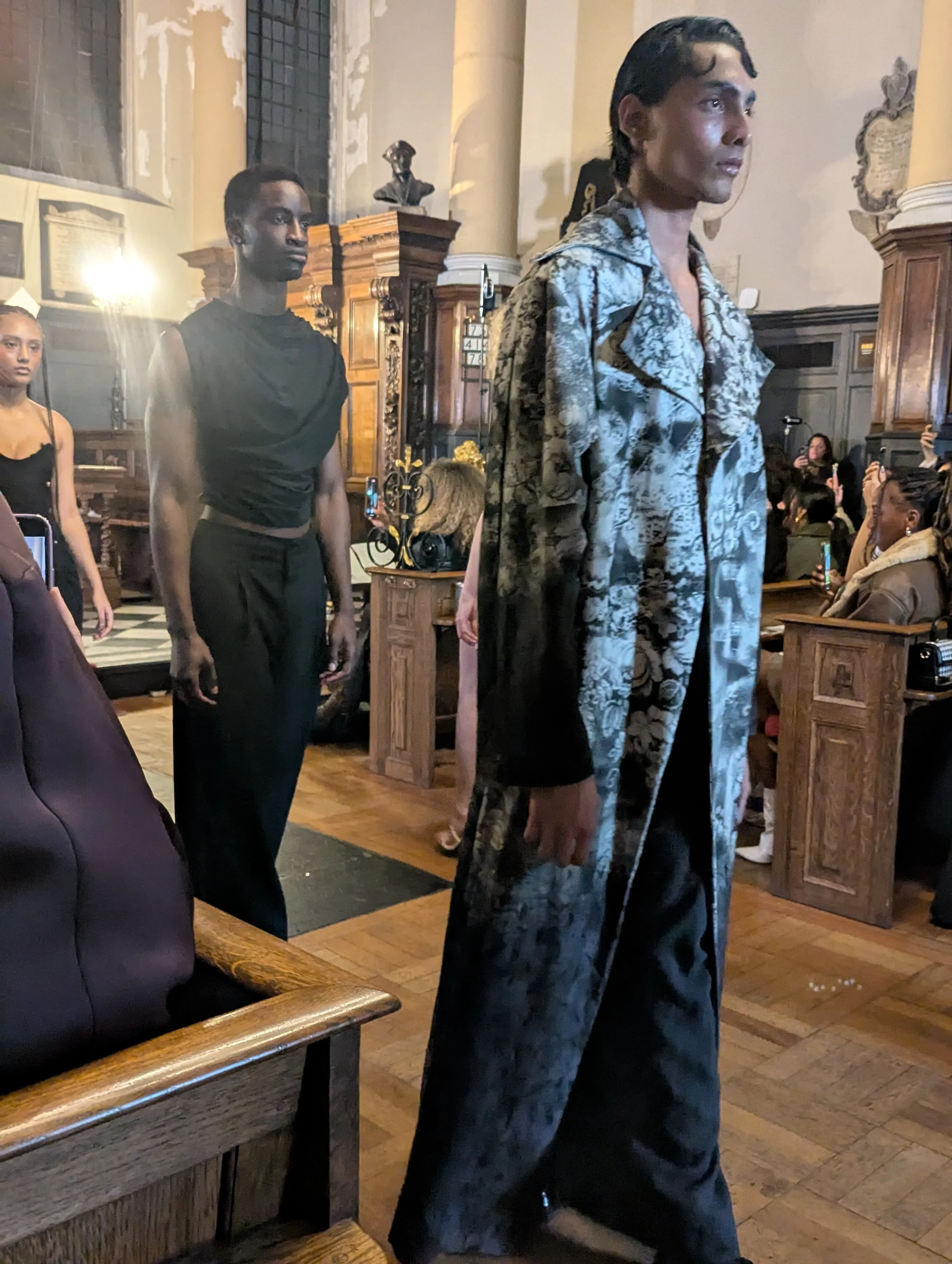
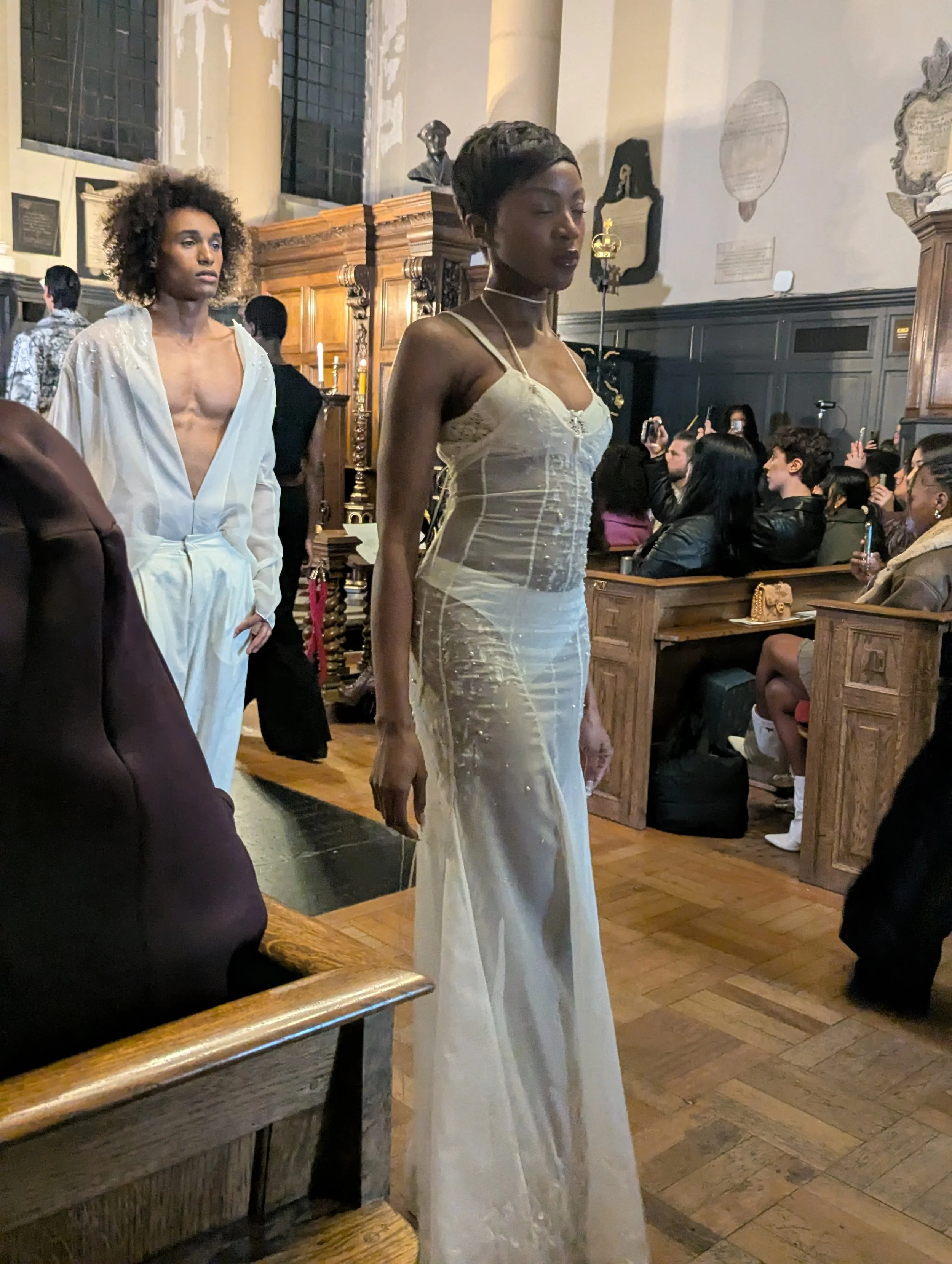
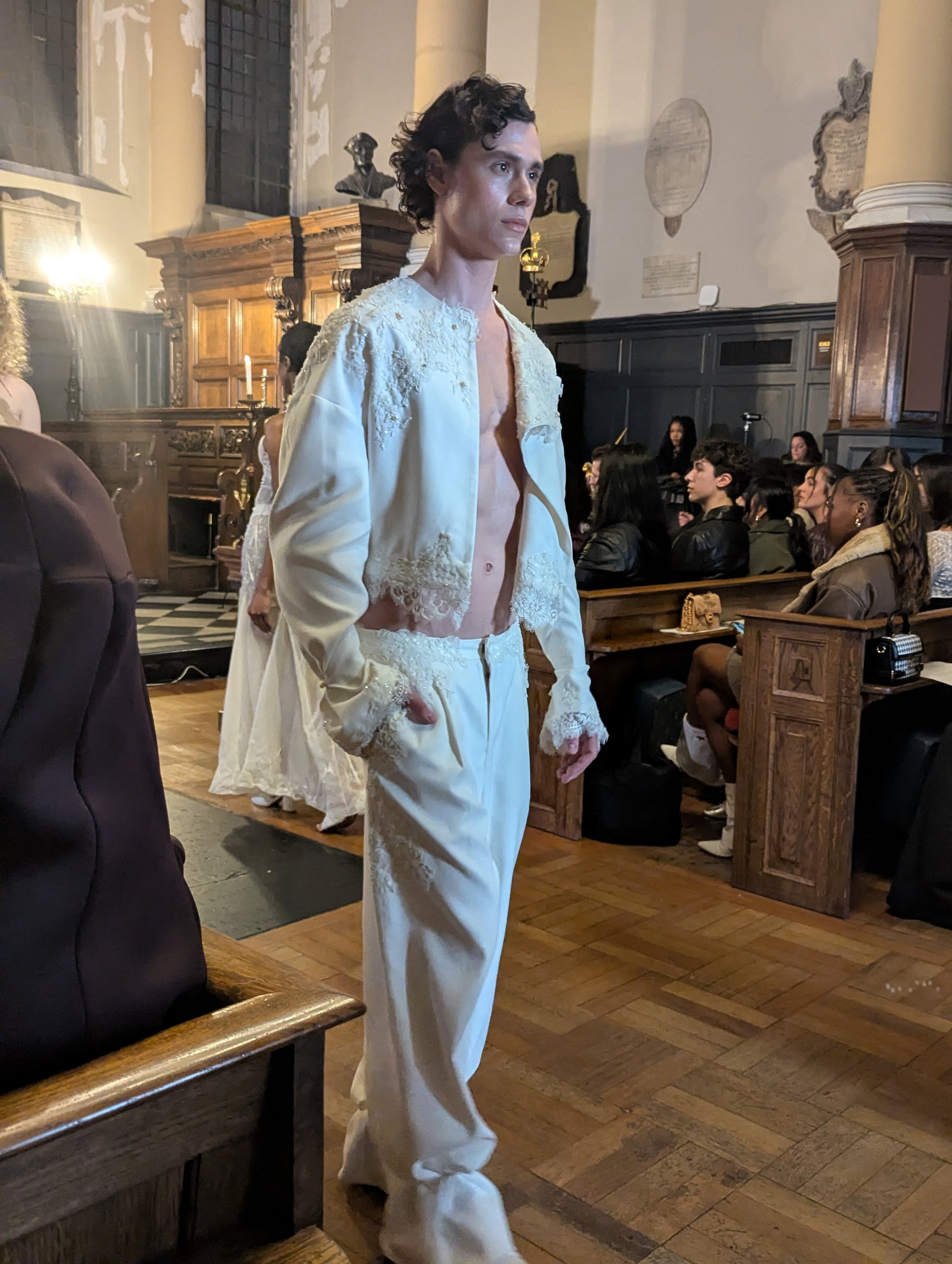
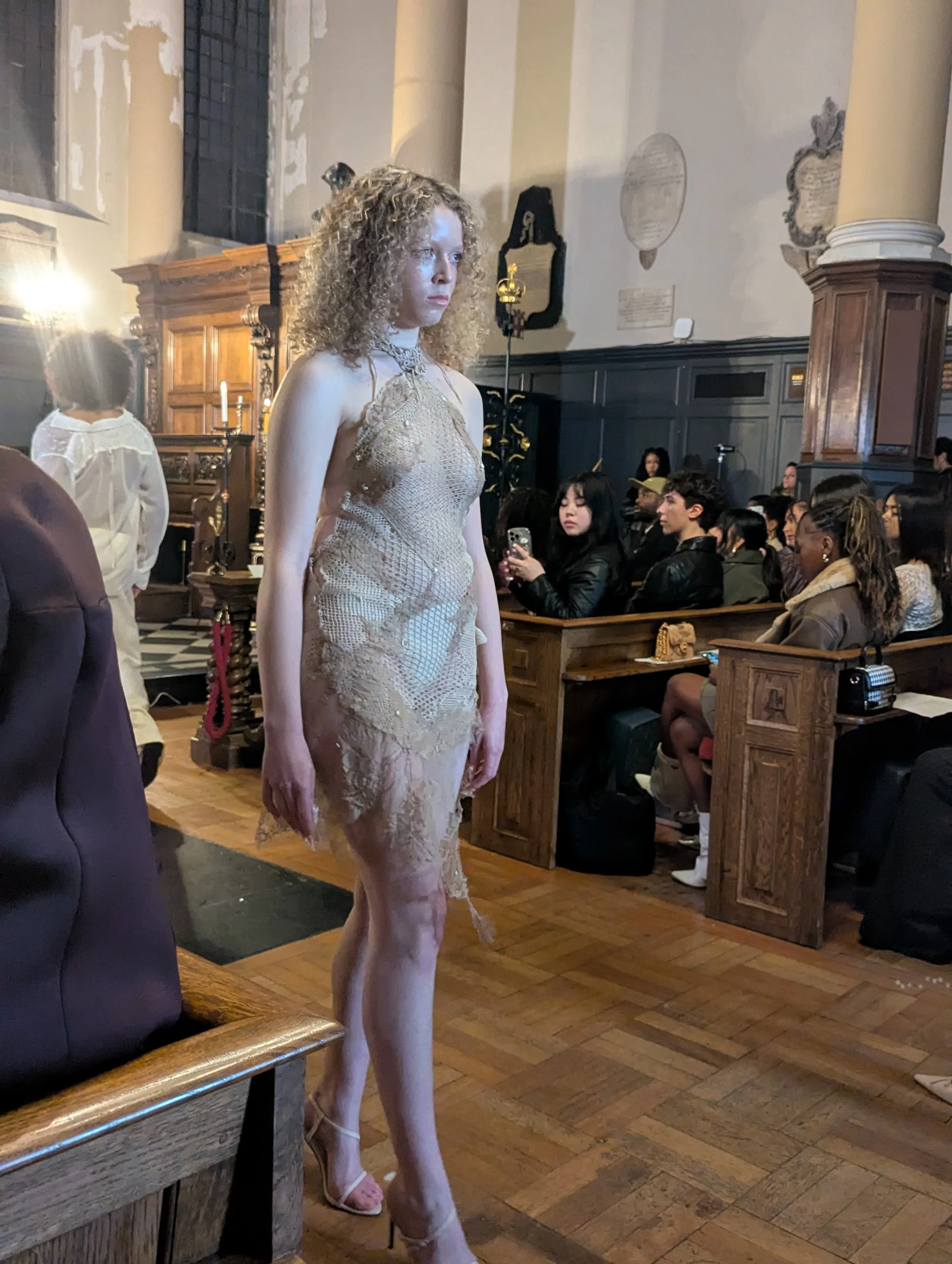
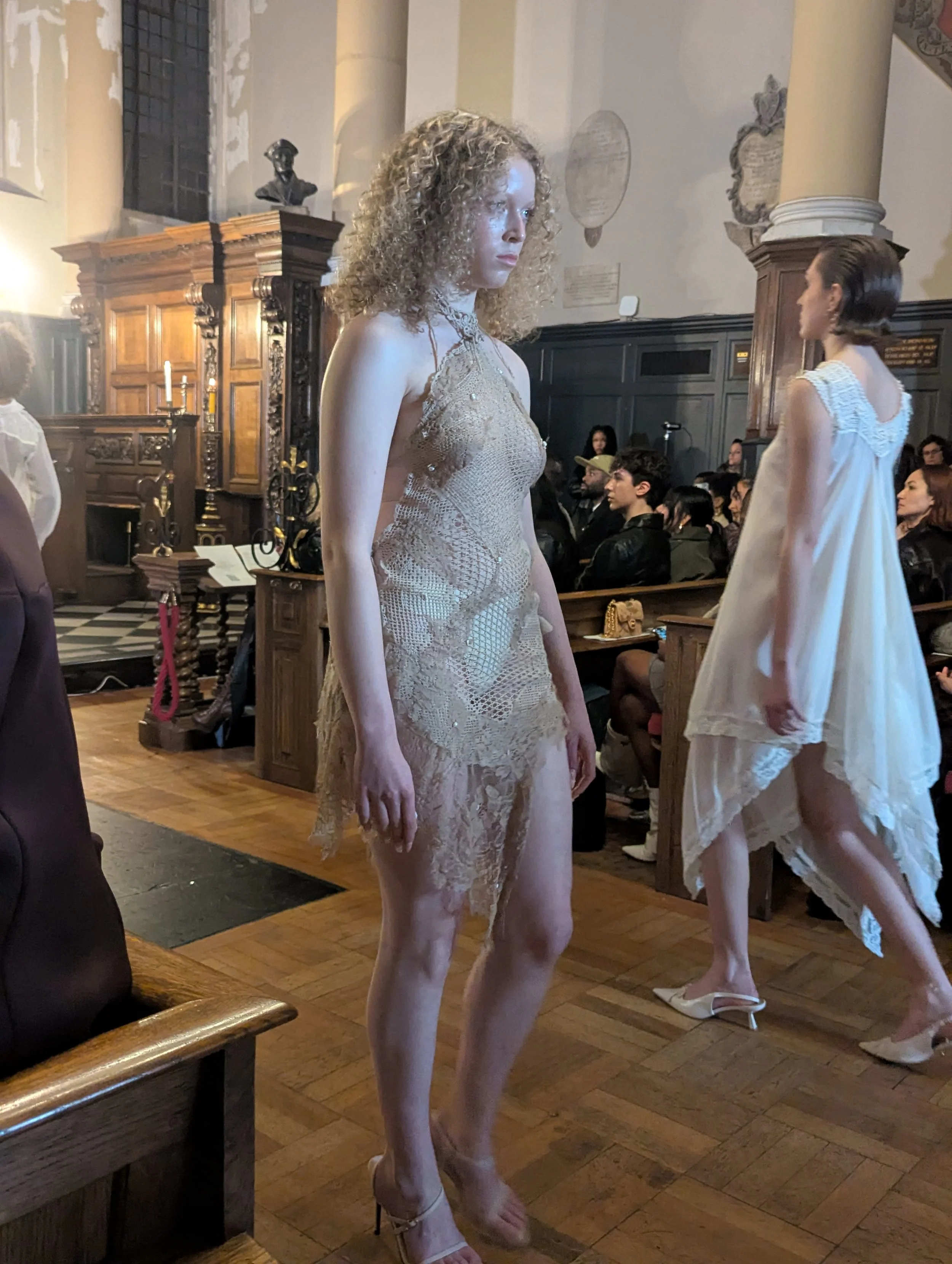
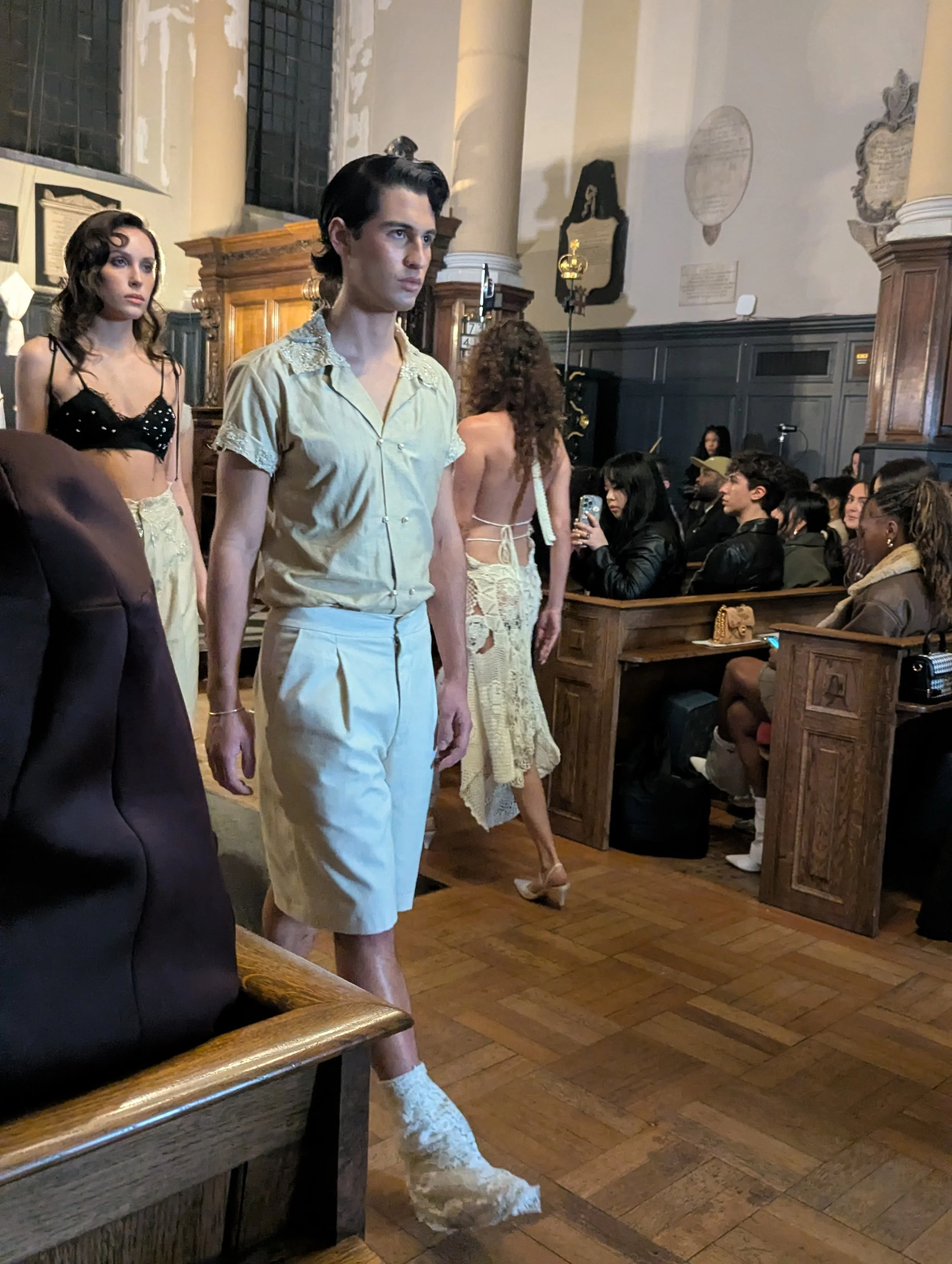
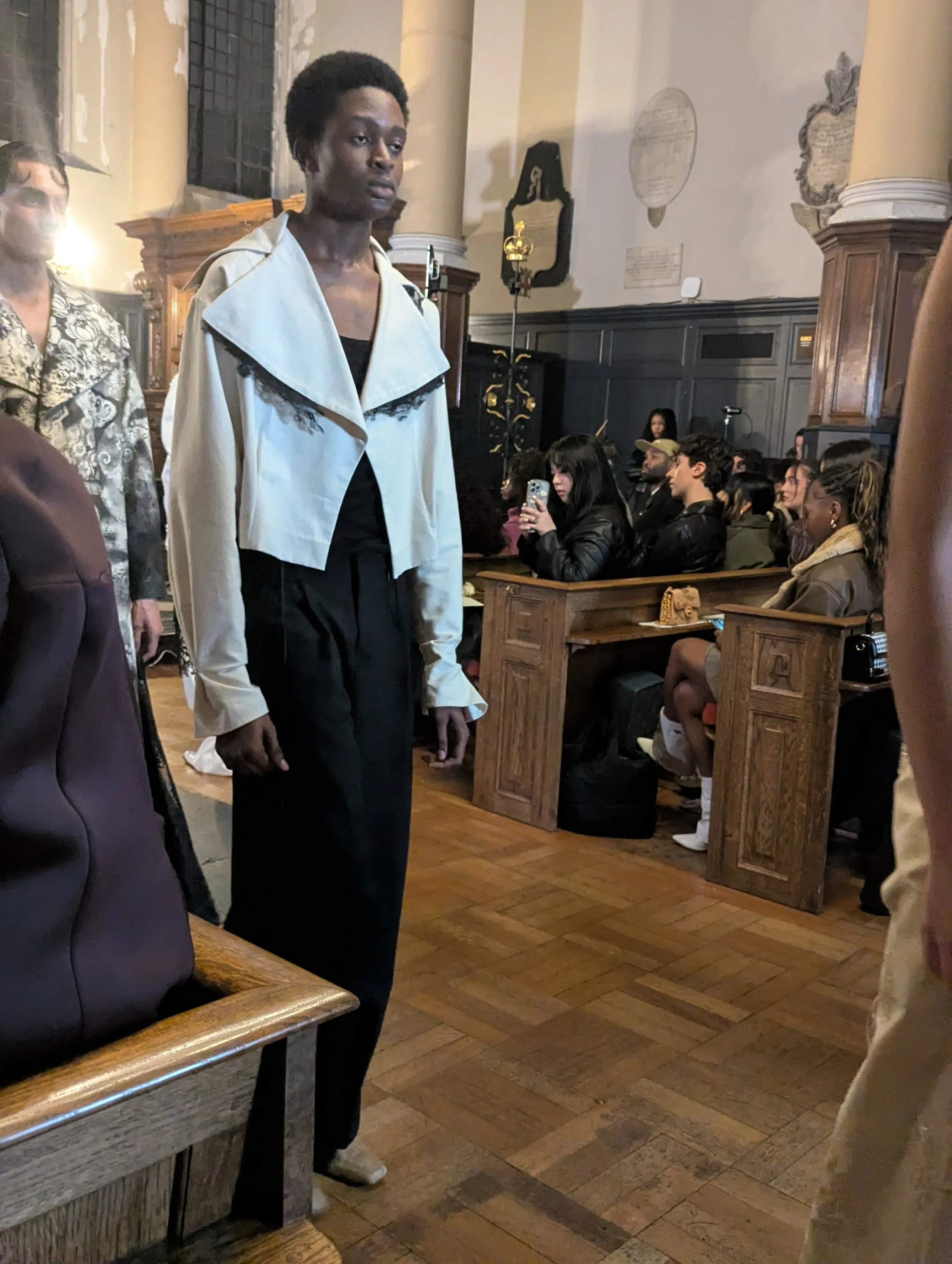
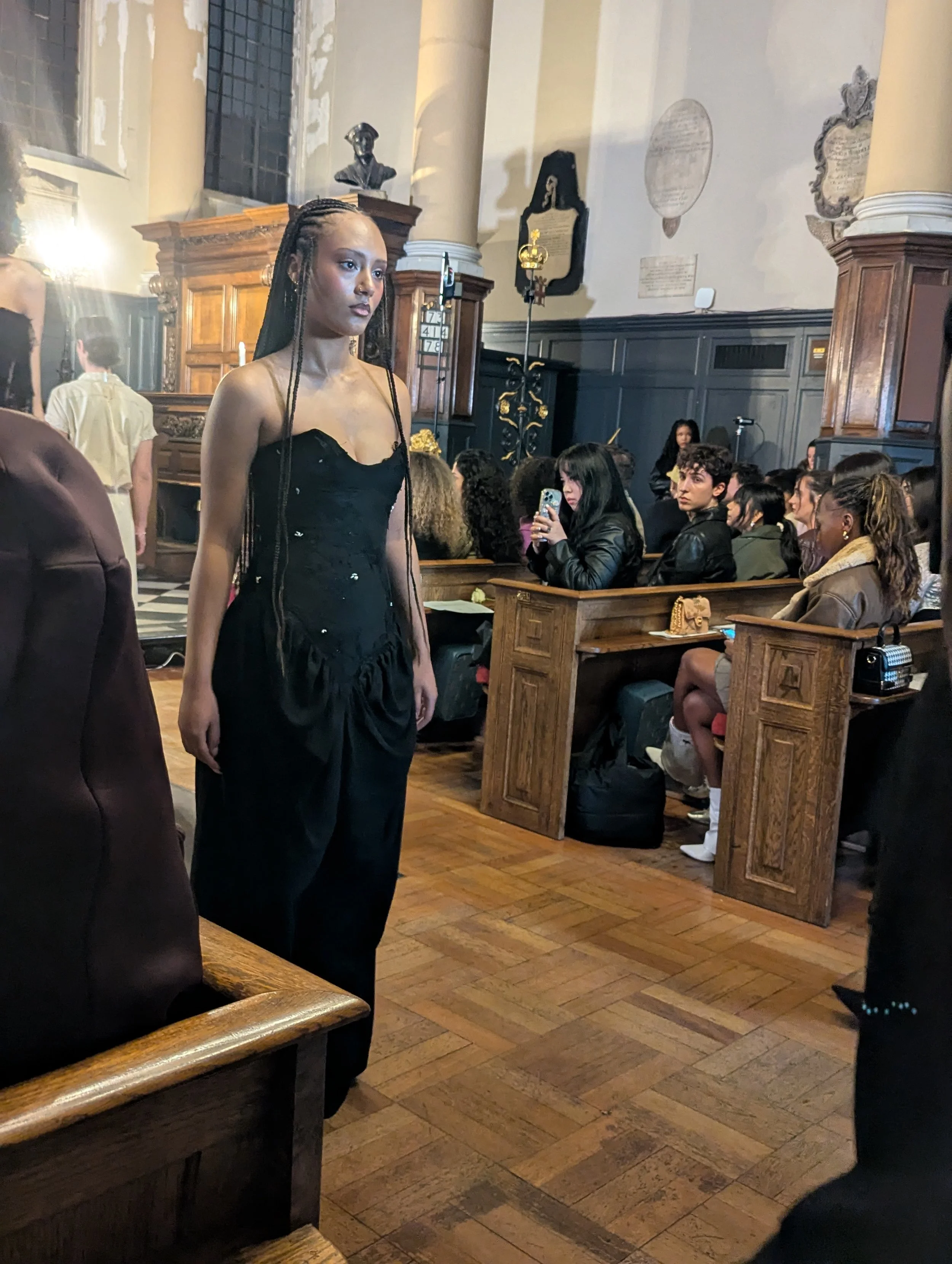
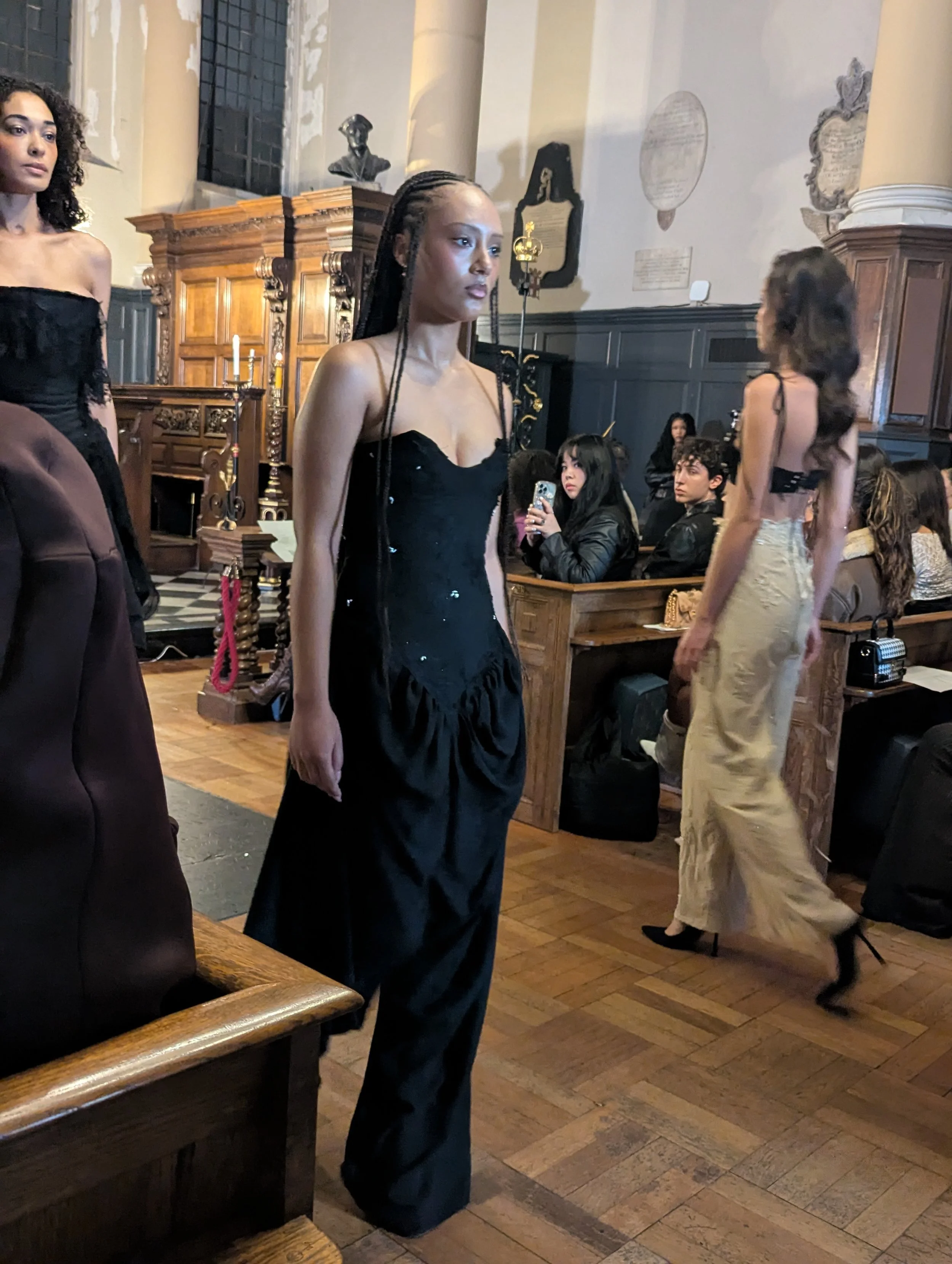
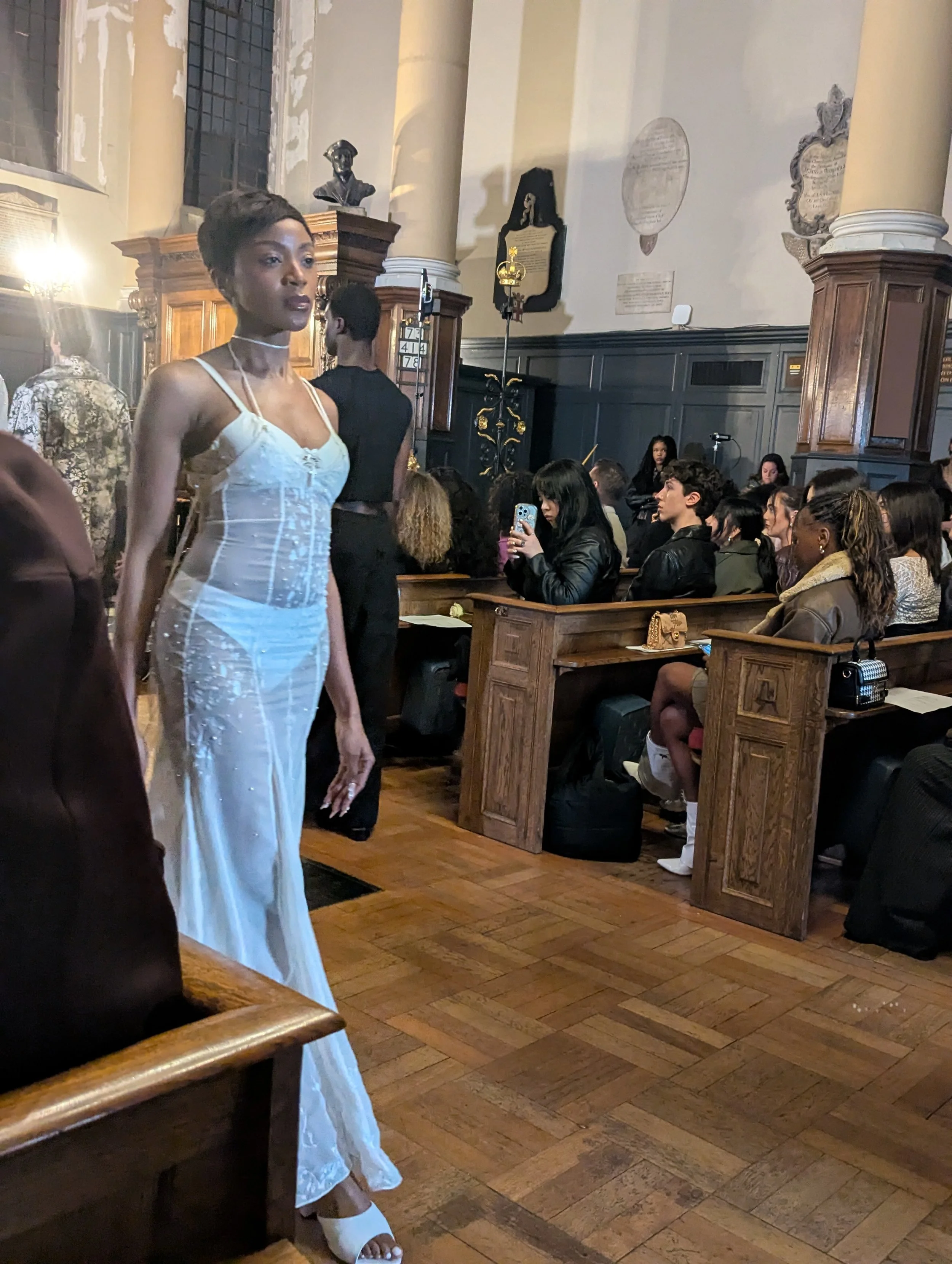
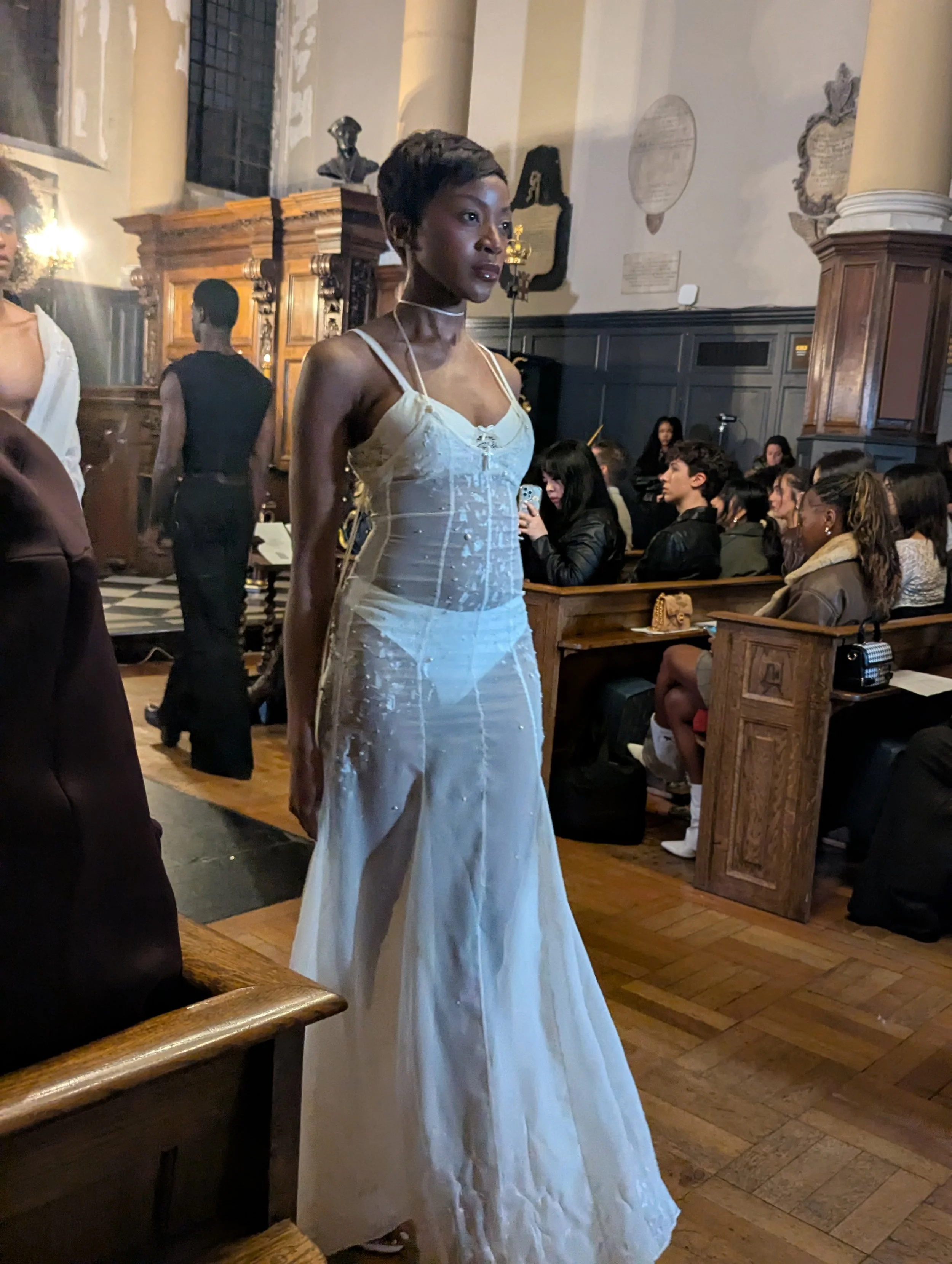
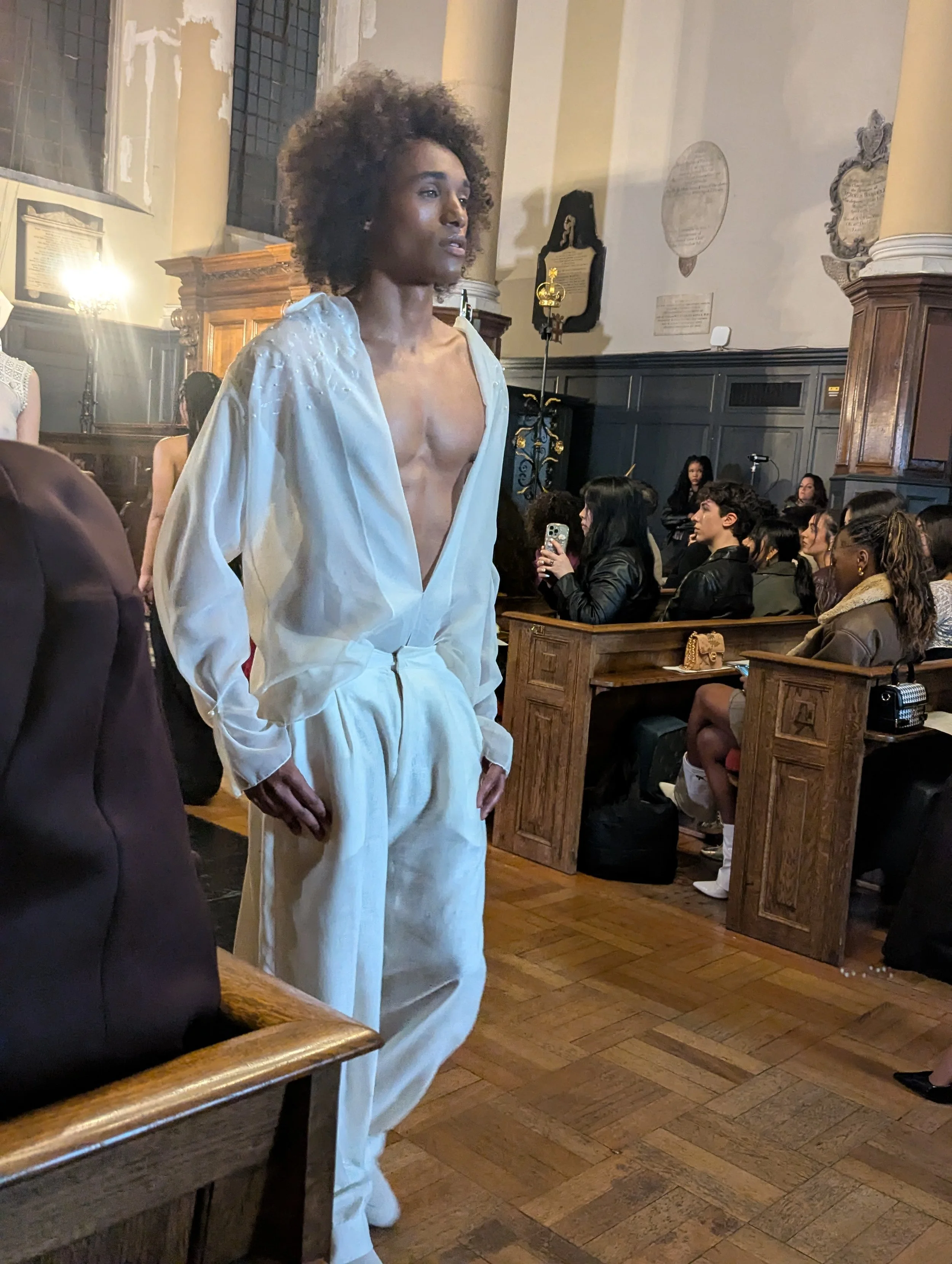
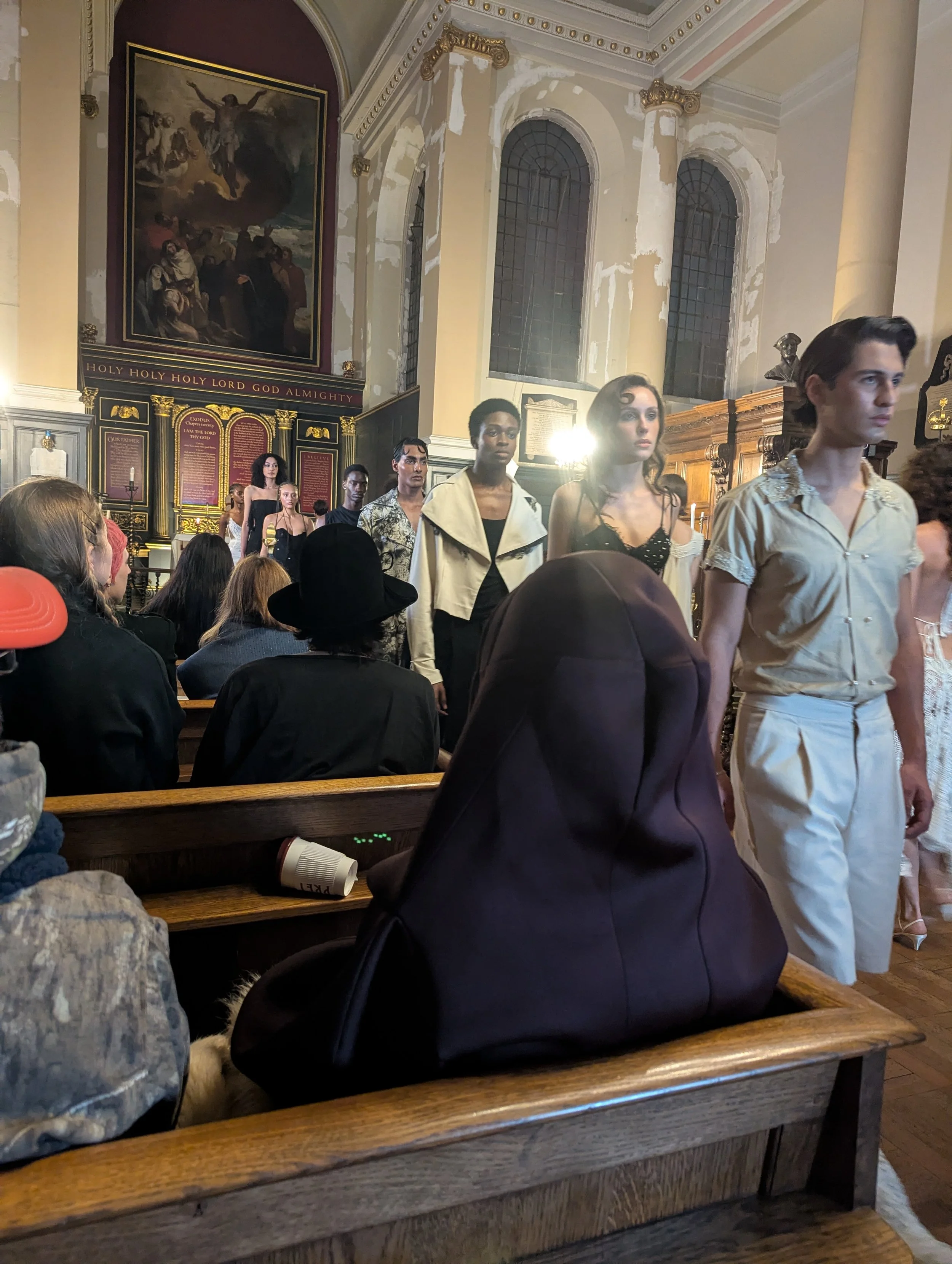
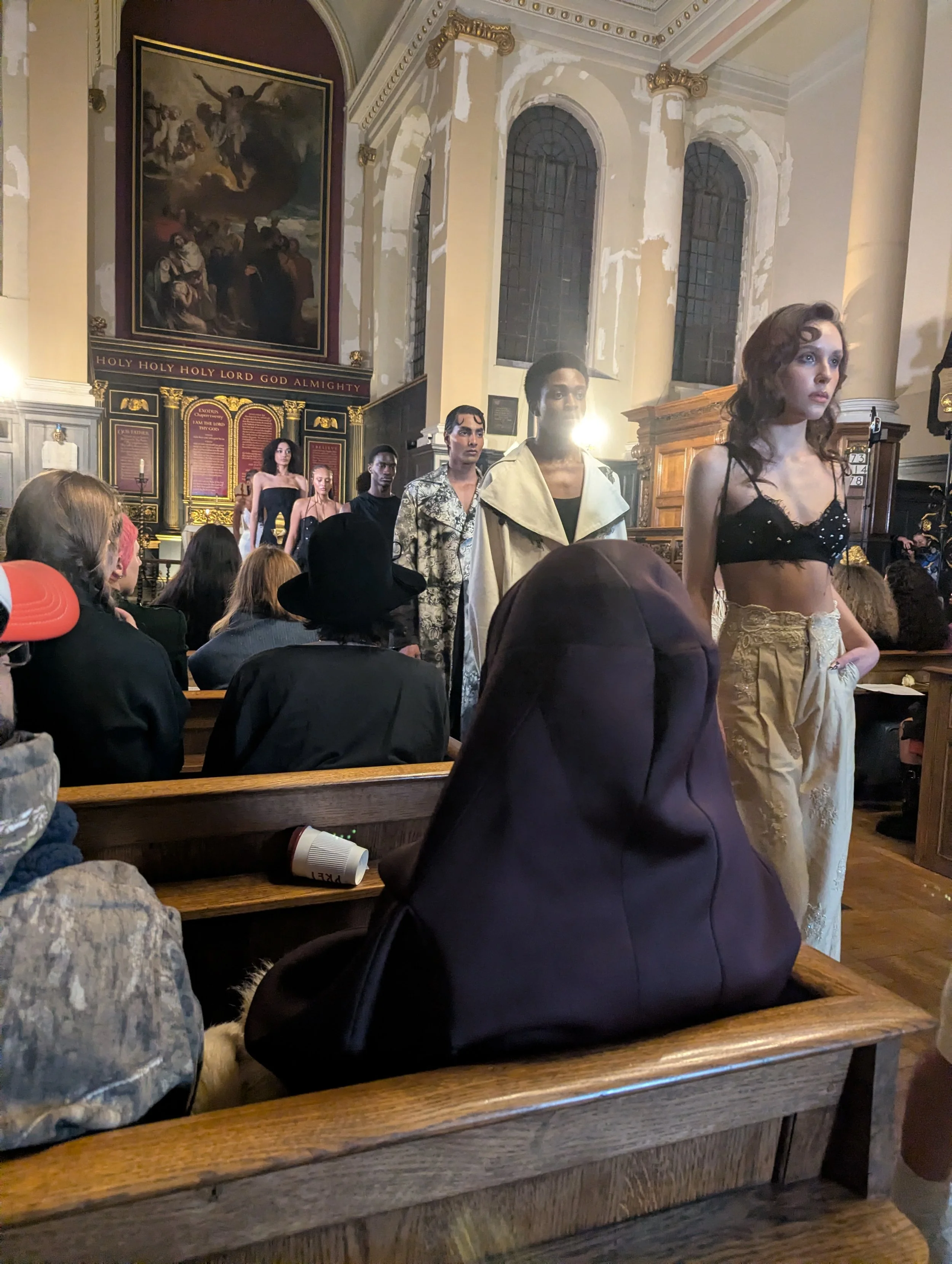
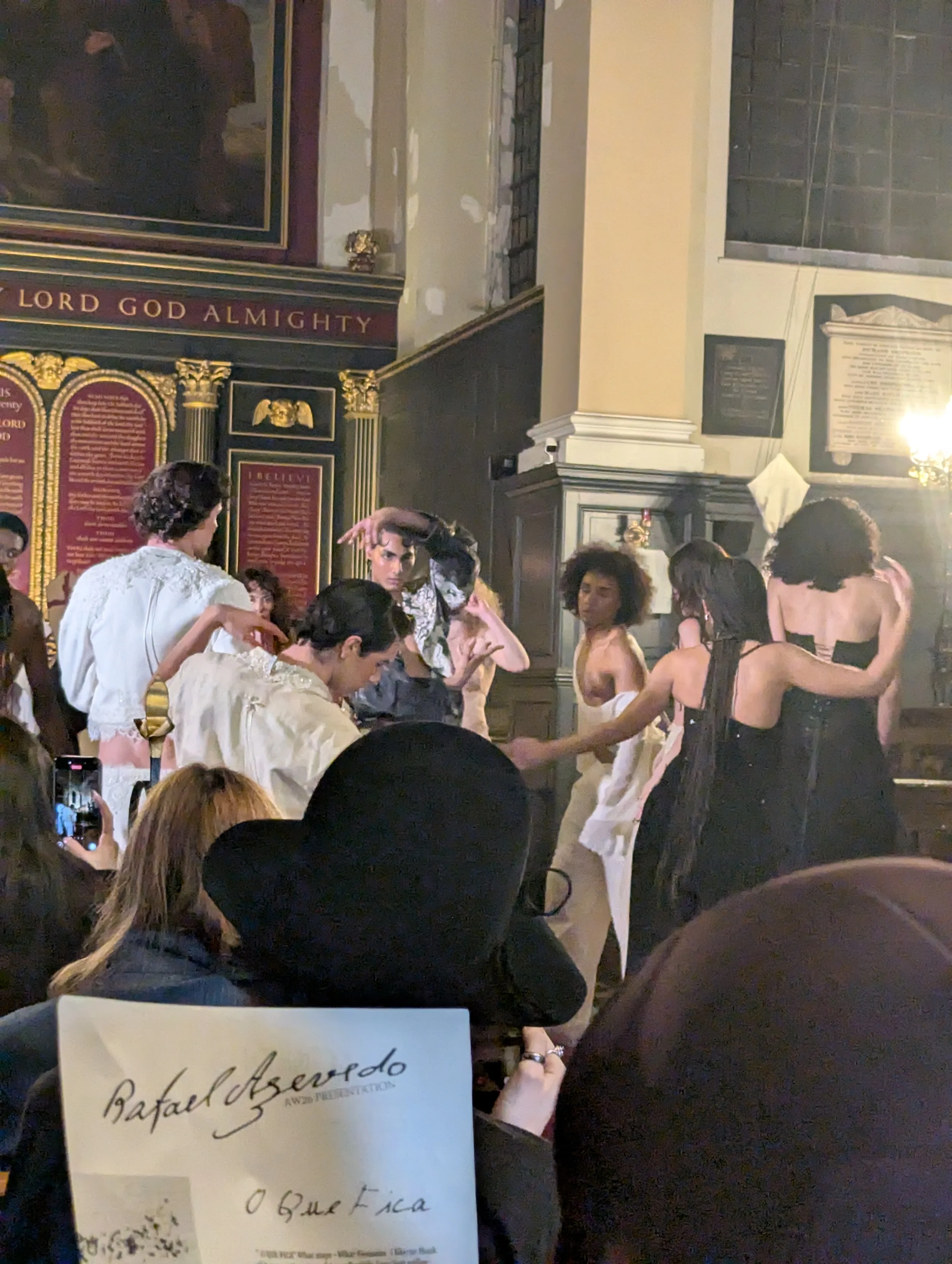
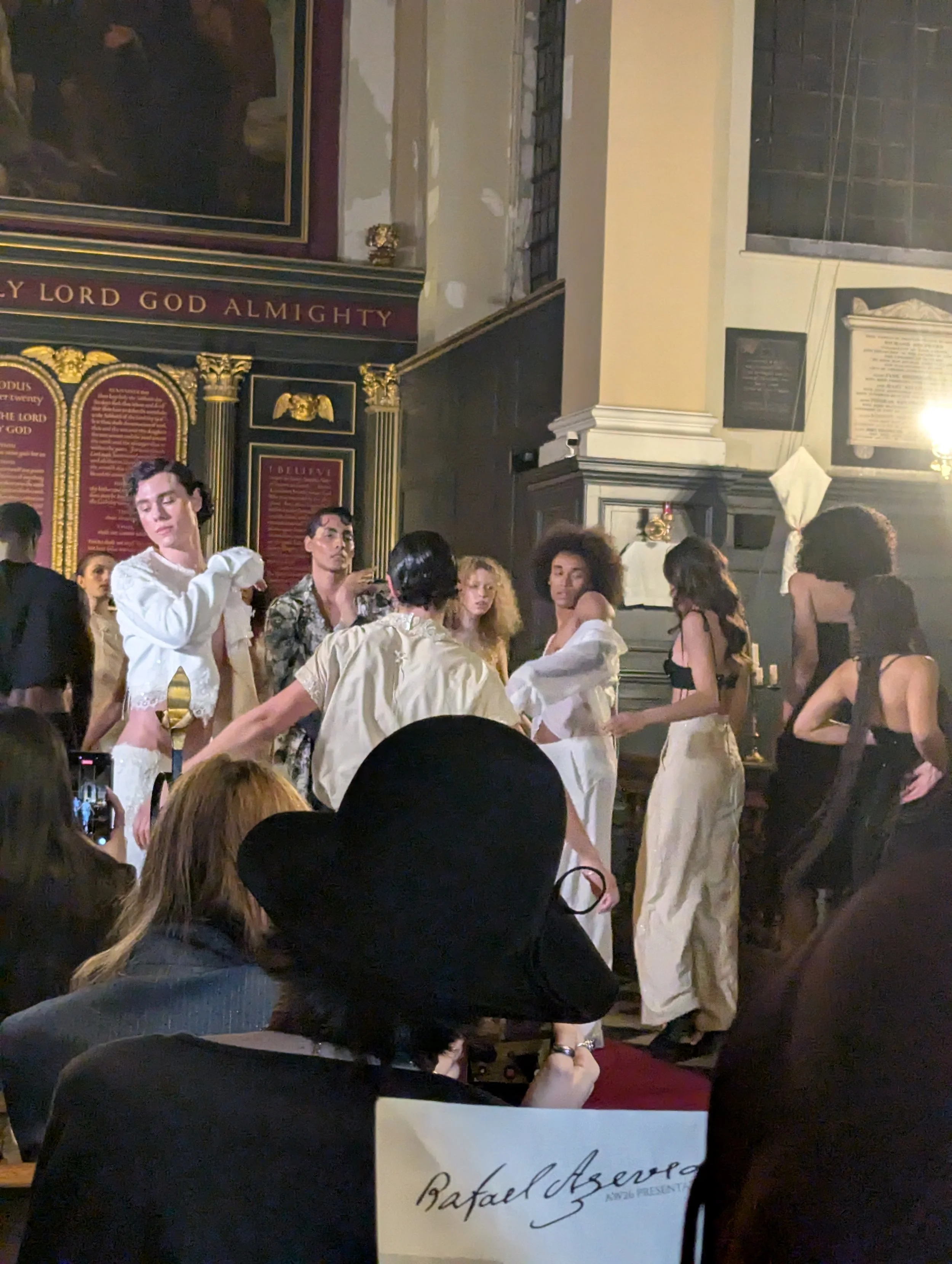
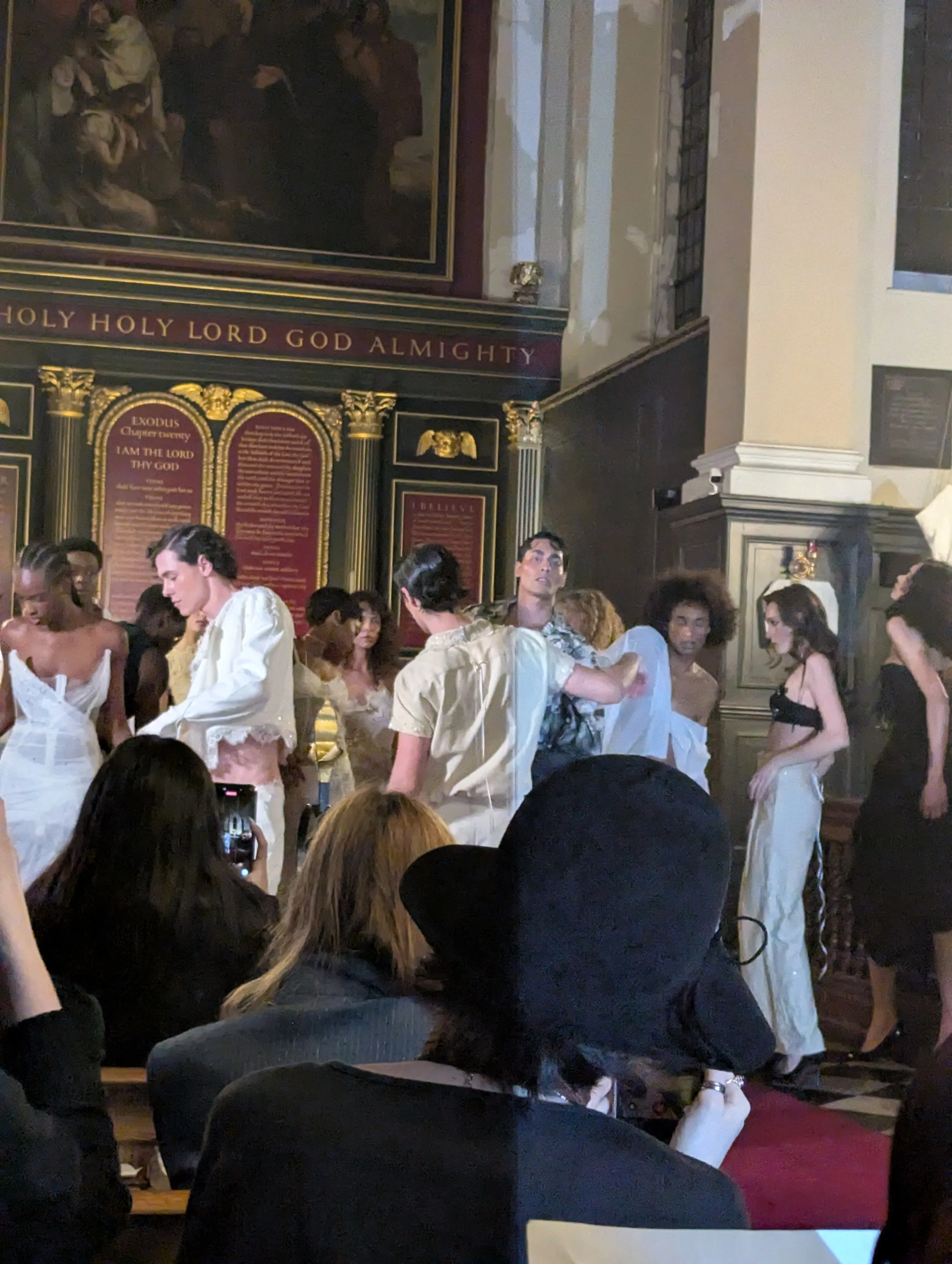
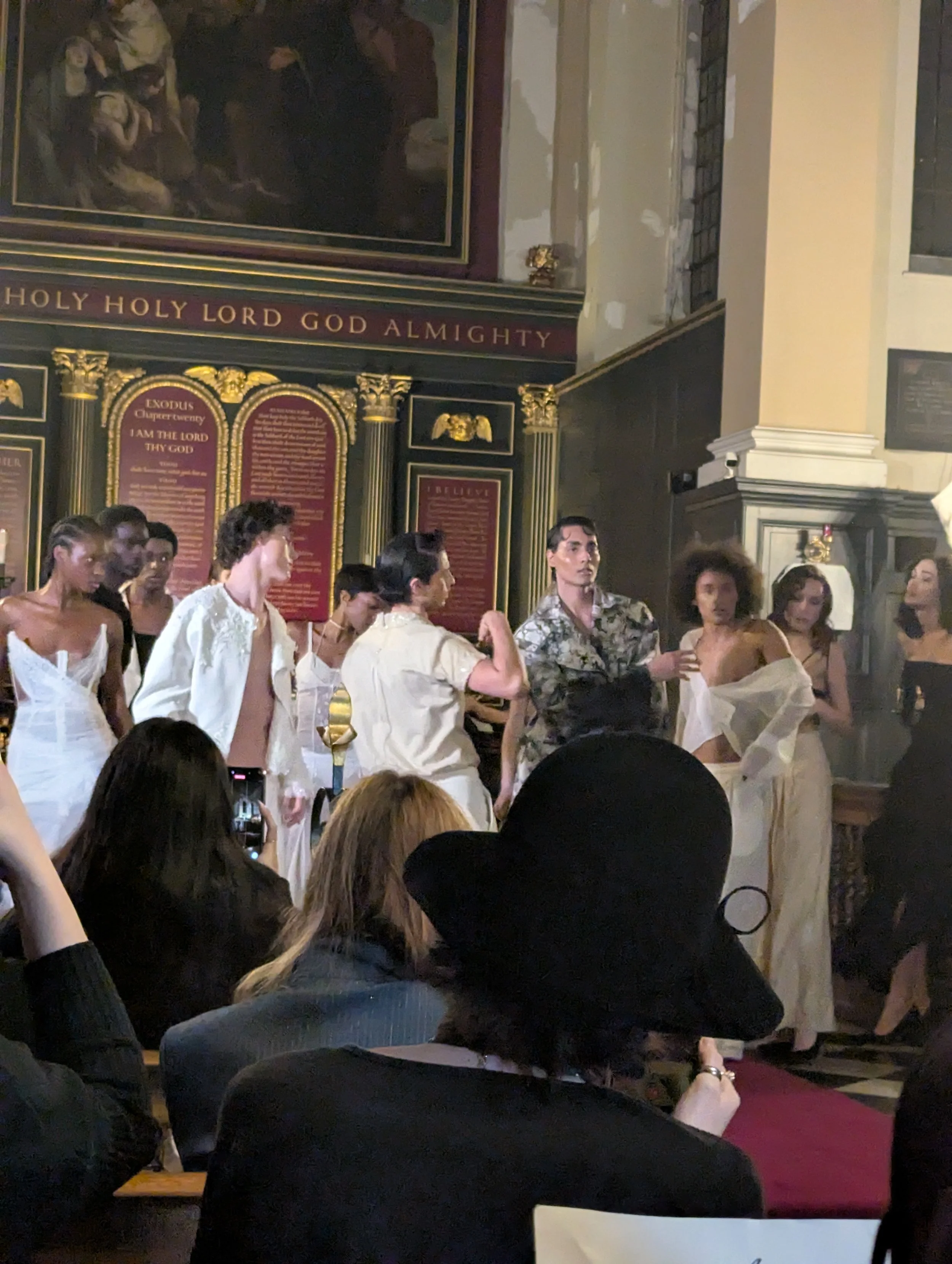
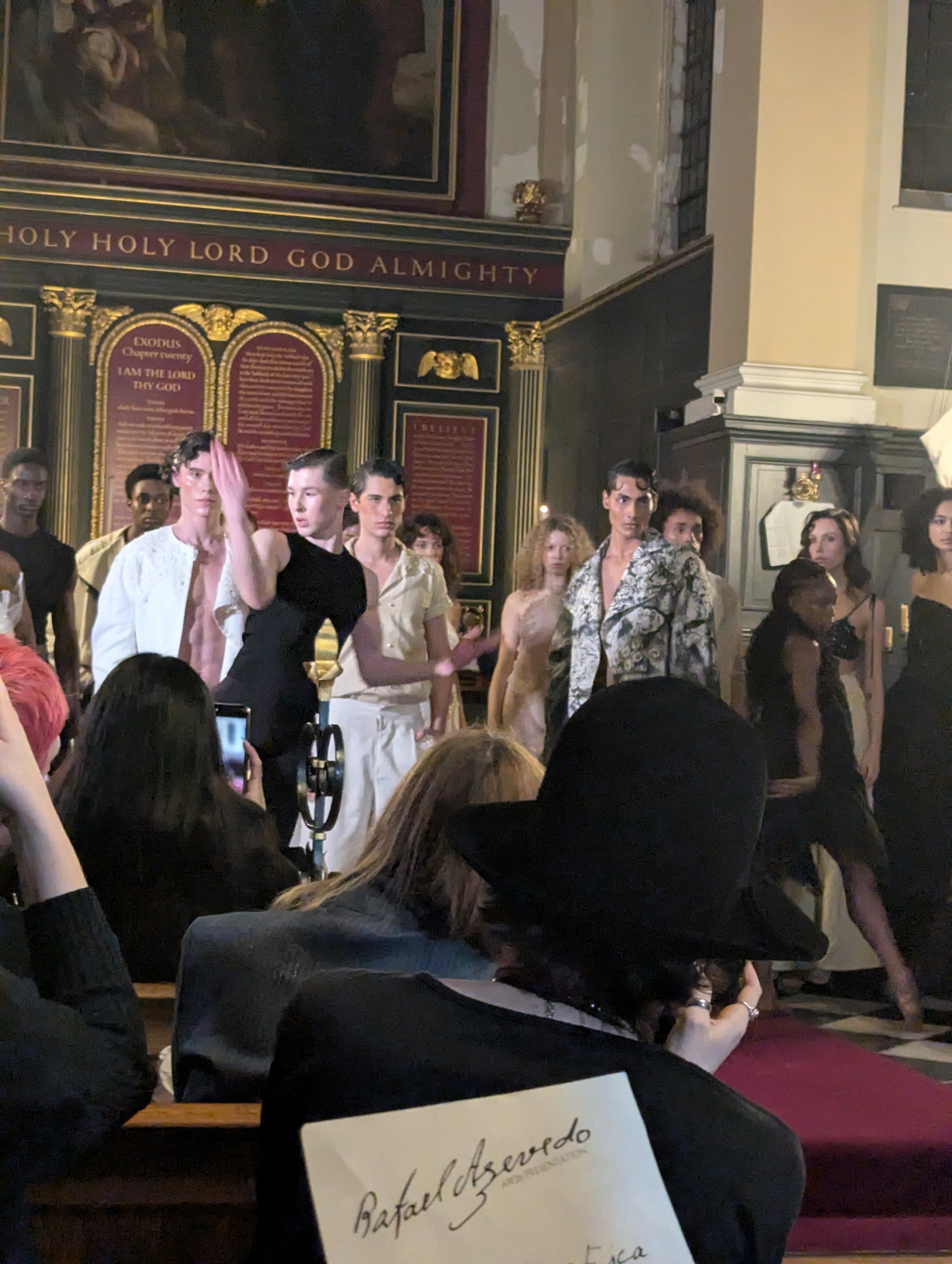
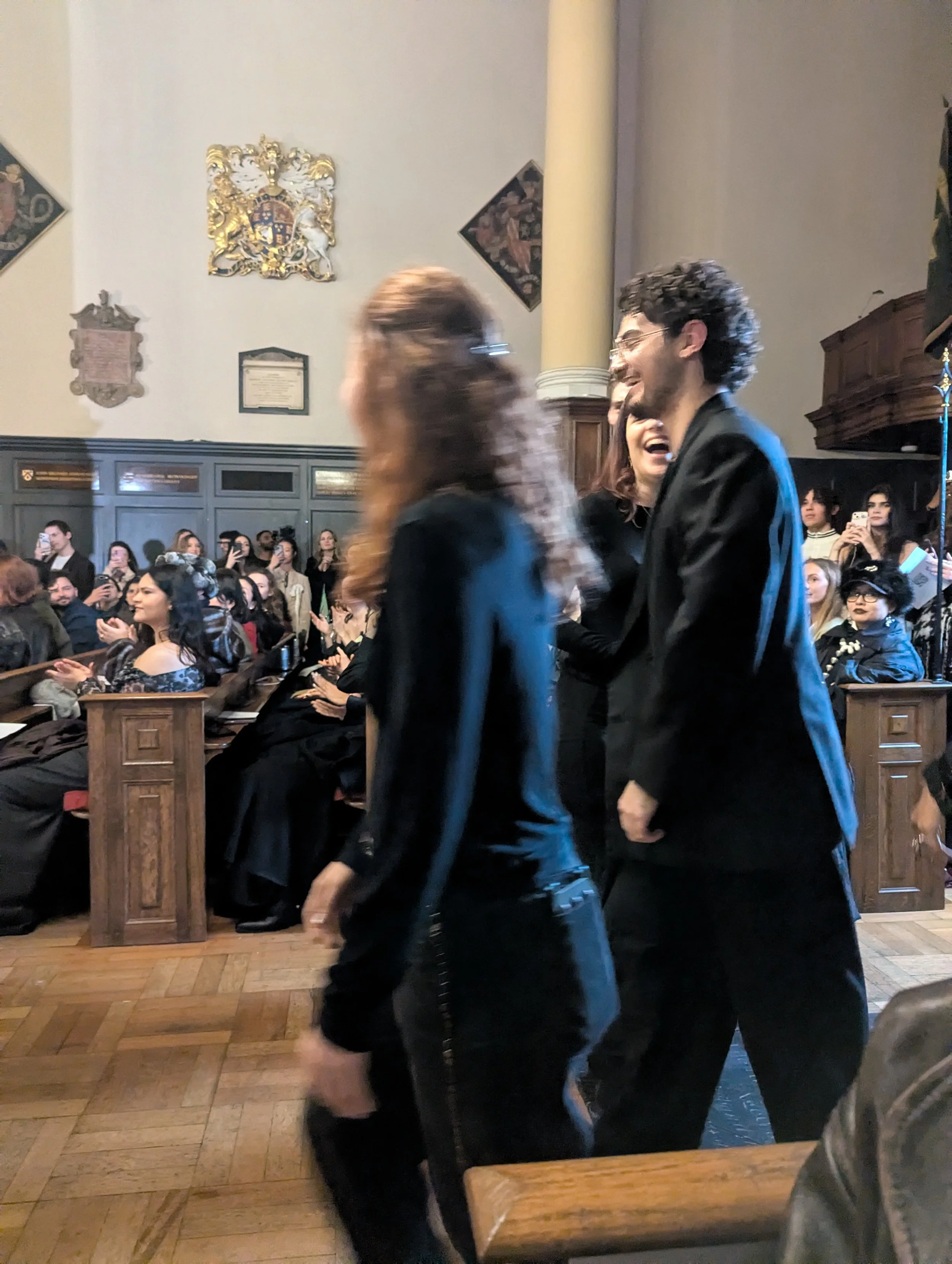
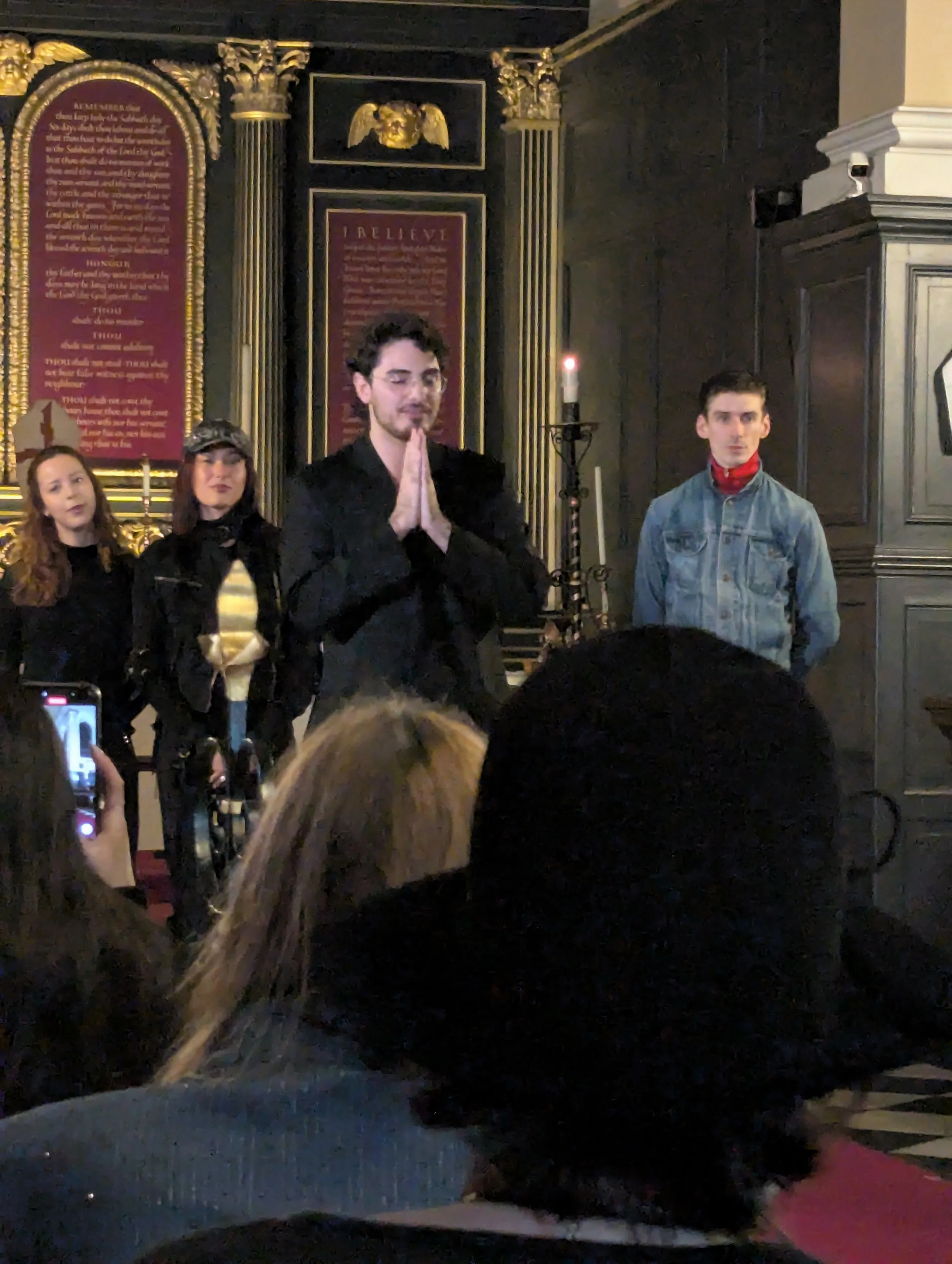
There are runway moments that ask you to look, and there are rare ones that ask you to feel. Rafael Azevedo’s "O Que Fica", translated simply as “What Stays”, did both. Staging its AW26 story inside the hush of St James Garlickhythe Church and asking the audience to sit within a ritual of memory and mourning.
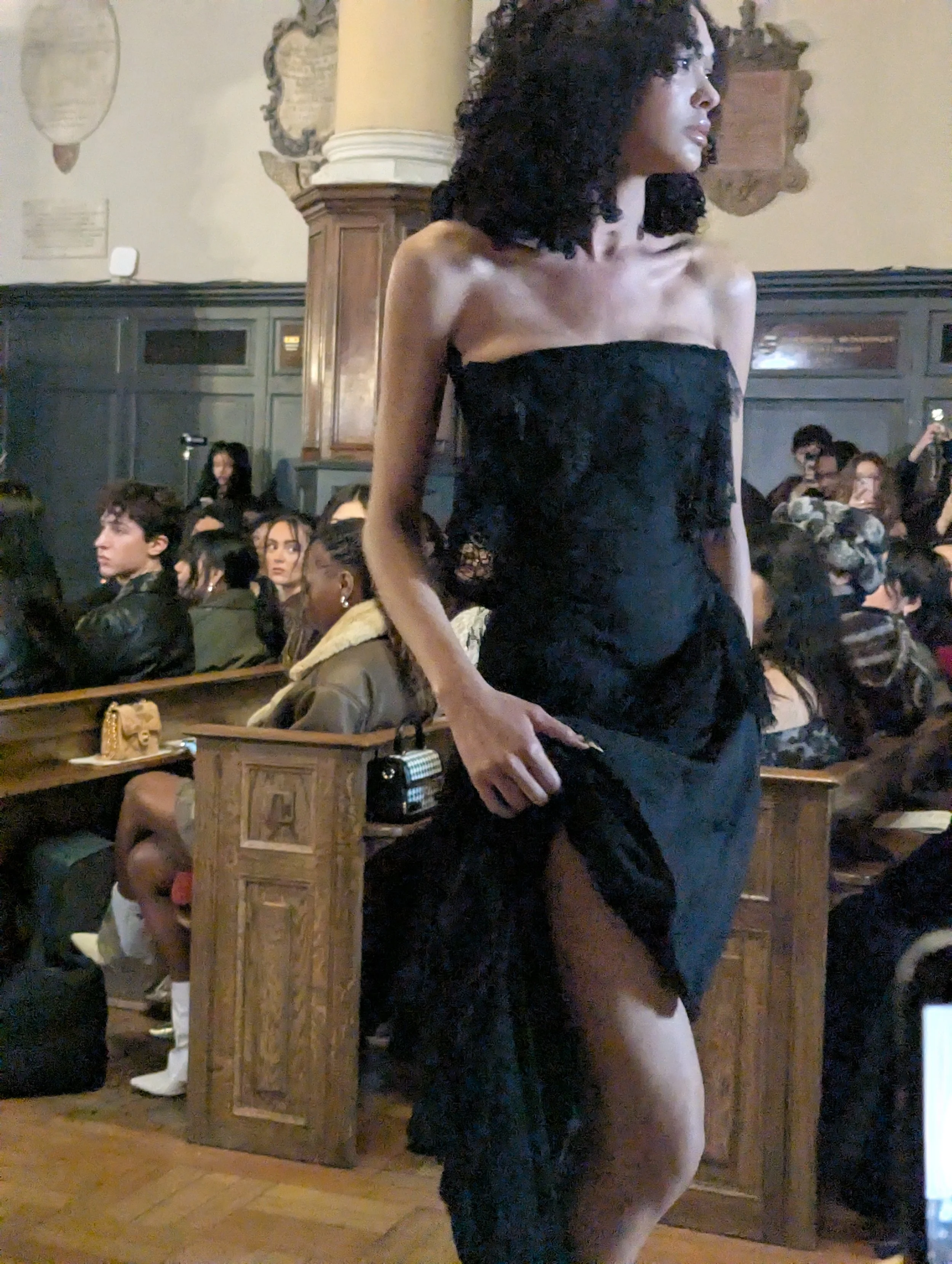
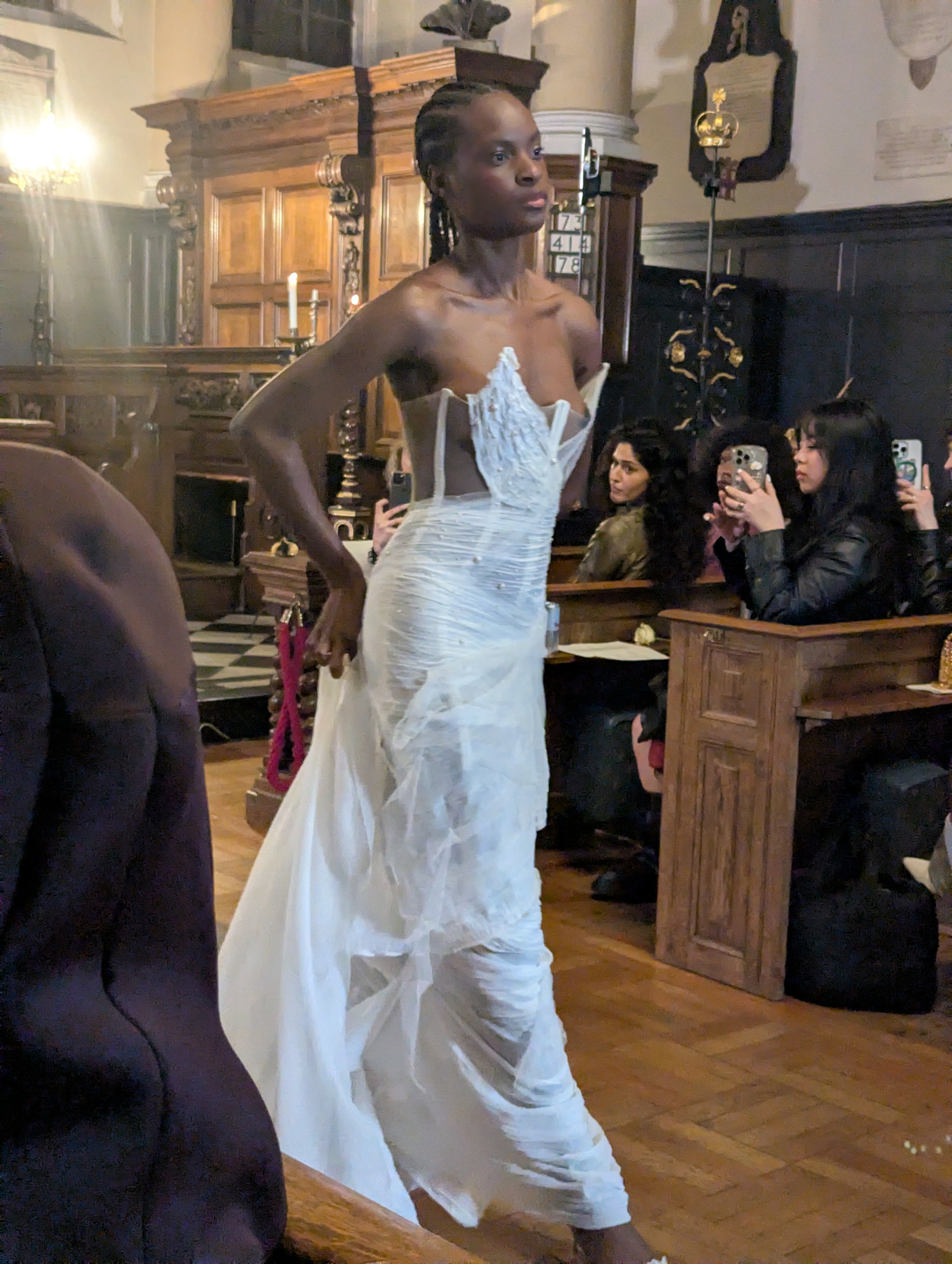
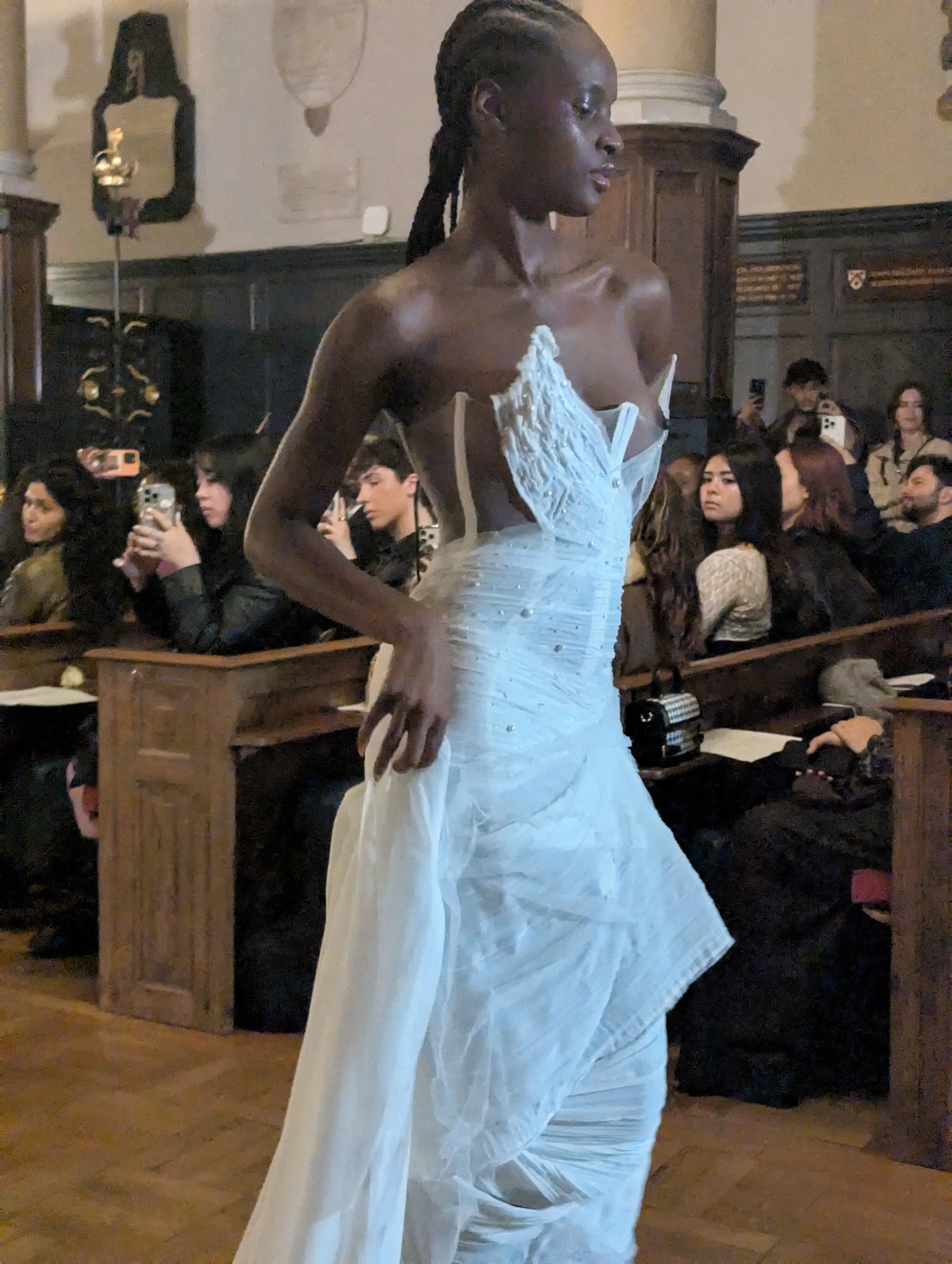
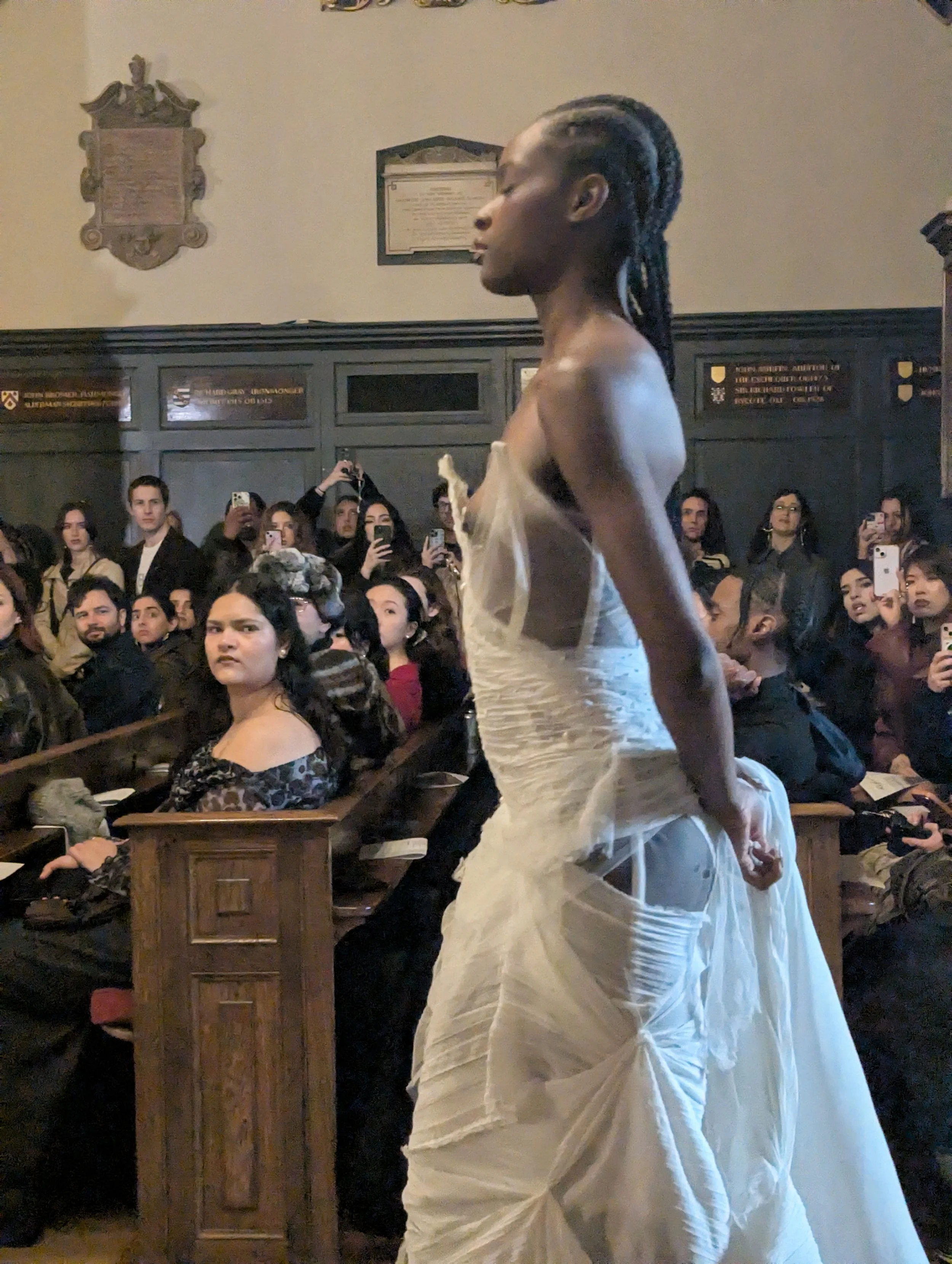
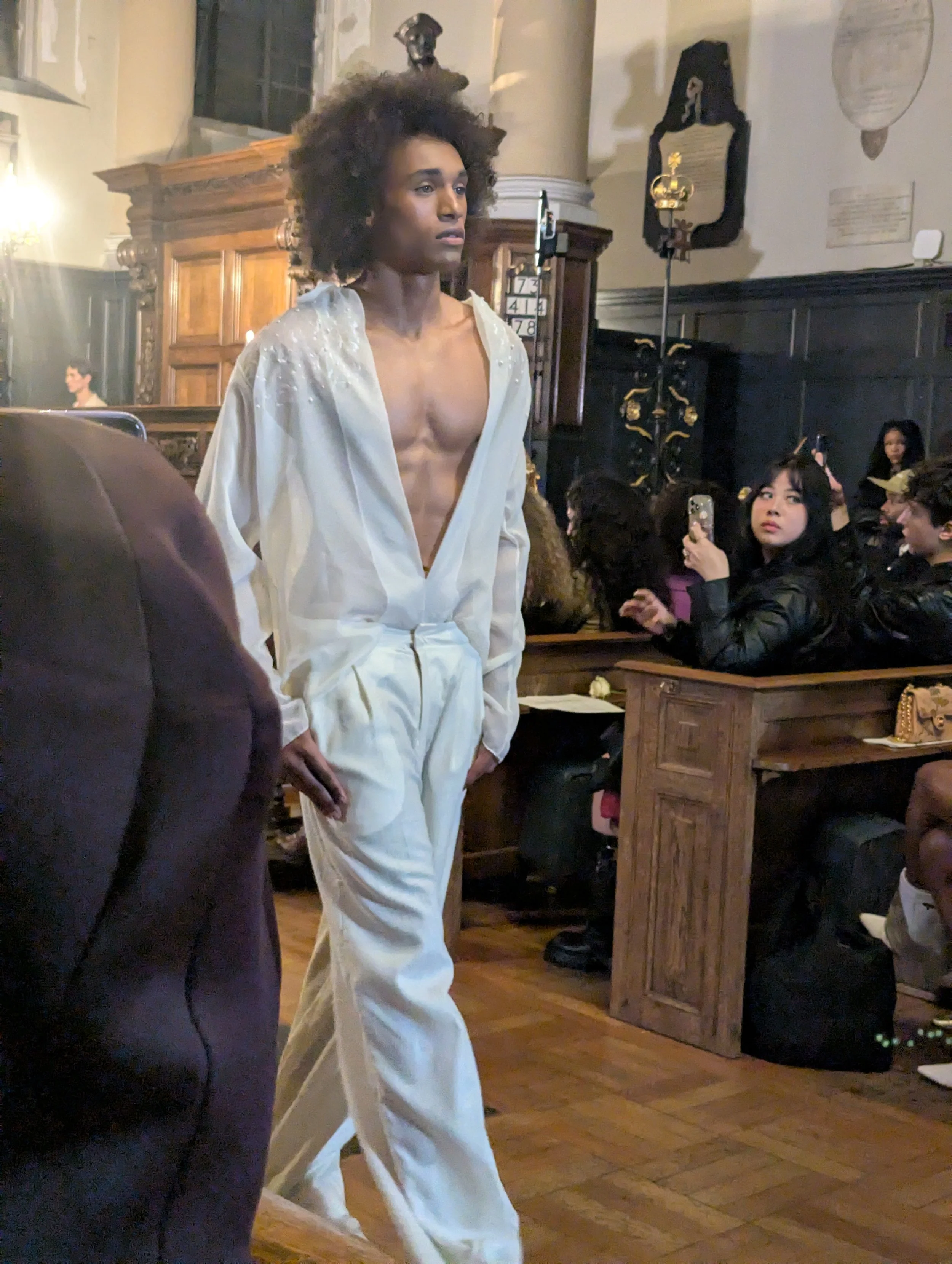
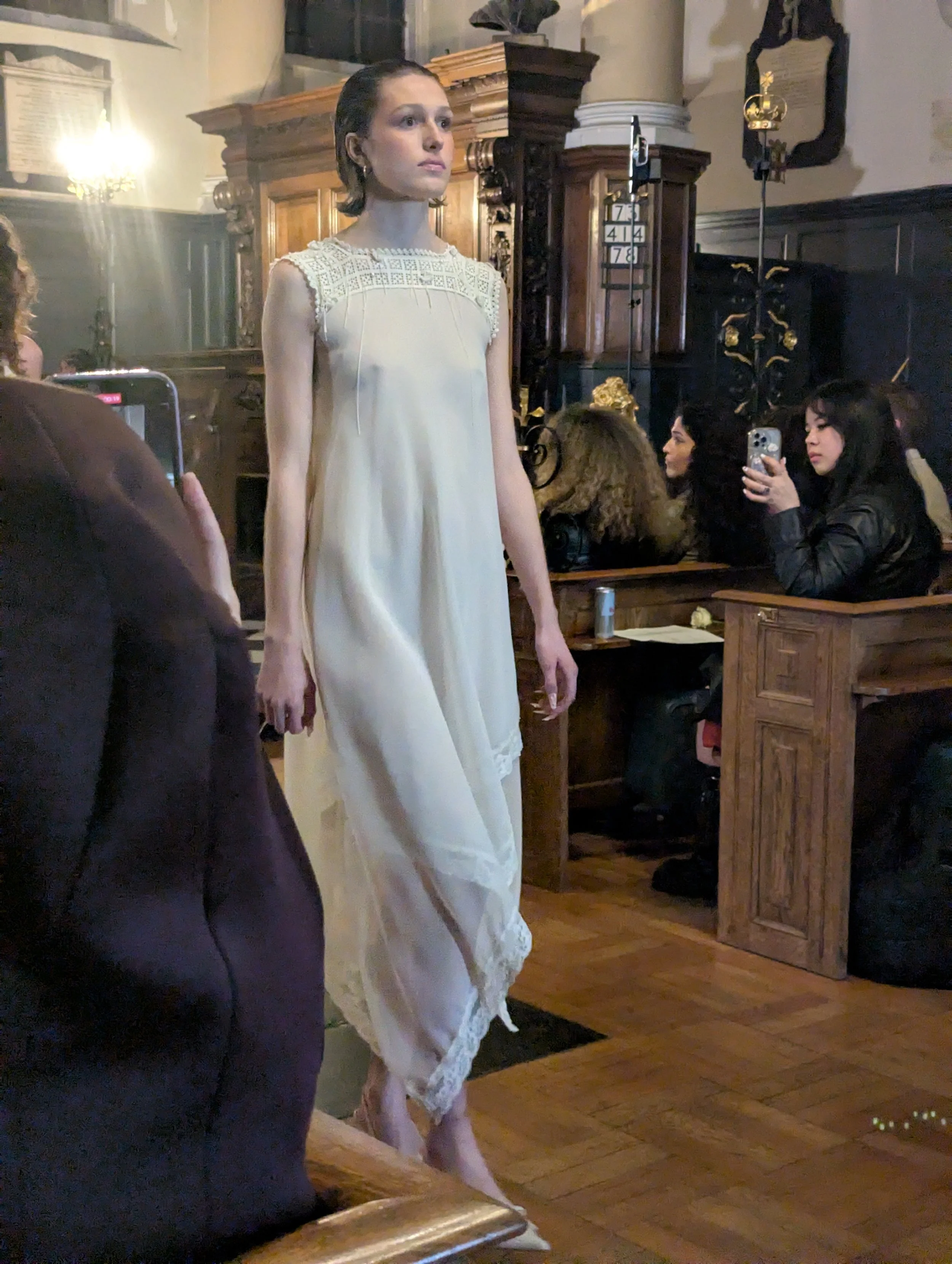
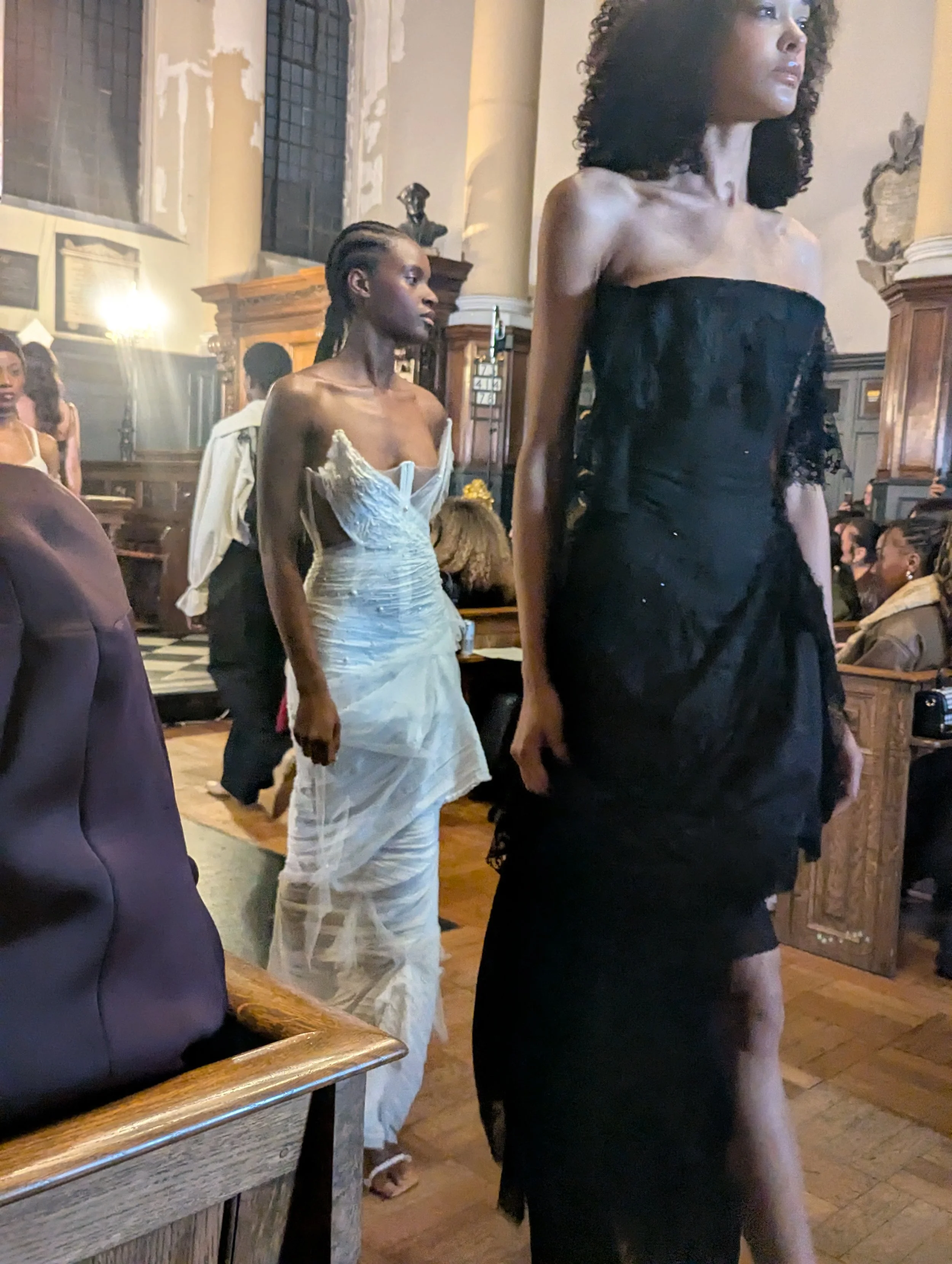
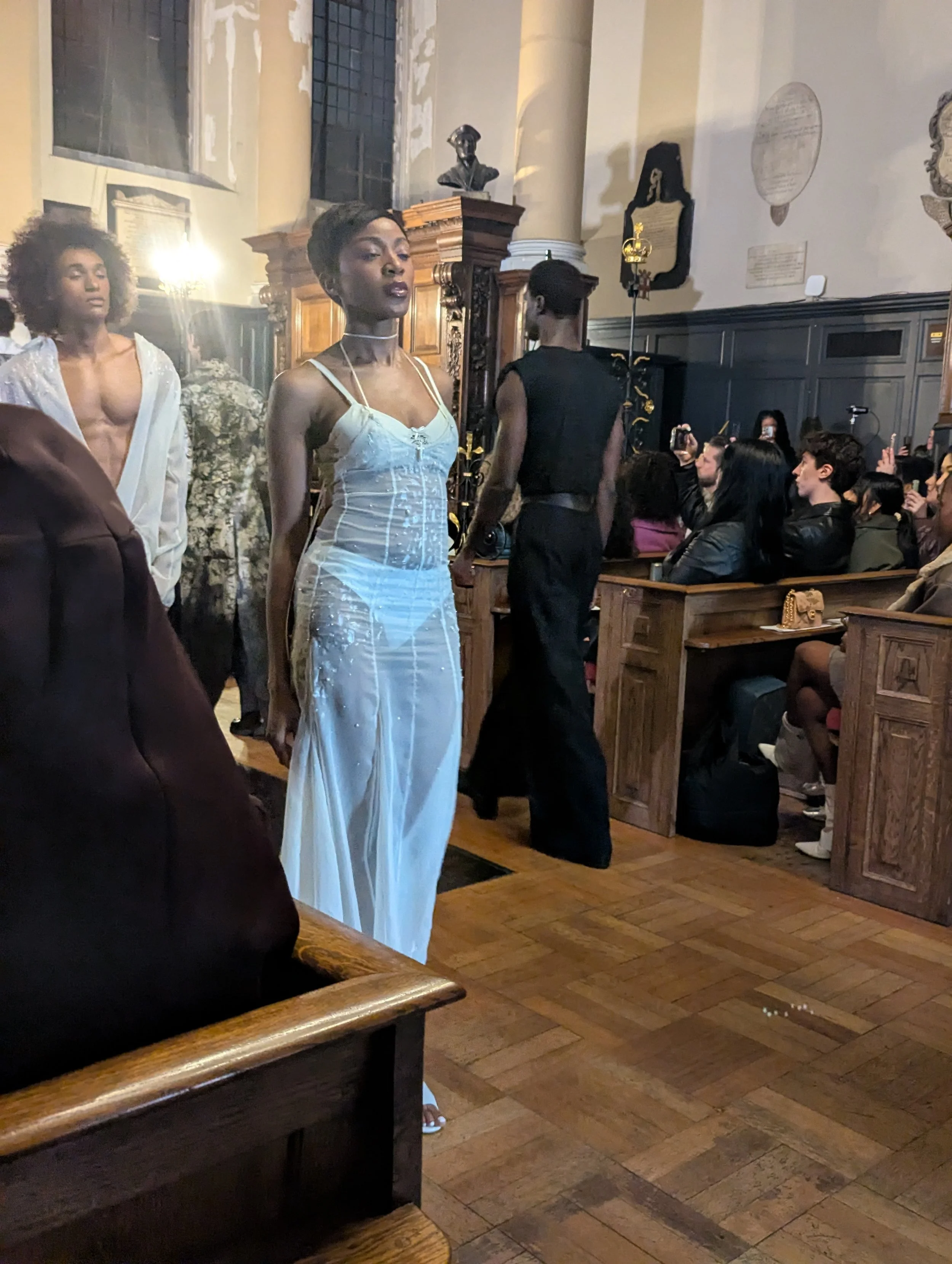
At 20, Azevedo has already made emotional storytelling the spine of his brand. "O Que Fica" was a fourteen-look meditation on loss: how grief stains and clings, how it alters movement and silhouette. The collection read like a poem rendered in fabric; neutral palettes, sheer textures, crocheted heirlooms and corsets that held as much psychological weight as they did physical form. What grounds Azevedo’s drama is craft. Much of the crochet and lace came from Madeira; heirloom techniques and vintage fragments woven into contemporary shapes. The designer leaned on deadstock and reclaimed textiles throughout the collection. The result felt less like pastiche and more like rescue; materials with history, reframed for a new choreography.
If "O Que Fica" had a signature, it was the closing, pearl-encased look (referred to in coverage as Elysium) and a piece called Holy Fles; both layering sheer veils, lace, corsetry and pearls until garment and memory became indistinguishable. These aren’t show-stoppers for shock so much as for insistence; the body remains, the traces remain.
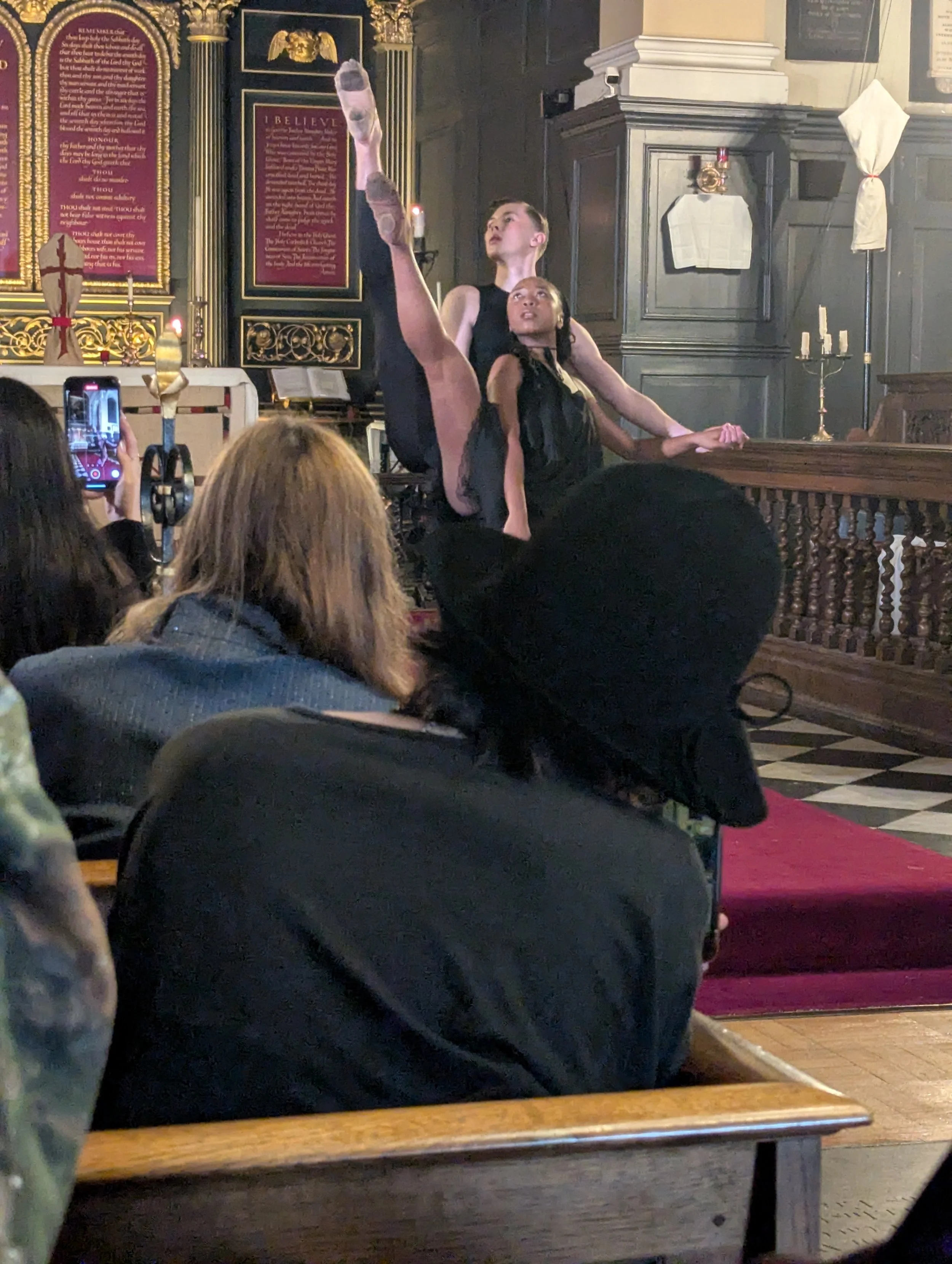
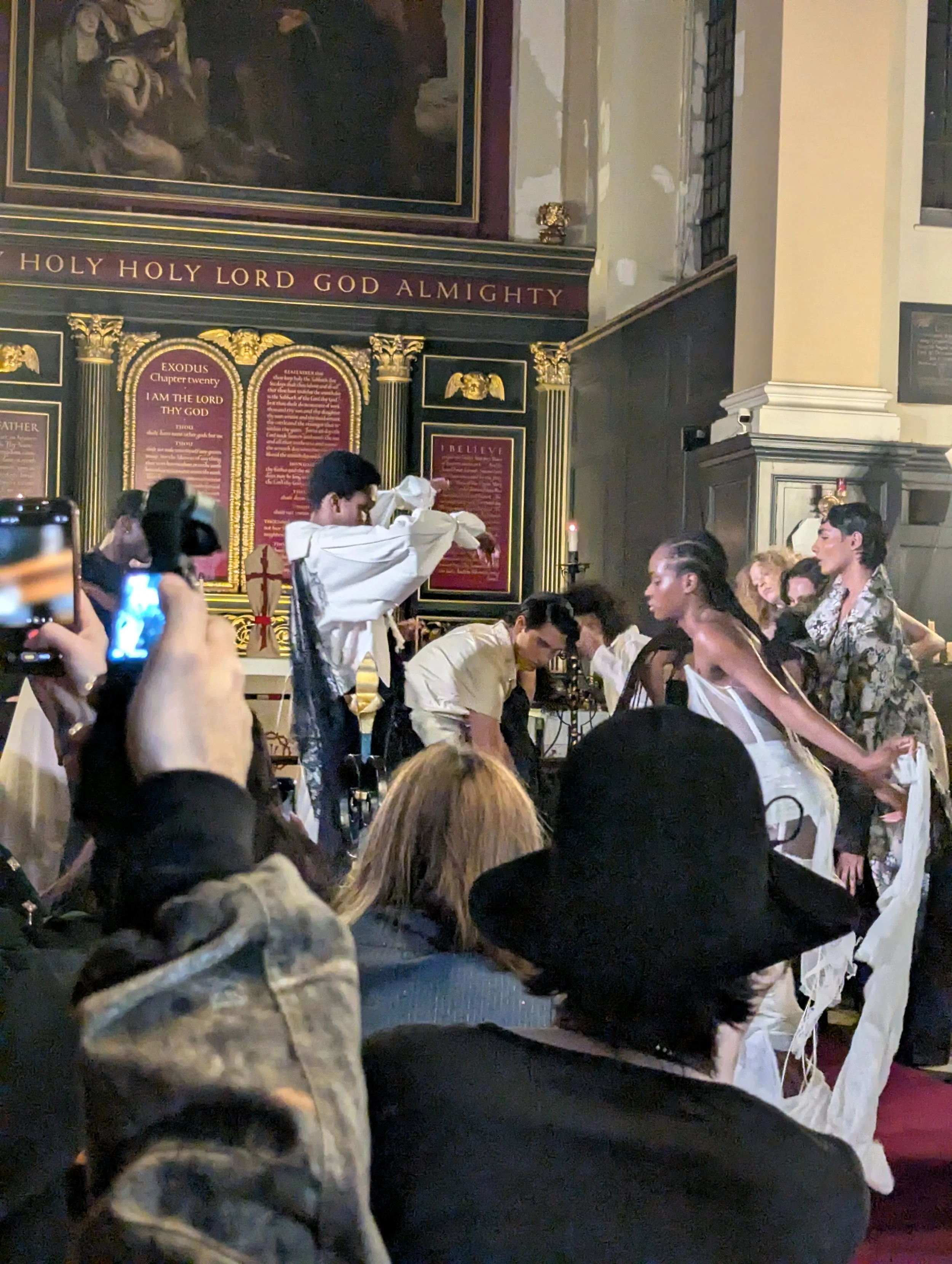
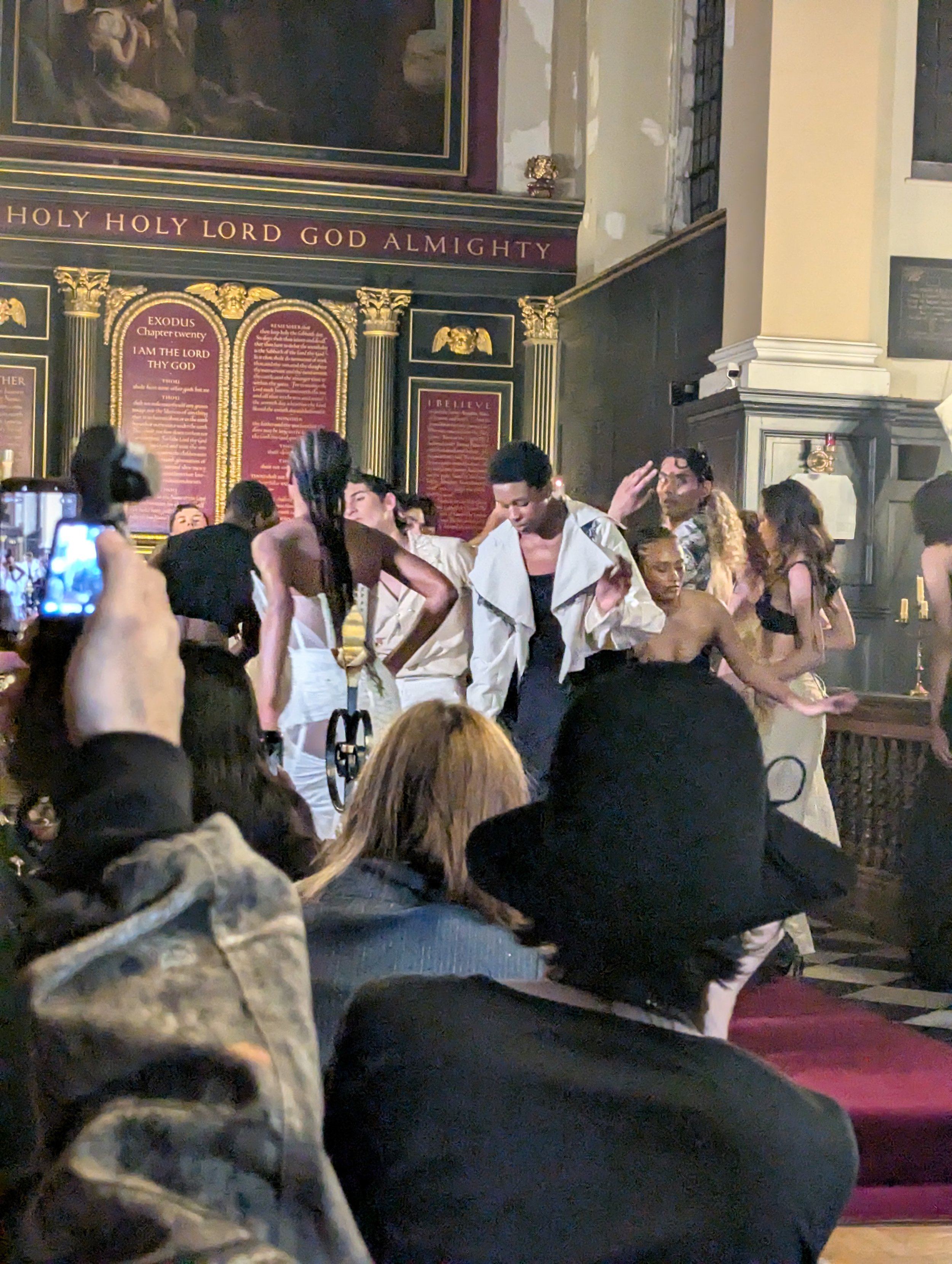
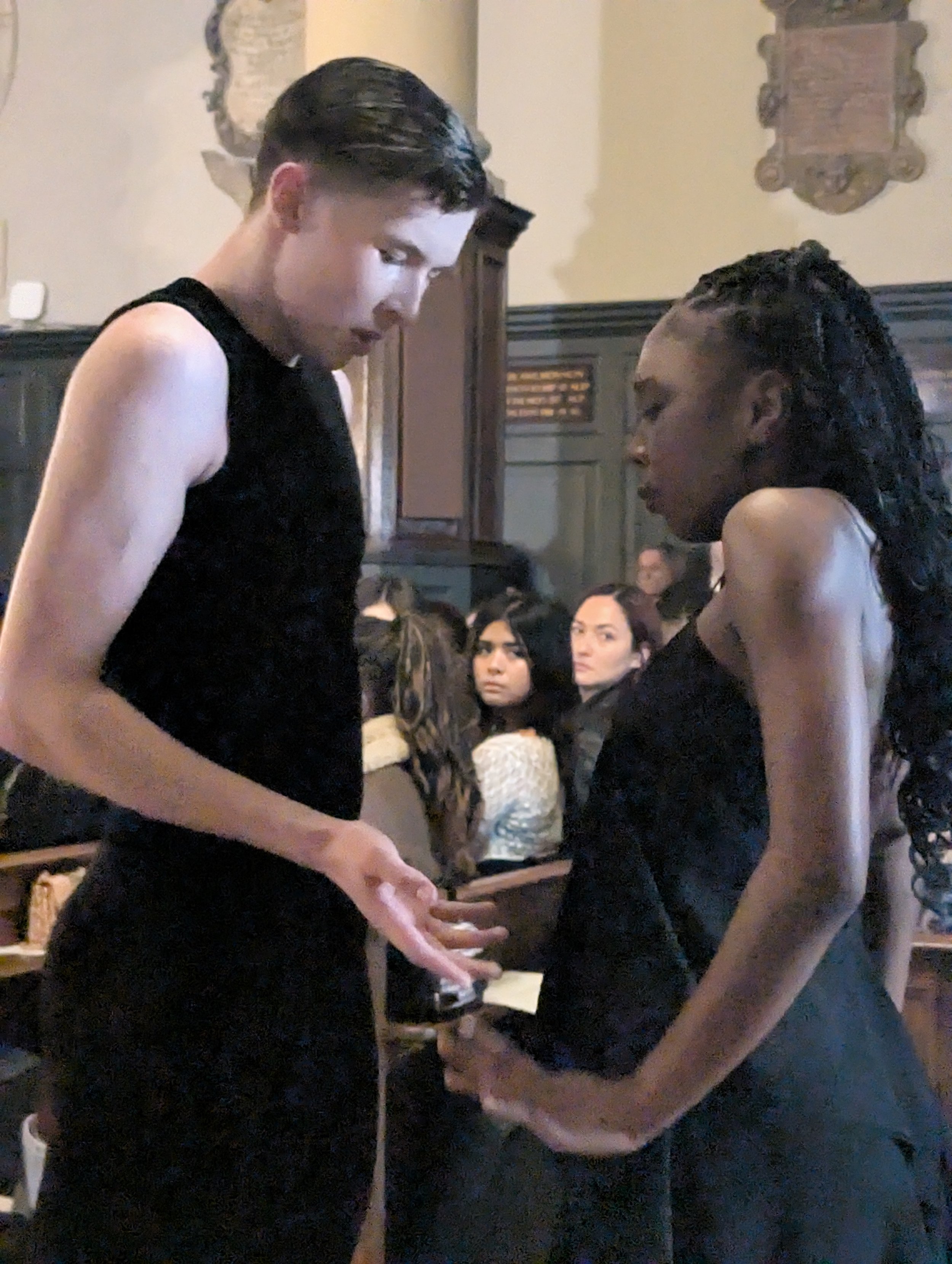
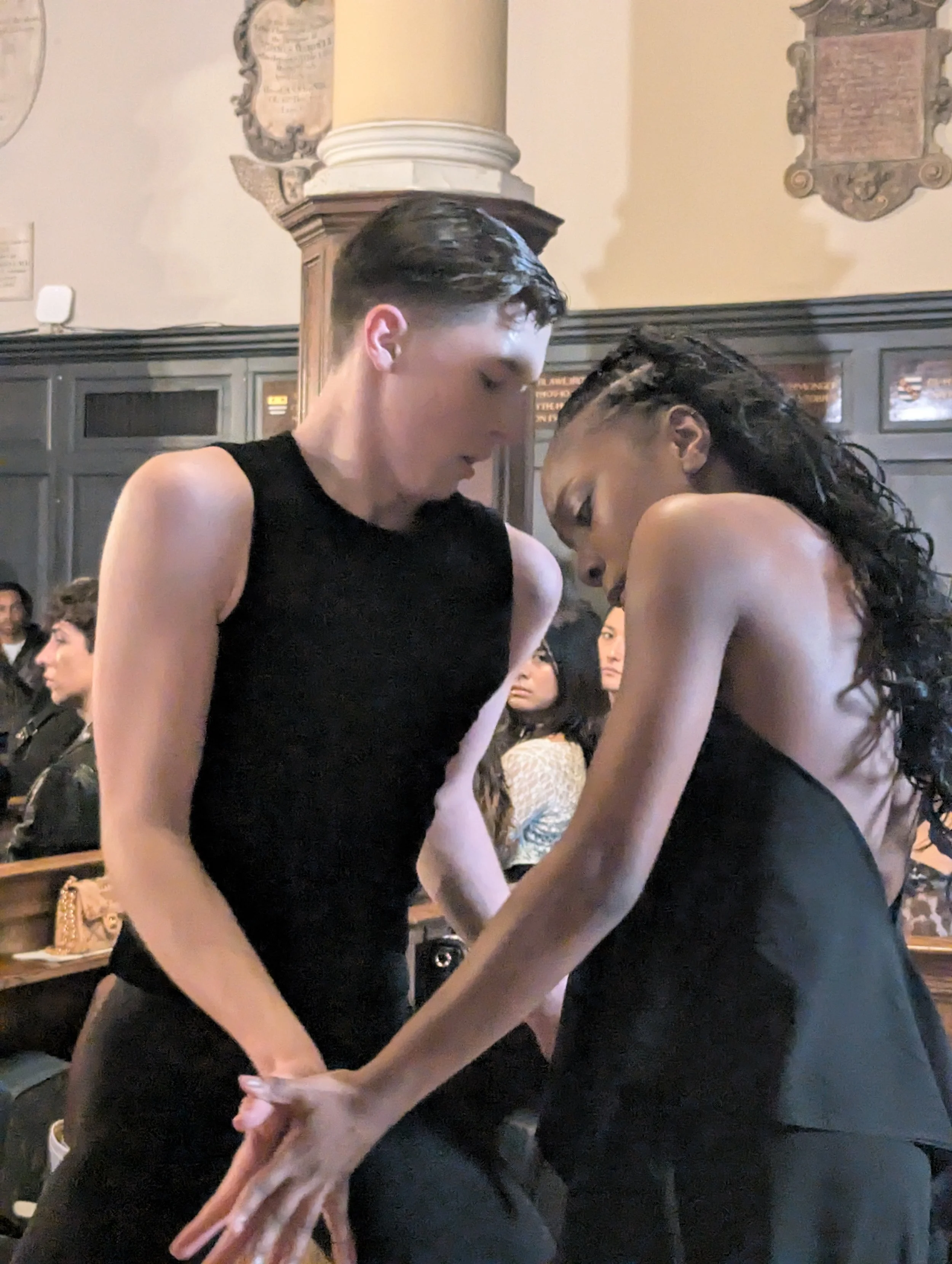
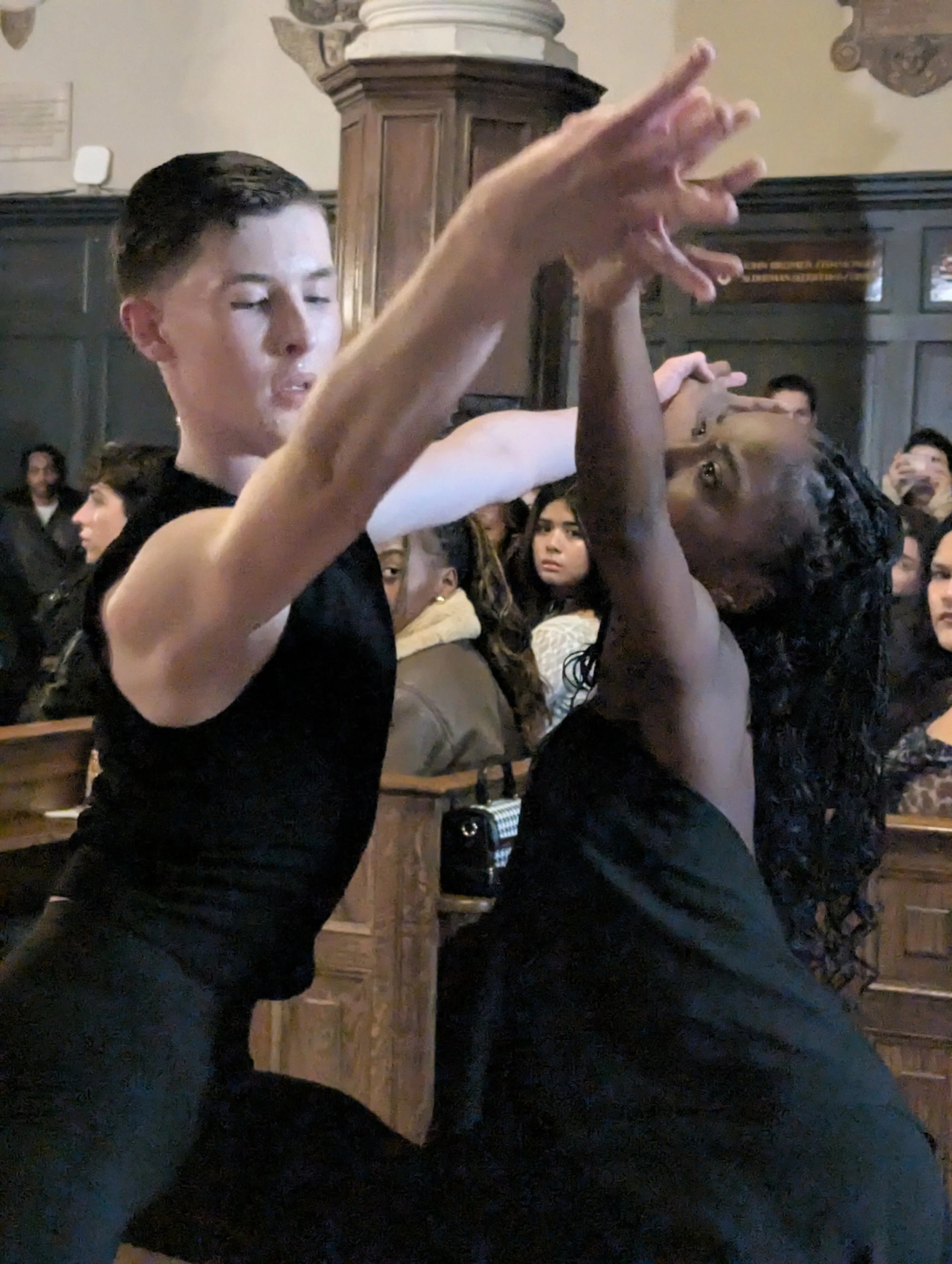
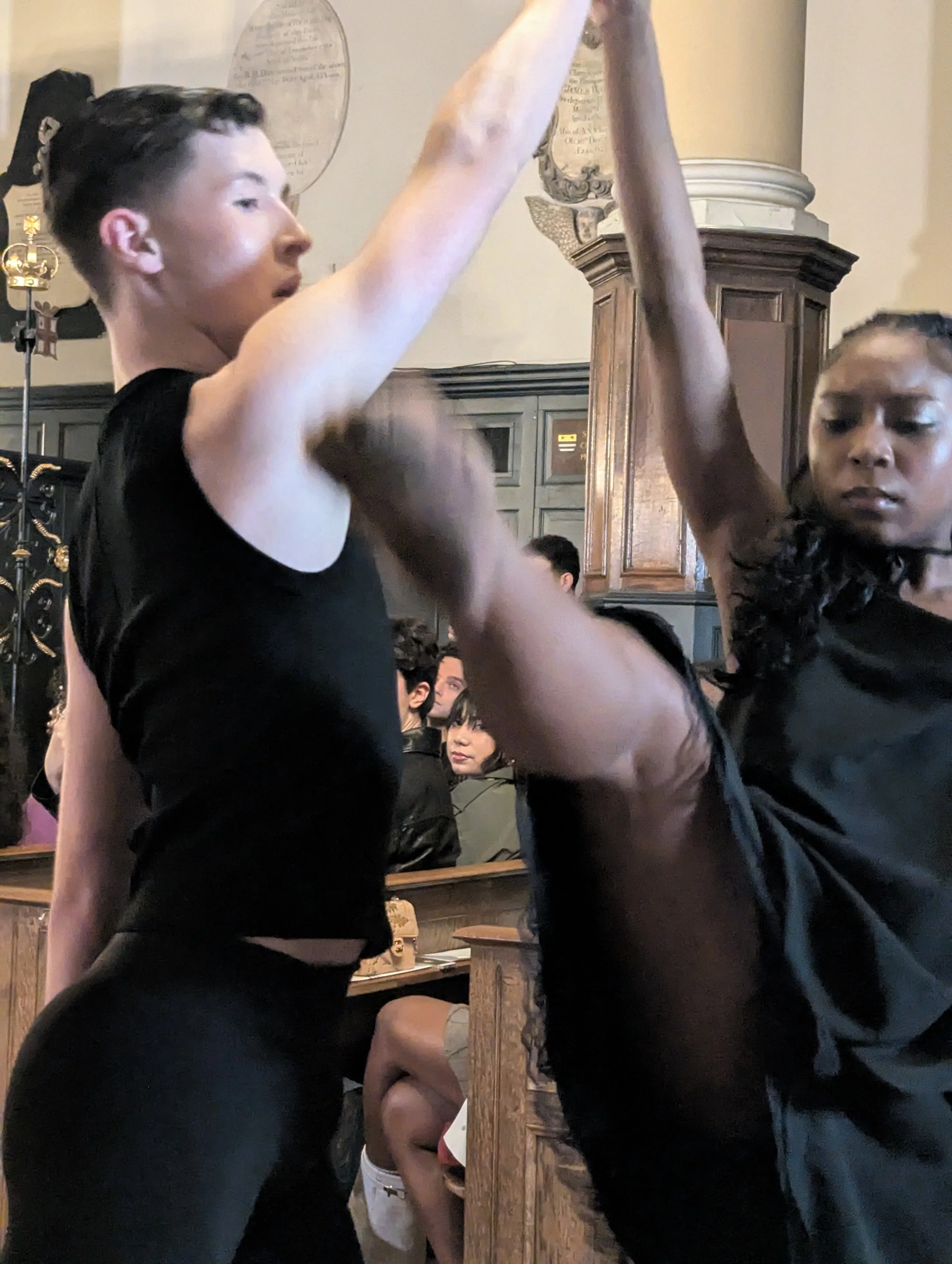
Azevedo structured the show as a loop, the beginning mirrored the end. A ballet interlude operated like a memory replay, and movement interrupted stillness in a way that made the clothes feel inhabited rather than merely worn. Placing the show in a church amplified the collection’s religious and ritual subtext, faith as consolation, ritual as wayfinding. There’s something quietly radical about a young designer harnessing grief as design language without melodrama. Azevedo’s tailoring and corsetry, constricting but also tender, insist on fashion’s capacity to hold contradiction. Commercially, his pieces (many of which are unique or small-batch, given the deadstock approach) will appeal to editors and collectors who prize provenance and narrative, while his sensitivity to craft gives the brand a distinct point of view in a crowded market.
"O Que Fica" isn’t seasonal spectacle. It’s intimate theatre, a show that lingers. If some moments felt more like an homage than invention, that’s almost the point; the collection is less about reinvention and more about what remains when reinvention is exhausted. Azevedo’s work asks that we respect the relics we inherit; the crochet, the lace, the stories and then learn how to live with them on our bodies now.