LIBEROWE AW26
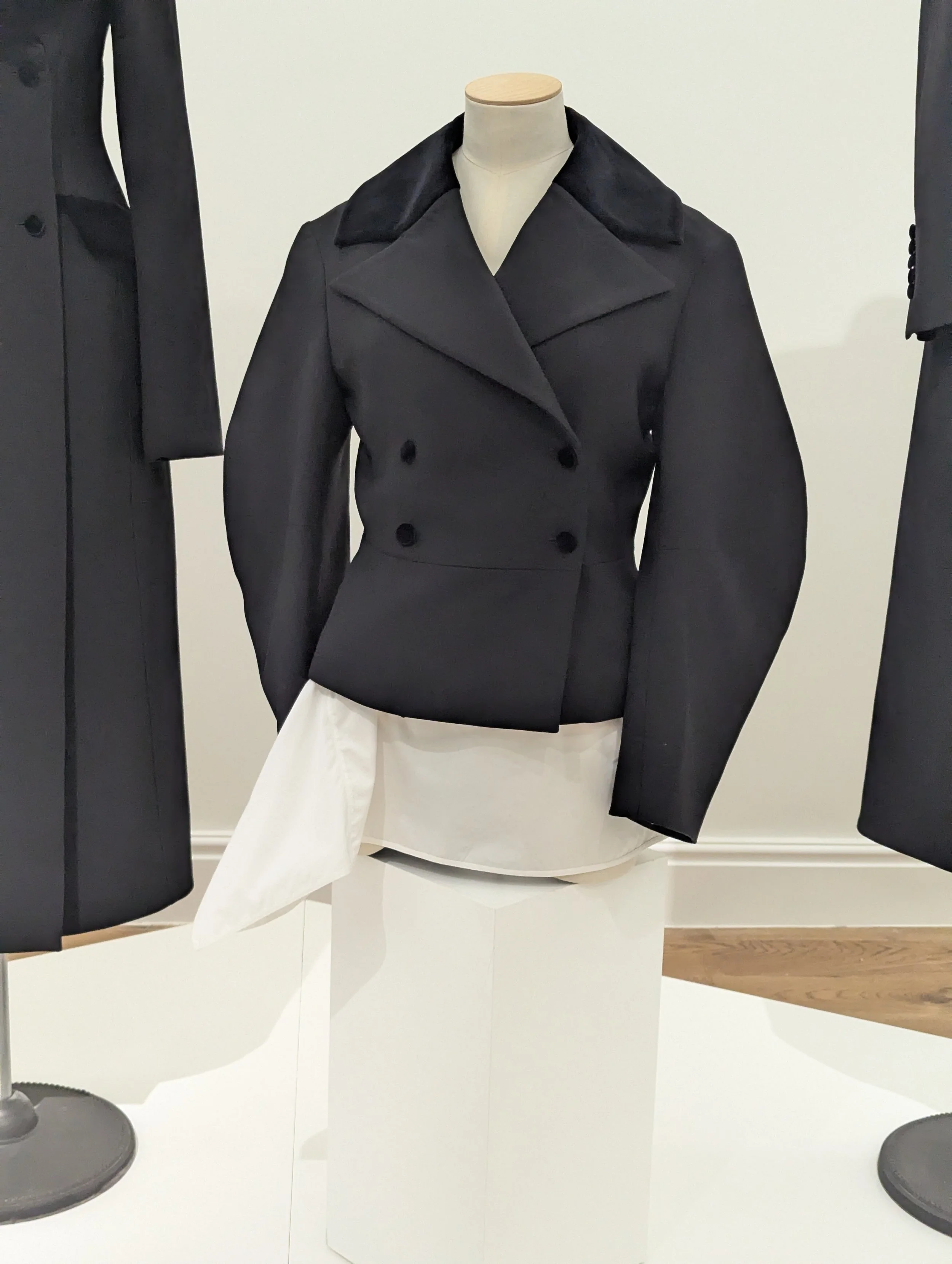
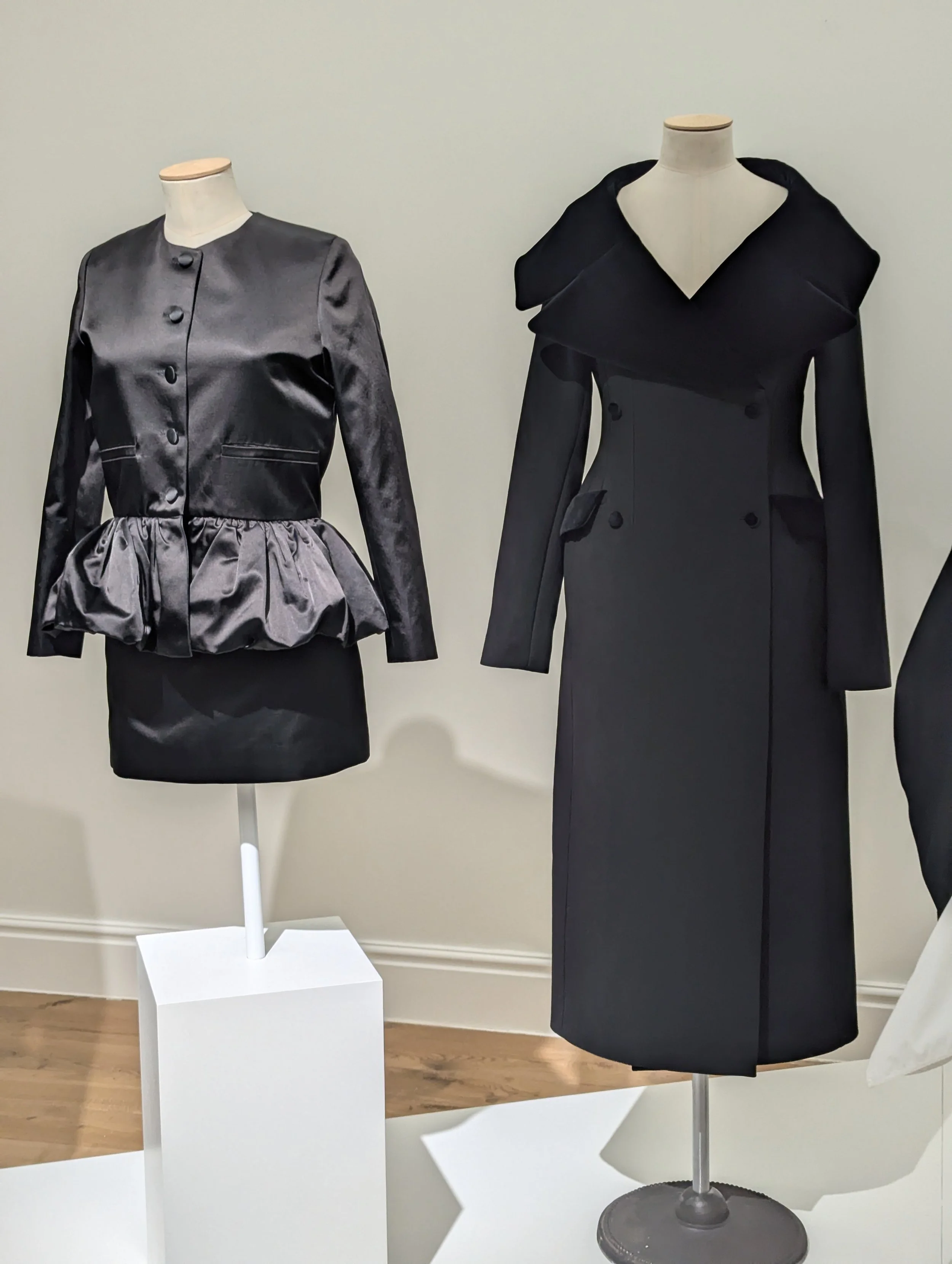
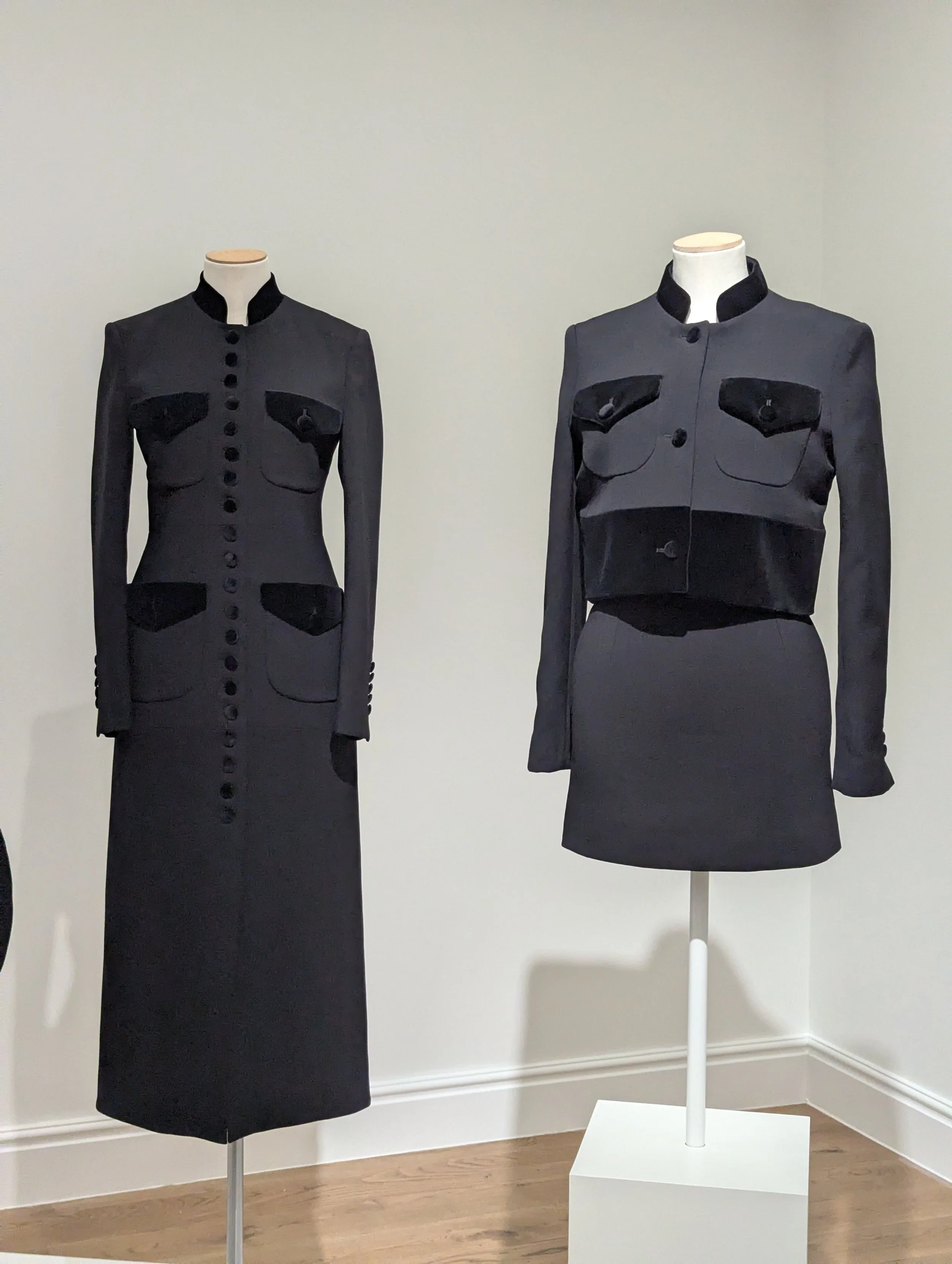
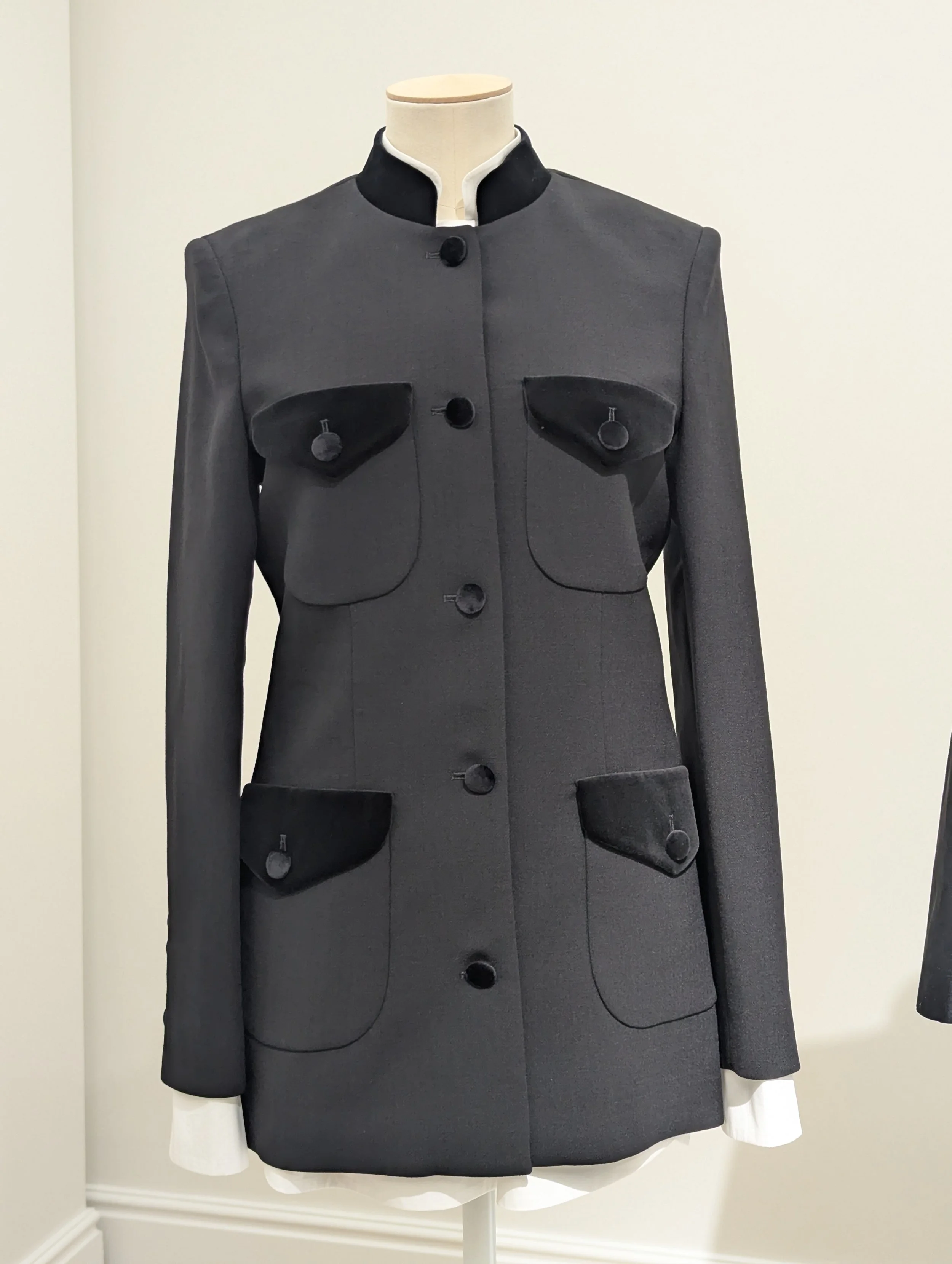
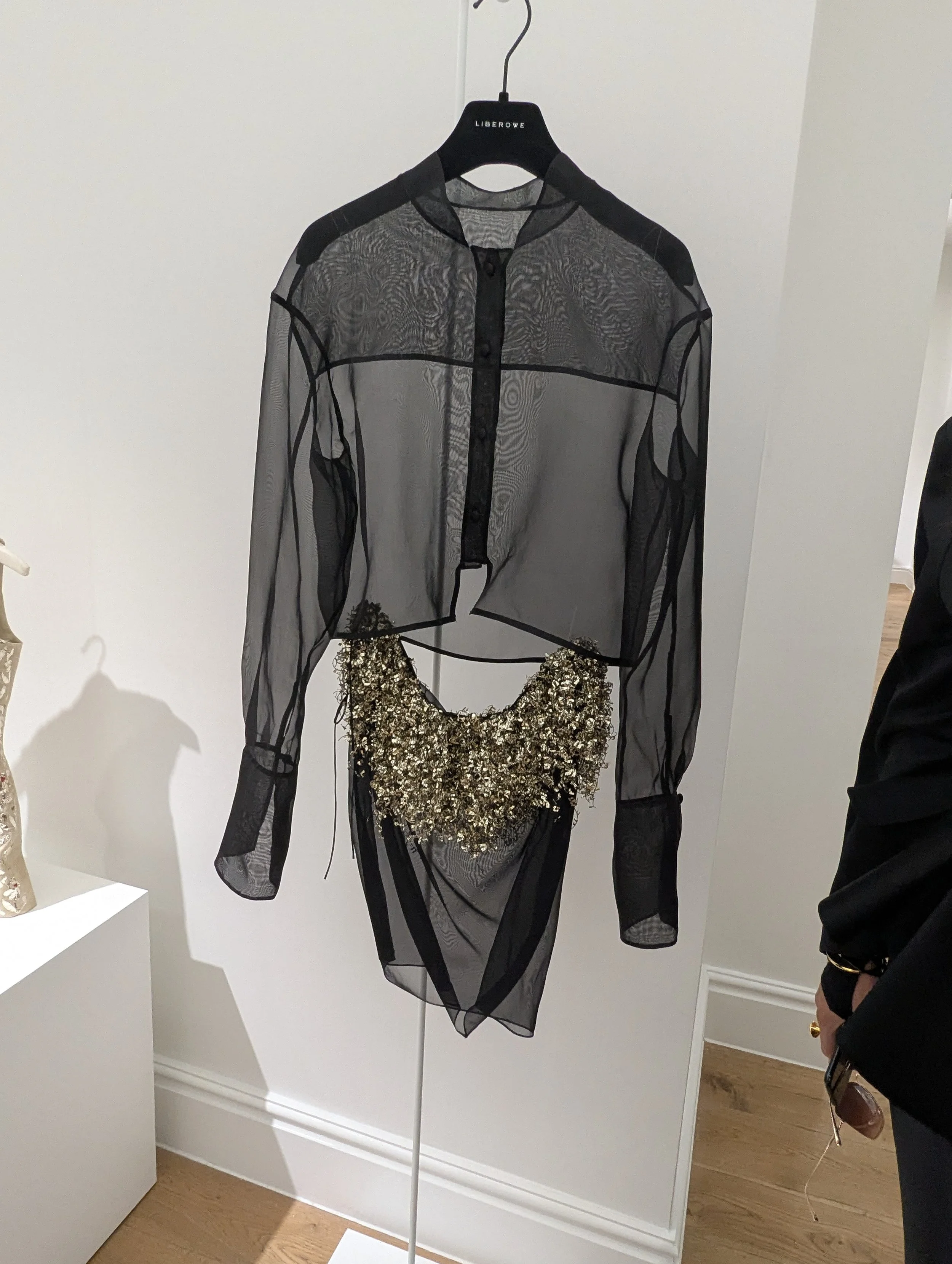
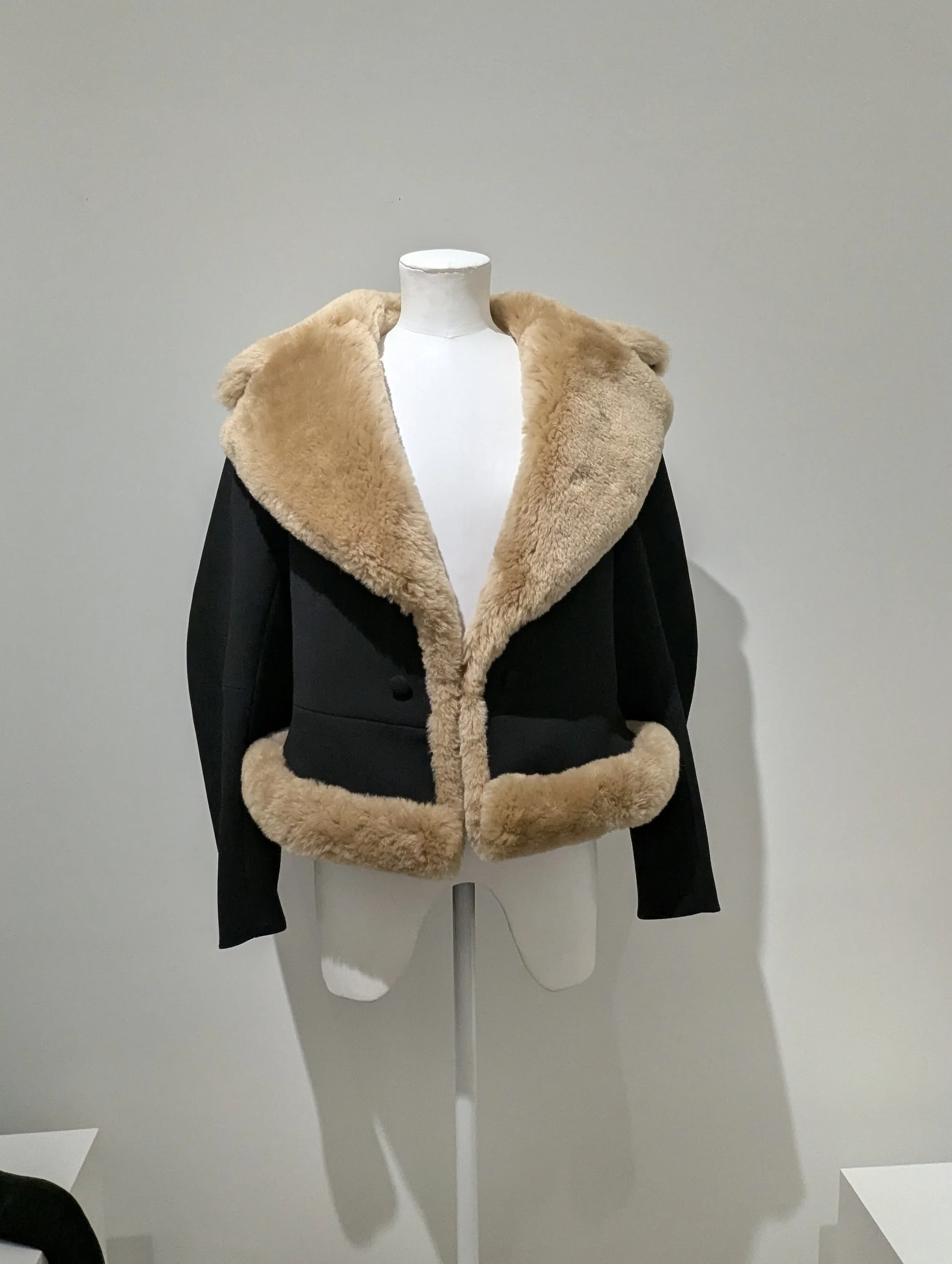
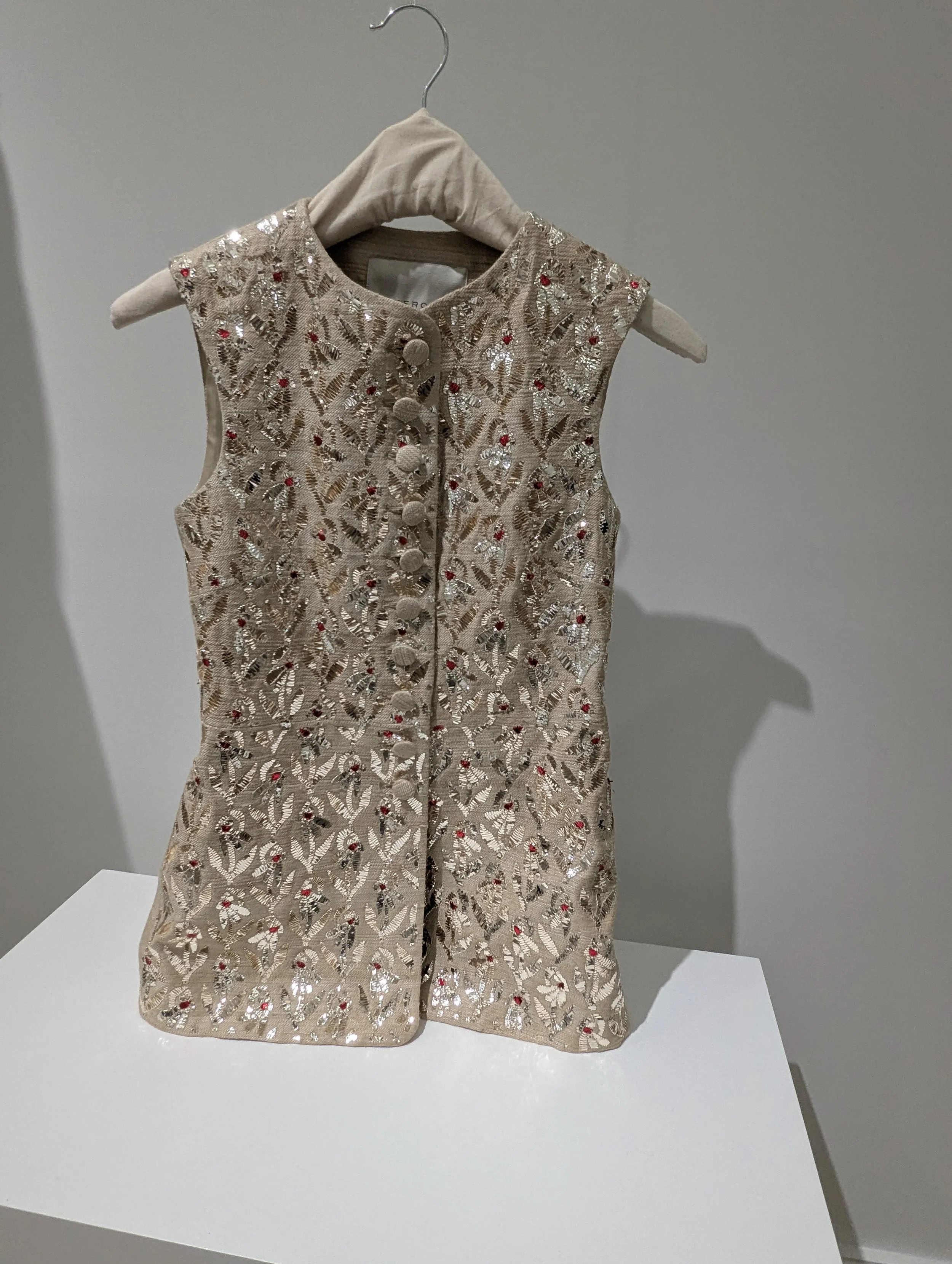
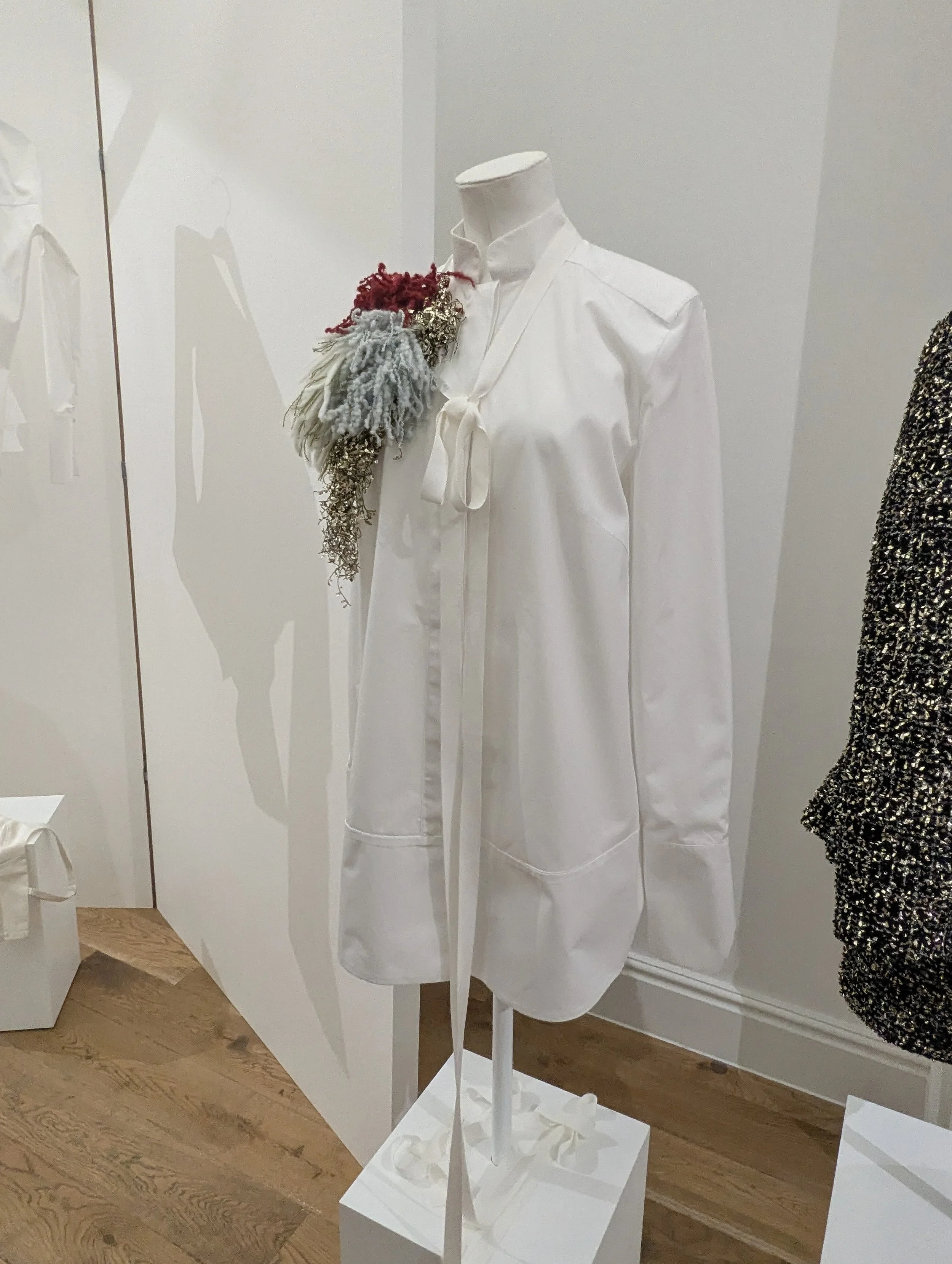
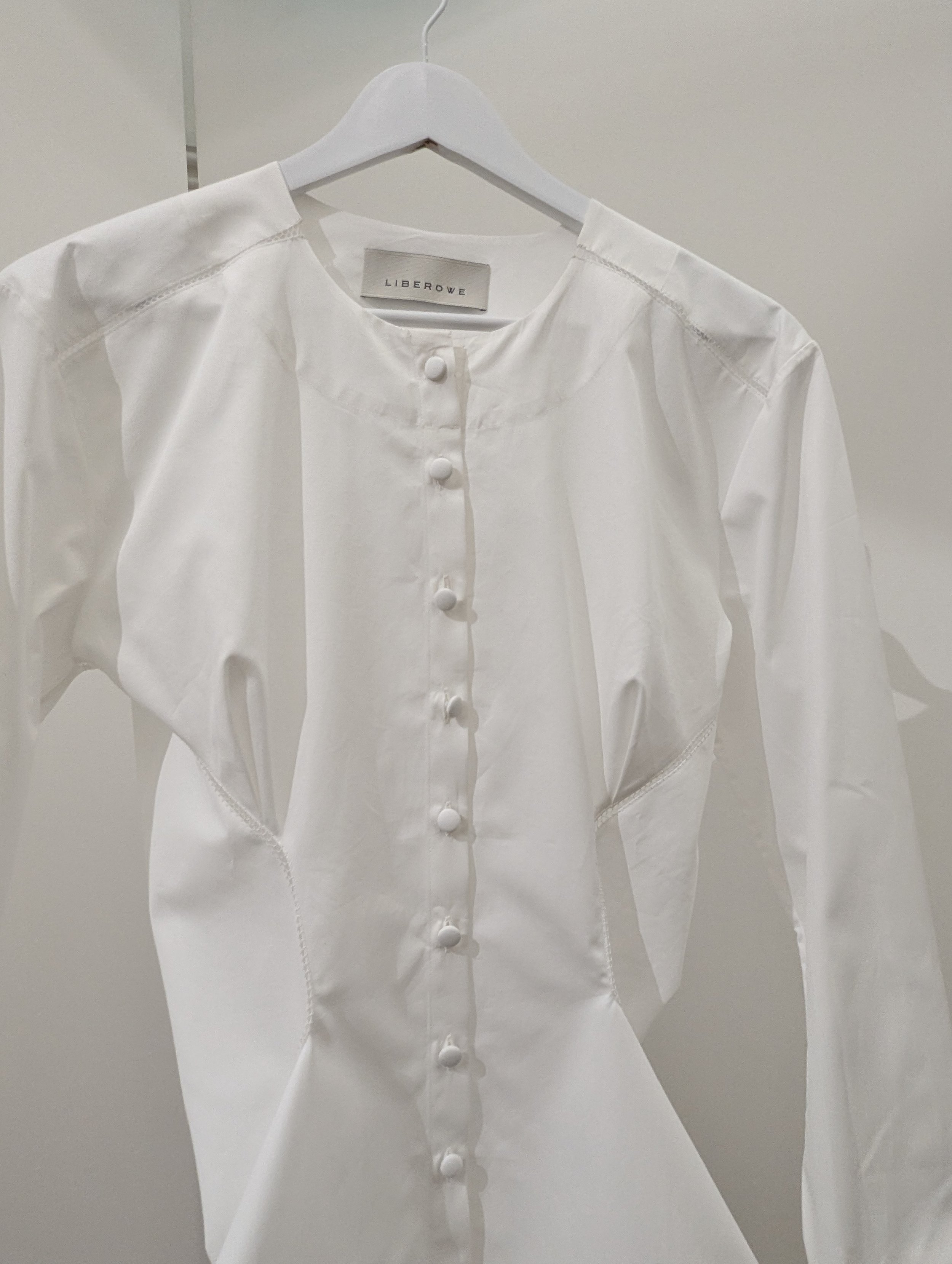
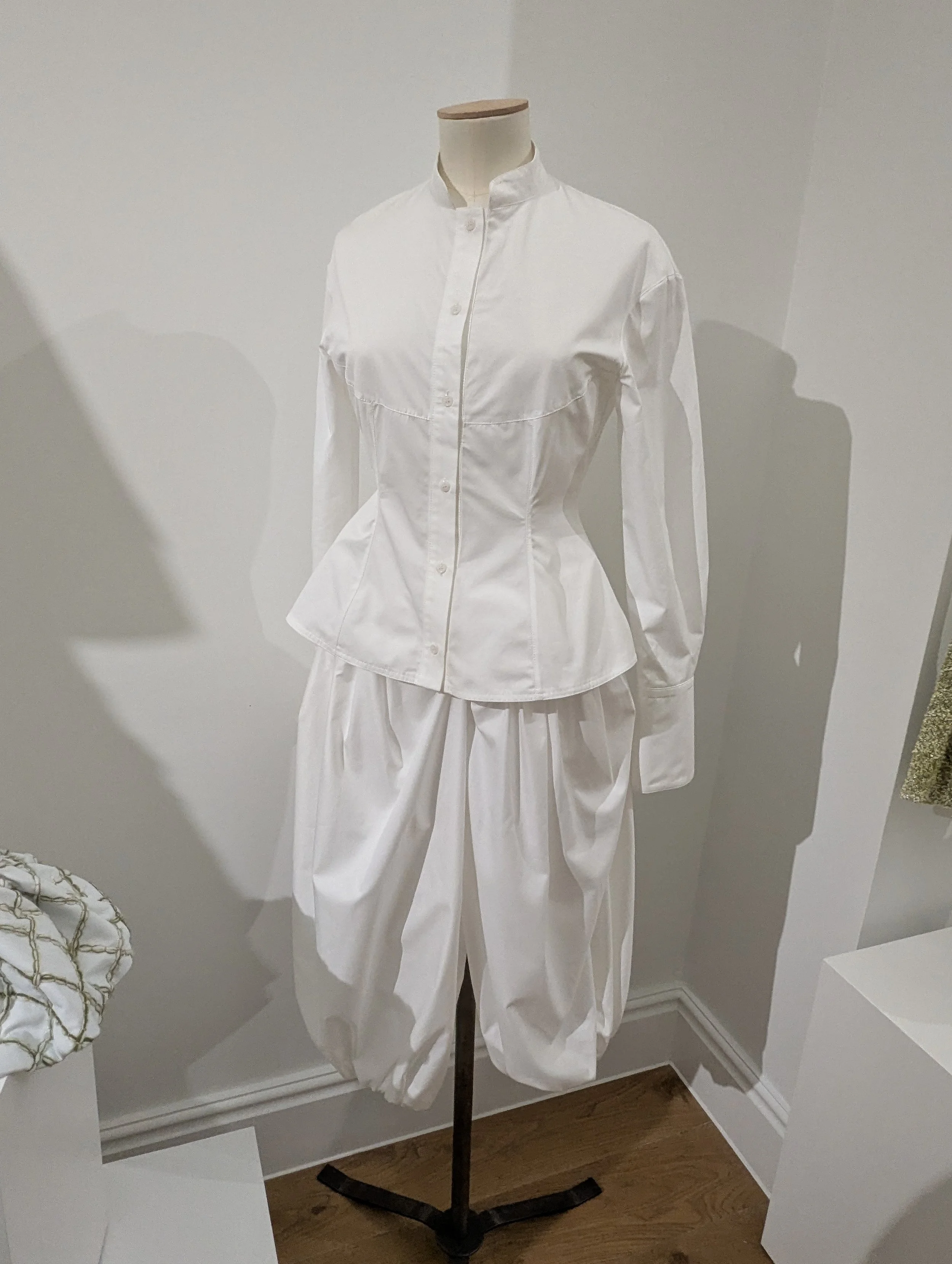
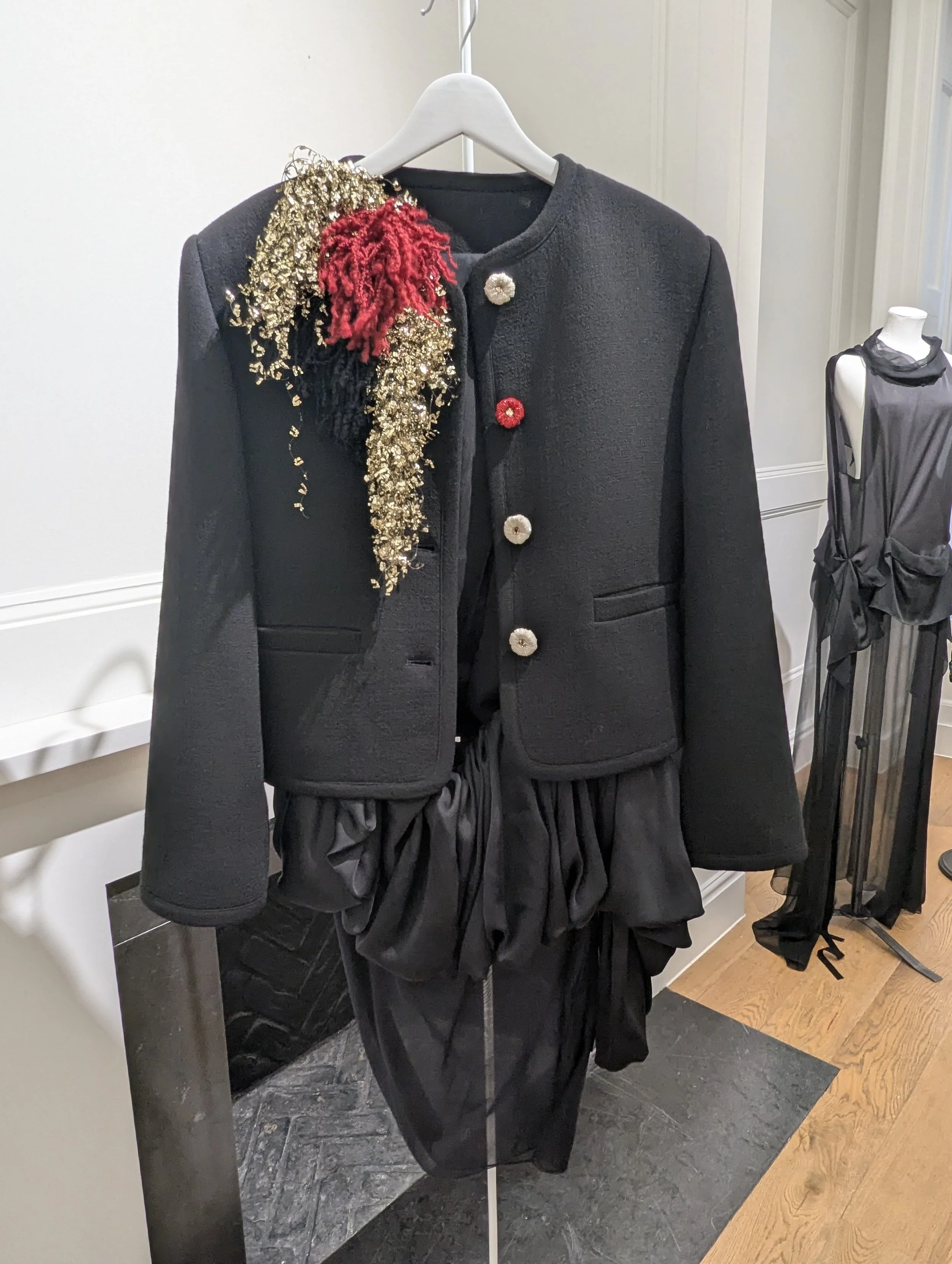
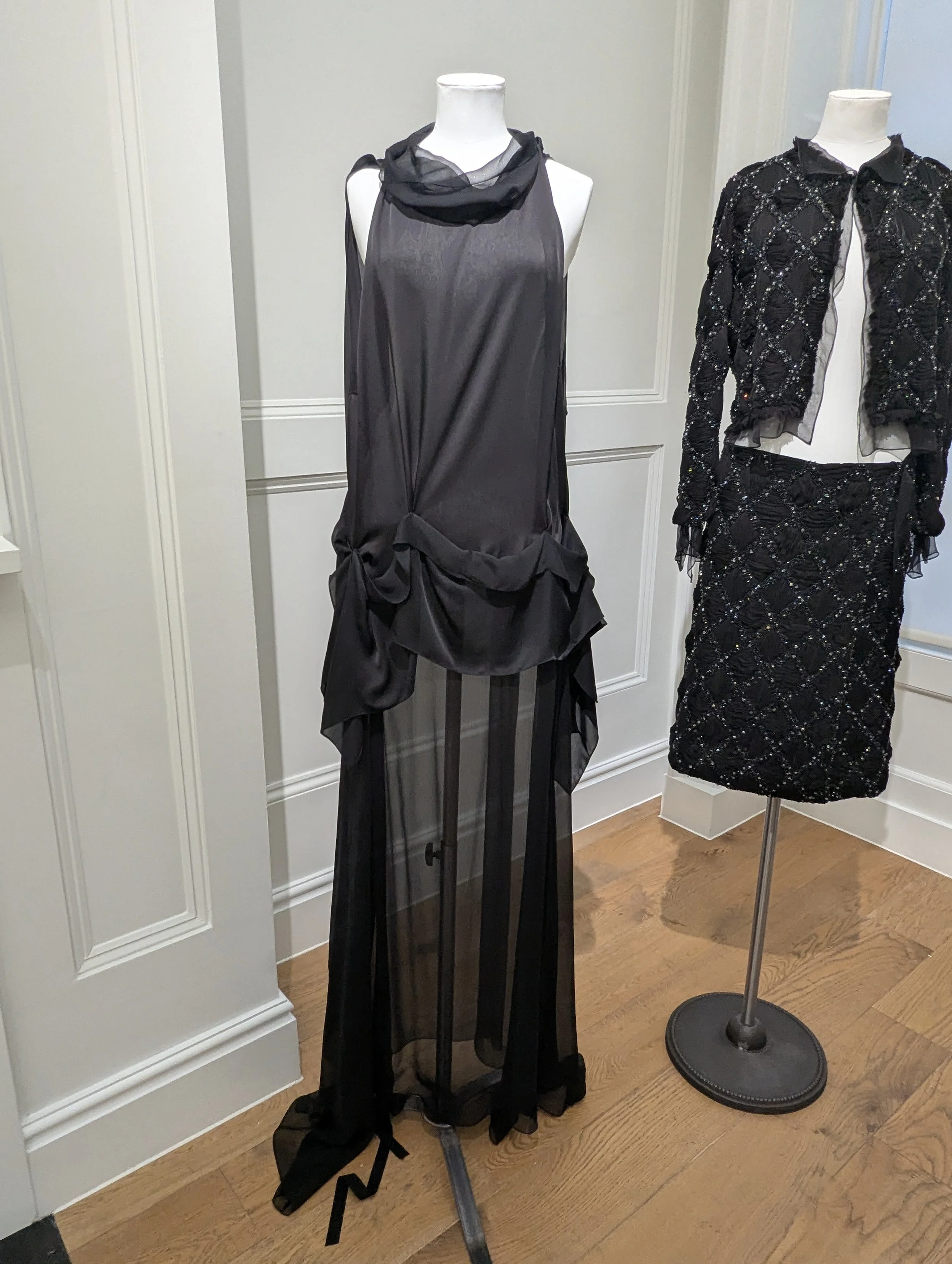
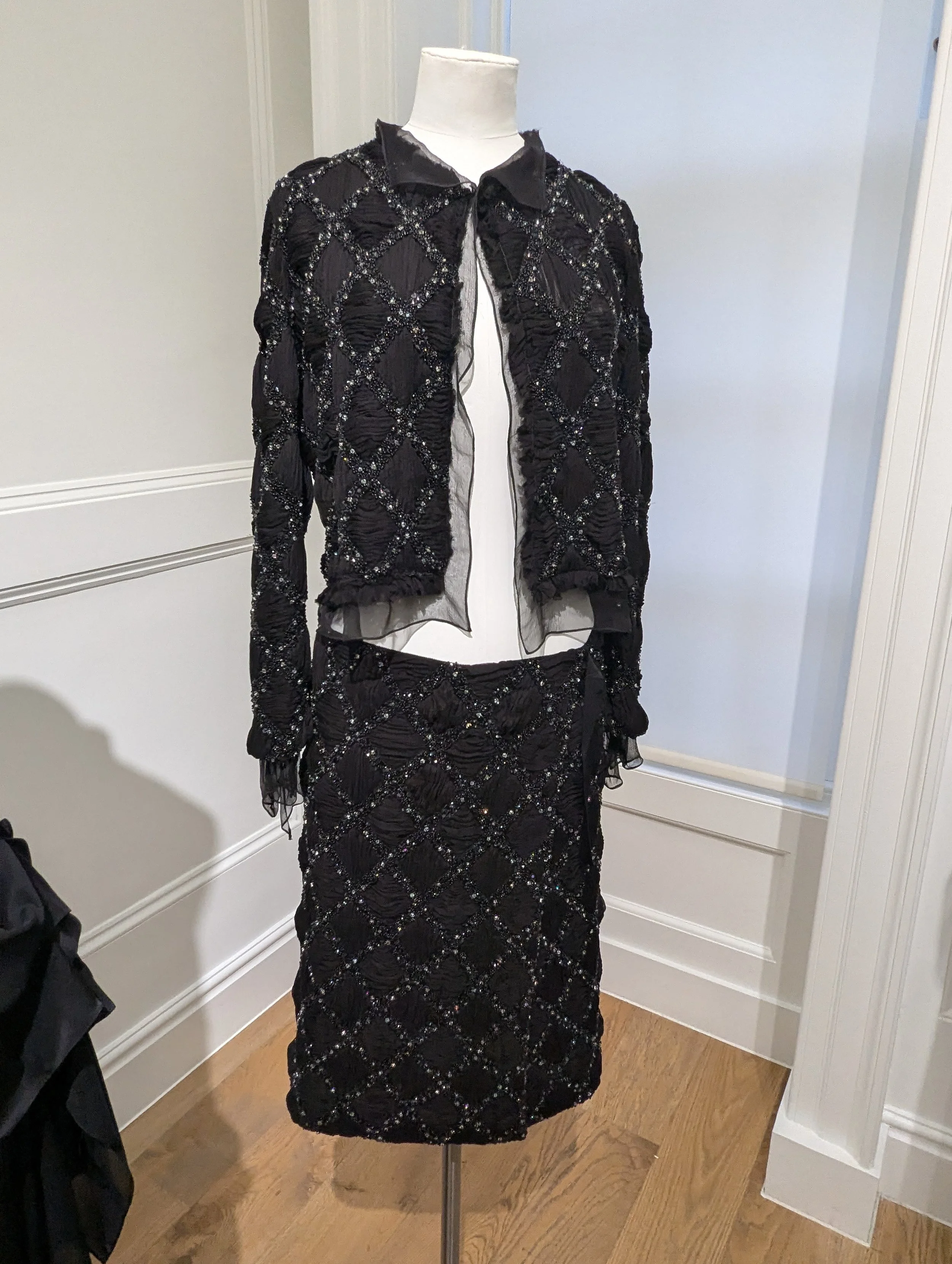
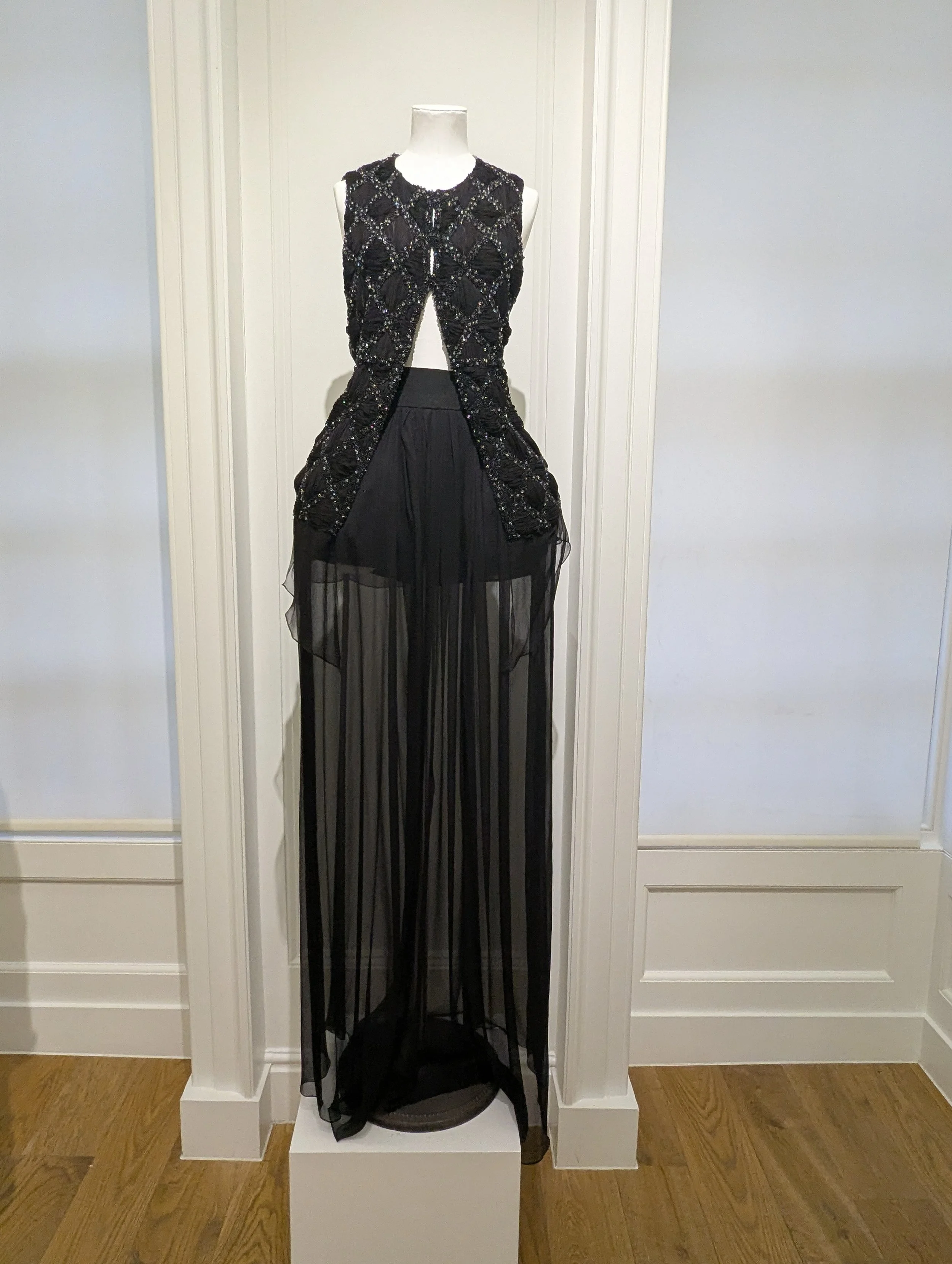
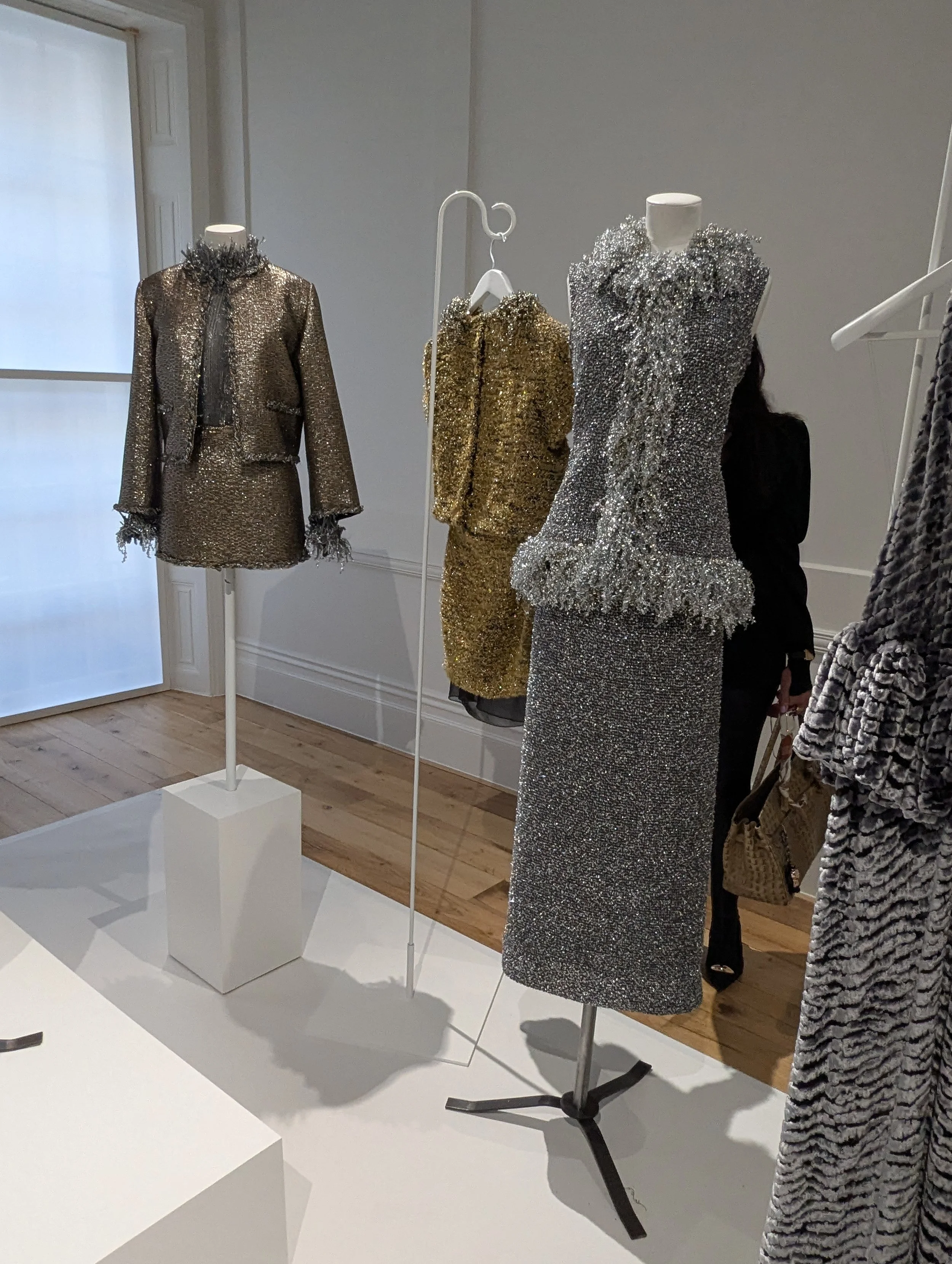
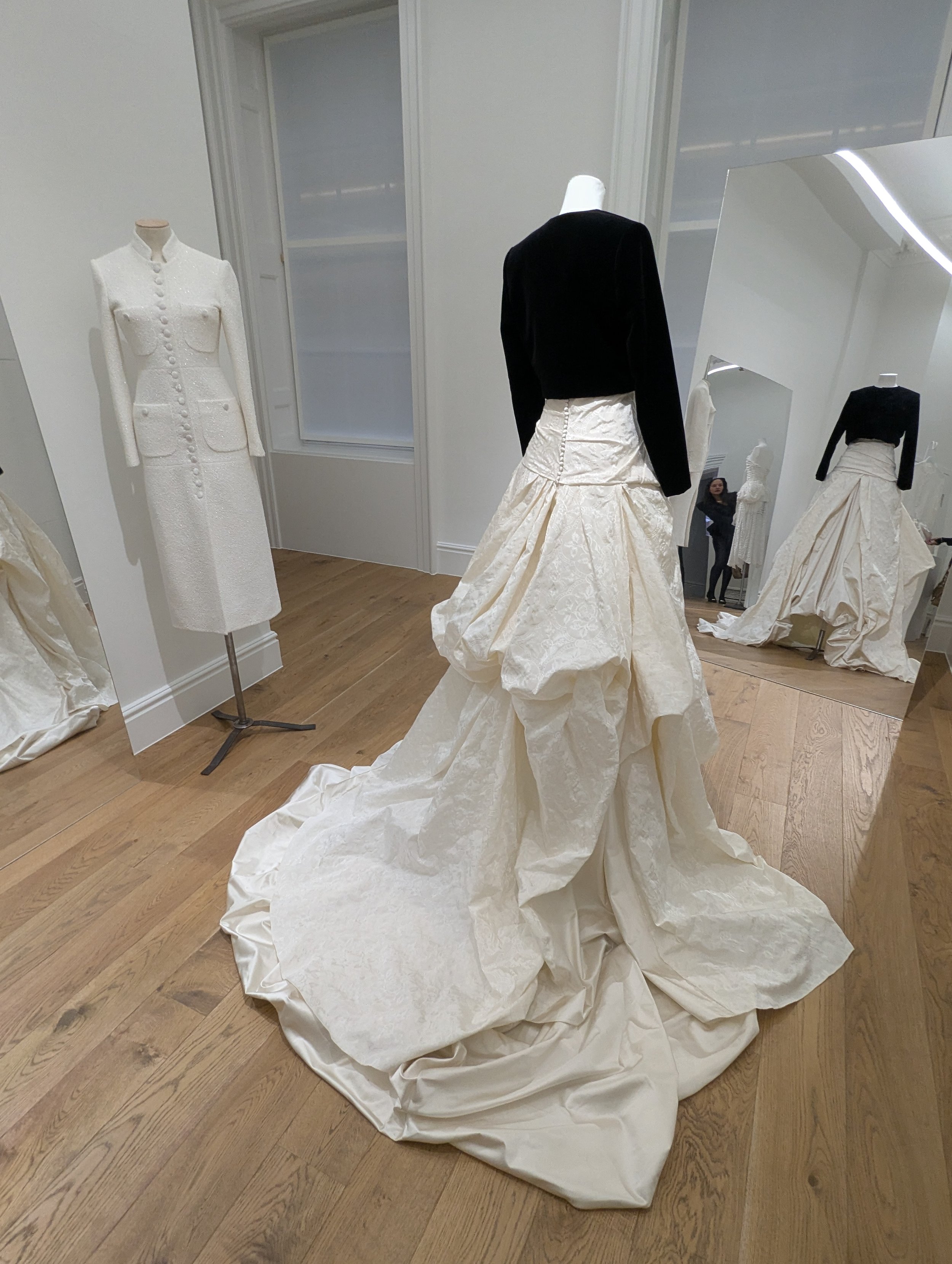
Liberowe’s AW26 presentation at London Fashion Week was a carefully composed exhibition, garments shown as objects to be read, not merely admired. The Bernheim Gallery was transformed into four rooms, each a distinct study in the house’s enduring preoccupations: disciplined tailoring, color and craft, eveningwear and bridal. Liberowe opted for intimacy over spectacle, arranging the collection across a modular set that invited close looking and slow attention. The format; more archive display than catwalk, allowed details usually lost in motion (beading, braid trims, the way a peplum opens beneath a skirt) to hold the center of the experience.
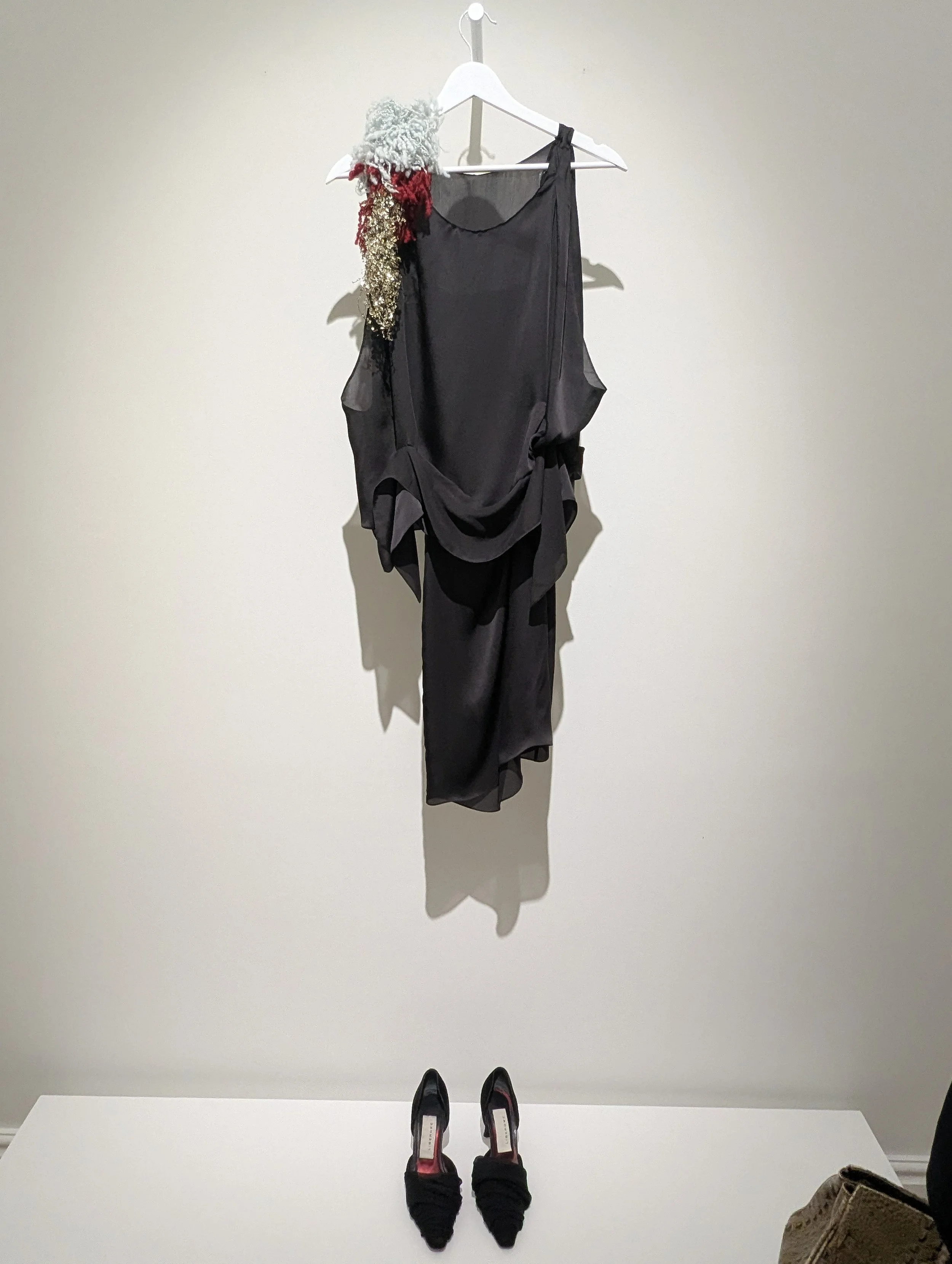
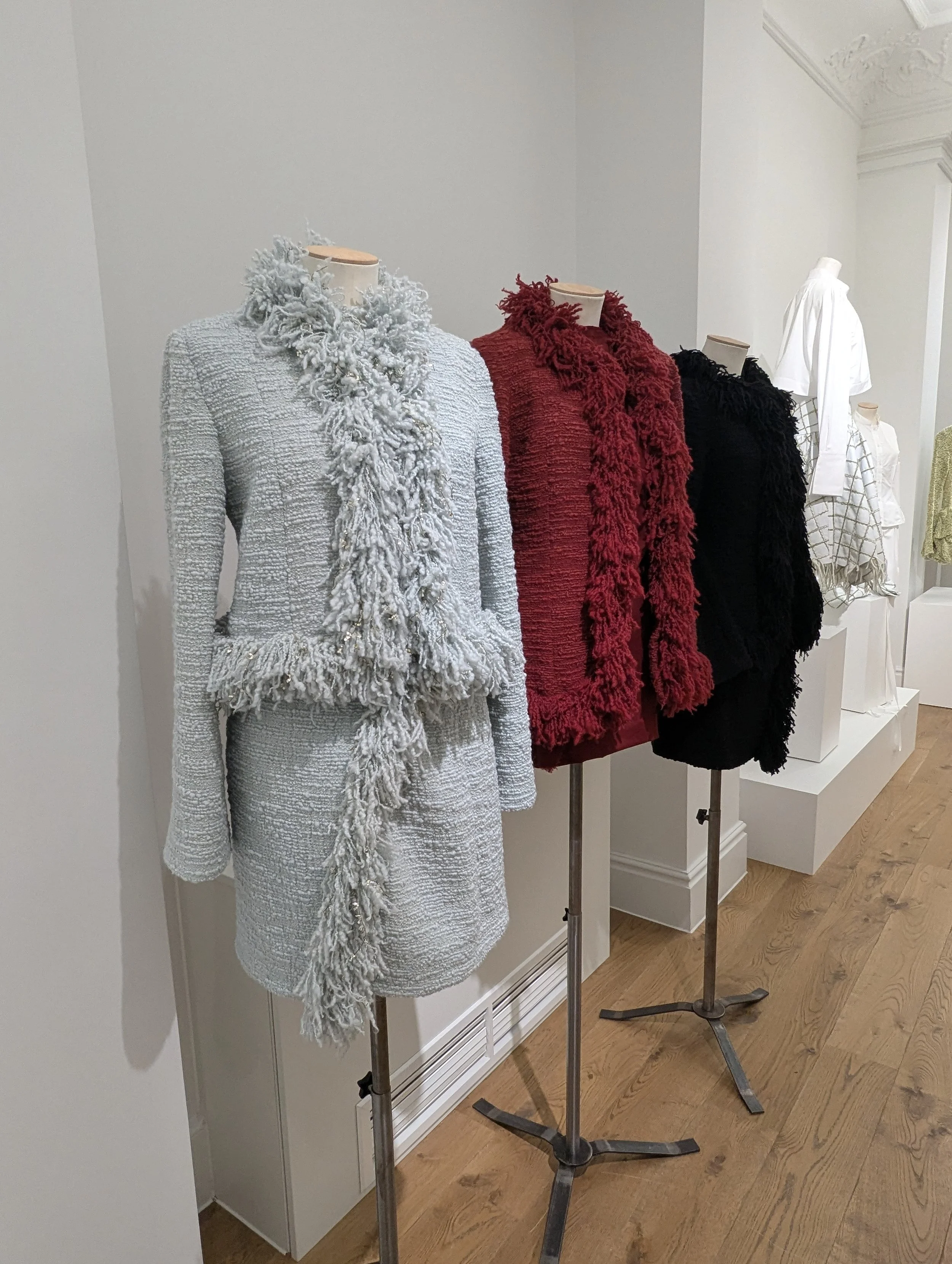
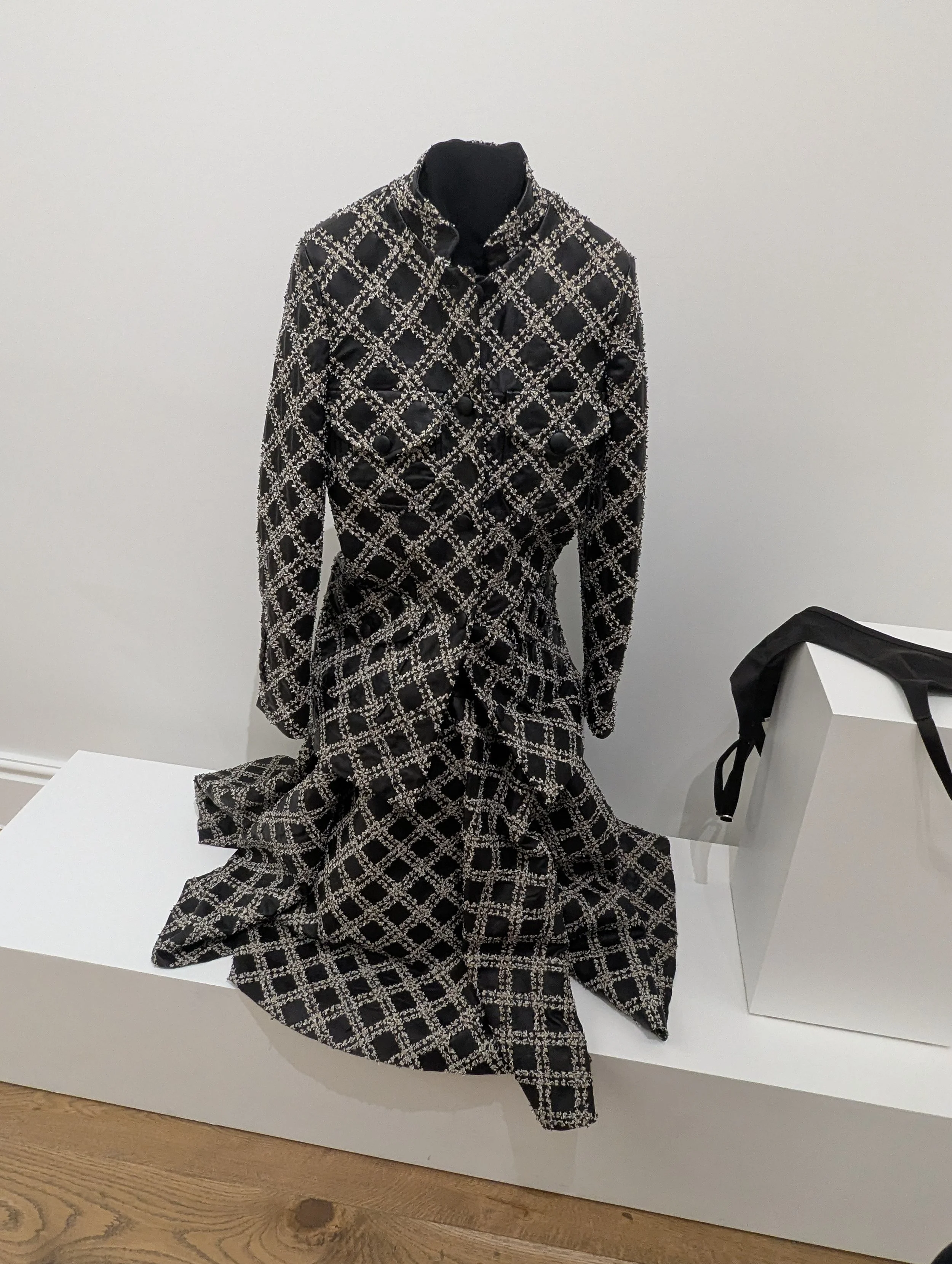
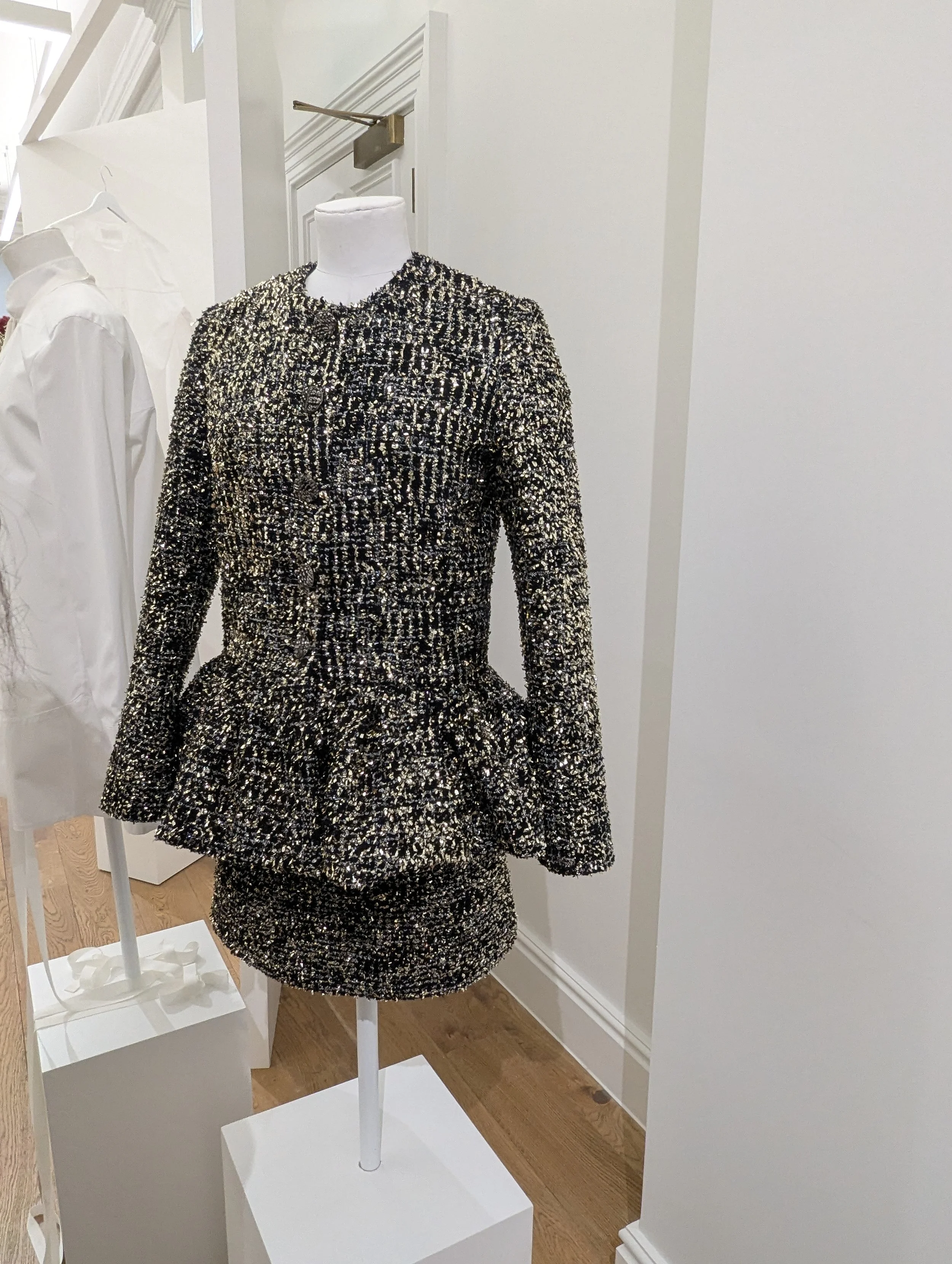
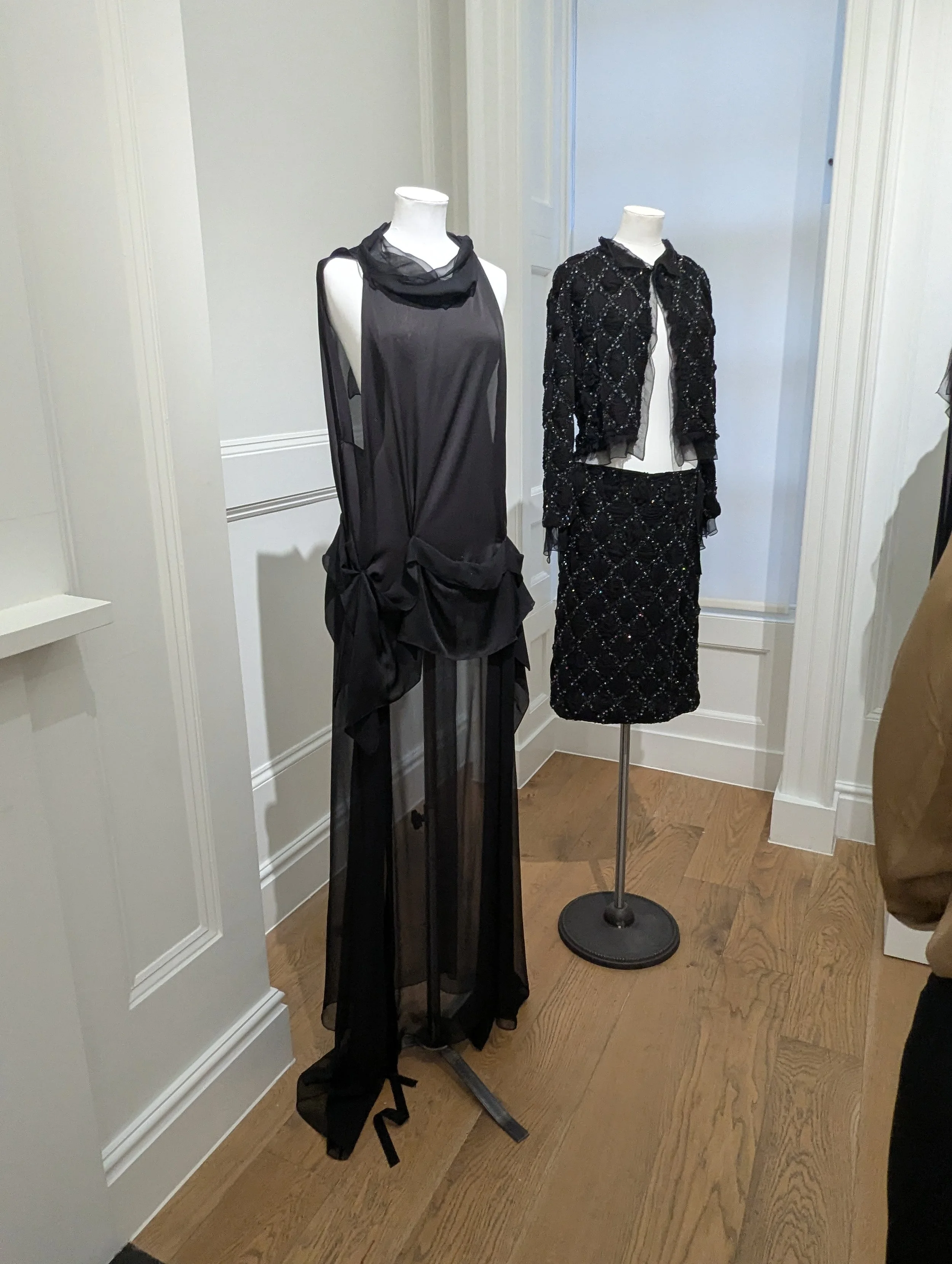
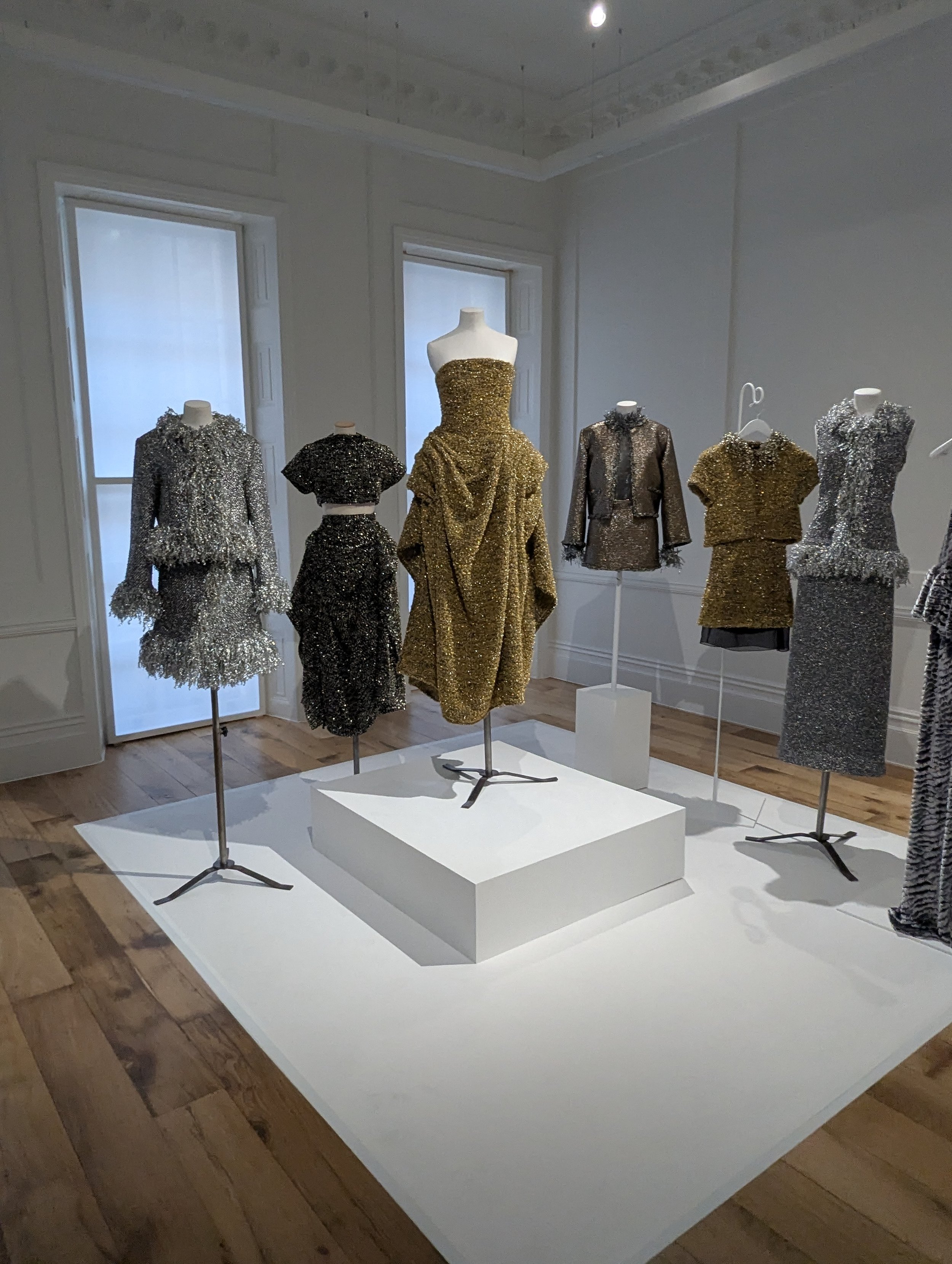
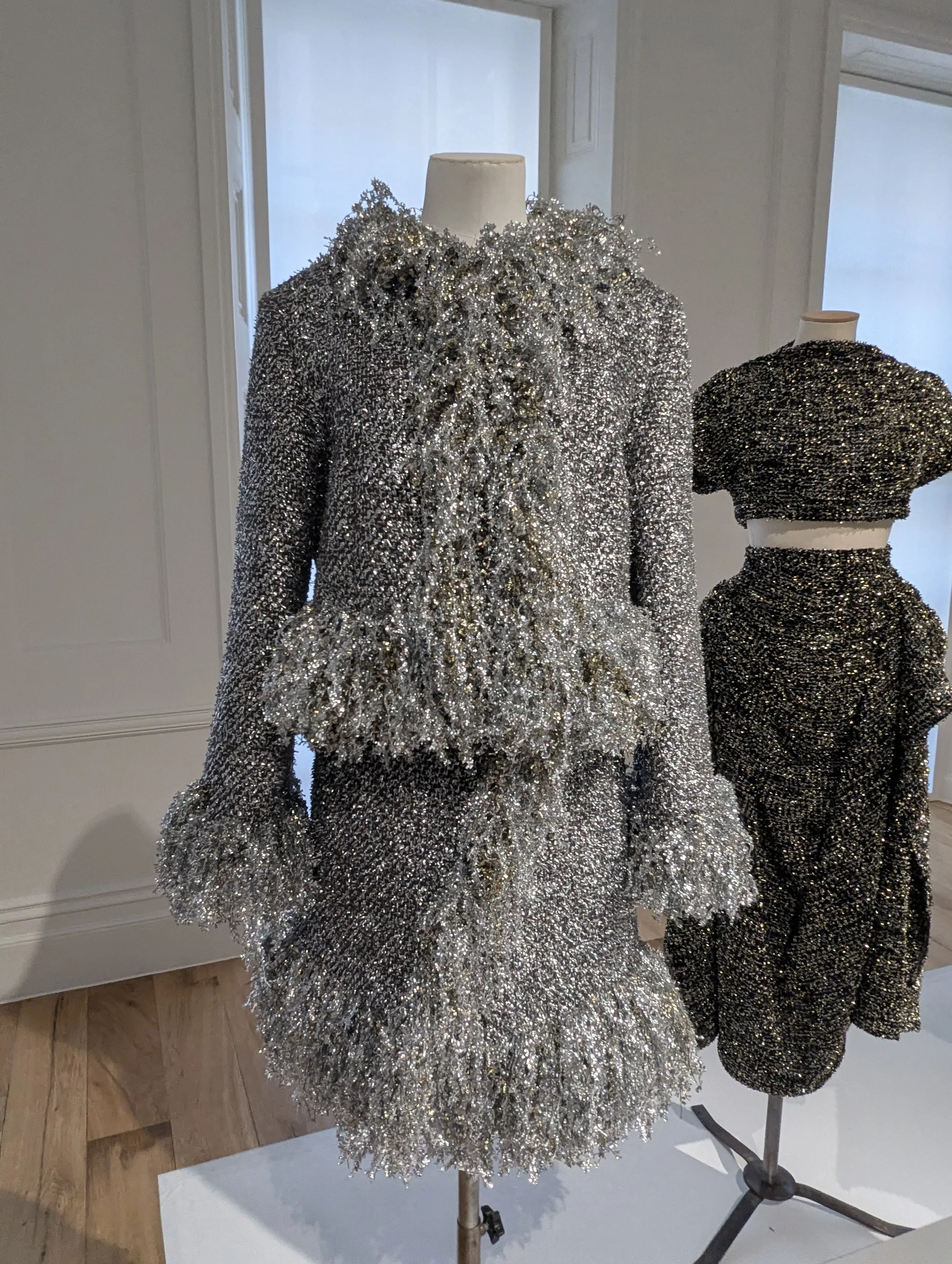
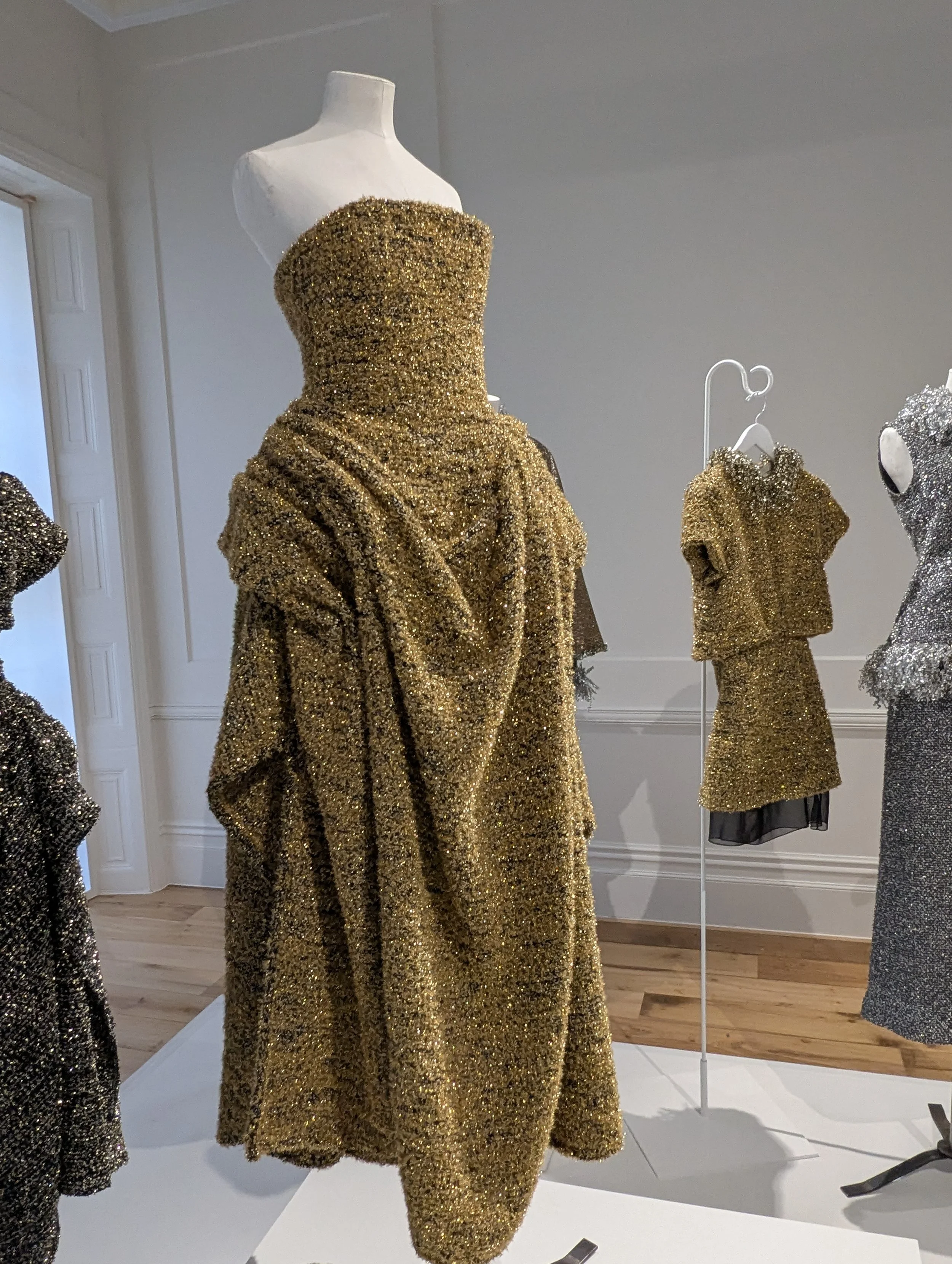
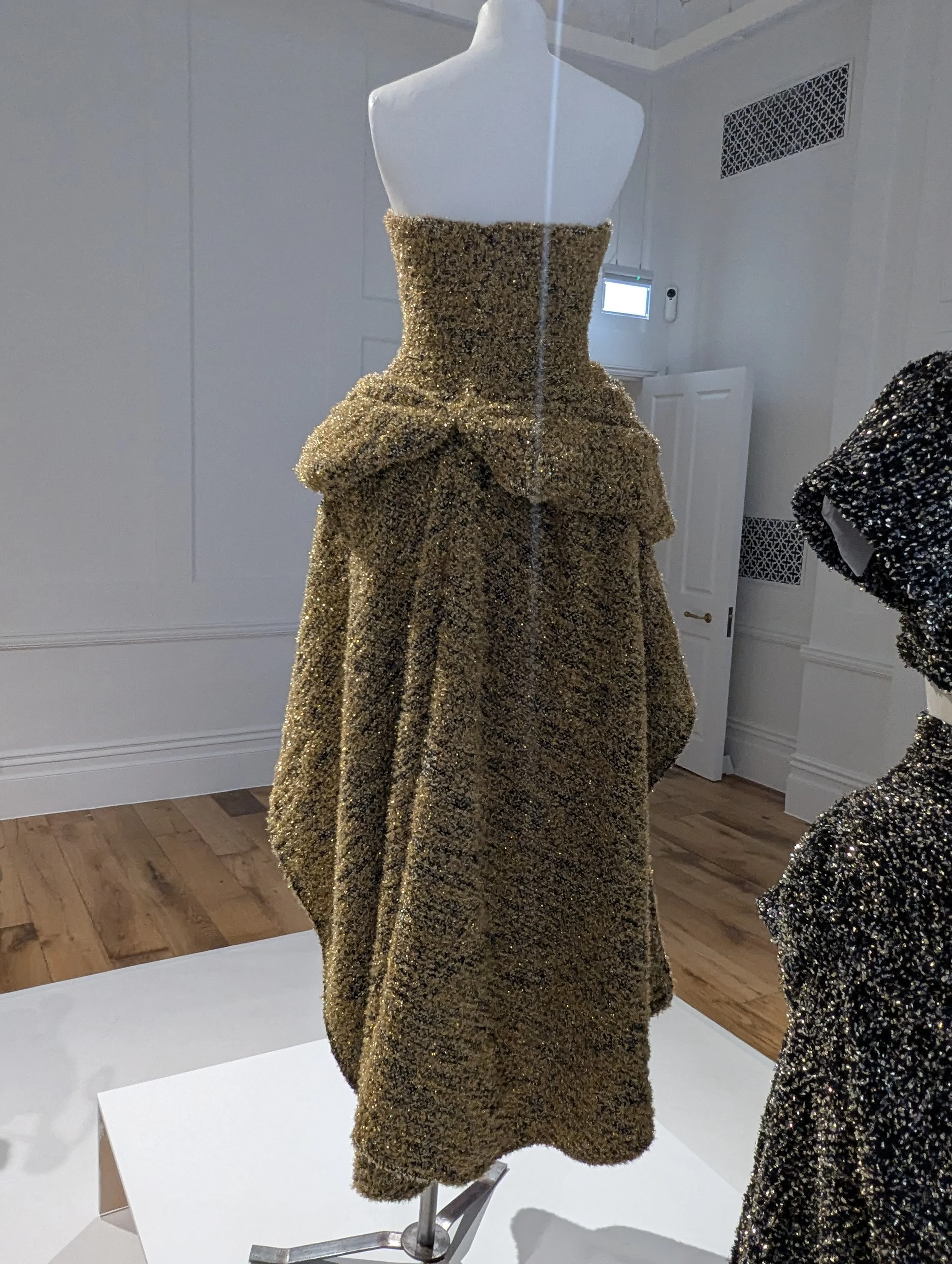
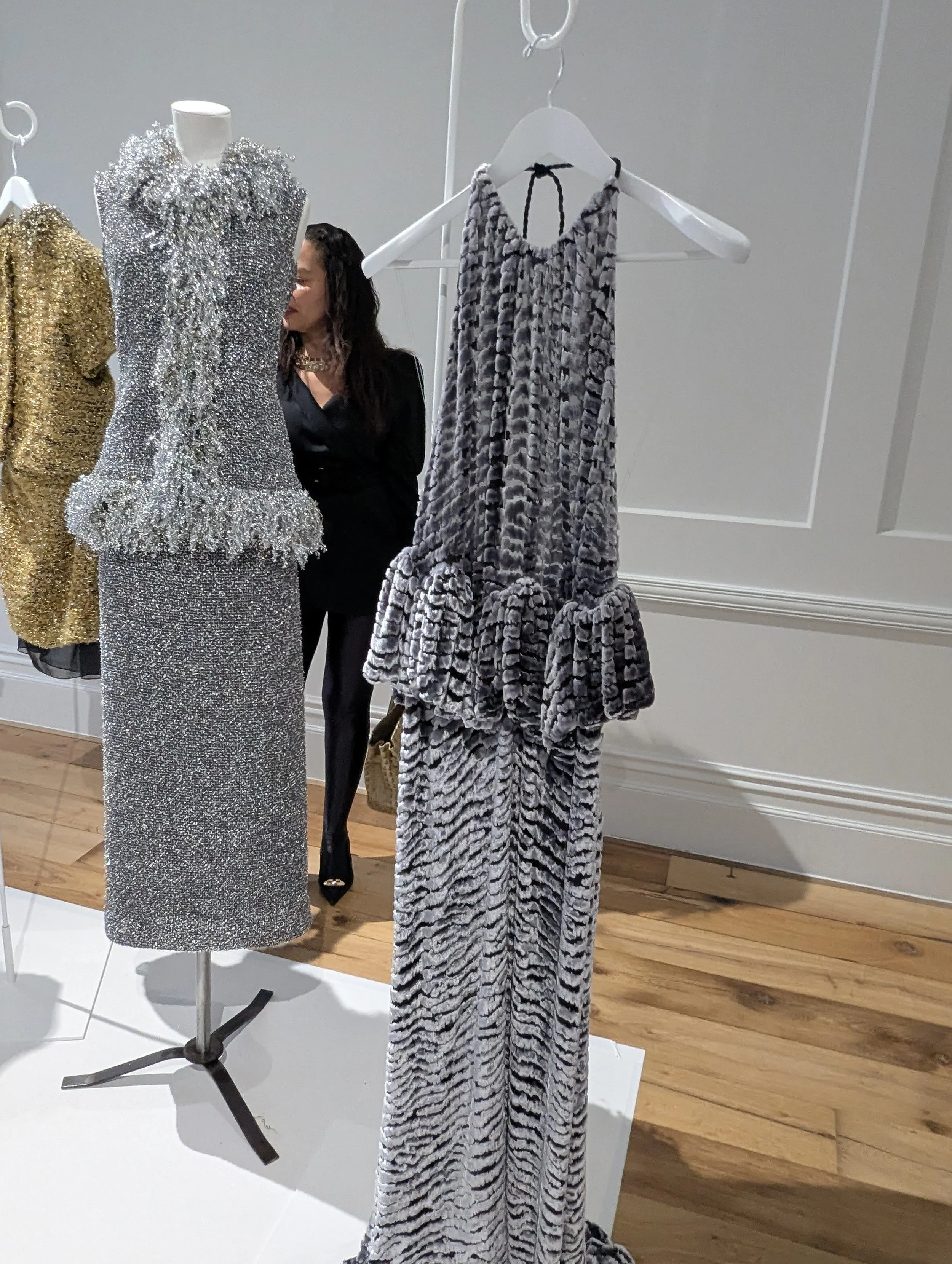
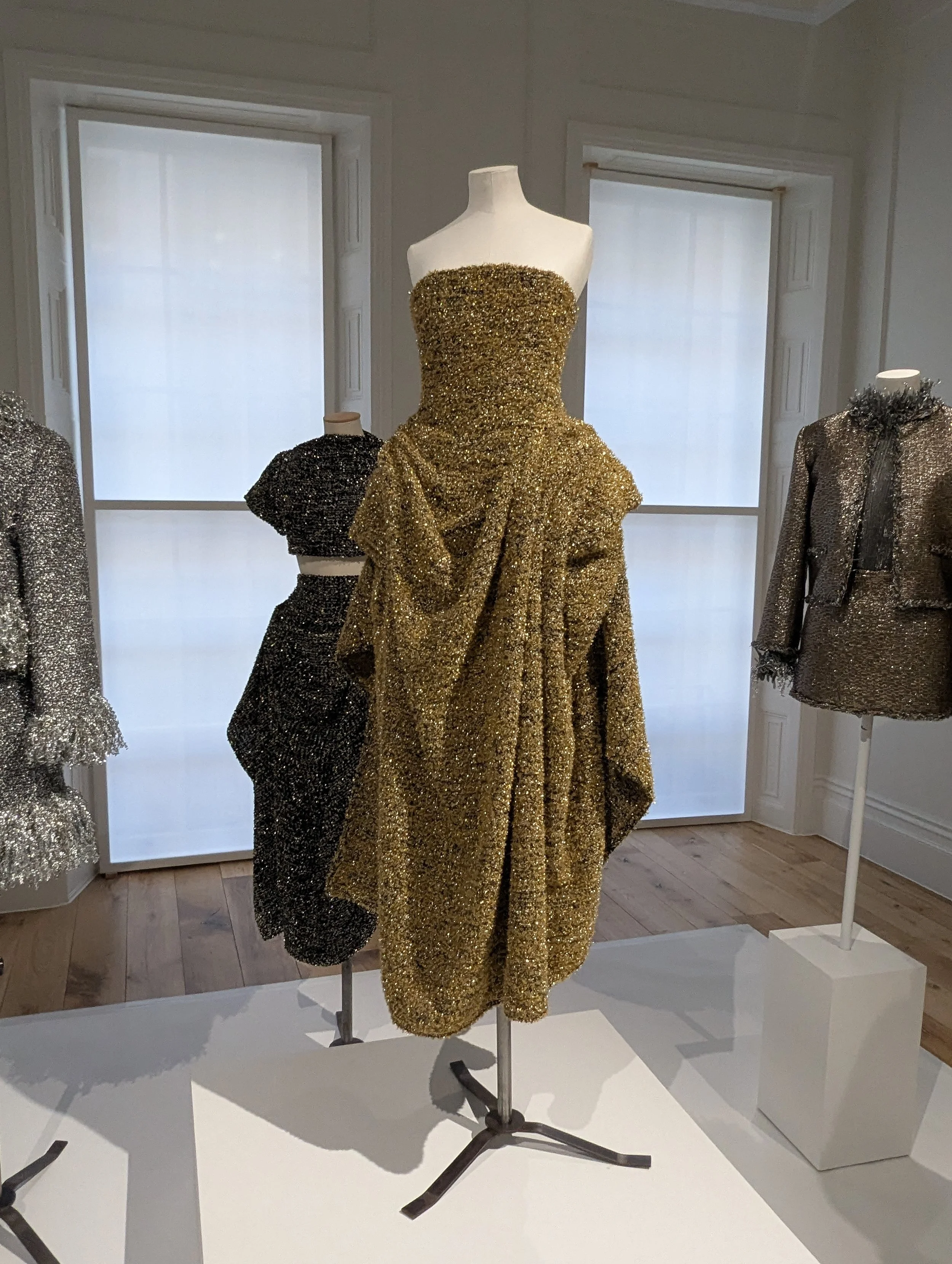
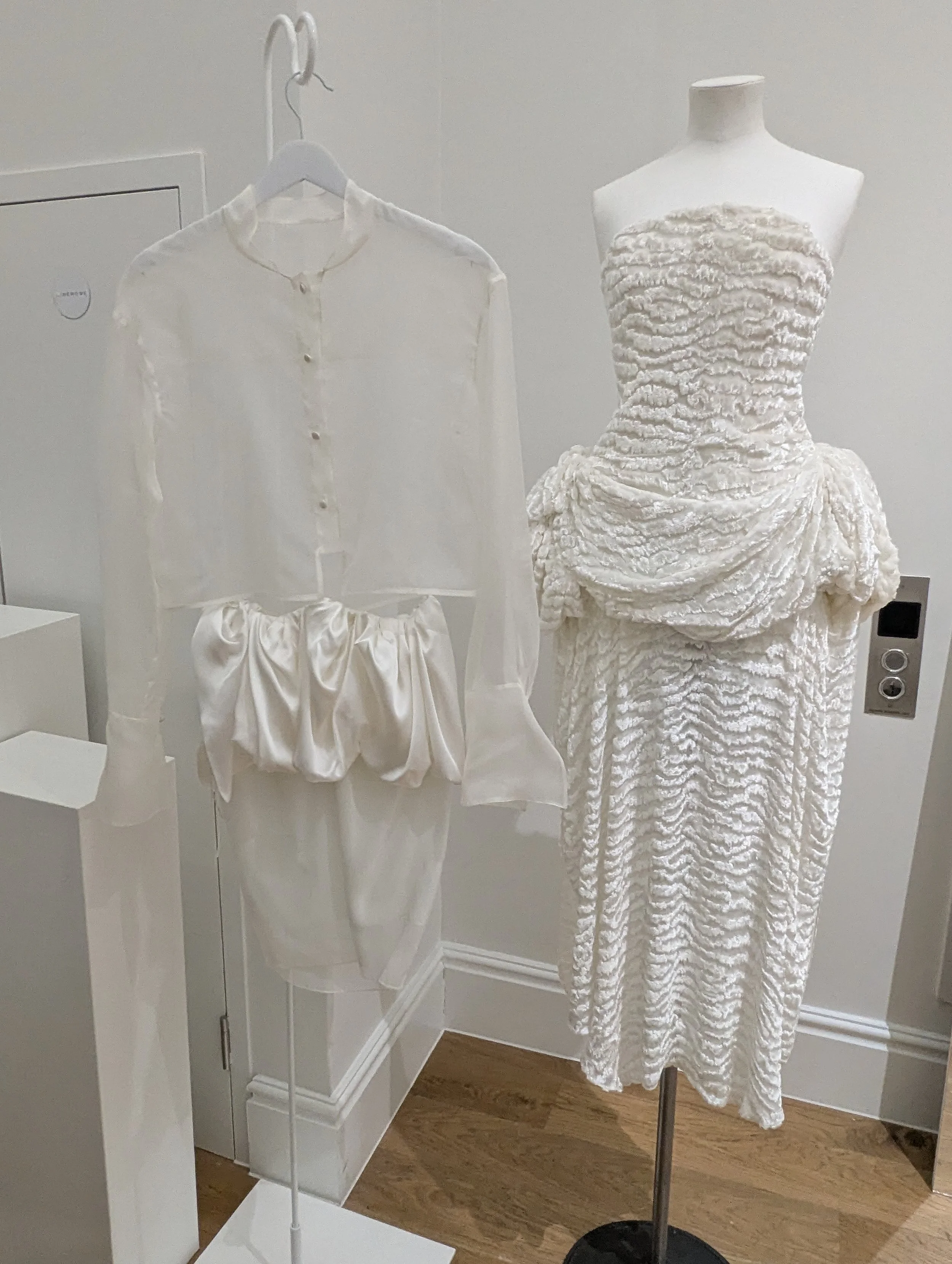
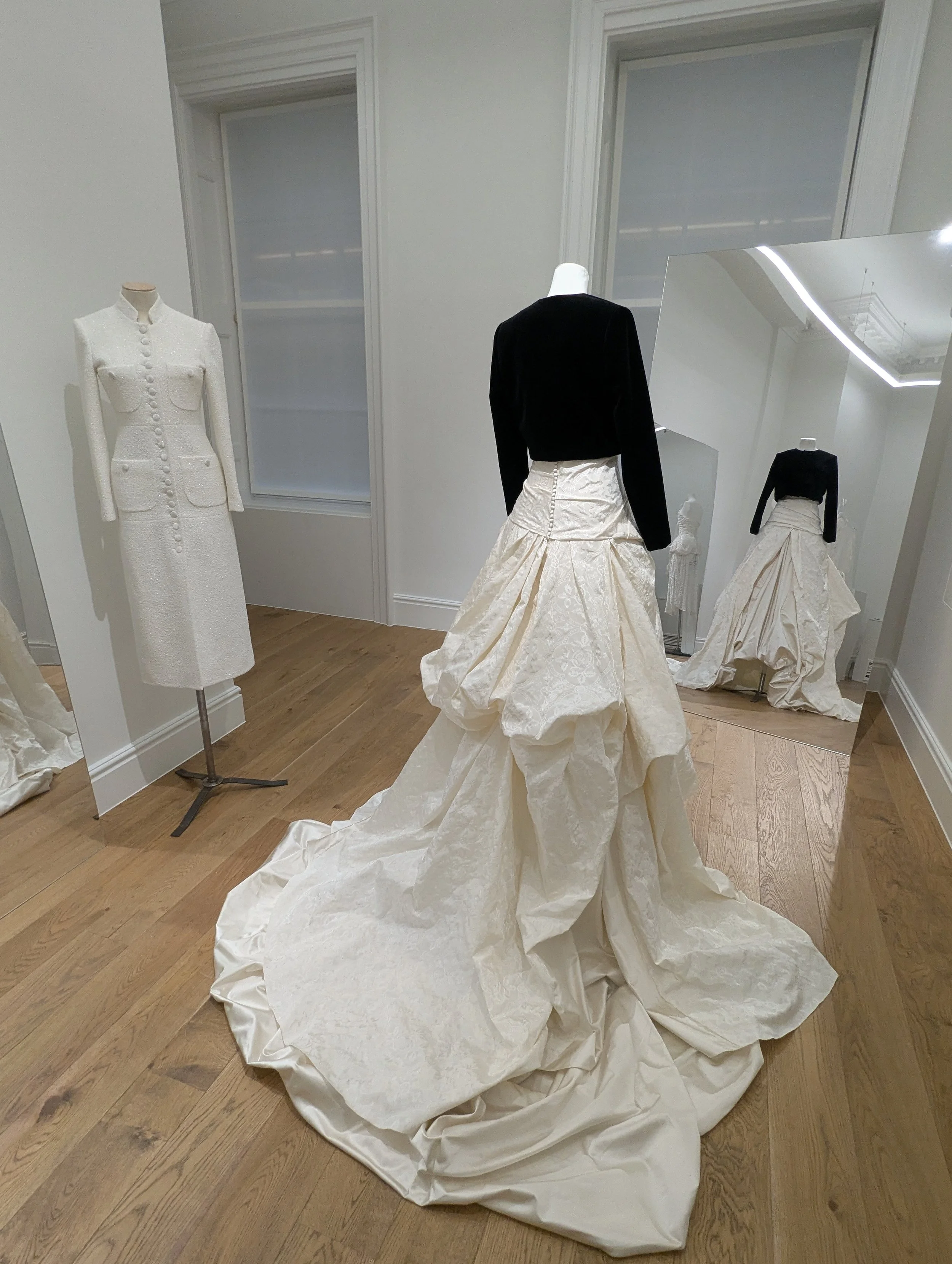
Paris-born, London-based Talia Loubaton channels a lively tension between masculine structure and feminine detail; sherwani-inspired jackets reworked into the brand’s signature tailoring sit alongside diaphanous silk and devoré velvet. It’s a sensibility that references Indian menswear and 1970s Parisian poise; an aesthetic that has become Liberowe’s calling card. AW26 leaned into texture and craft. Velvet moved from dense pile to airy devoré; tweed was unraveled into fringe-like surfaces and reimagined as a metallic gown; chiffon, organza and silk crêpe de chine were used to unify the season. Embroidery sourced from India was employed not merely as surface ornament but as structural drape and tailored treatment; buttons were beaded and trims were handmade with glass beads and braids. The collection’s tactile richness rewarded close inspection.
The presentation’s modular set, developed with Simon Costin, functioned as a durable display and a conceptual archive, reflecting a sustainable approach to presentation beyond the single-season show. The staging underlined the brand’s careful thinking about how garments live beyond the runway moment.
Upstairs, the rooms devoted to evening and bridal offered a softer counterpoint to the sharply tailored ground floor; metallic tweeds, fluid silk gowns and inventive peplums that unfold to create new volumes around the body. Bridal elements read as contemporary and ornamental rather than strictly traditional, marrying ceremony with the brand’s textural vocabulary.
Liberowe’s carefully constructed mix of tailoring and ornament has resonated with boutiques and department stores: the label now appears on global stockists and in the buying programs that helped bring it to LFW’s official schedule. The brand’s trajectory, from signature jackets to a broadened wardrobe of skirts, dresses and knits, reflects an ambition to make garments that feel both special and wearable. There’s a quiet confidence to Liberowe’s AW26; it doesn’t scream for attention, it earns it. In choosing an exhibition-style presentation and foregrounding craft, the collection insisted that clothes can be read slowly, an increasingly rare luxury at fashion week. For anyone watching the brand’s steady ascent, AW26 felt like a thoughtfully staged next step; refined, textural and quietly theatrical.