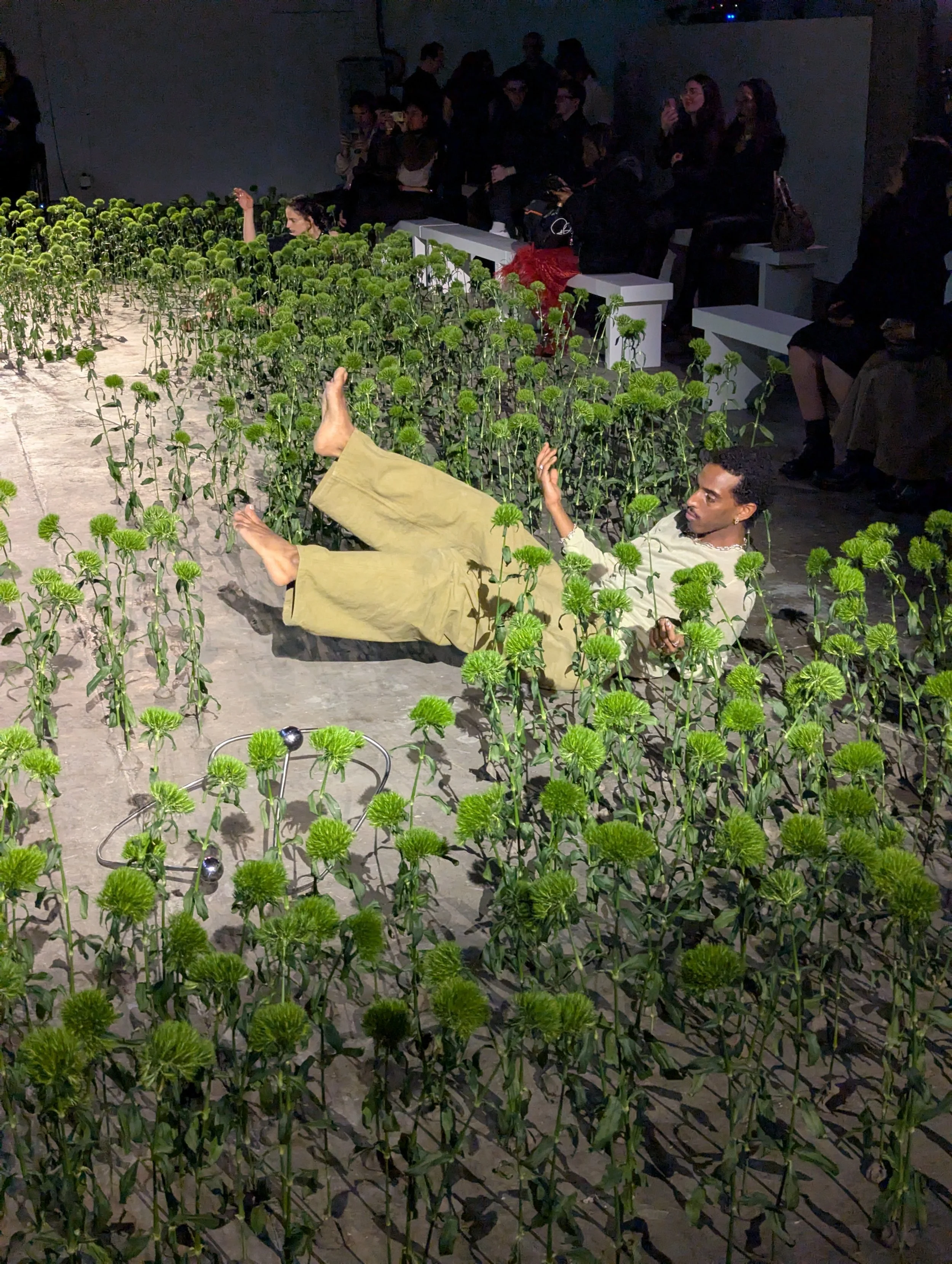
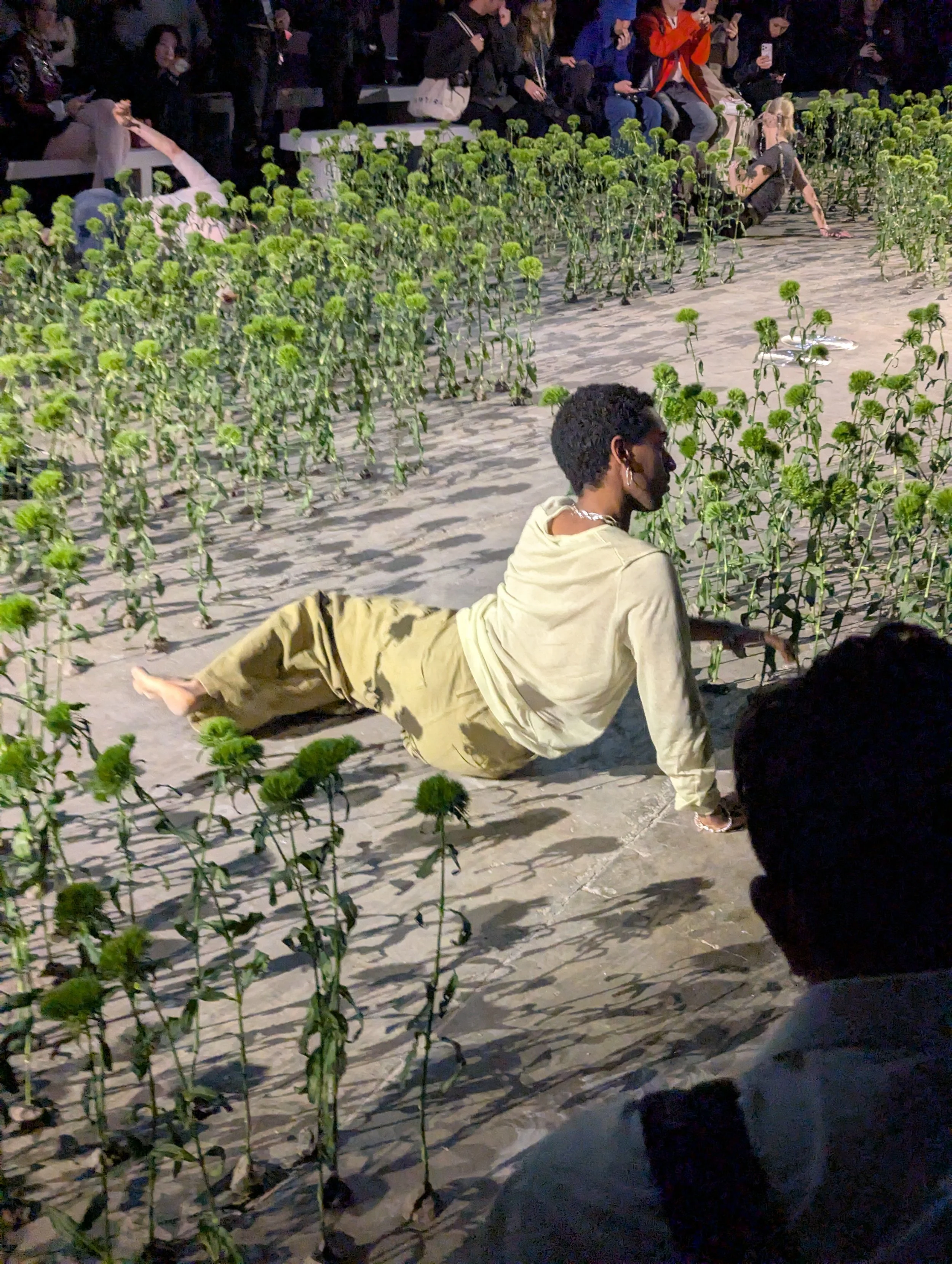
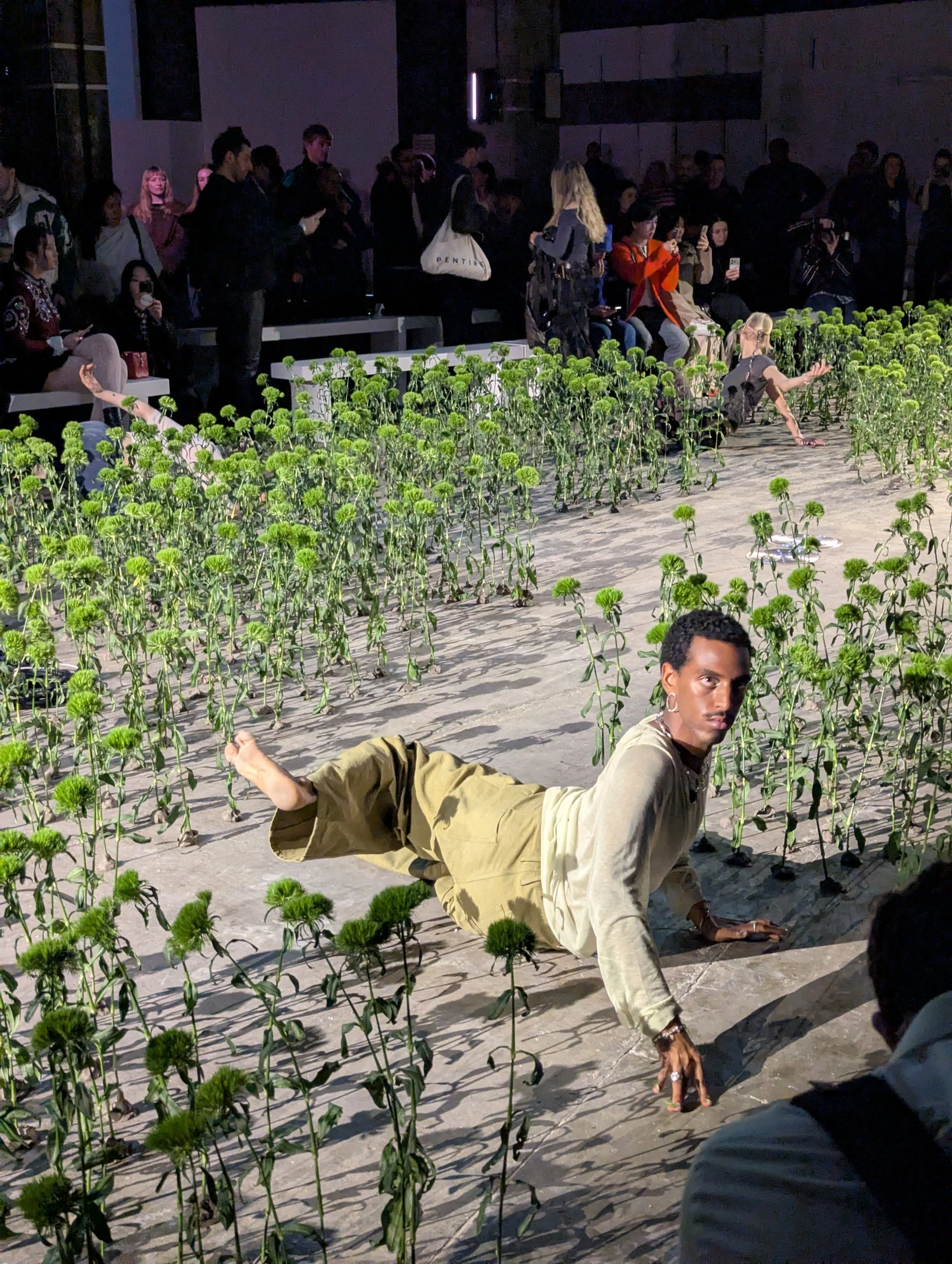
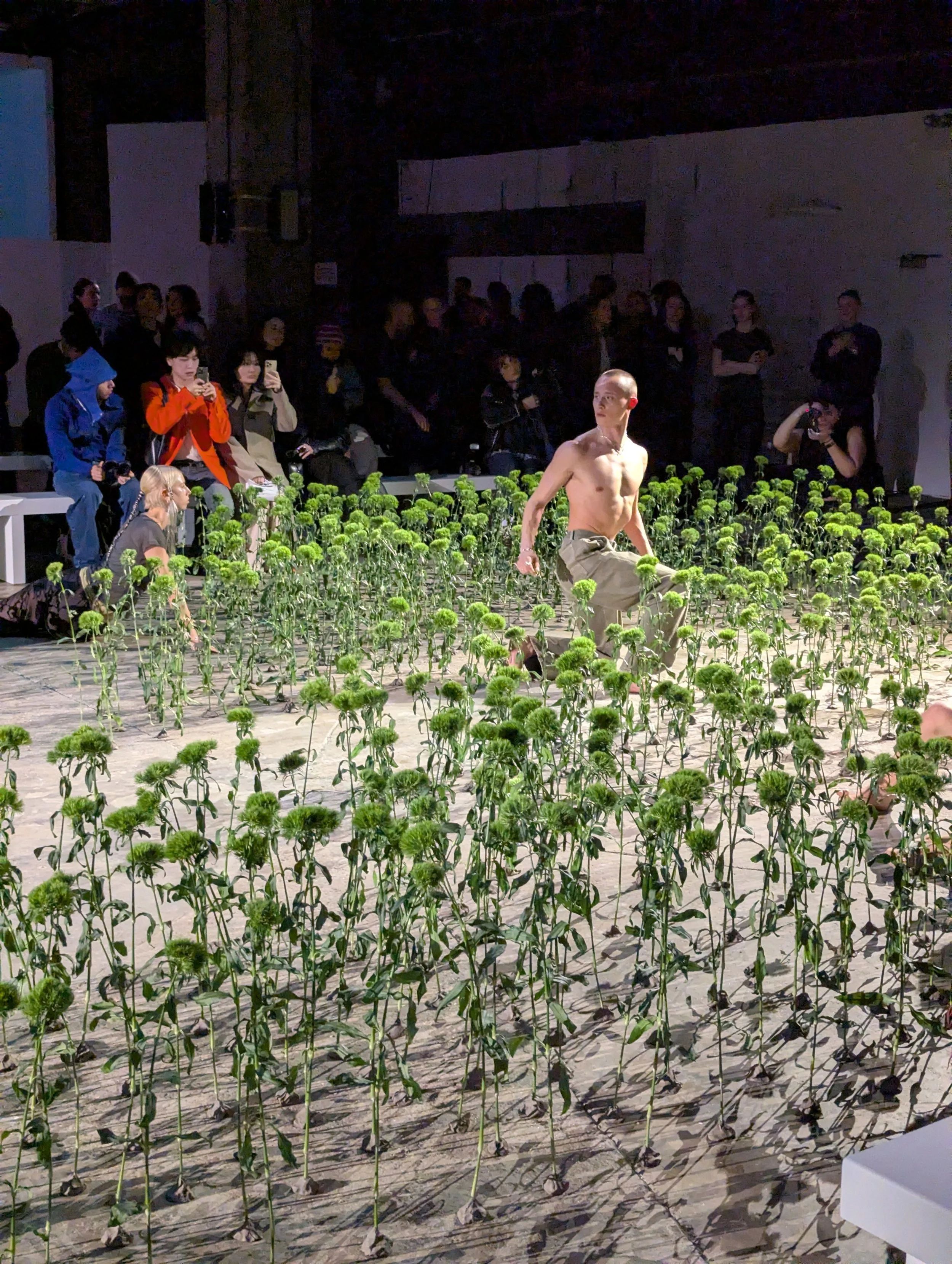
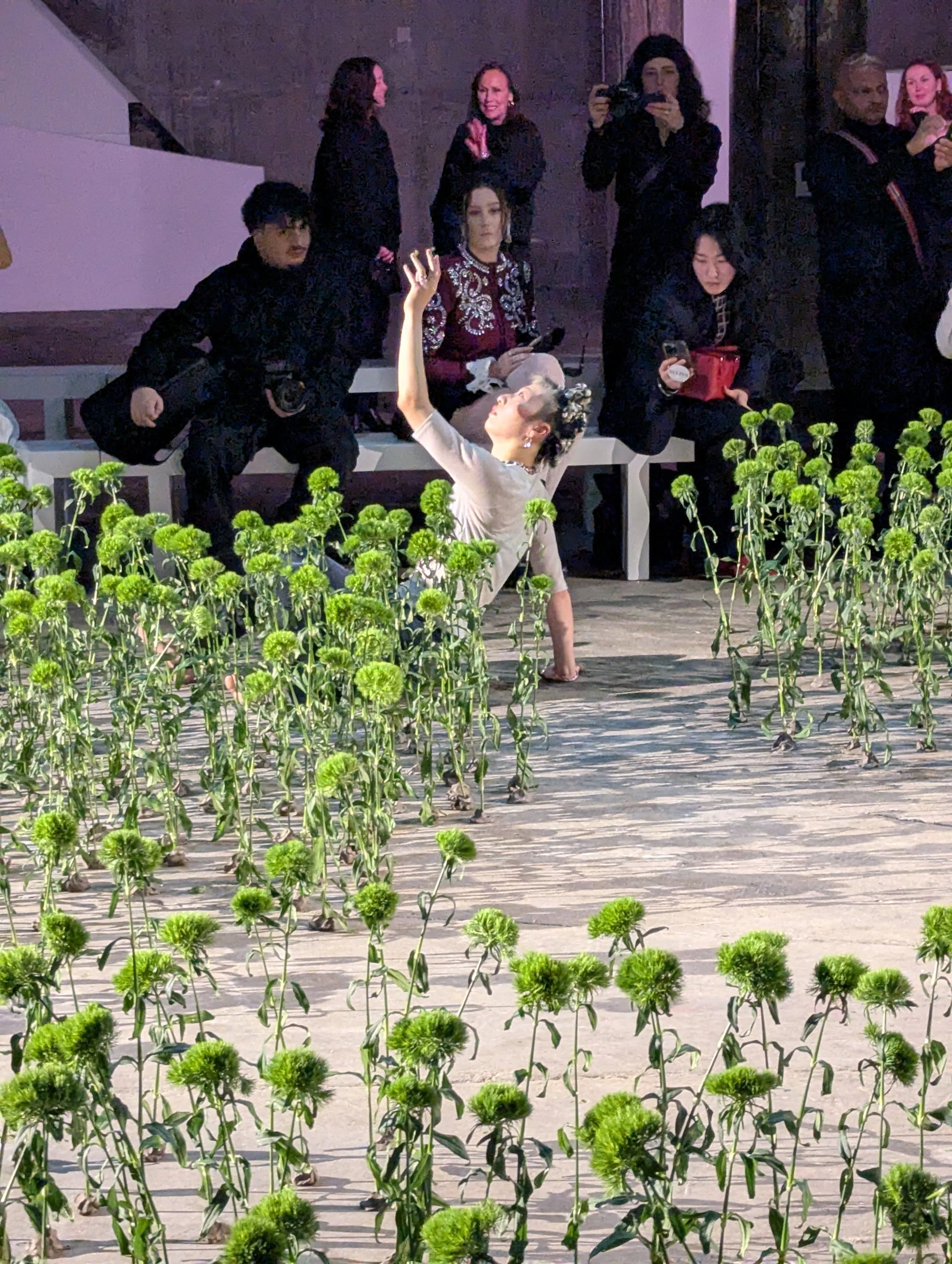
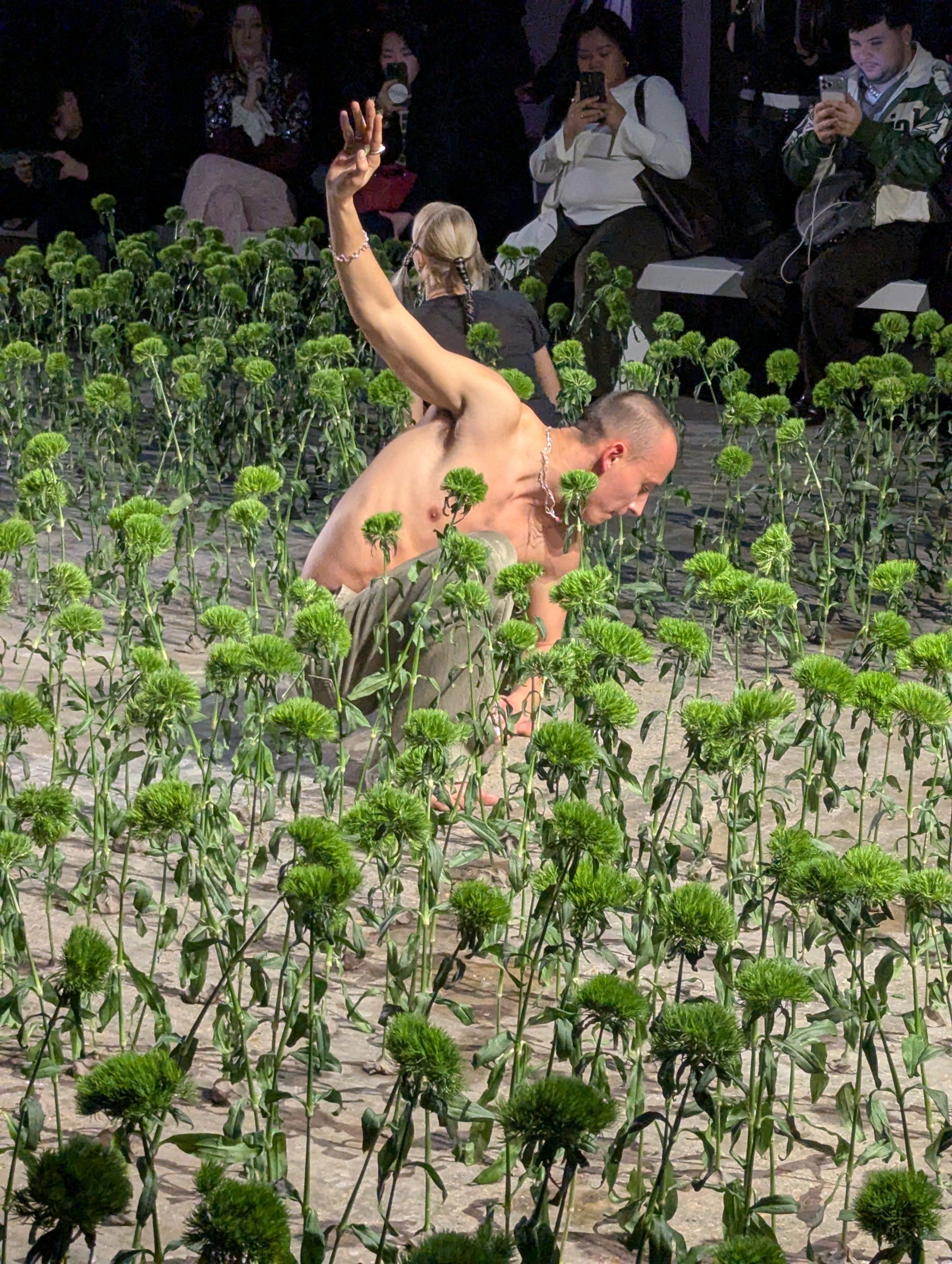
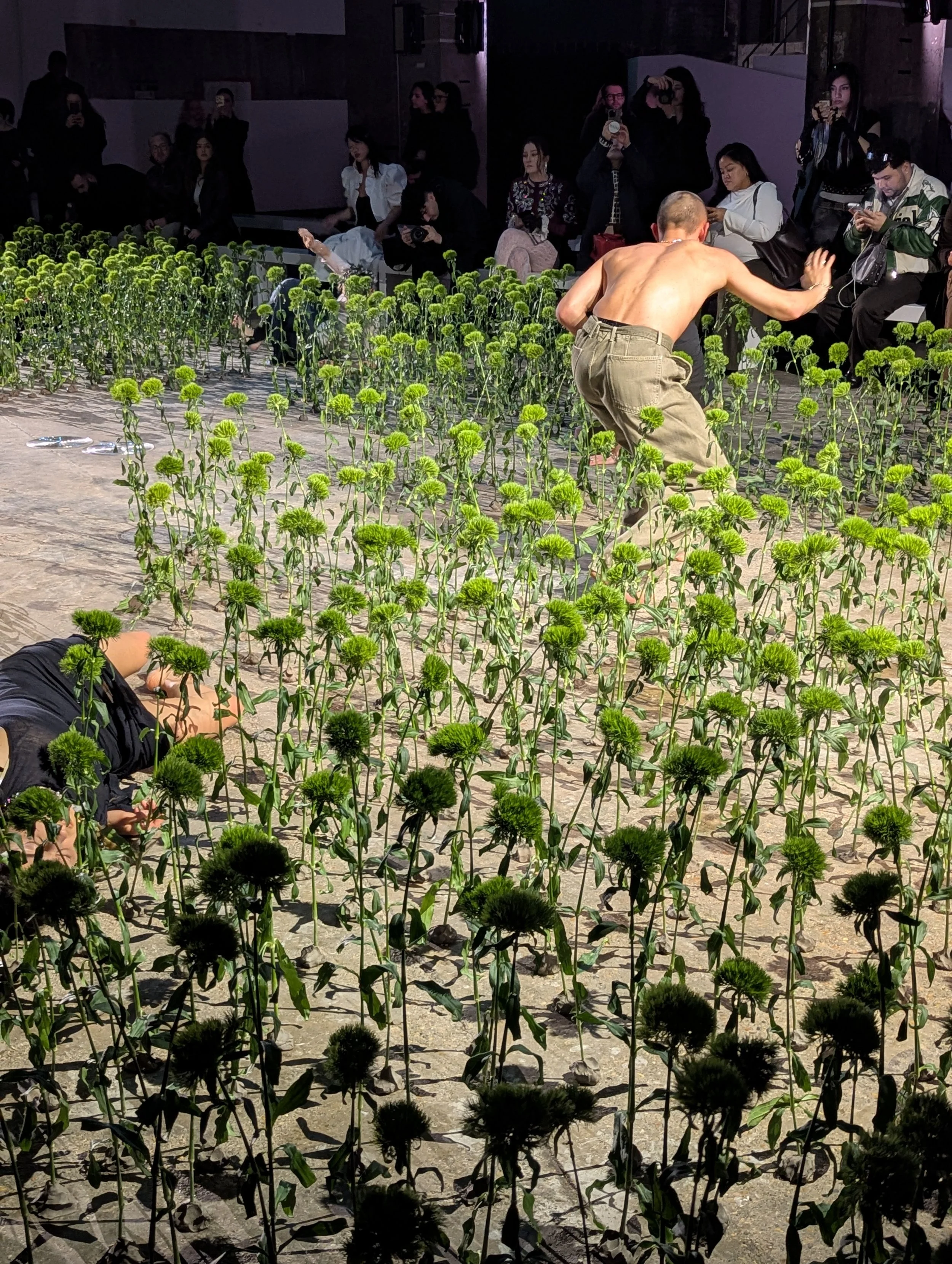
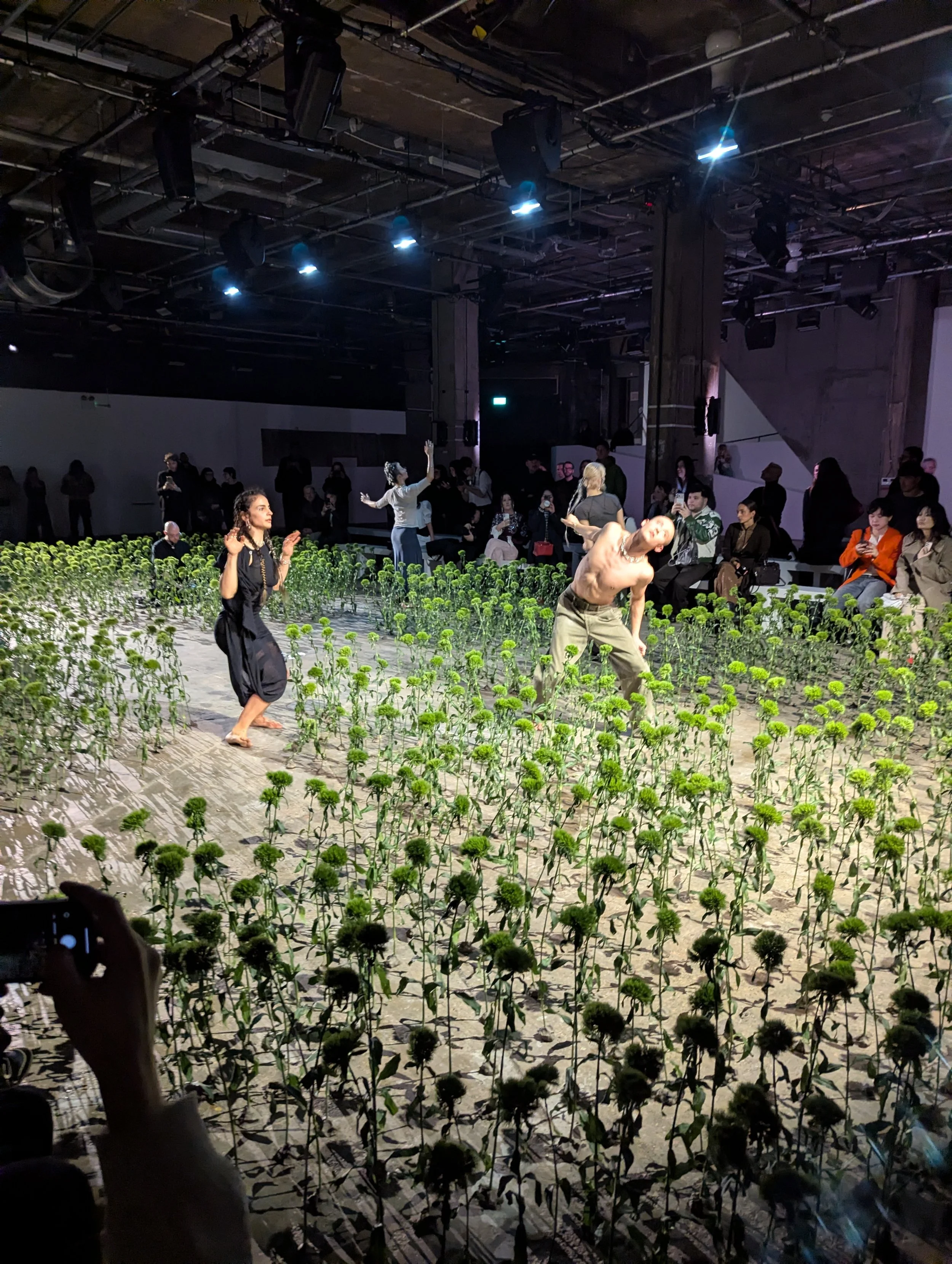
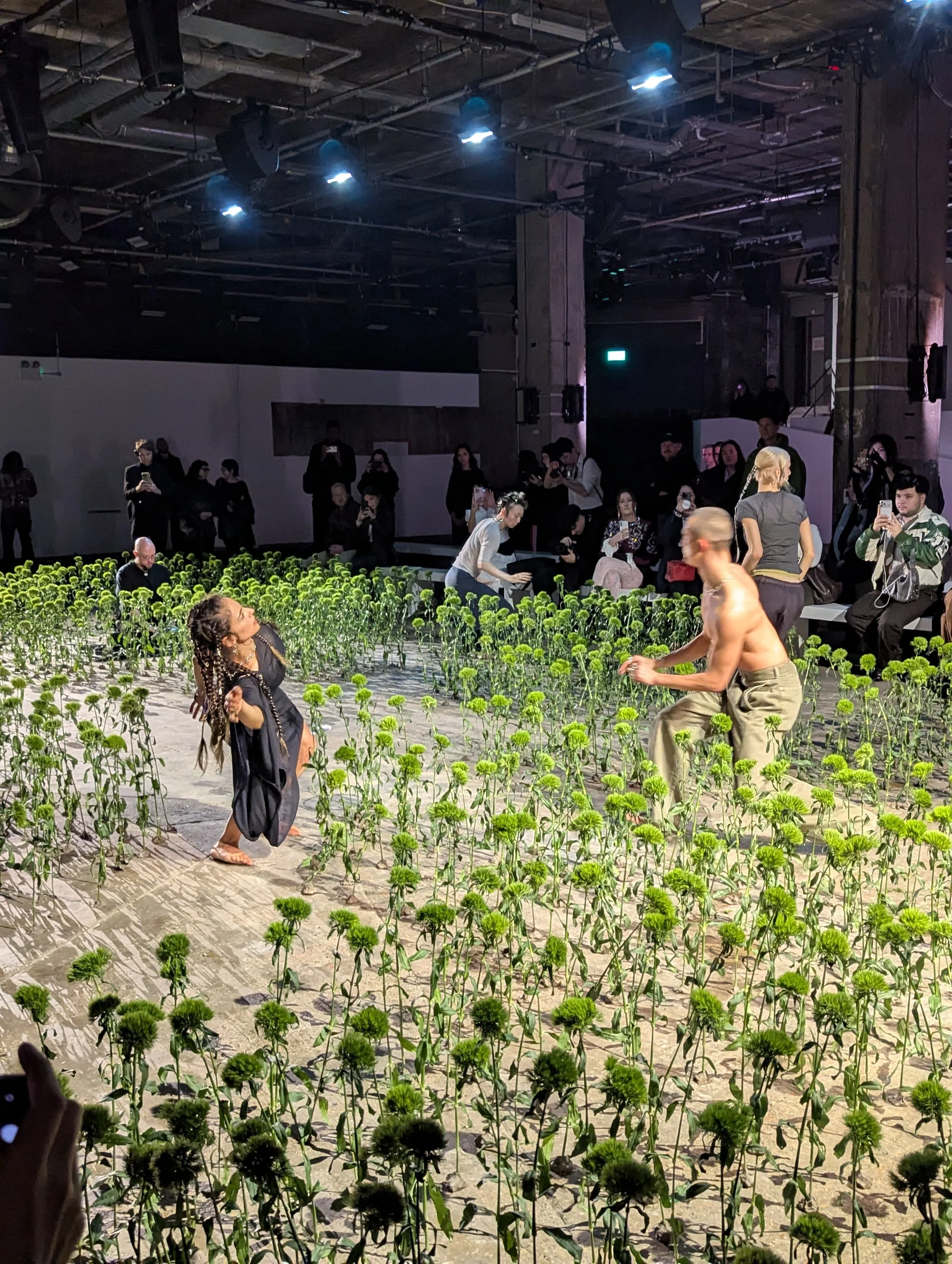
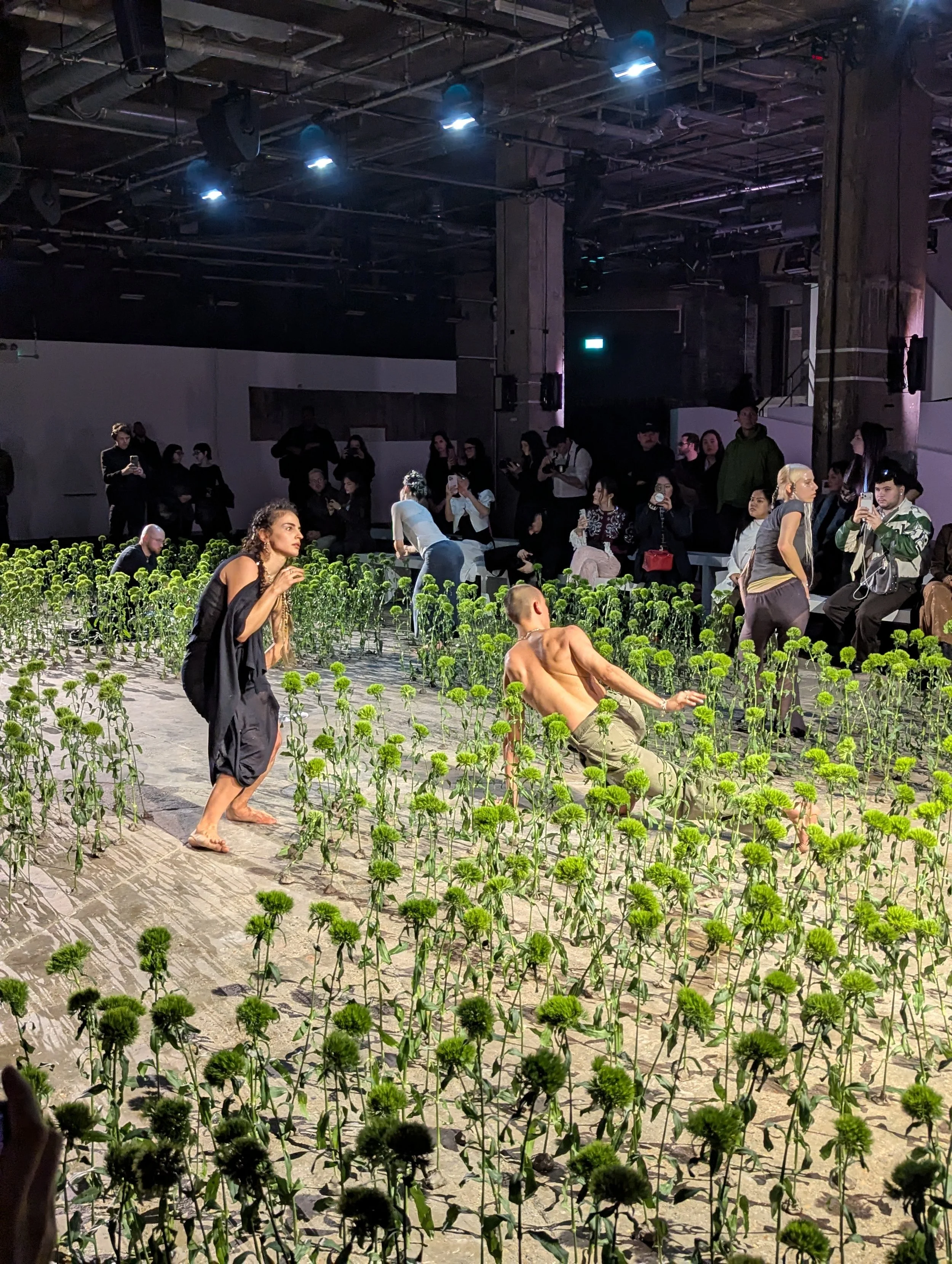
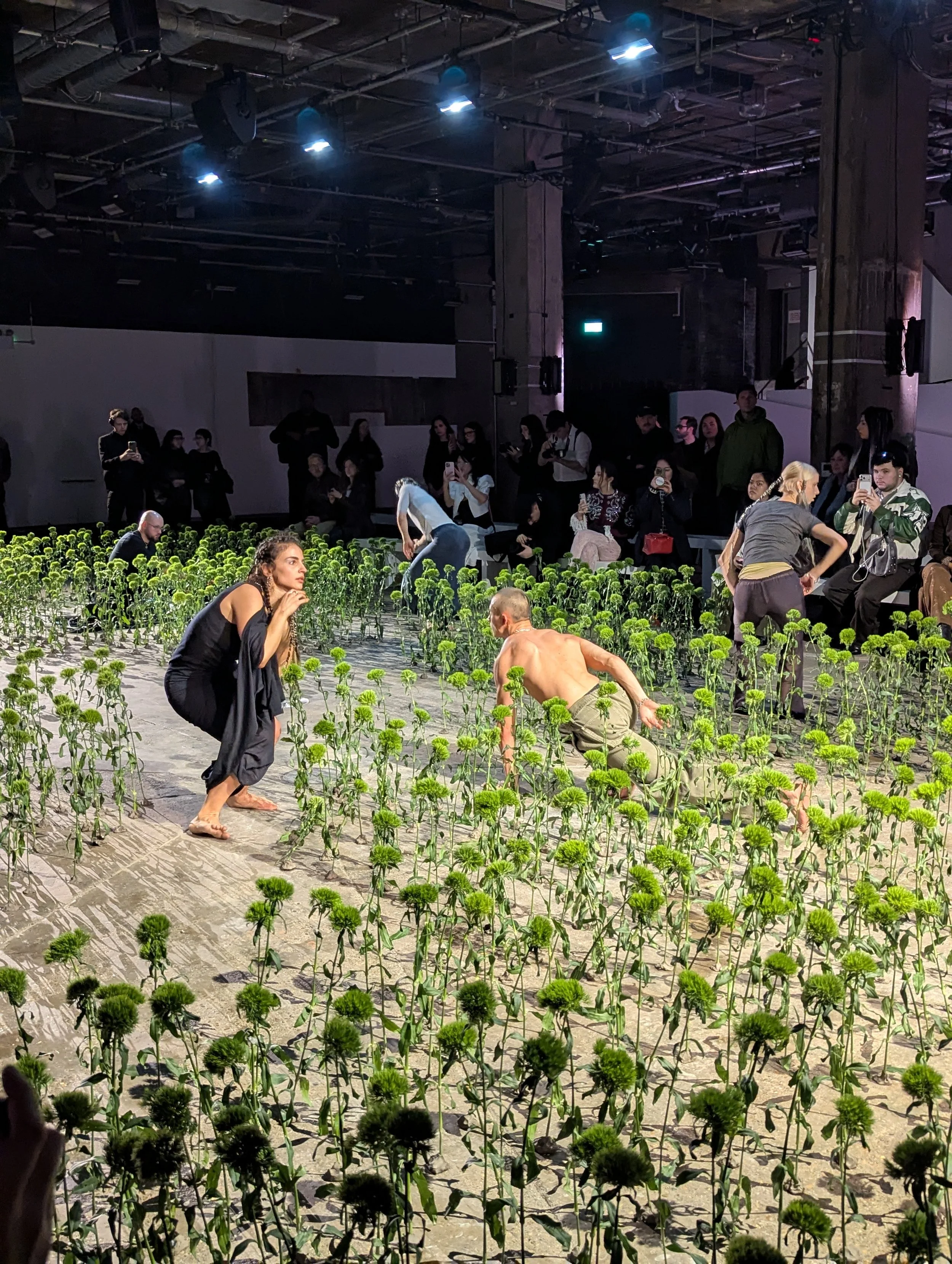
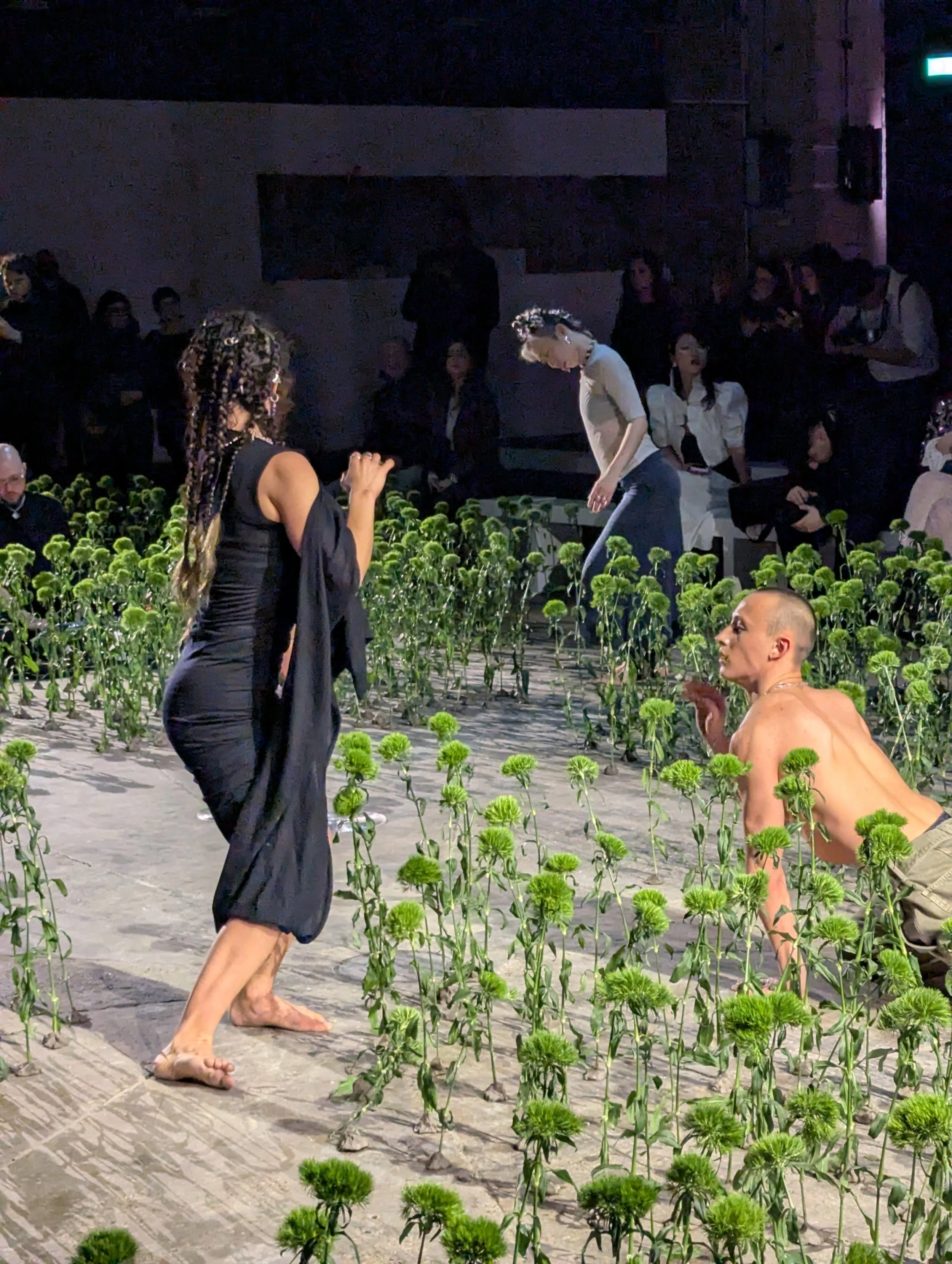
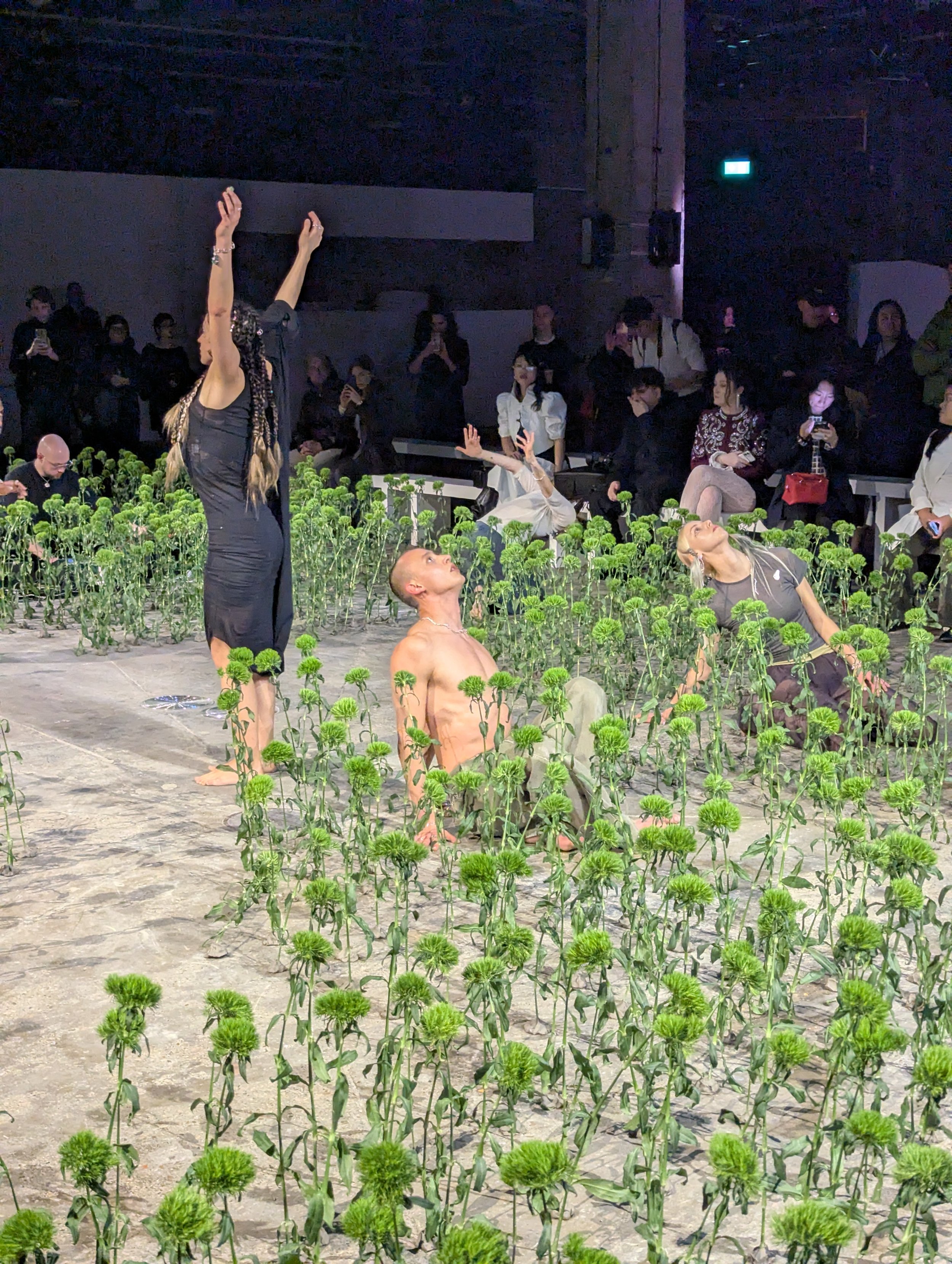
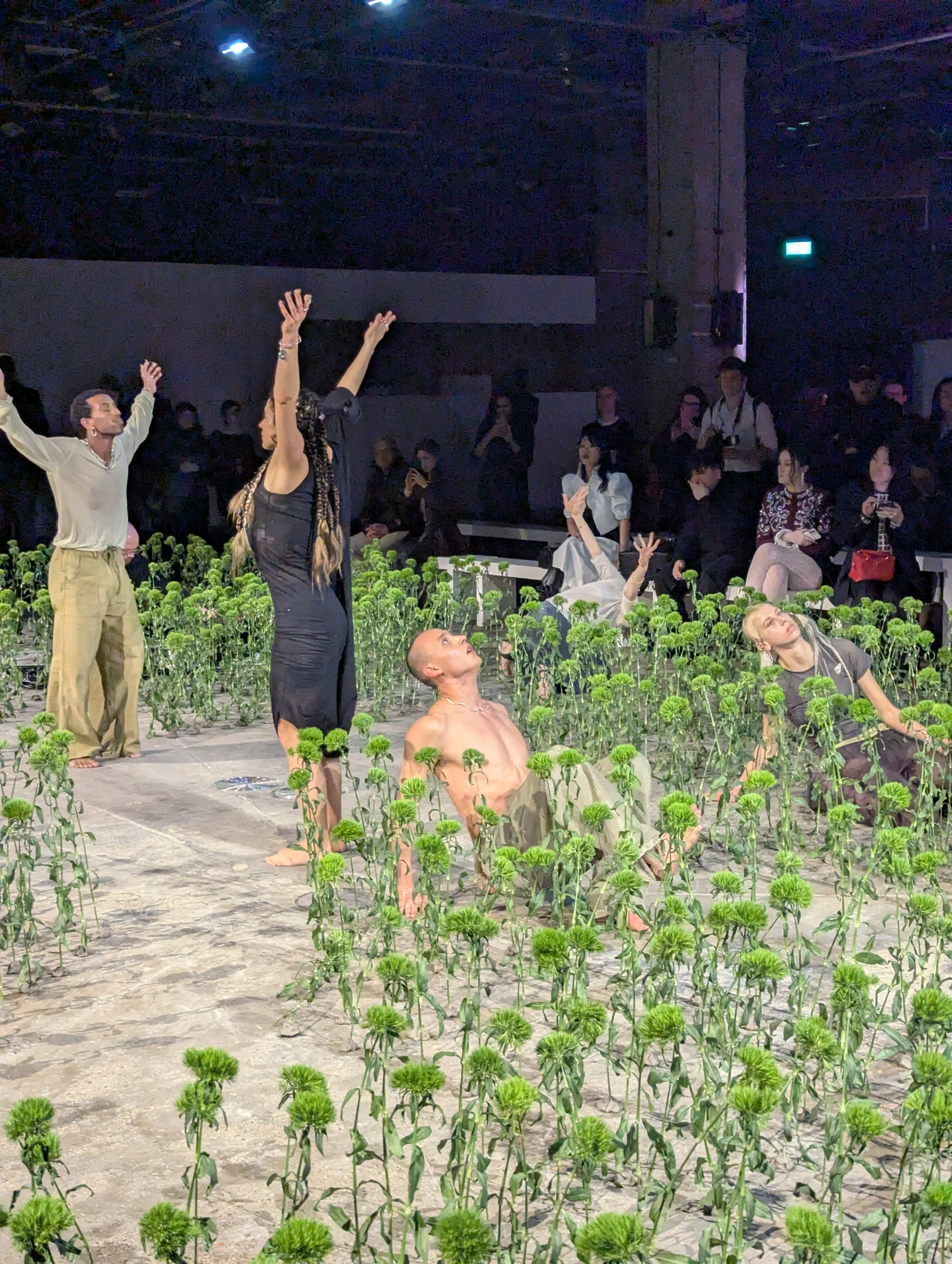
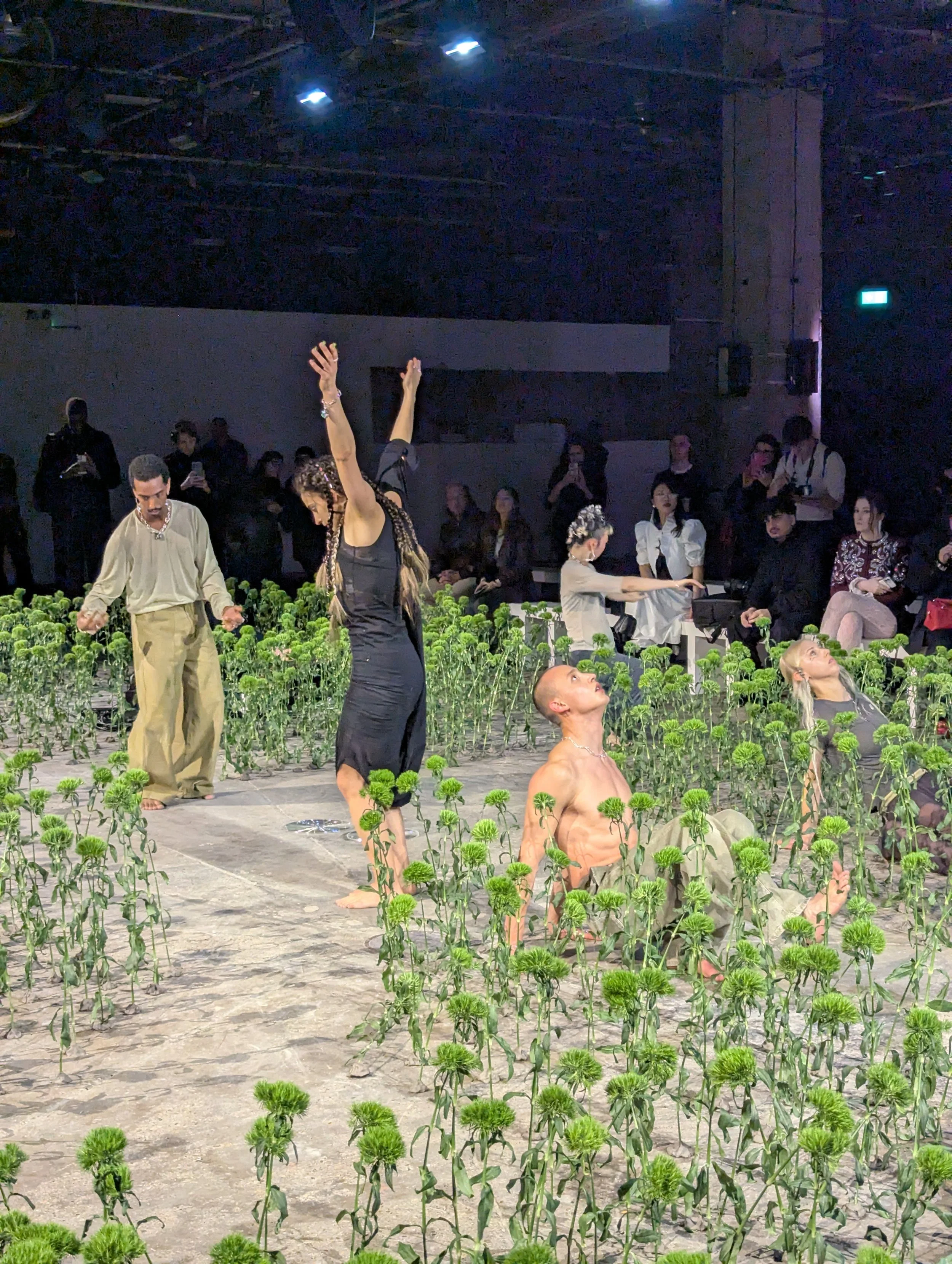
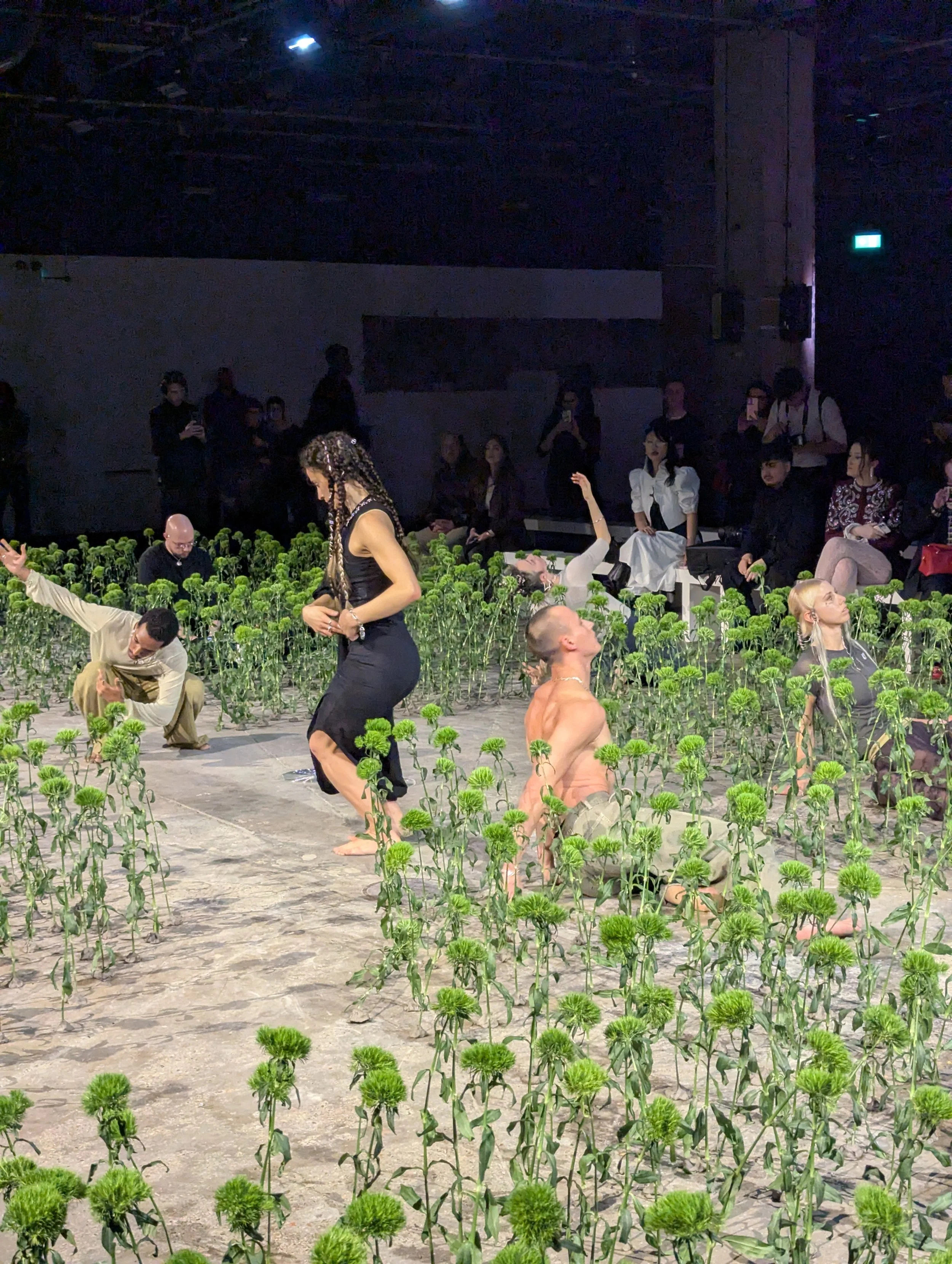
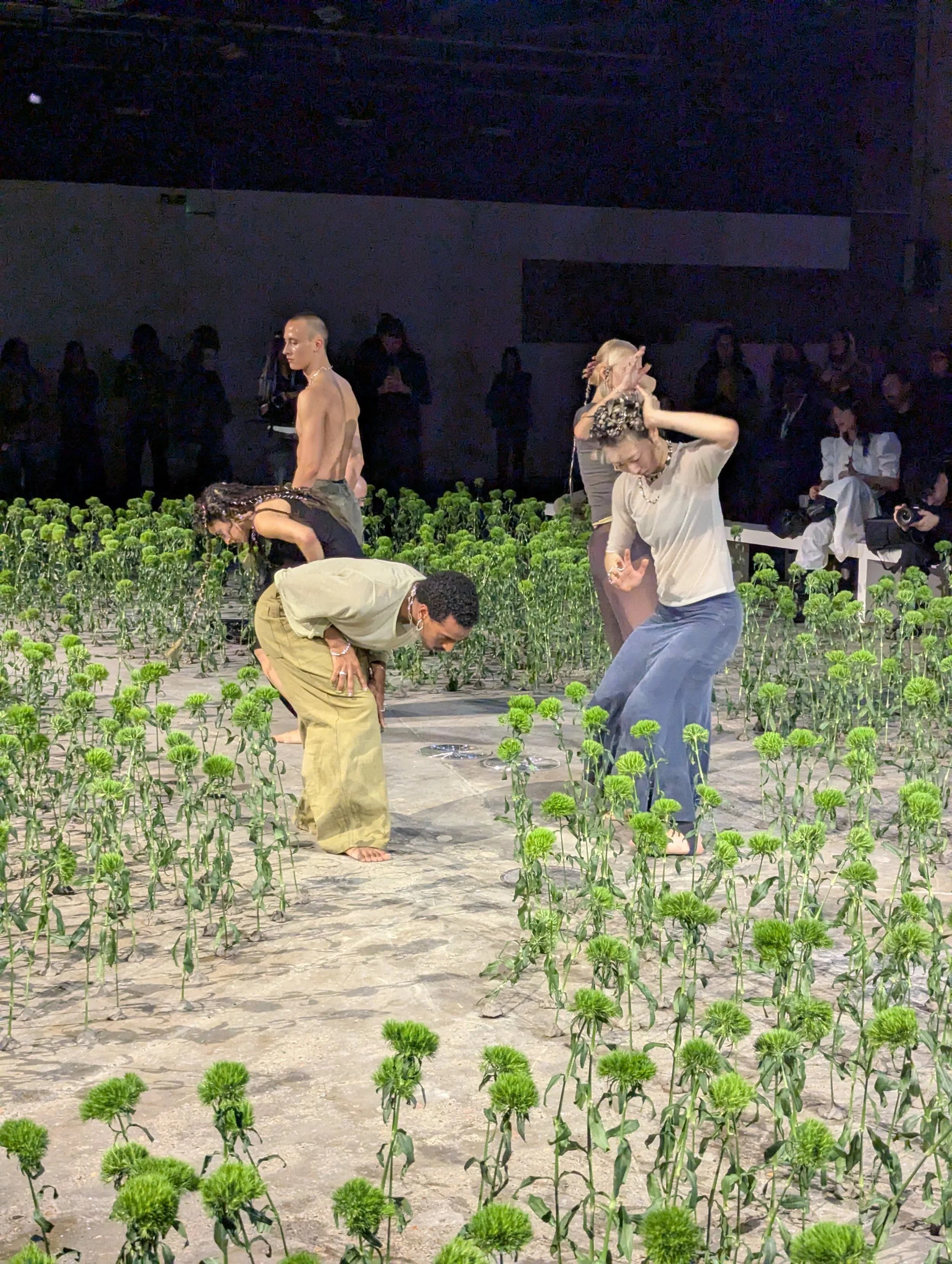
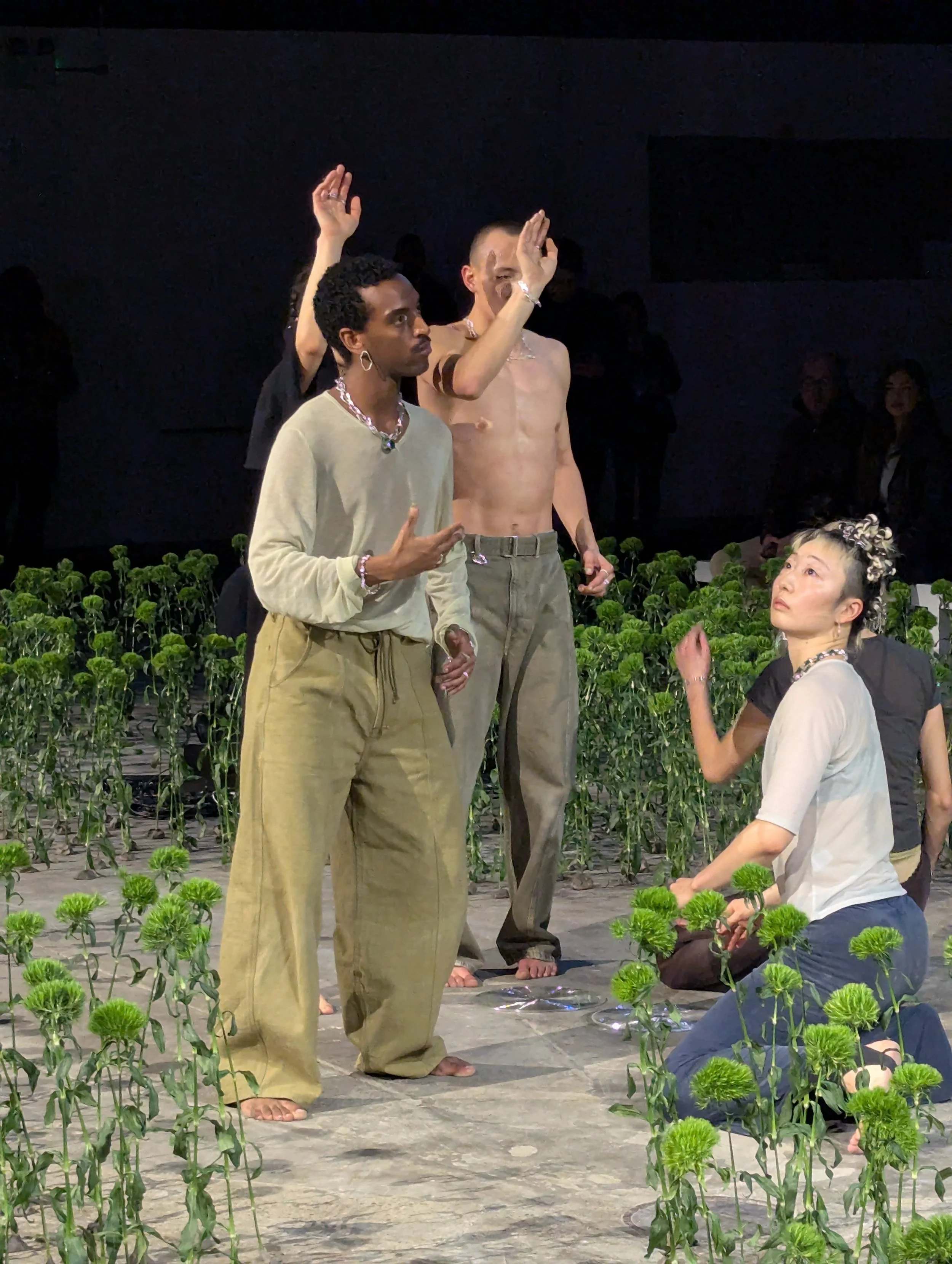
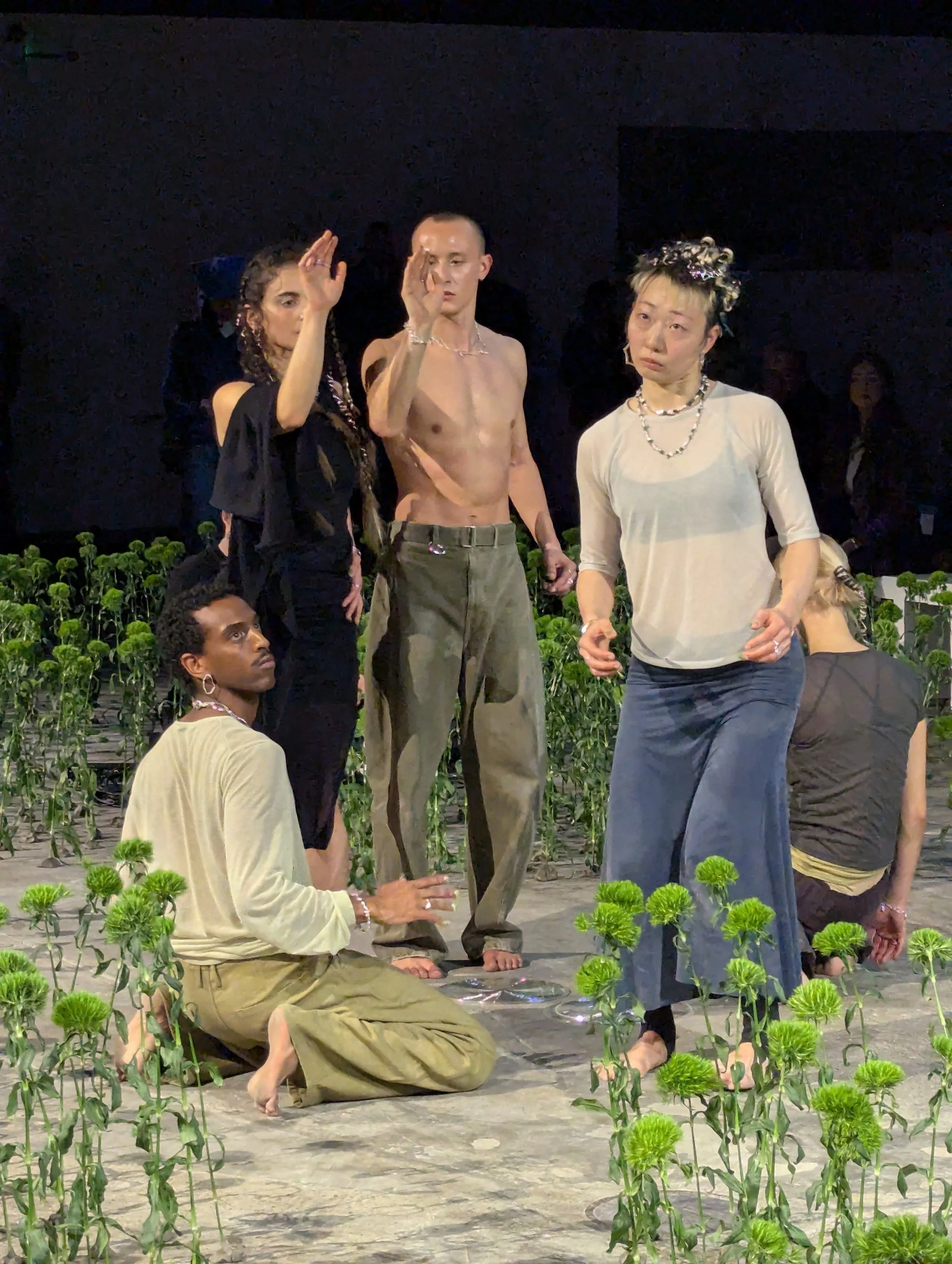
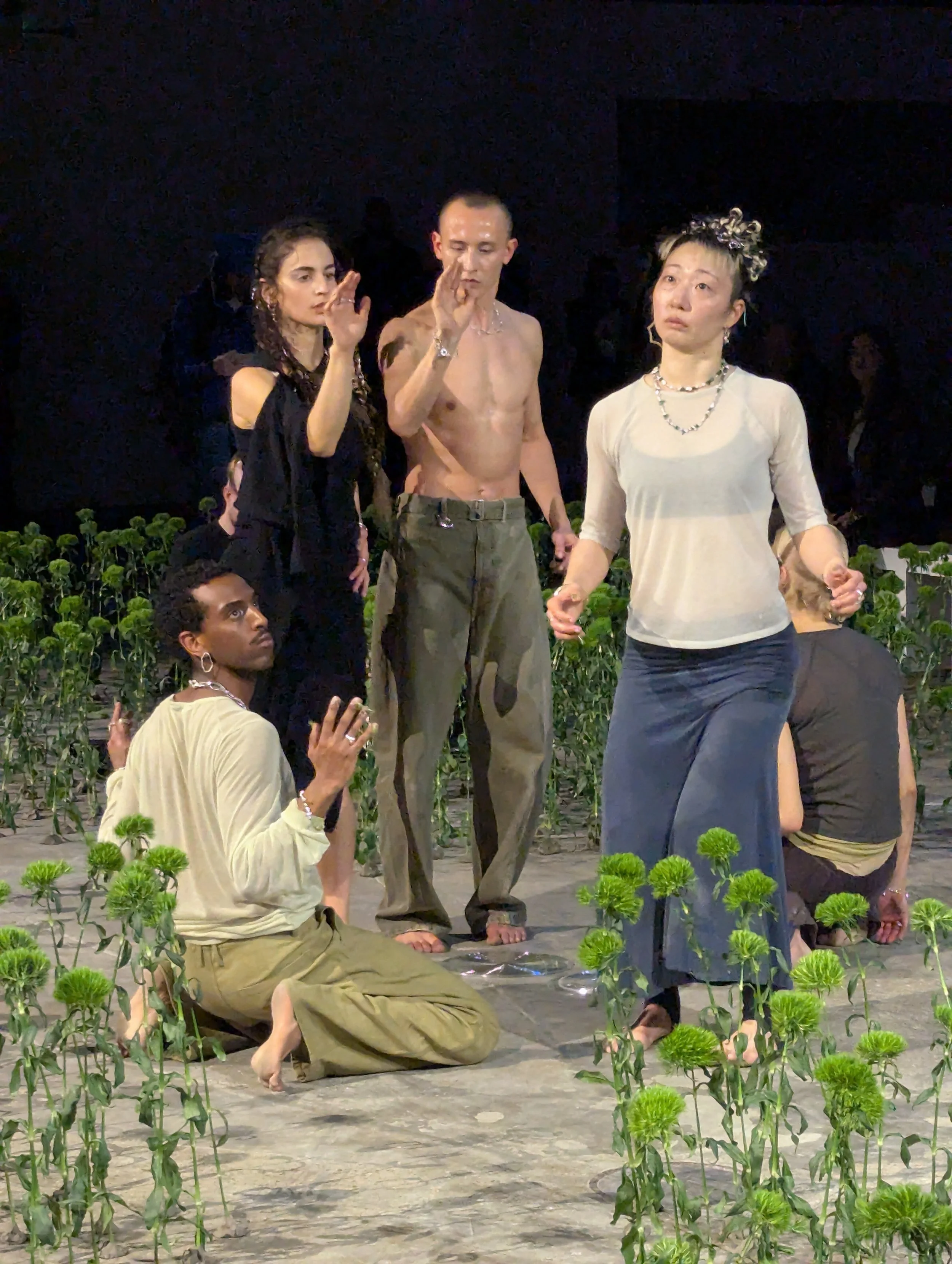
OCTI AW26
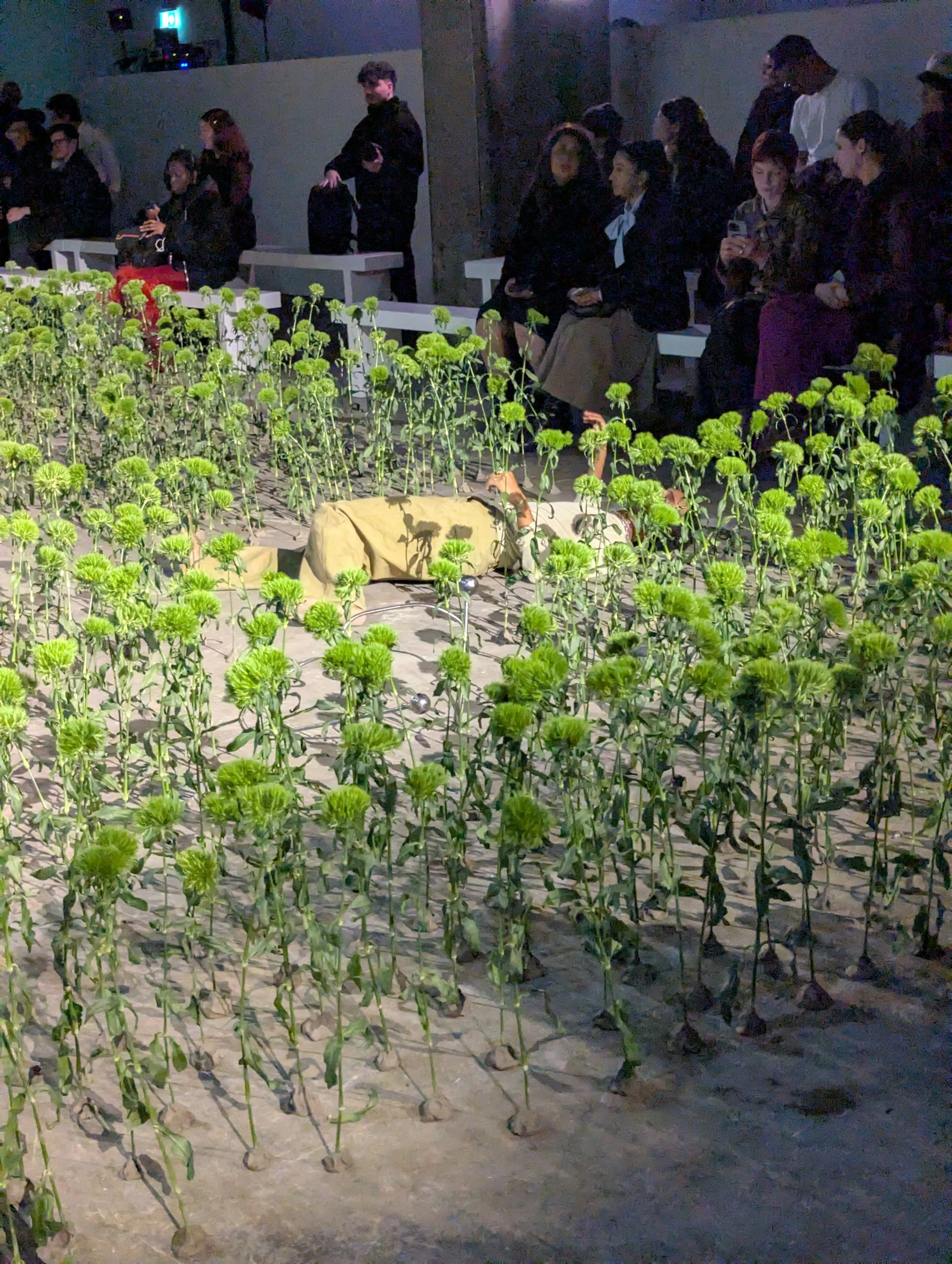
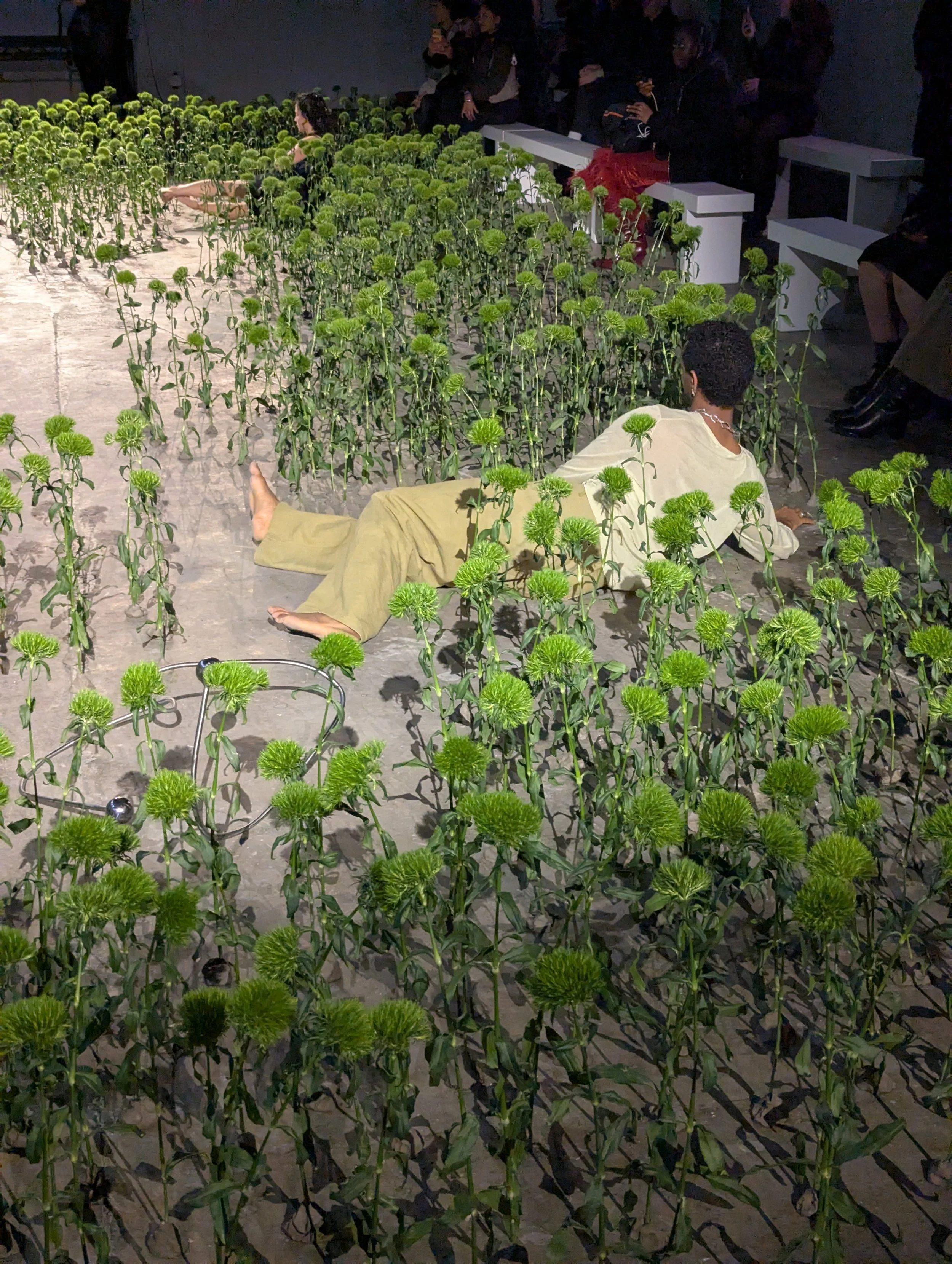
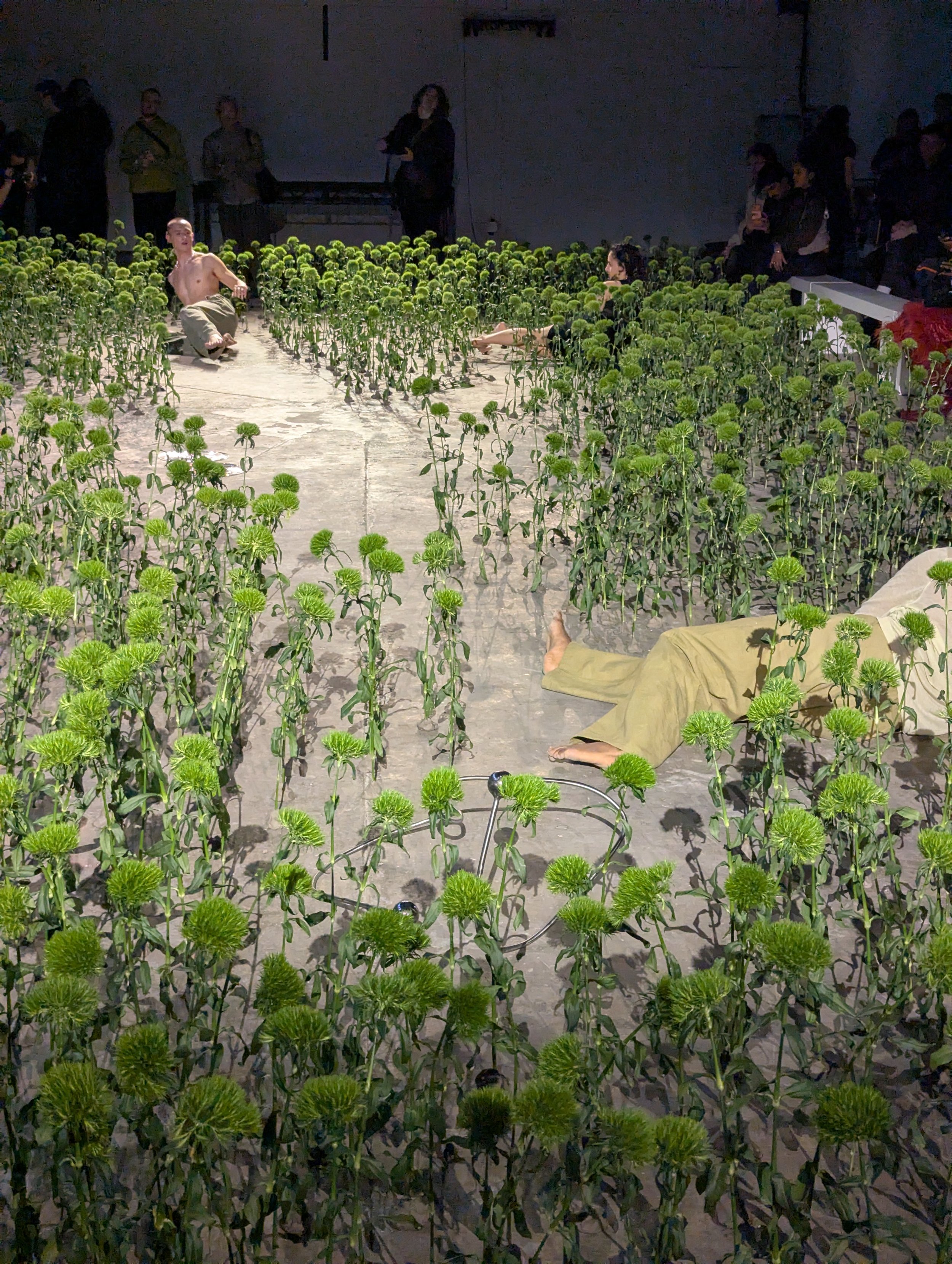
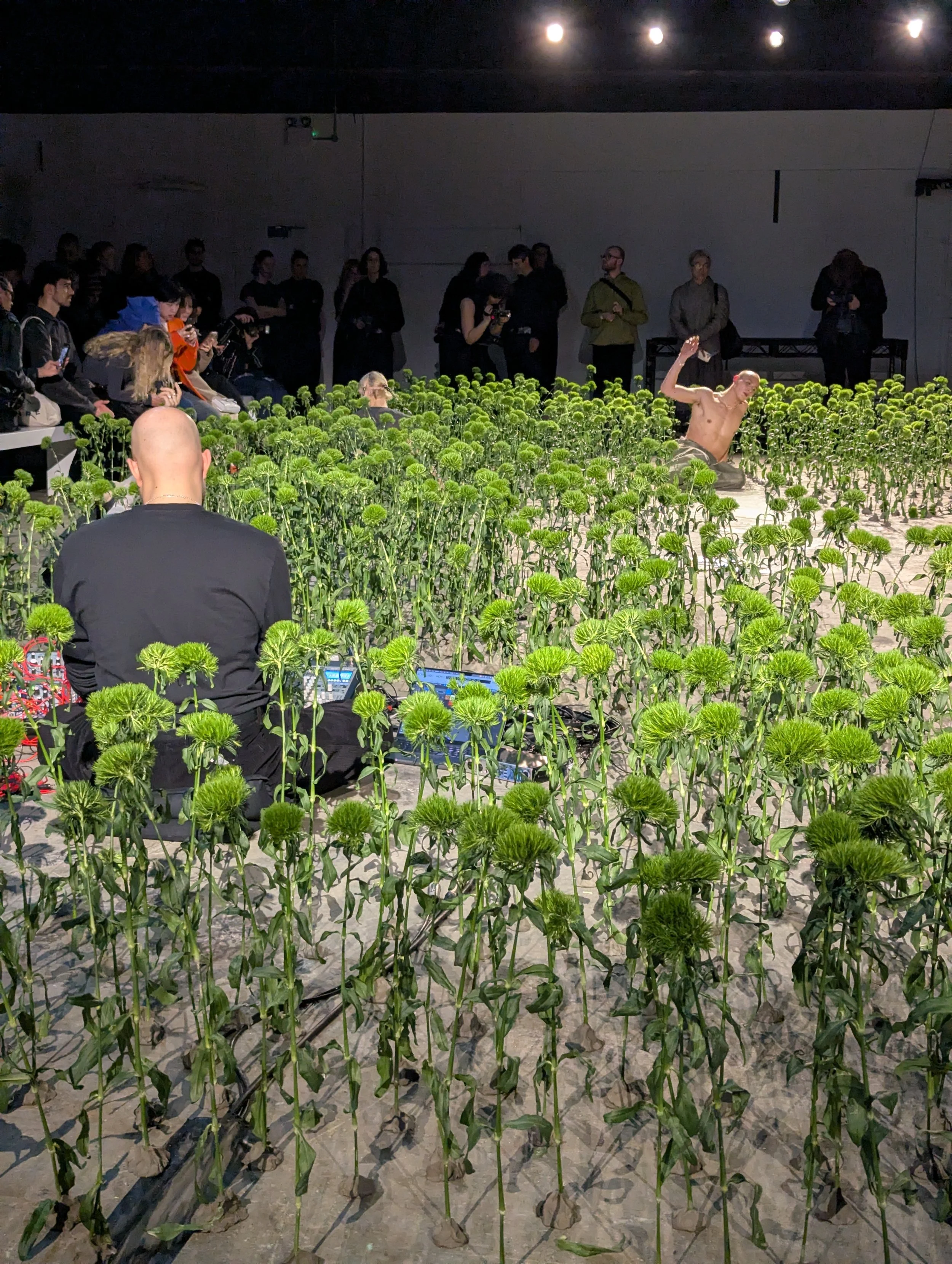
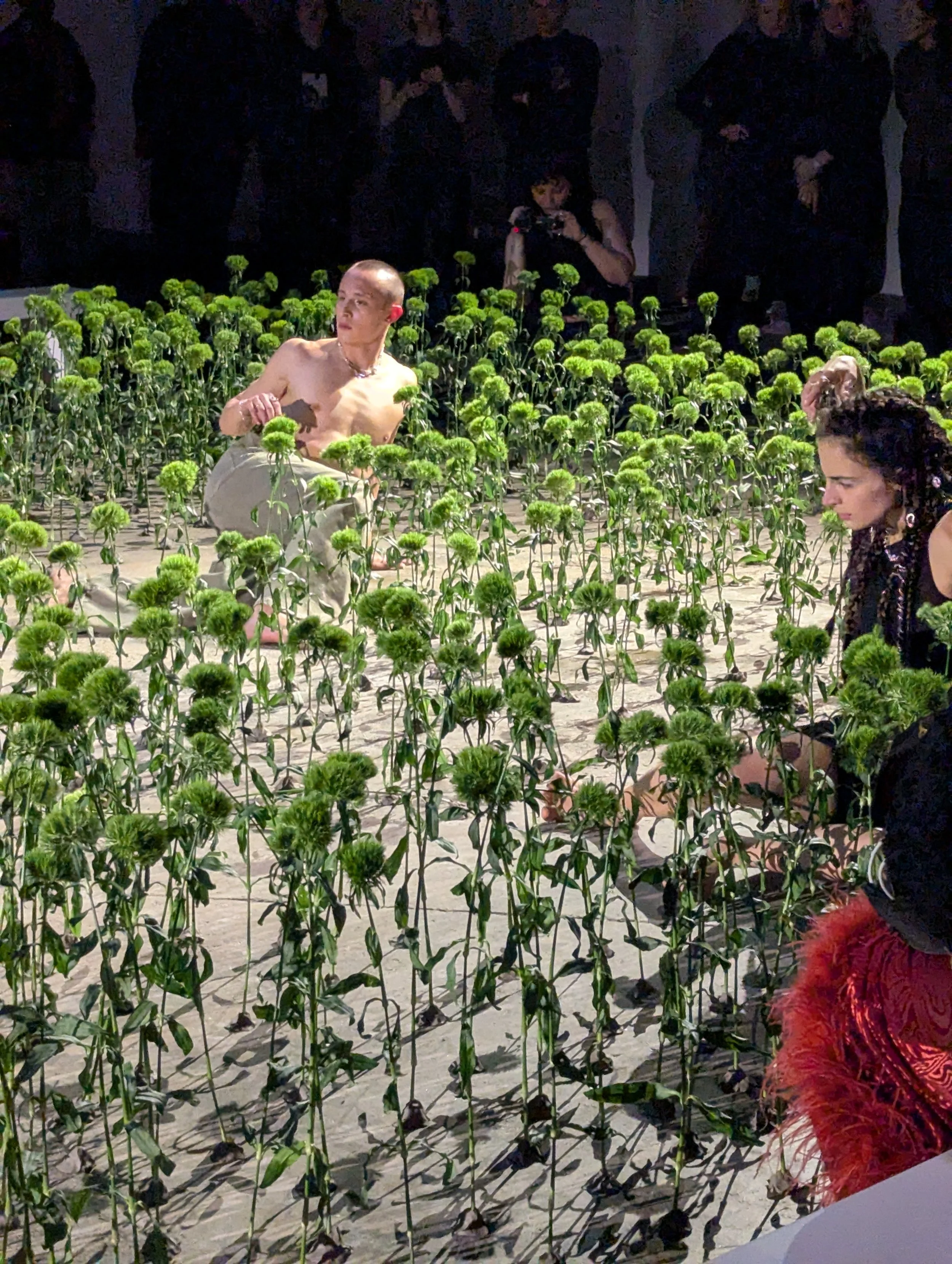
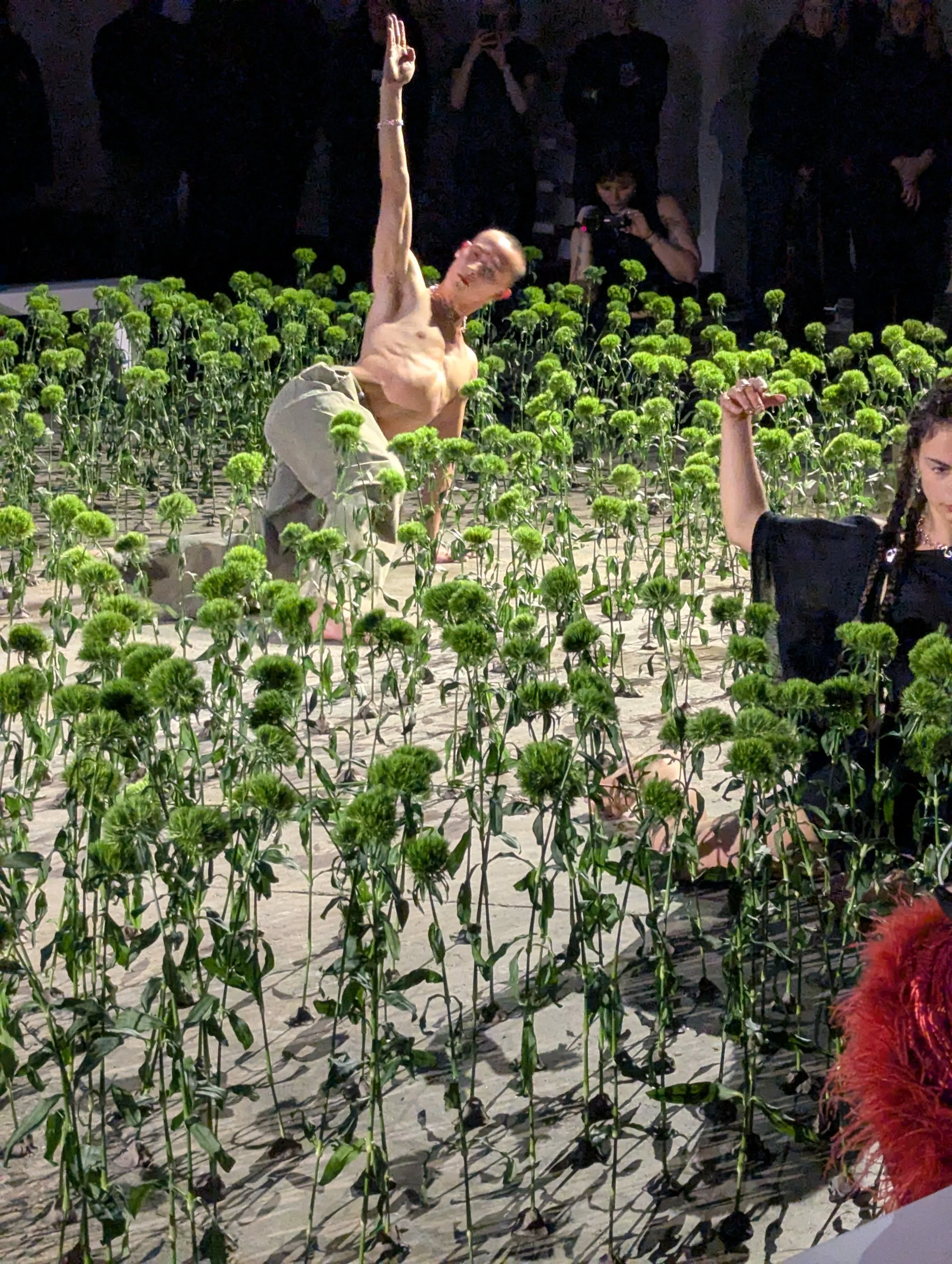
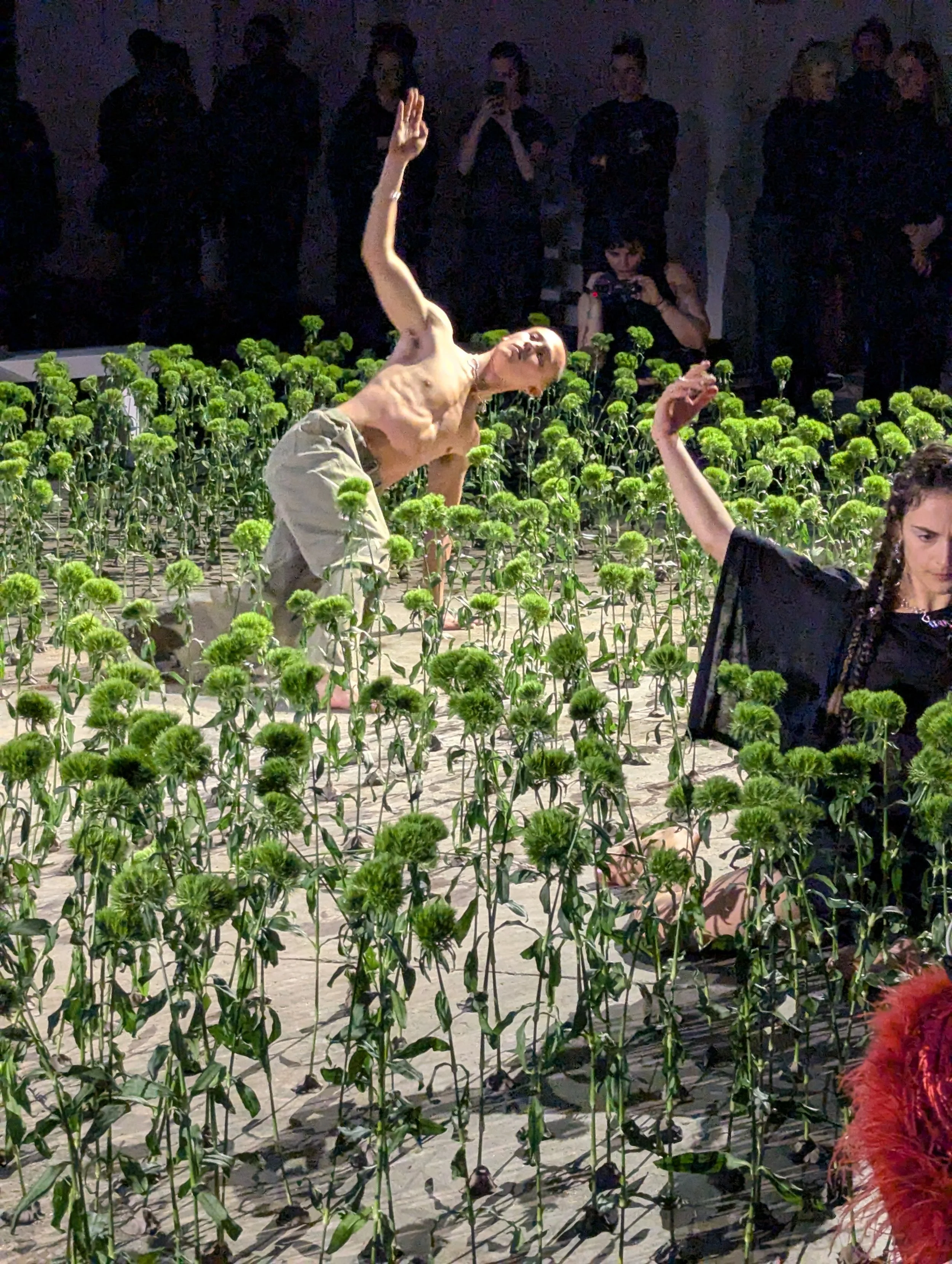
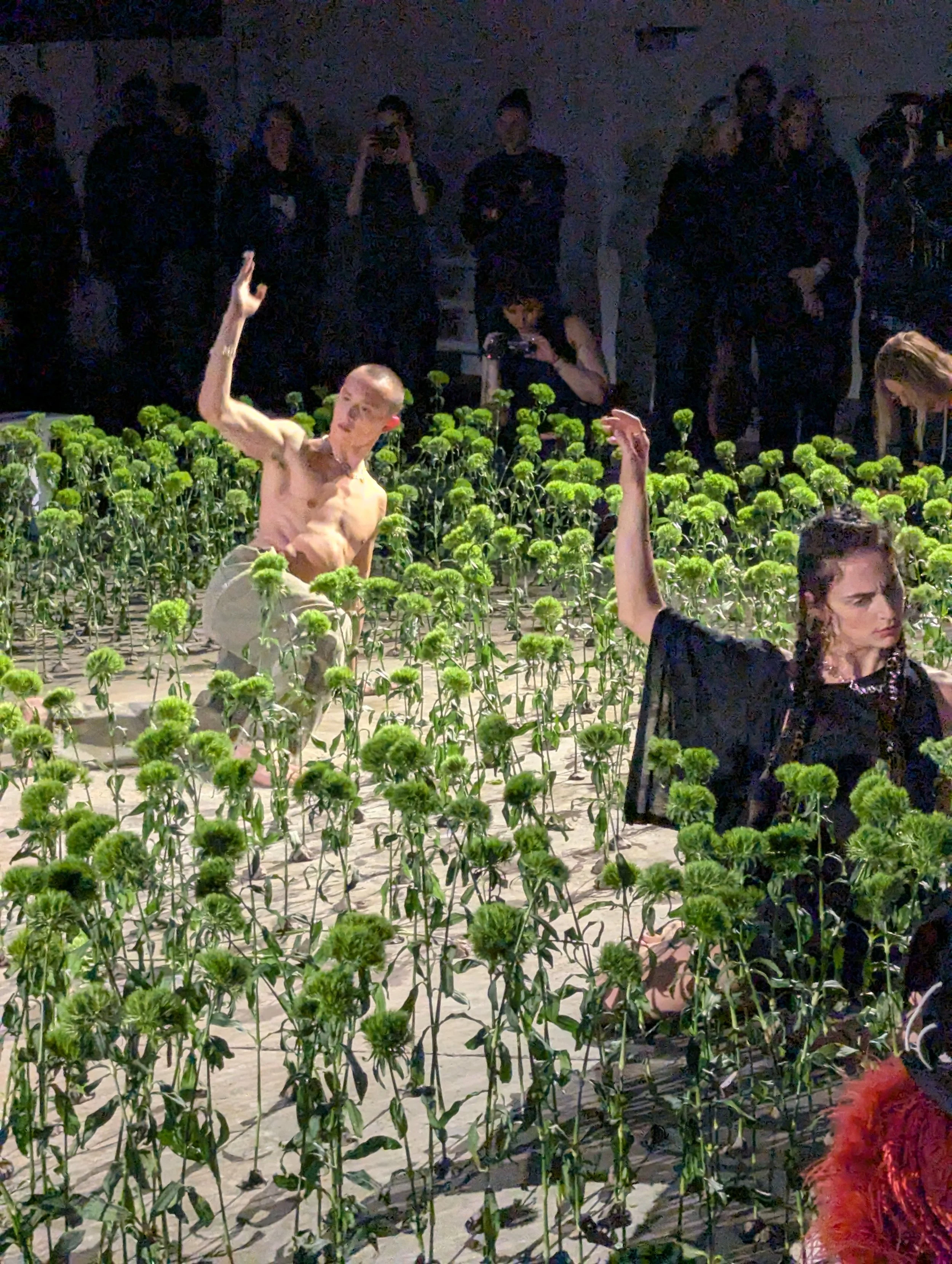
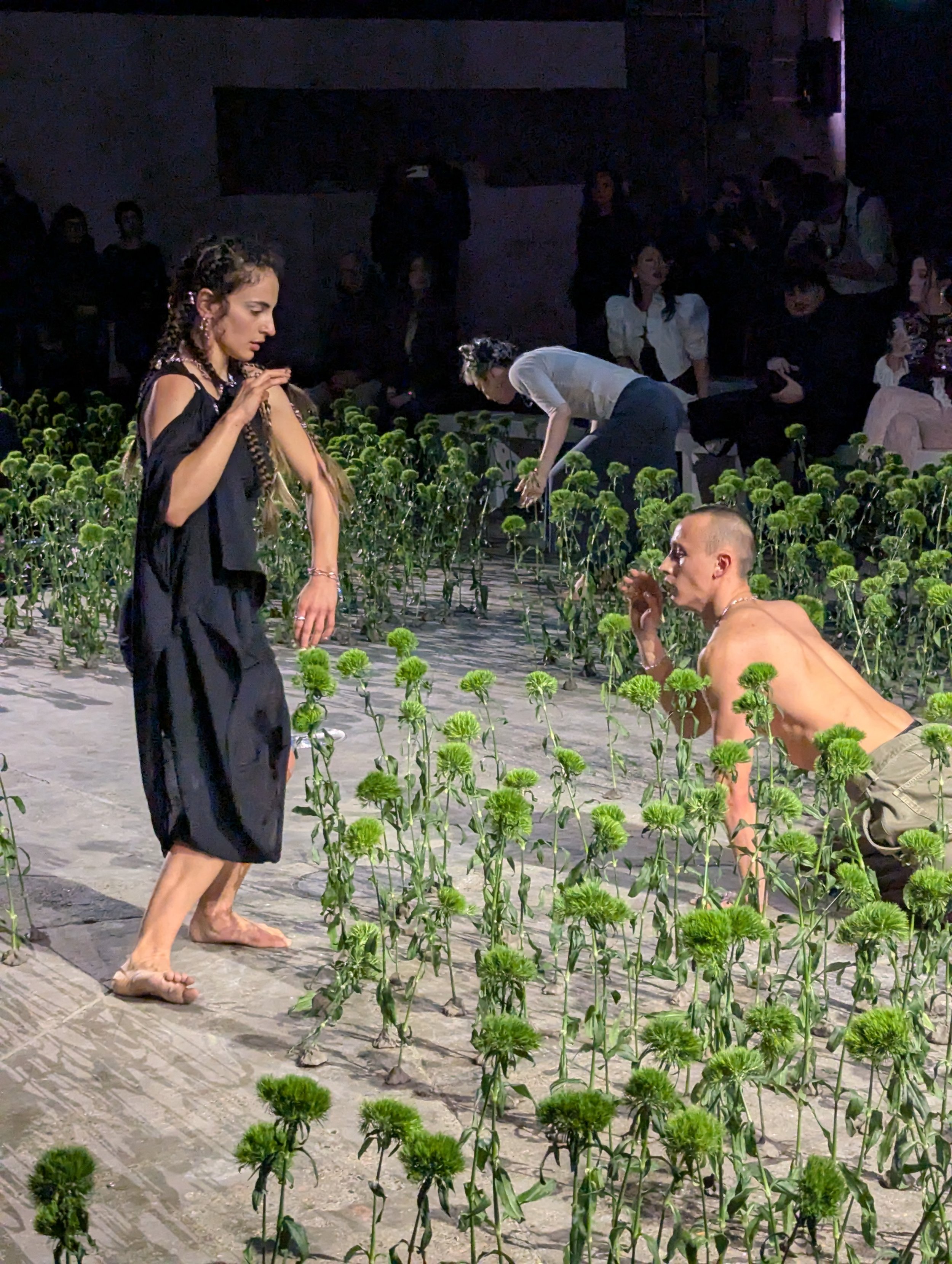
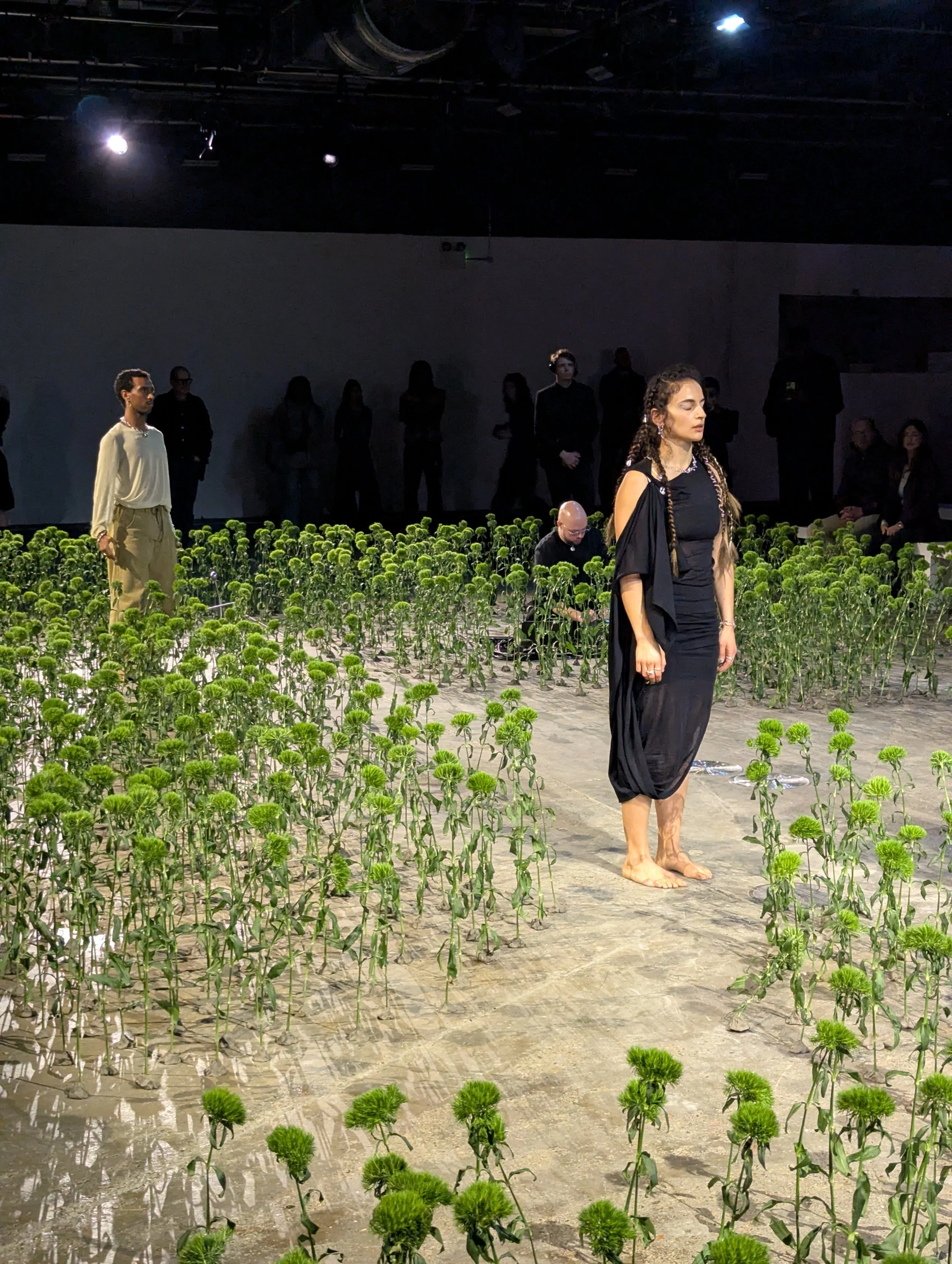
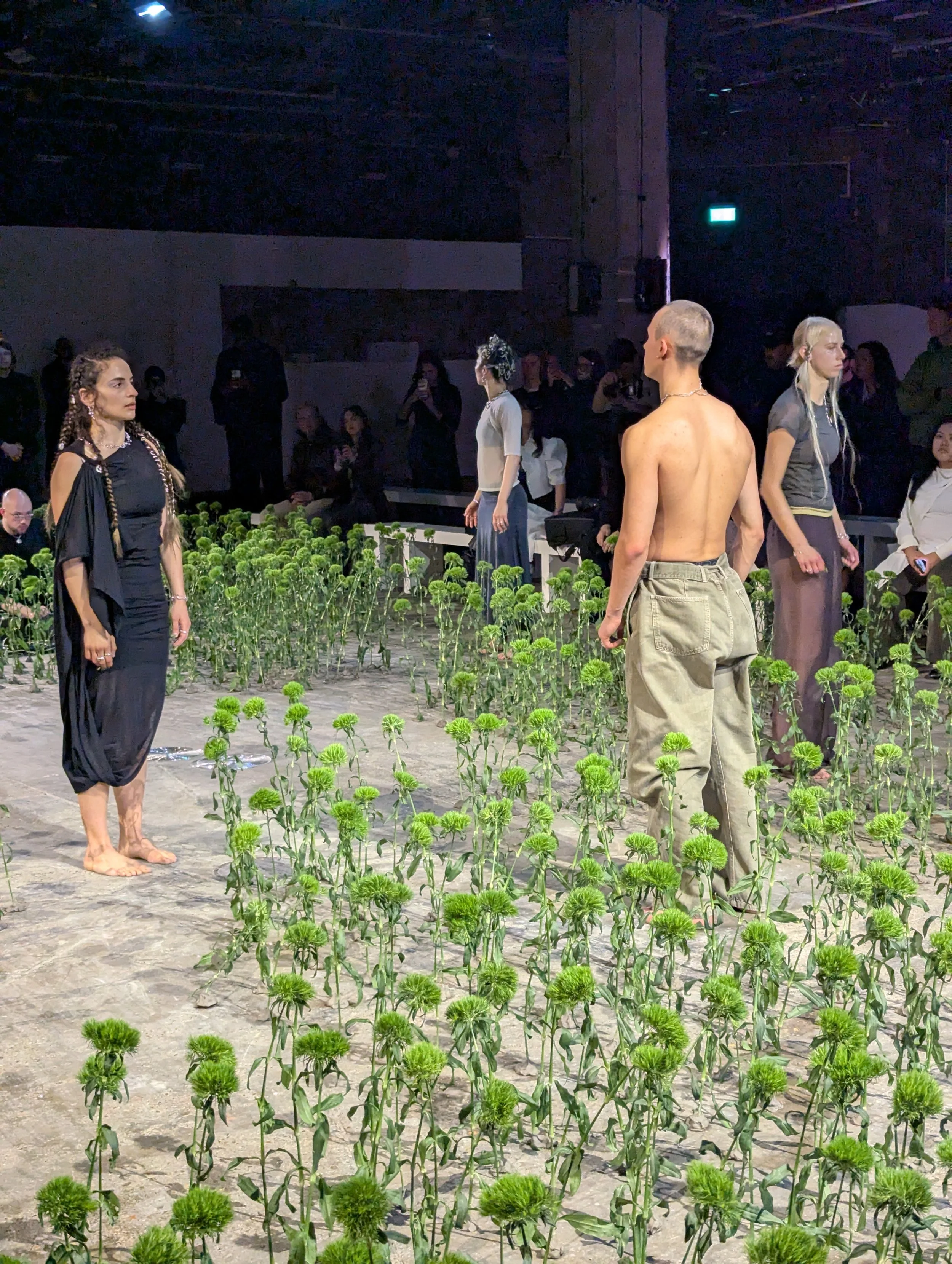
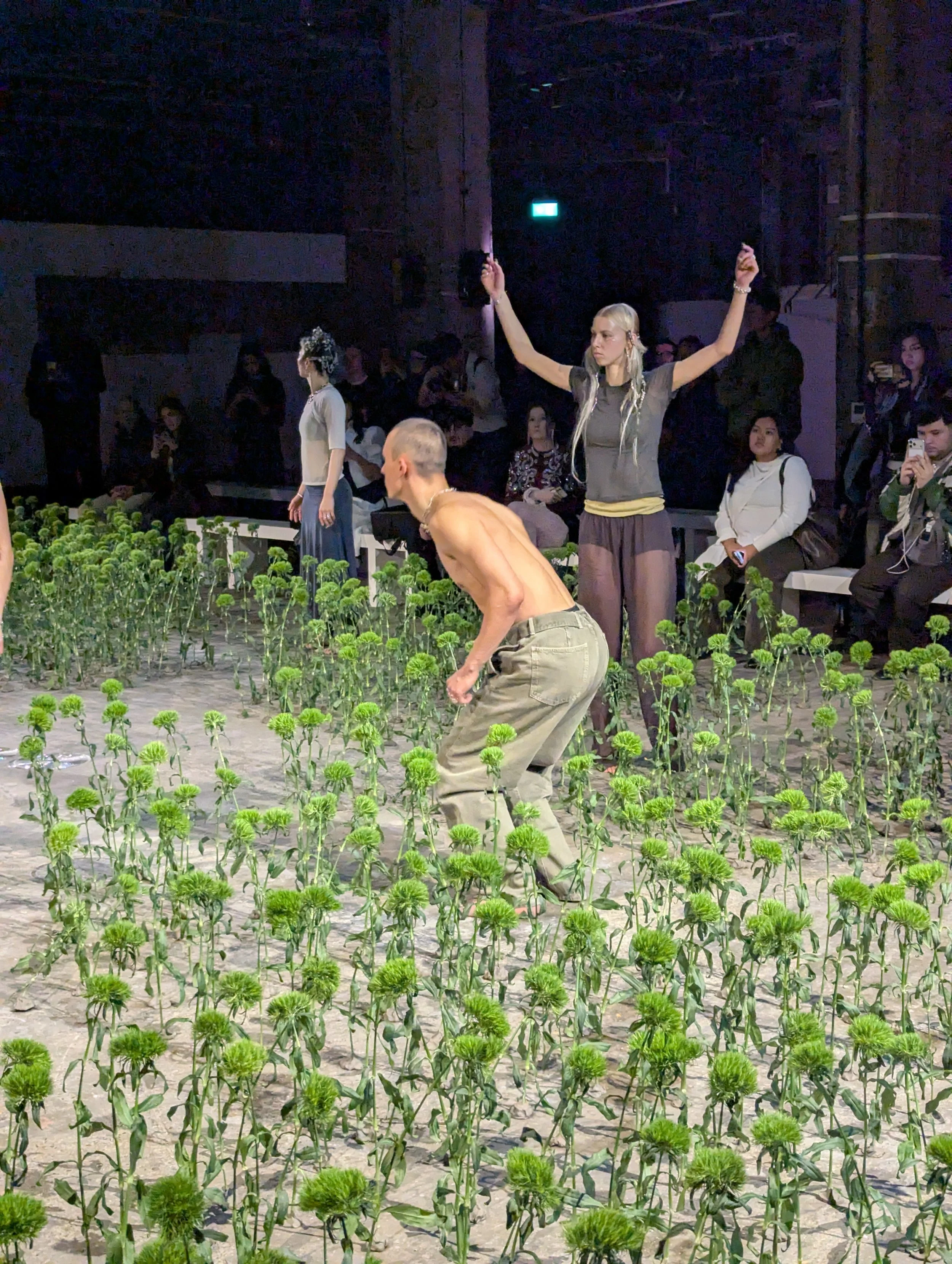
There’s an old editorial test; can a modest idea be stretched into an elegiac story? OCTI passed with quiet aplomb at London Fashion Week AW26, transforming the quotidian rock into something that reads like a personal relic; small, tactile, and full of history. OCTI’s AW26, presented on the London Fashion Week calendar during the AW26 season, centers on an exploration of rocks, moving from pebbles to gemstone-like forms and turning those textures into rings, pendants, chains and ear pieces. The brand explicitly frames the collection as a way to celebrate under‑valued natural forms by casting them into precious metals.
Every piece is designed and handmade in London; the label uses recycled precious metals and traditional lost-wax casting processes to capture natural detail. That combination, eco-minded material choice plus craft-led methods, gives the jewelry both contemporary conscience and old-world permanence. If you’re looking for jewelry that signals thoughtfulness as much as taste, OCTI’s process is the shorthand.
What feels most seductive about The Rocks is its archive impulse; collecting fragments (stones scavenged from the south coast of England, chosen for shape and potential) and reframing them as miniature landscapes the wearer carries. The collection reads like cartography shrunk down; rings that read like a shoreline, signets that mimic eroded surfaces, necklaces that sit like a tide line. The lookbook language and images lean into this sense of scale-shift and caretaking.
OCTI positions itself as a London-based, craft-led house with a clear appetite for material storytelling; their online shop and collections (The Rocks, Terra, Cornucopia) underline a consistent interest in nature, texture and bespoke approaches. For those who prefer to purchase direct, pieces and bespoke enquiries are available via the brand site.
In a season when many labels are riffing on theatrical gesture, OCTI’s AW26 feels quietly radical; a sustained study of material, sustainability and scale. Turning the overlooked into the precious is both a formal conceit and a gentle cultural argument; about value, care, and what we choose to carry forward. (That, not spectacle, is the collection’s longest-lived currency.)