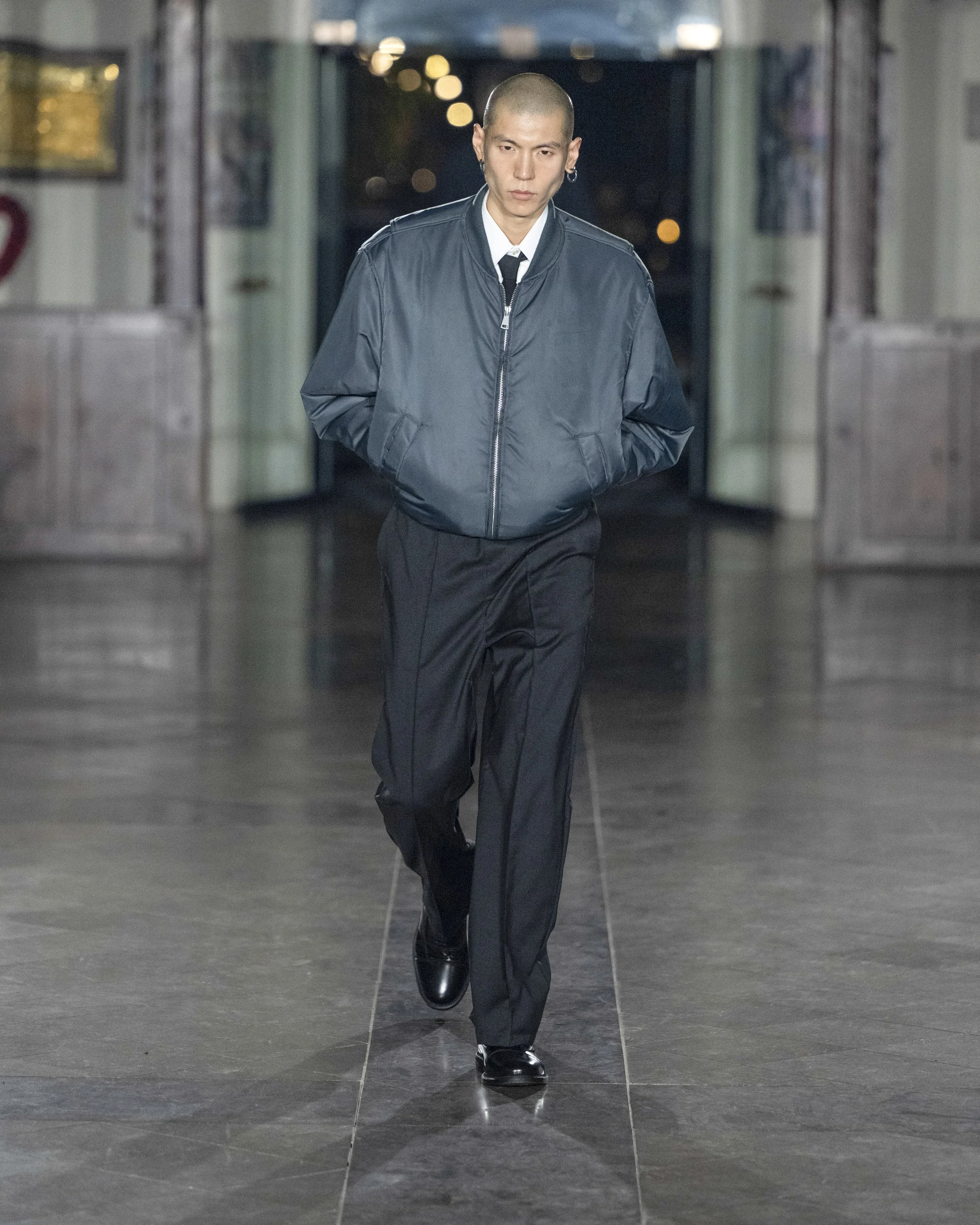
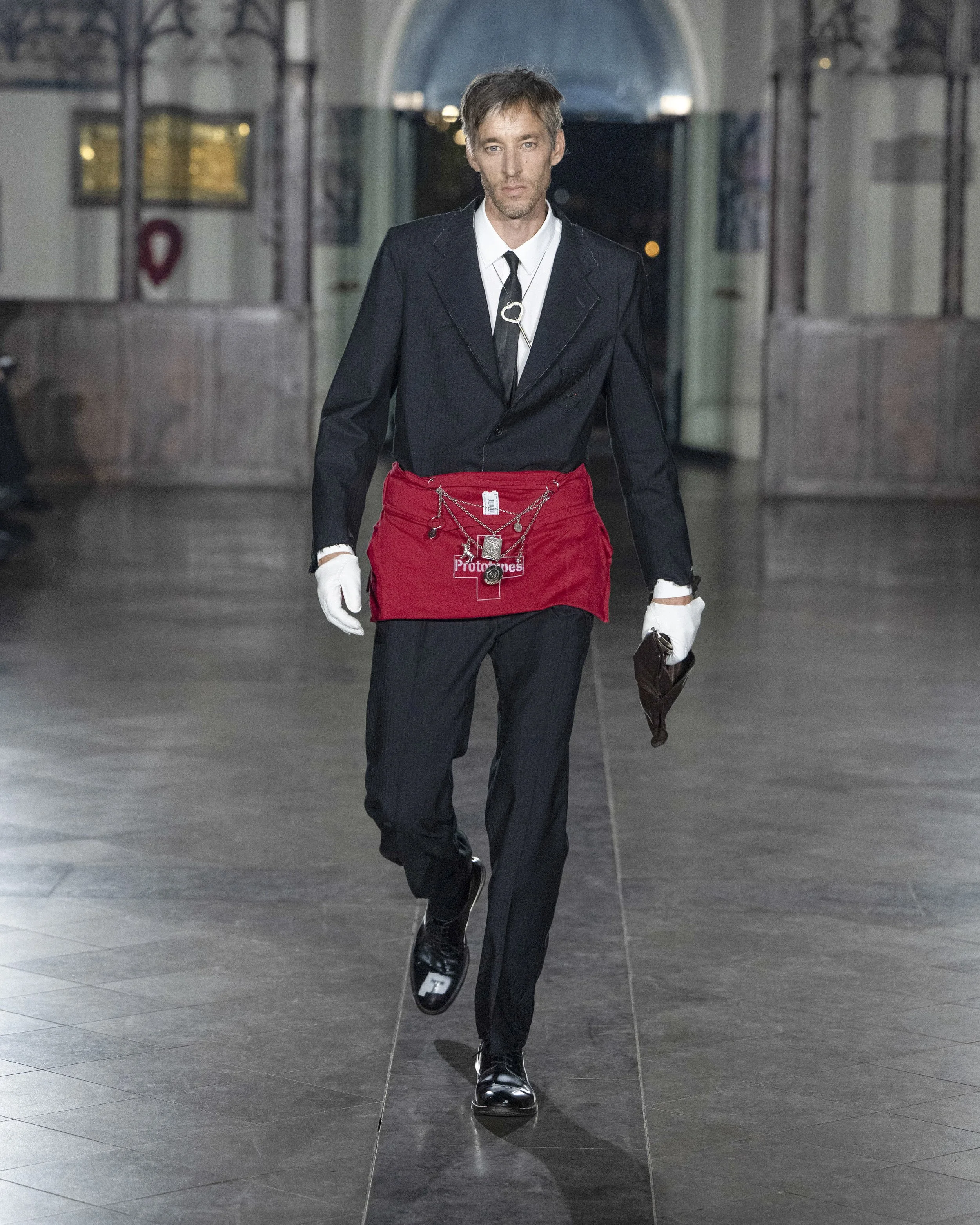
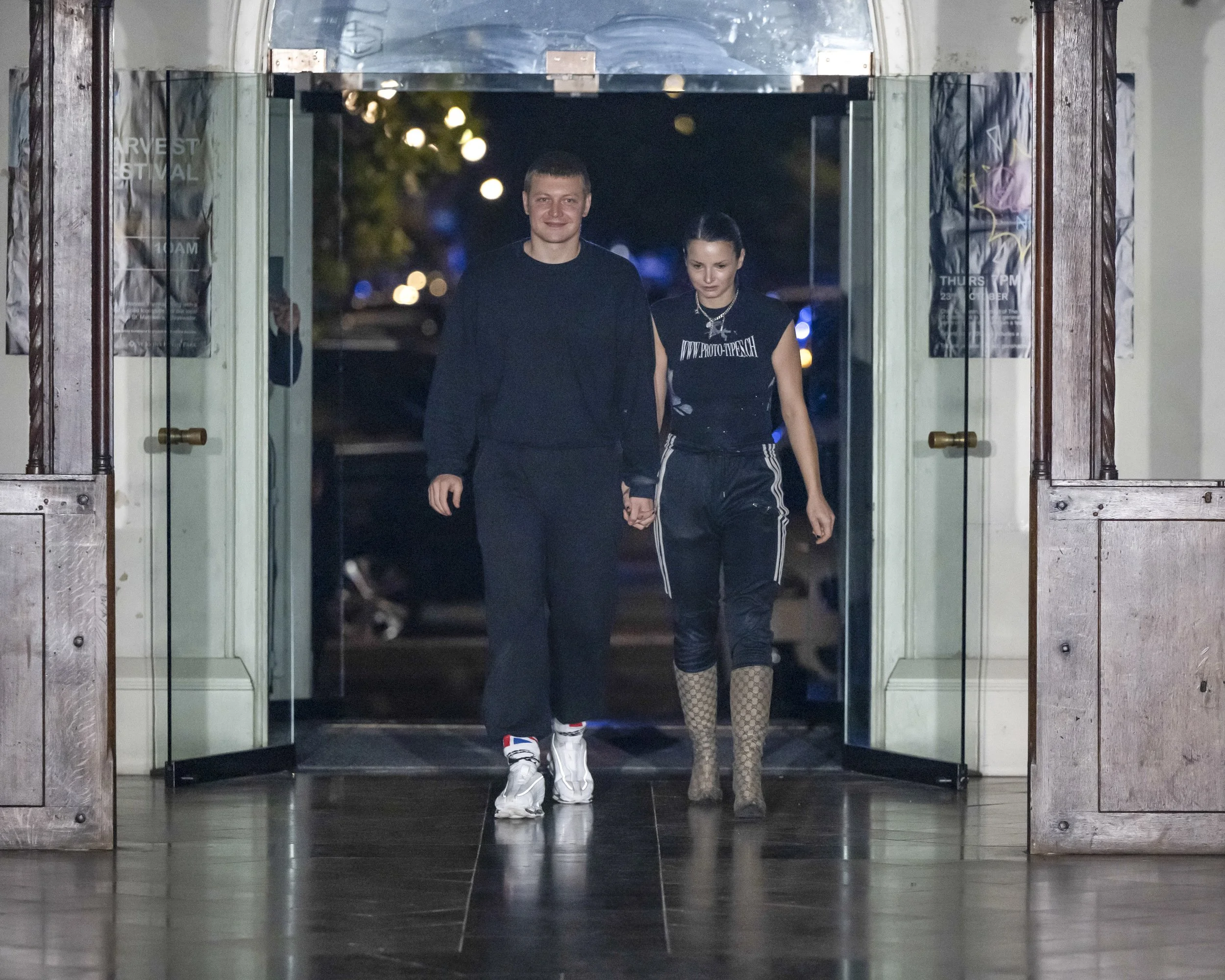
Prototypes SS26
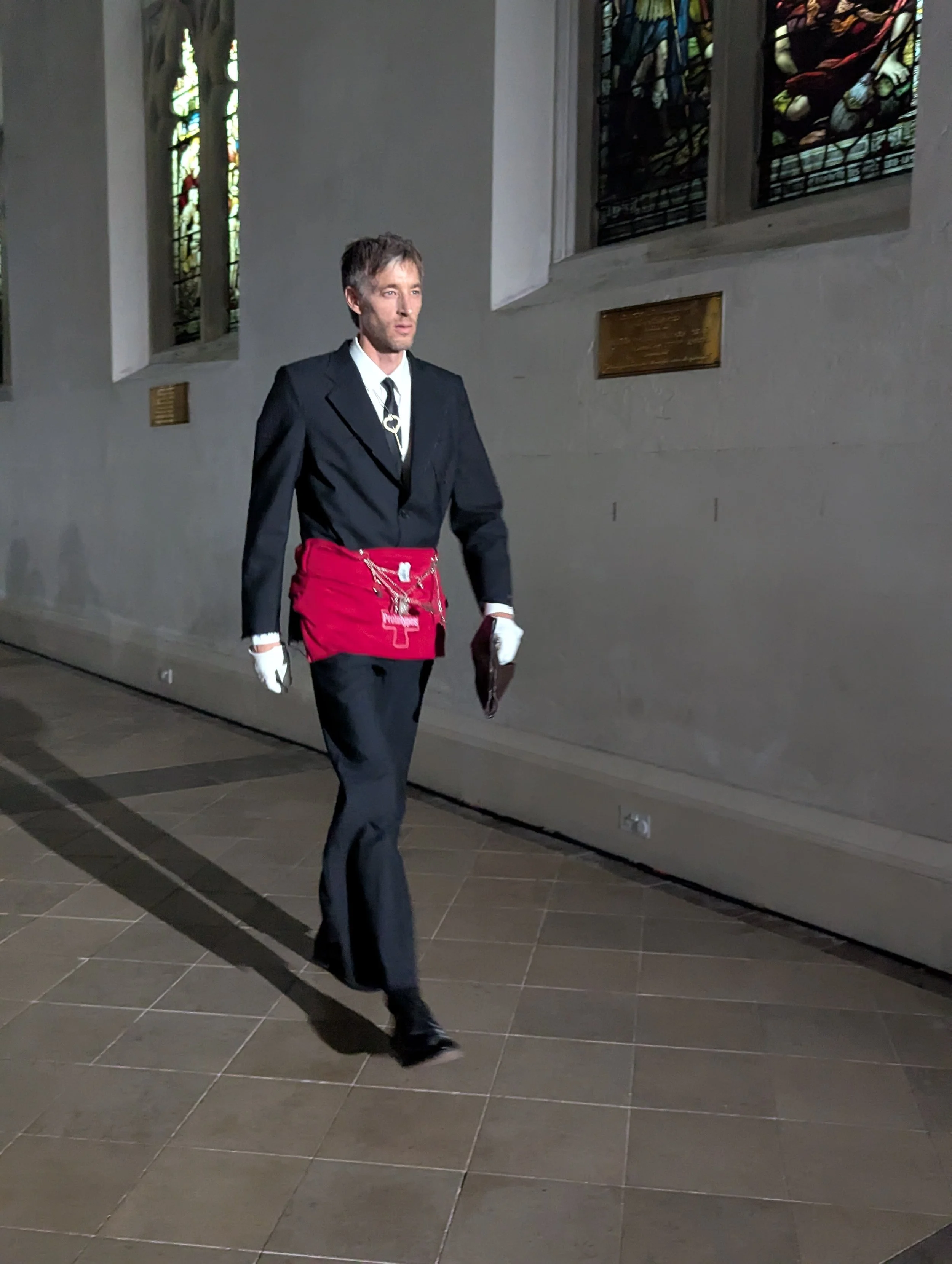
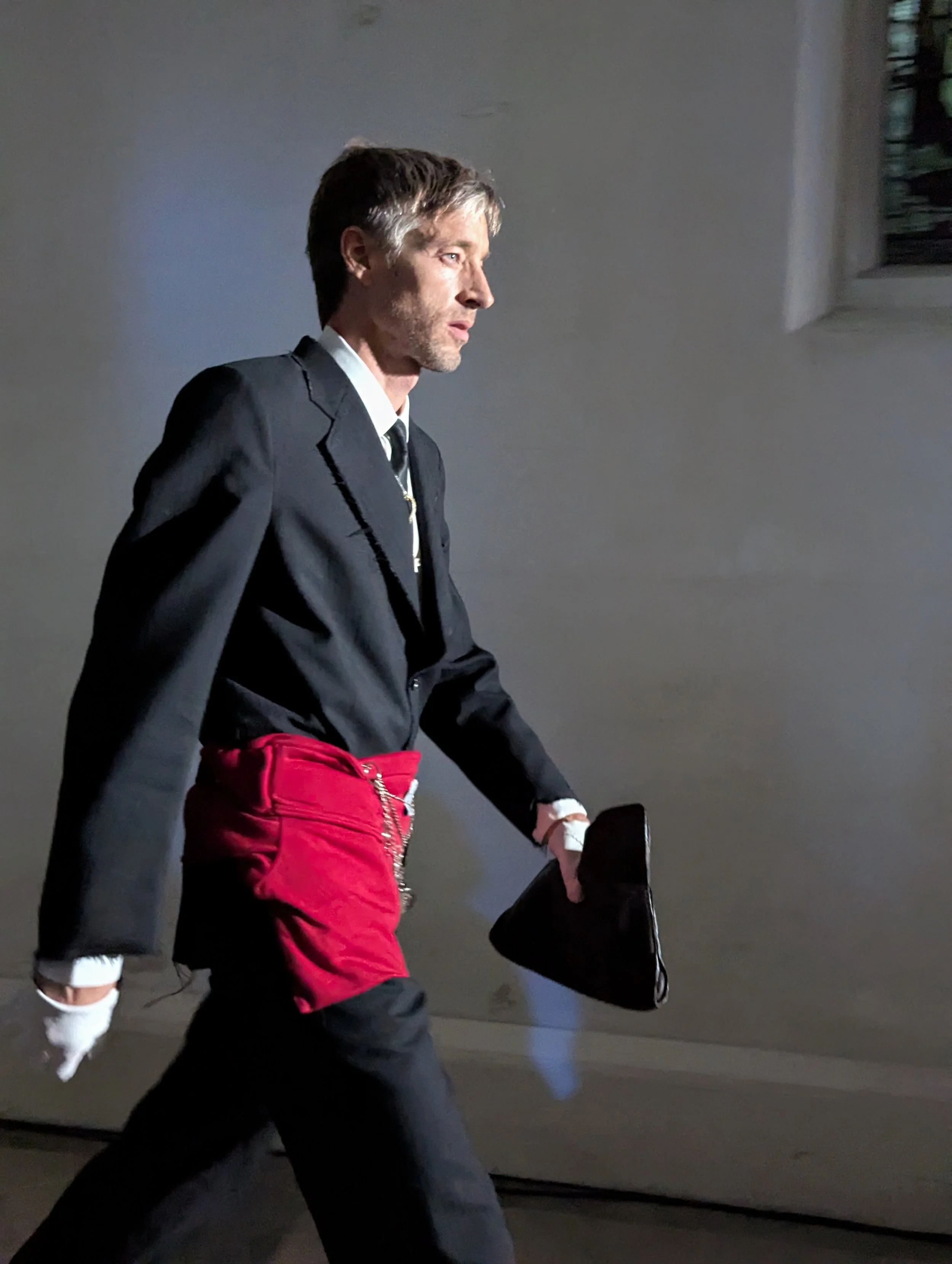
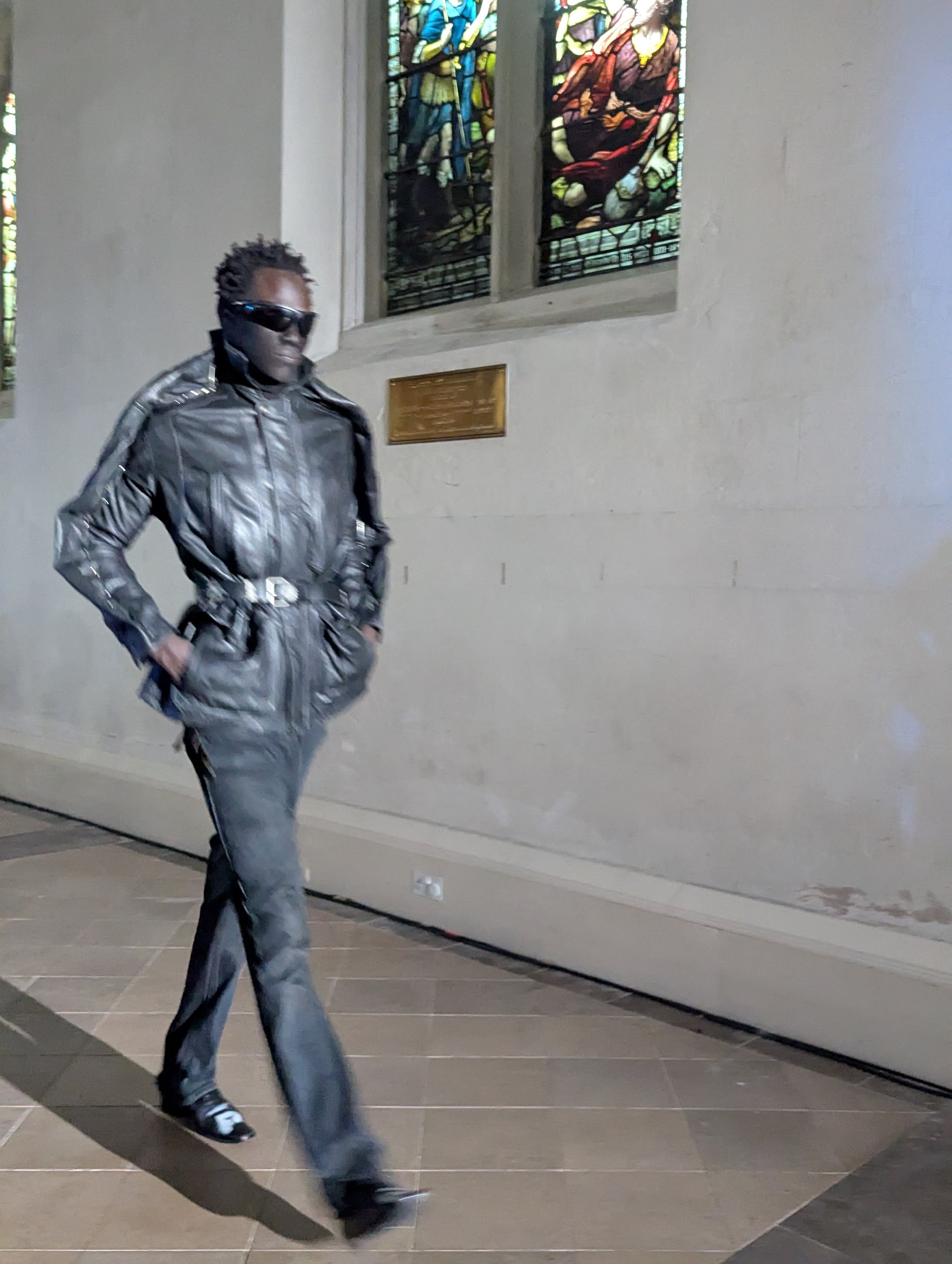
Prototypes’ SS26 collection, Series09, felt less like a typical London Fashion Week outing and more like a cultural séance. One that asked what, exactly, is left of “Britishness” once you strip away nostalgia and nationalism, and who that identity truly belongs to. I have been to a few shows at St James’s church before, but for some reason this one felt a bit different. Upon entering, there was a thick veil of incense that sat on top of the audience, softening the edges of light and sound and making the space feel suspended in time. The mood was a bit mysterious, hypothetical yet set in ritual somehow, like we were all complicit in a ceremony whose rules we didn’t yet know.
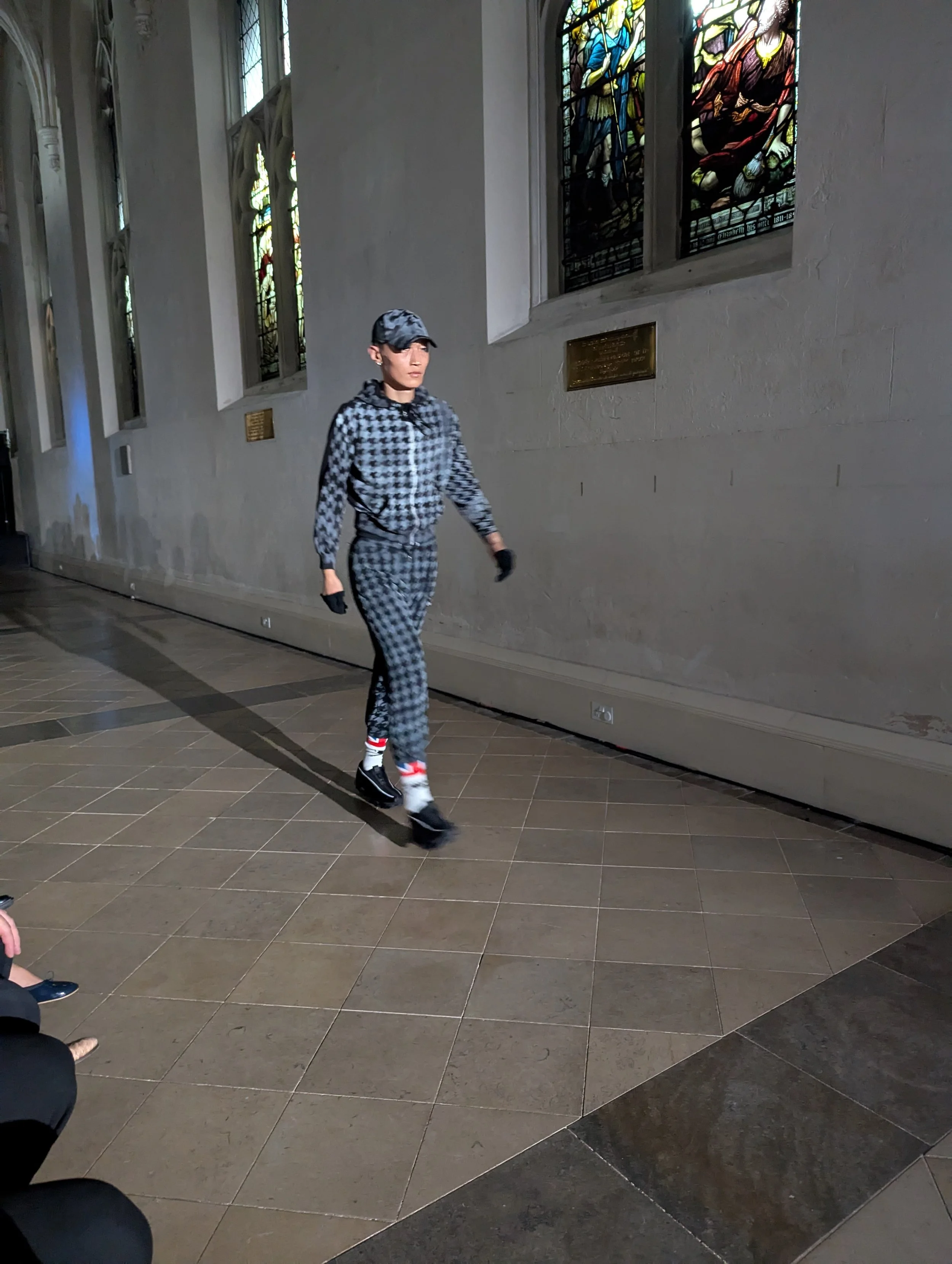
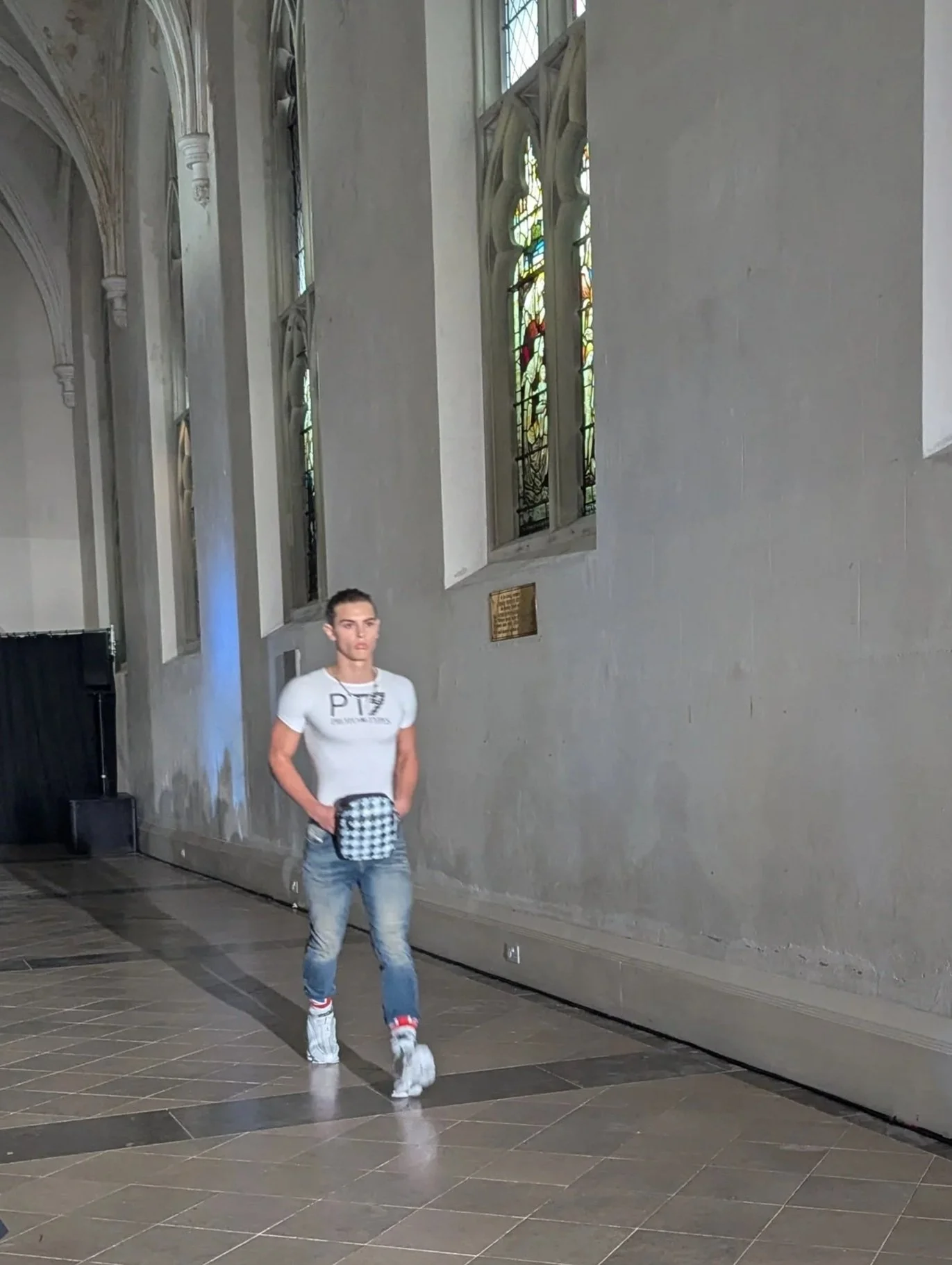
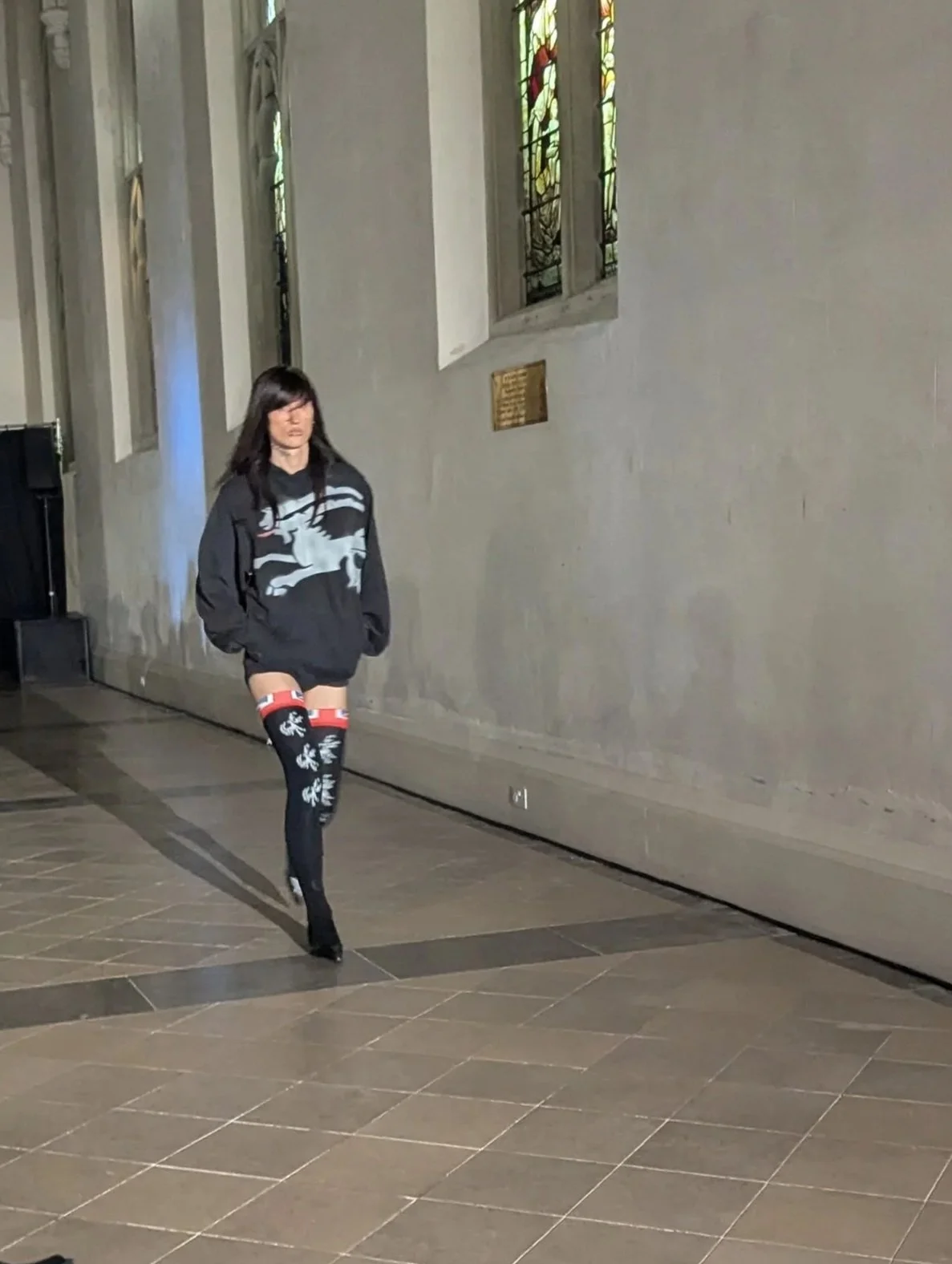
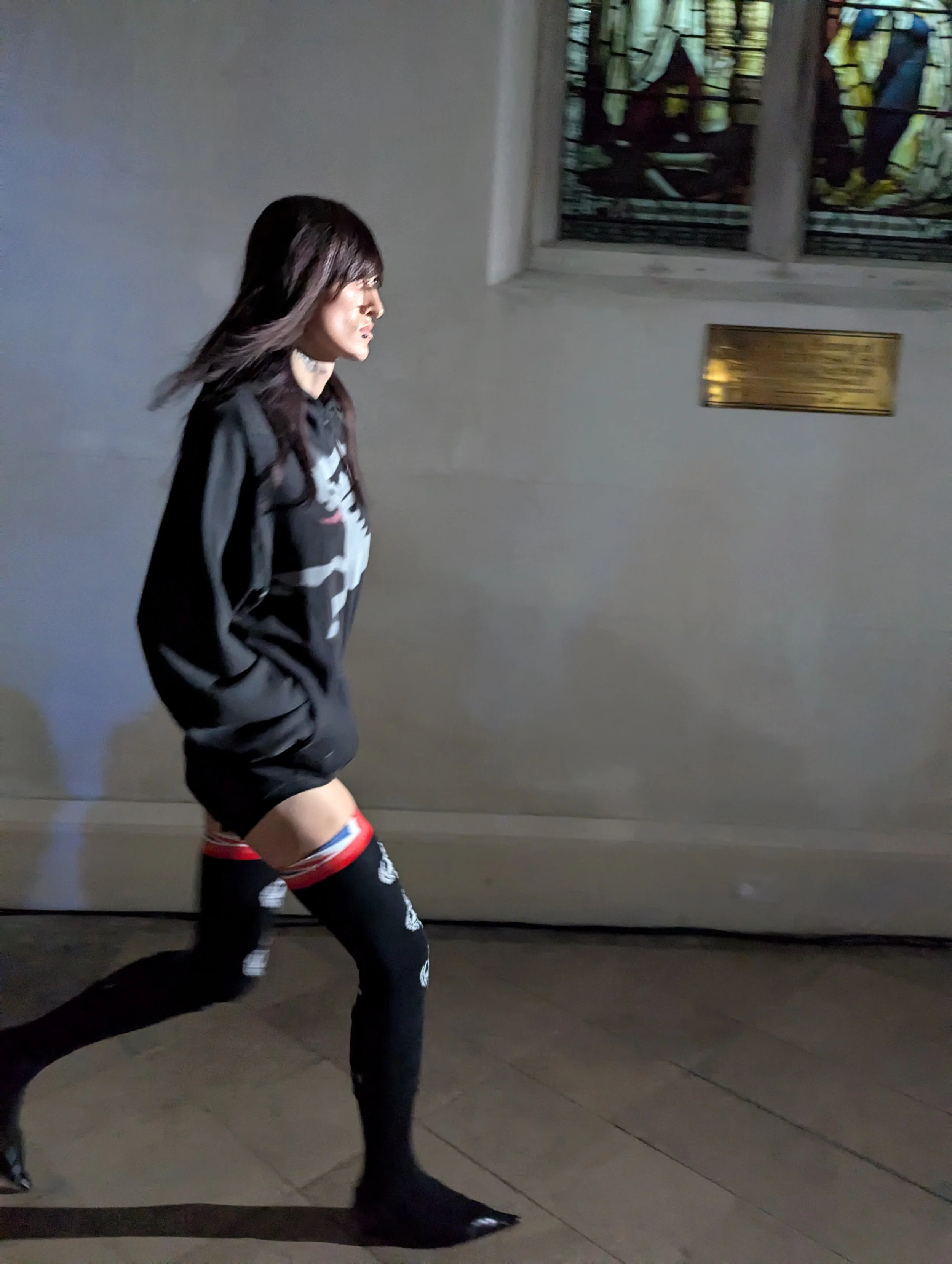
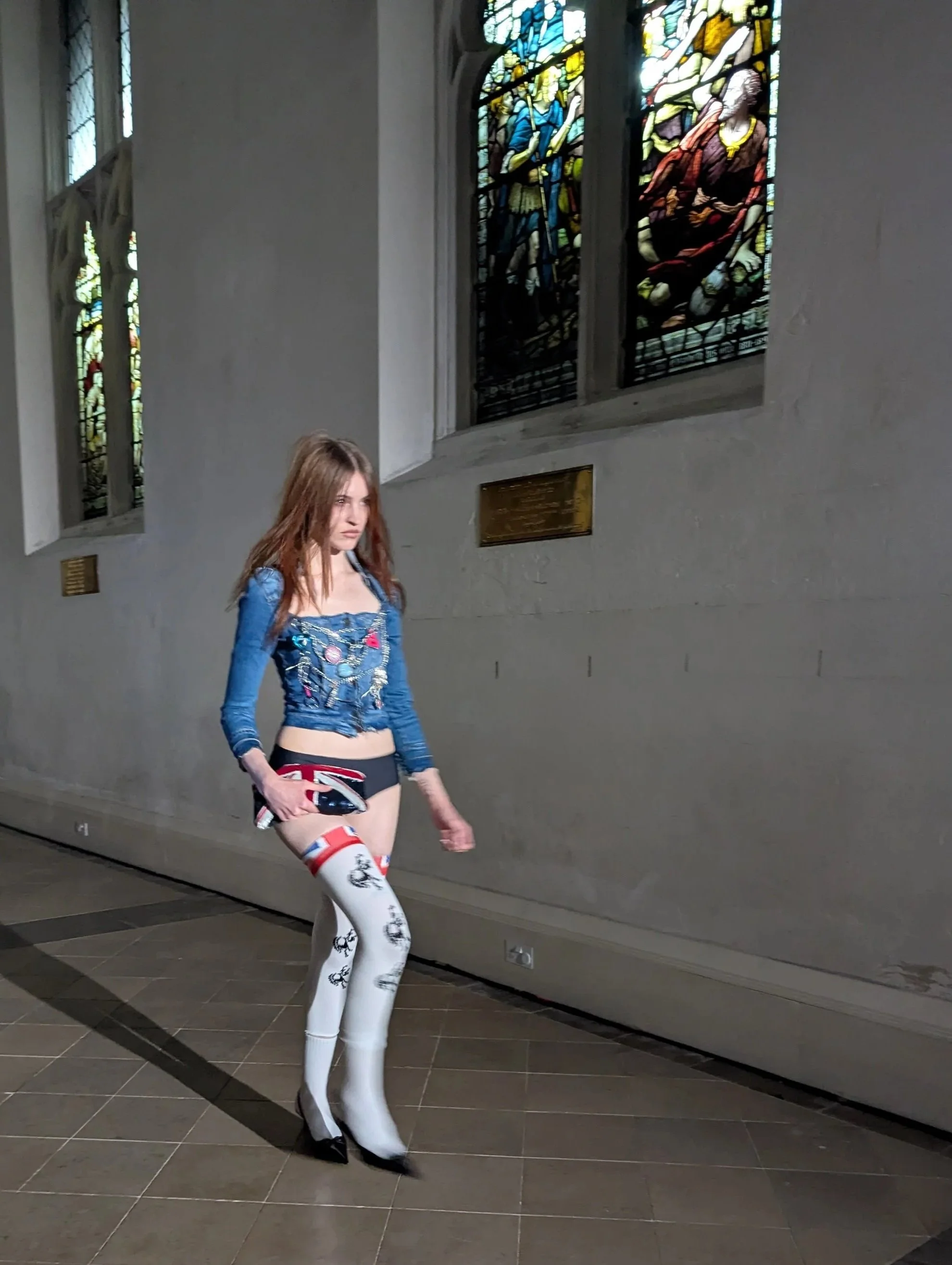
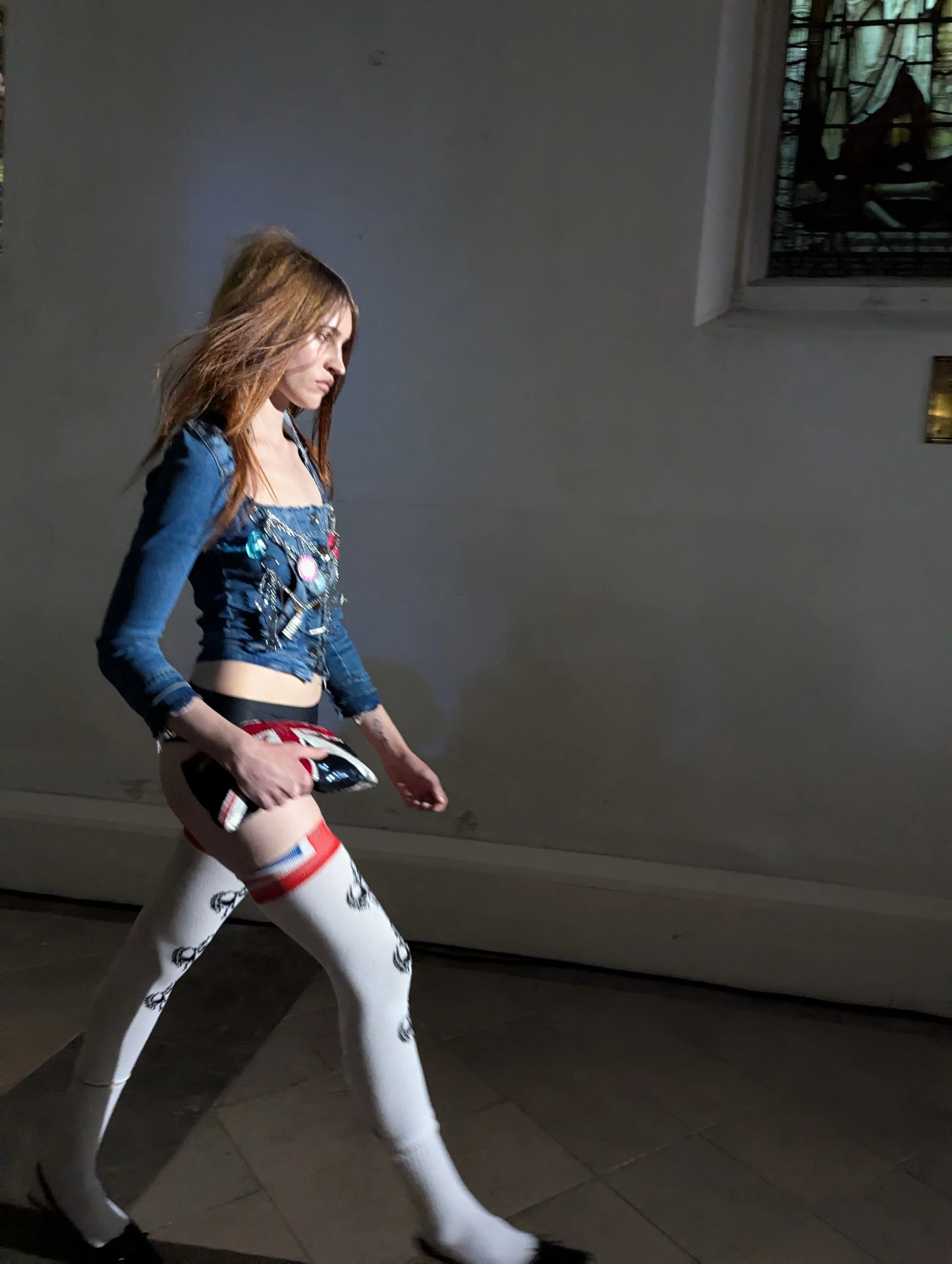
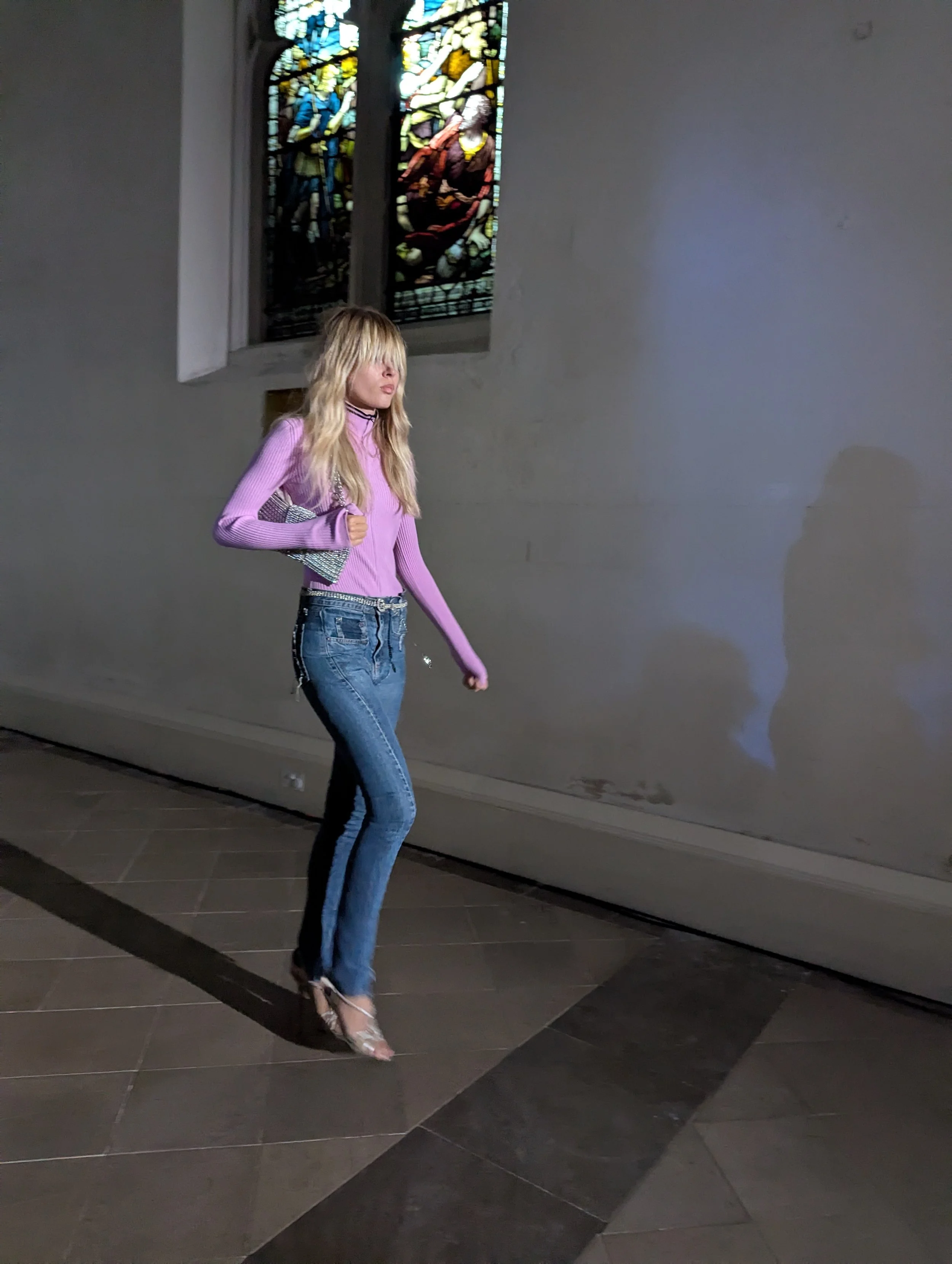
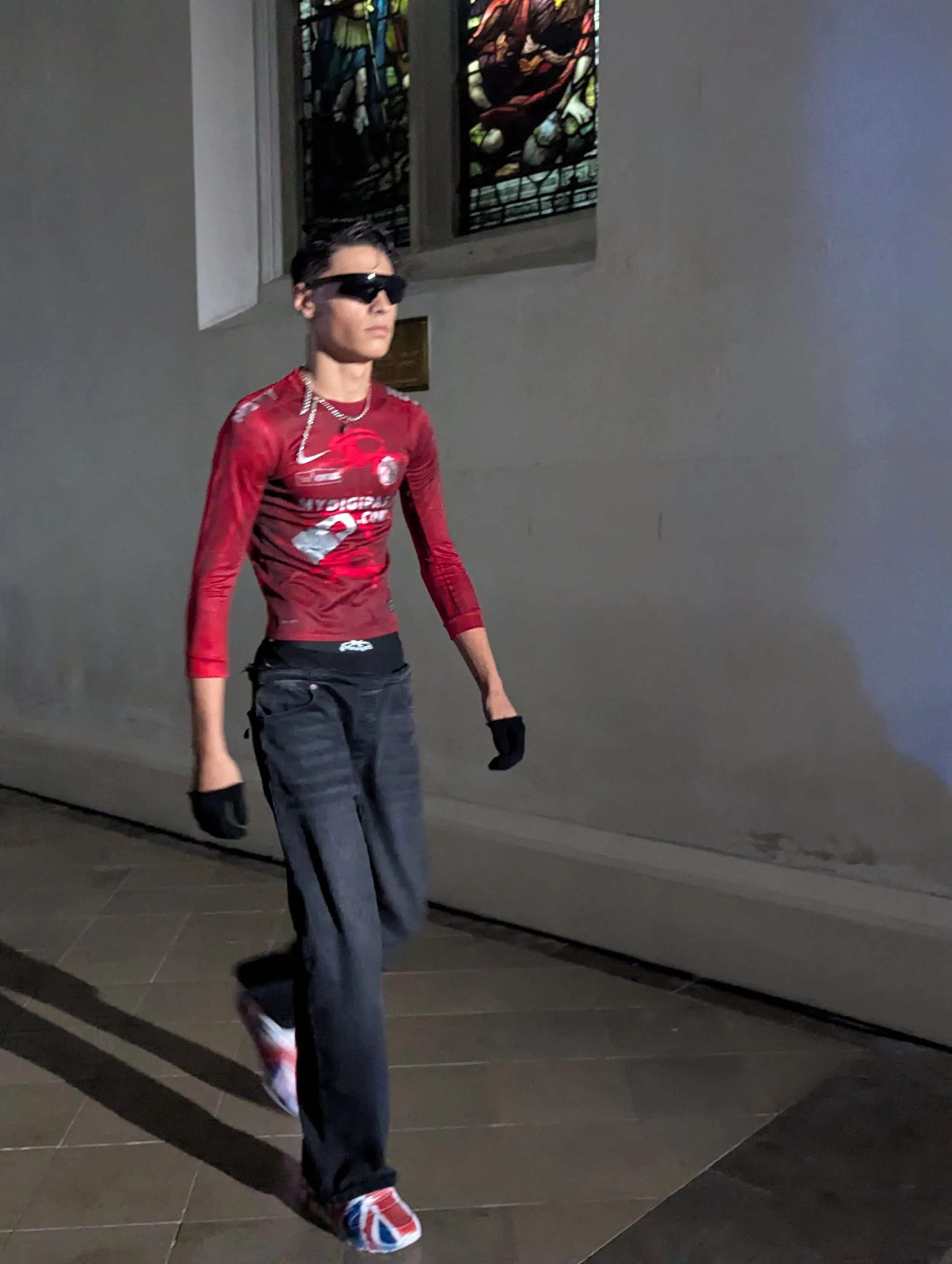
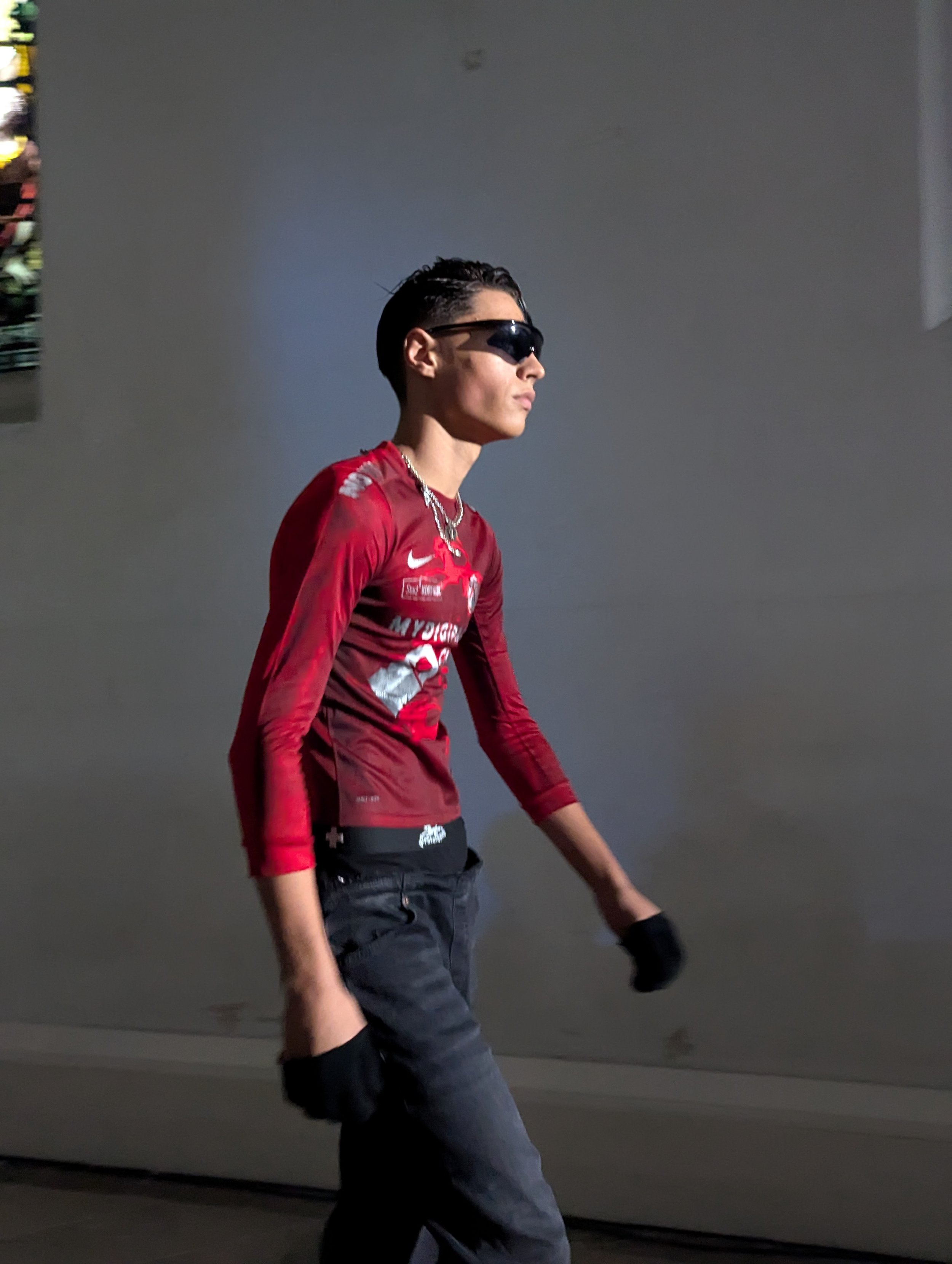
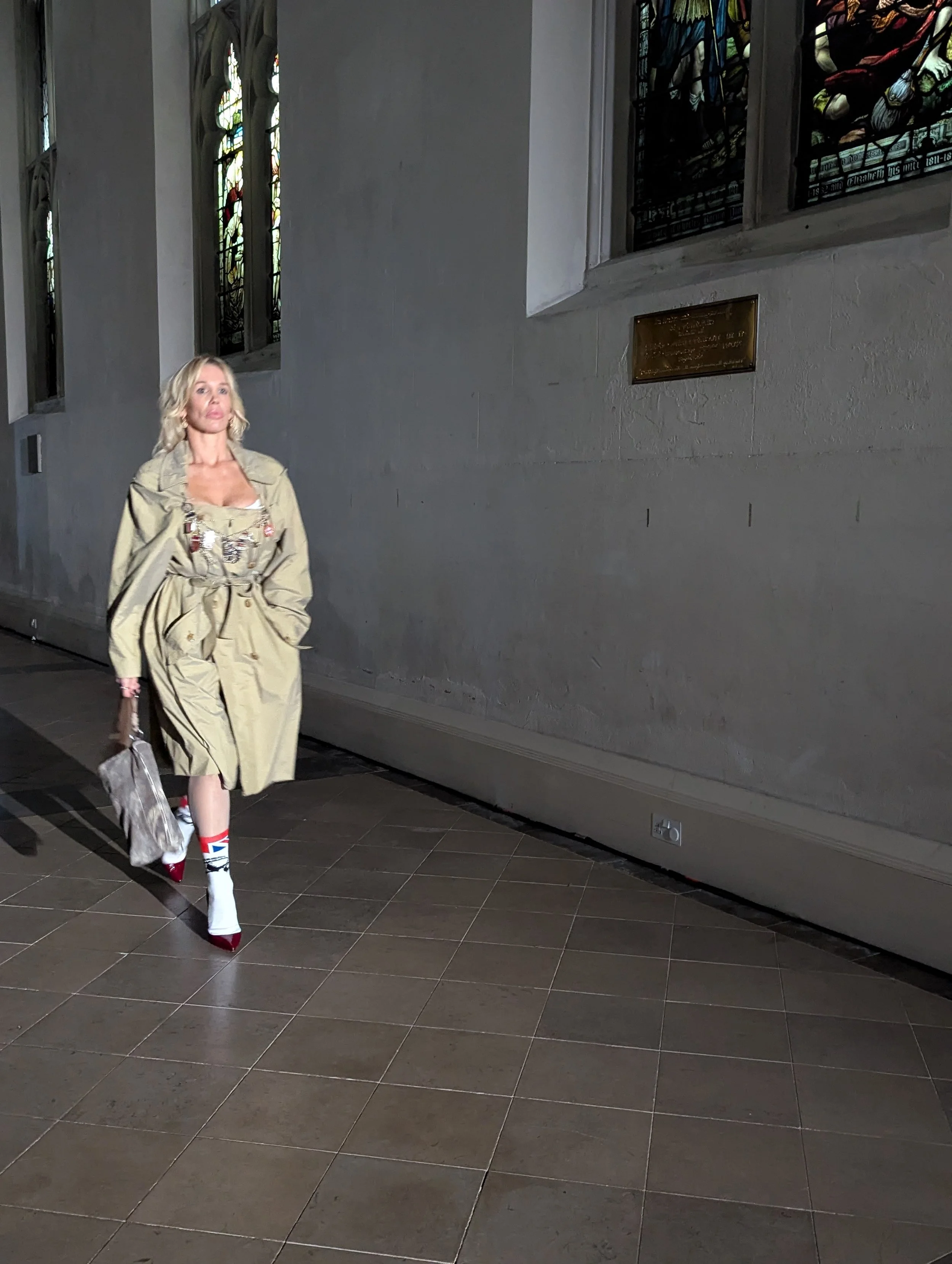
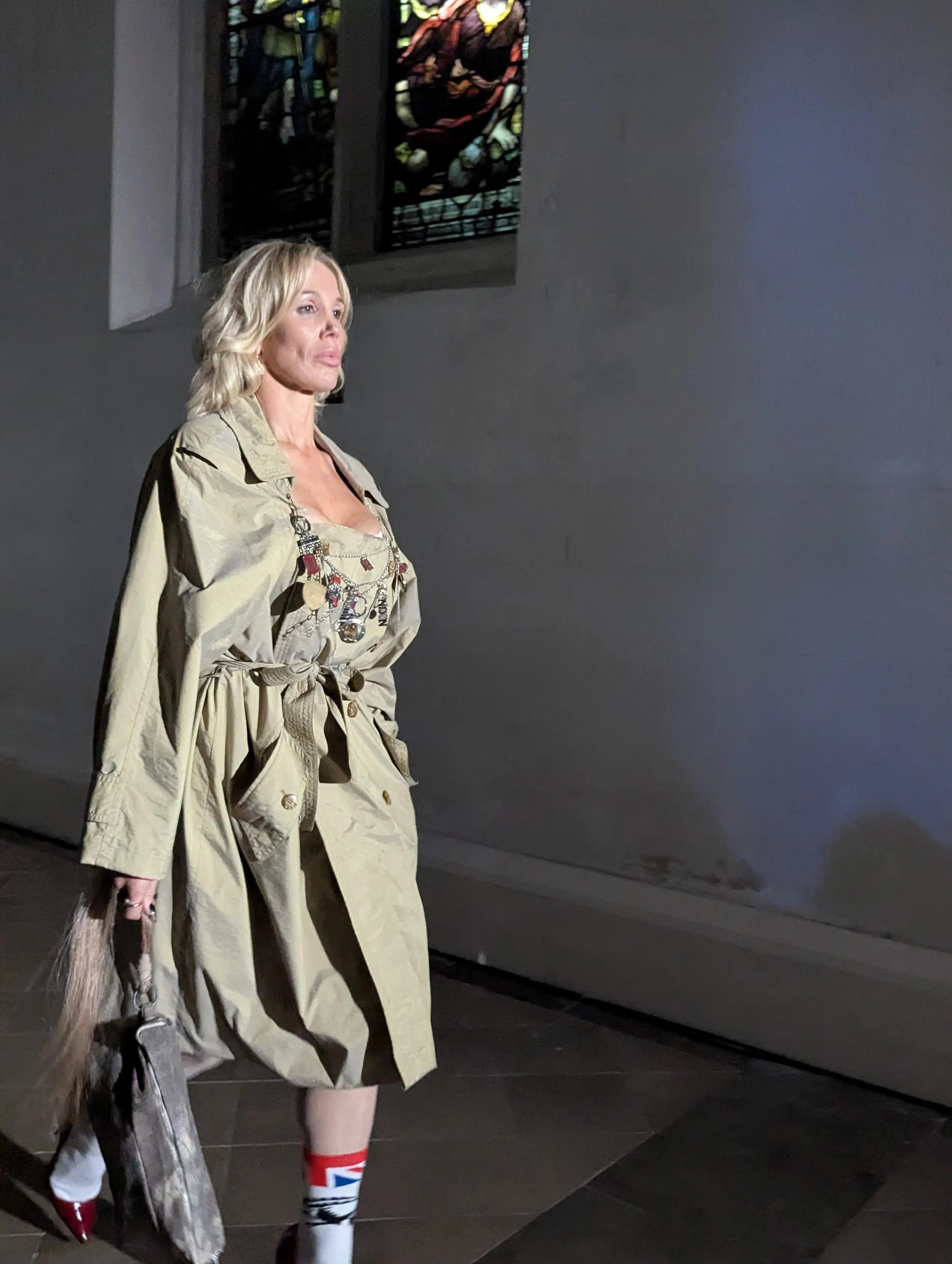
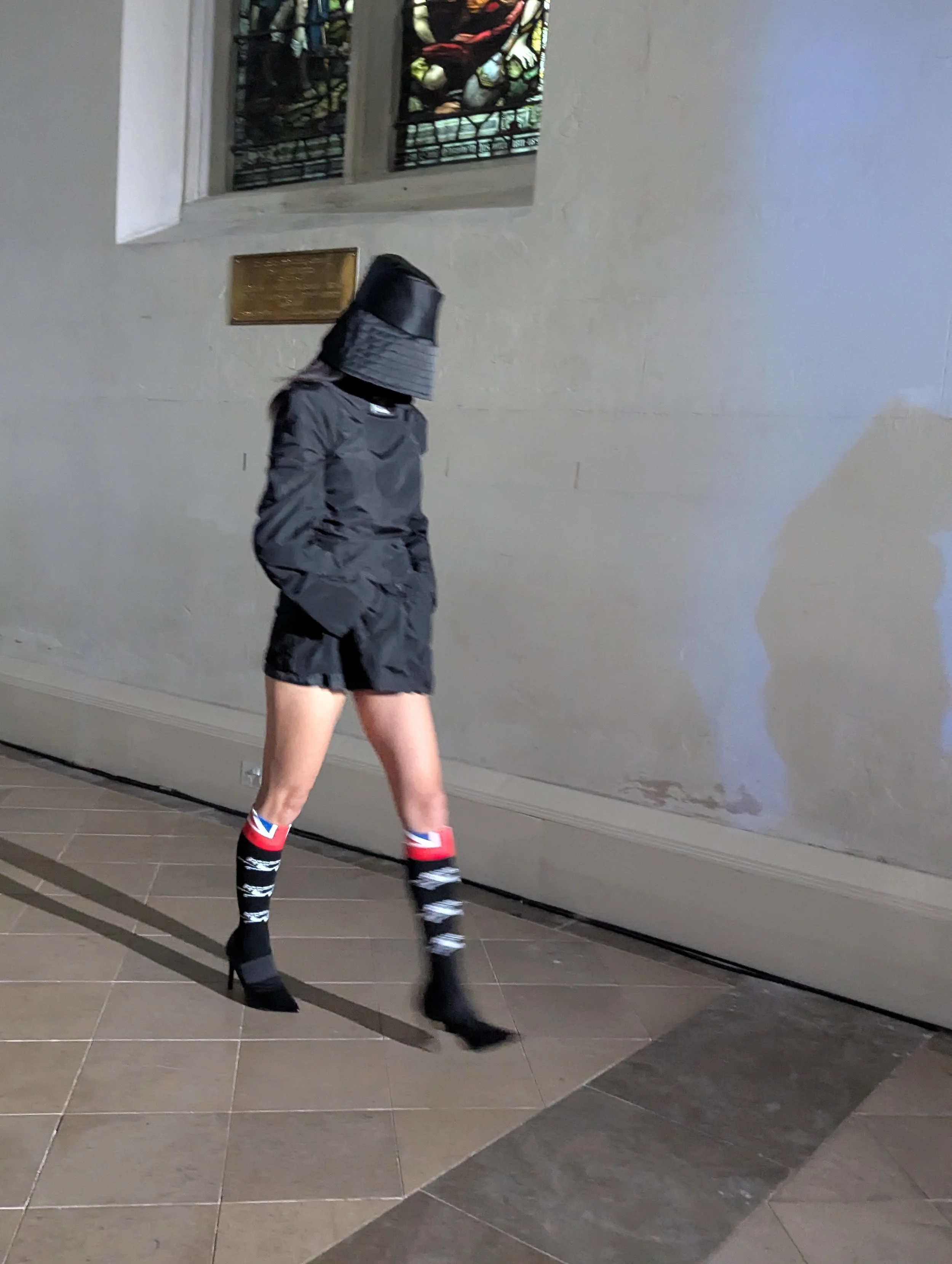
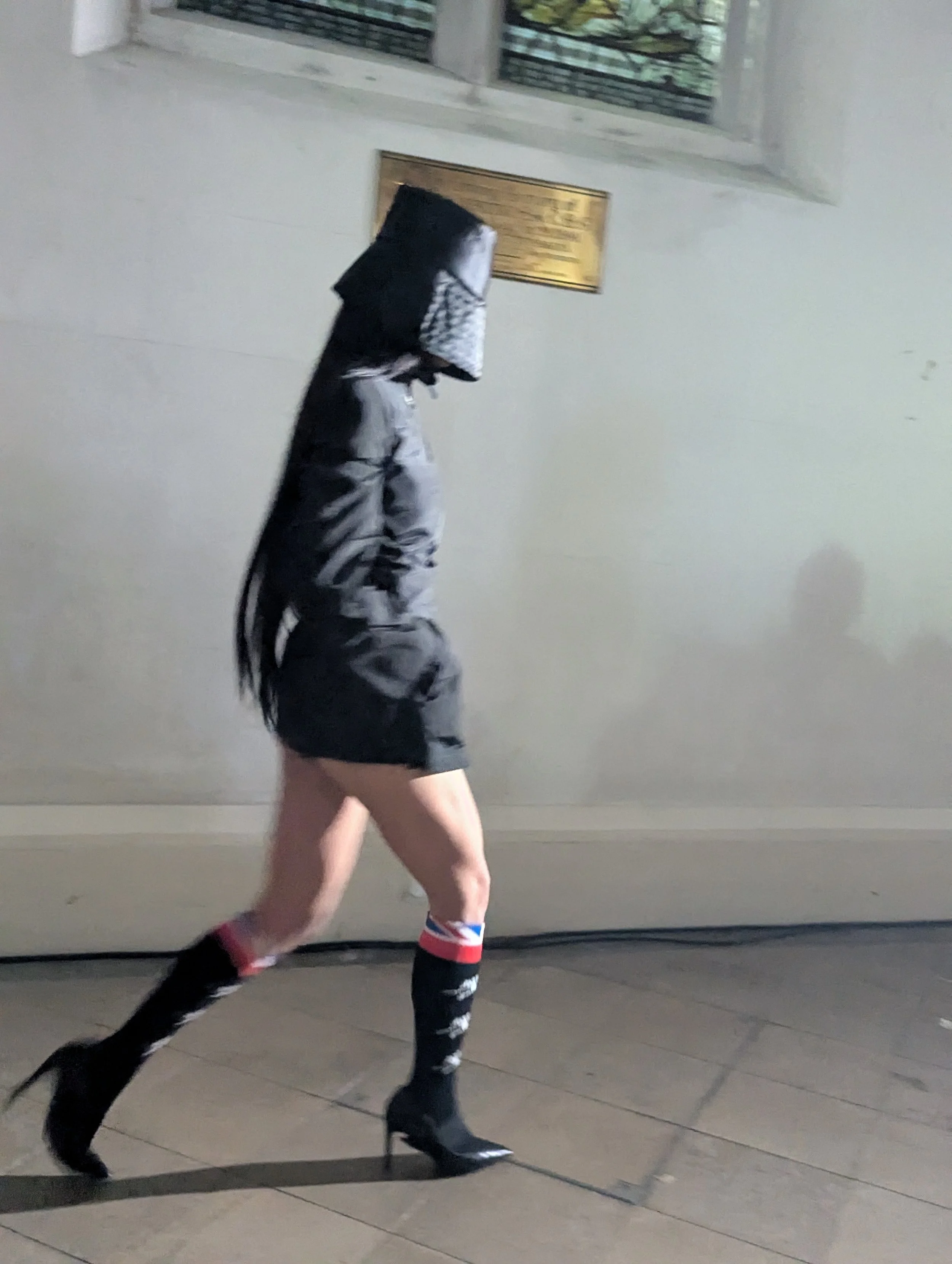
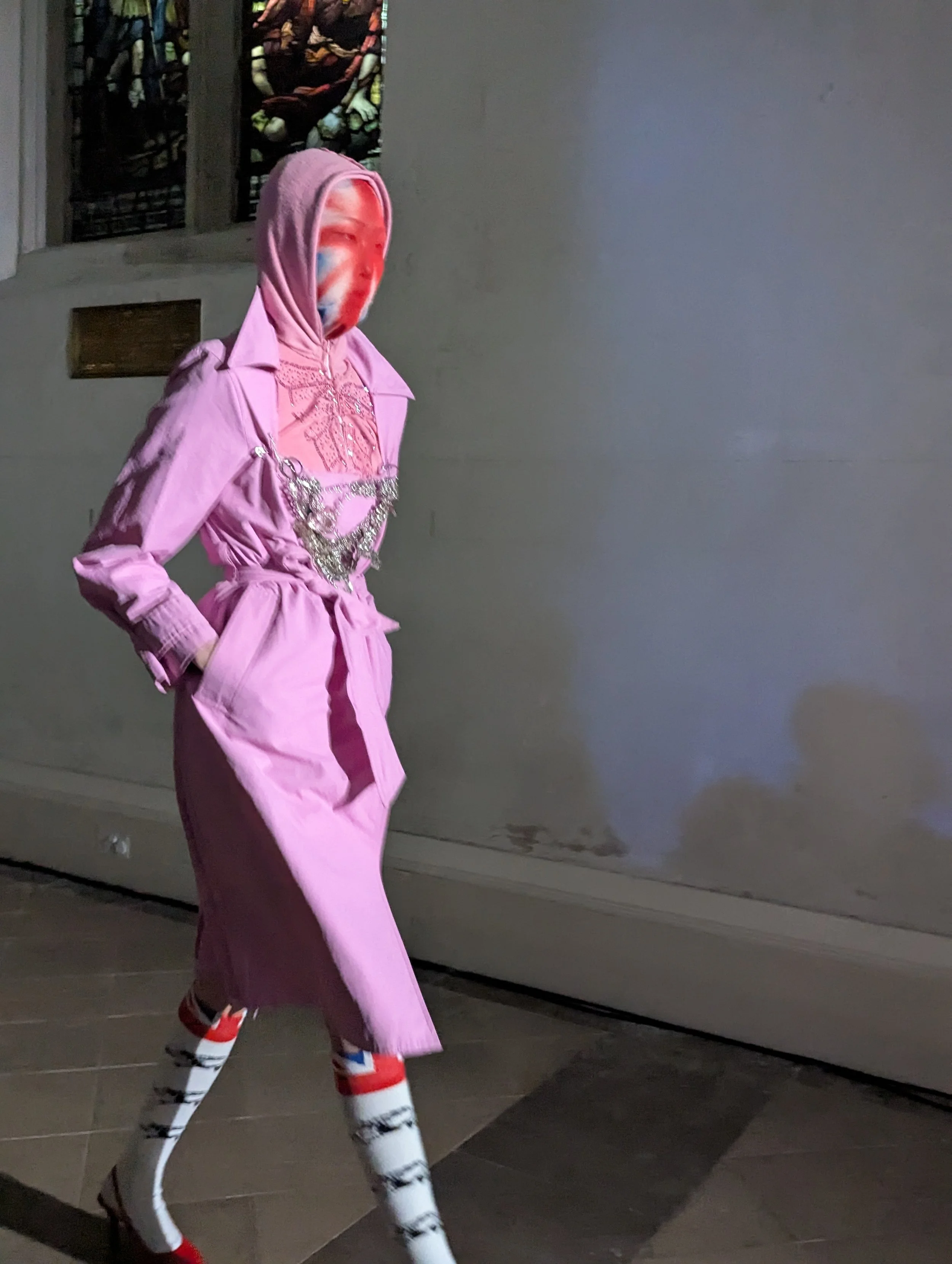
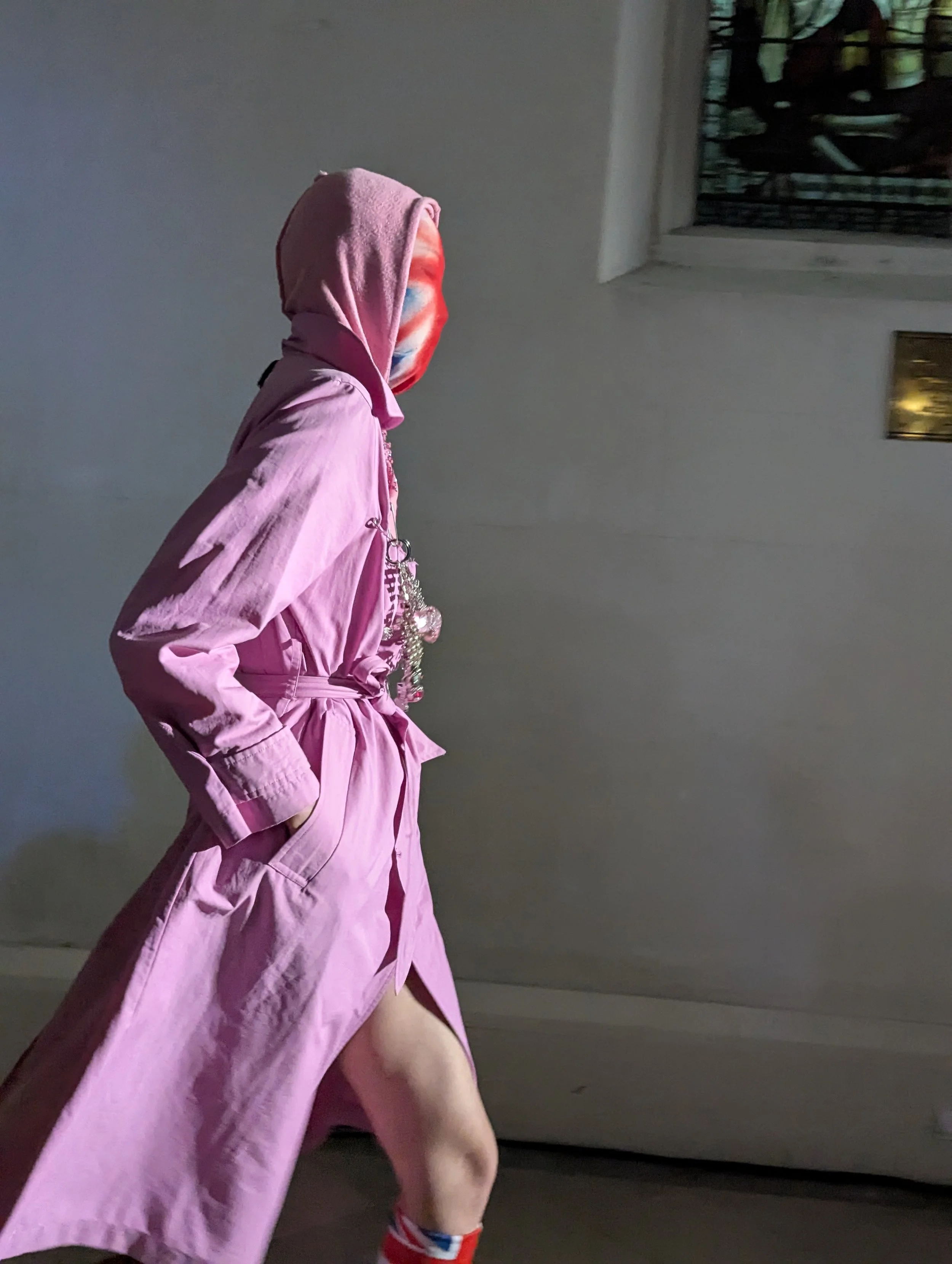
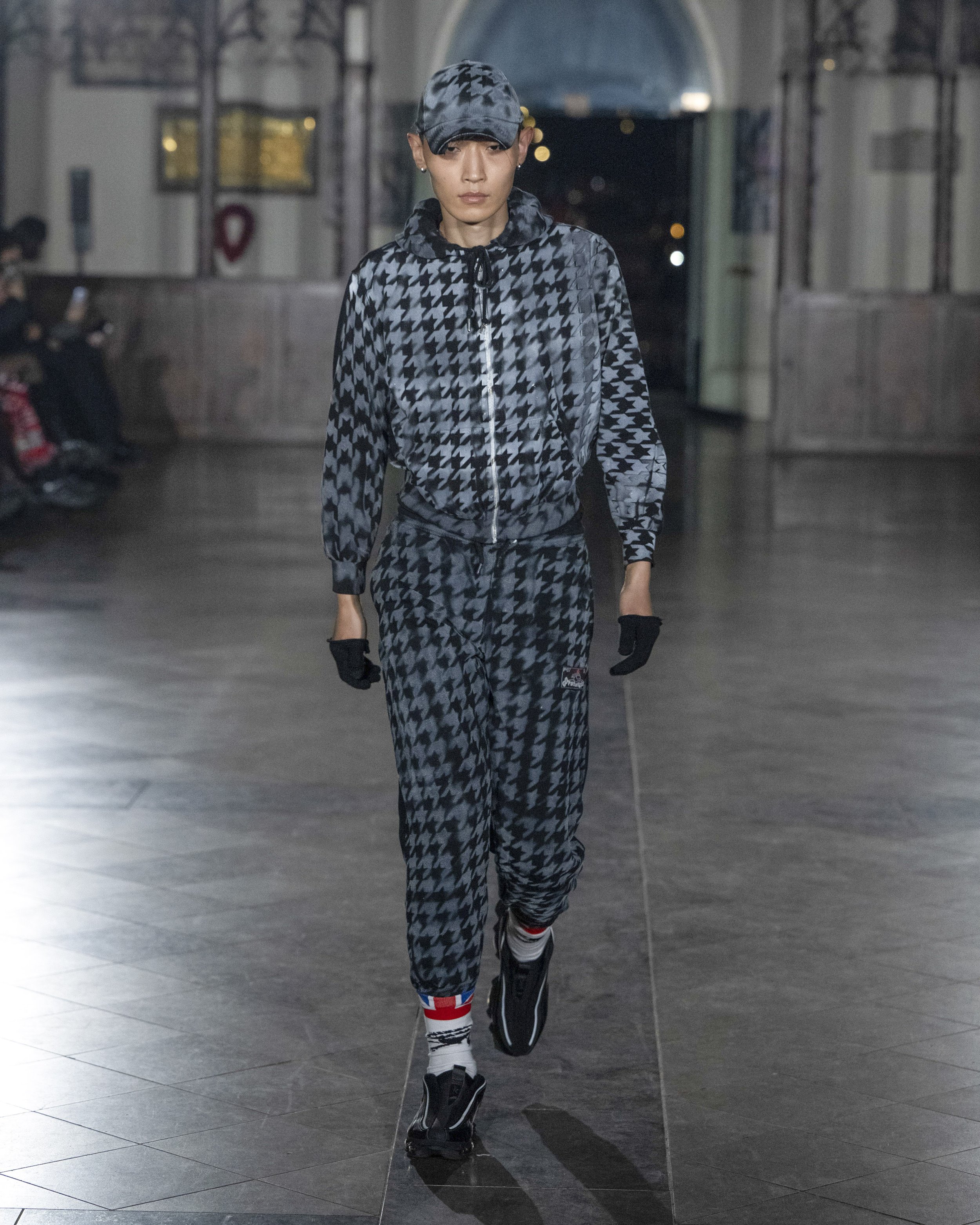
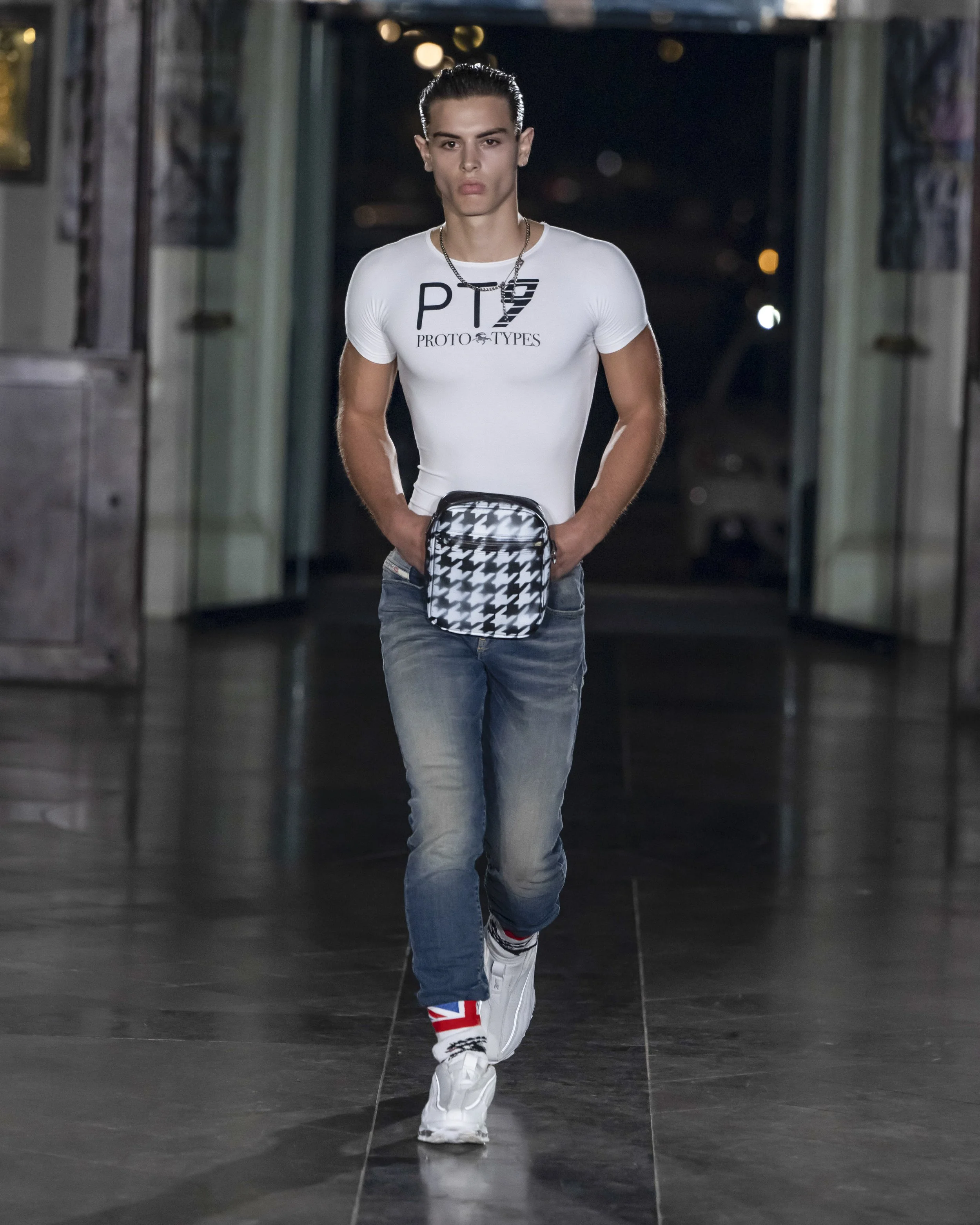
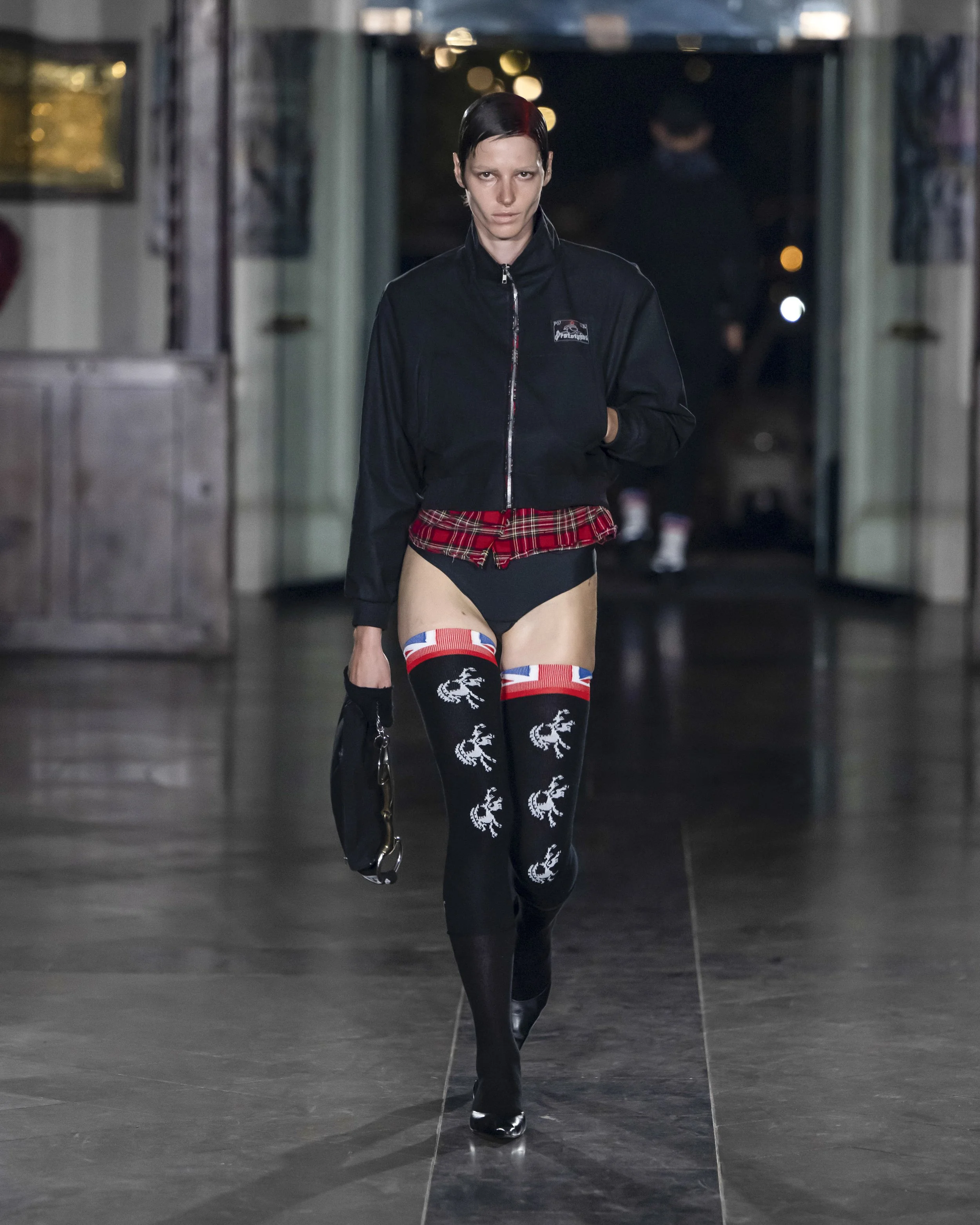
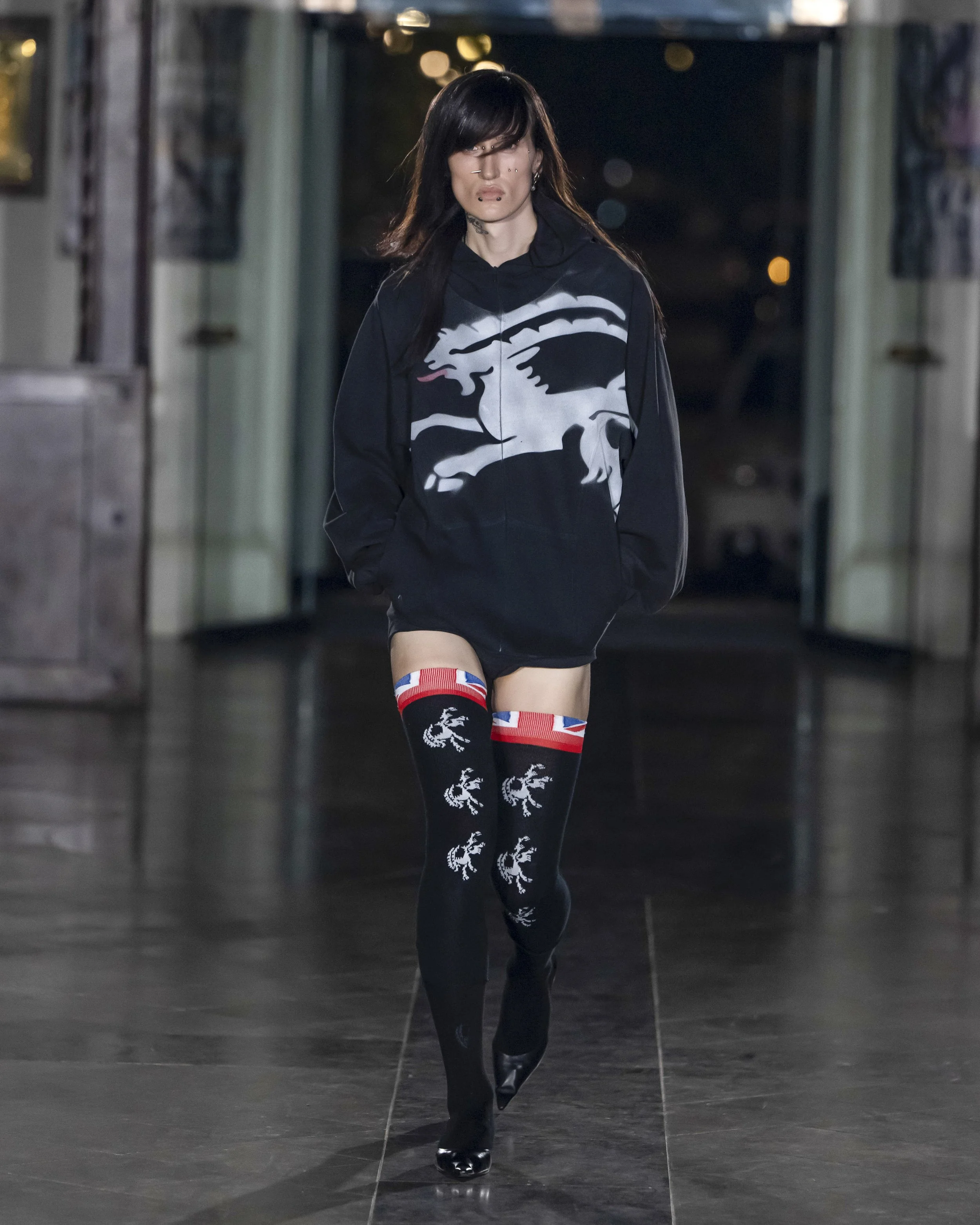
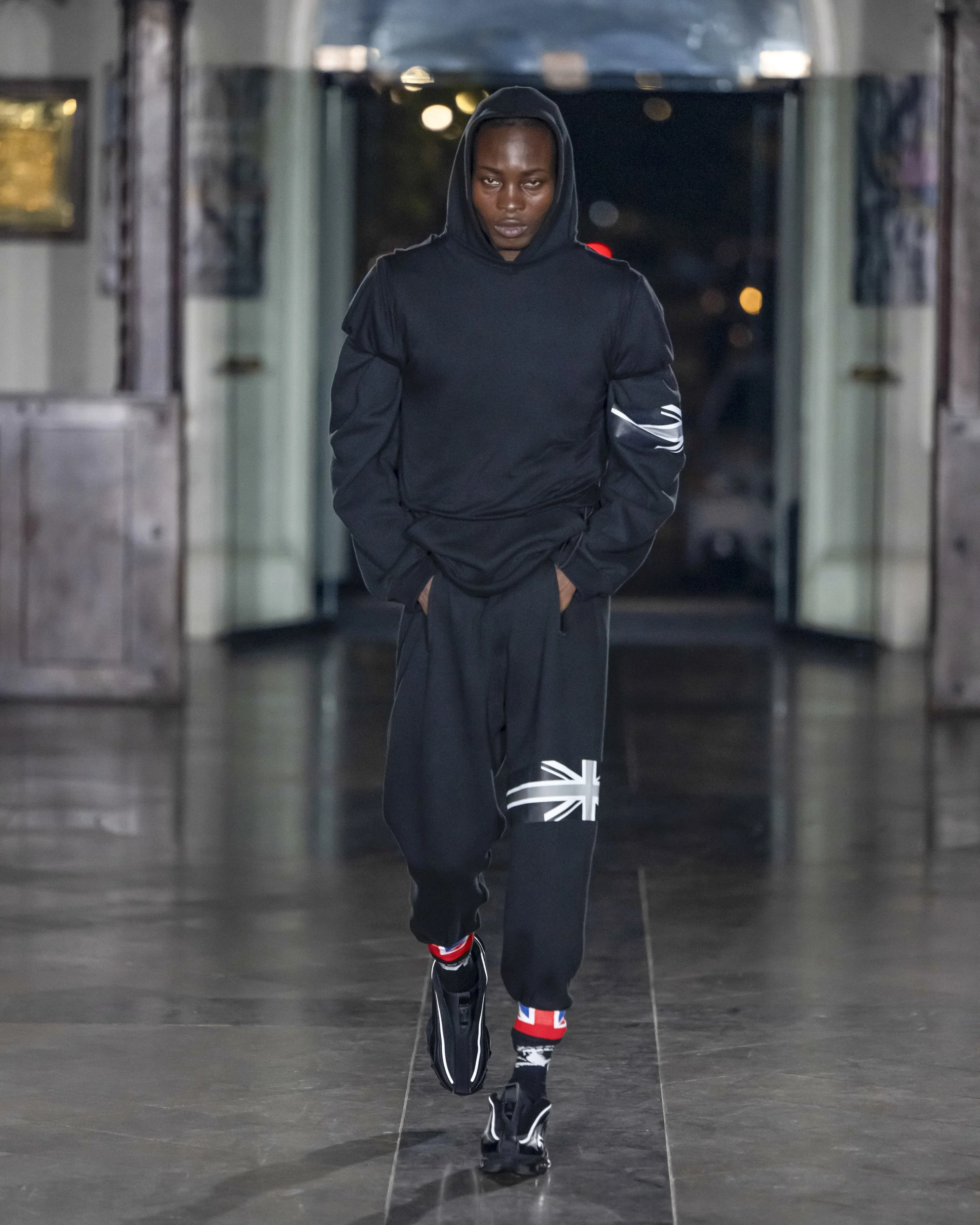
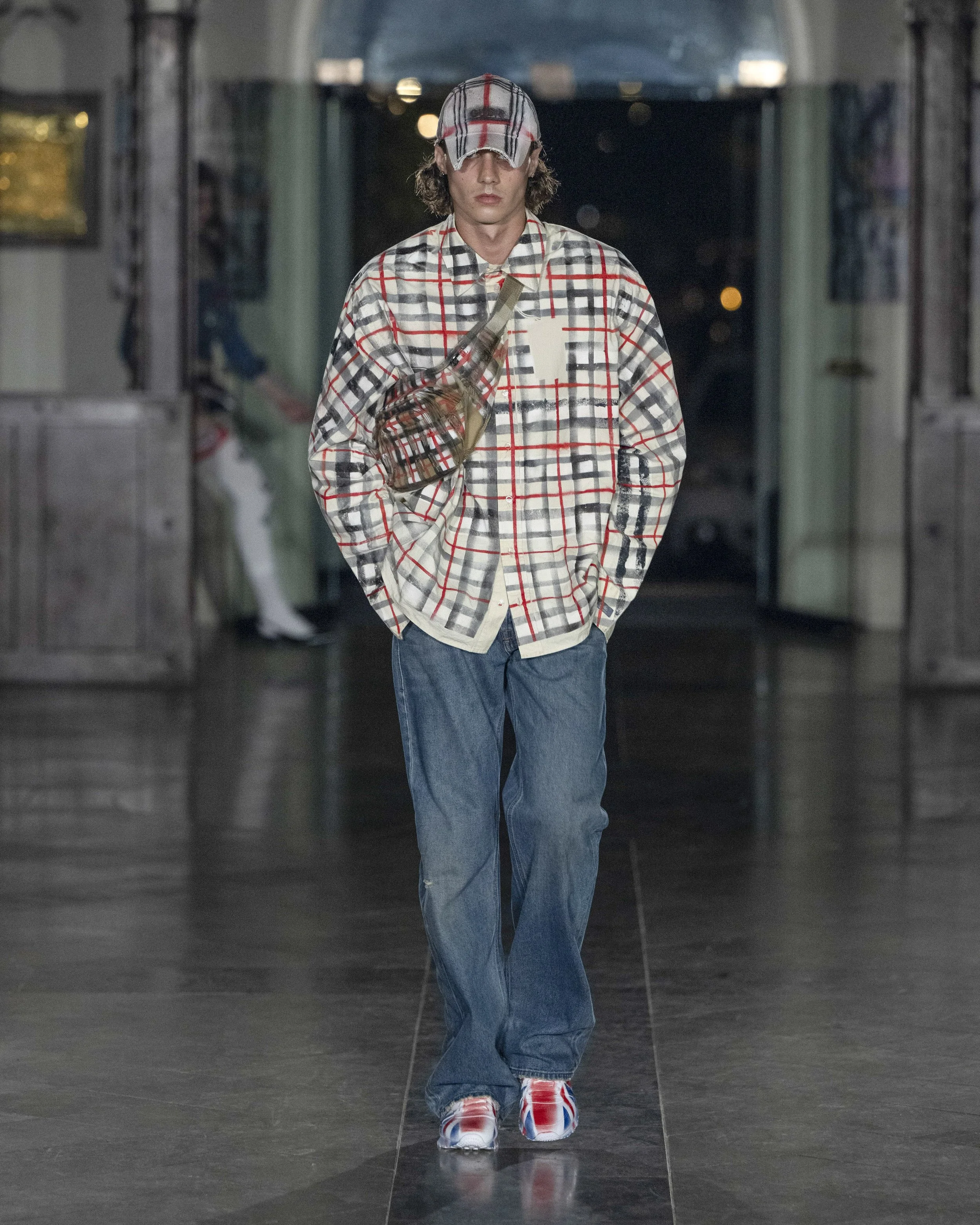
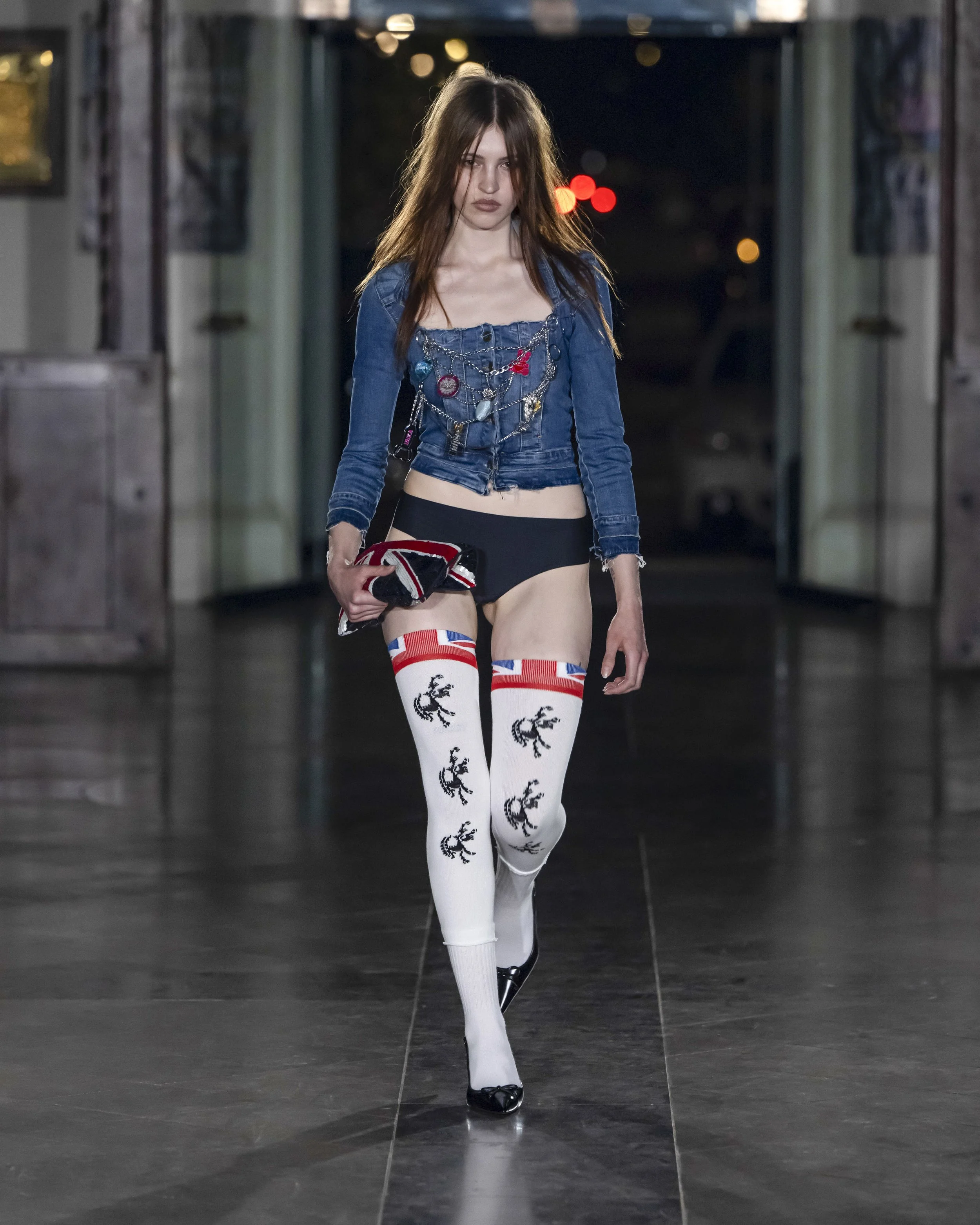
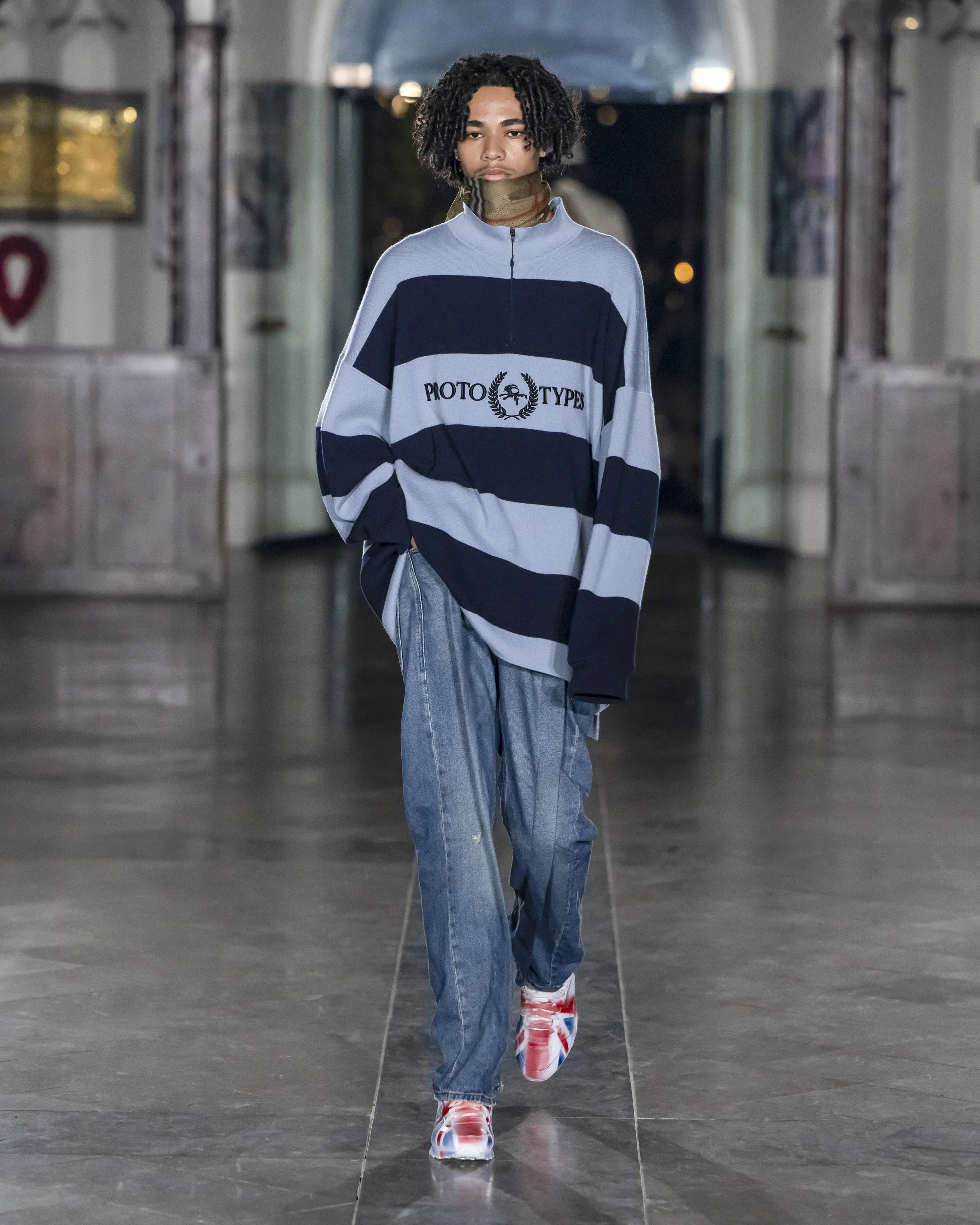
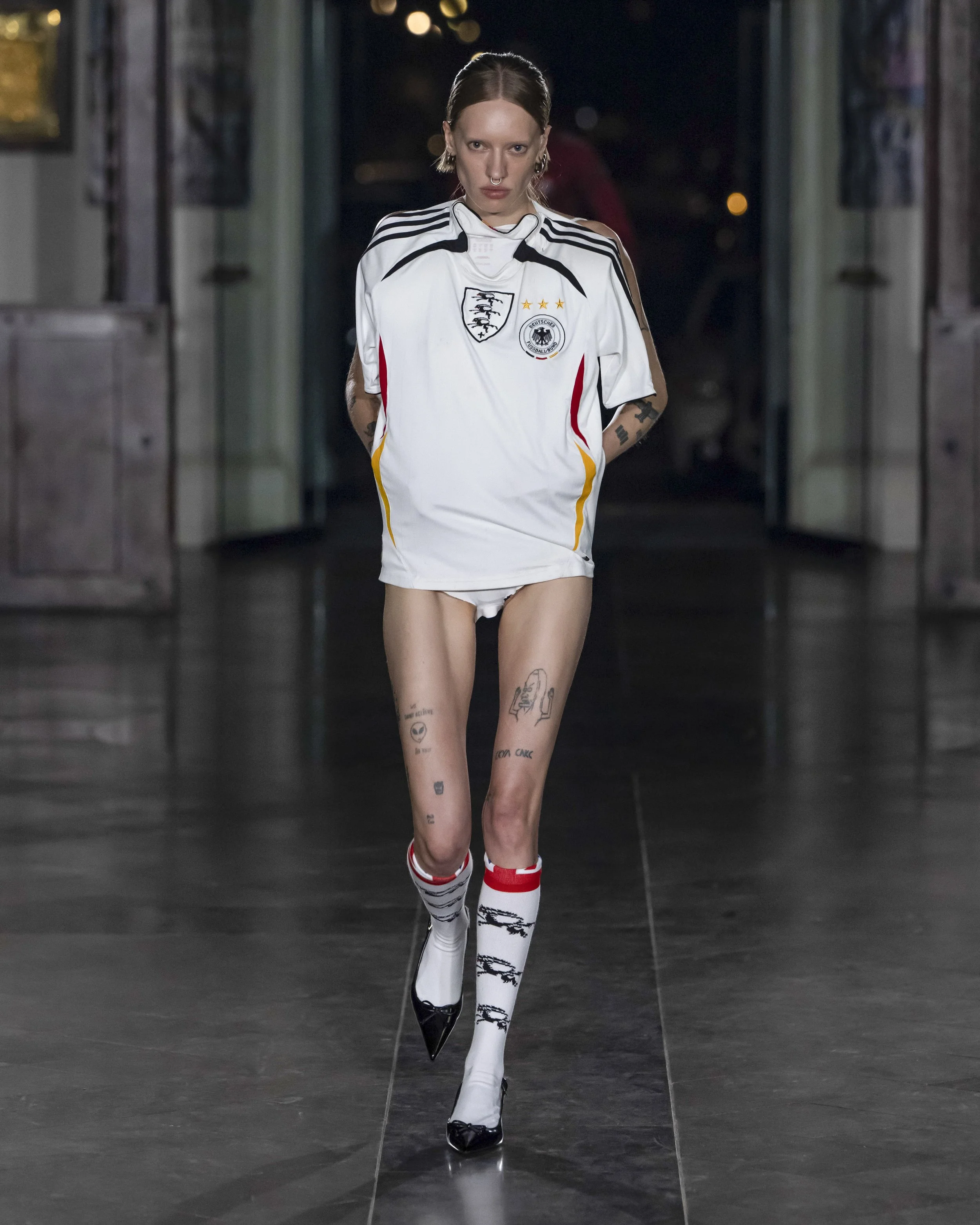
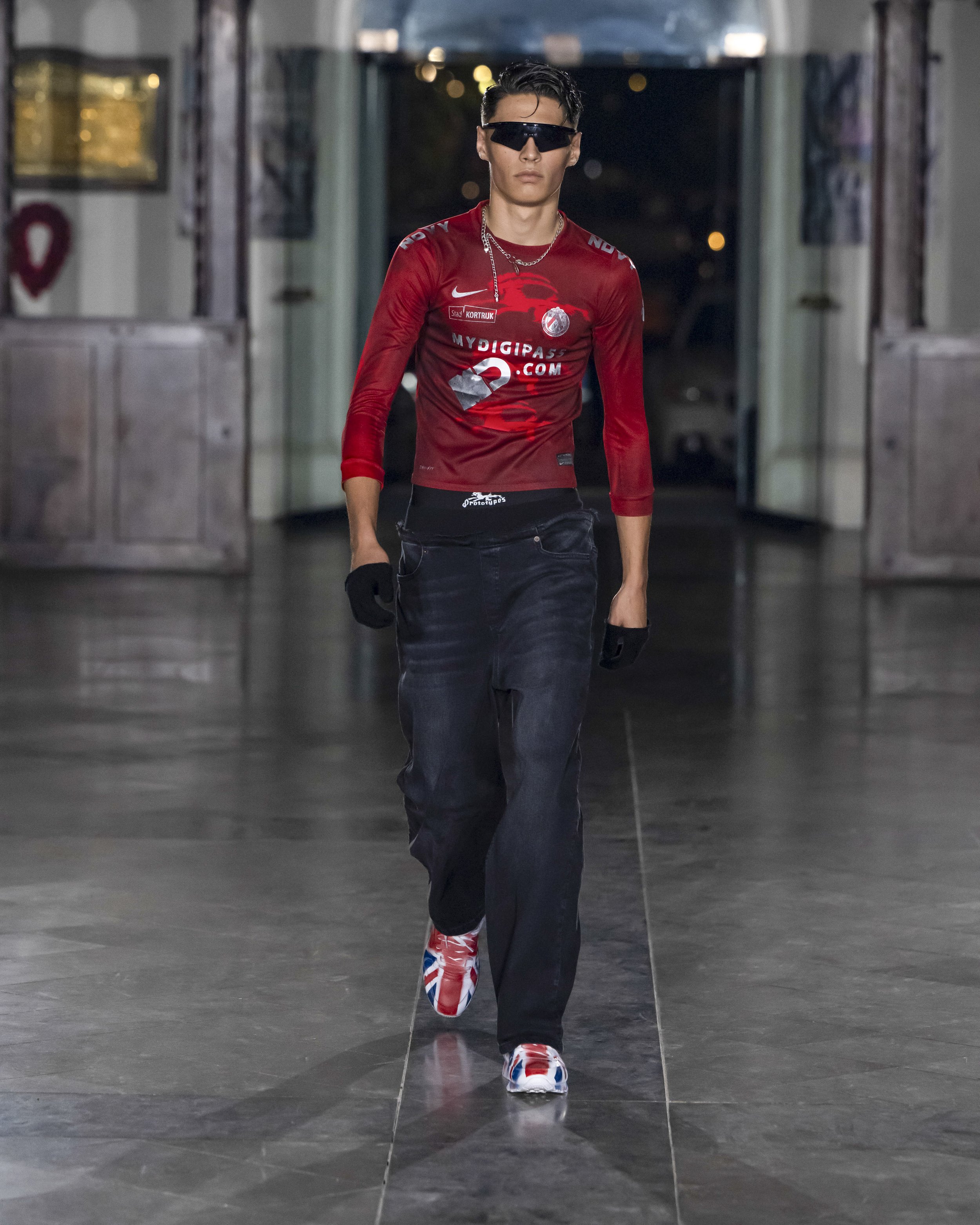
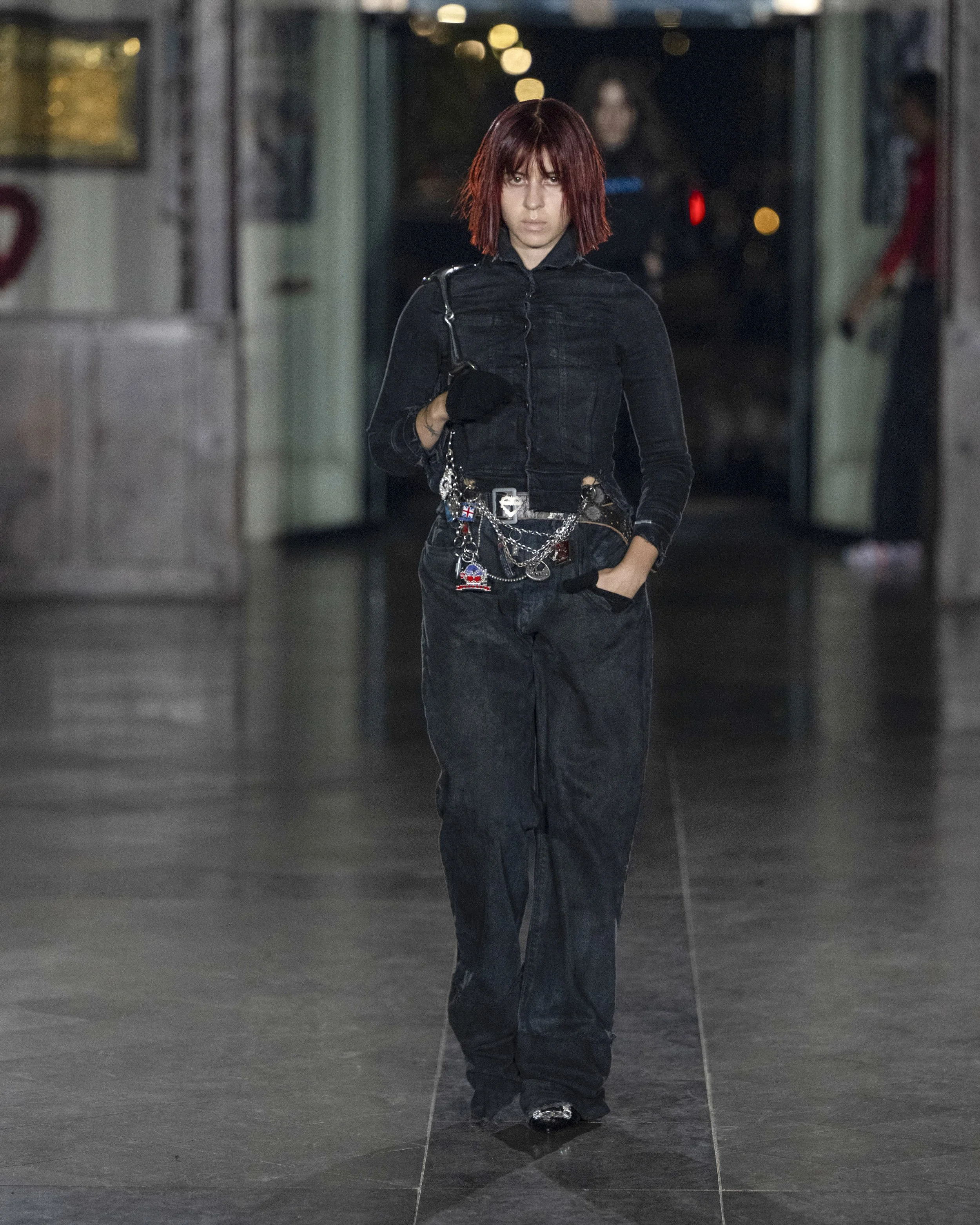
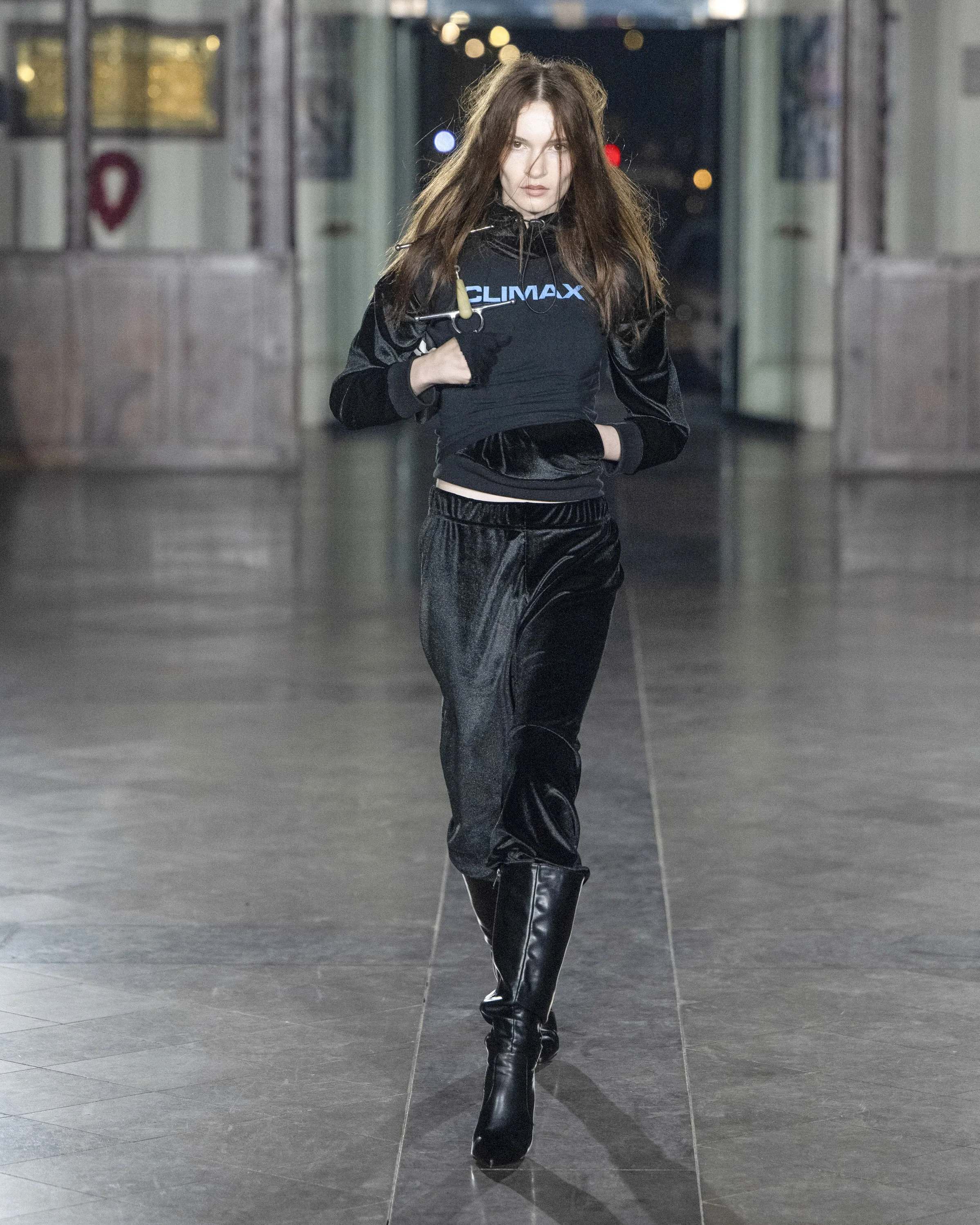
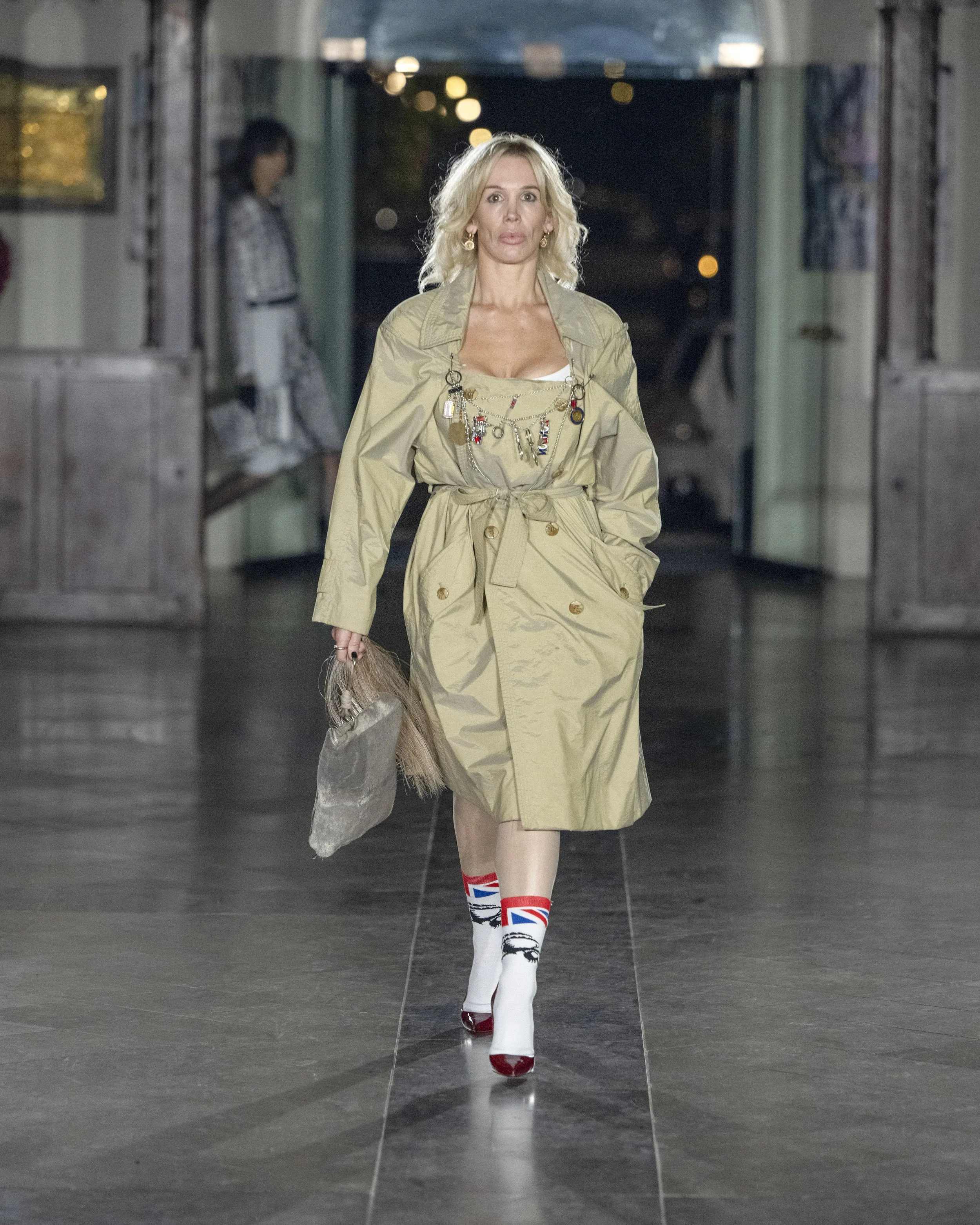
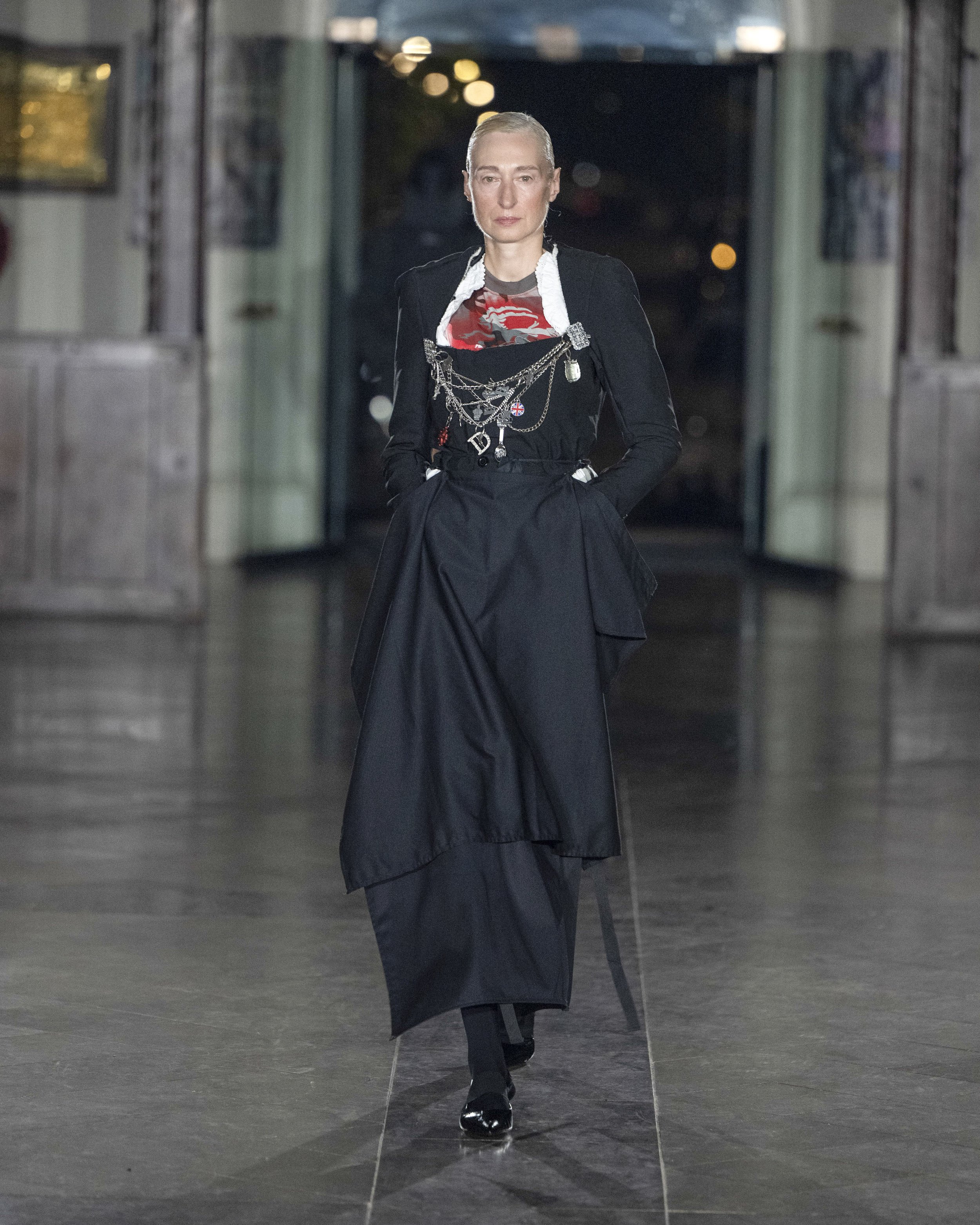
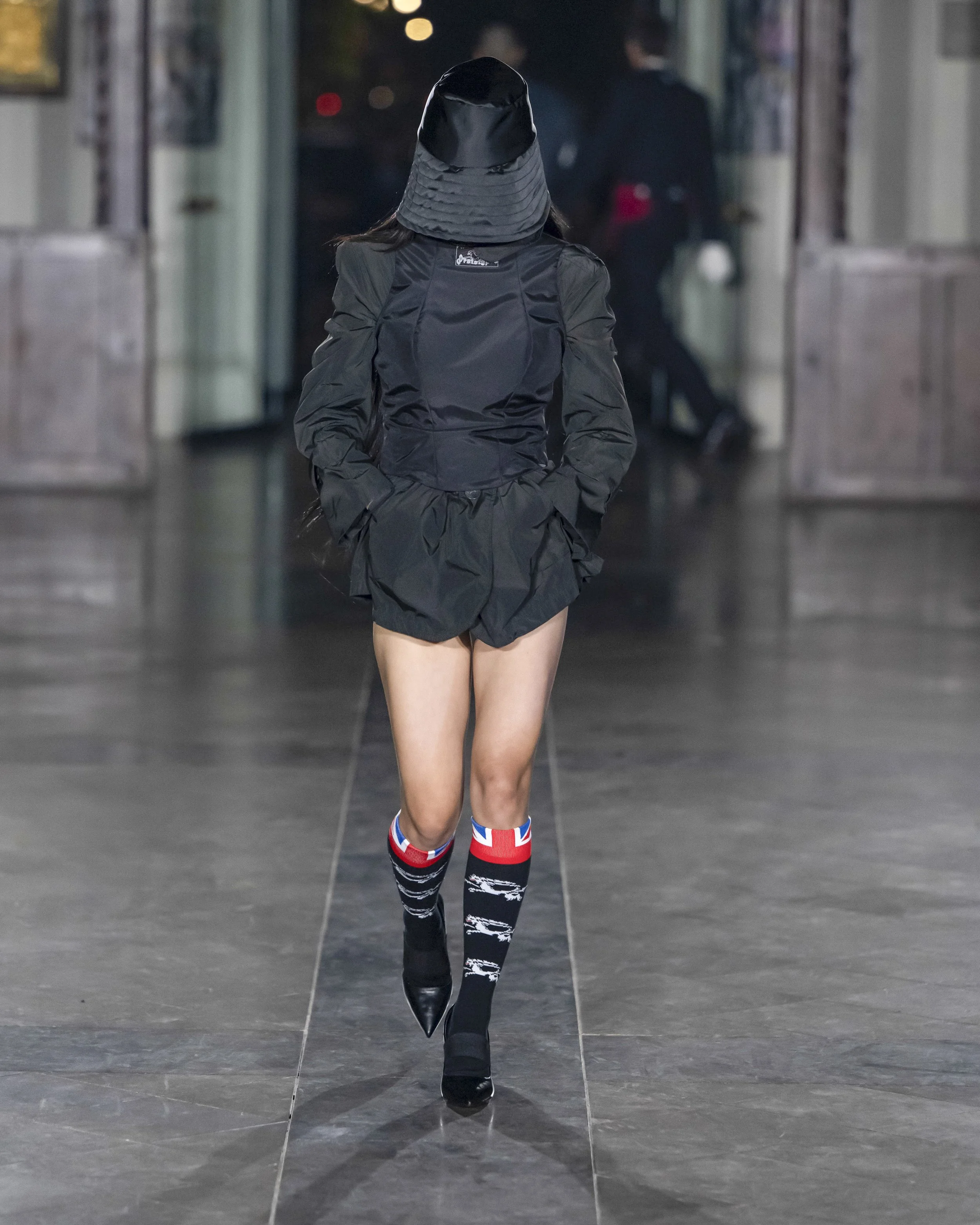
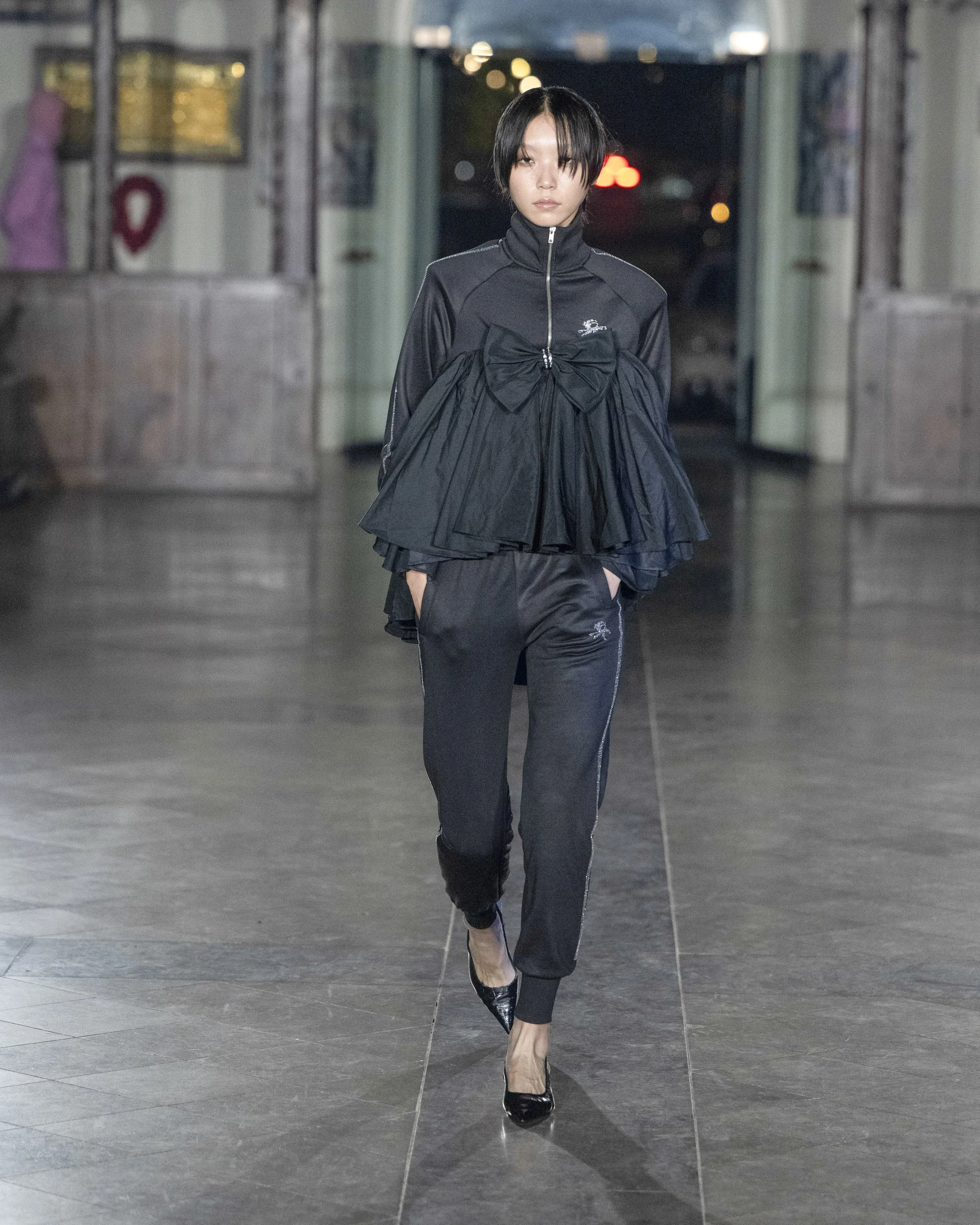
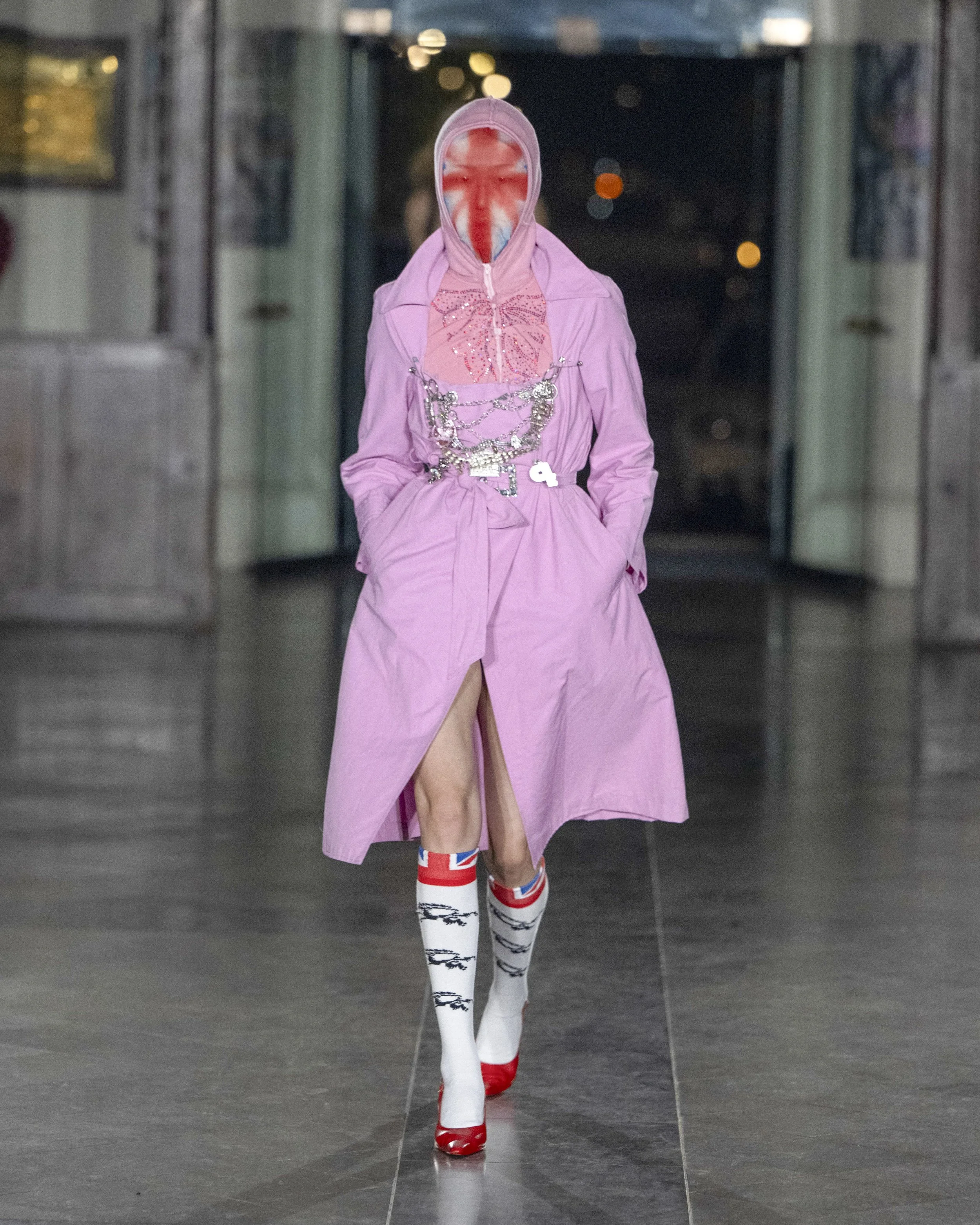
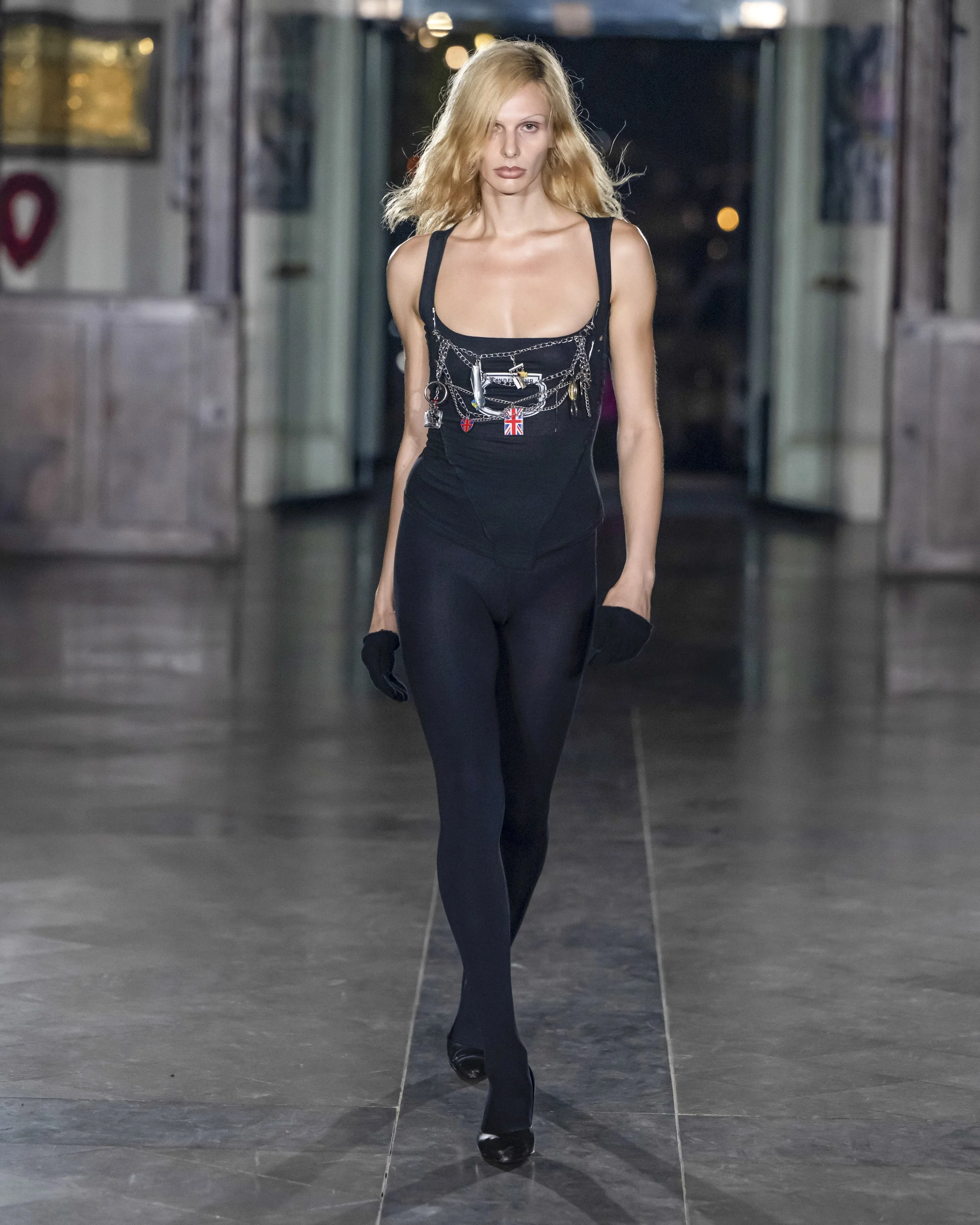
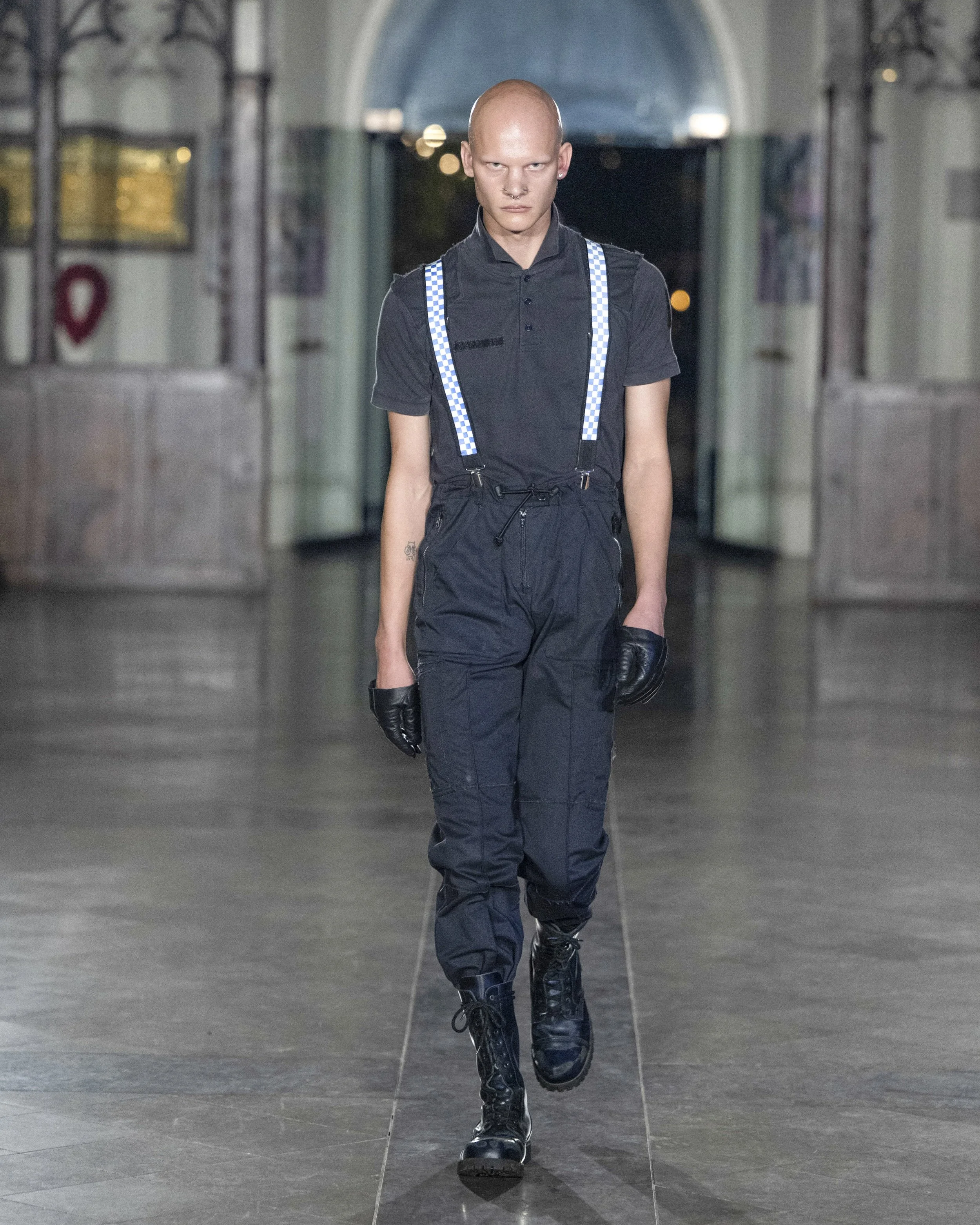
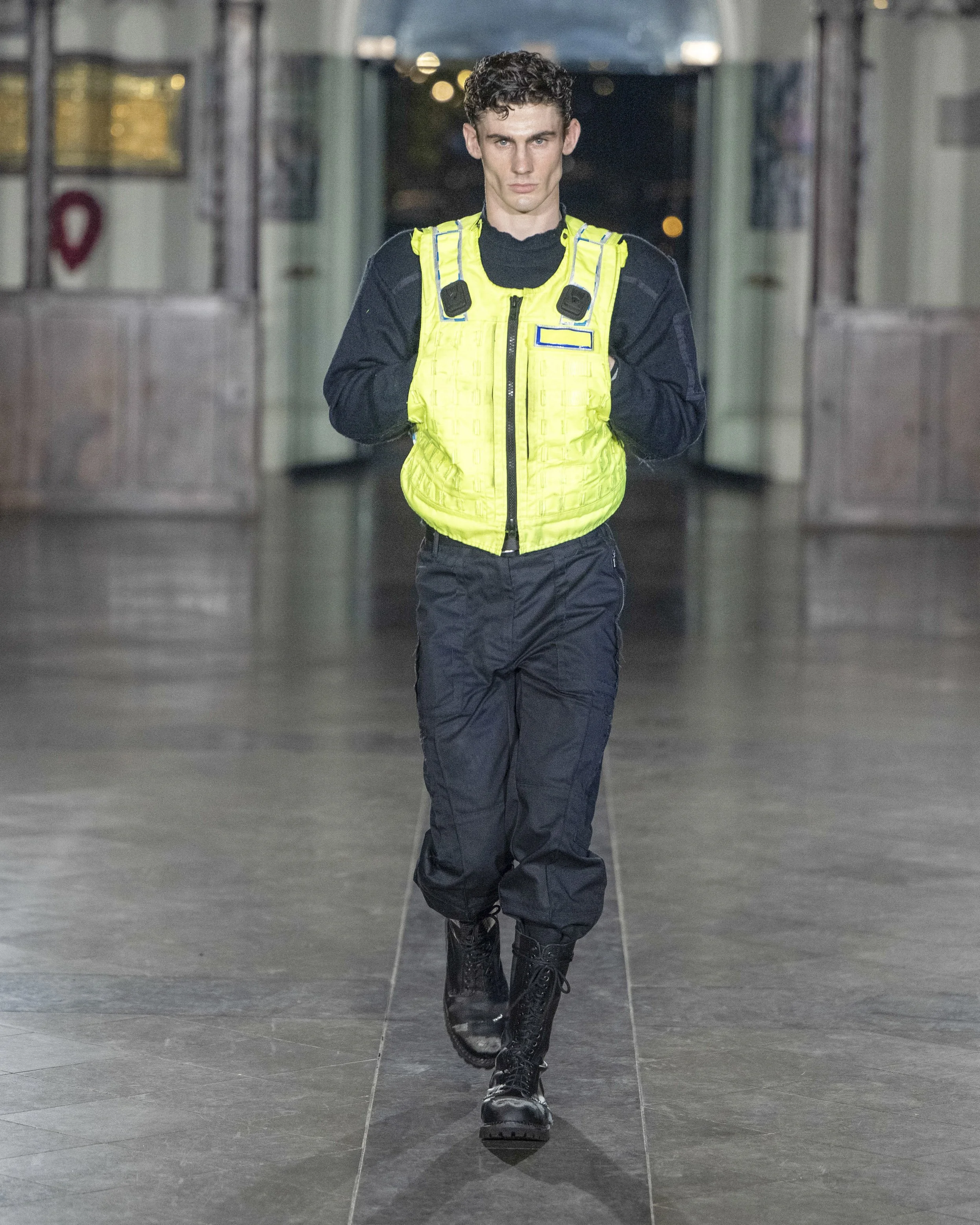
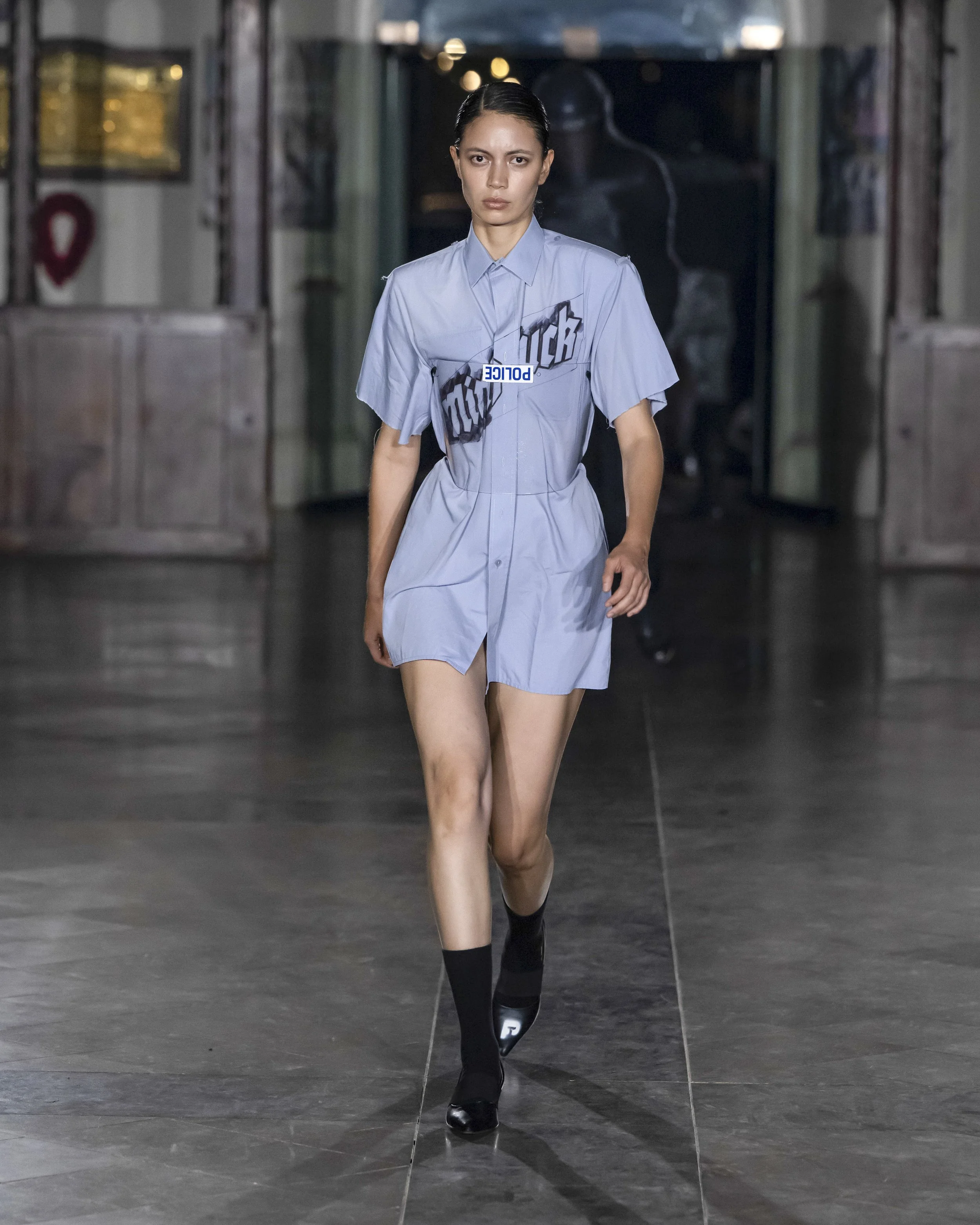
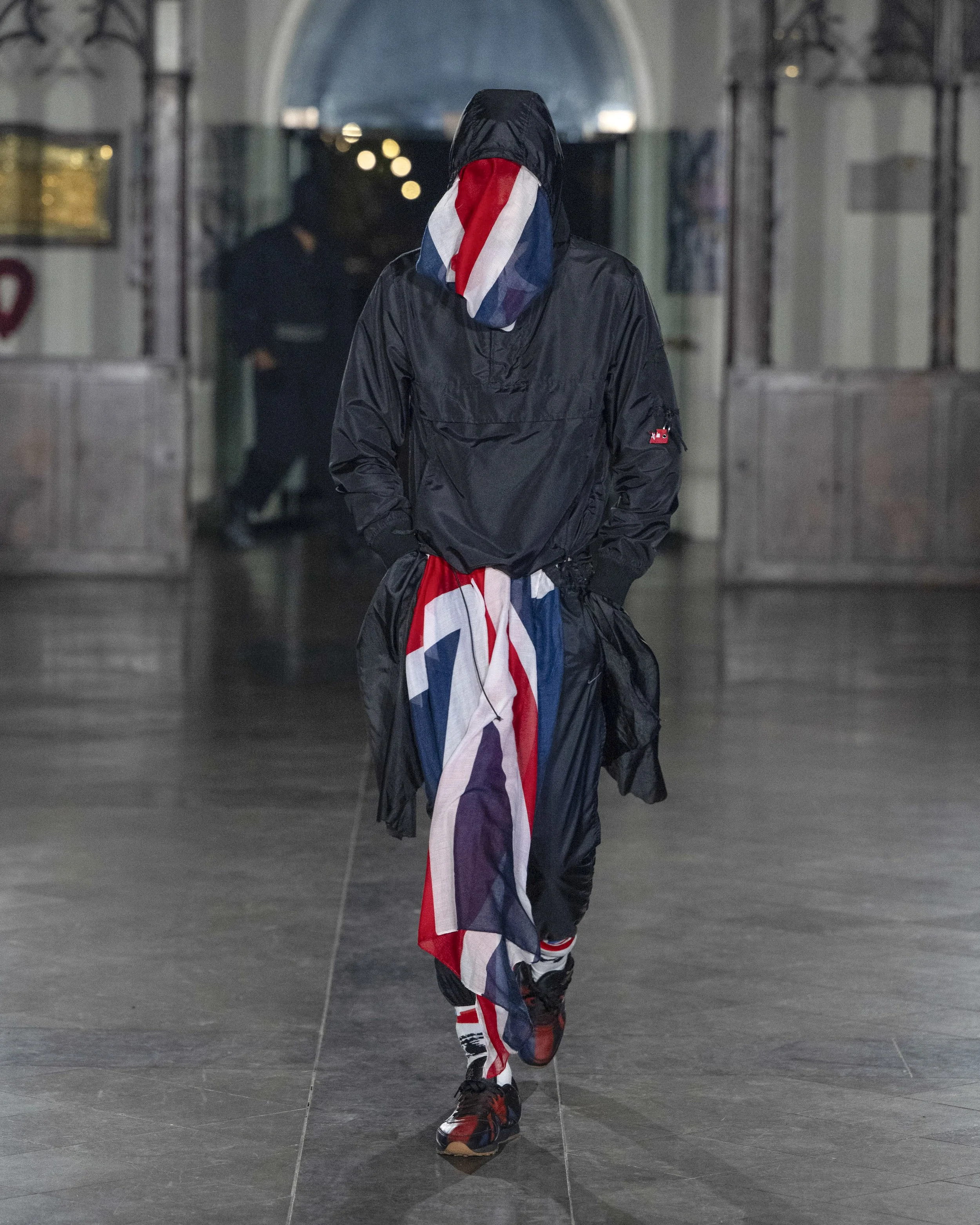
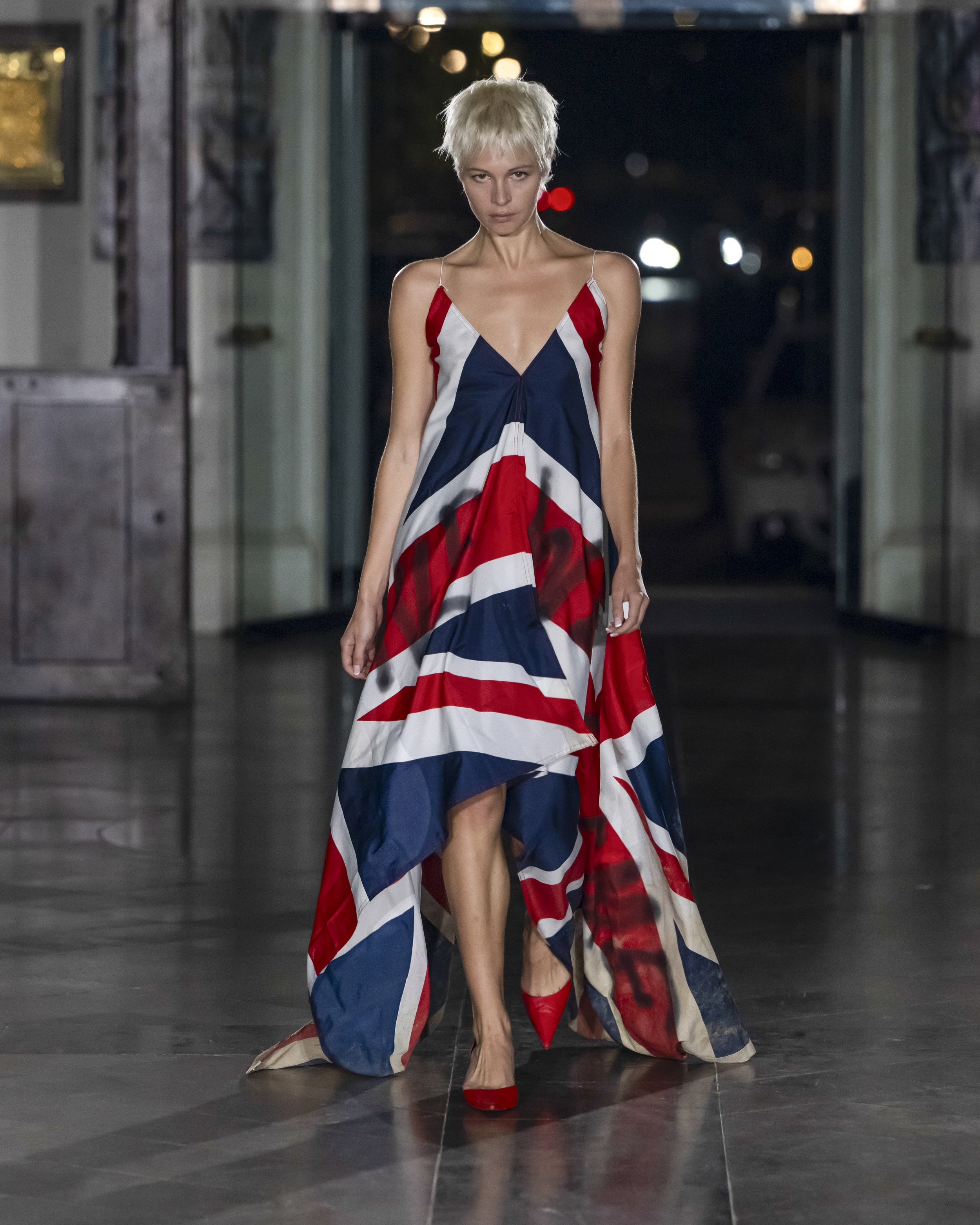
With Series09, Prototypes makes its London debut, staging a ceremony titled “In Loving Memory of British Culture.” The design collective has long explored football and working-class codes, but here they turned their attention to the cultural archetypes and youth movements that have shaped Britain’s past and present, reframing them for a moment of political tension and social fragmentation. Series09 is described as “a memory of an inclusive and welcoming Britain,” a phrase that reads almost like a question when set against the backdrop of anti immigration rallies and counter protests that filled London’s streets just days before. Prototypes’ answer is not to retreat into rose tinted nationalism, but to confront the British flag and its loaded visual language head on. From trims at the tops of socks to a cape like dress, the Union Jack is everywhere, refusing to stay neutral. The collection revisits timeless British figures and silhouettes. Those vaguely familiar characters of terraces, high streets, and underground clubs reimagined through the lens of subcultural exploration. In Prototypes’ hands, these archetypes are stripped of nostalgia and reassembled as a holy setting for a new kind of religion, one built on devotion, ritual, and shared identity rather than exclusion.
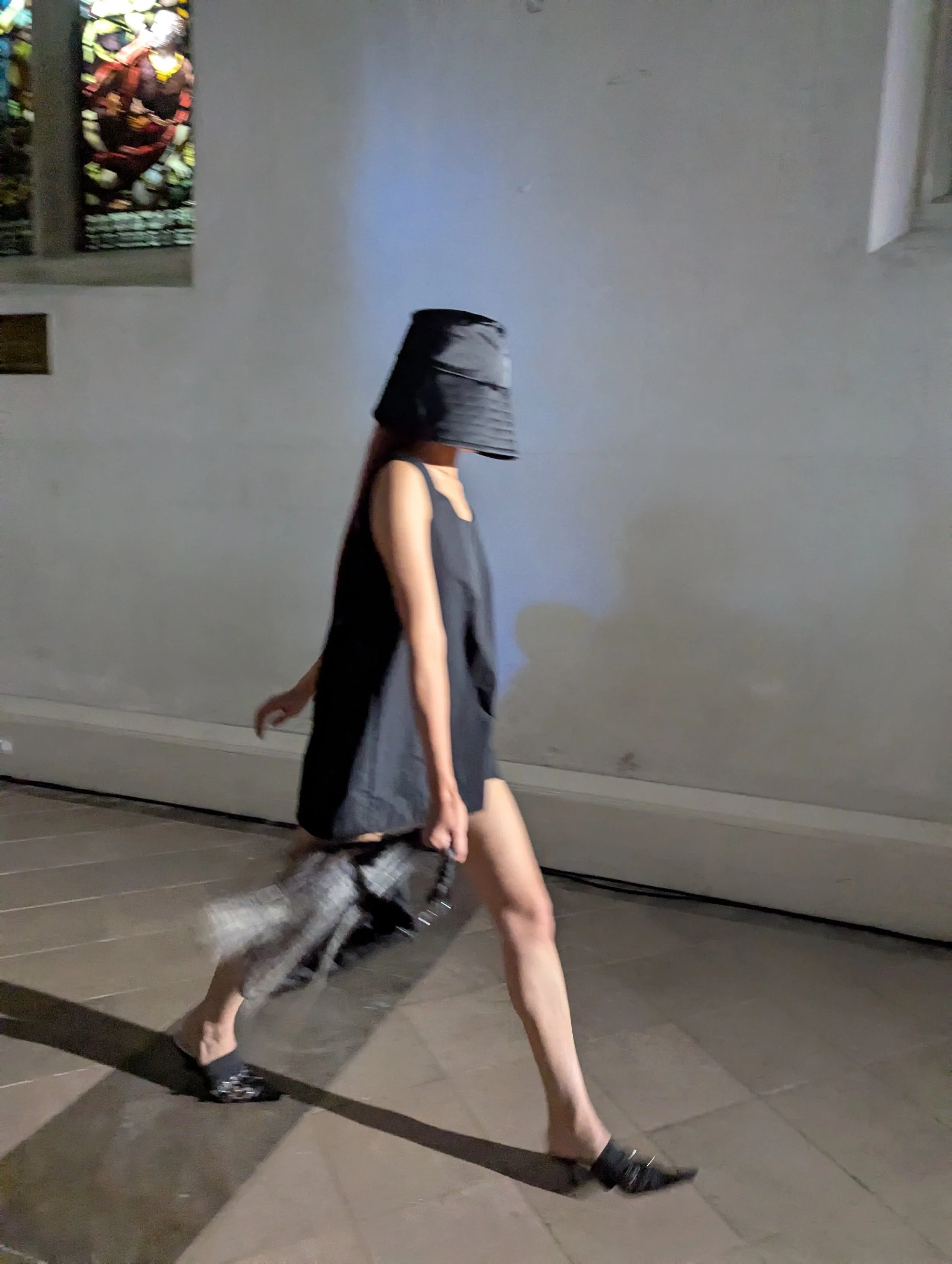
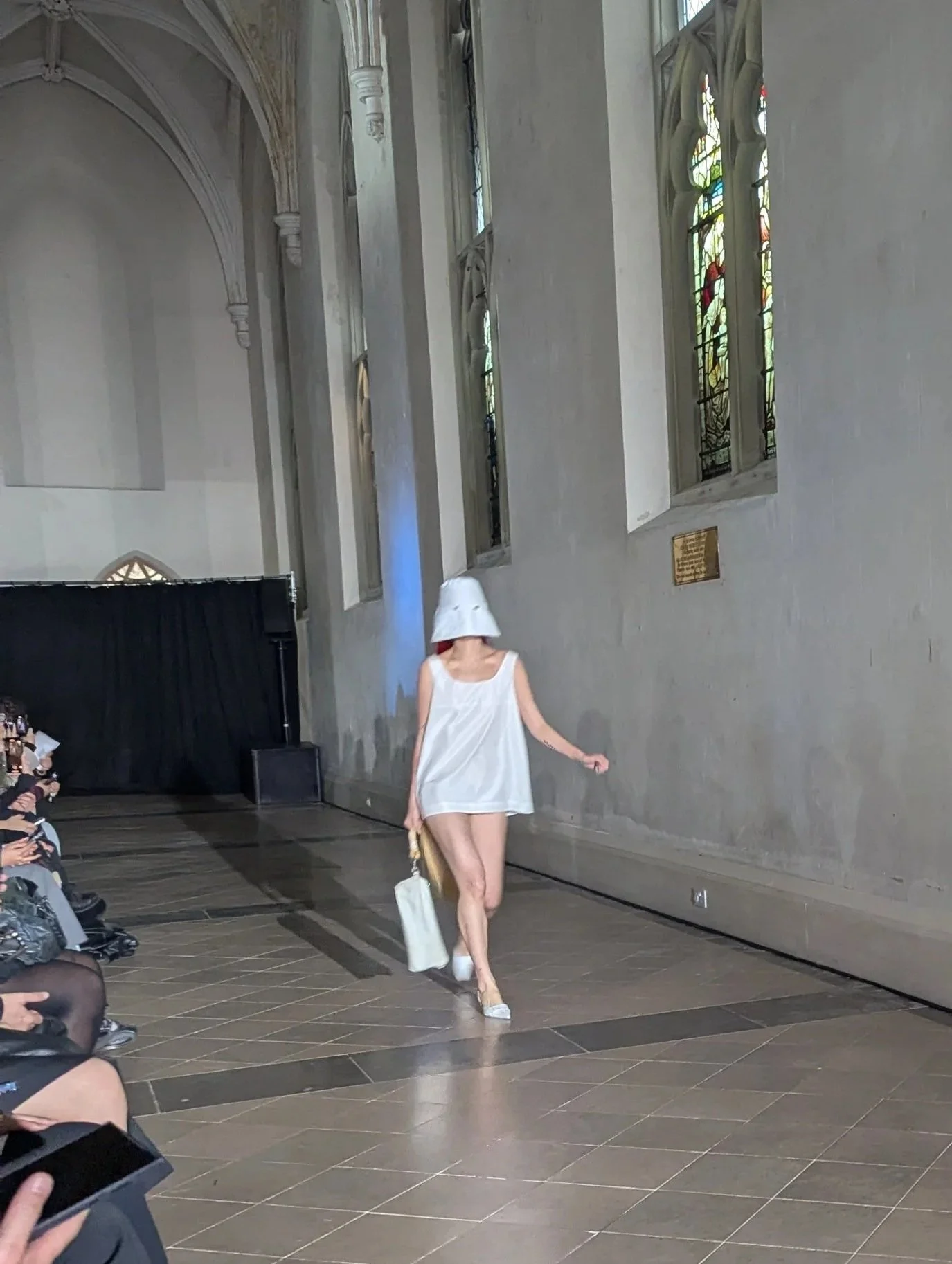
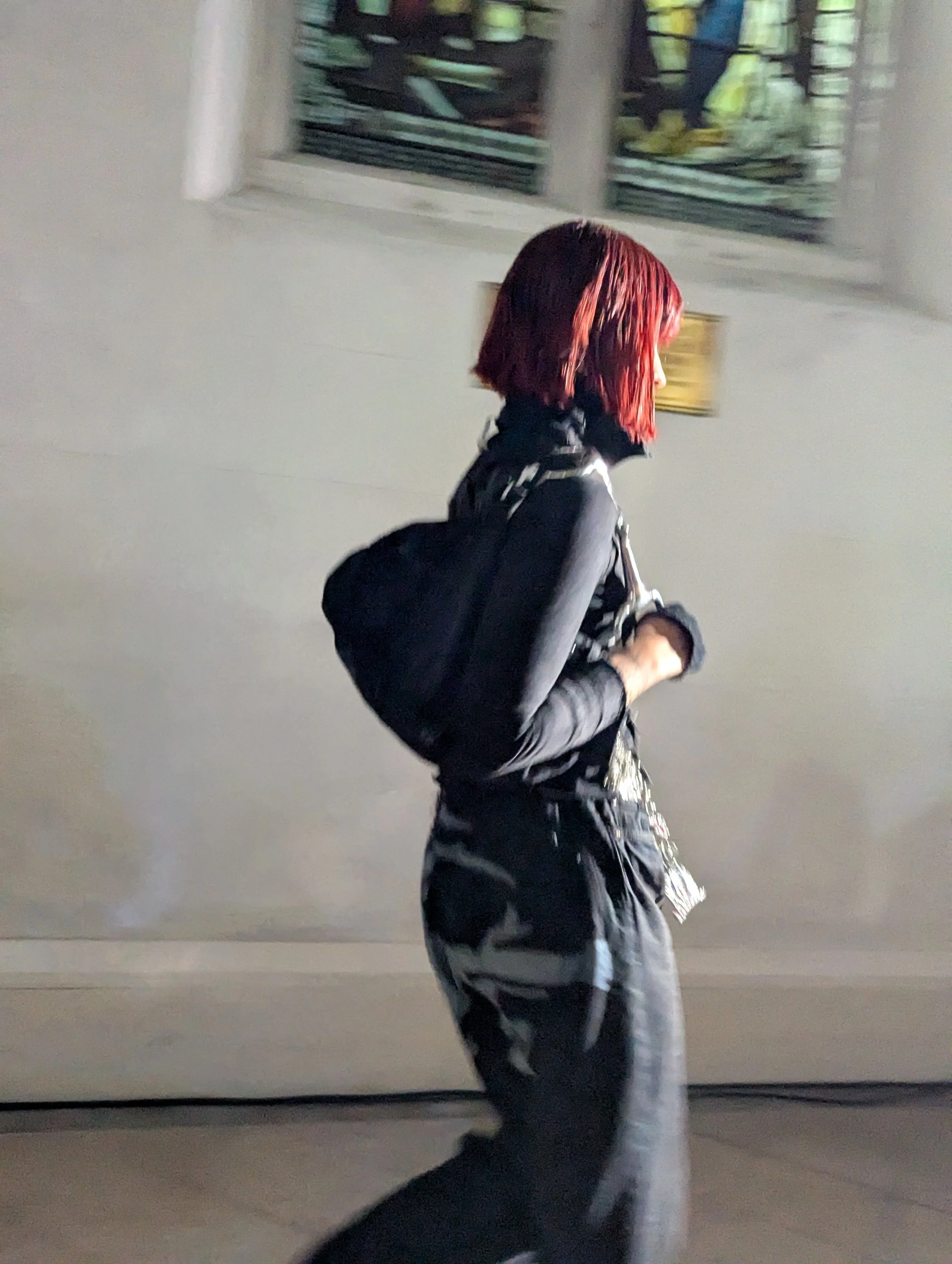
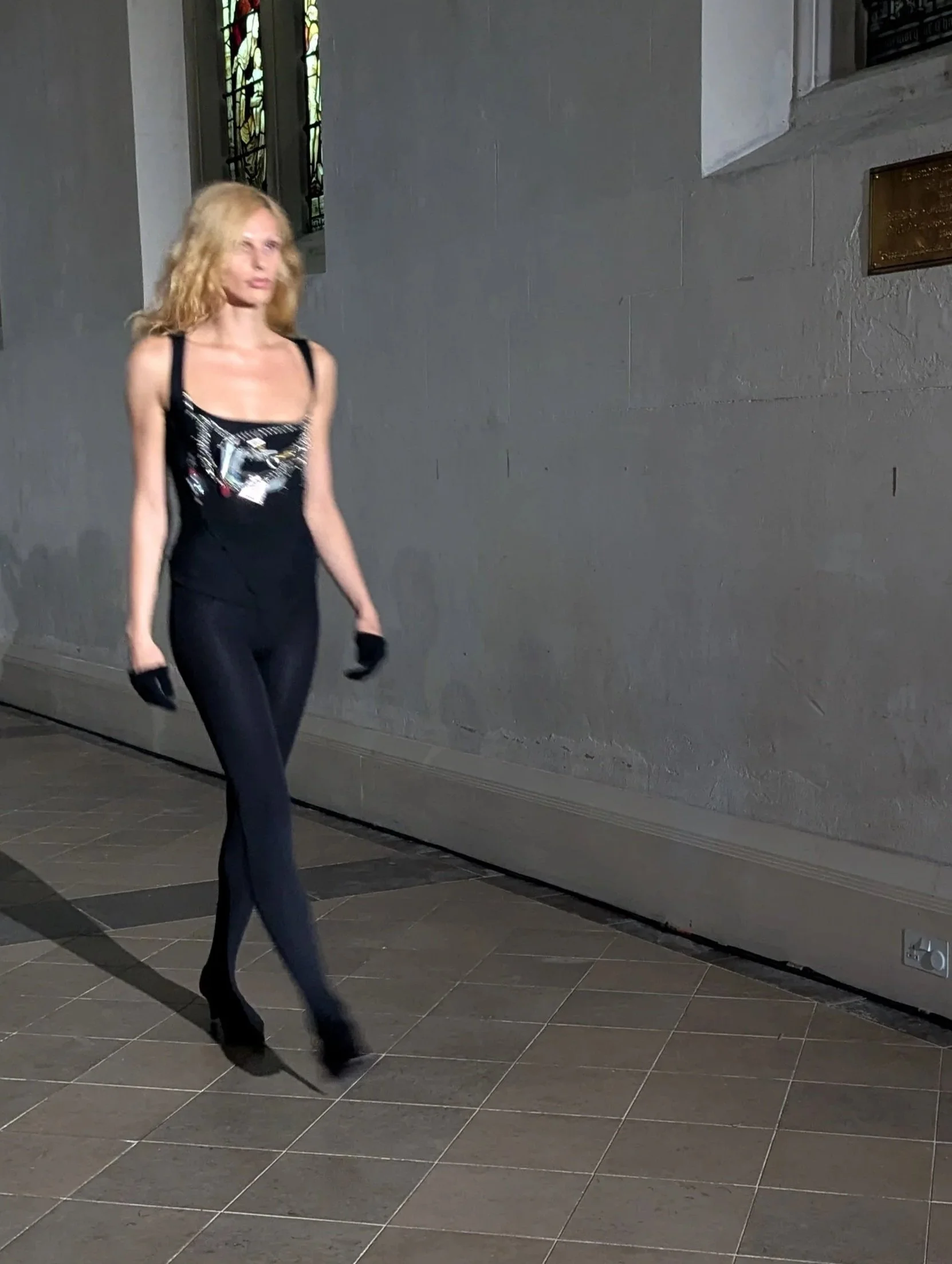
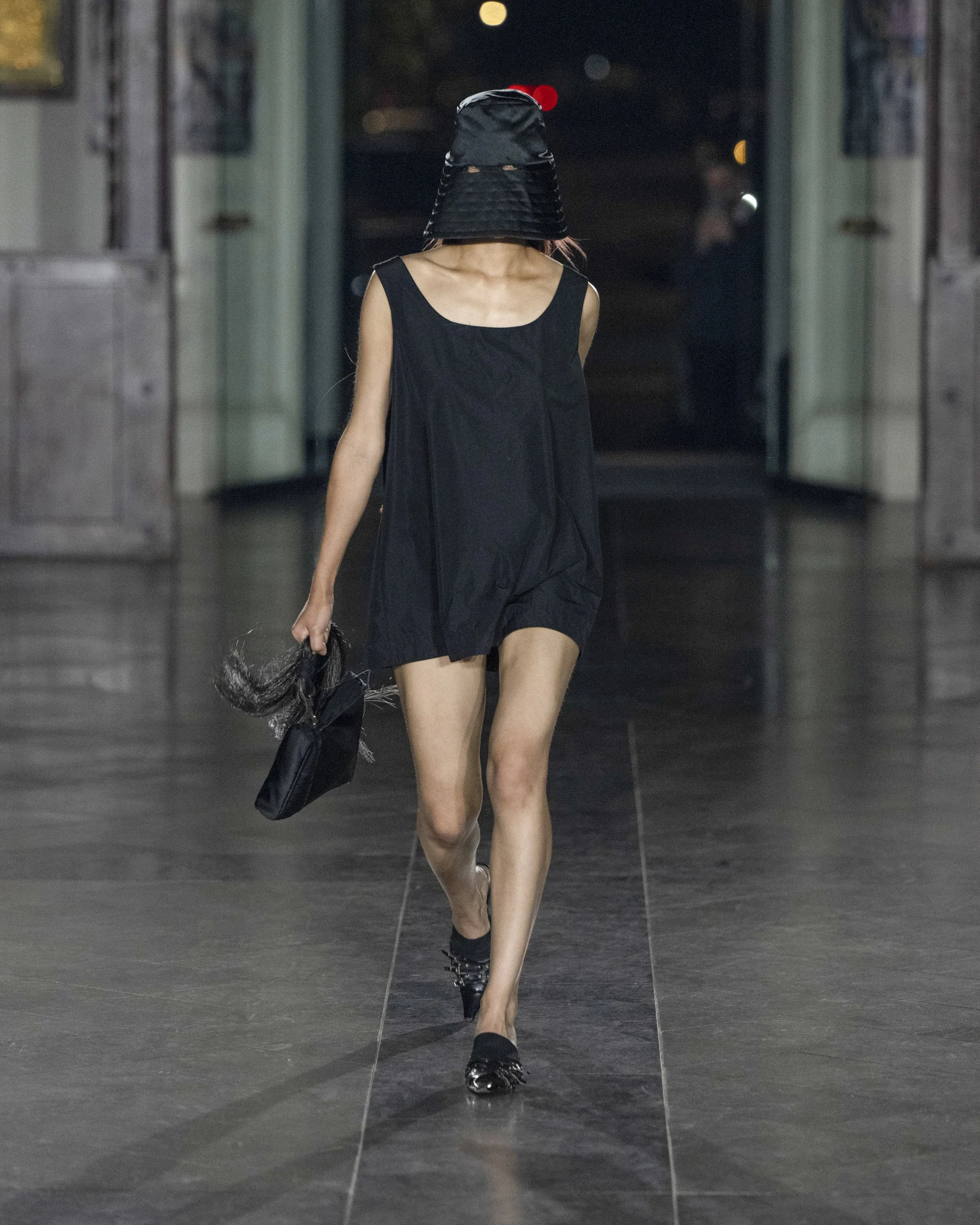
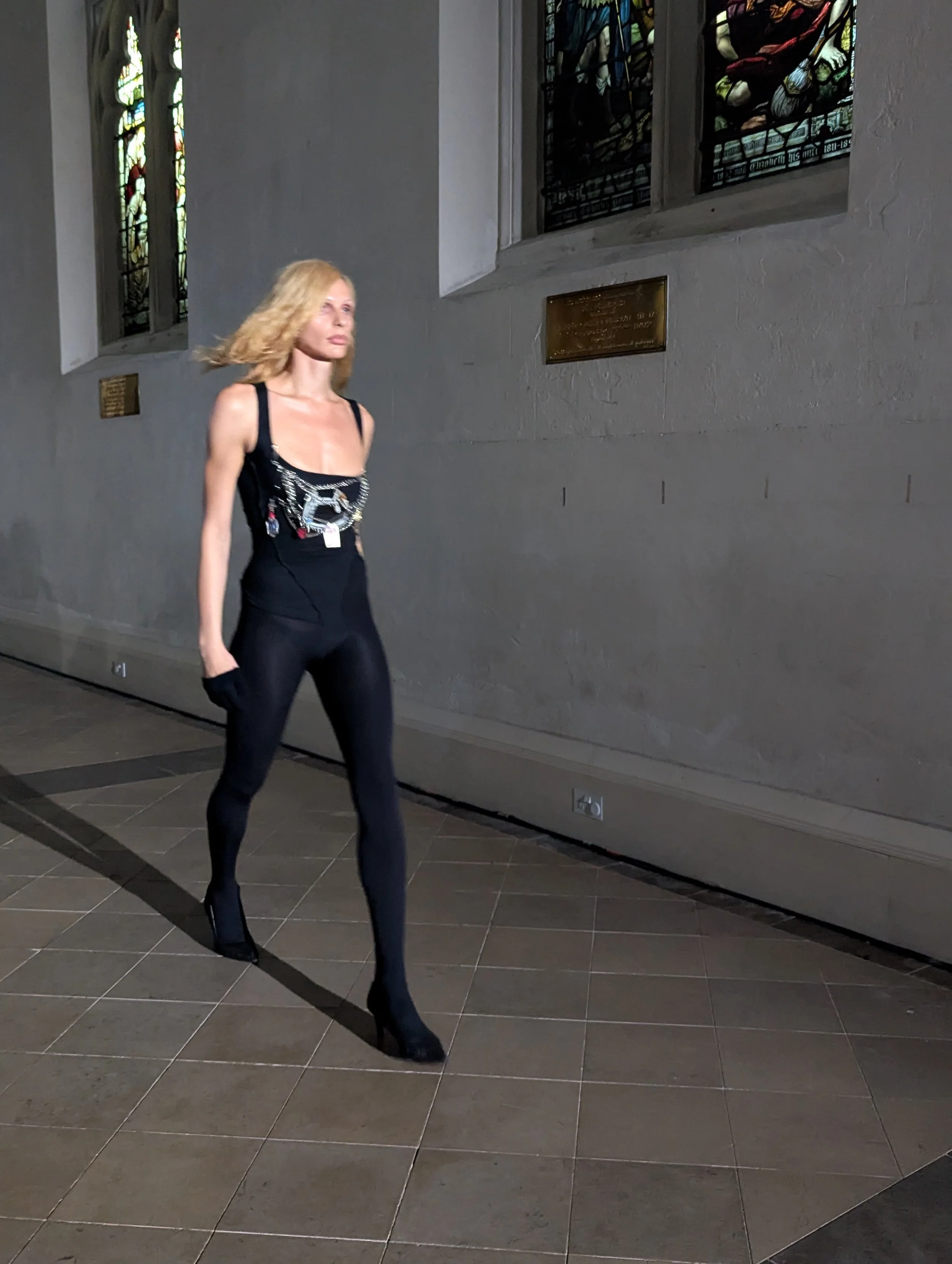
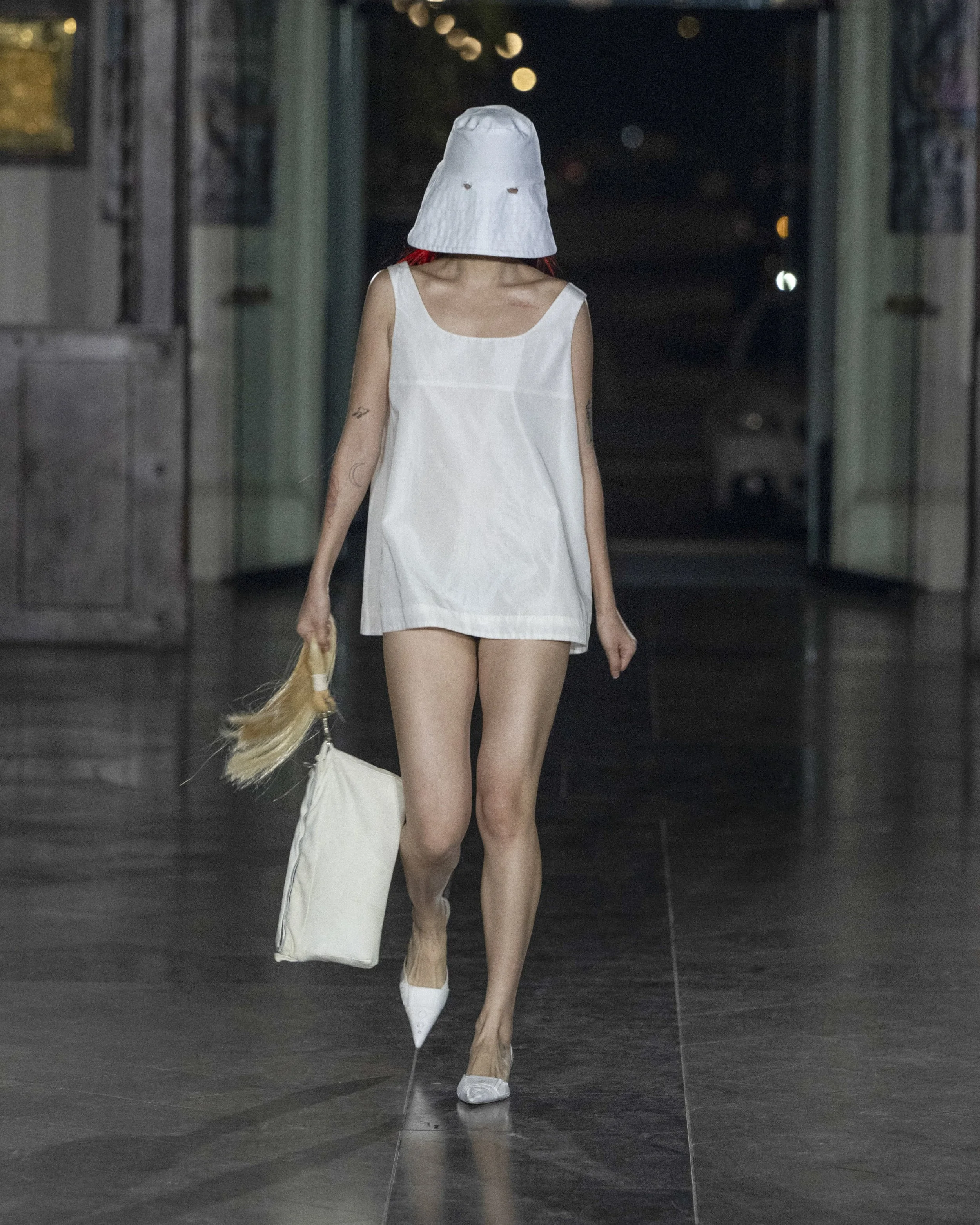
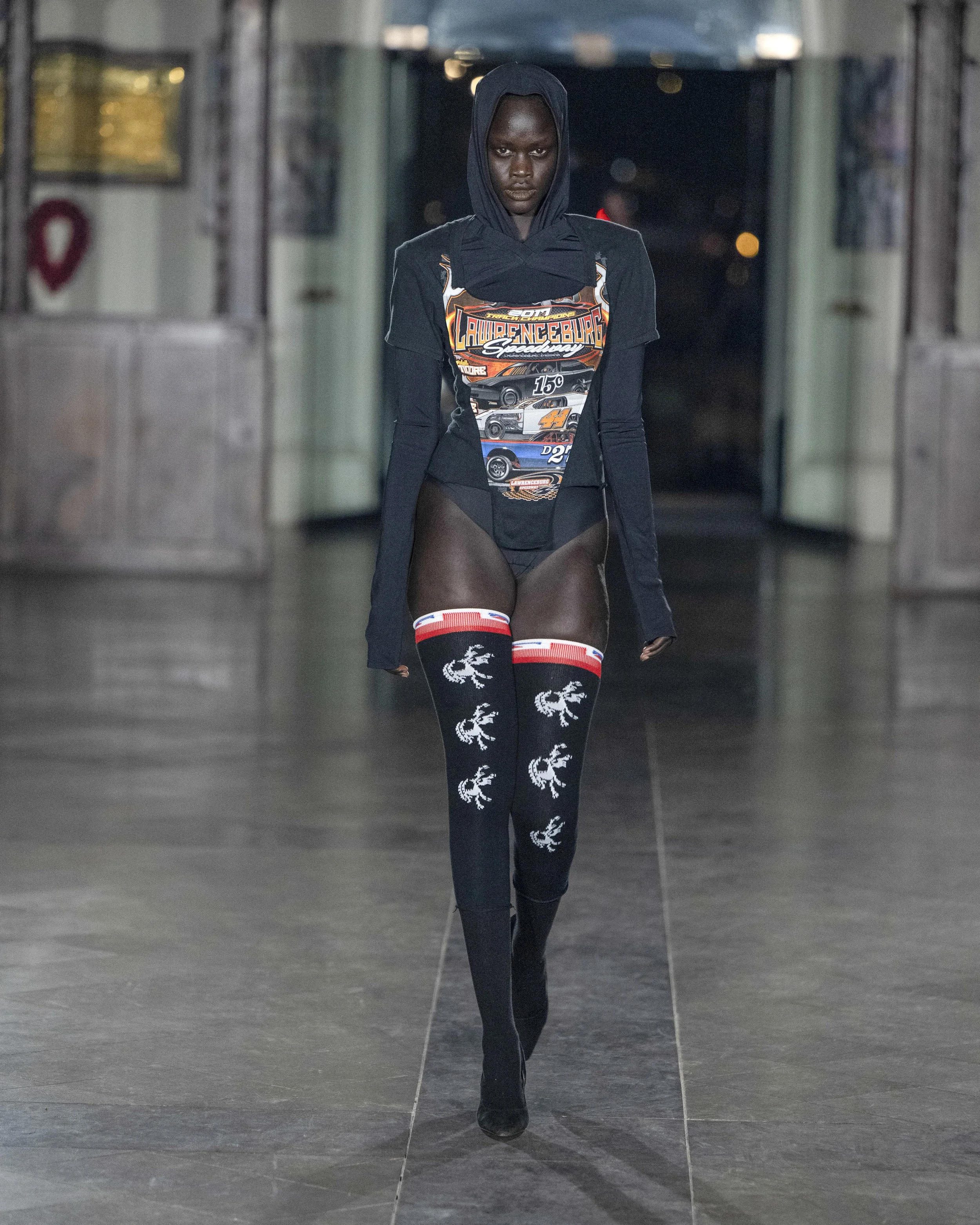
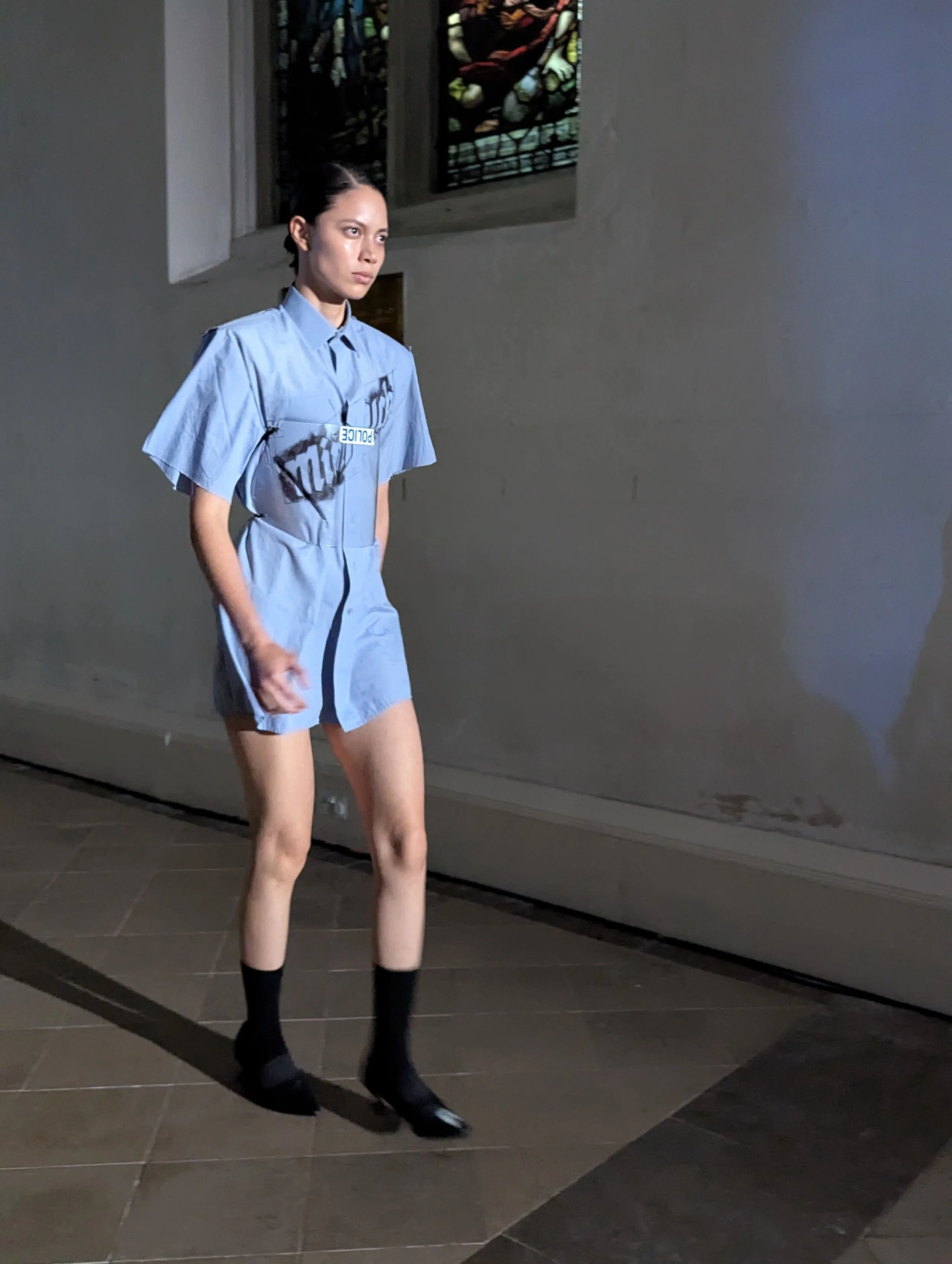
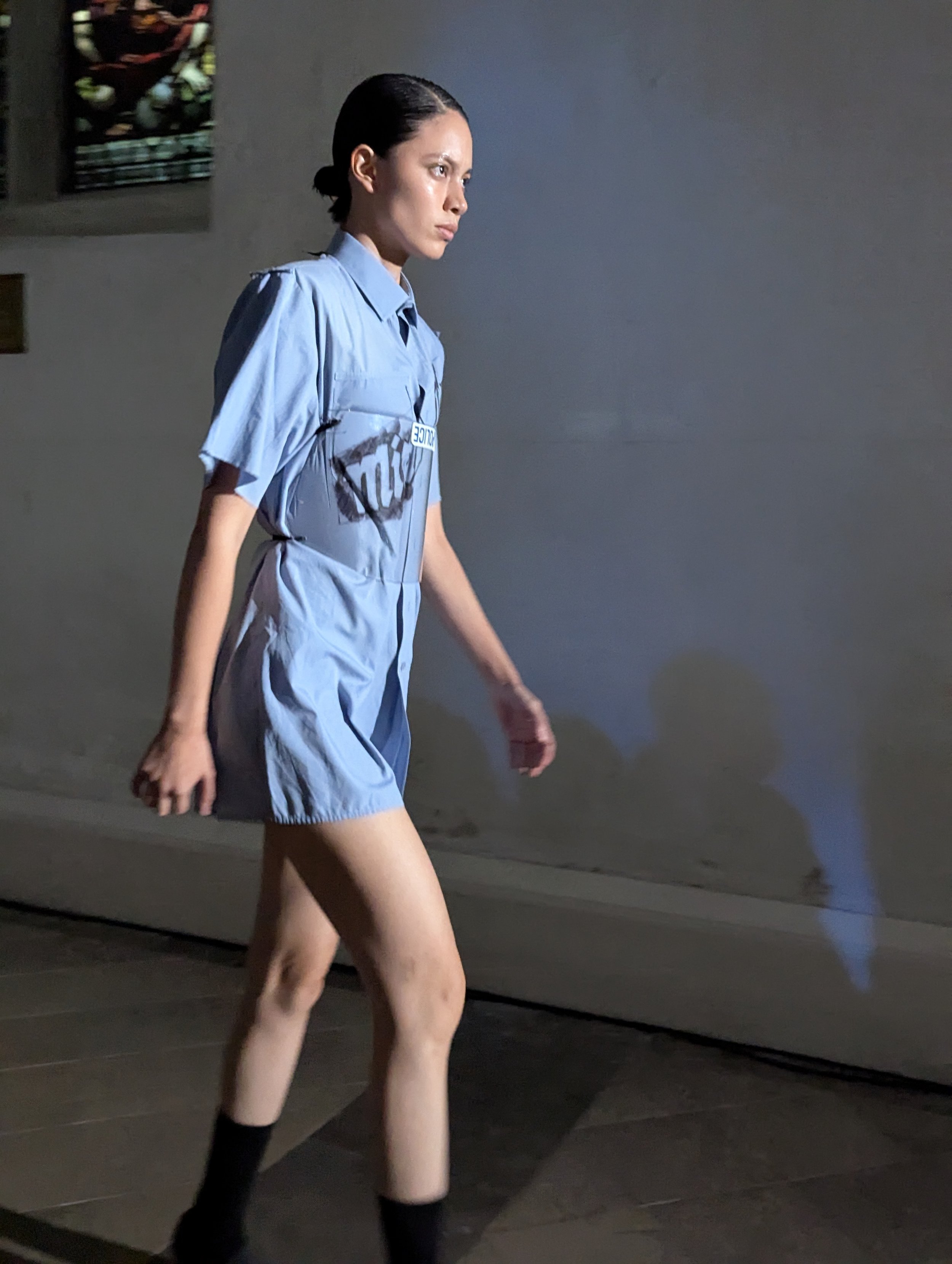
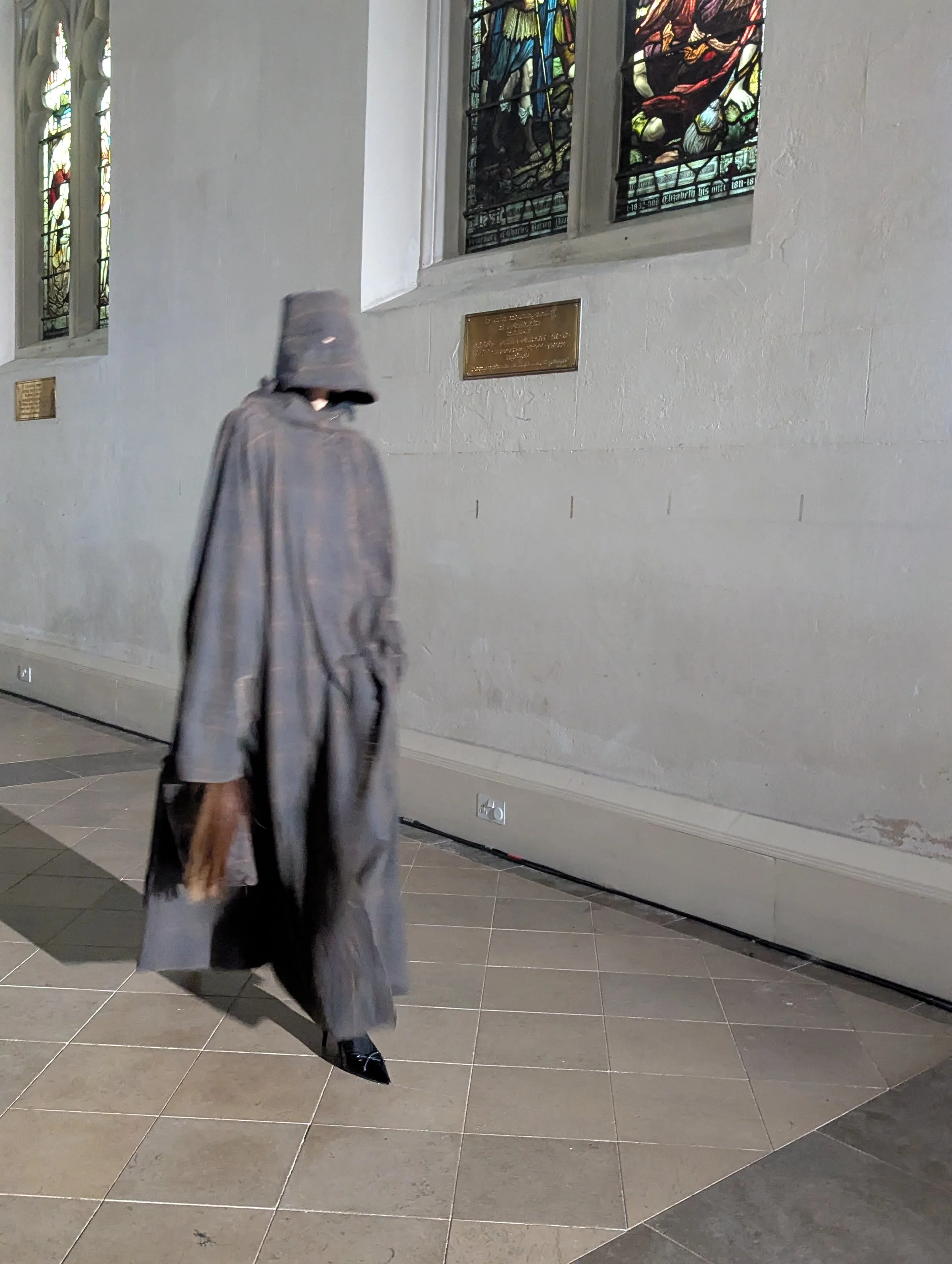
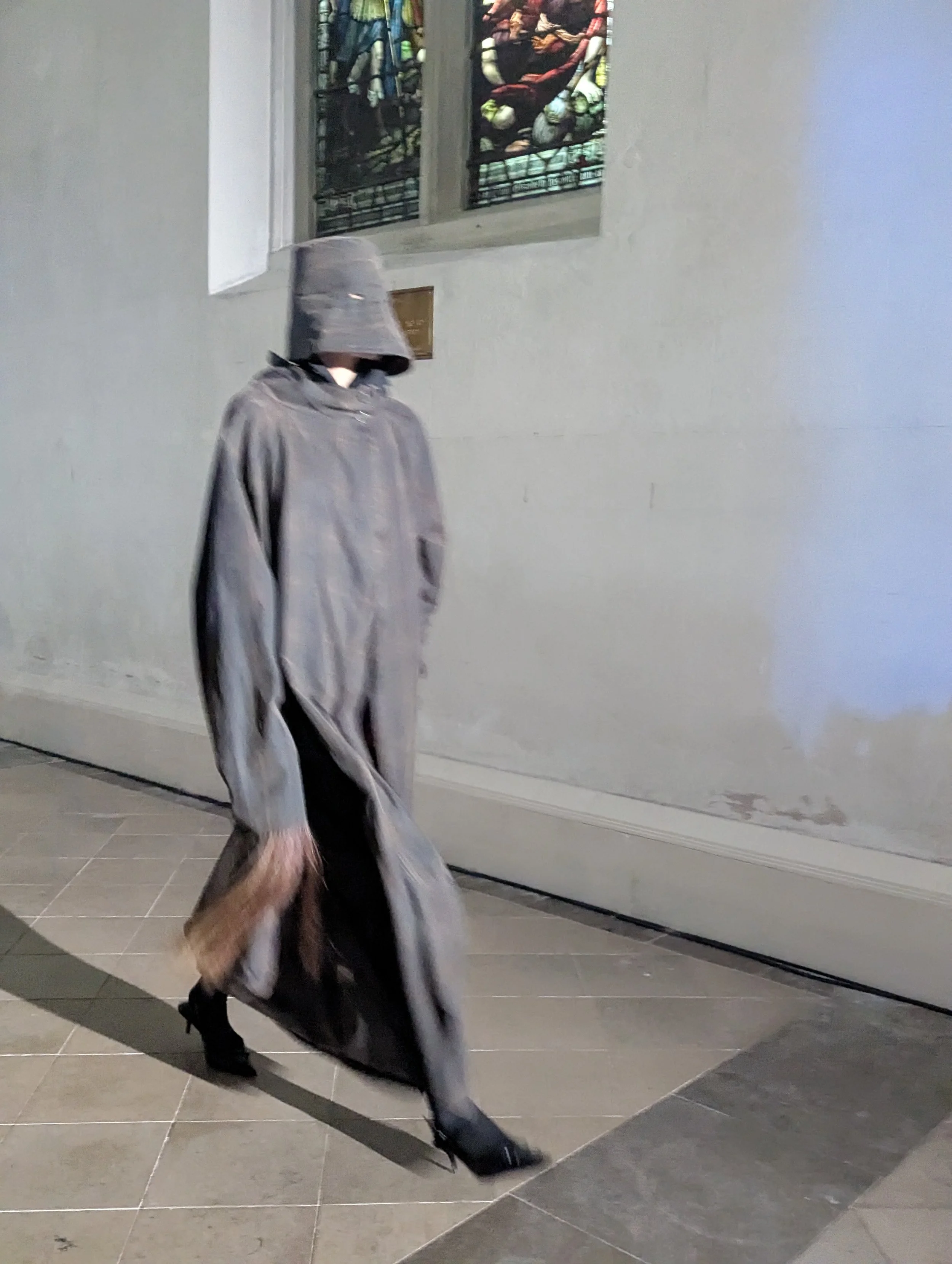
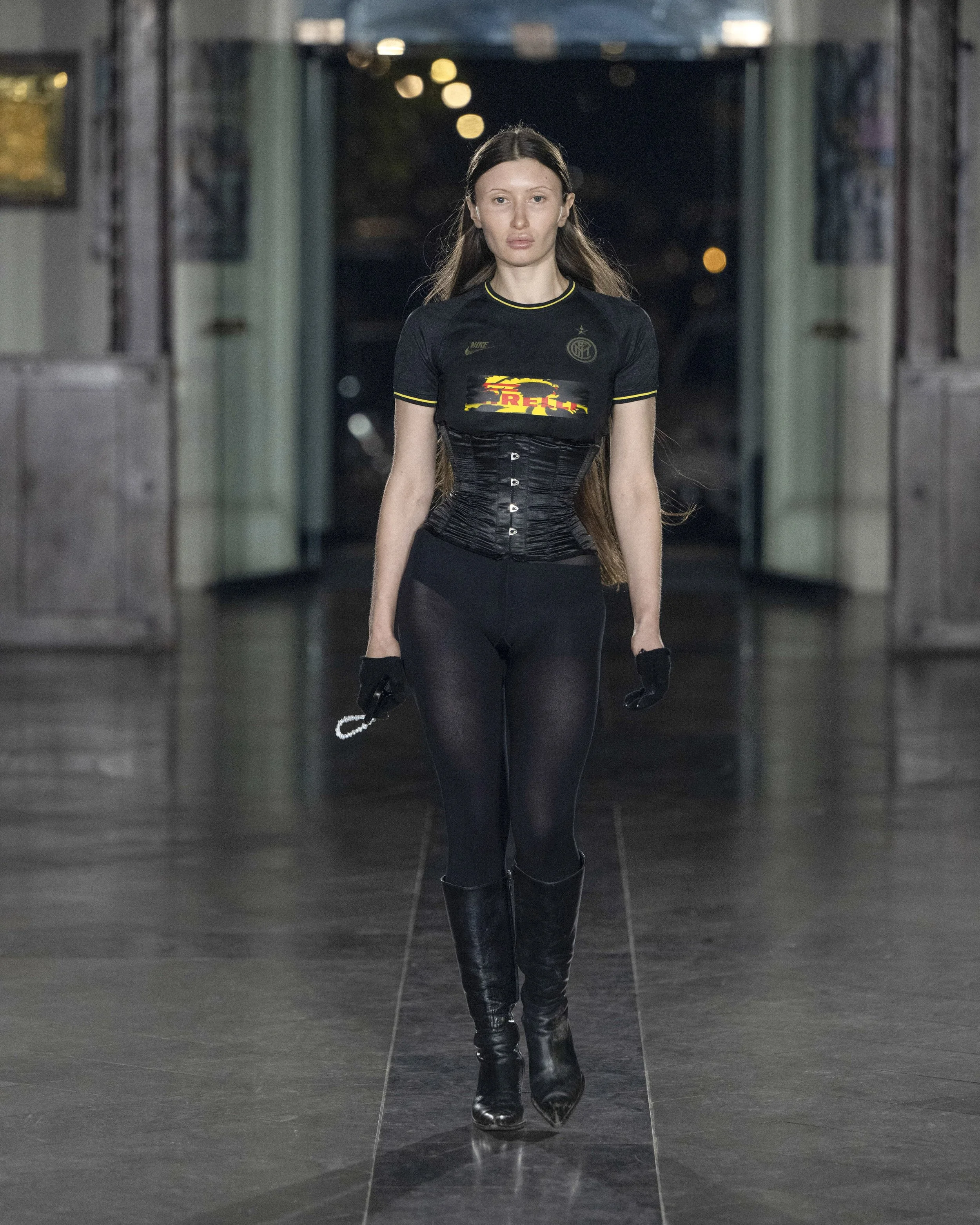
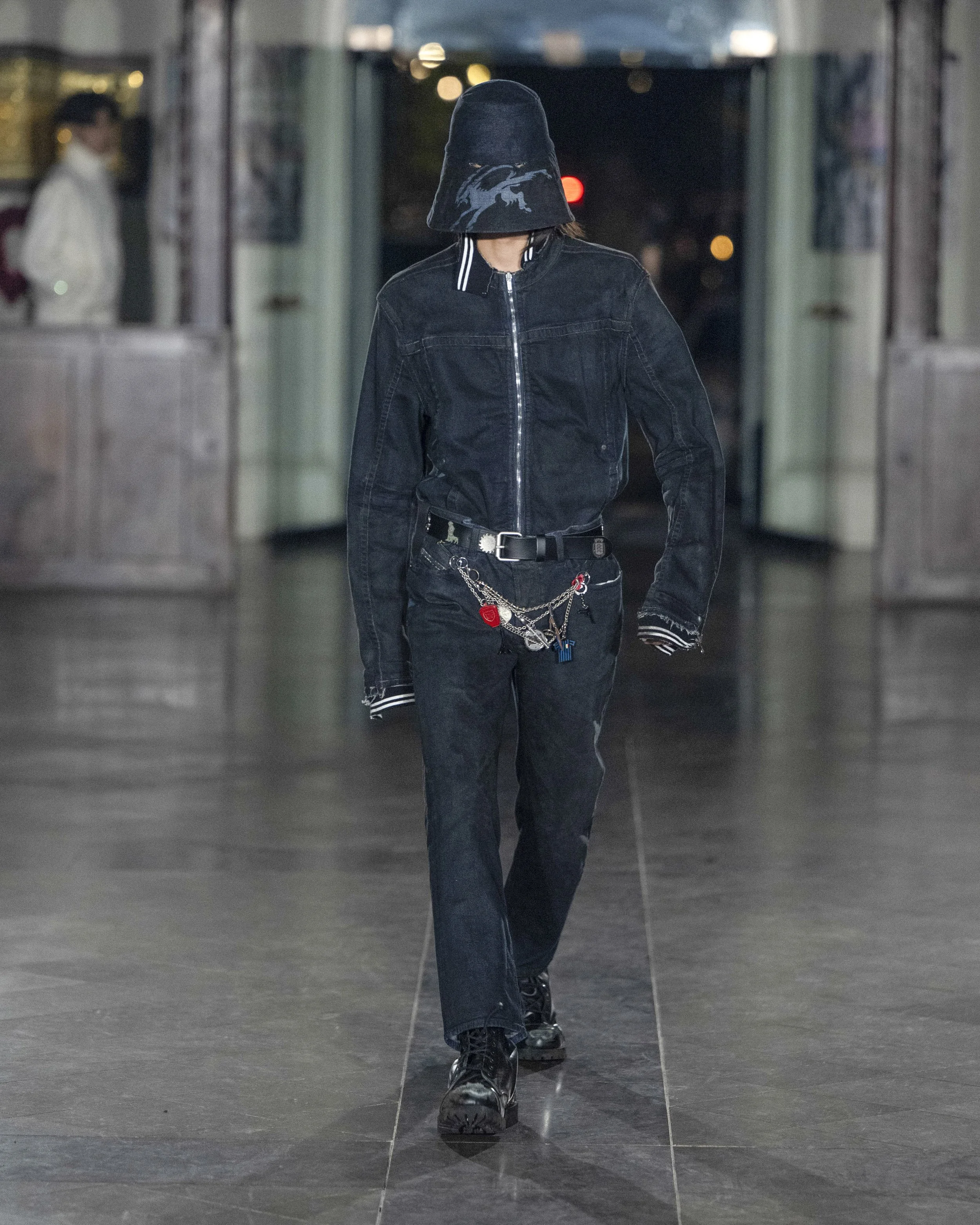
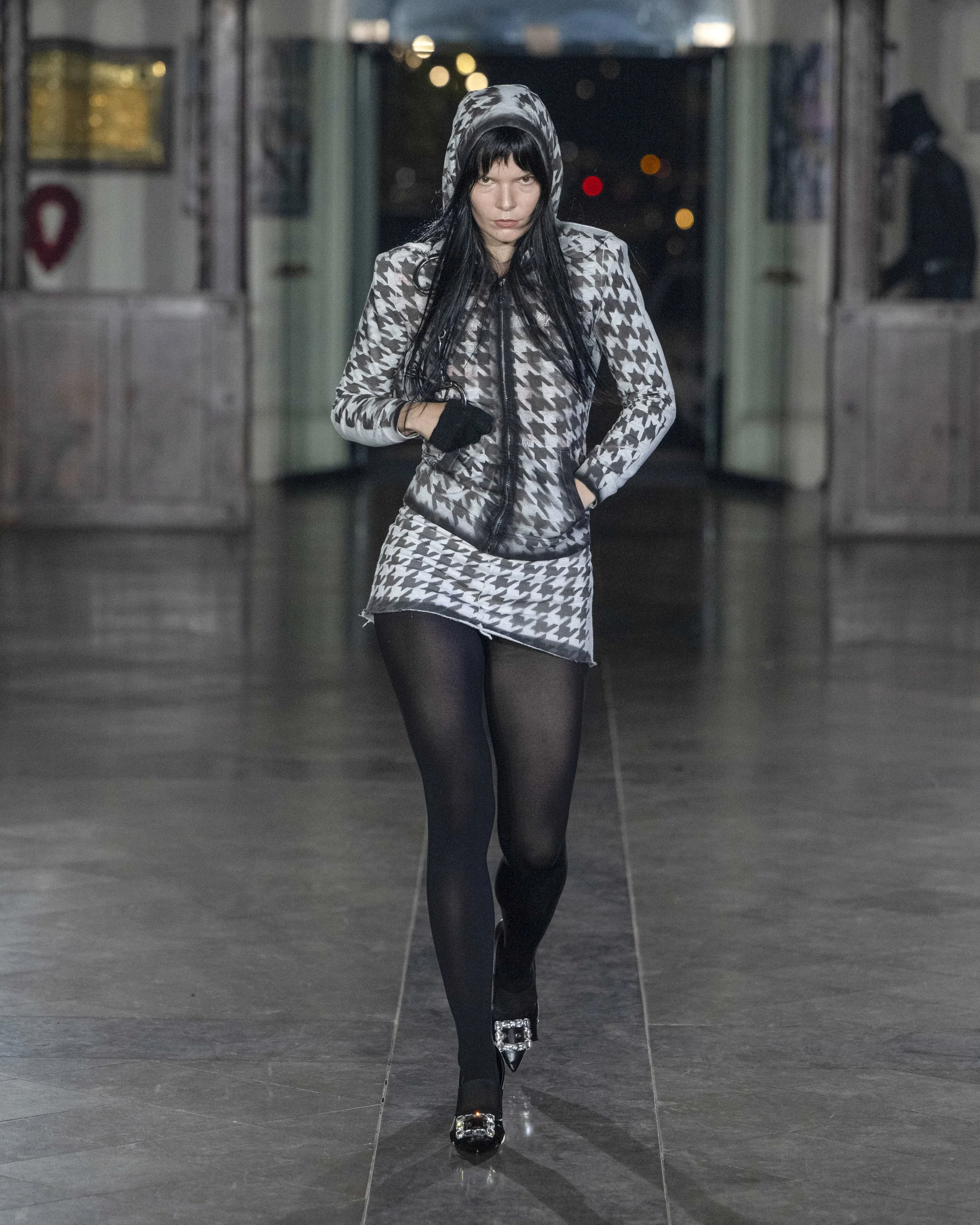
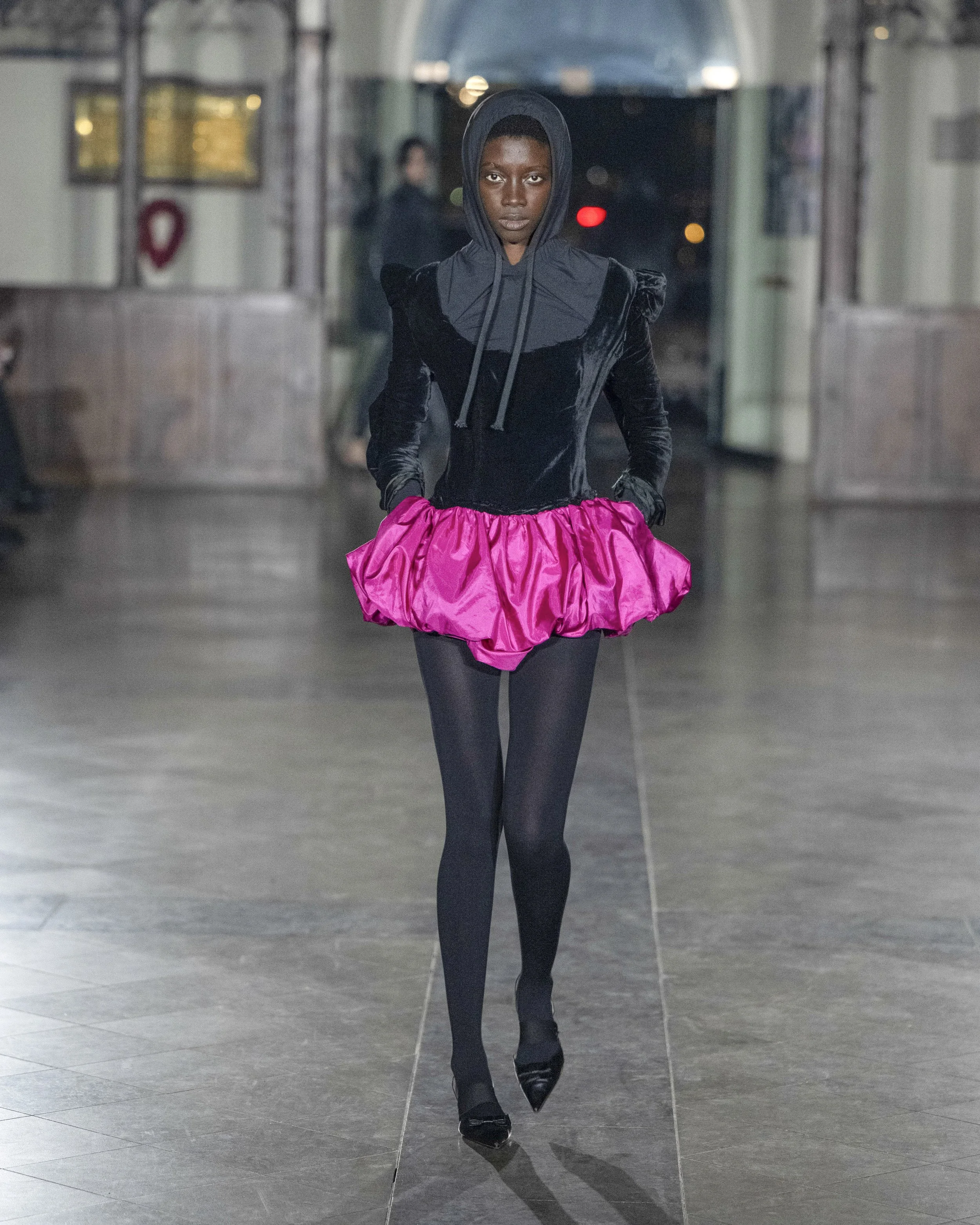
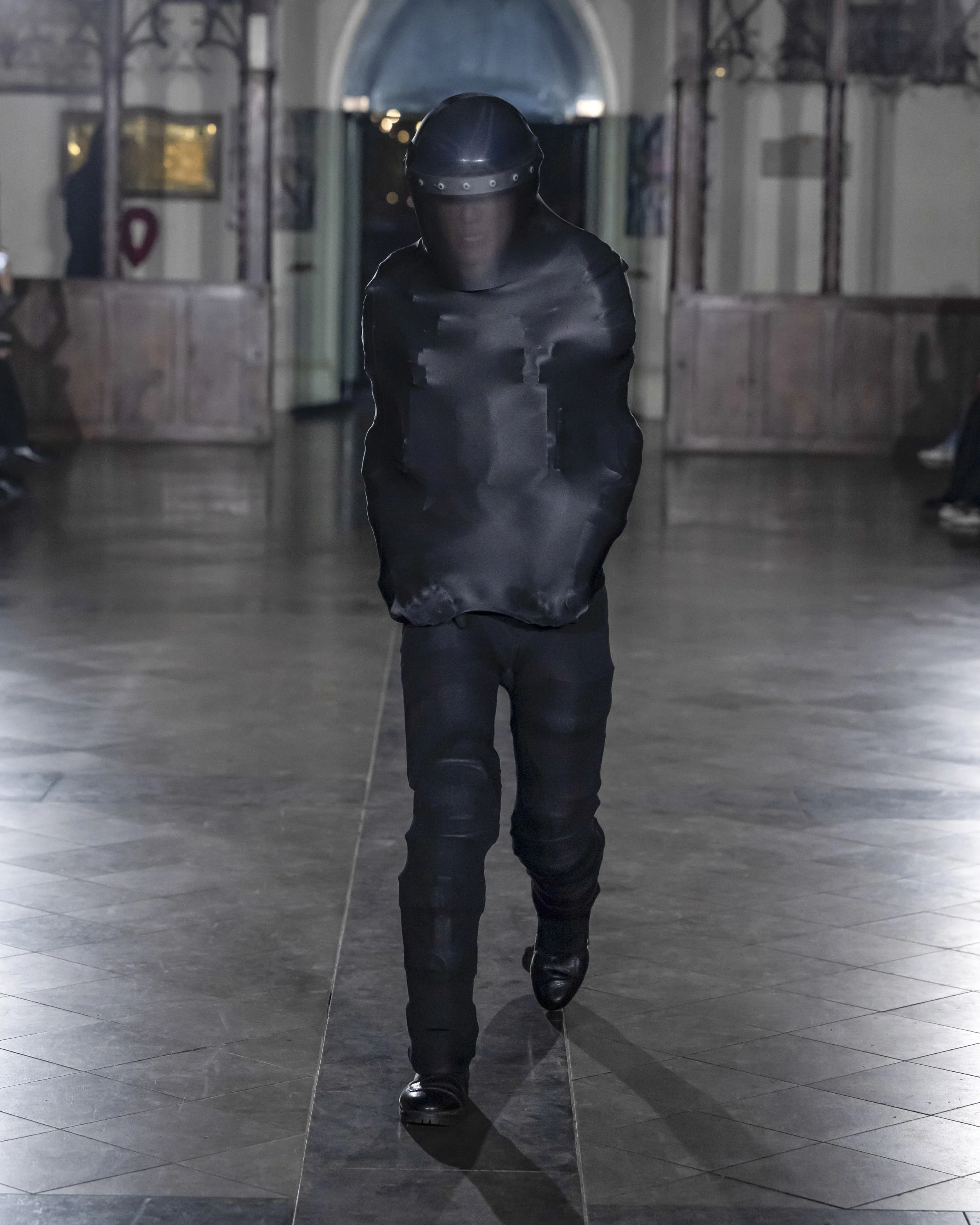
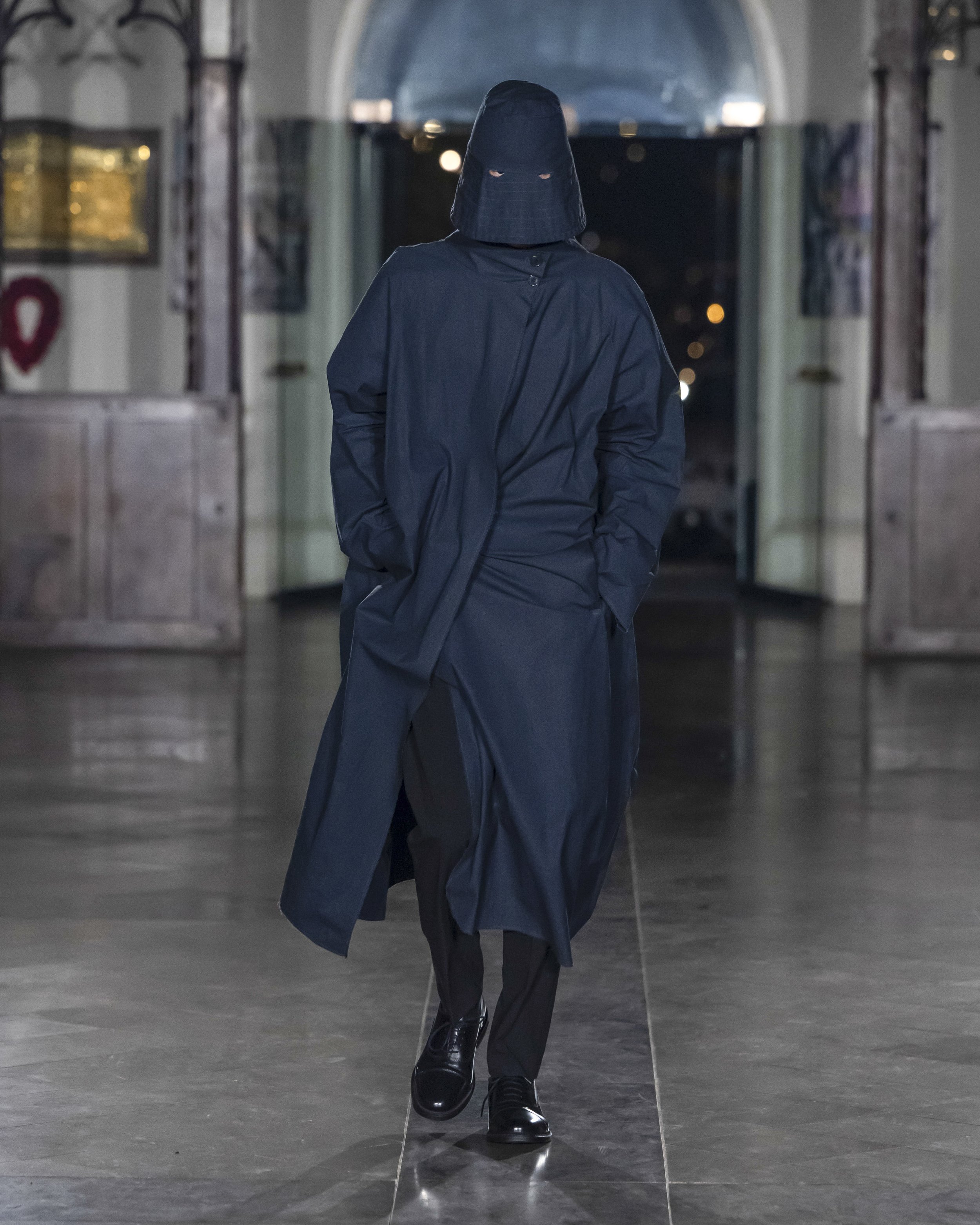
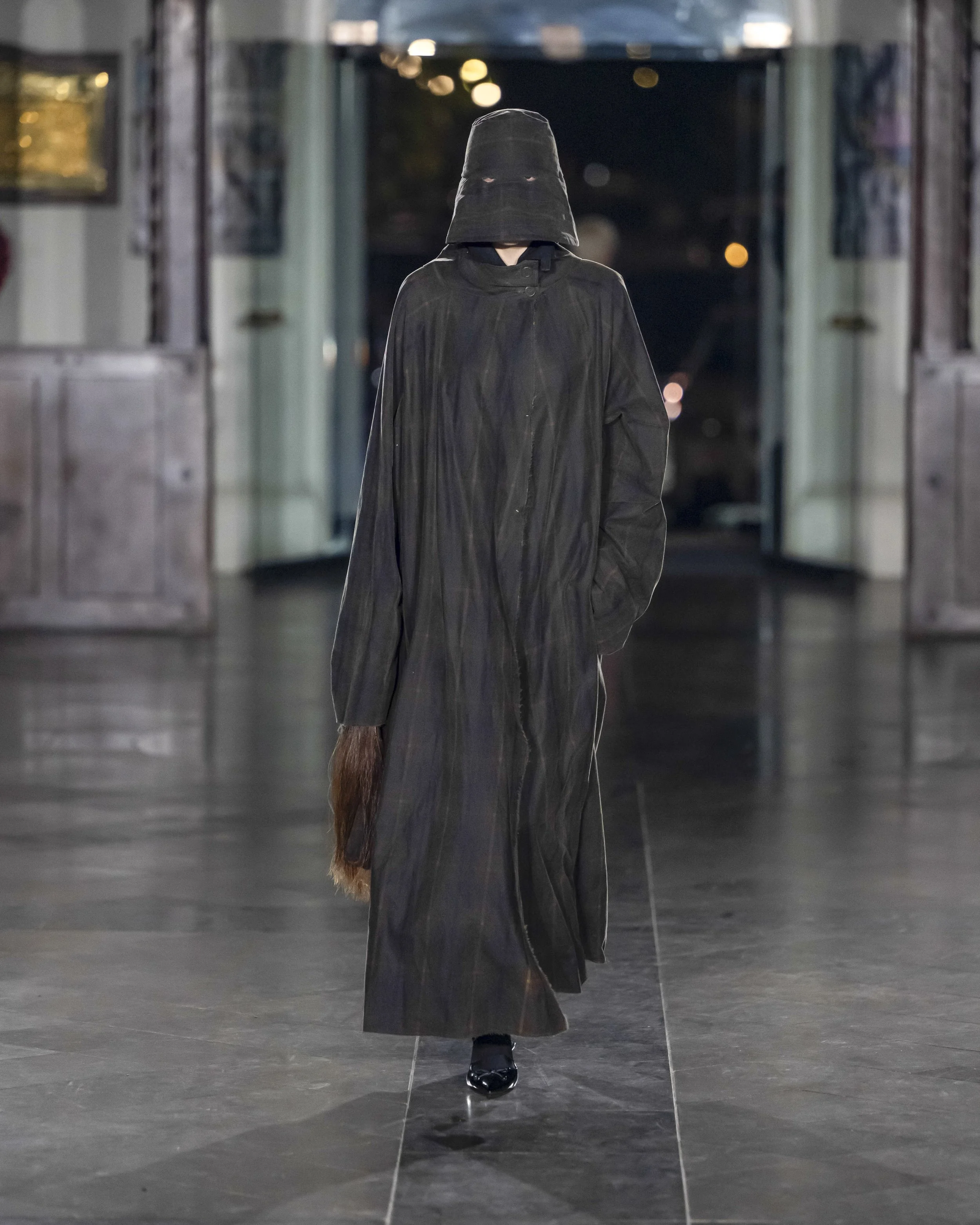
Across Series09, garments manifest this tension between sacred and insurgent in sharply memorable ways. Hosiery is stretched into something like riot gear, evoking both police protection and protester improvisation, while medieval silhouettes are reinterpreted in dirndl shapes and helmet like bucket hats that read as both playful and ominous. A printed flag dress, emblazoned with an “everyone’s welcome” message, moves like a banner of cultural unity carried down the church nave, transforming the runway into a site of both mourning and possibility.
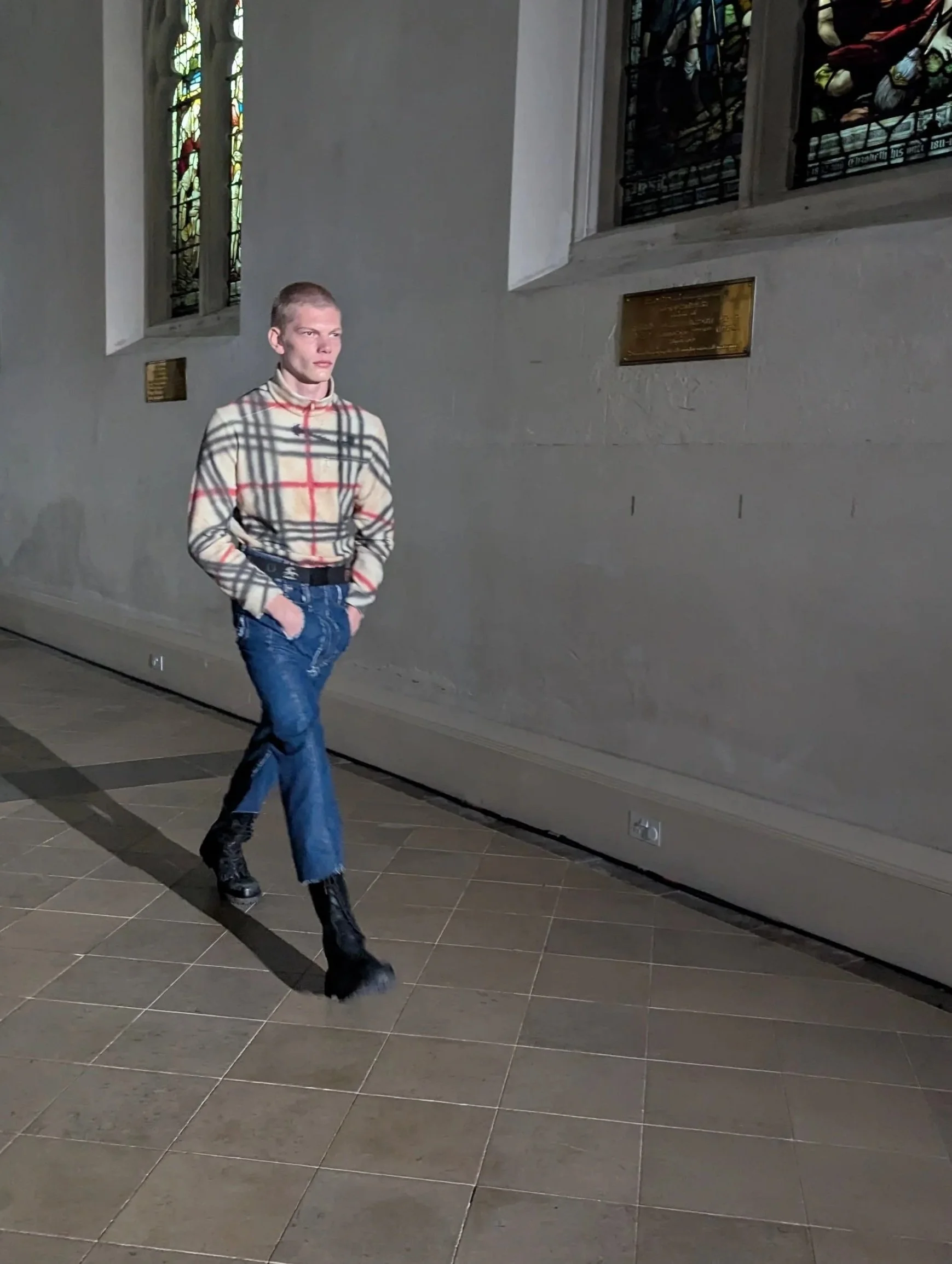
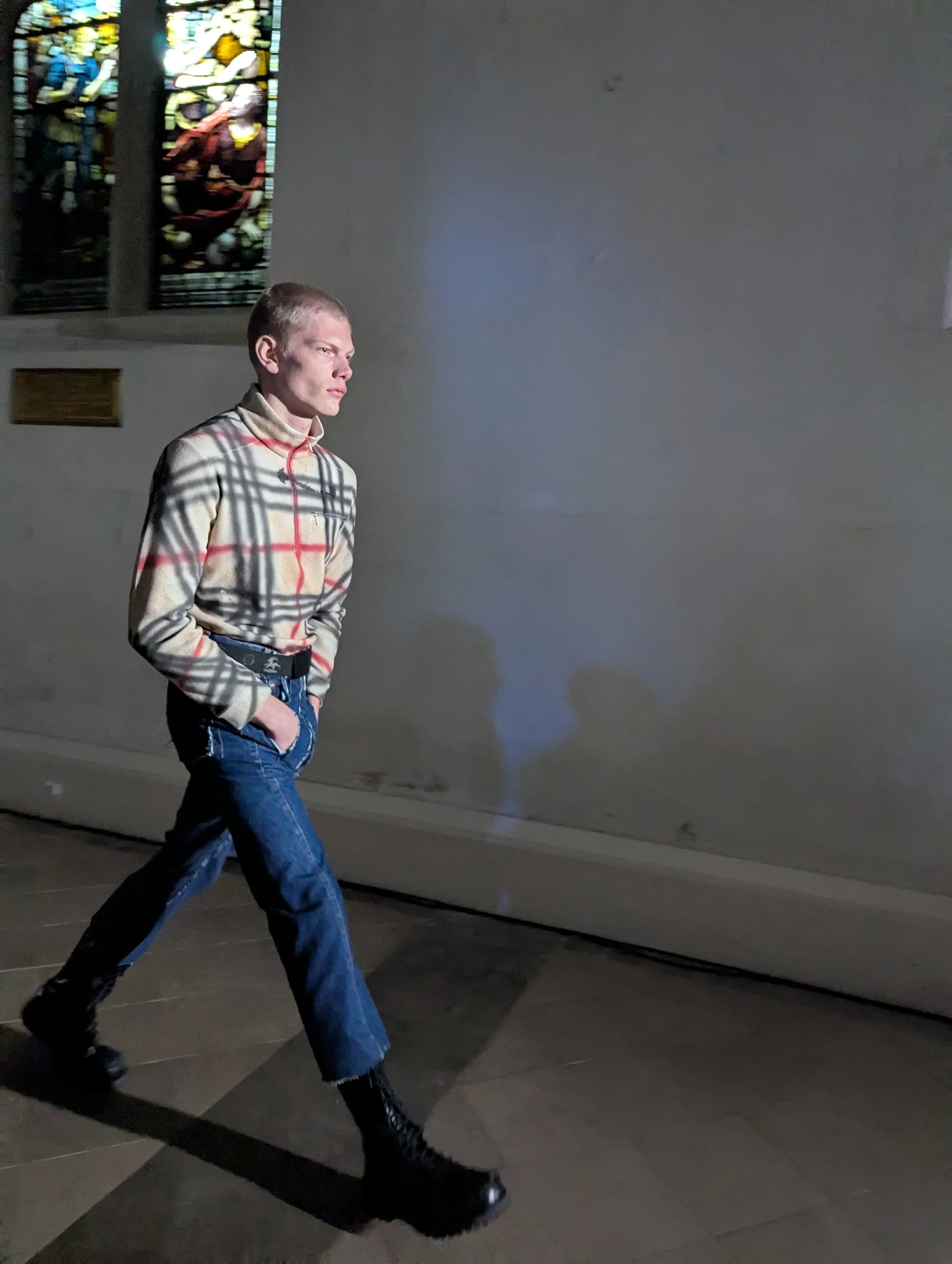
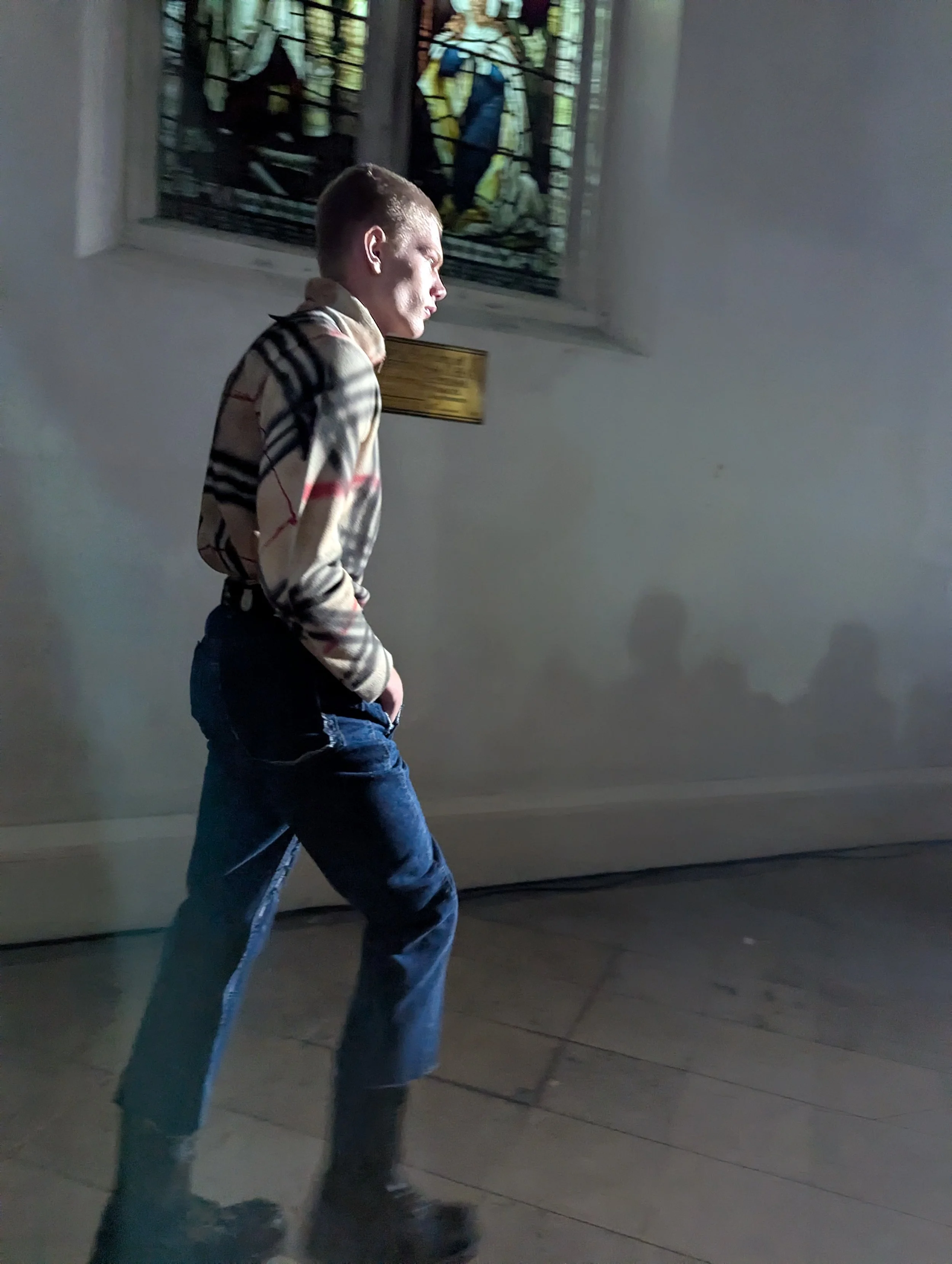
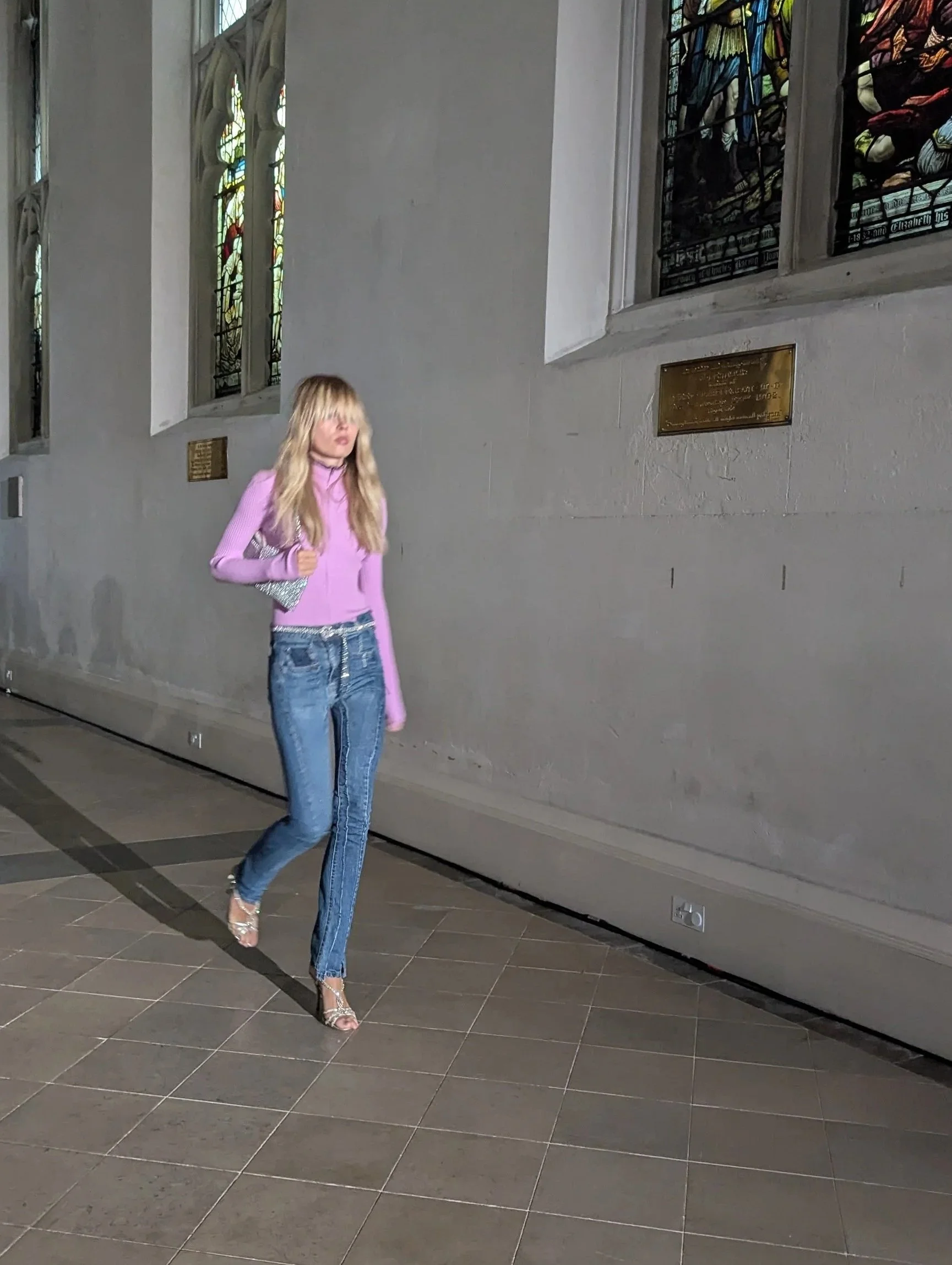
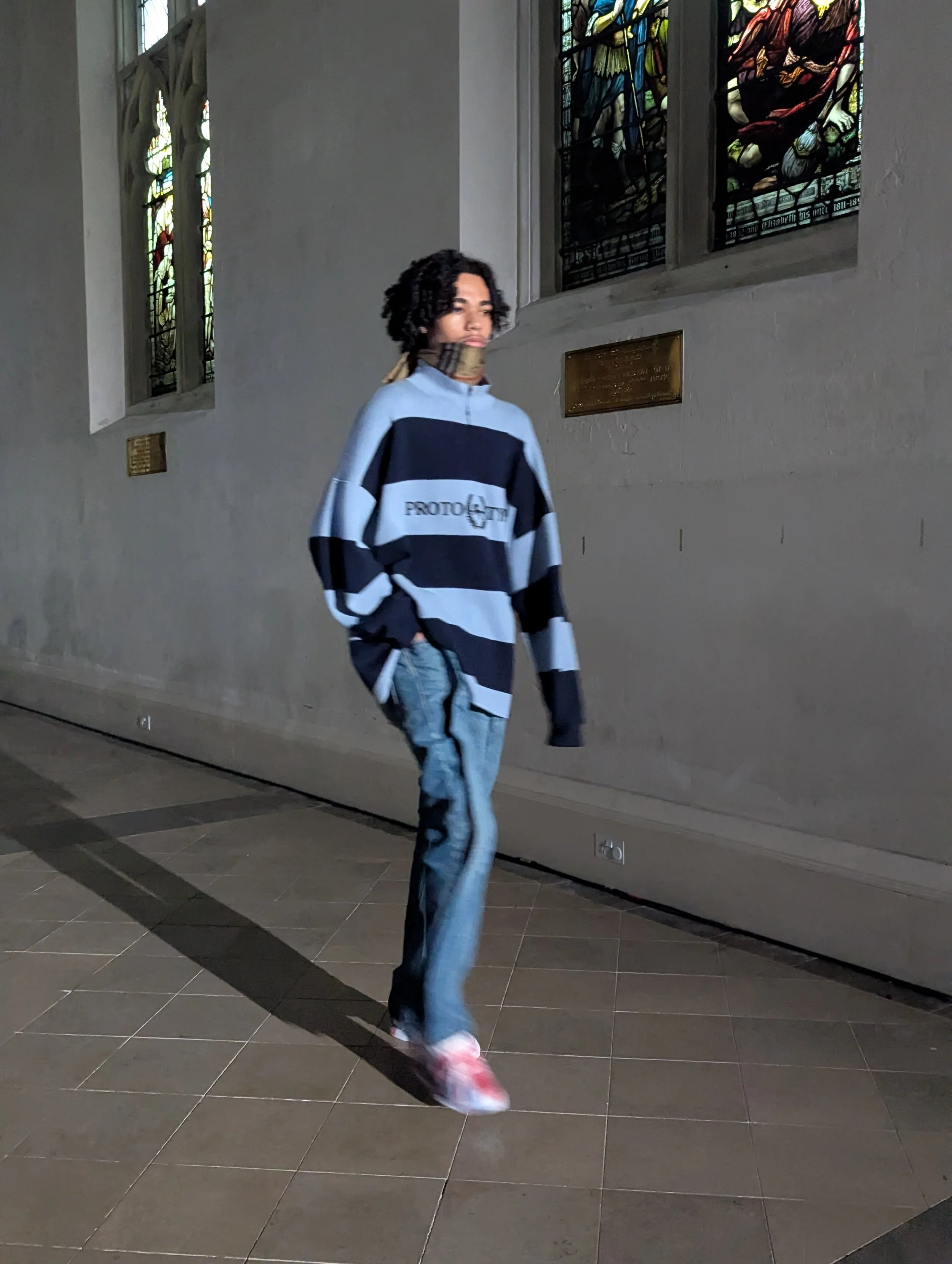
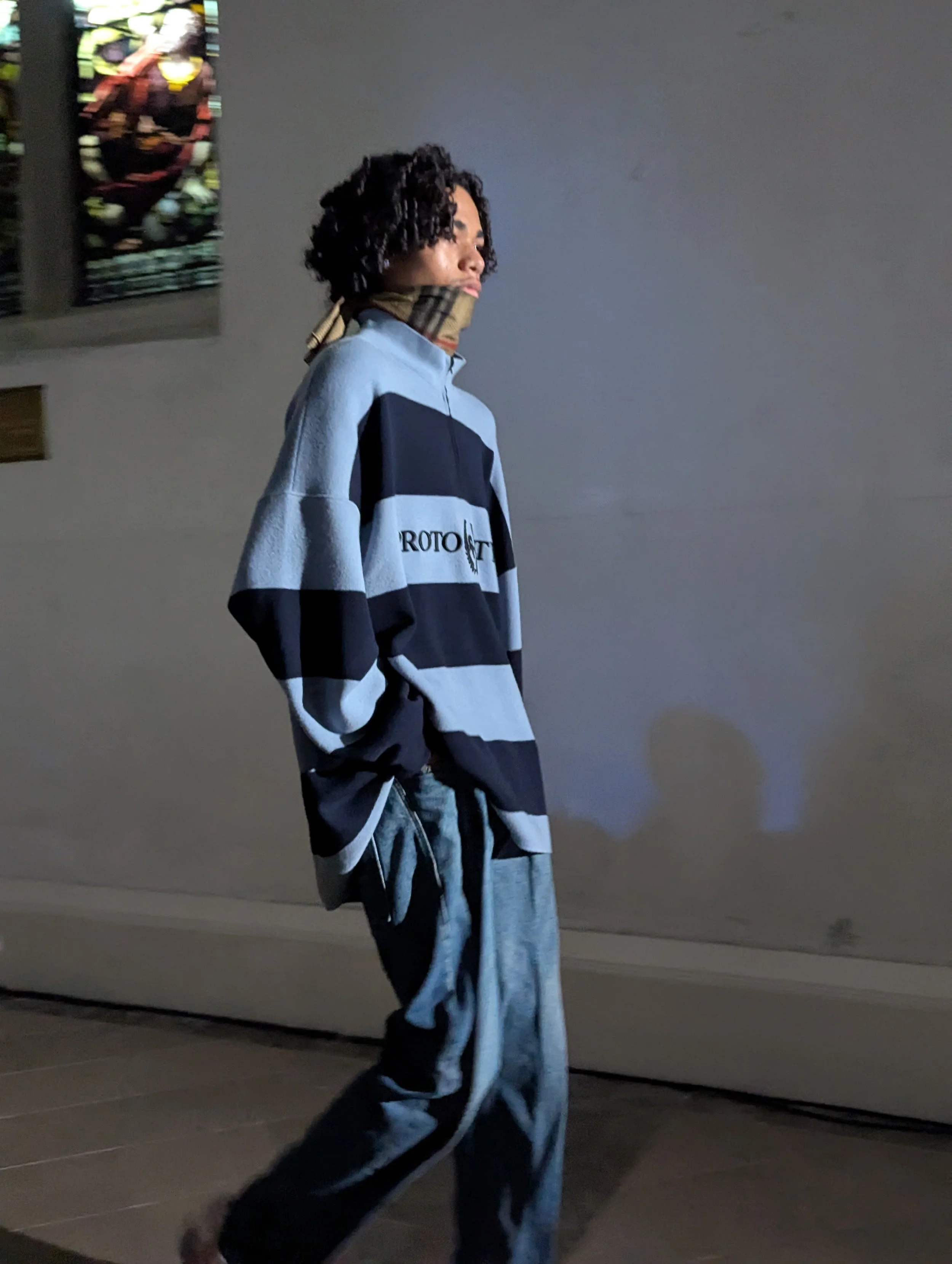
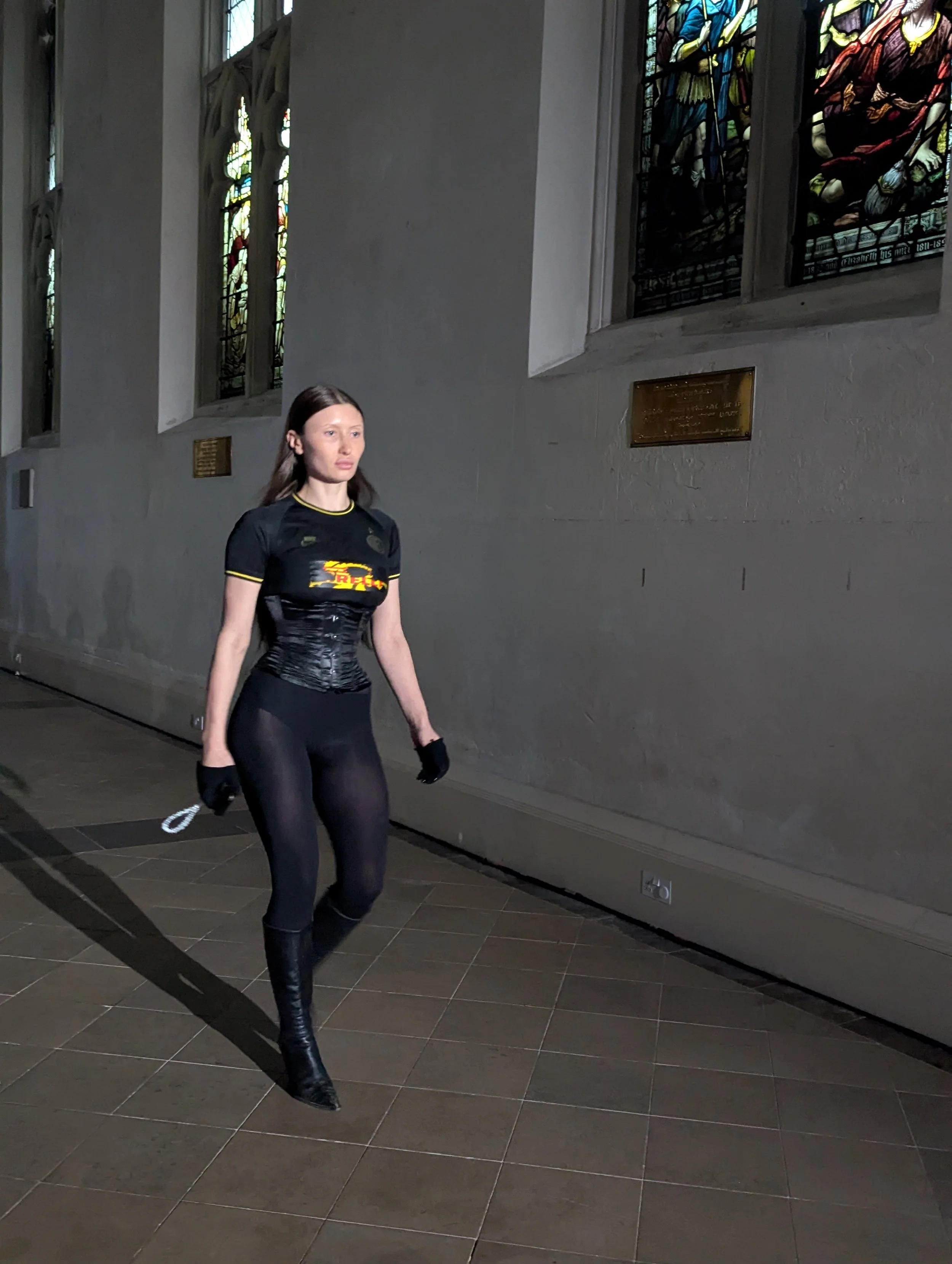
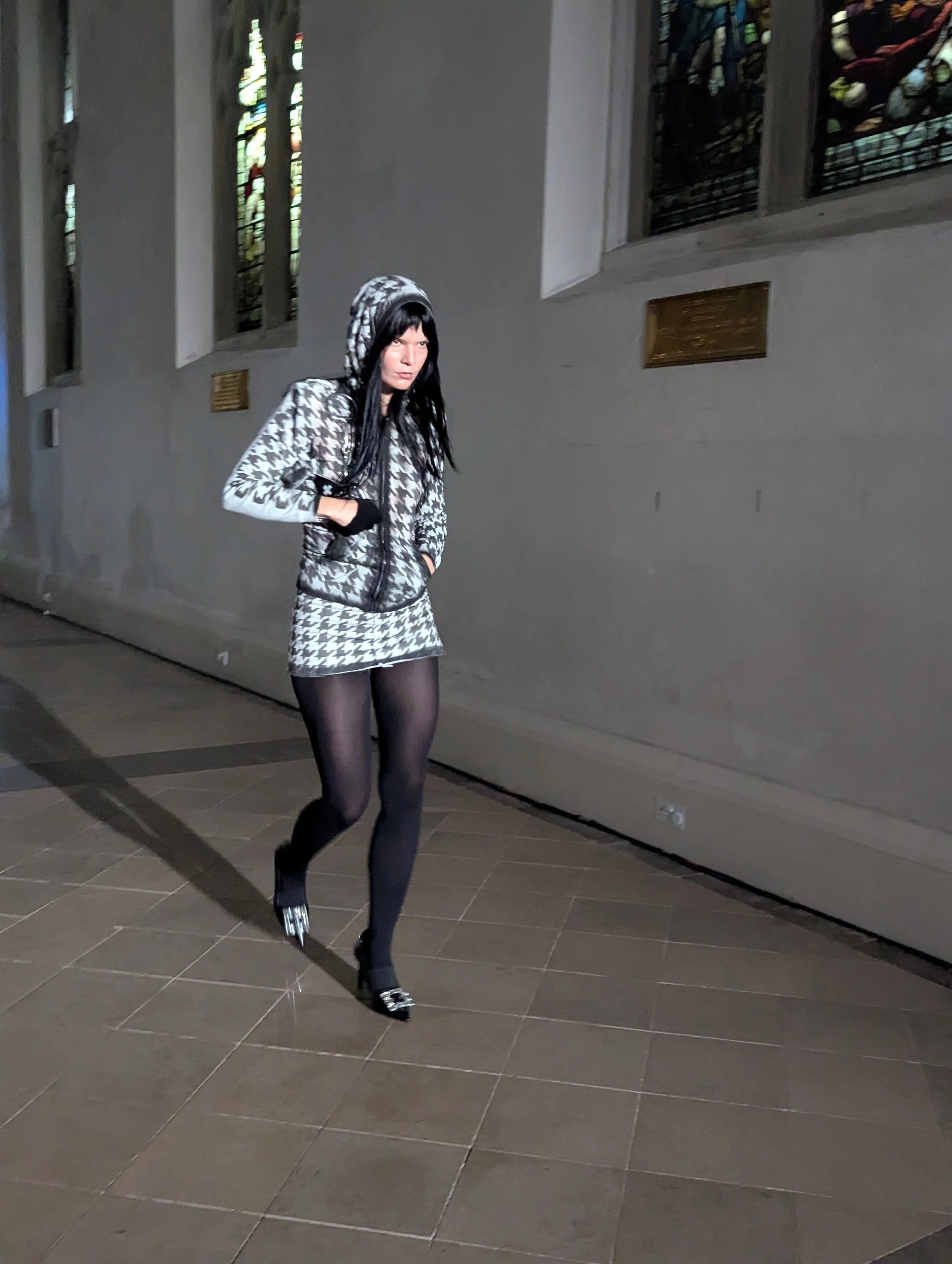
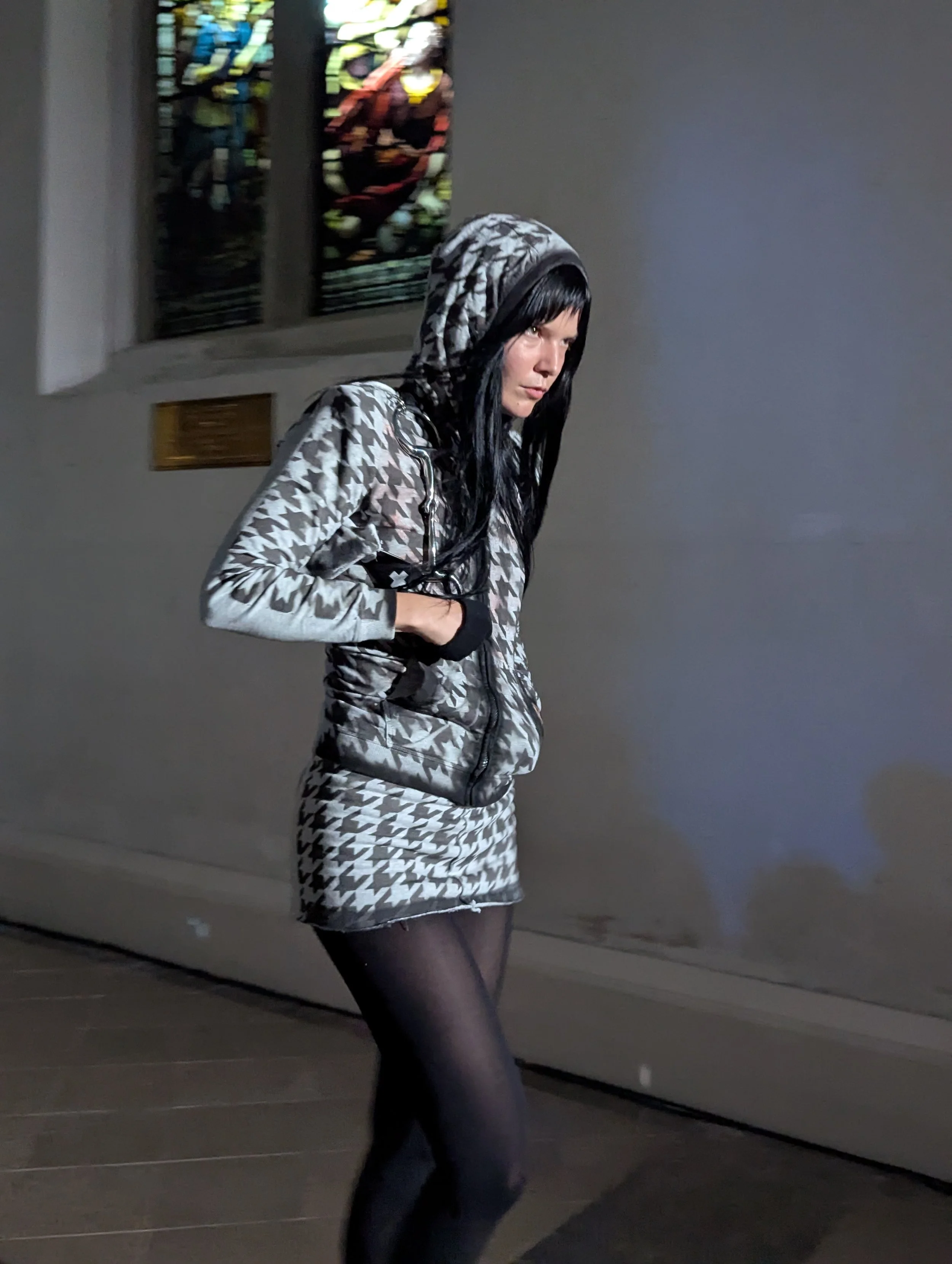
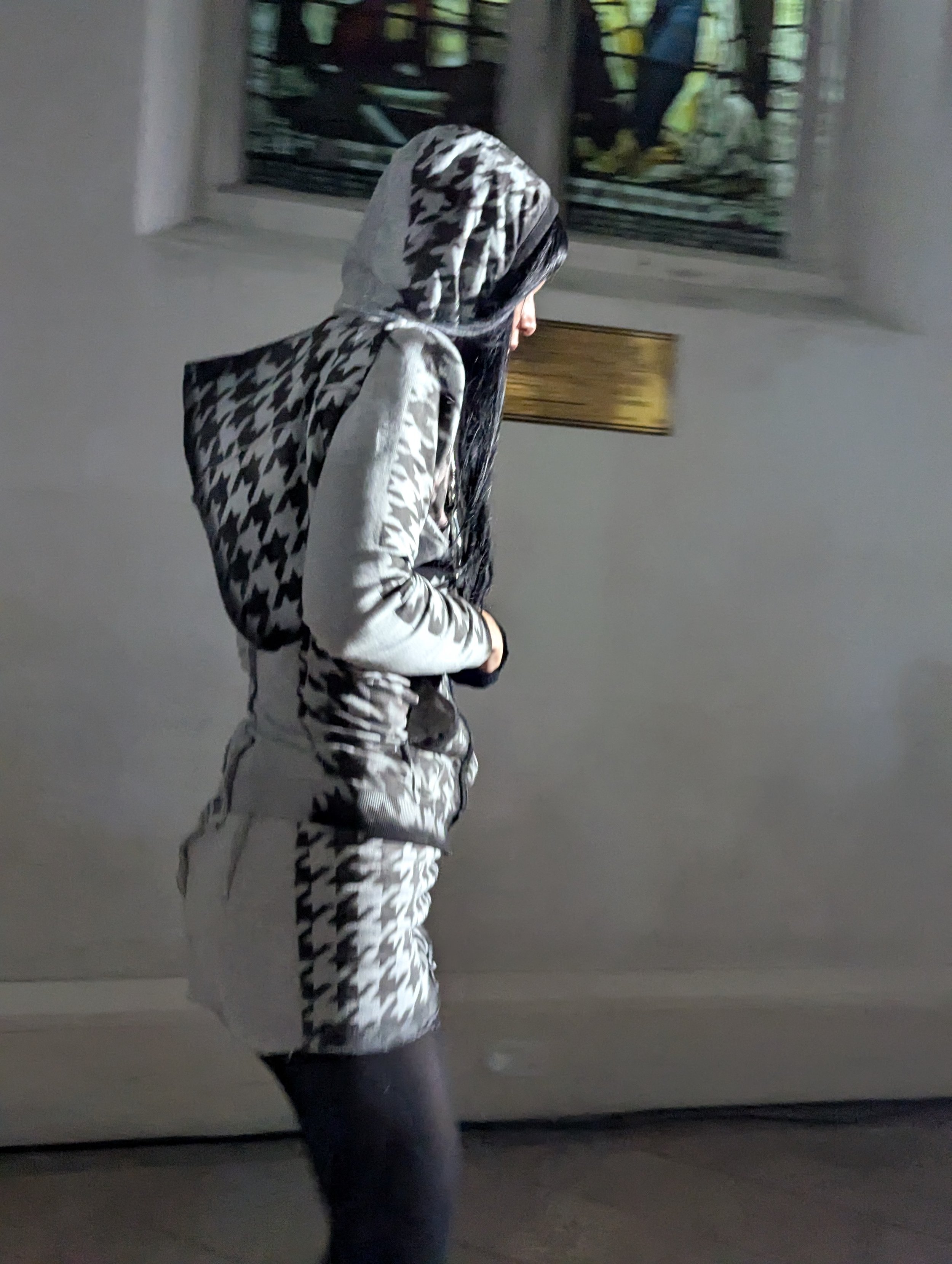
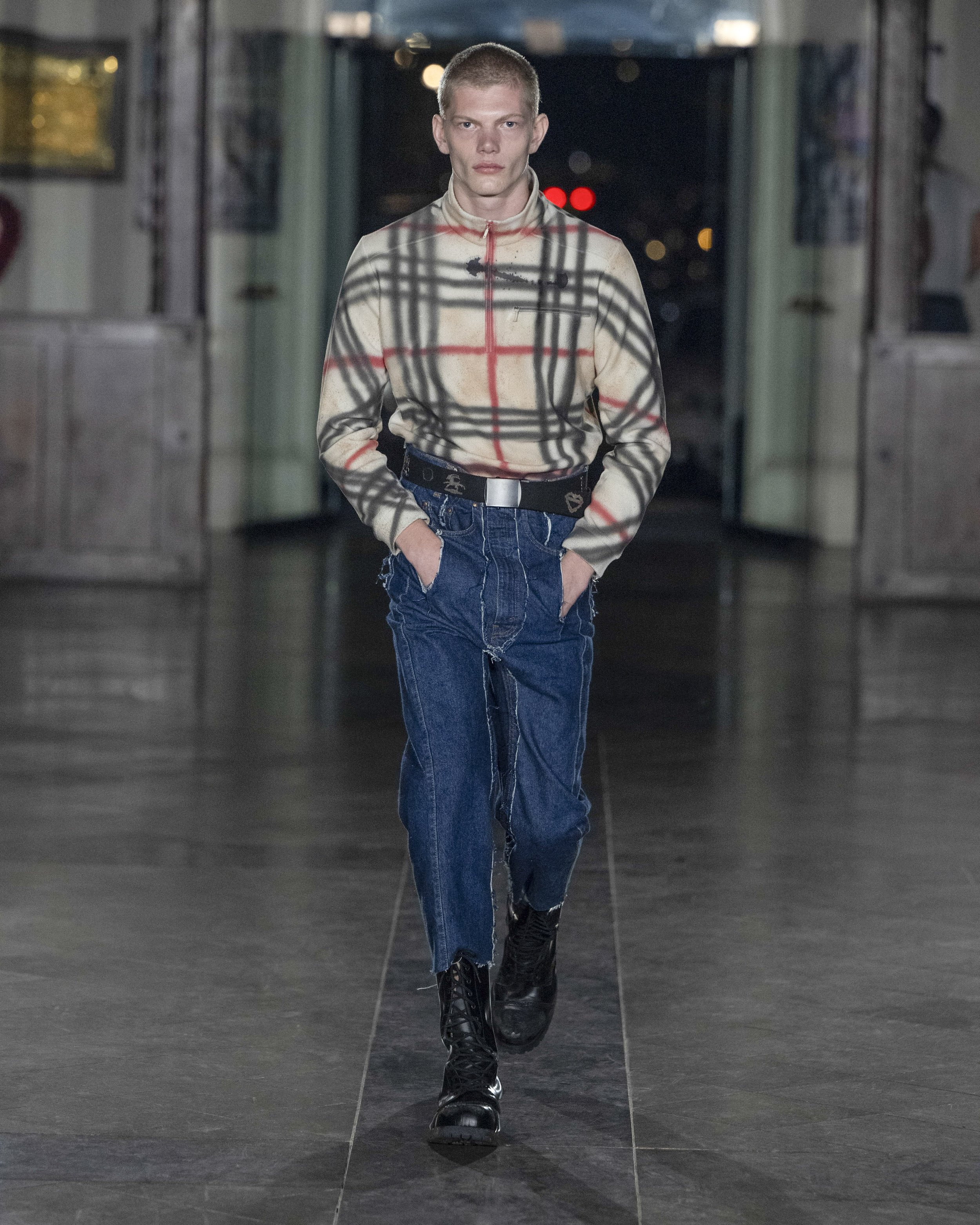
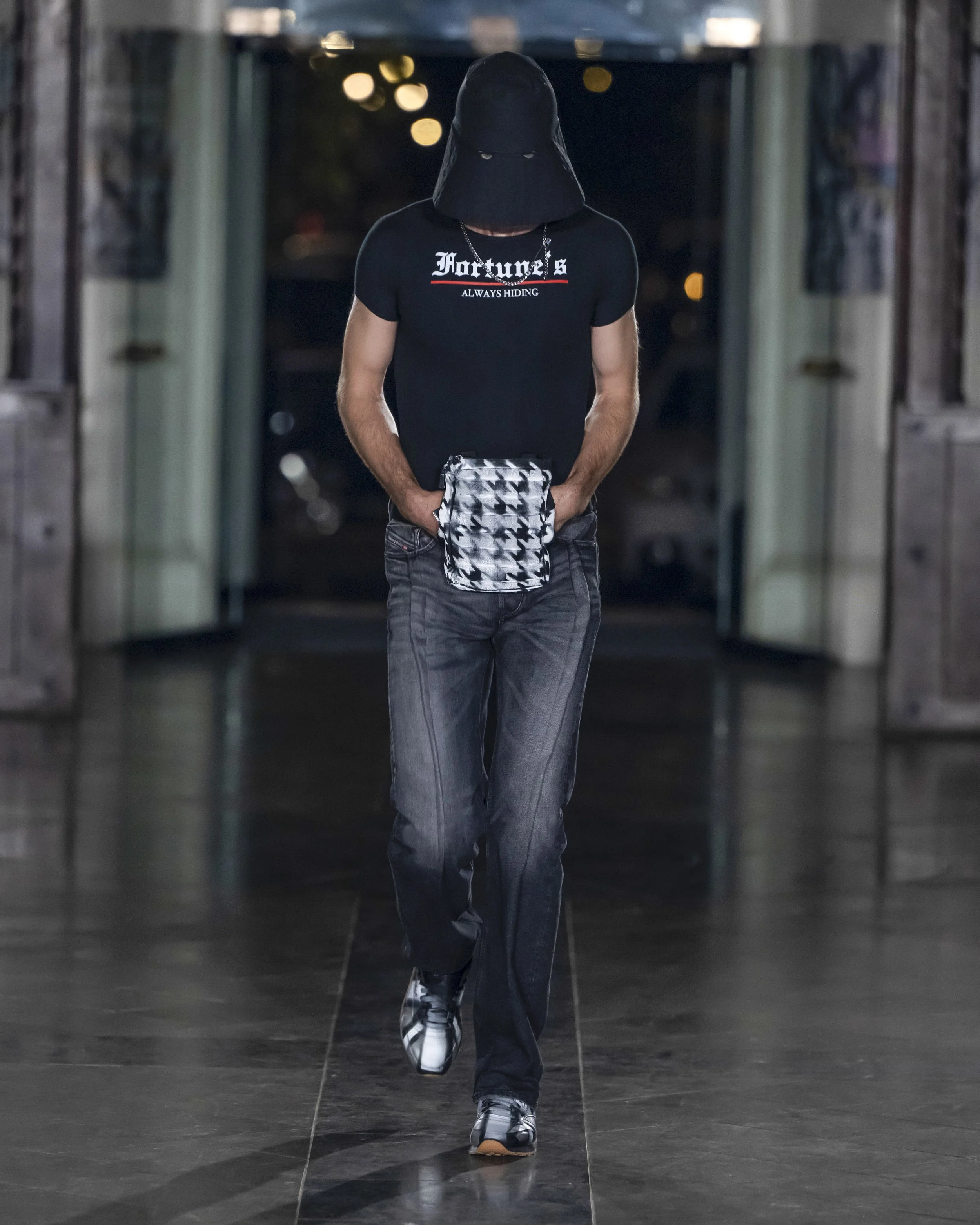
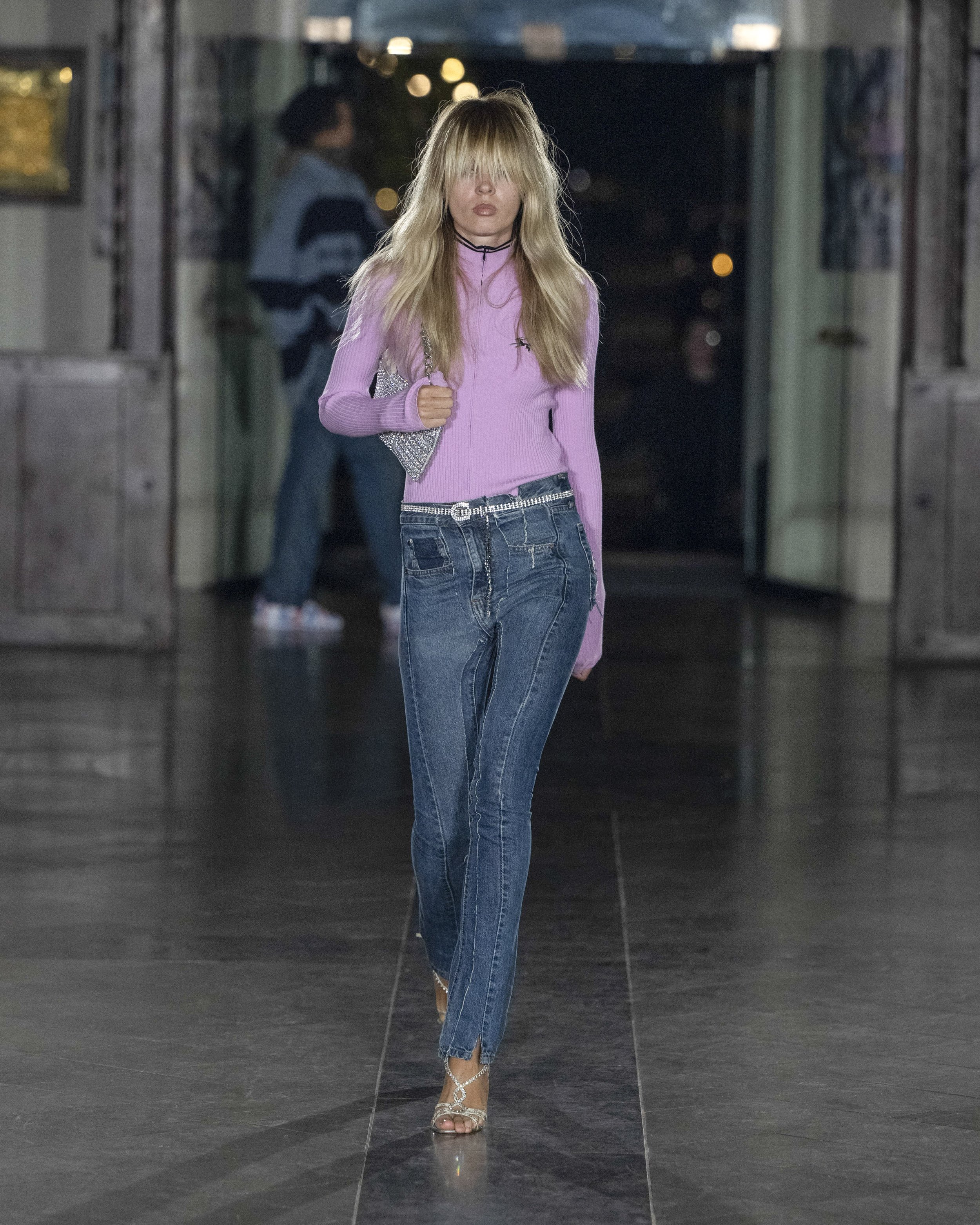
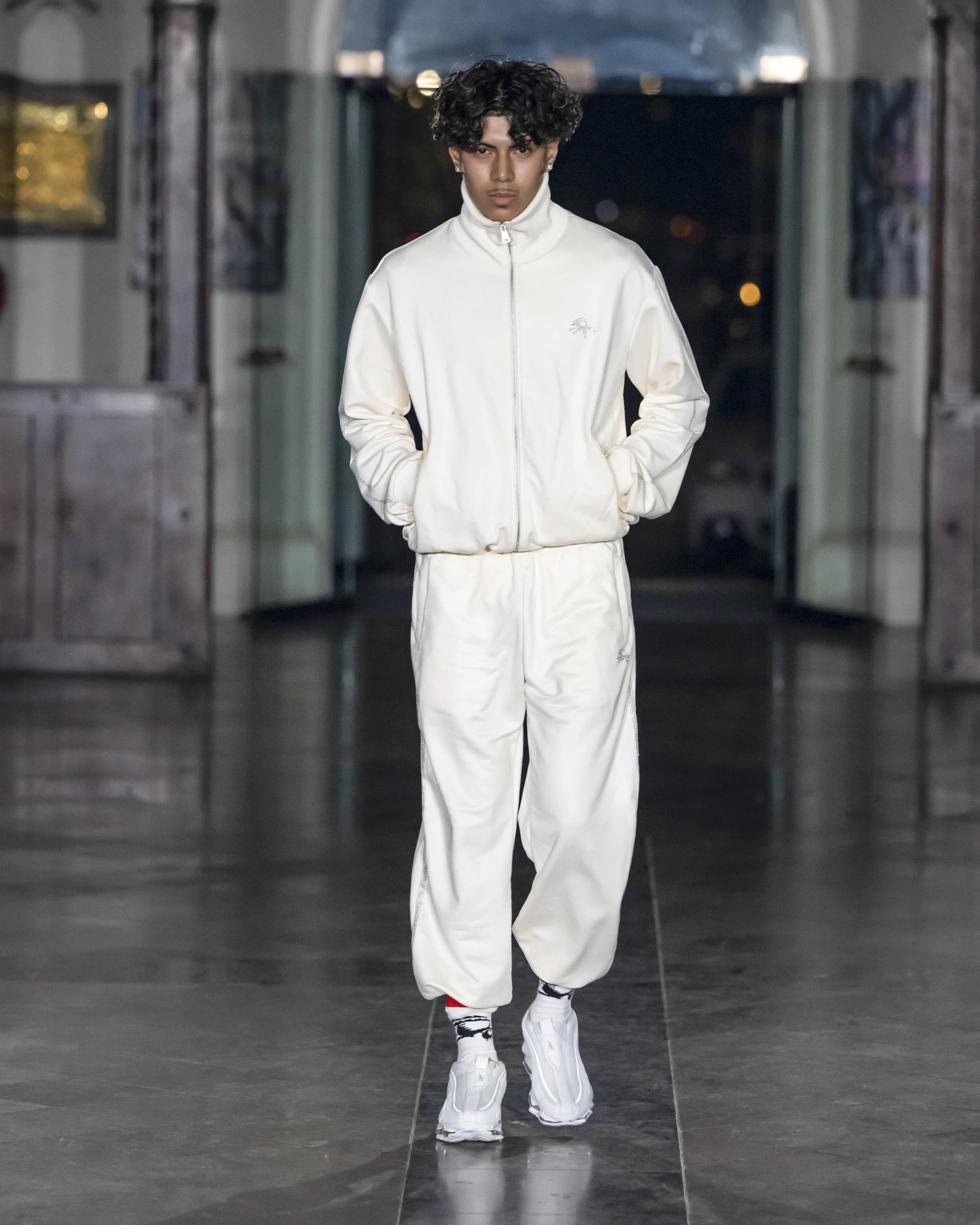
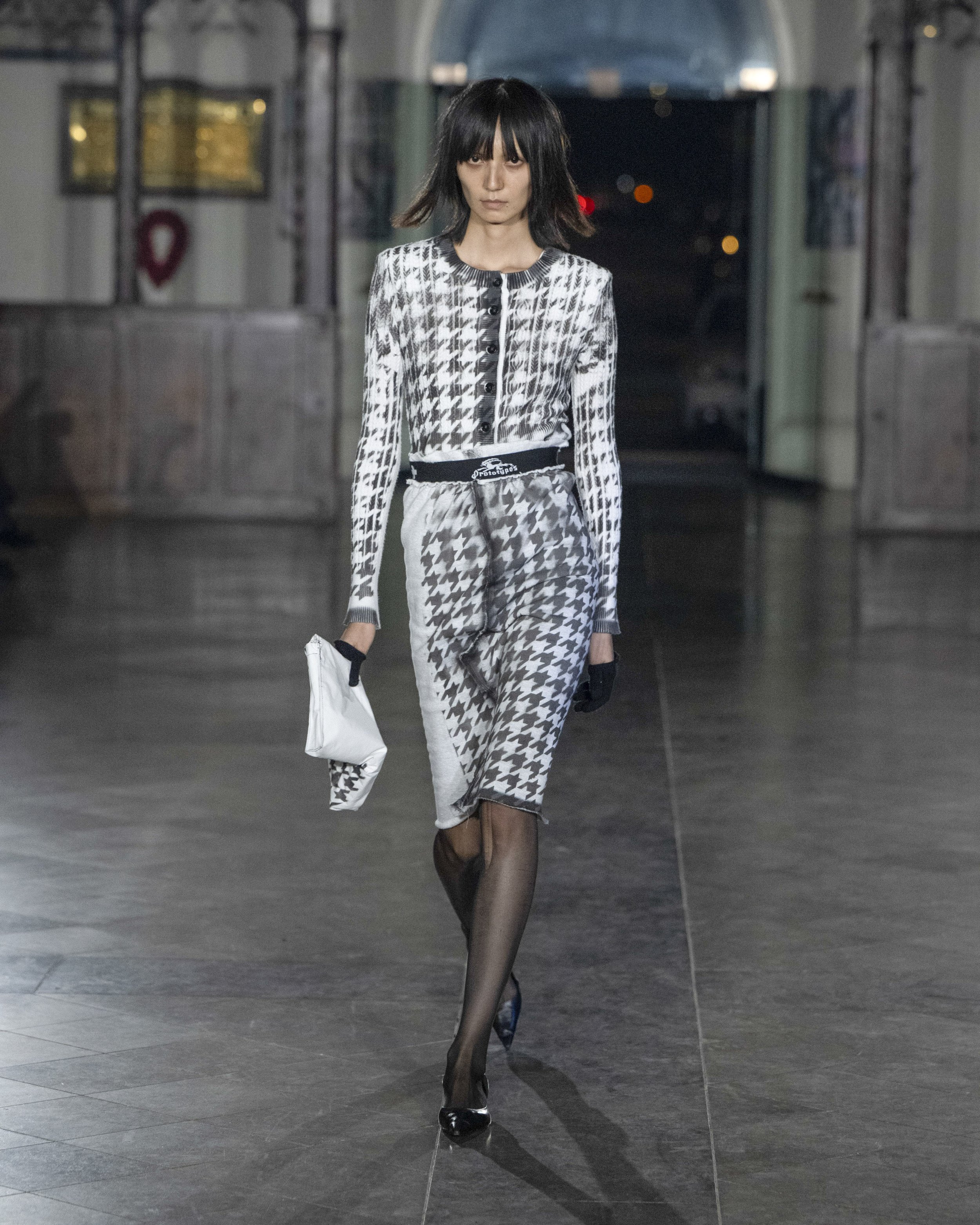
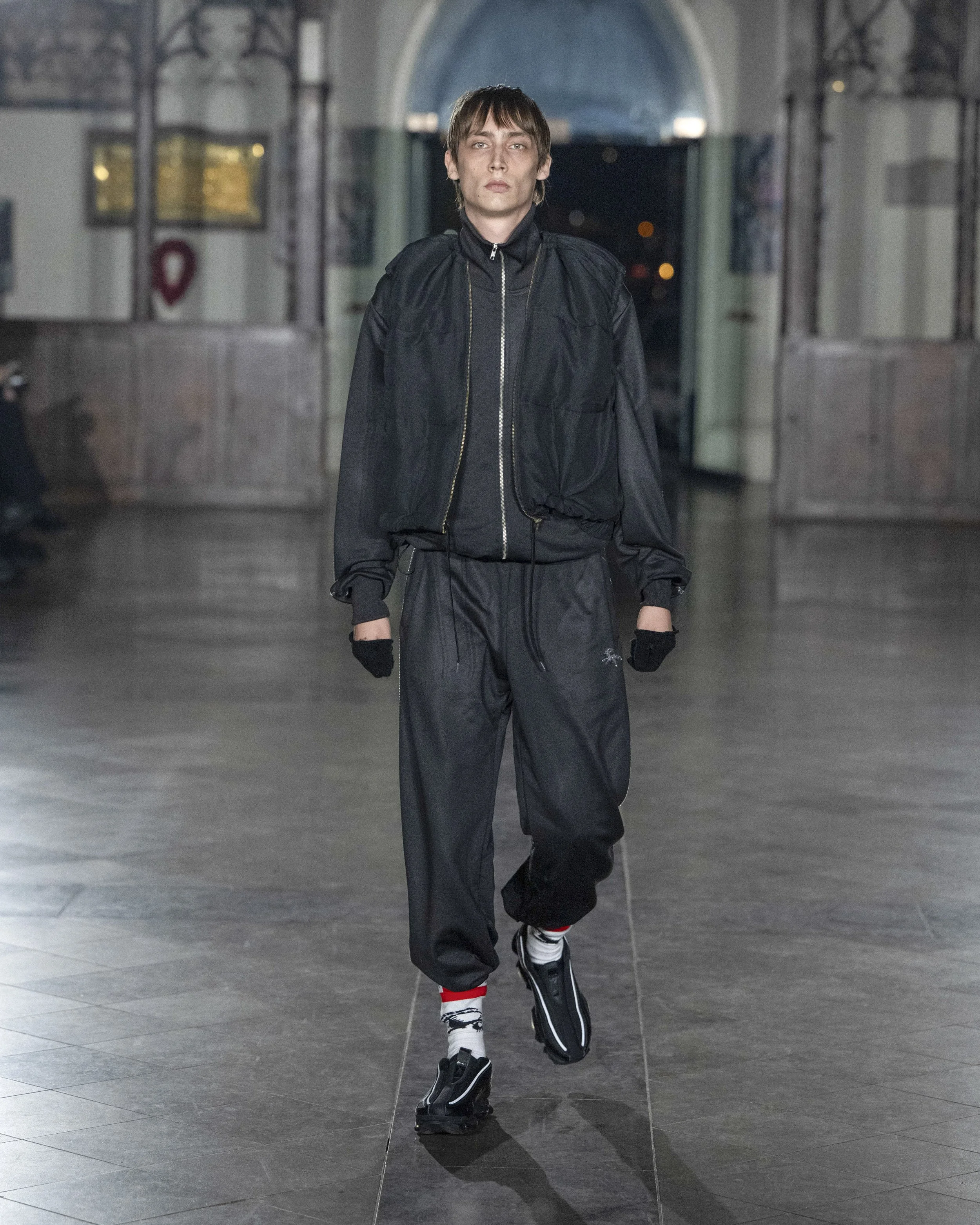
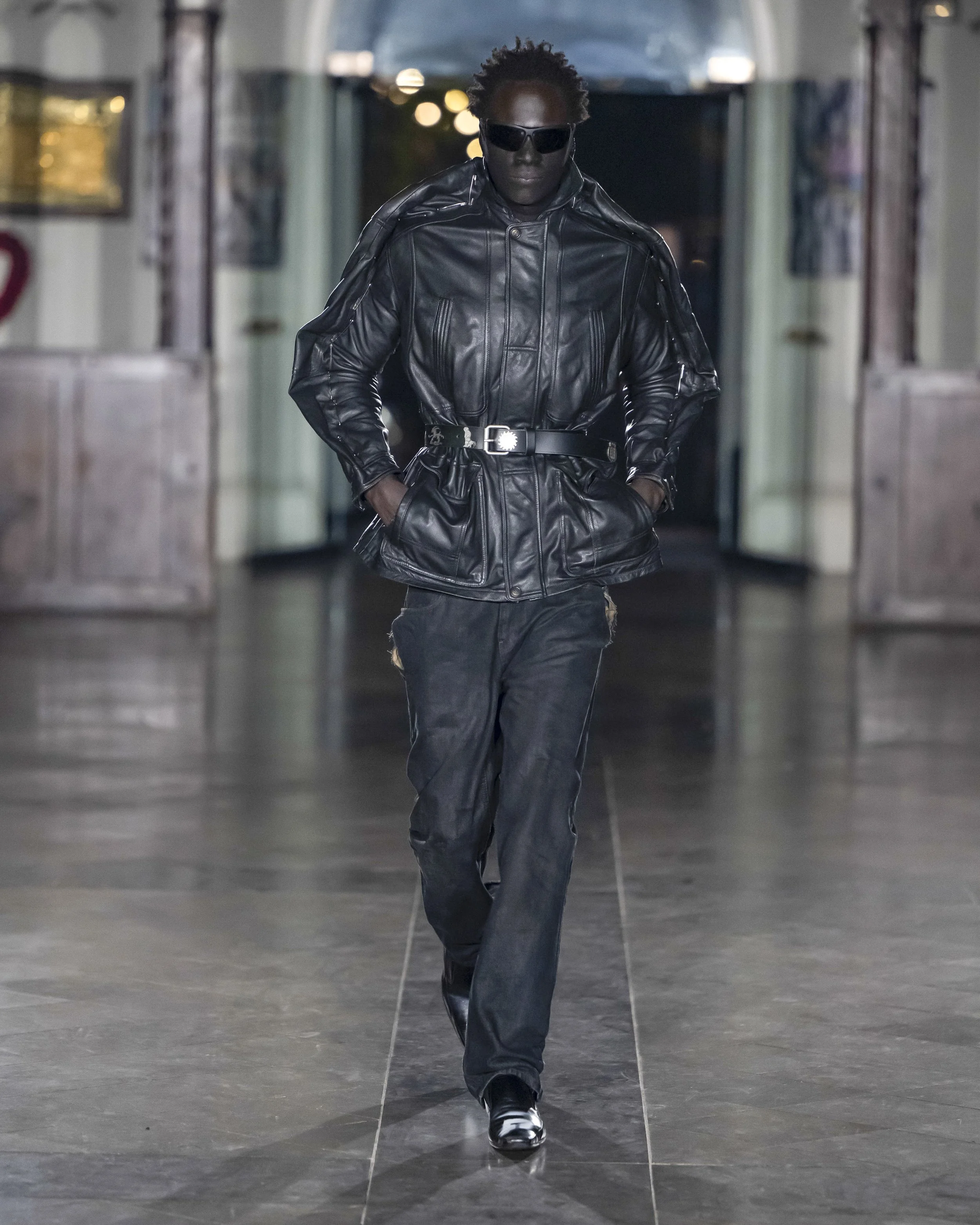
Traditional British patterns; houndstooth, check plaid appear as echoes of familiar tailoring, now presented with Prototypes’ off kilter sensibility. The brand’s ongoing dialogue with sportswear also surfaces in celebrations of the Reebok Classic and DMX heritage, pulling those iconic soles and shapes into a broader reflection on football culture, class, and everyday uniform. Each look feels at once devotional and defiant, equally fitting for a pew in a candlelit church or the concrete just outside it.
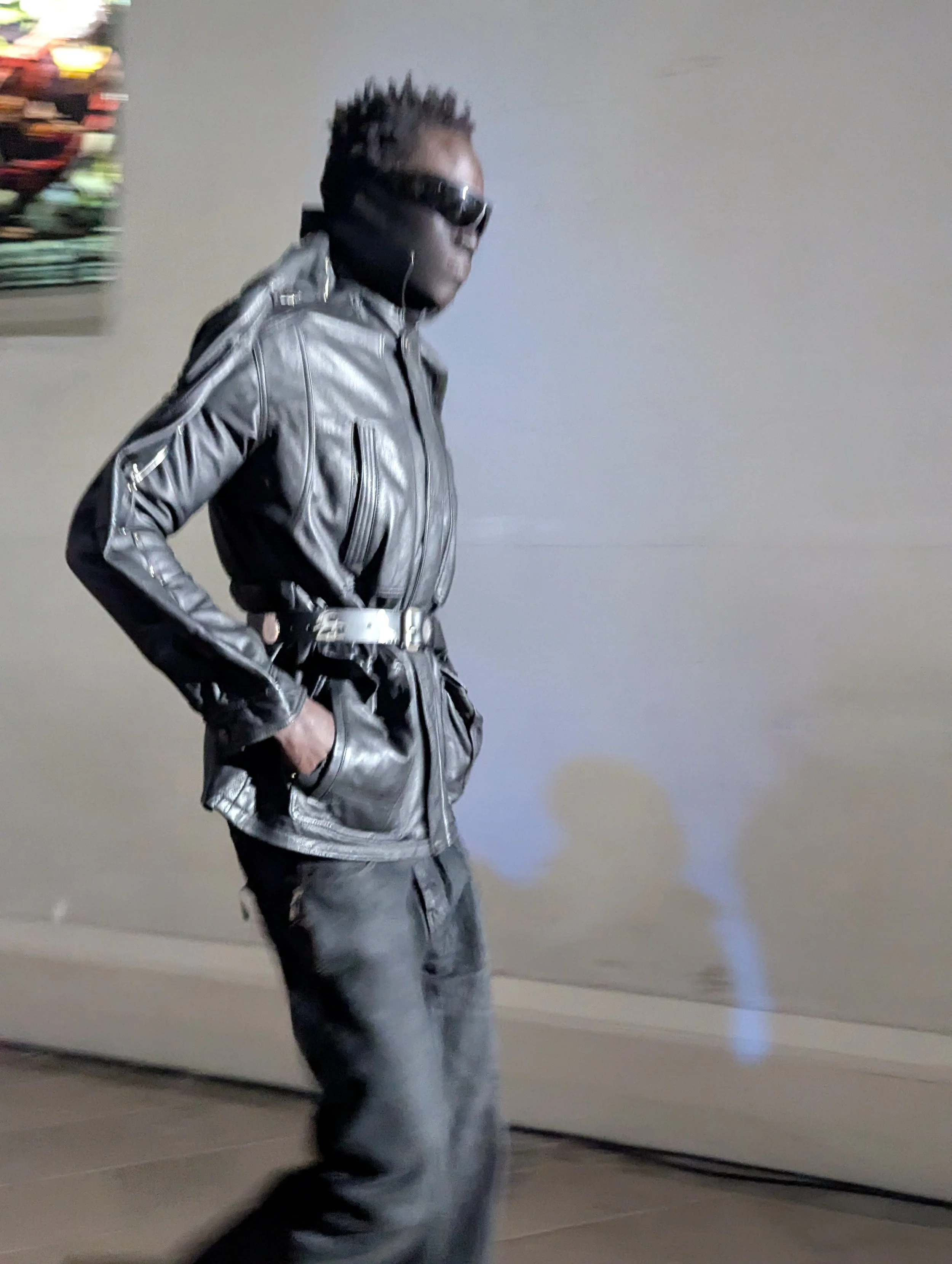
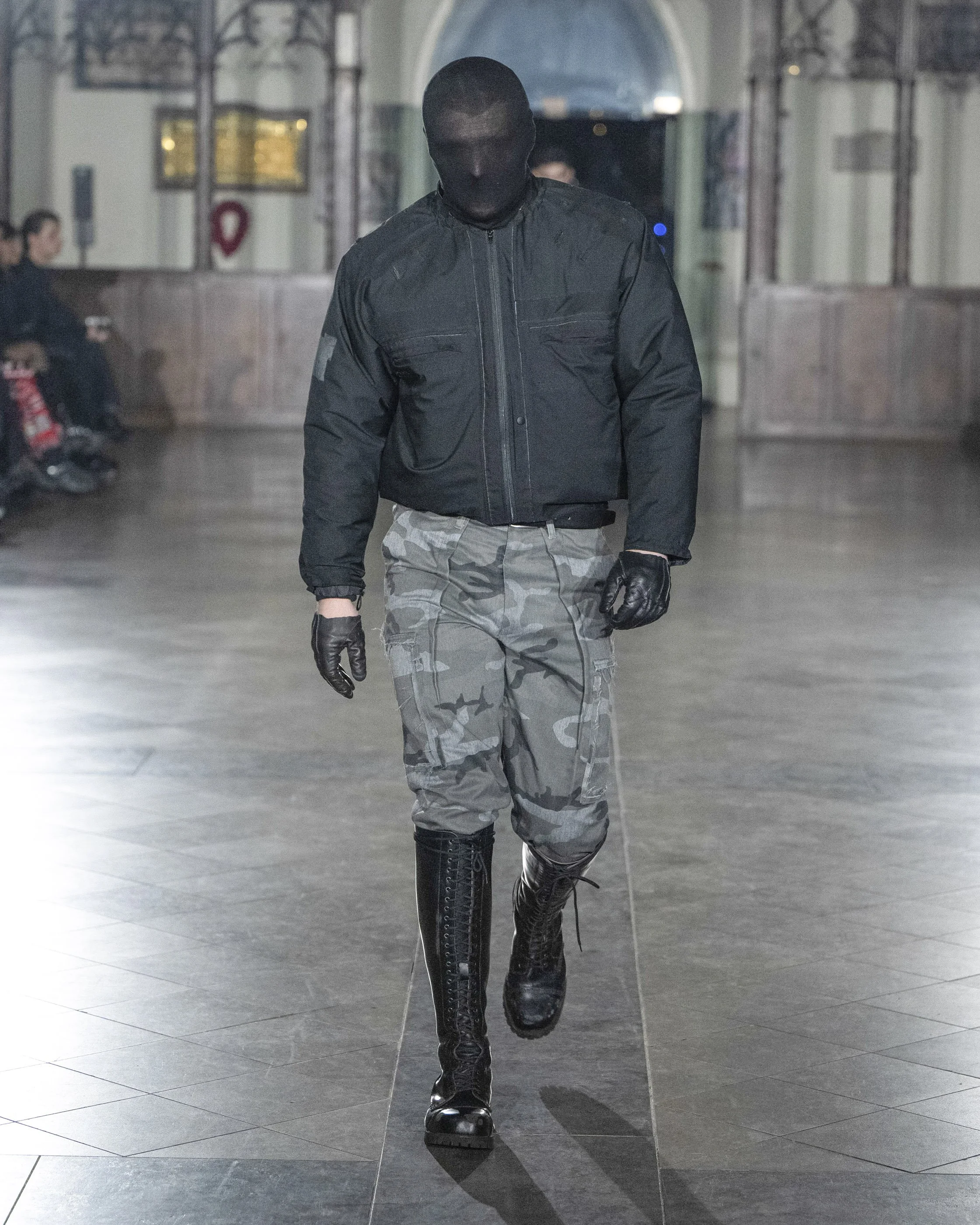
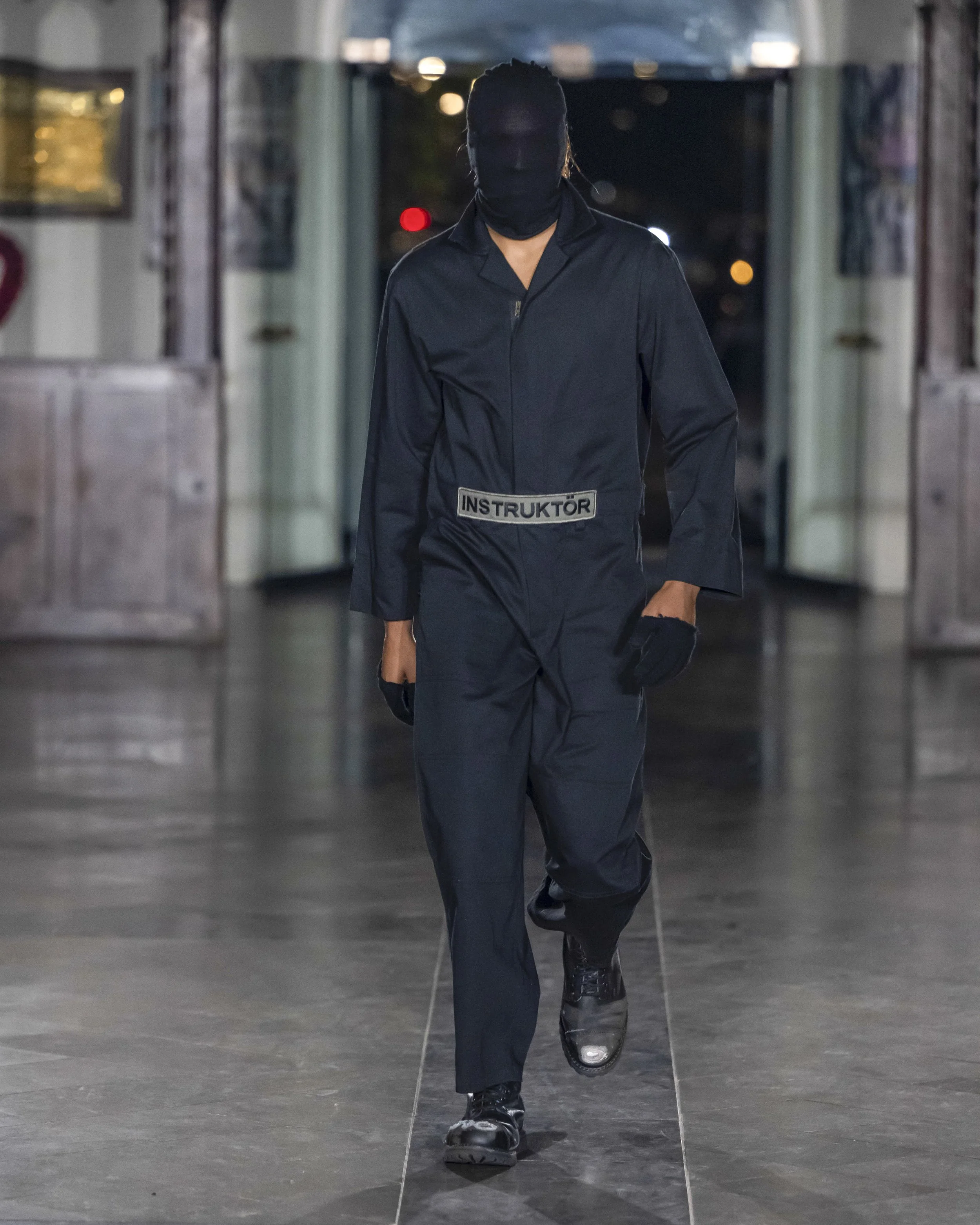
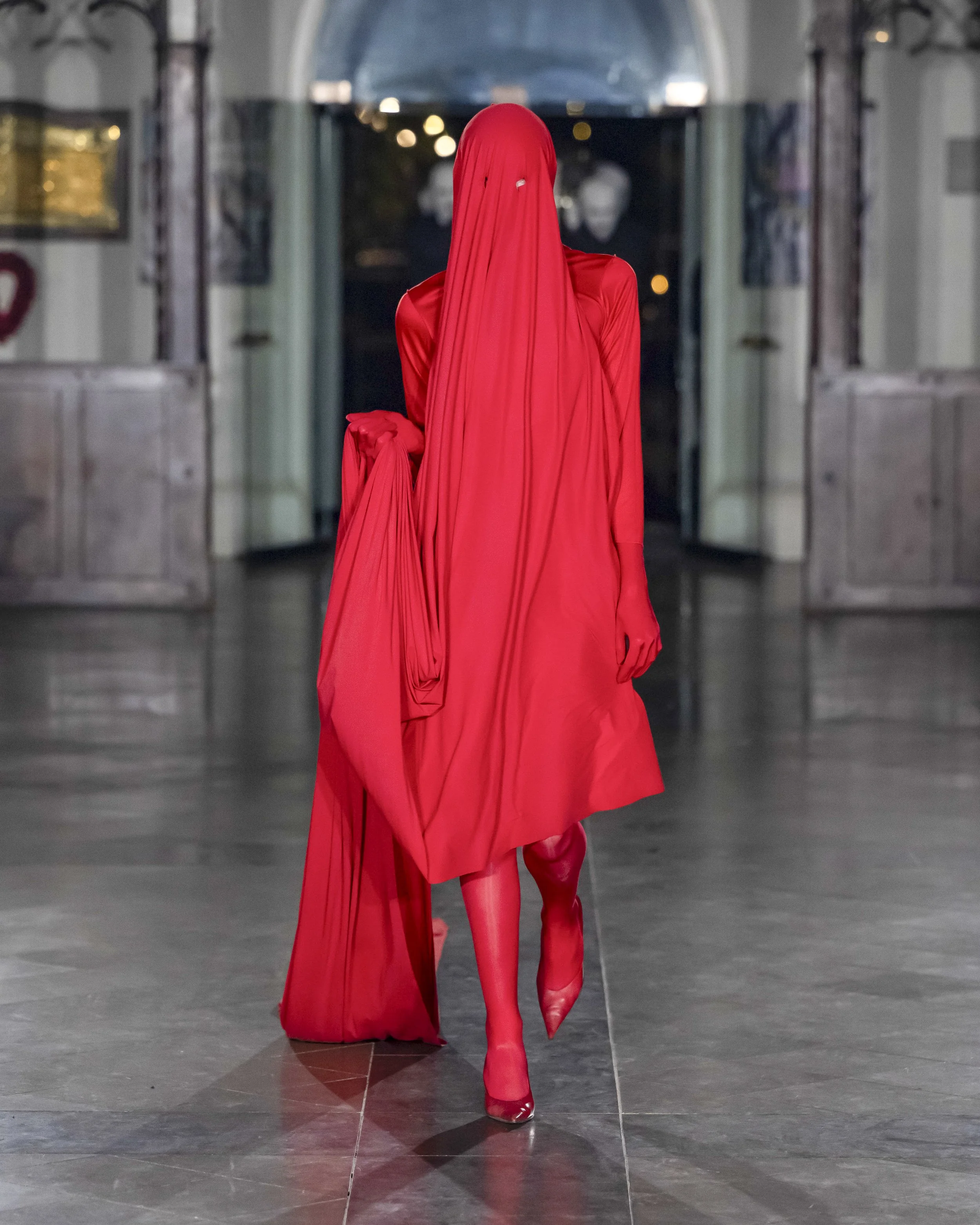
One of the most striking aspects of the show was the way faces and bodies were handled, toggling between concealment and exposure. In this candlelit ecclesiastical space, some models had their heads fully encased in skin tight mesh; a suffocating black here, a spray painted British flag there, turning identity into something both obscured and hyper visible. Elsewhere, oversized bucket hats erased facial features entirely, leaving only small cut outs for eyes, as though surveillance and anonymity were locked in a quiet standoff. In contrast, other looks were almost confrontational in their reveal: long socks paired with kickers that unapologetically exposed backsides, and an England football shirt strapped only to the front of a model so that her bare back and spine became part of the look’s blunt political language. A hijab reminiscent head covering that extended into a fluid red dress complete with gloves, tights, and heels in the same unbroken shade was particularly unforgettable. Merging modesty, power, and spectacle into one visually searing statement.
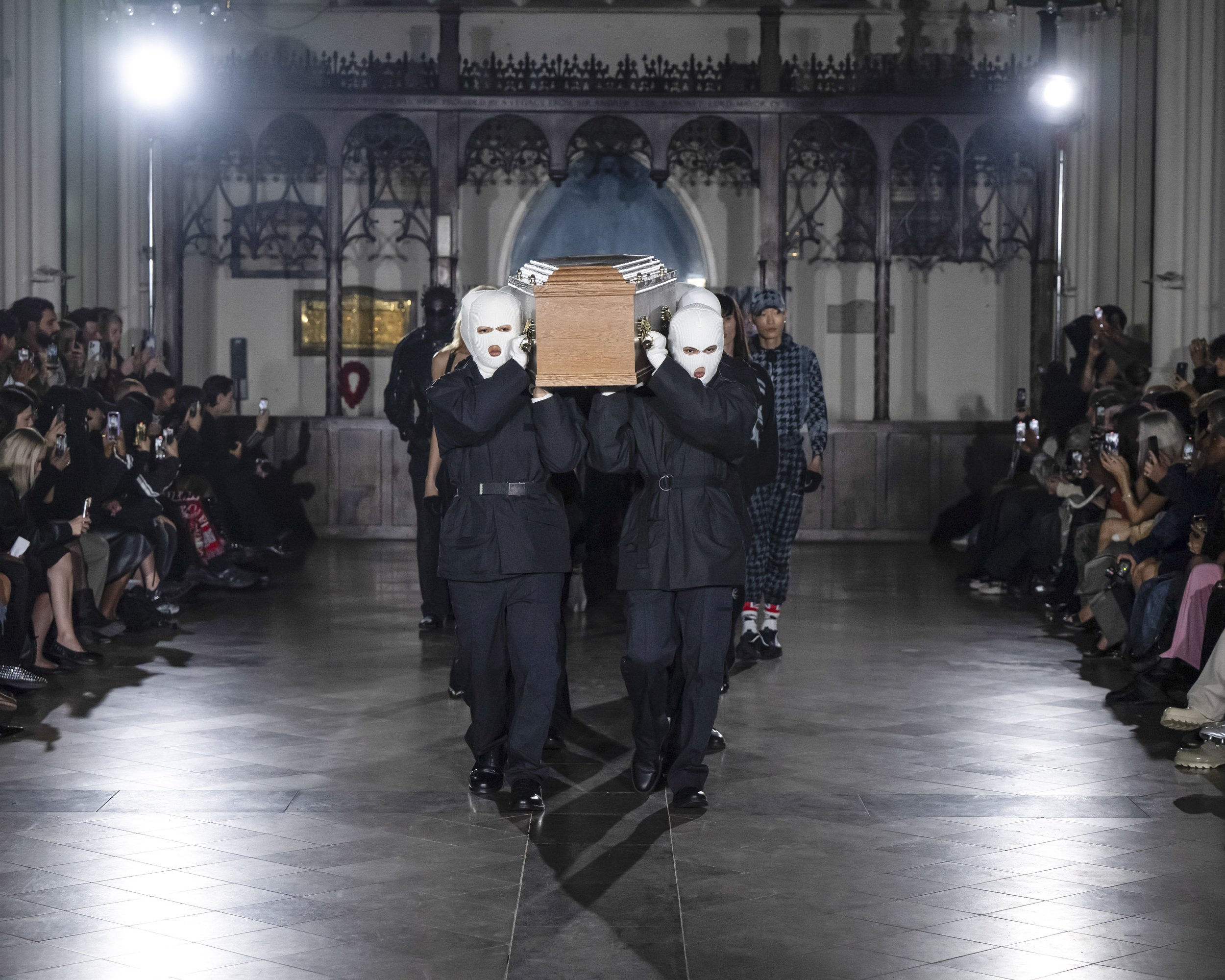
The finale transformed the runway into a full funeral procession. Six coffin bearers leading a casket and the entire collection in a slow, deliberate march around the church. The gesture felt cliché for a second, “the death of fashion”, until it didn’t. It landed more like a collective exhale, a recognition that something in the system is genuinely breaking down. From what has been seen this season, and over previous ones, there is a sense of a definitive crossroads that fashion has been presented with. Not just for the creatives but for the consumers as well. Where do we all see fashion going? Is this the end of true creativity, or are we all resigned to remembering iconic fashion movements of the past, reinventing and recycling them instead of making any new ones in the future?
In Prototypes’ debut London show, “In Loving Memory of British Culture” reads less as an elegy than as a call to gather. A reminder that in a time of uncertainty, the fragments of our cultural past can still be reassembled into a shared language of unity. The question lingering in the incense heavy air as we left St James’s wasn’t only about the fate of British culture, but about the trajectory of fashion itself. Will the industry bury its own potential, or finally decide to build something radically inclusive from the ruins?