LABRUM SS26
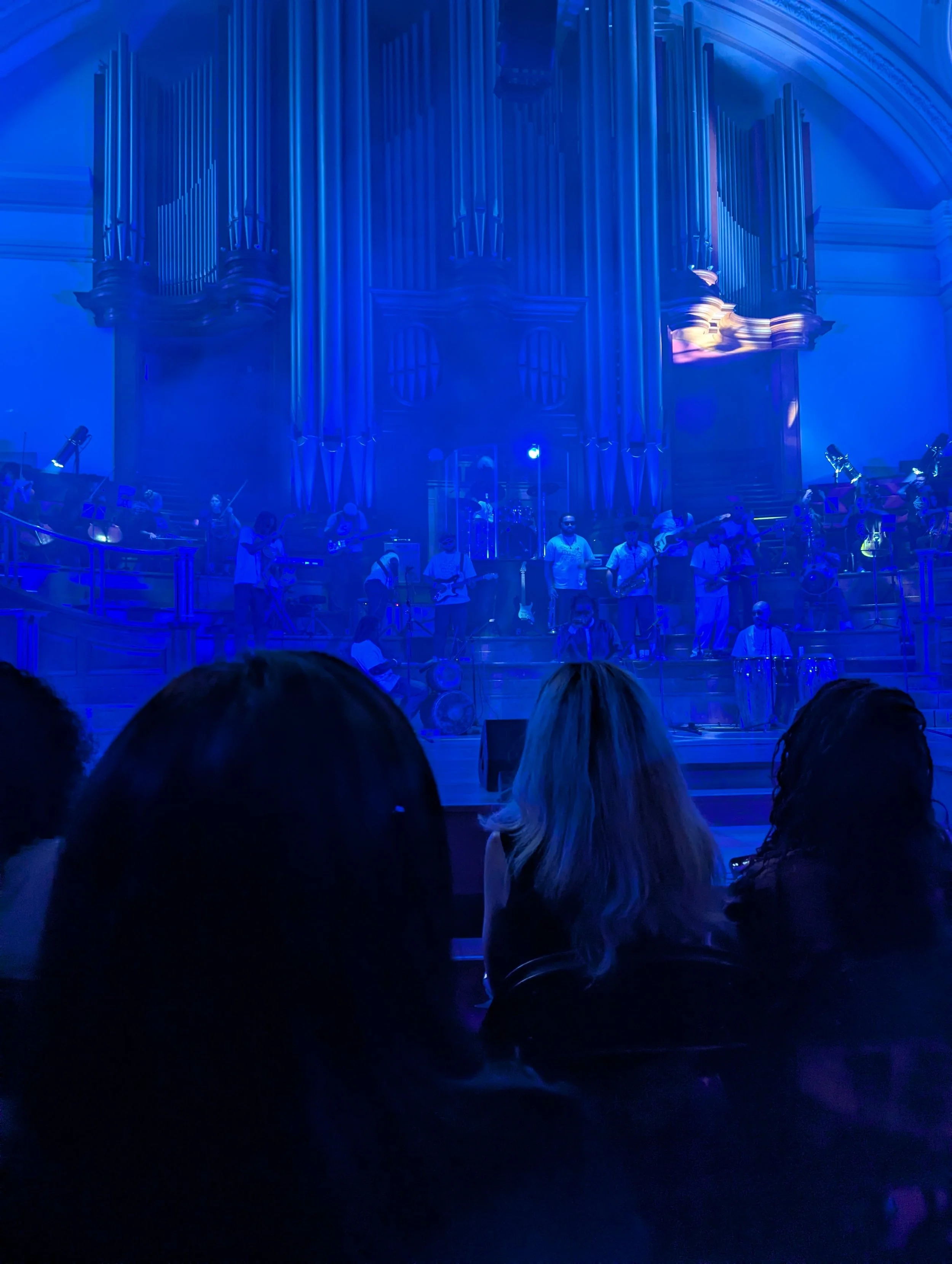
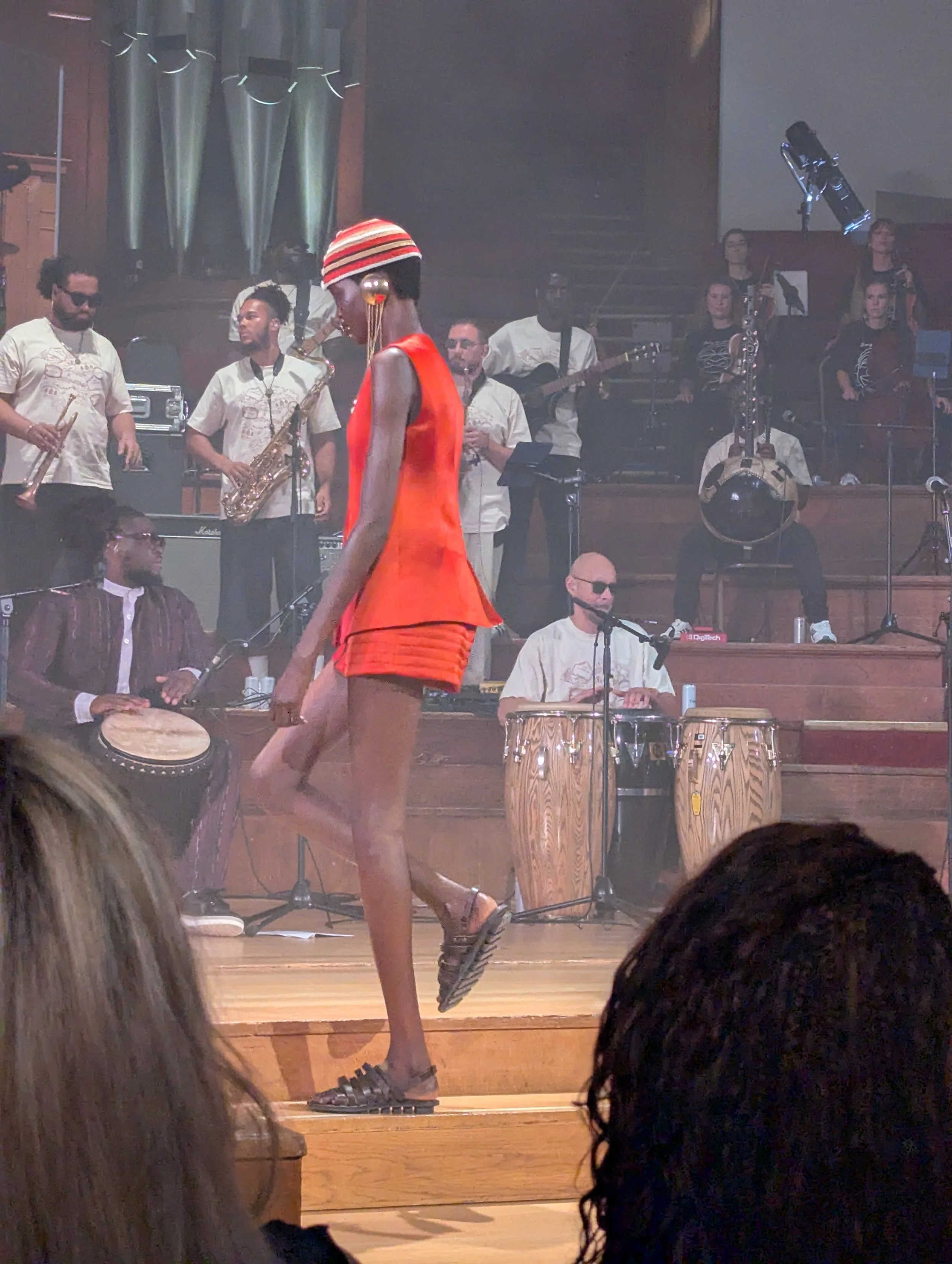
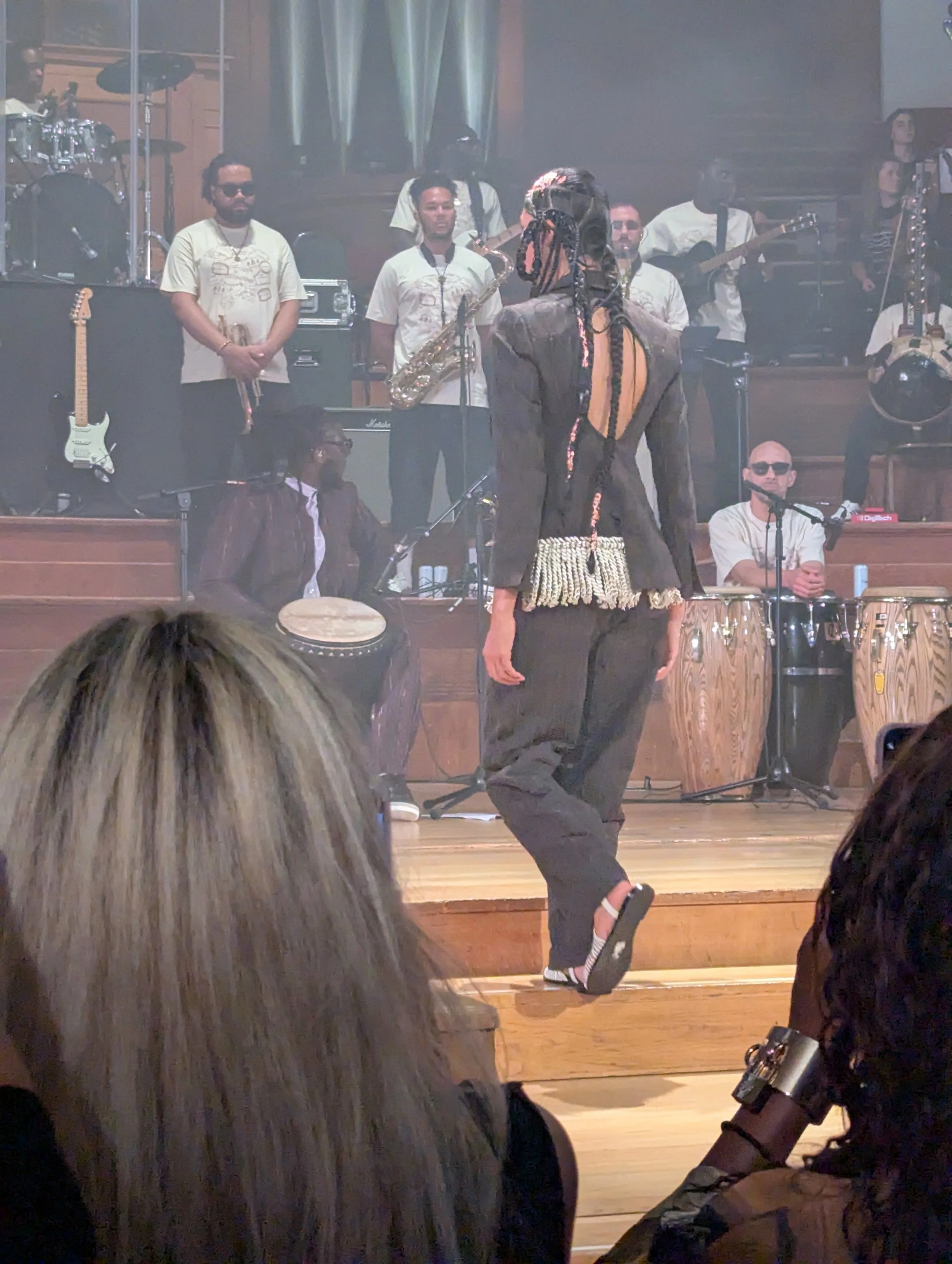
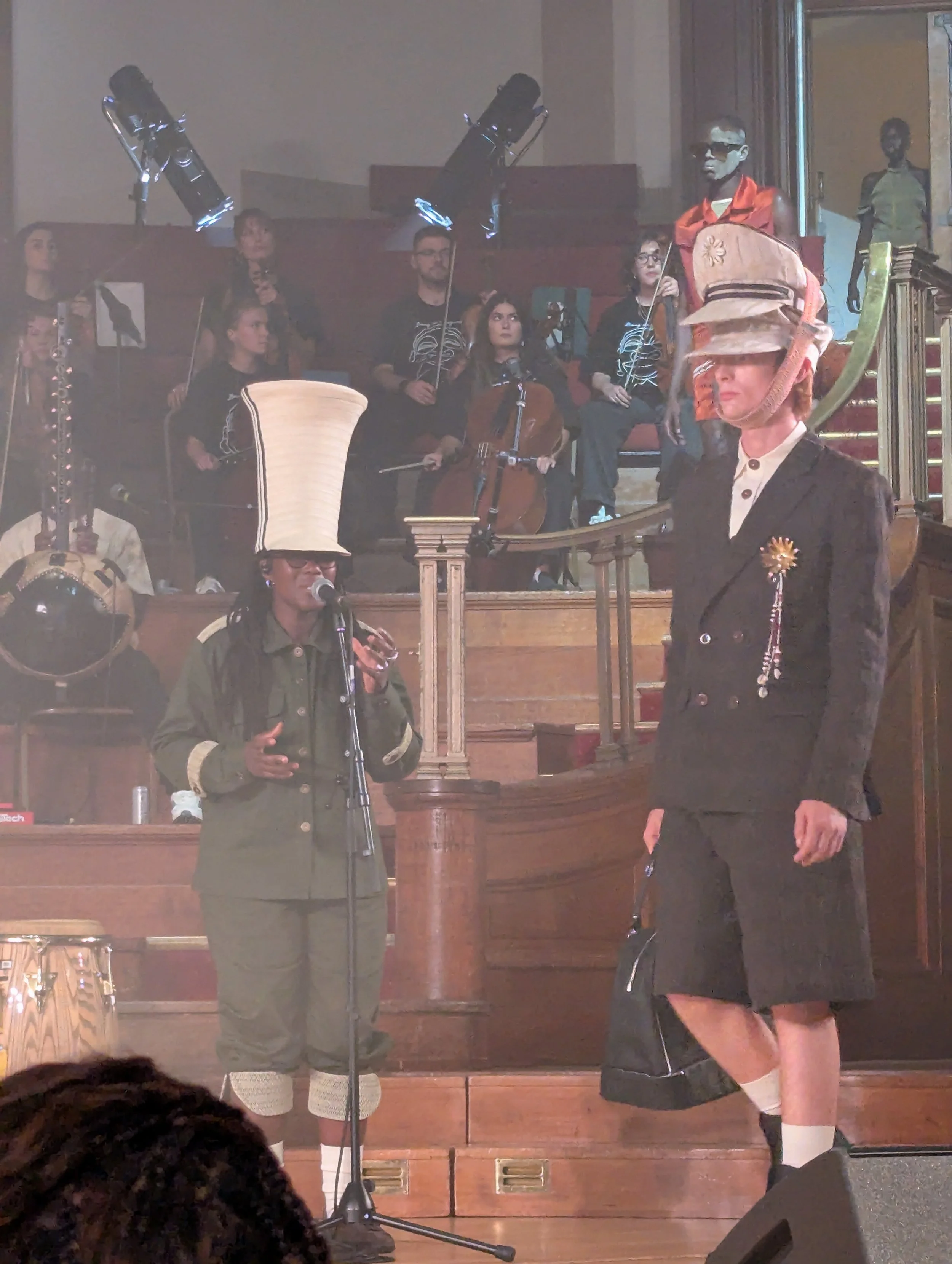
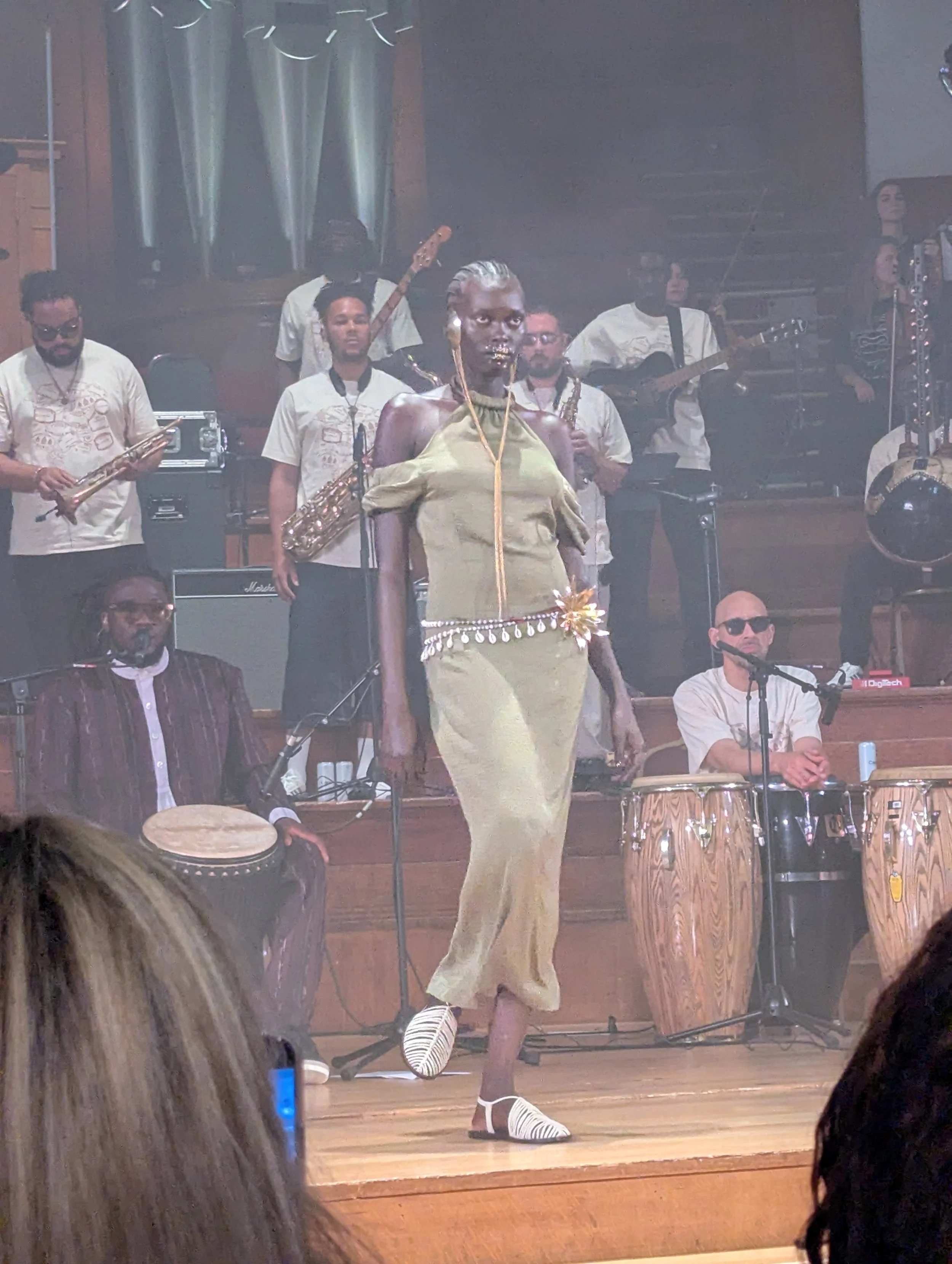
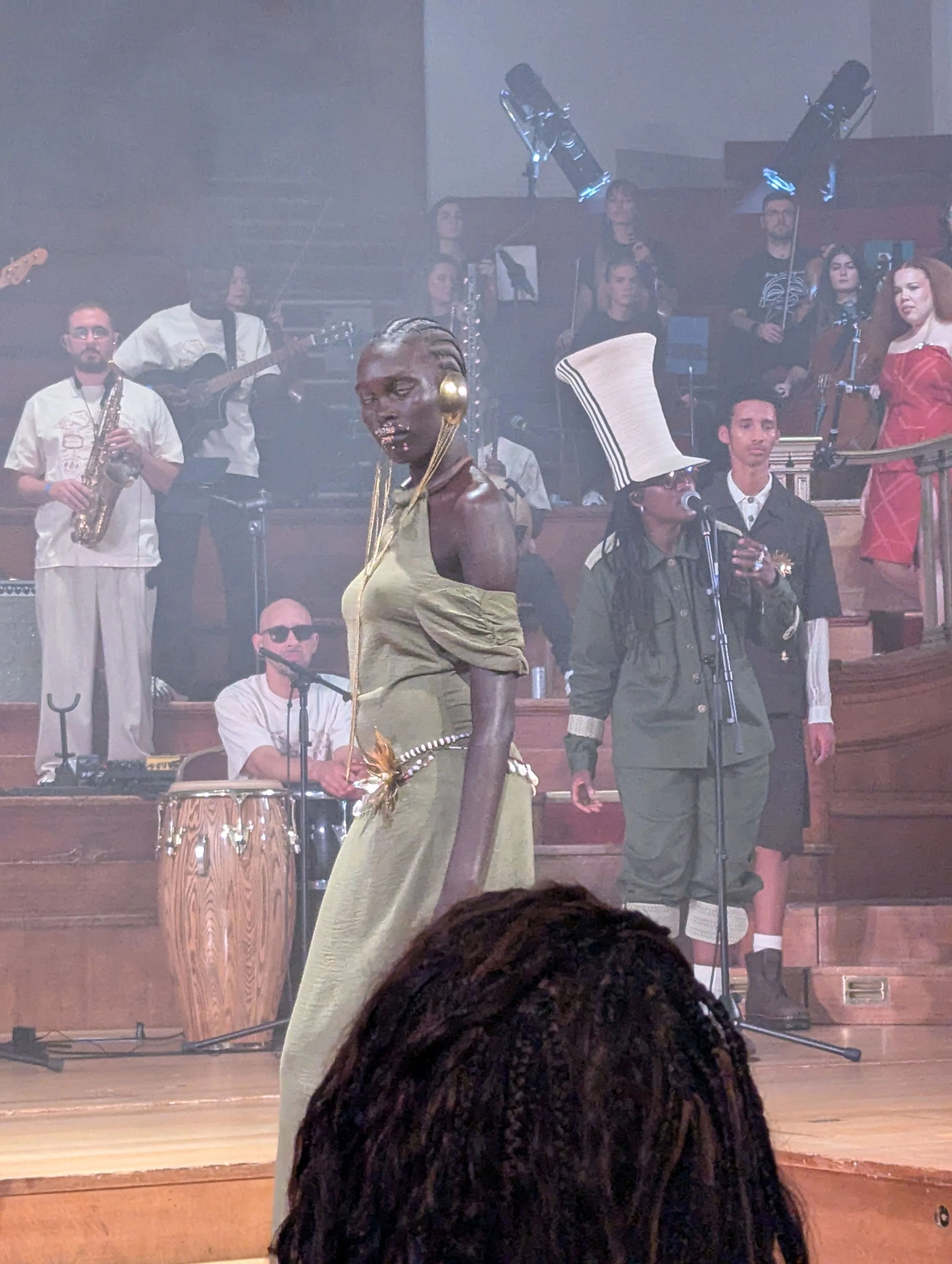
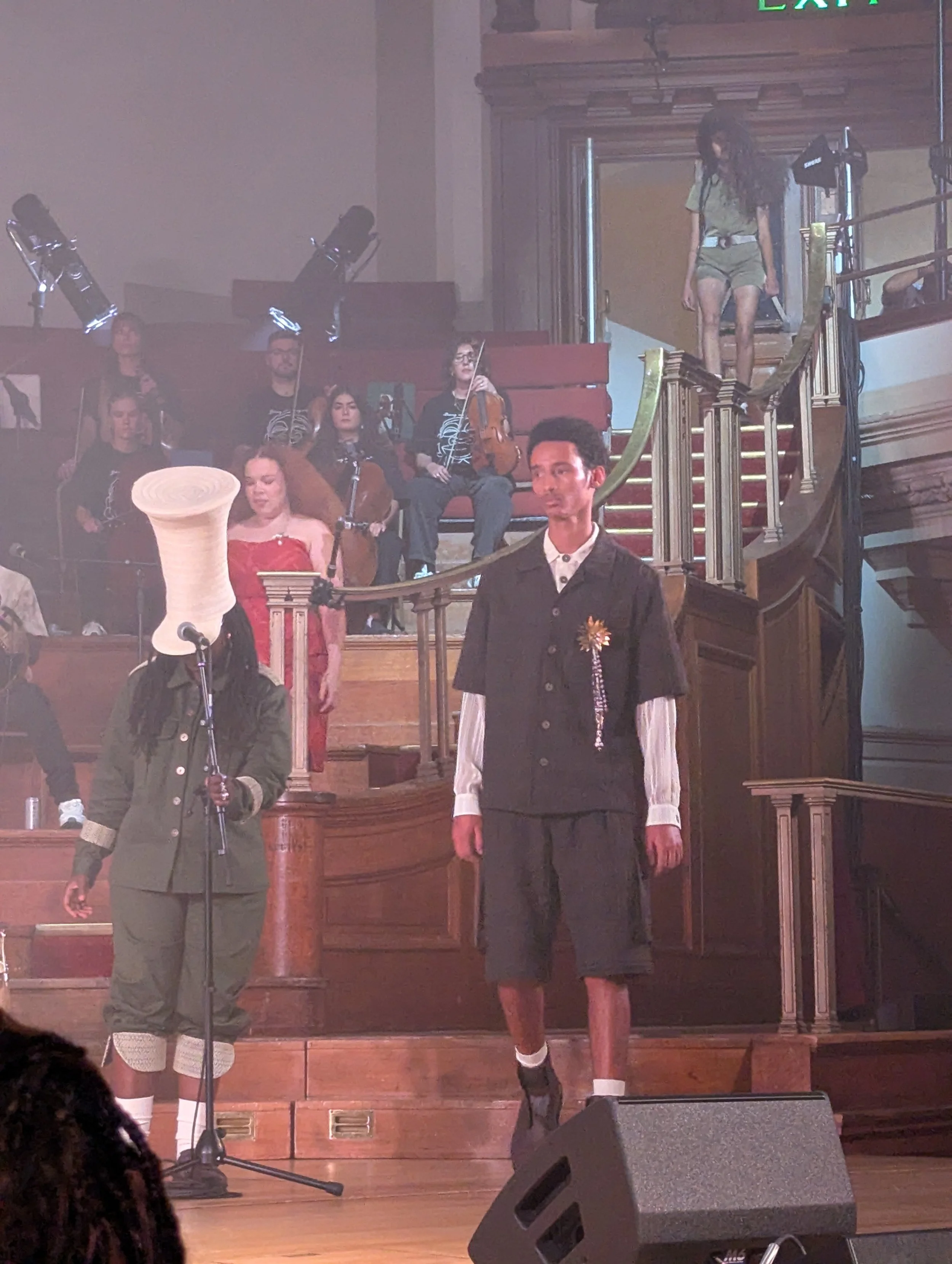
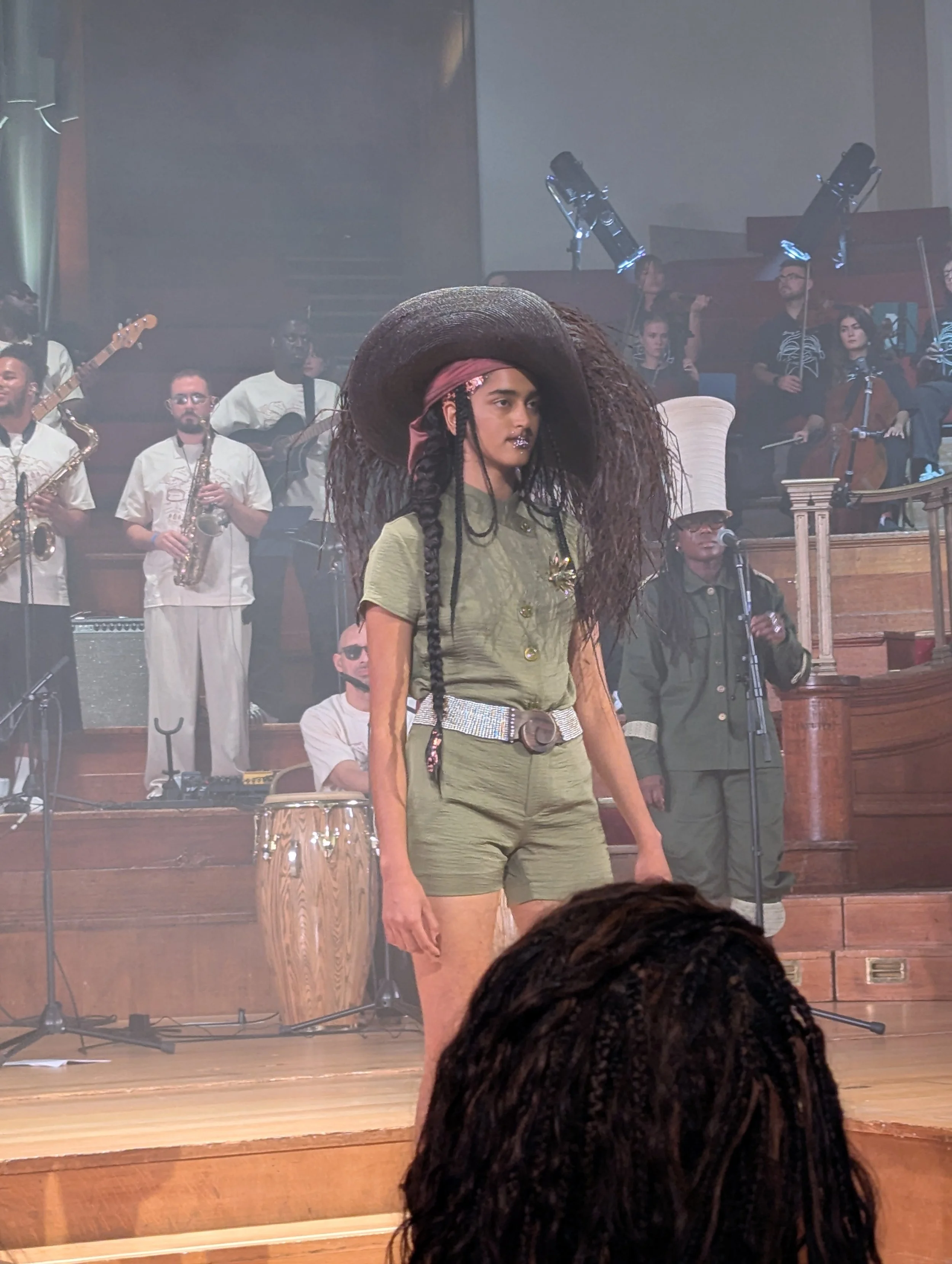
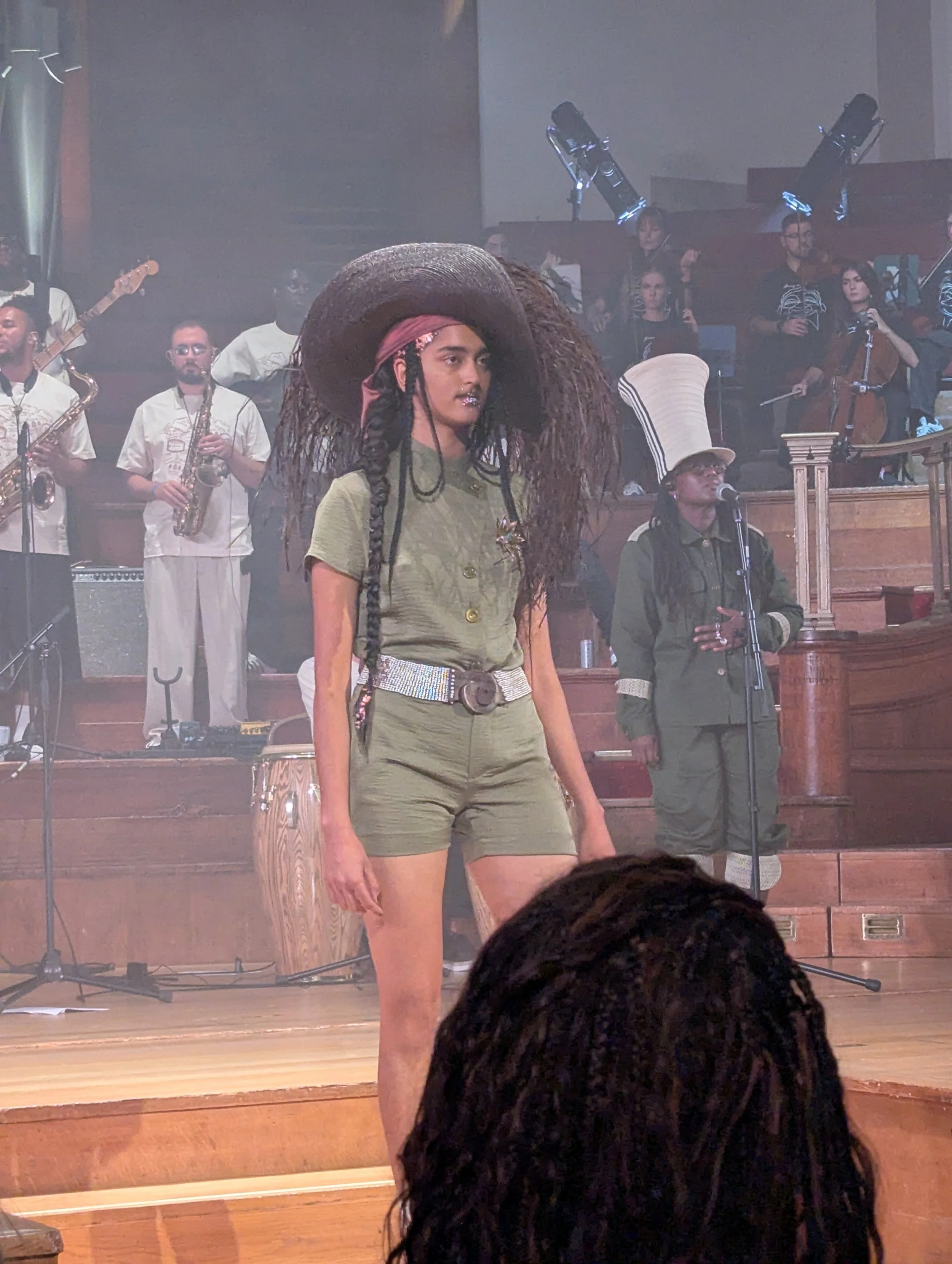
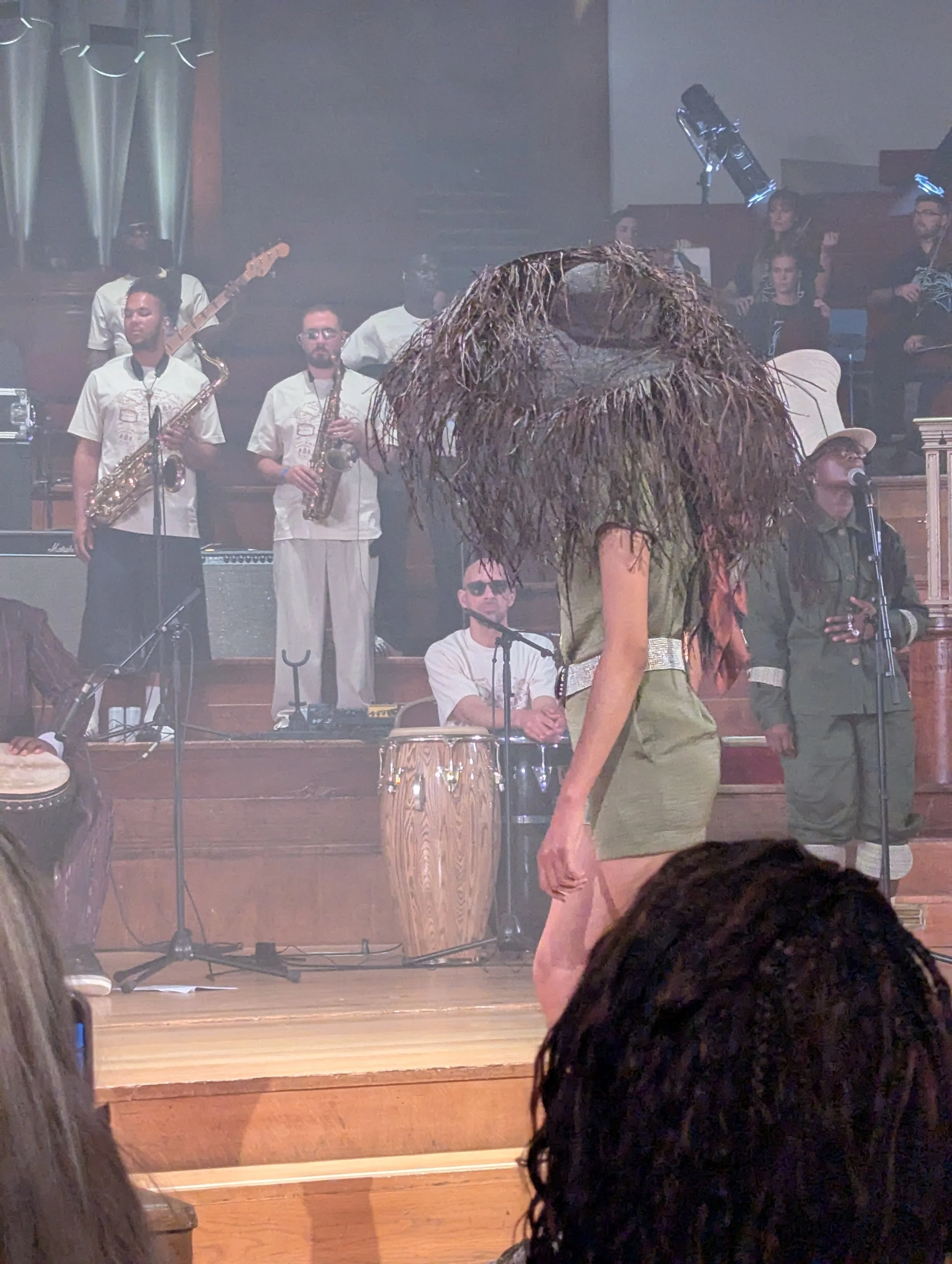
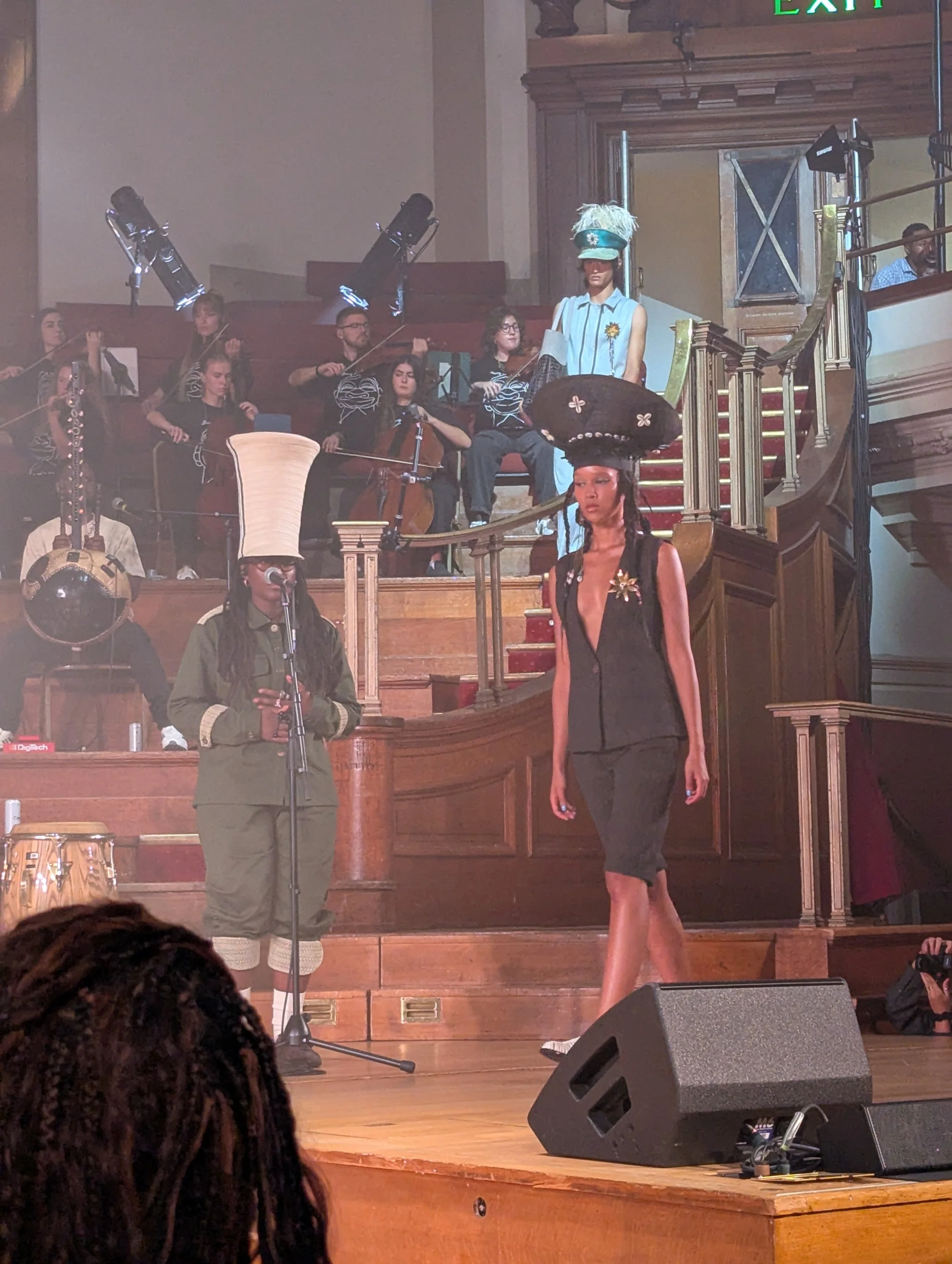
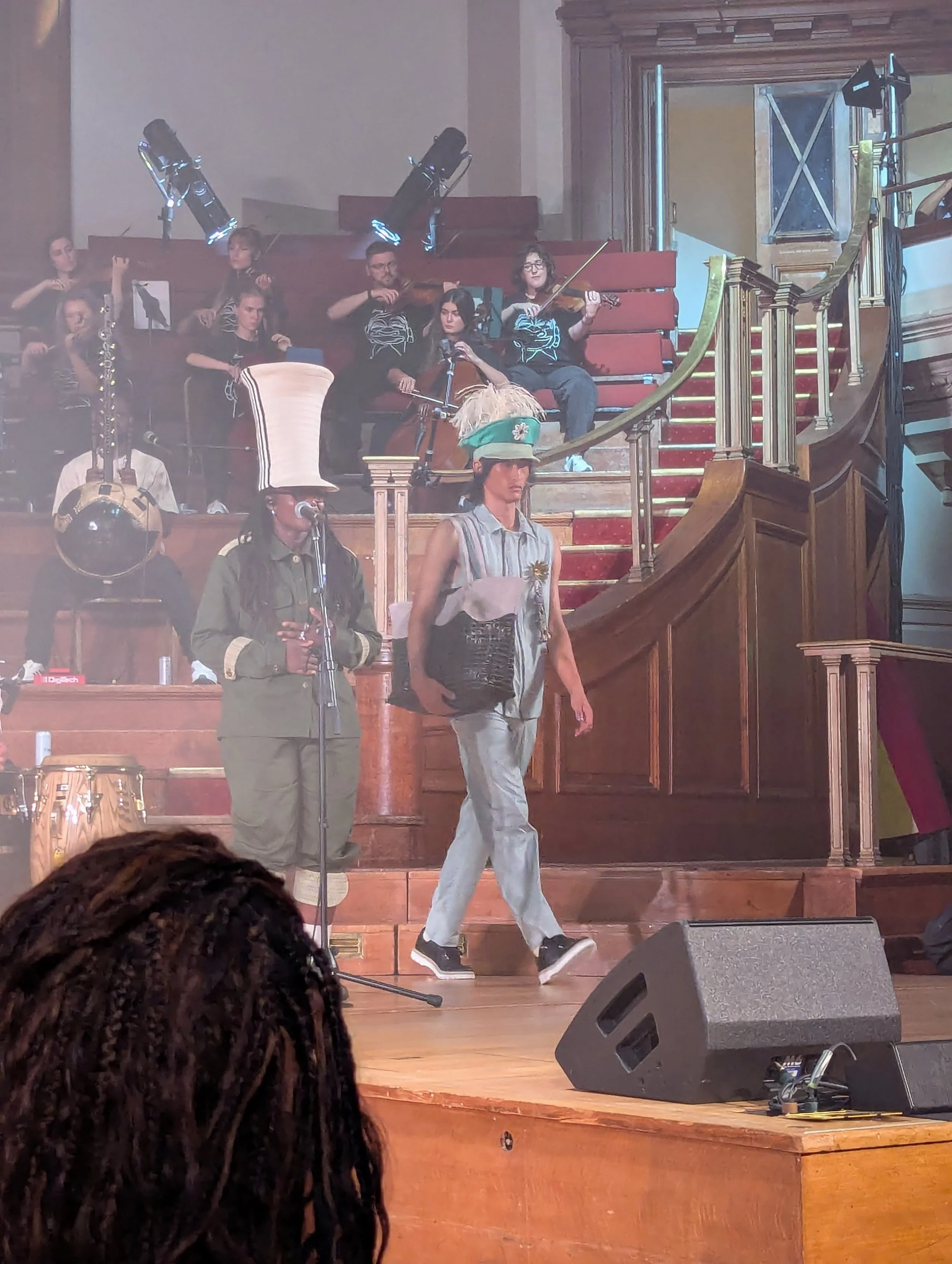
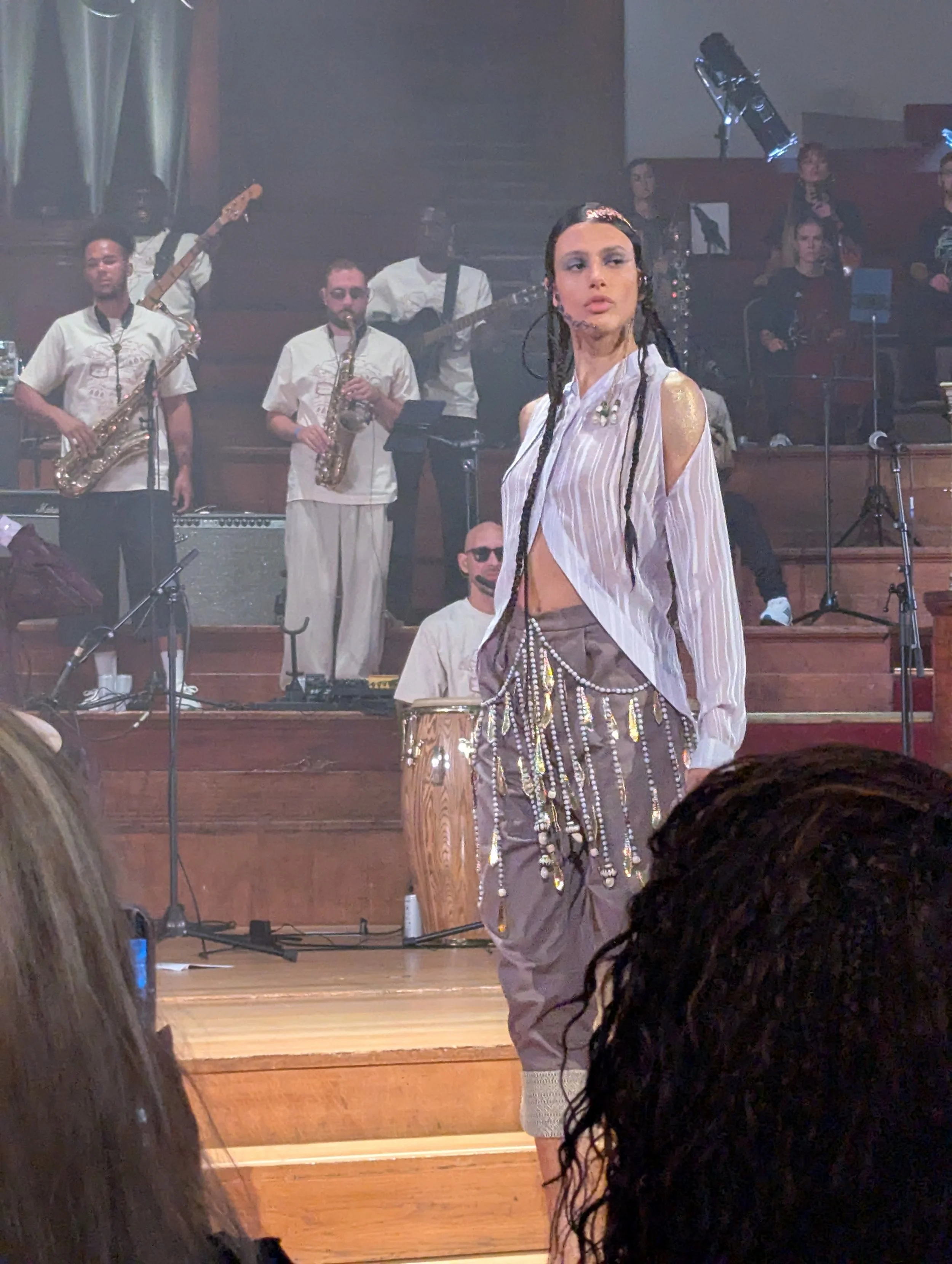
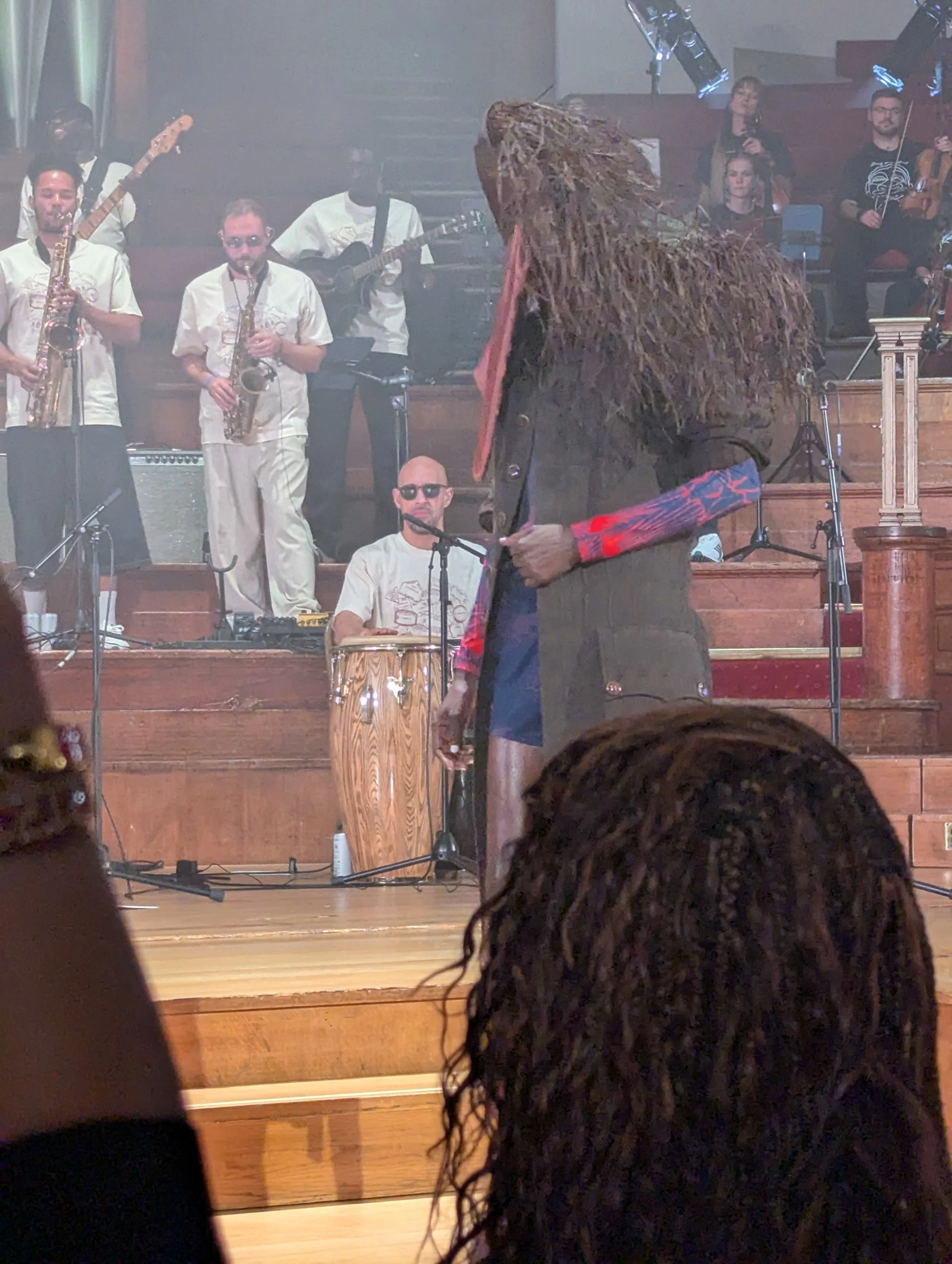
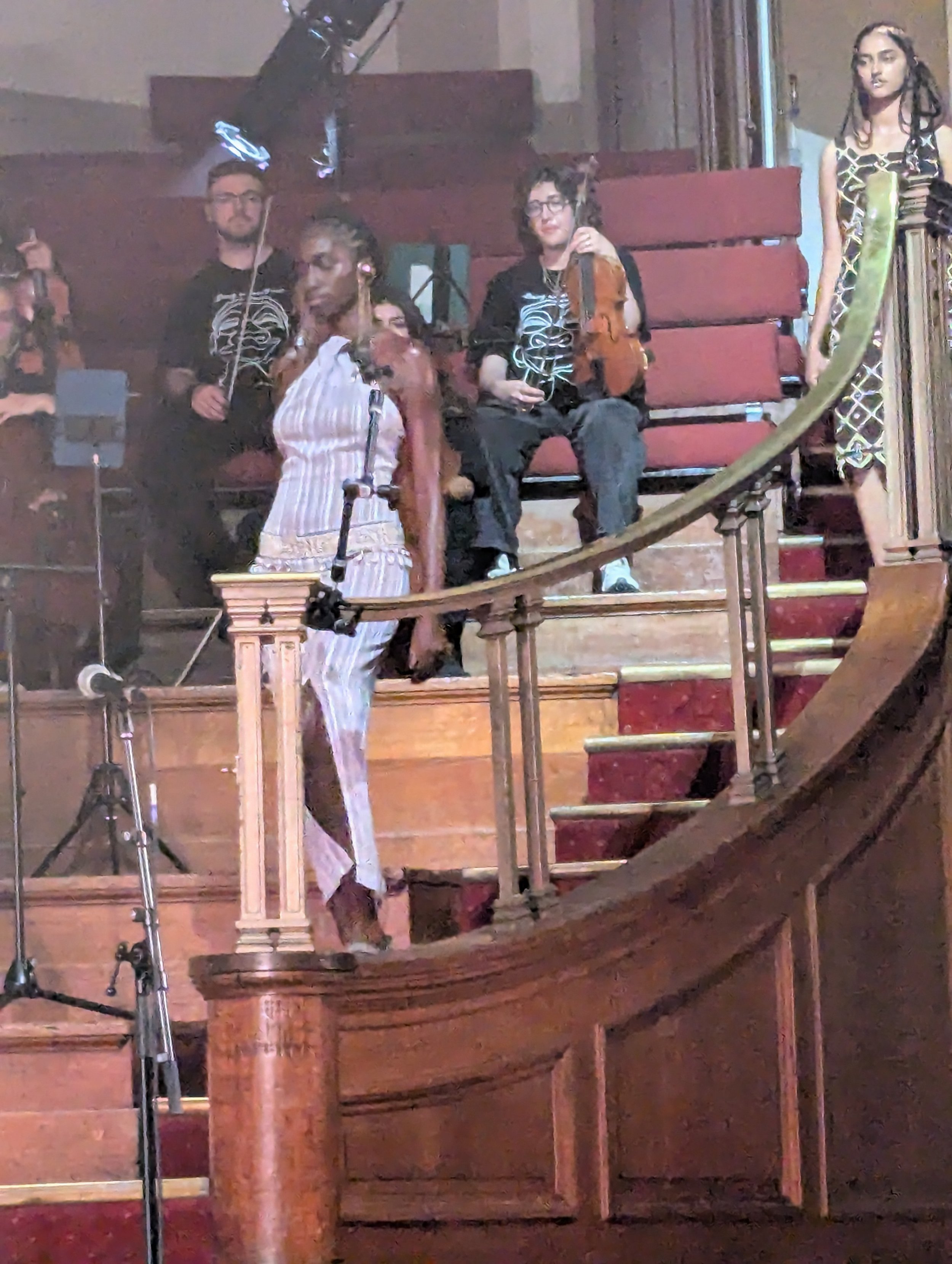
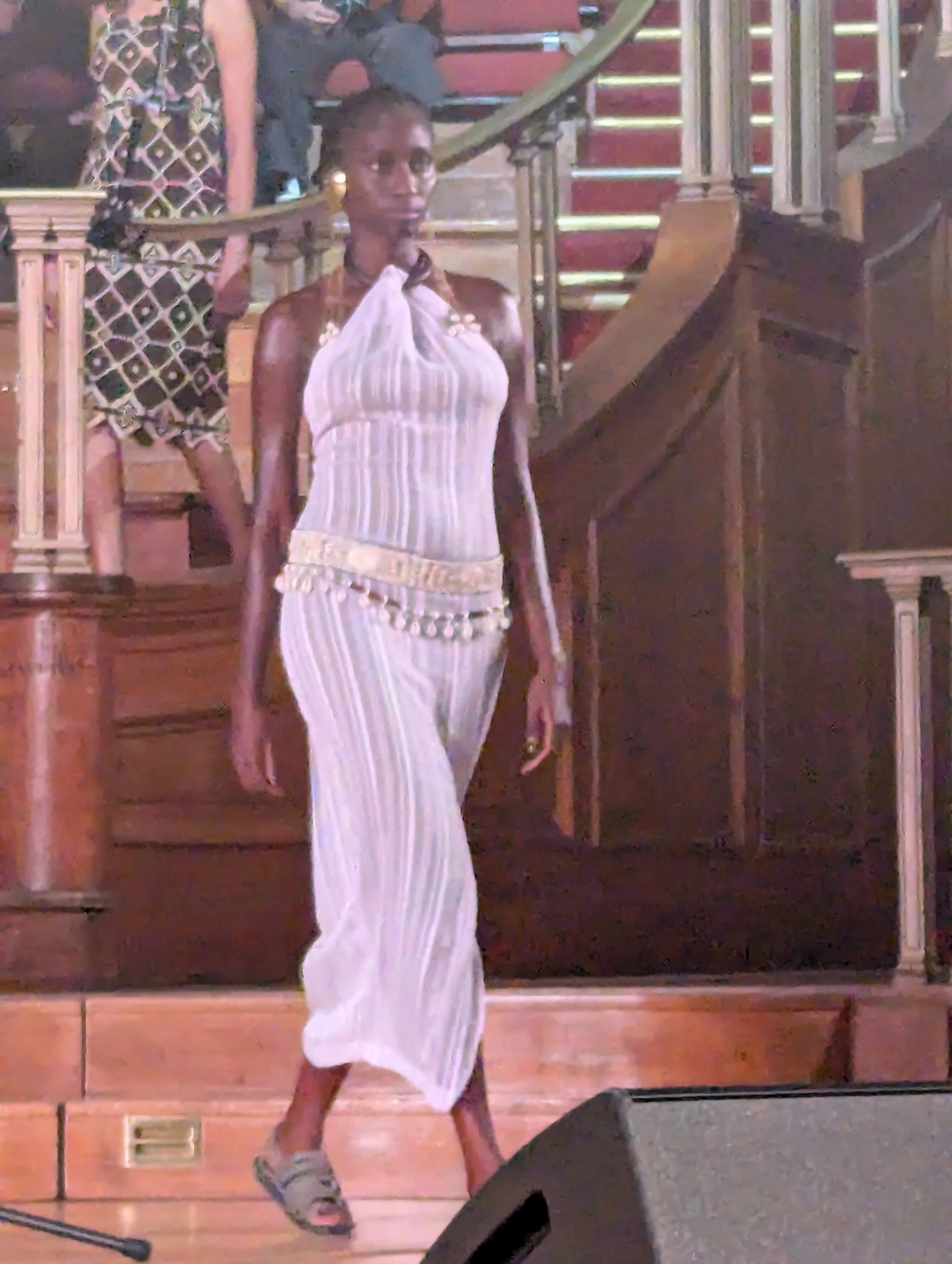
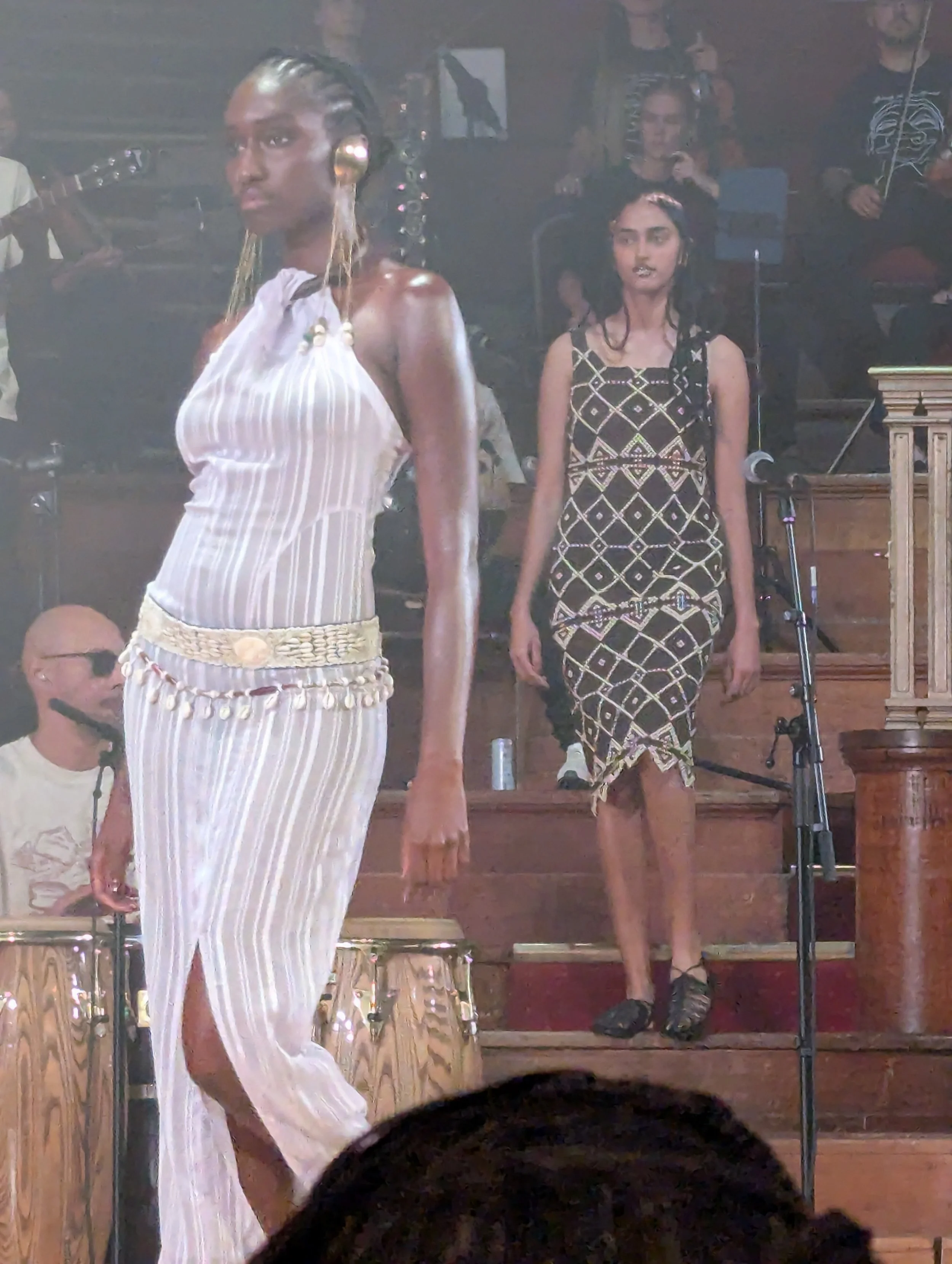
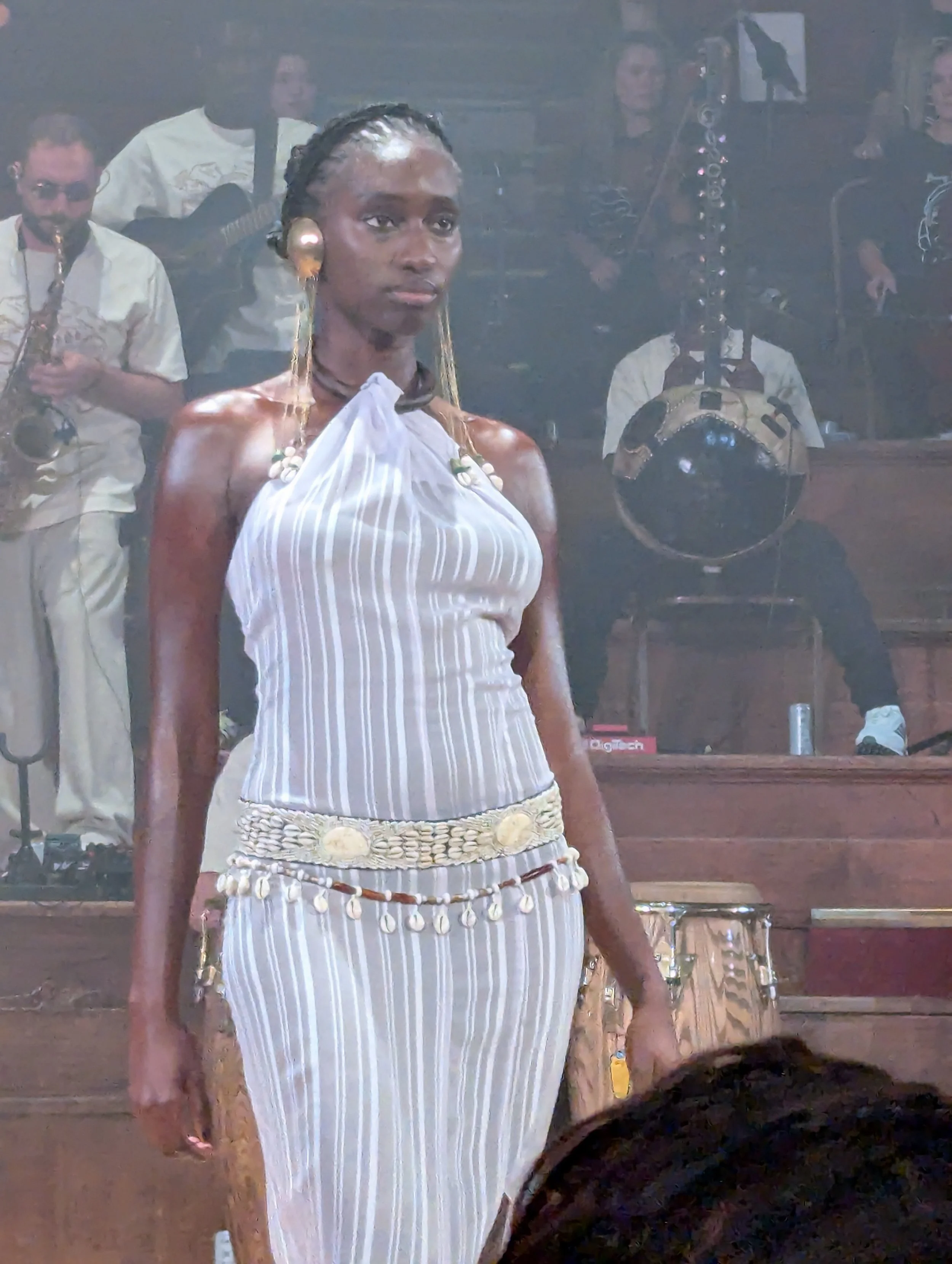
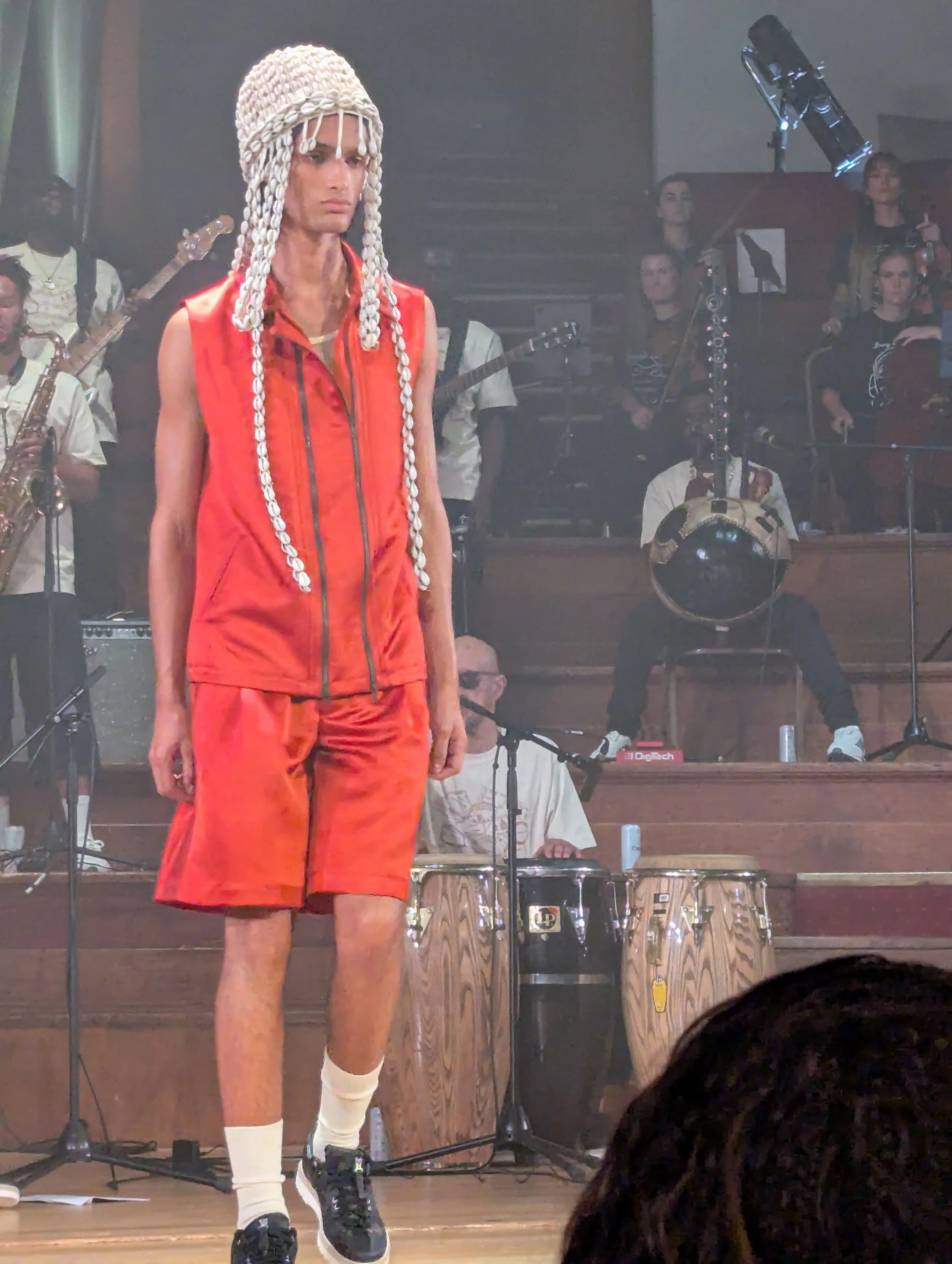
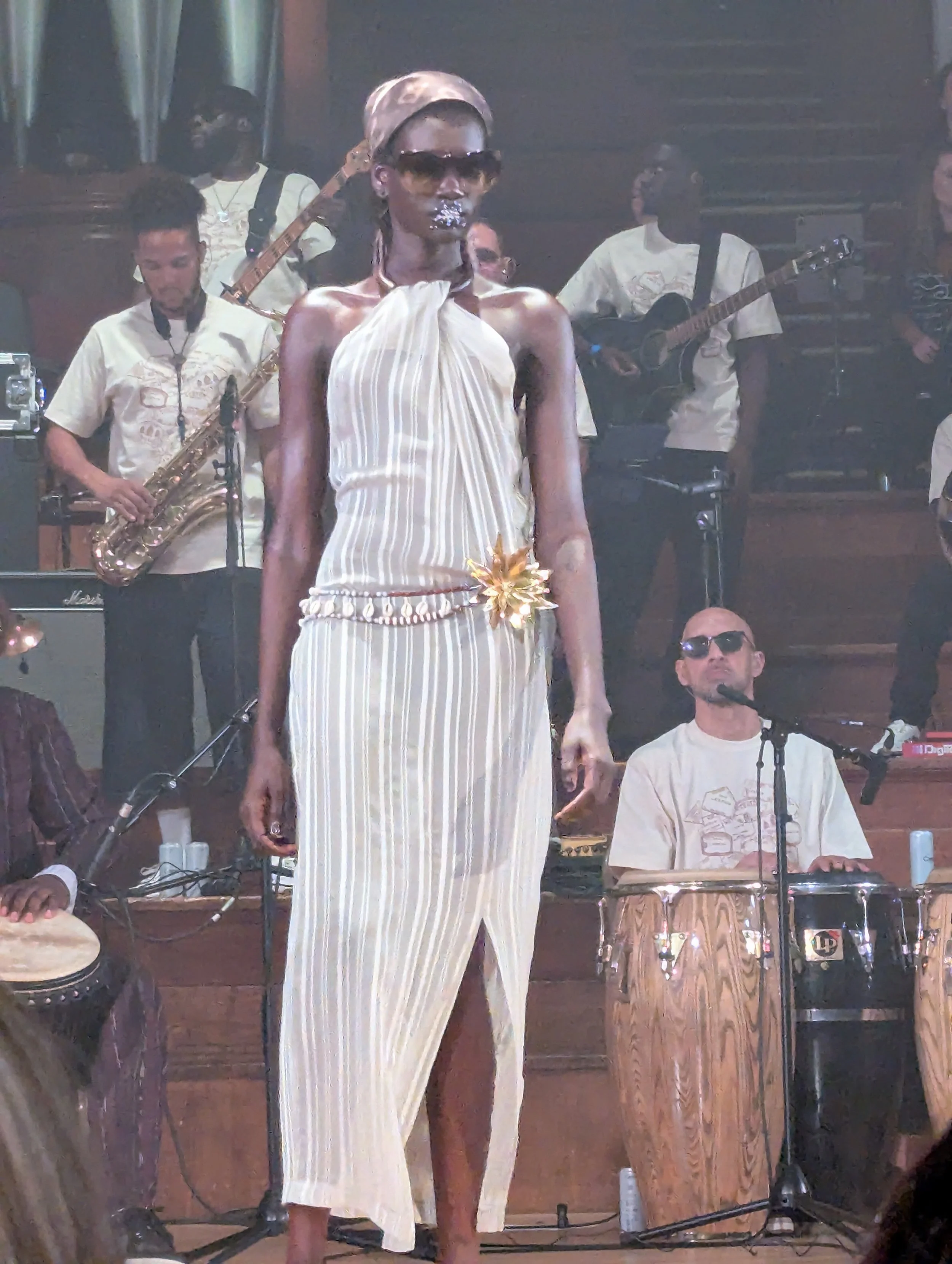
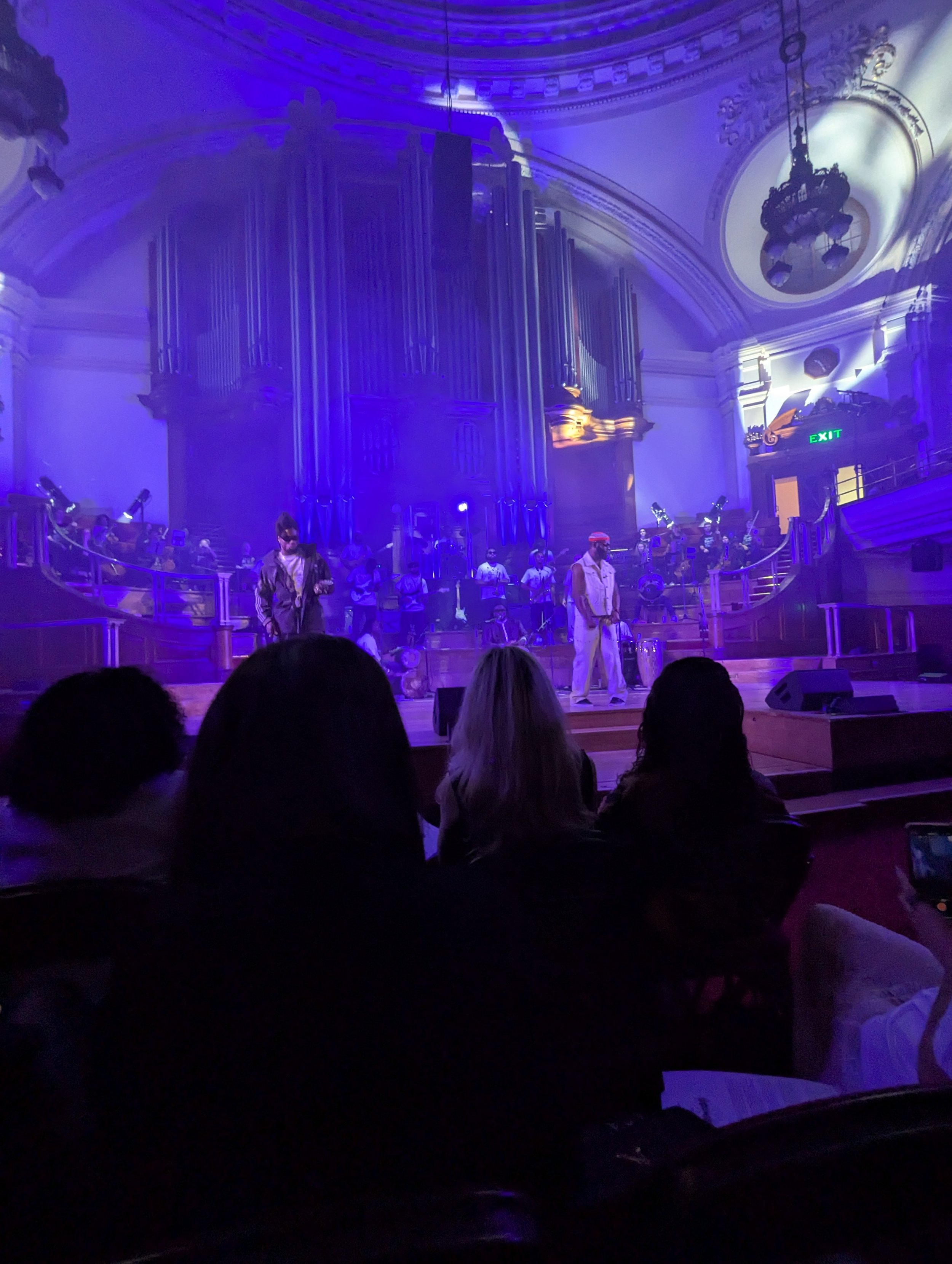
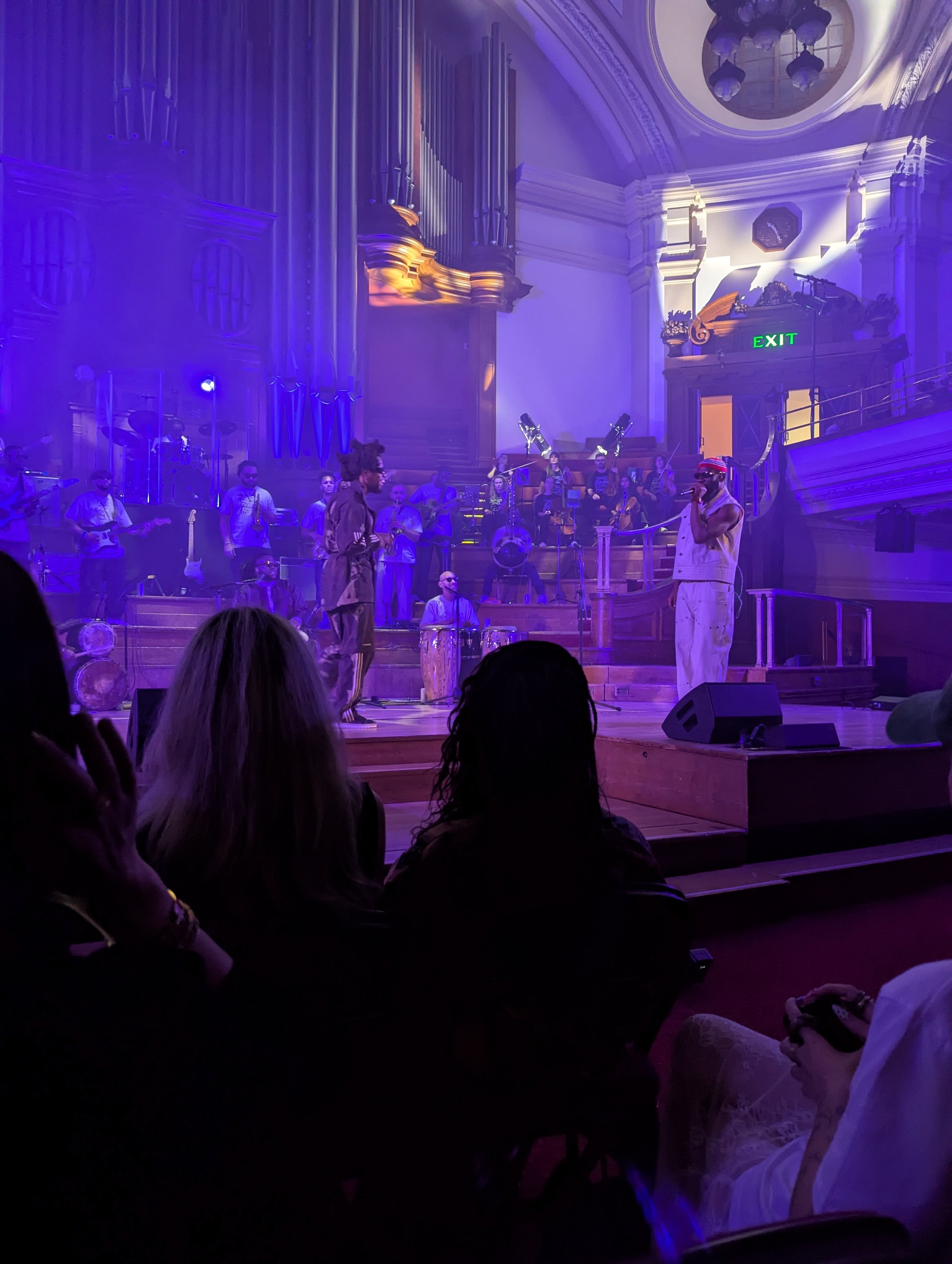
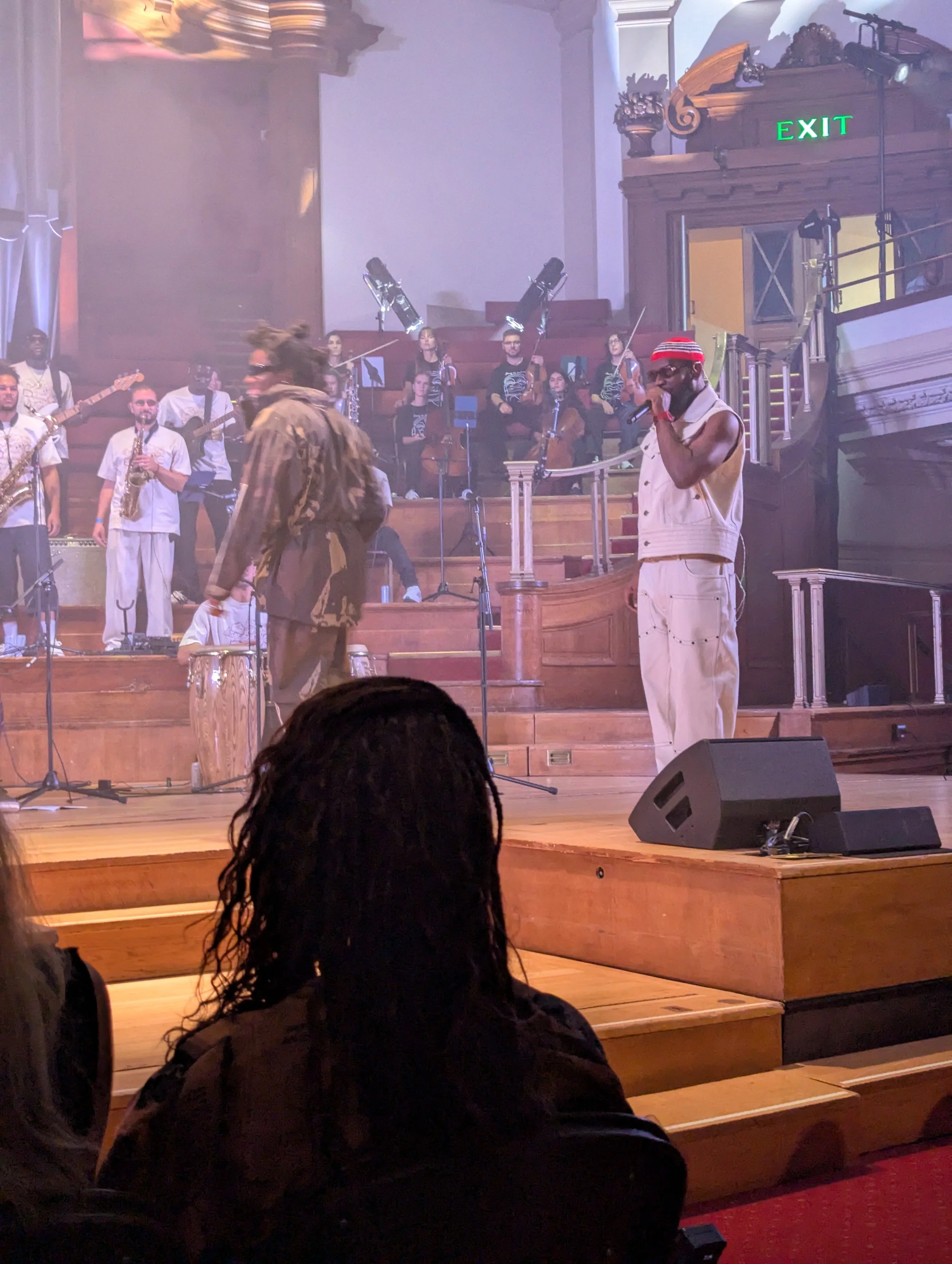
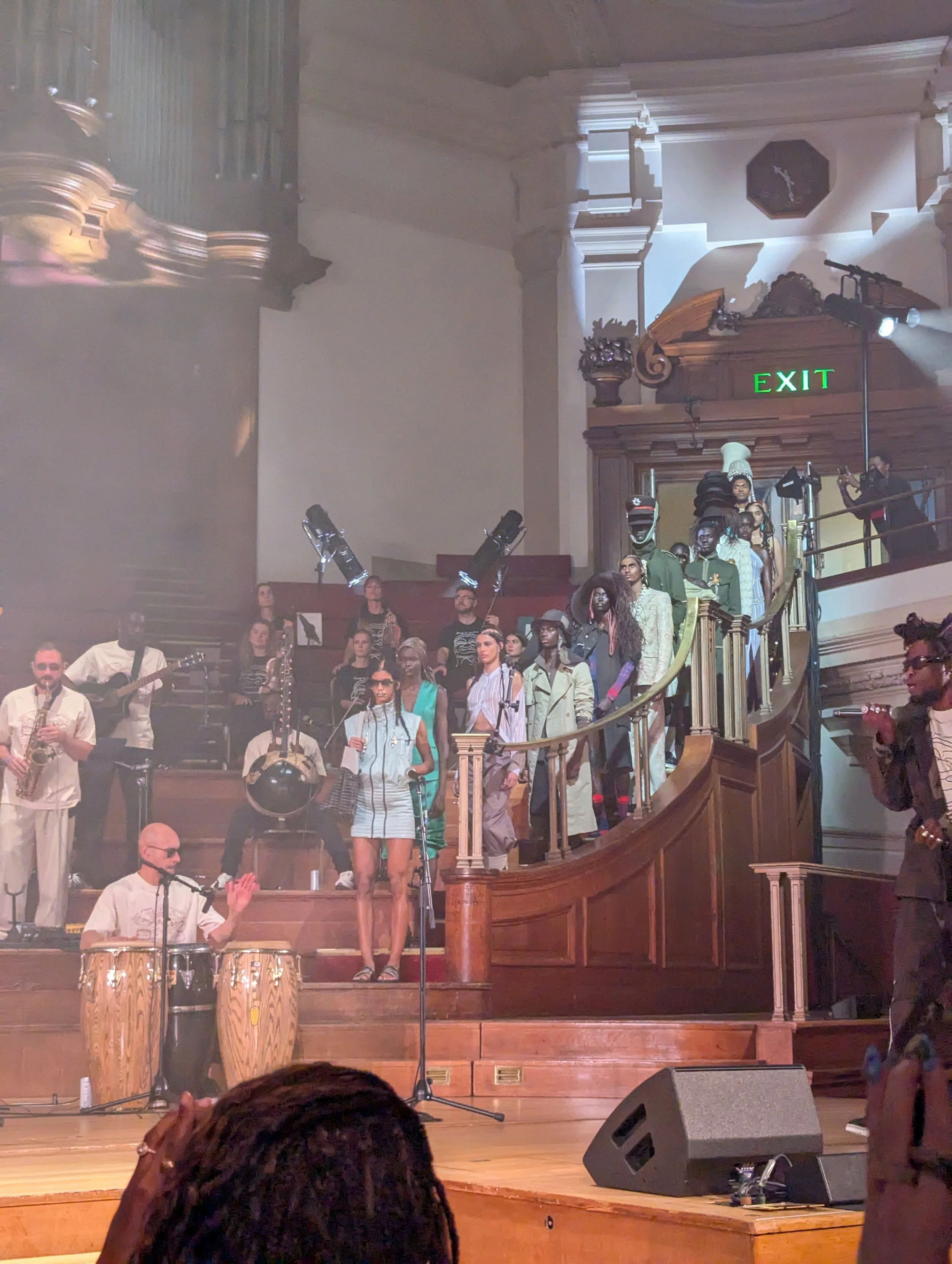
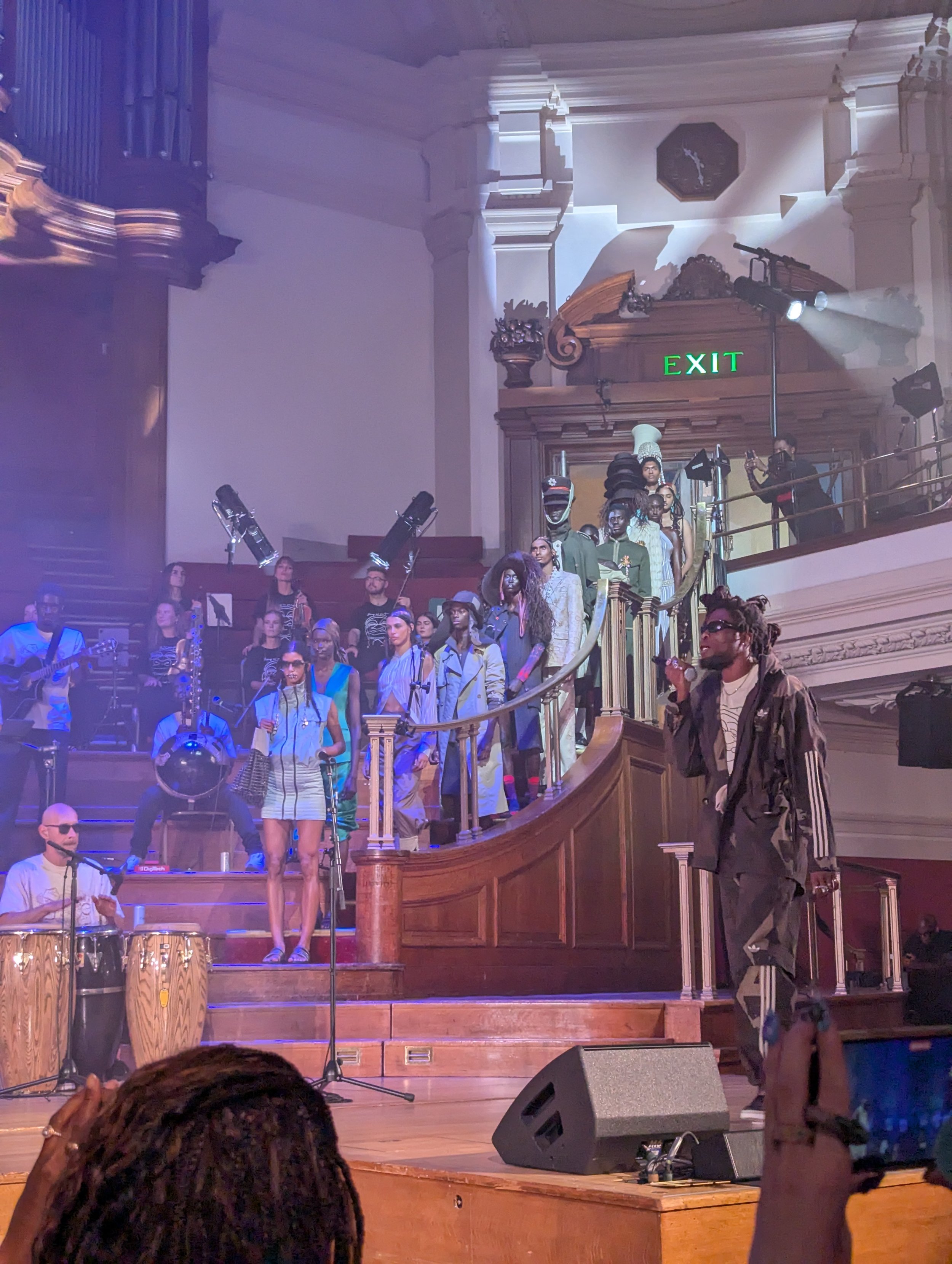
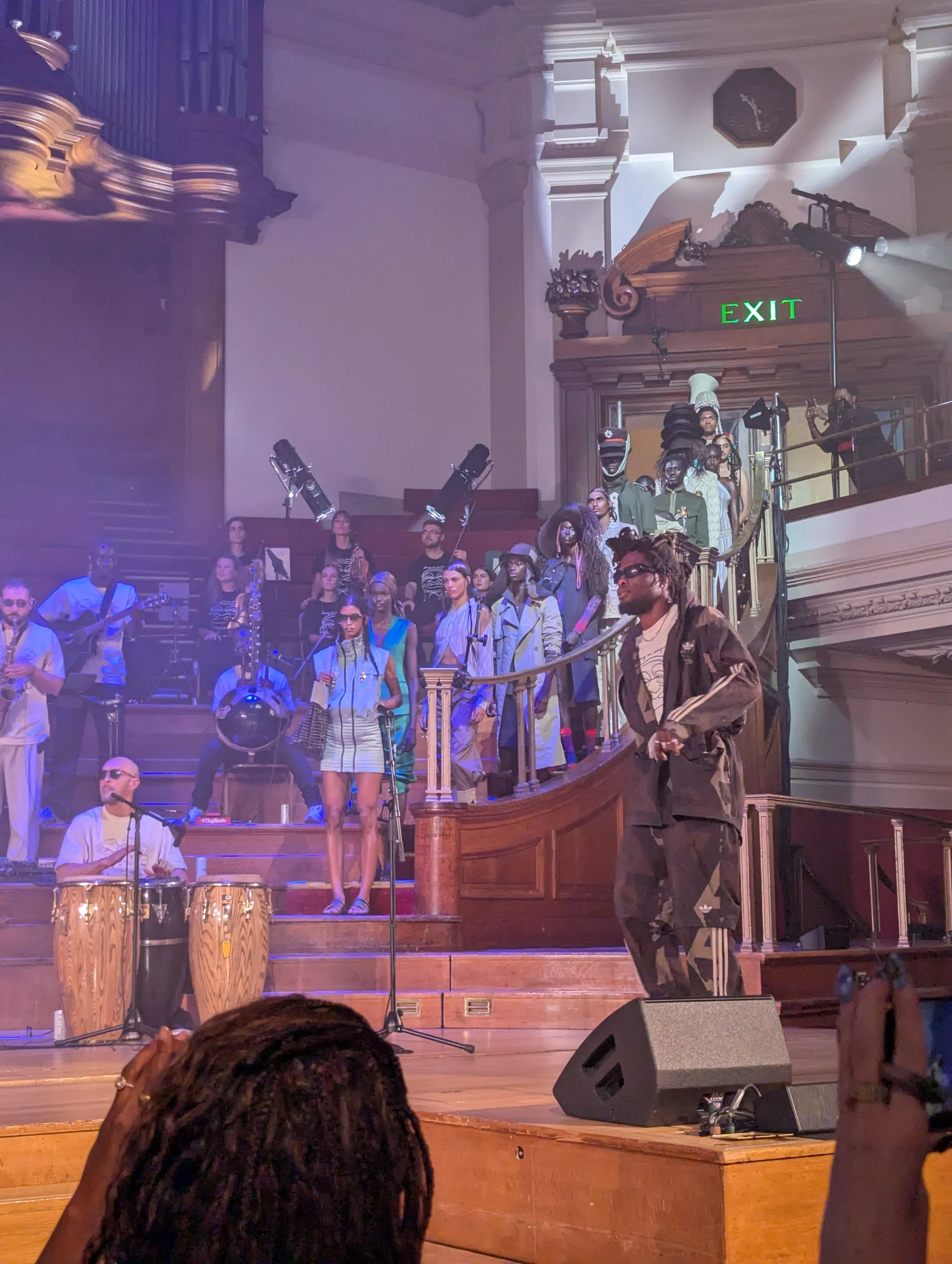
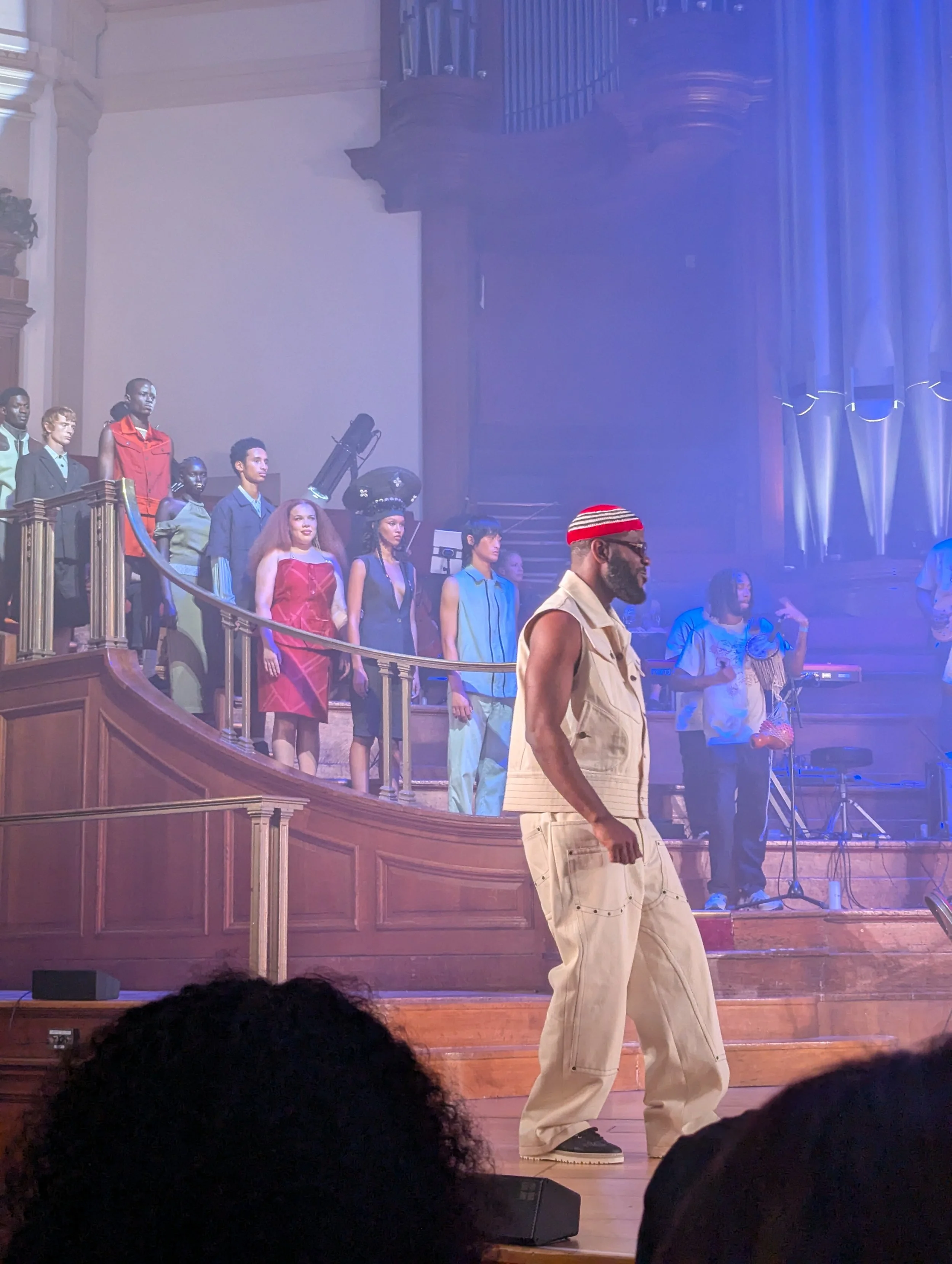
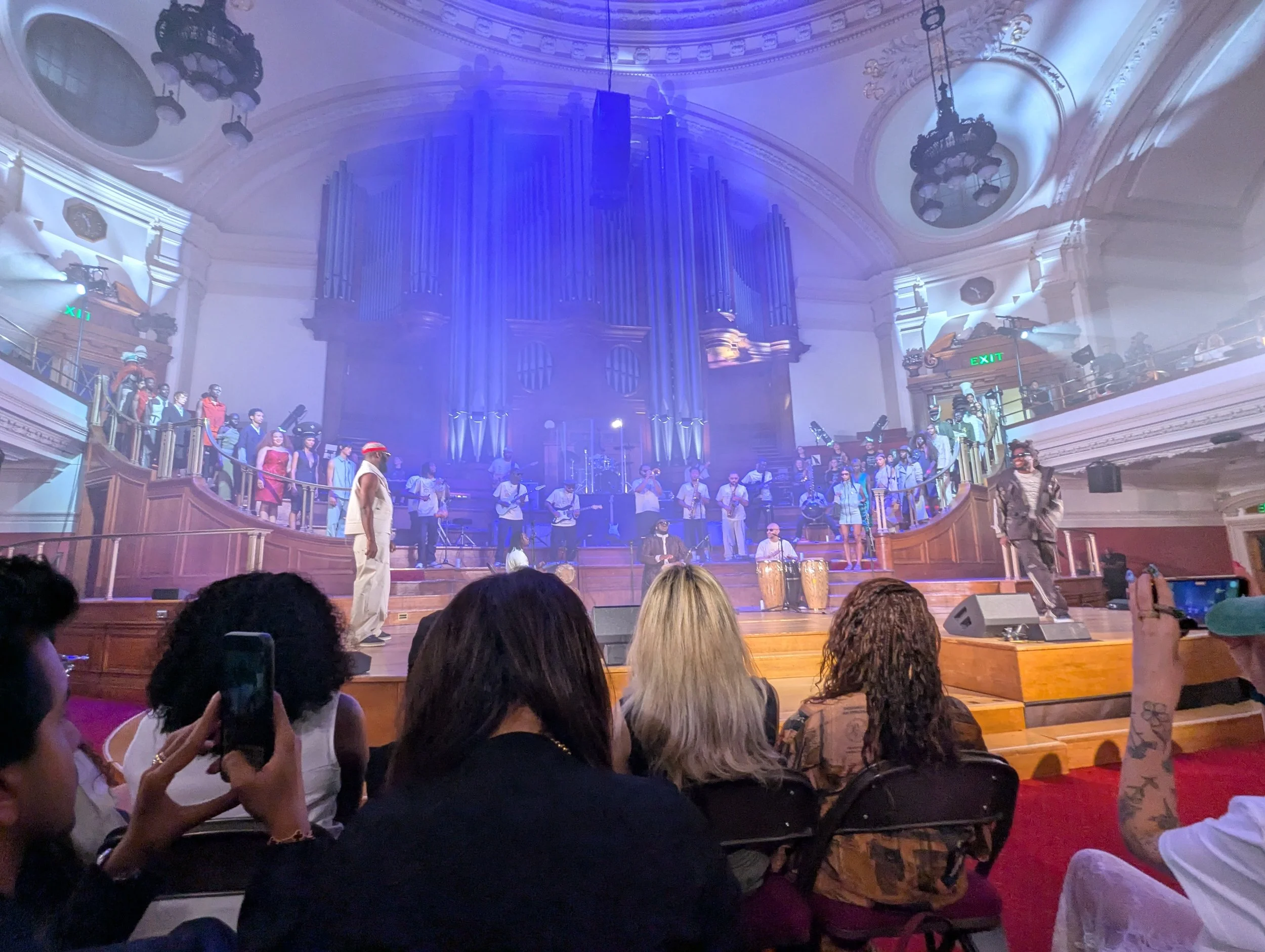
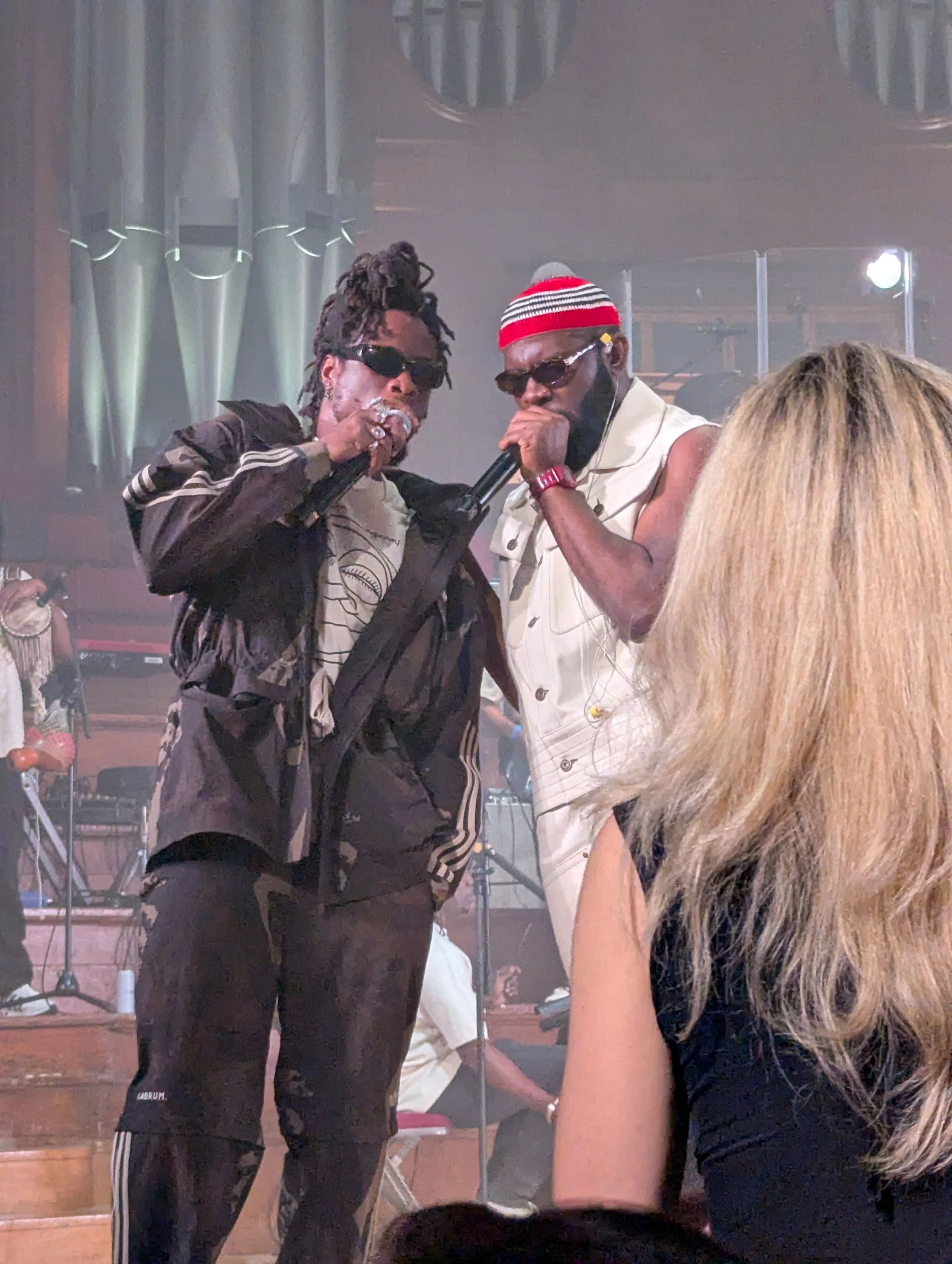
From the moment the lights shifted and the first notes hit, it felt less like a runway and more like a gathering of the new vanguard. Balimaya Project’s live West African meets London jazz score did not simply underscore the collection, it moved through it, turning each look into an instrument of its own. The hall became a chamber where sound, bodies, and cloth collided, each beat insisting that culture is something carried, shared, and never static.
I was completely beyond words and that was a terrible predicament to be in when one is a writer. But this extravaganza of a show was just too much to take in all at once. I have never been so culturally imbued in my entire life. They had an entire ensemble for African jazz and brought it to the next level. The new guard was present tonight and I am so honored to be one of its gatekeepers. If there was one show to breathe life back into LFW, this one was it. It was the defibrillator that LFW needed desperately. With every beat of the drum more life returns.
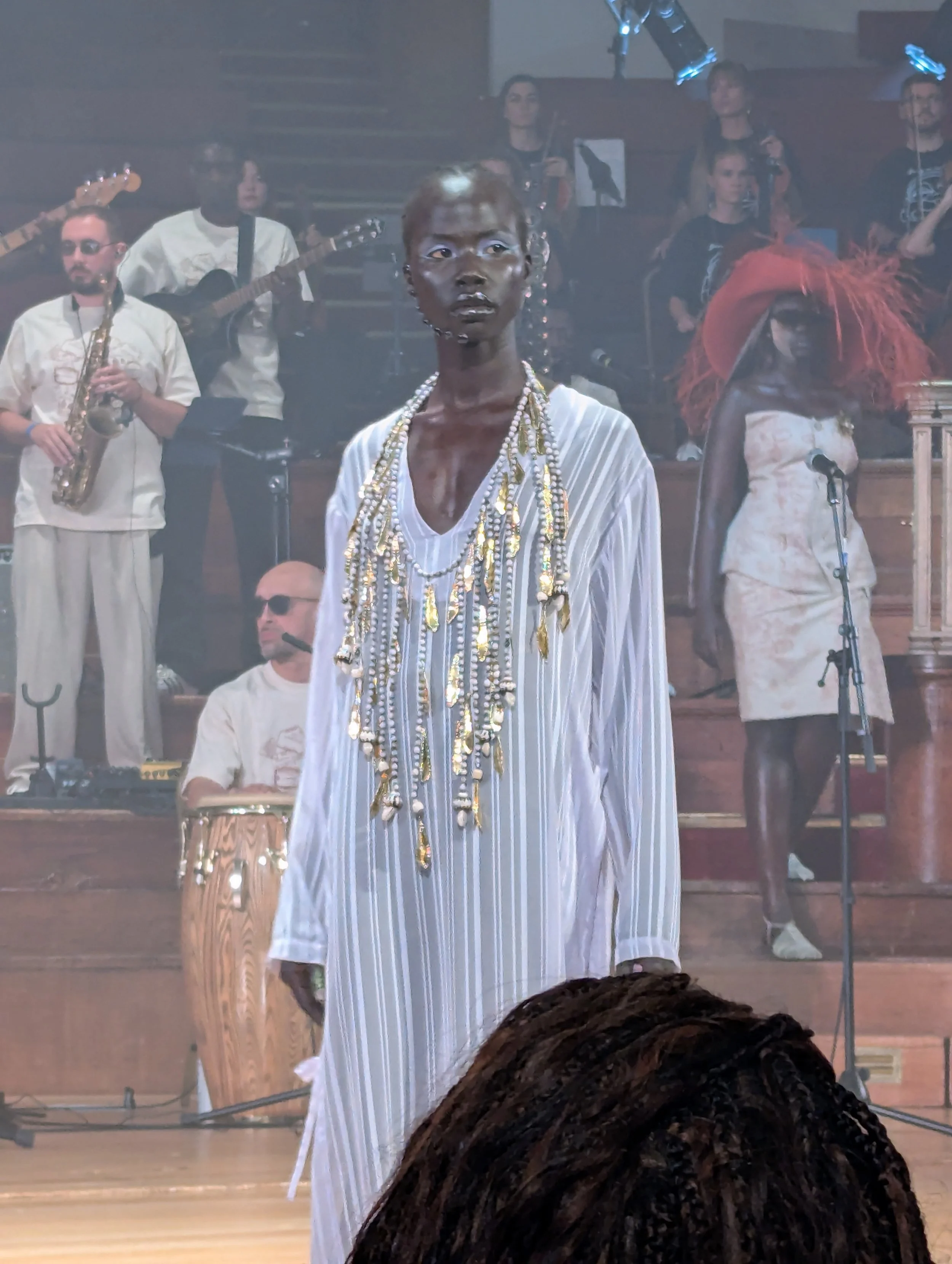
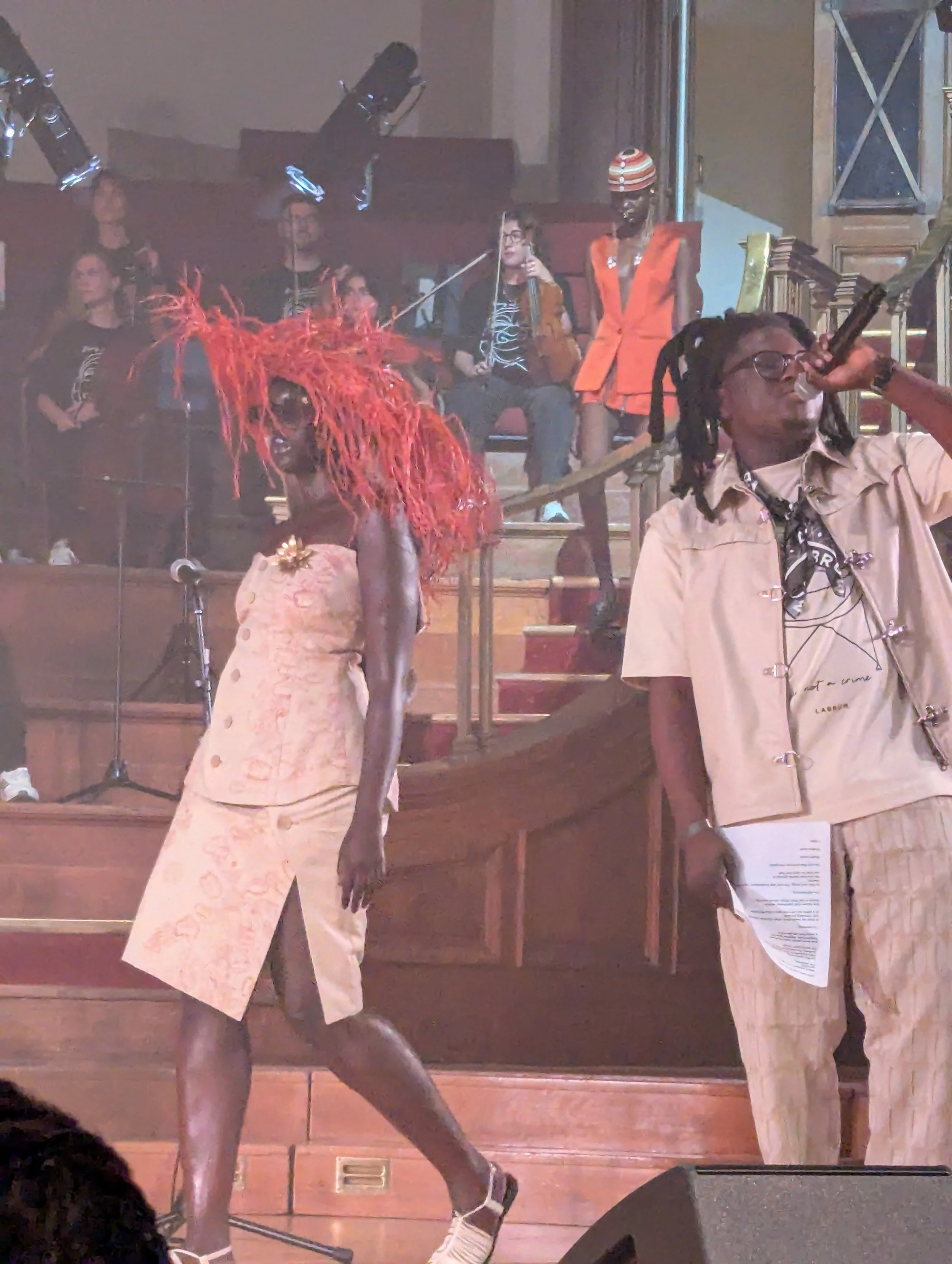
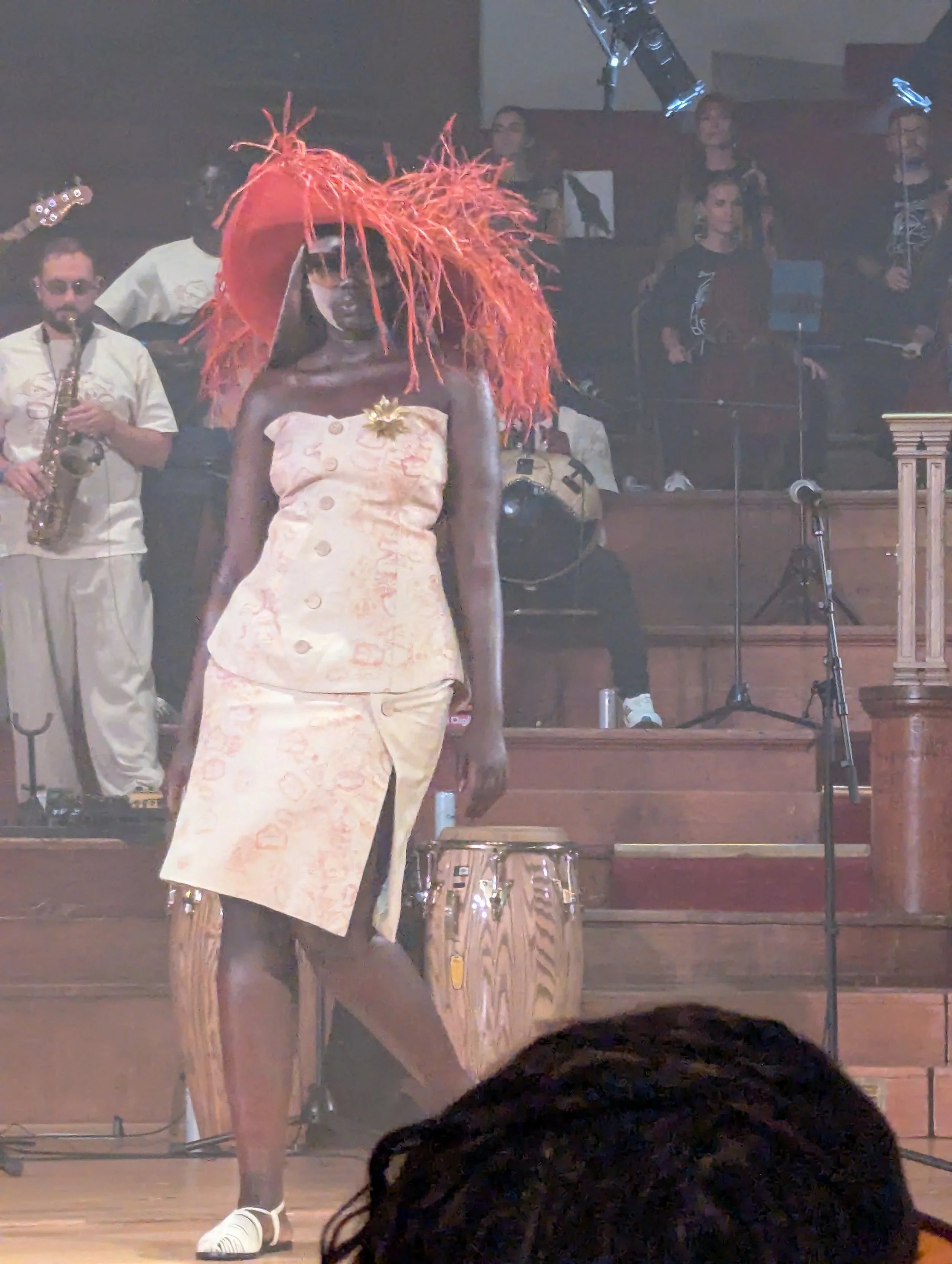
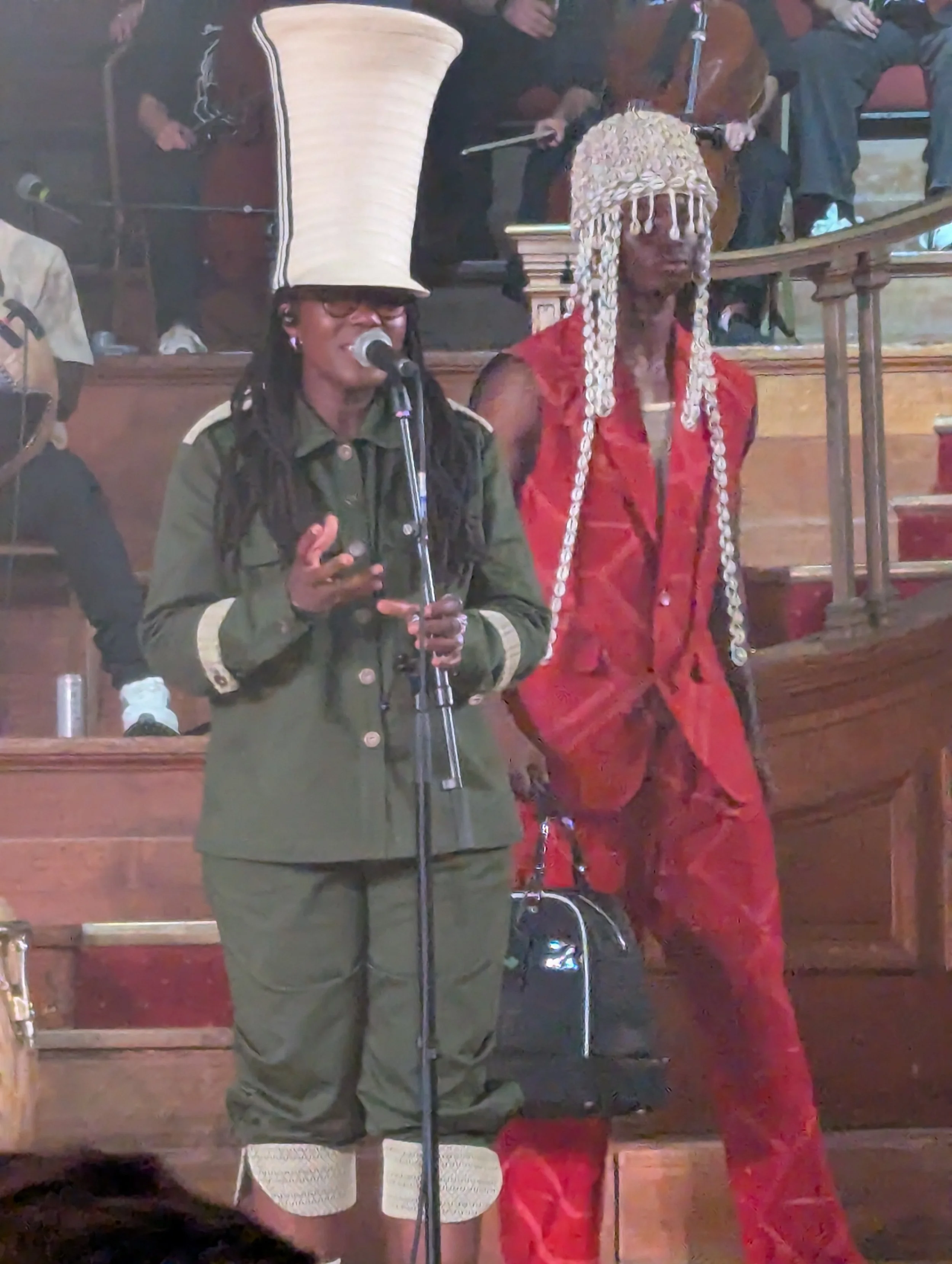
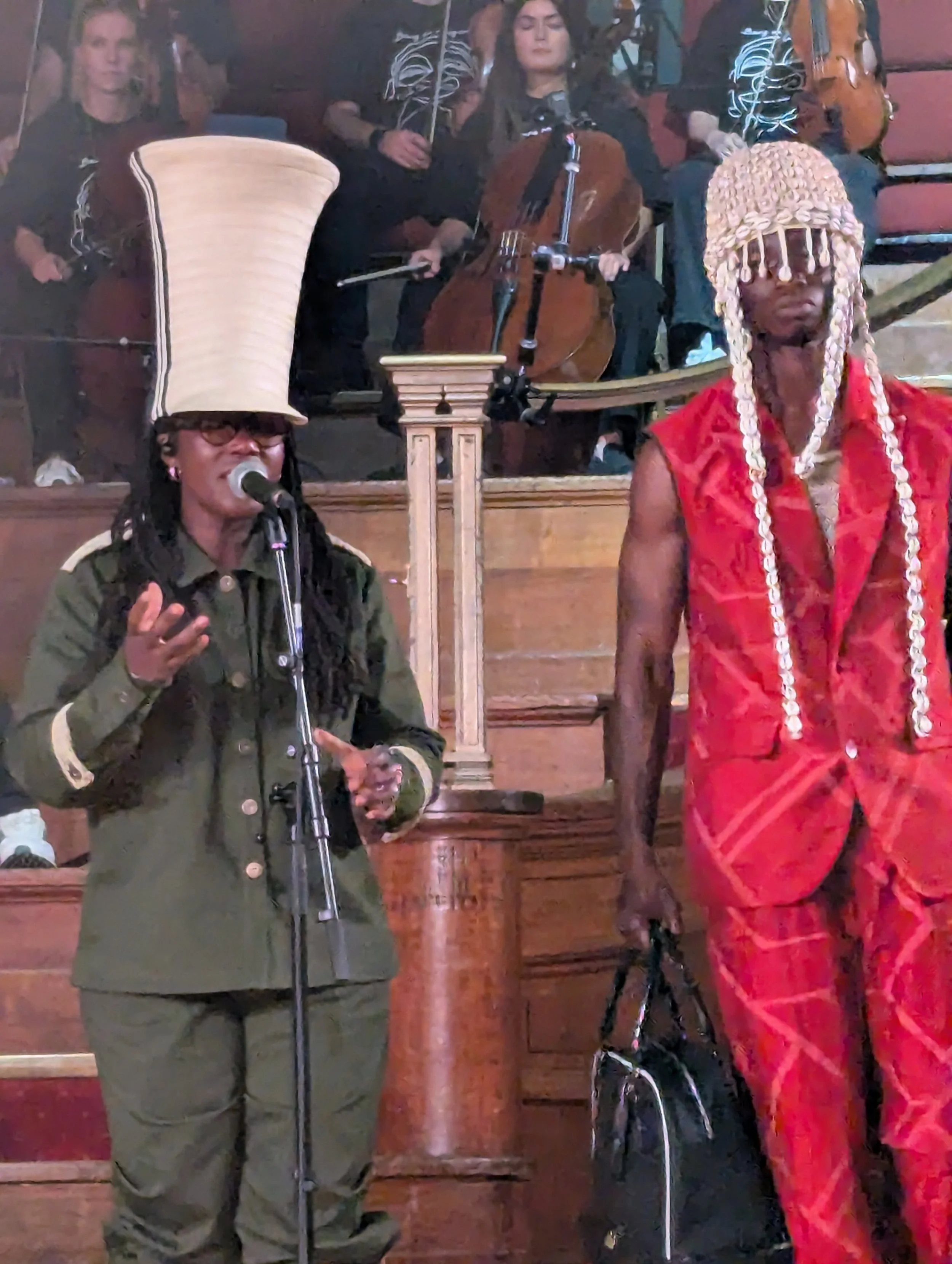
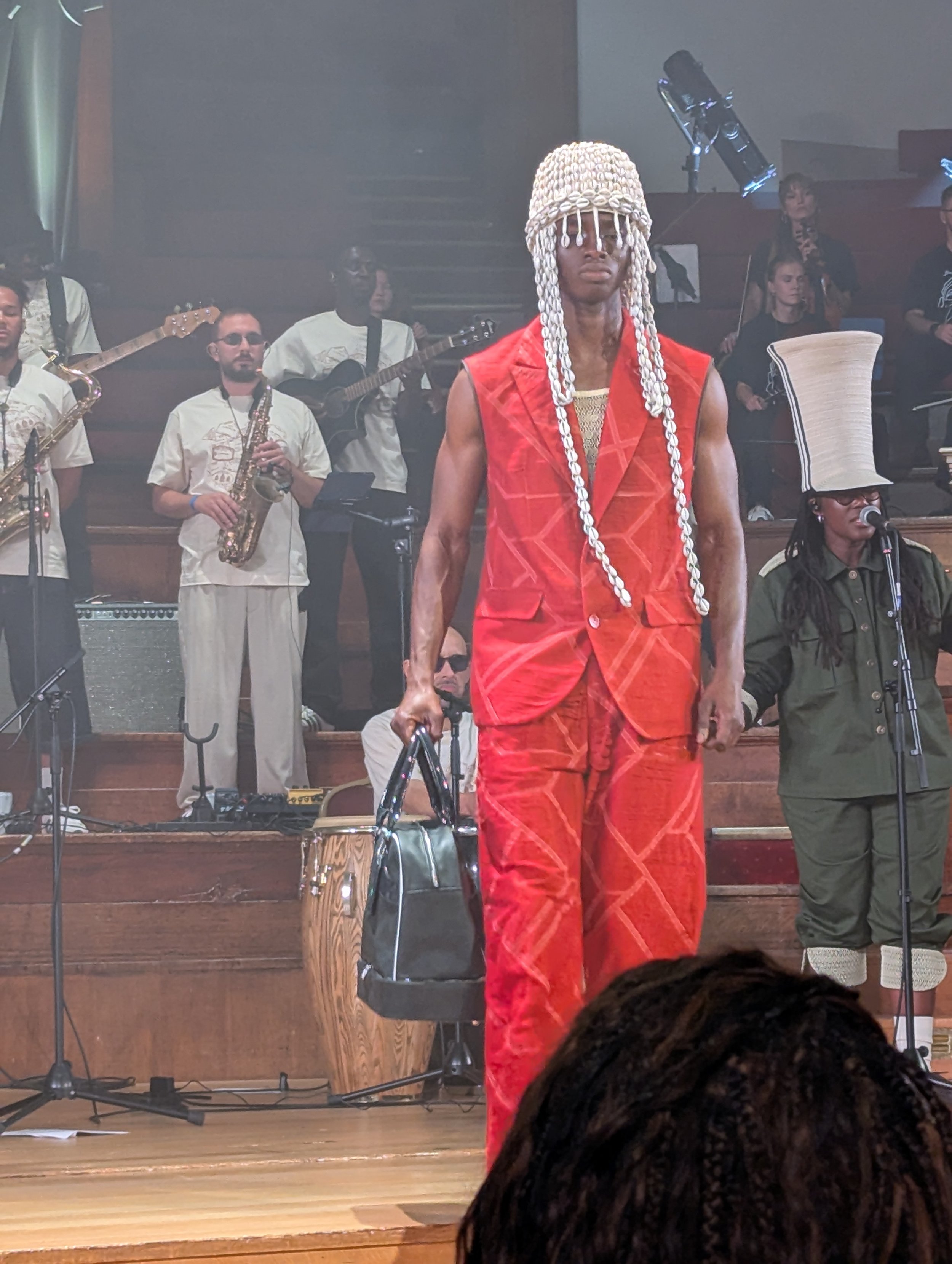
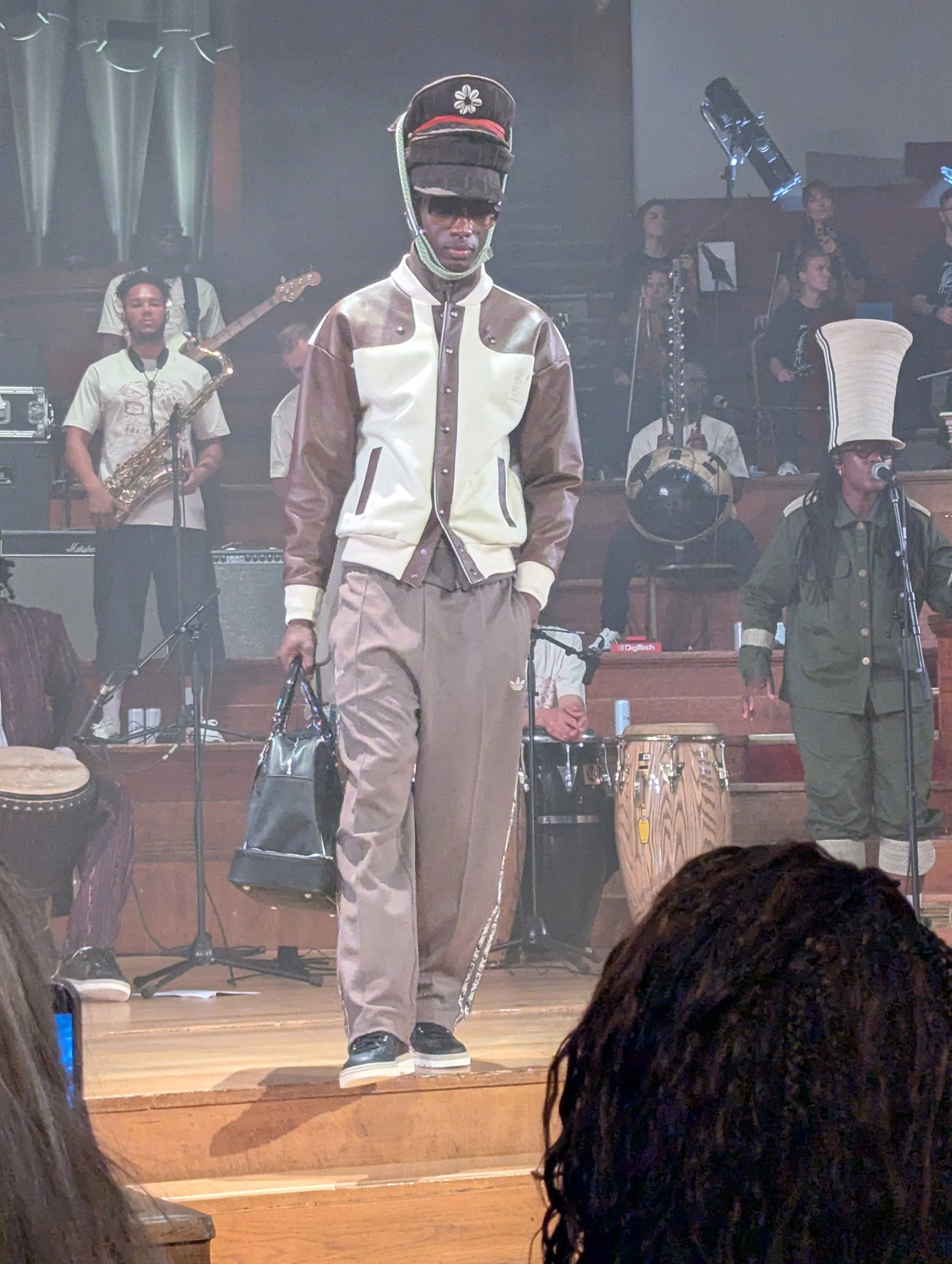
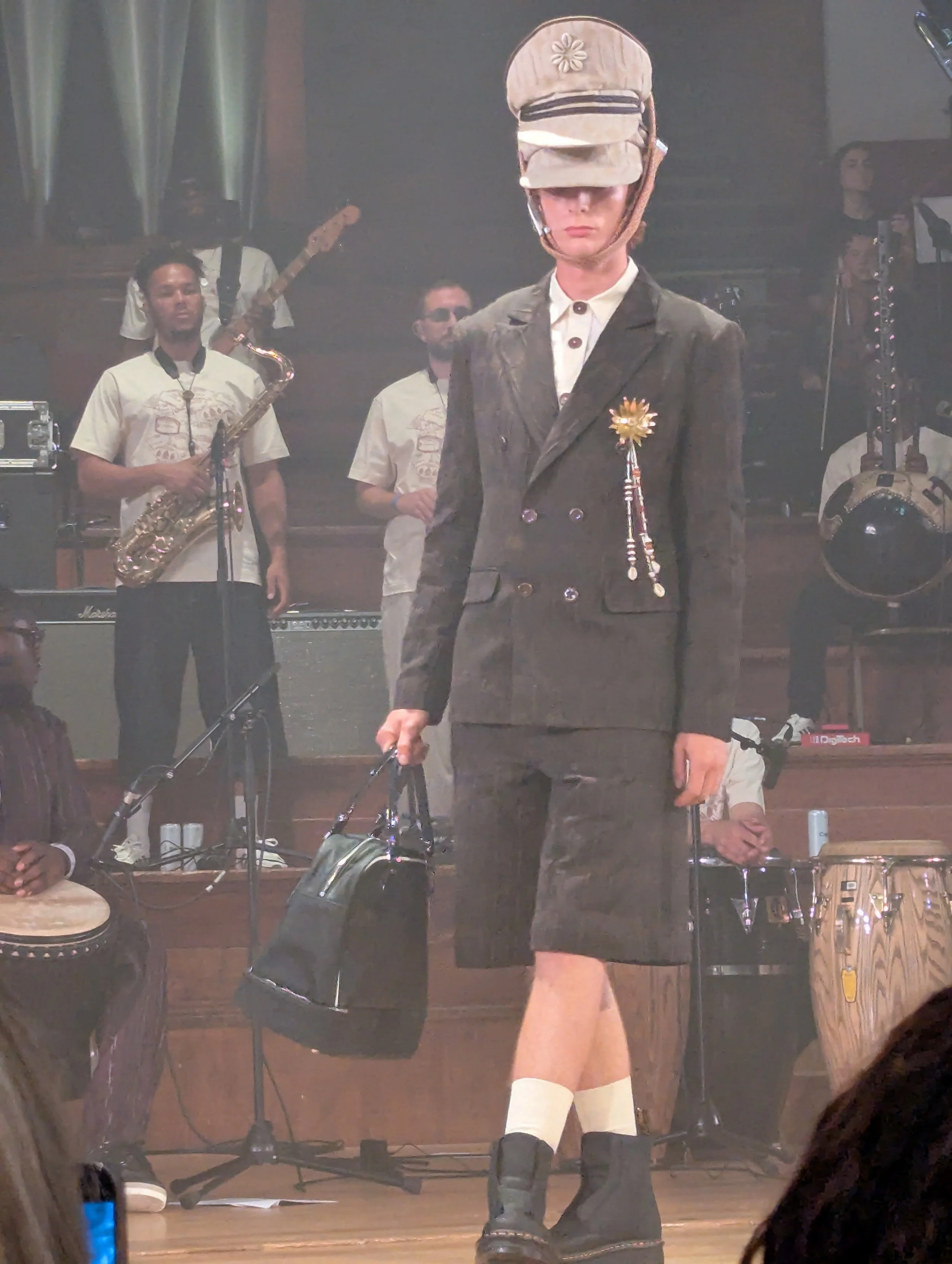
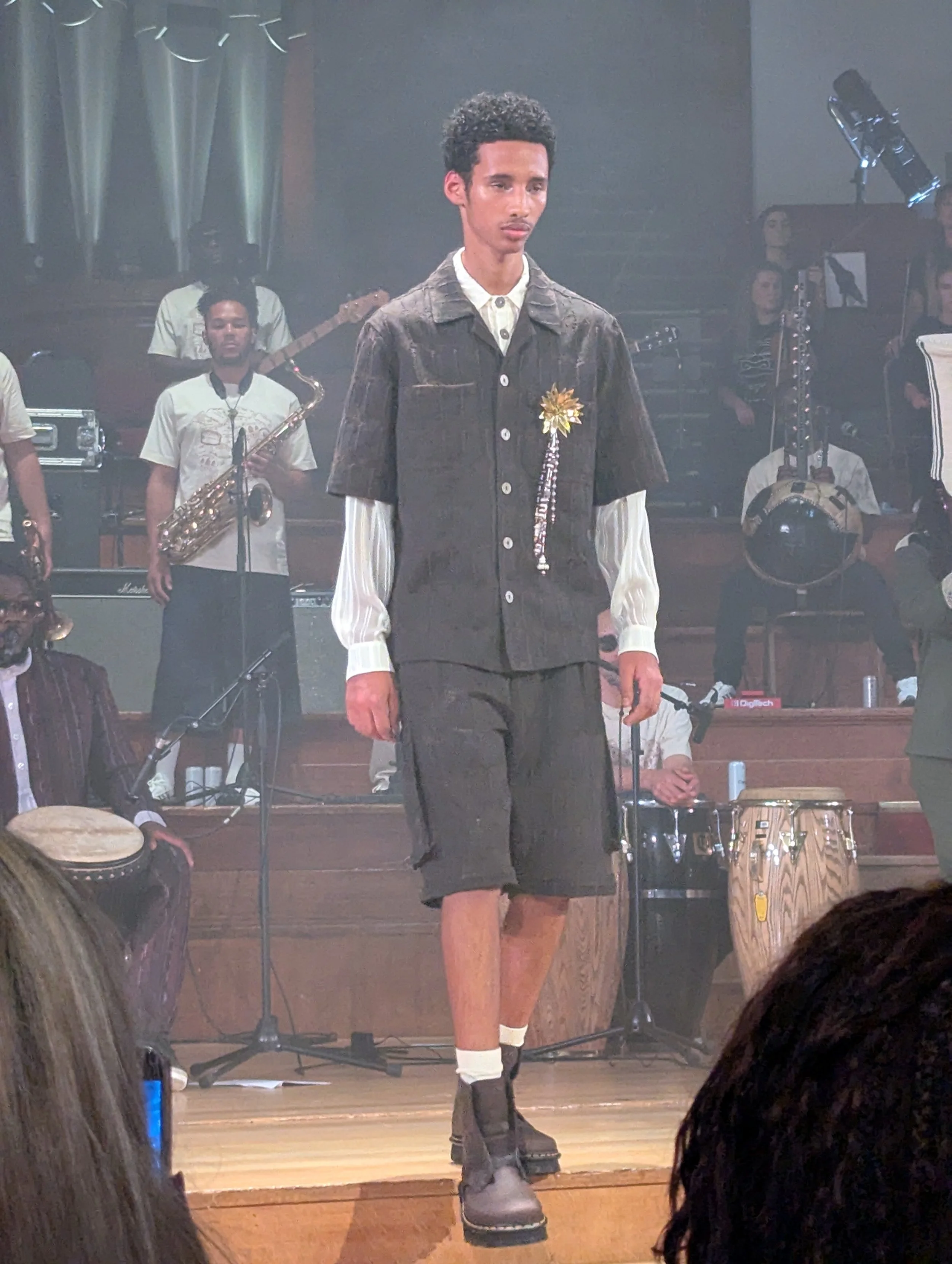
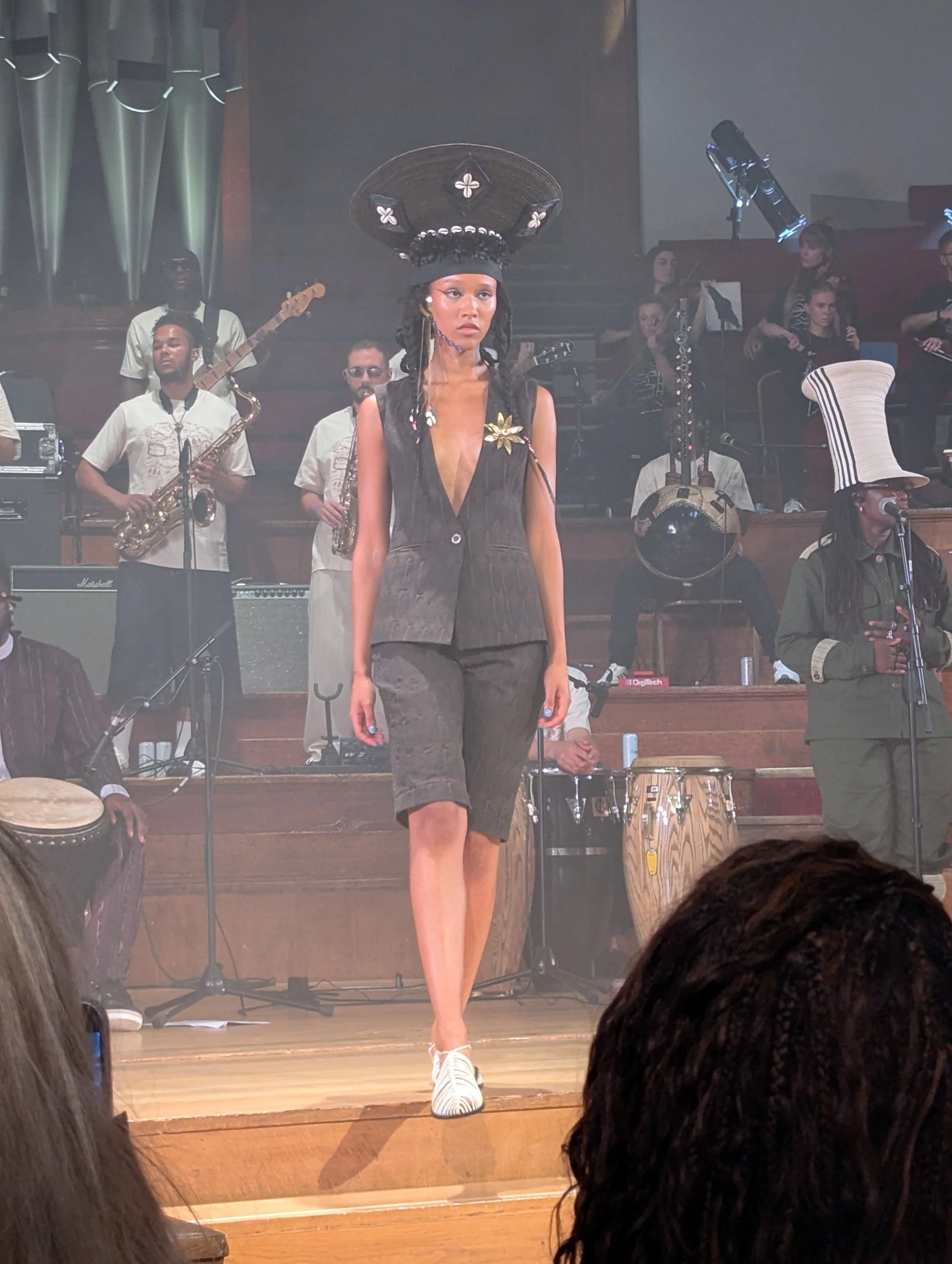
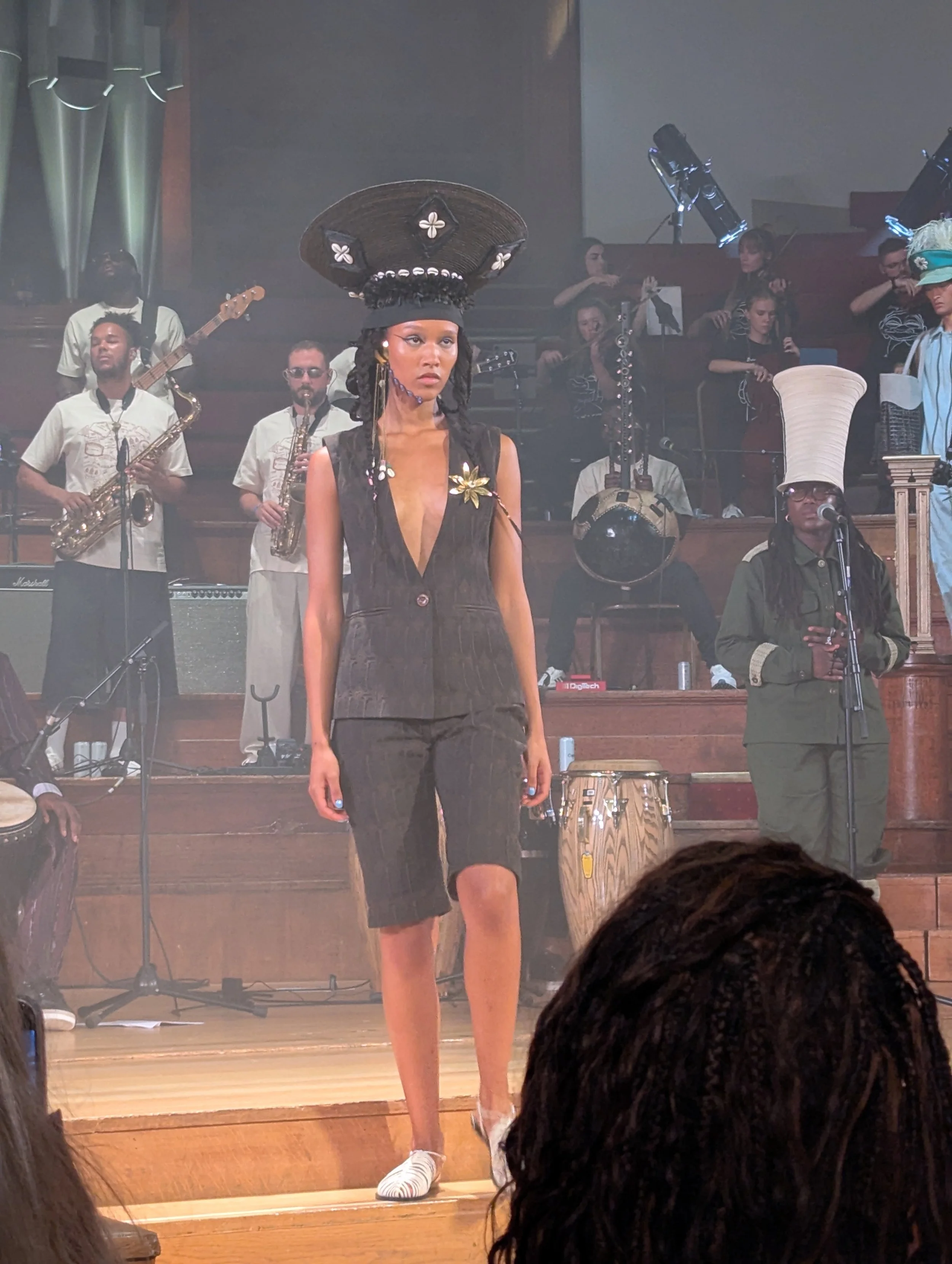
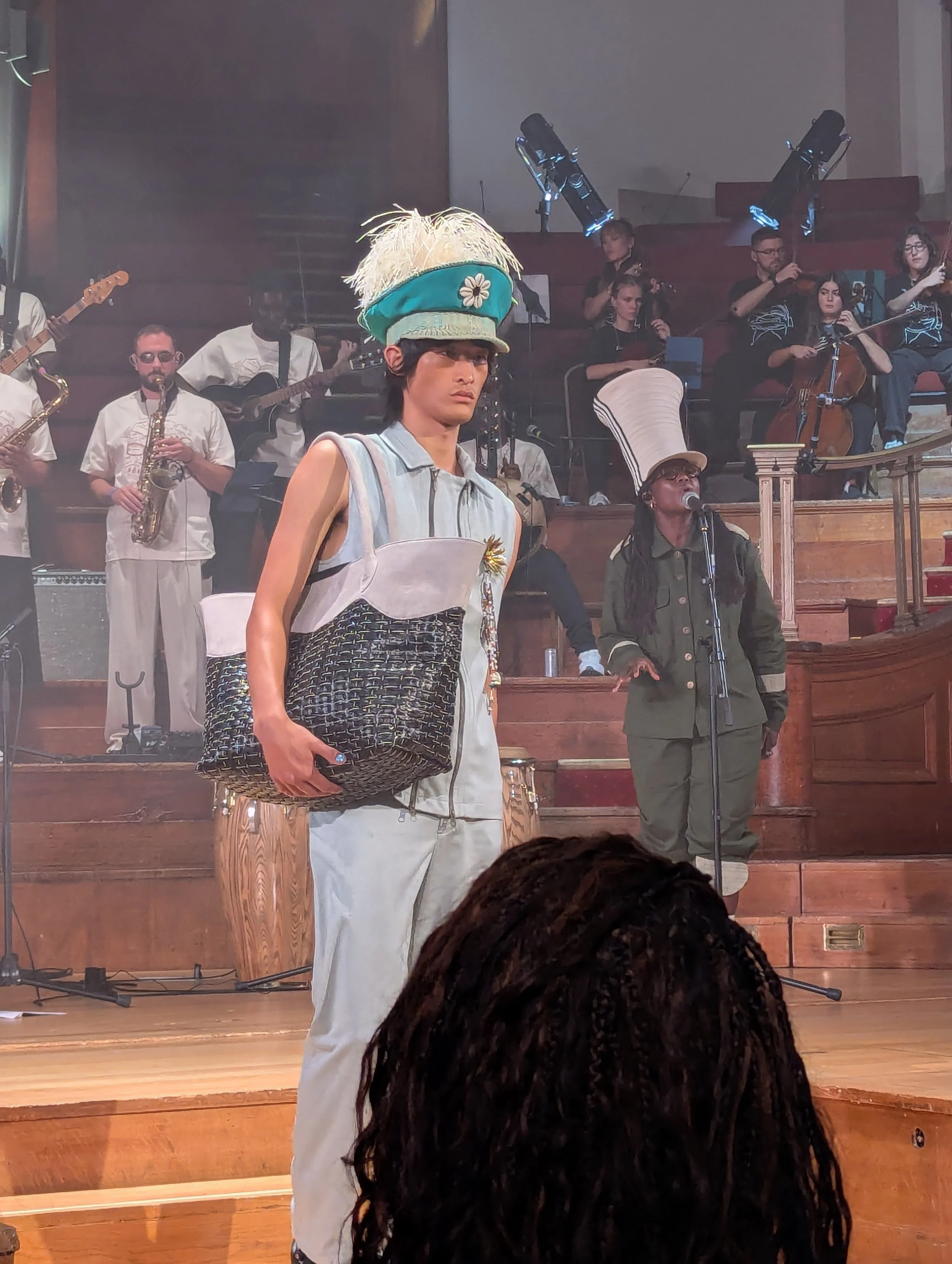
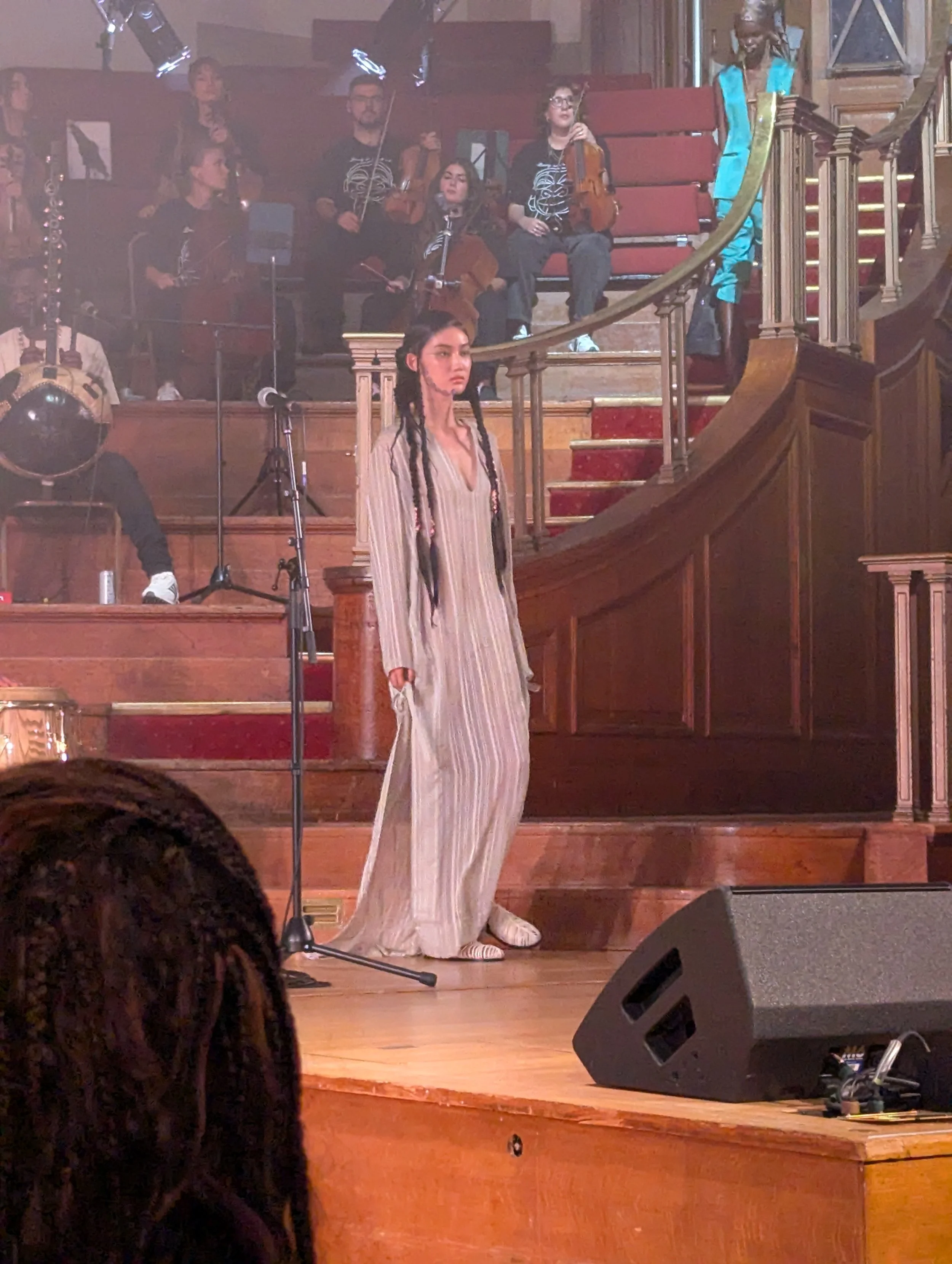
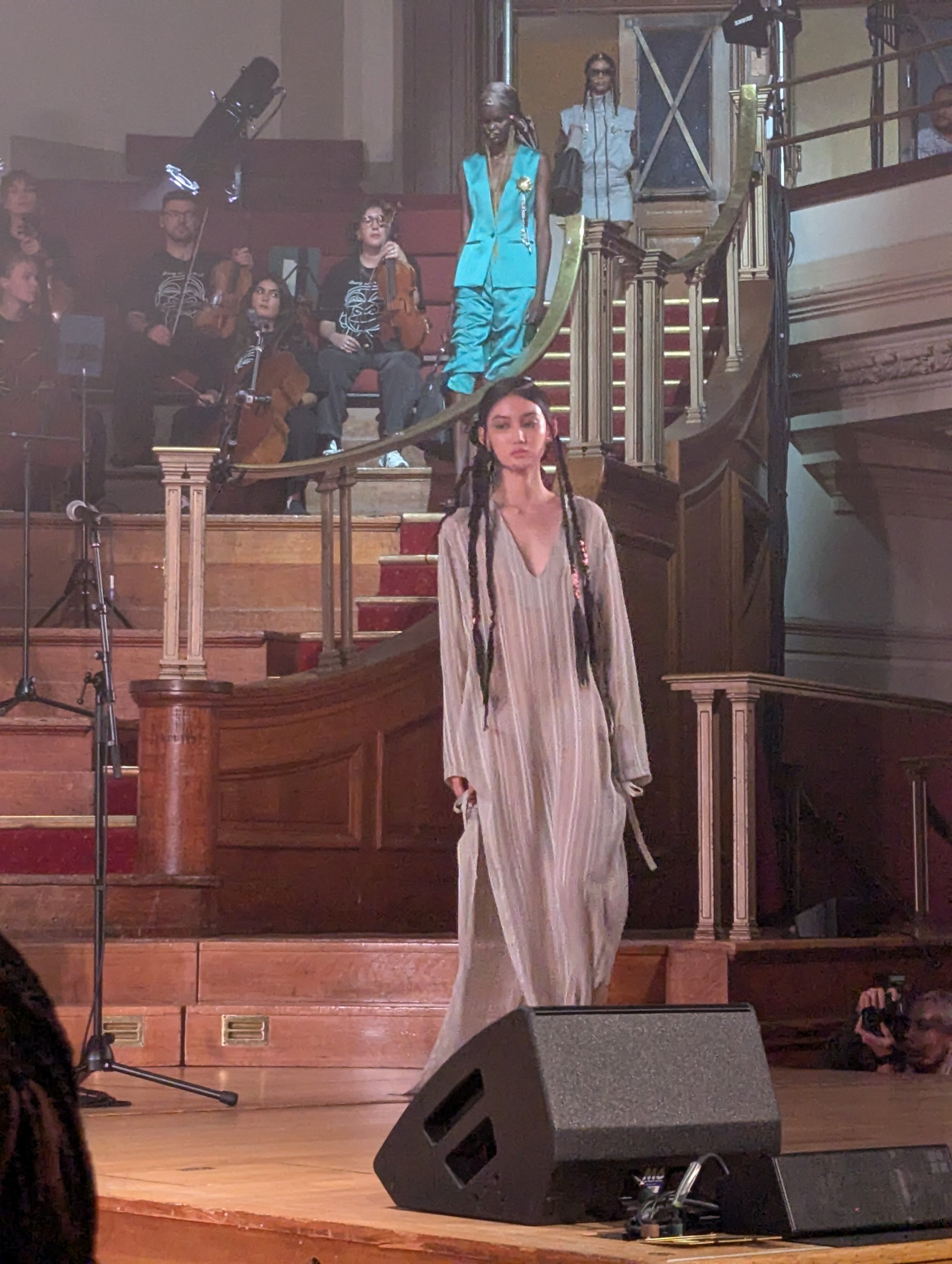
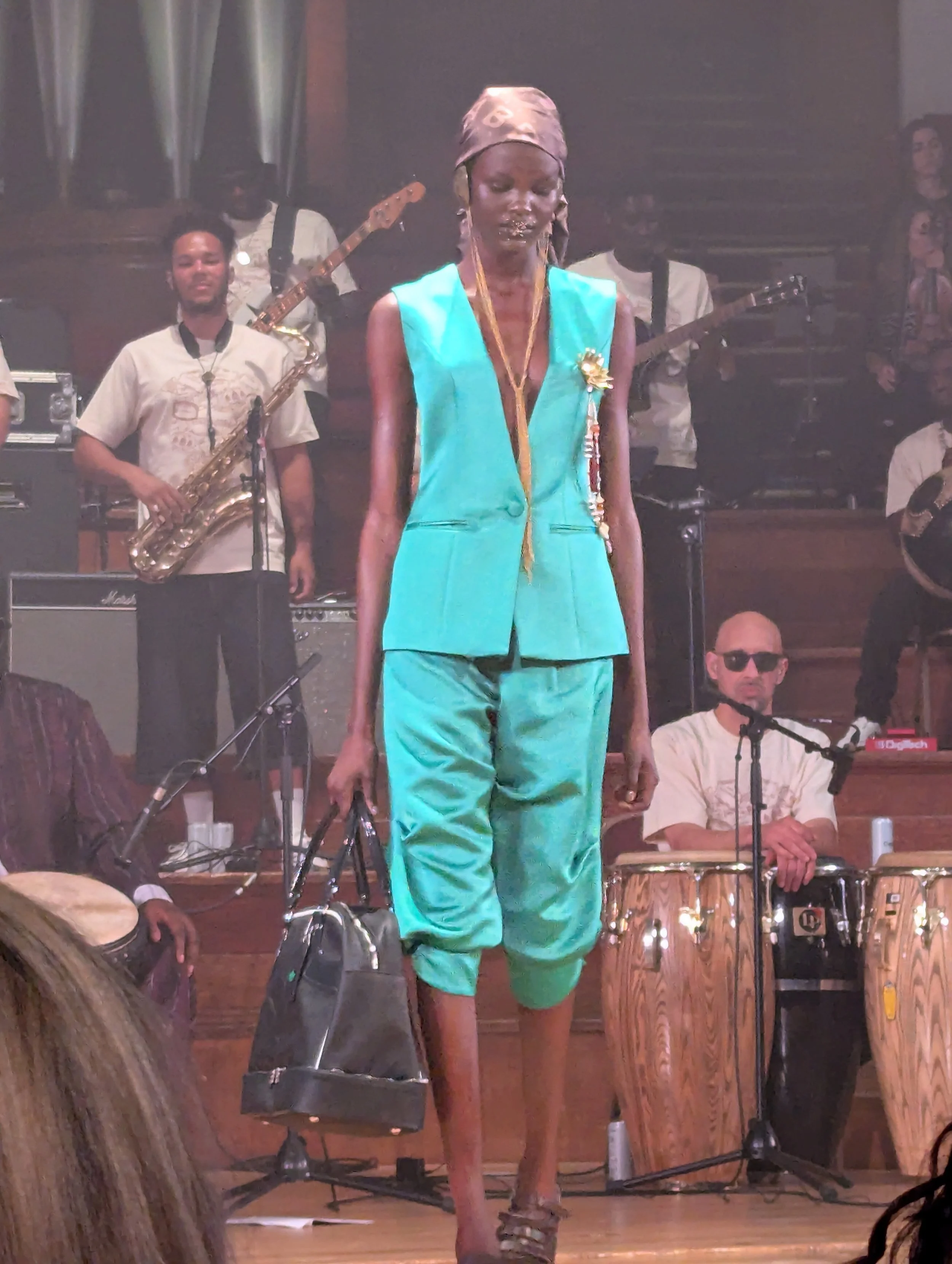
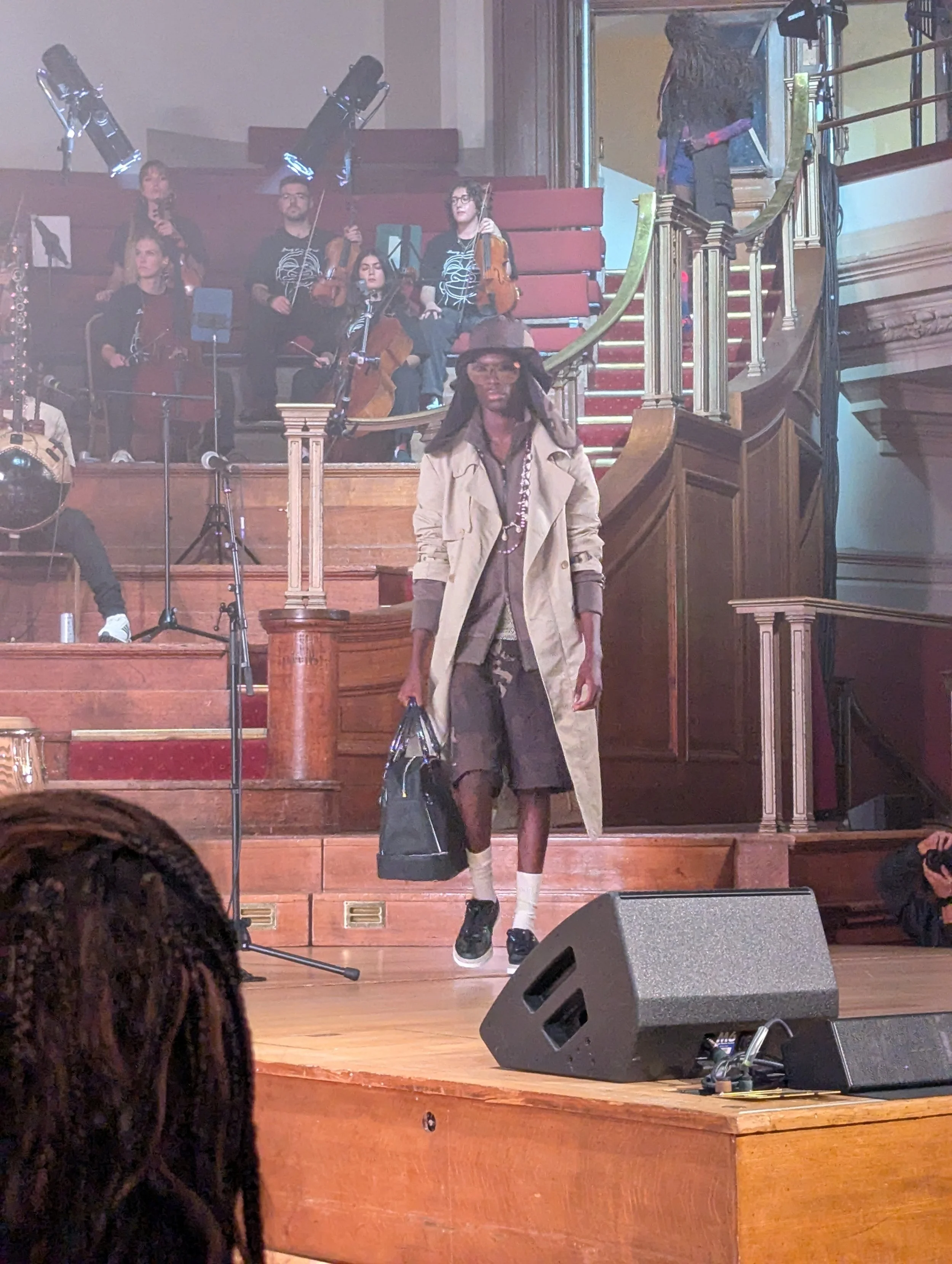
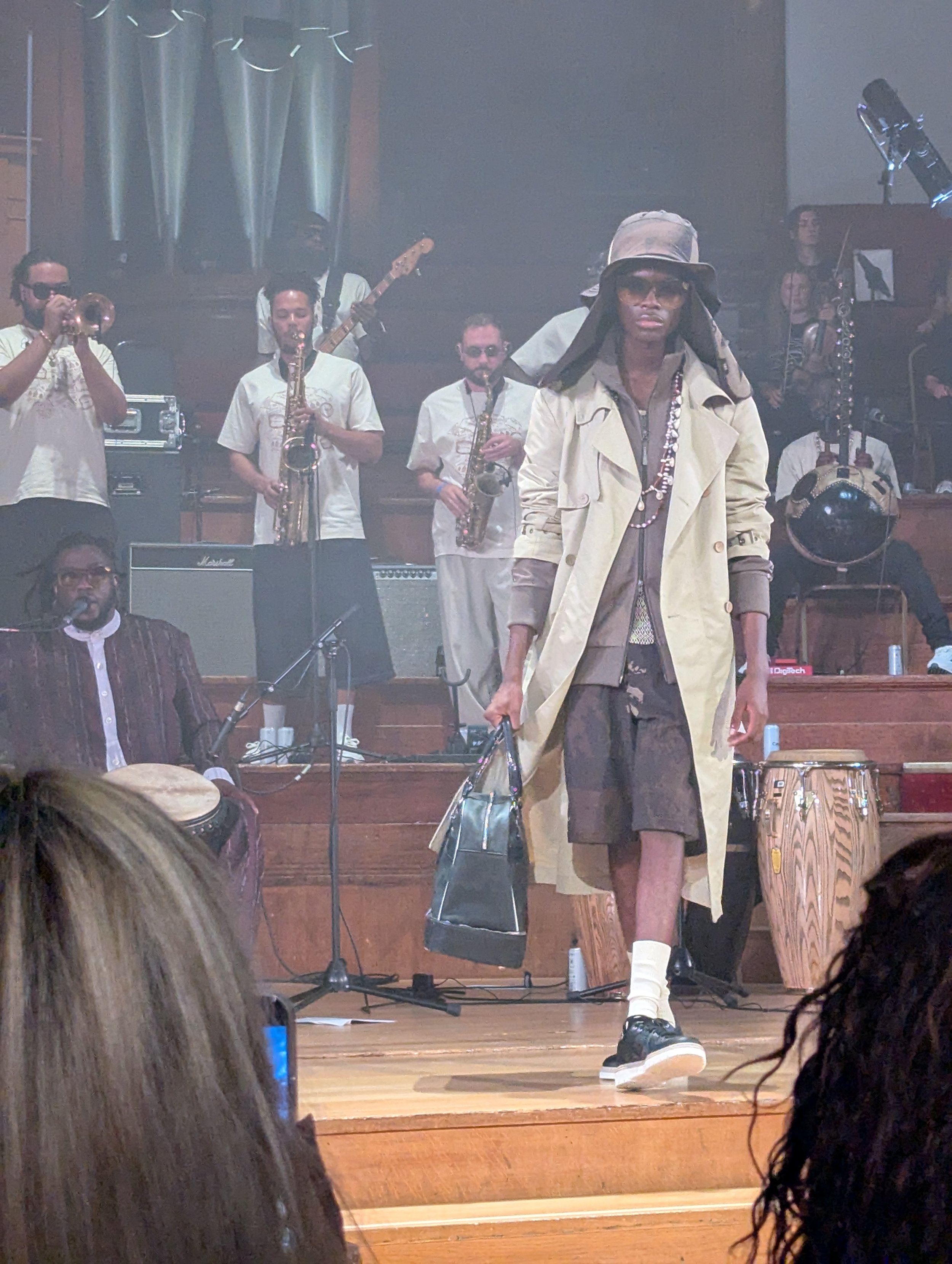
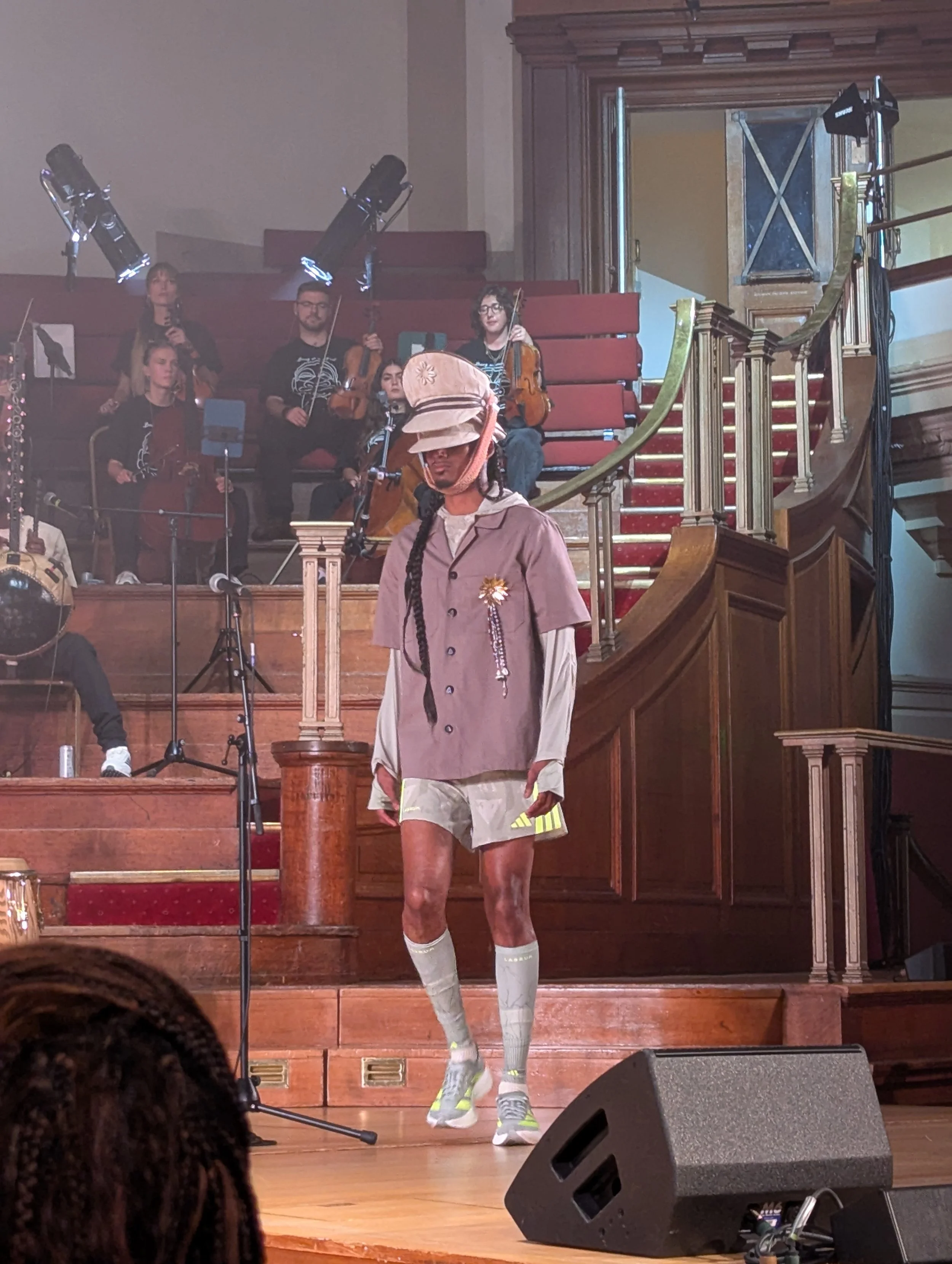
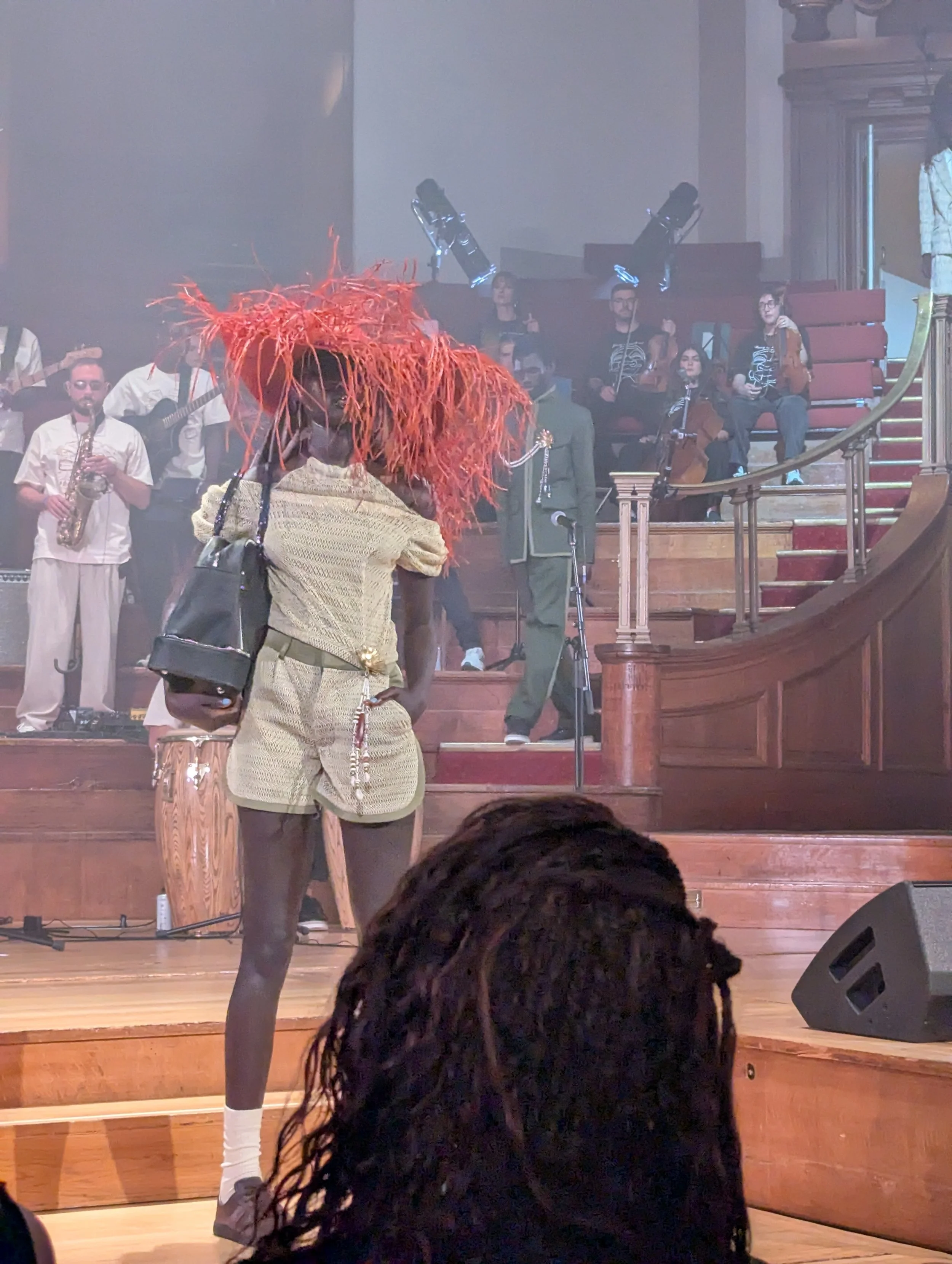
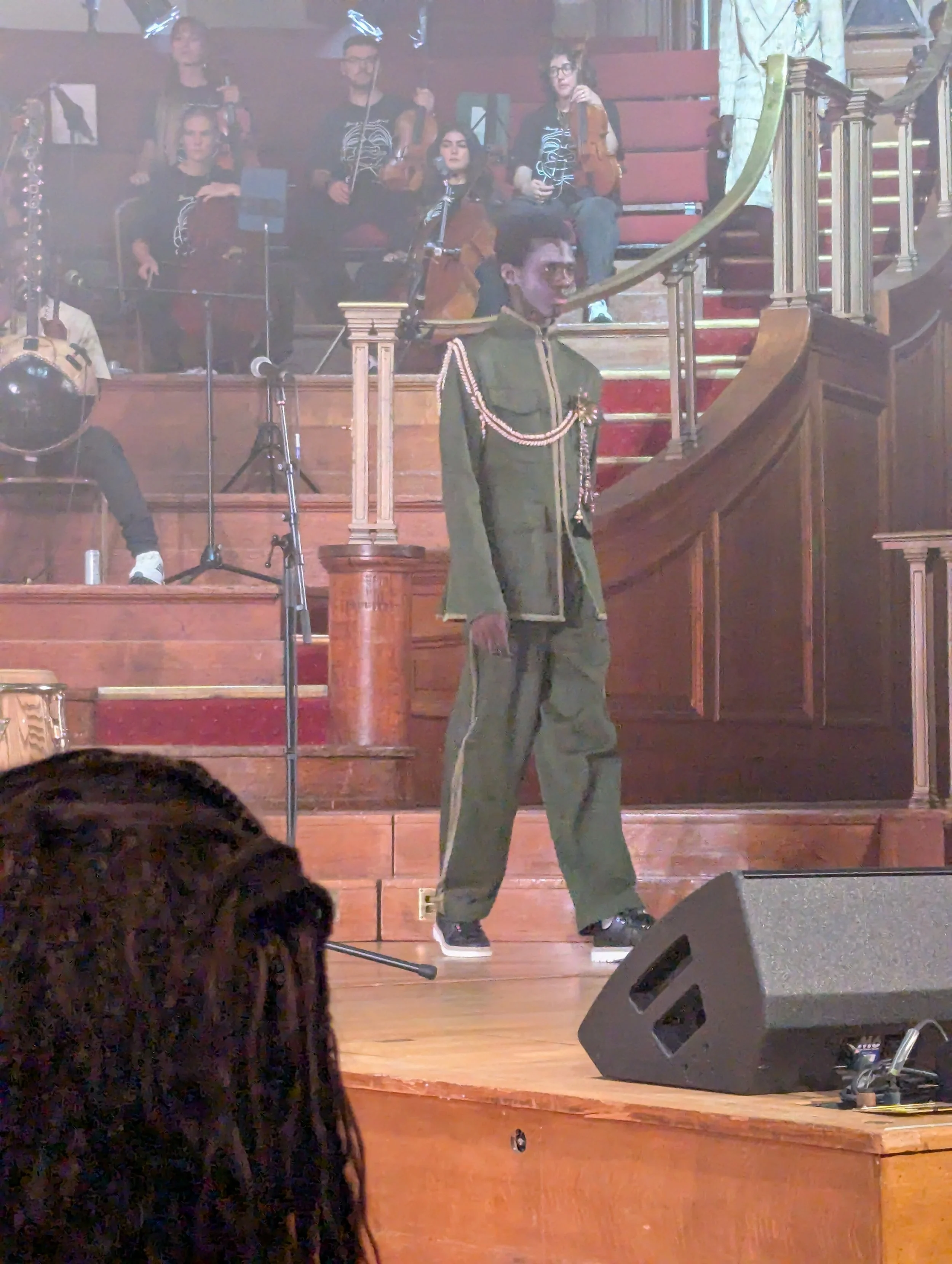
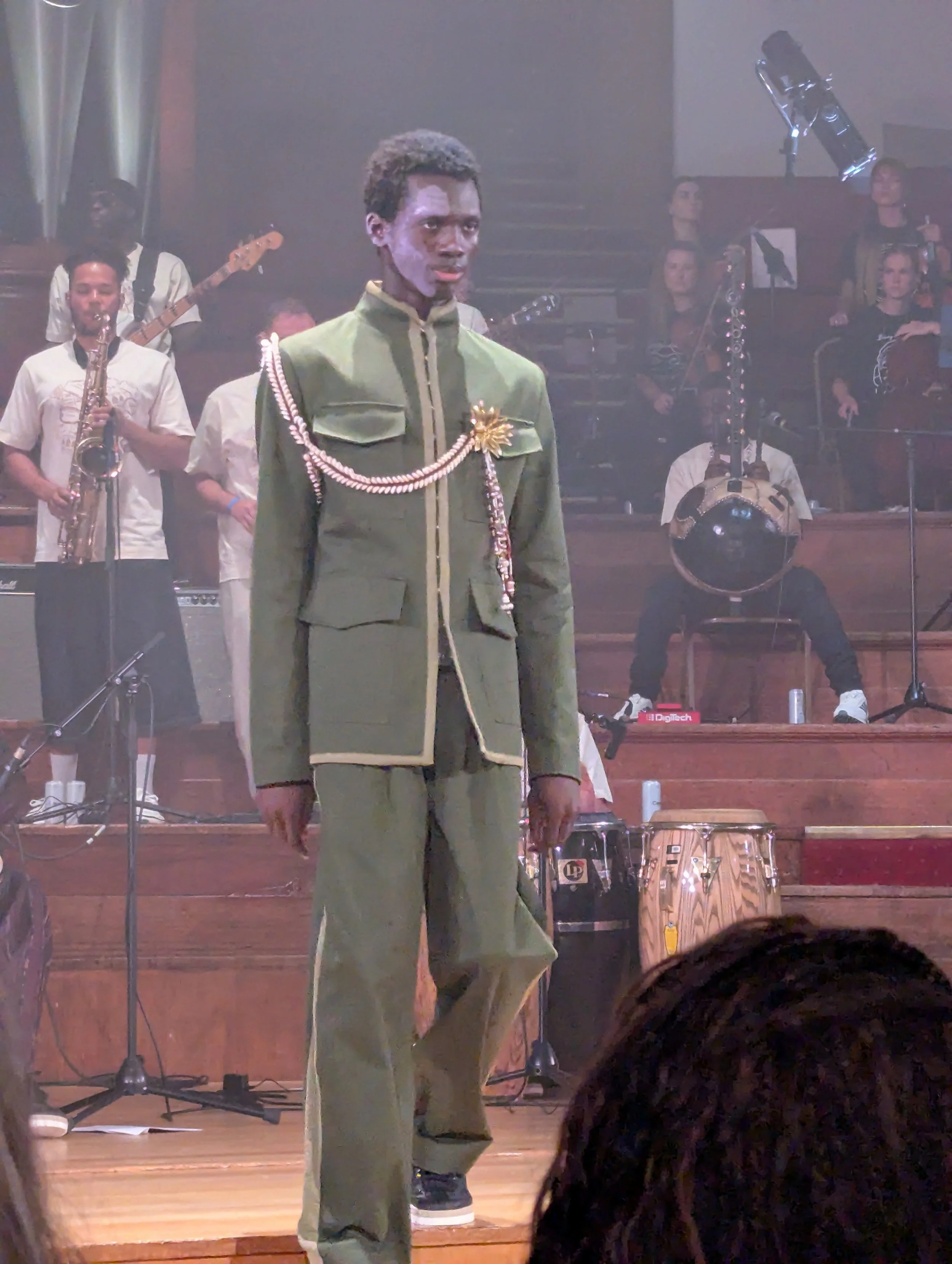
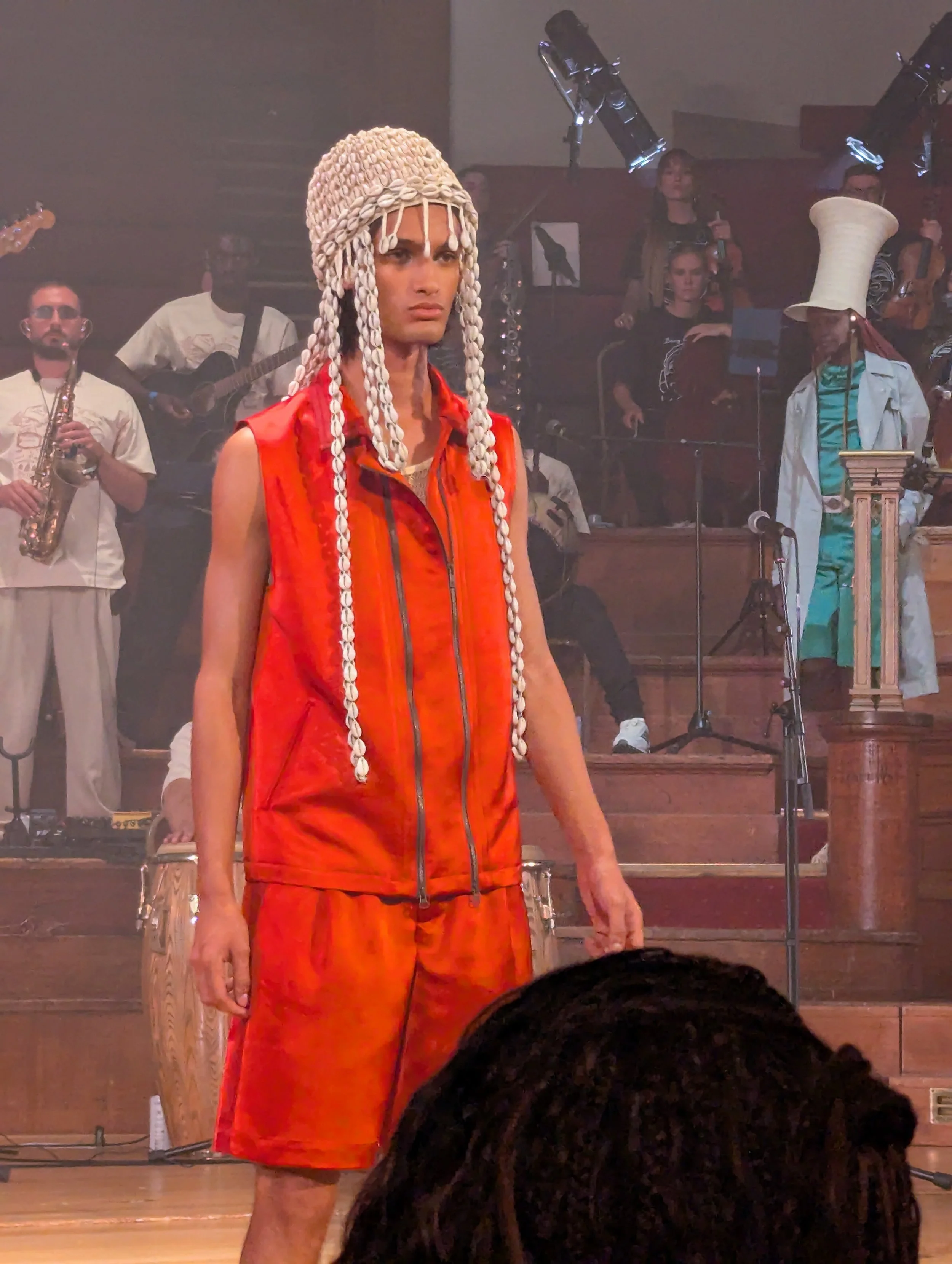
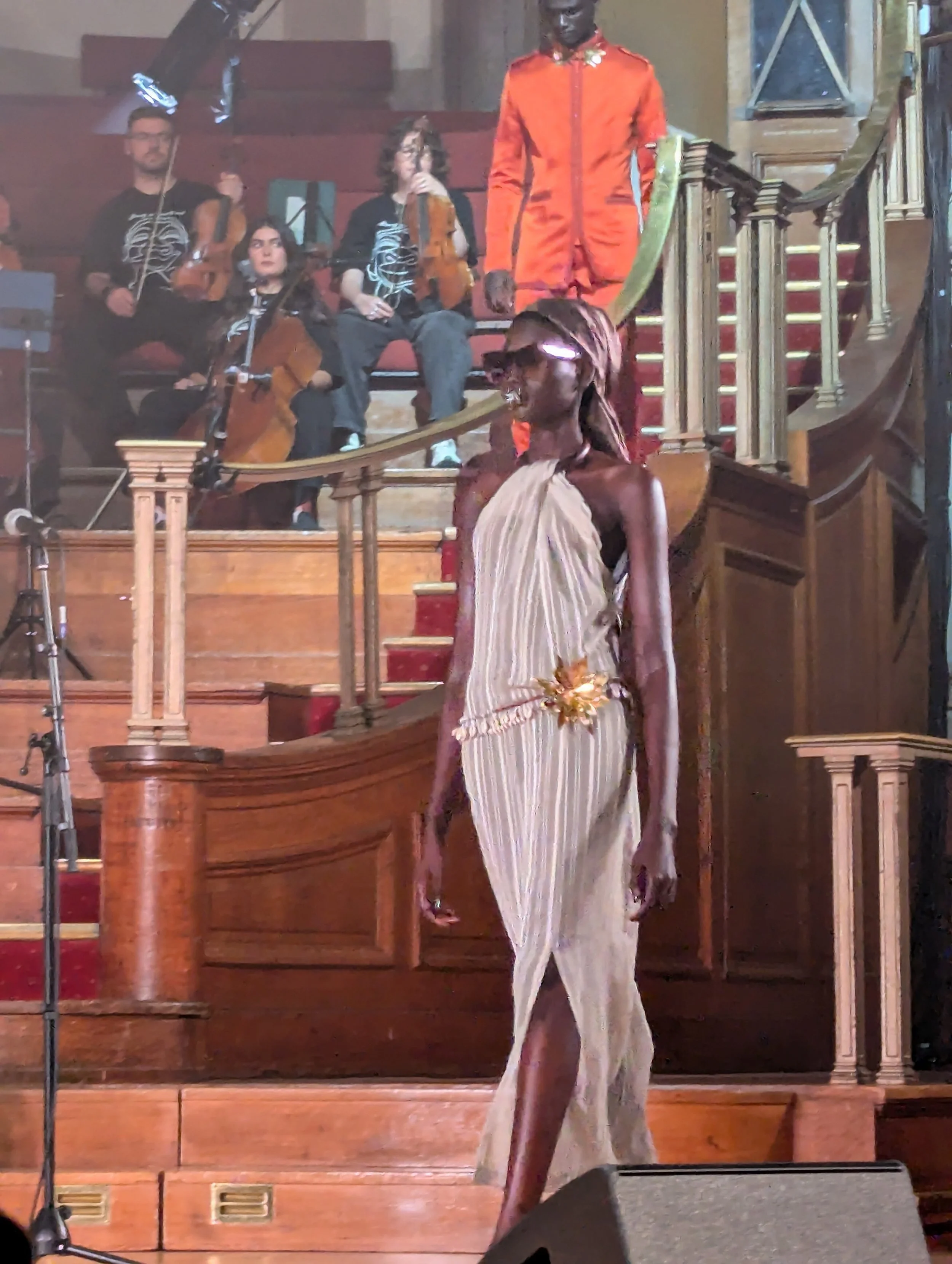
Designer Foday Dumbuya titled the collection “Osmosis,” framing it as an exploration of how culture travels across borders, through generations, from one body to another. On the runway, this translated into a narrative arc, where traditional tailoring codes dissolved into layered, diasporic storytelling. Early looks nodded to classic British suiting; sharp lapels, structured shoulders, precise trousers, then quietly disrupted them with braided rope details, gilded accents, and surface treatments that spoke of West African craftsmanship and ceremonial dress.
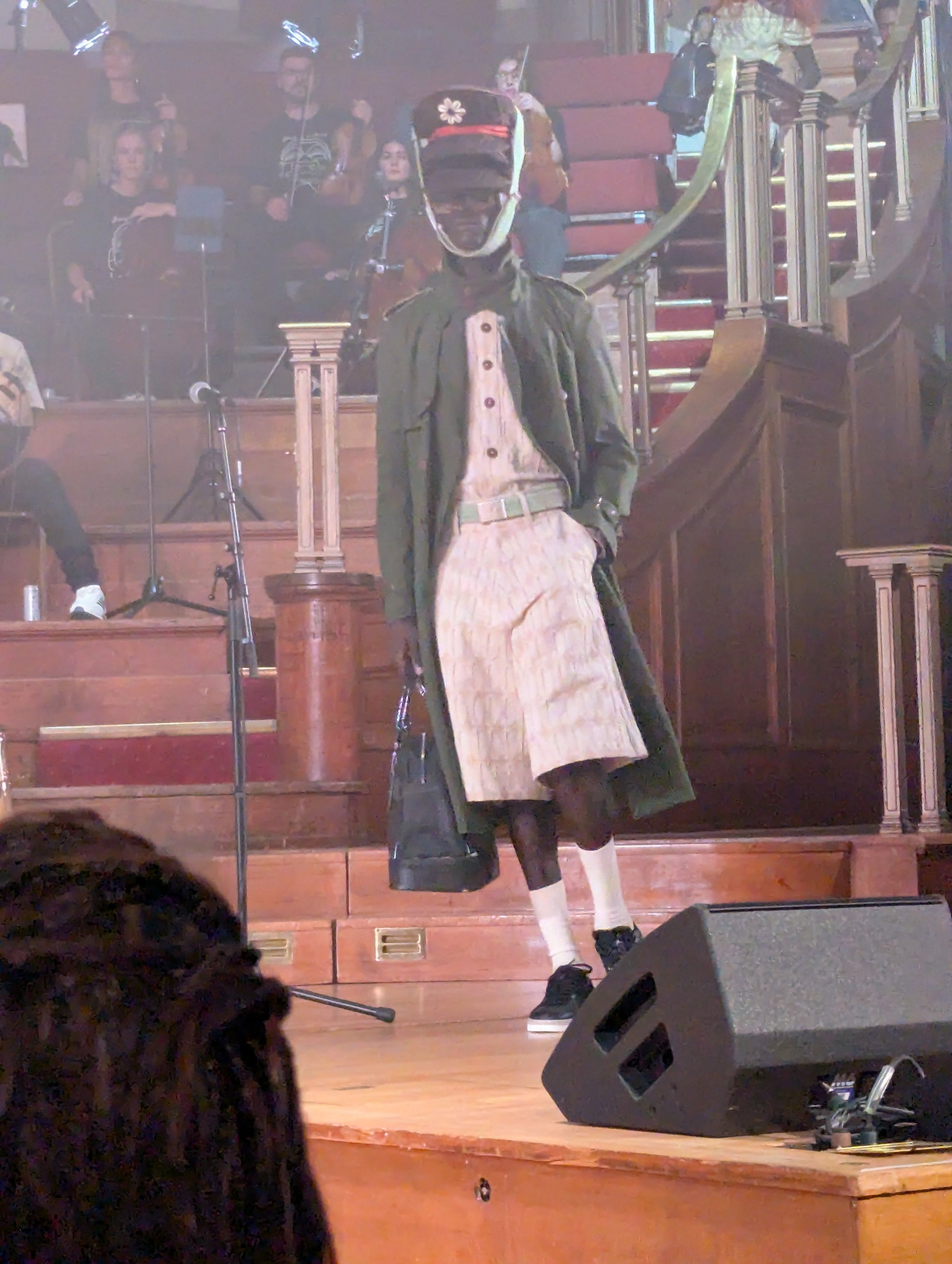
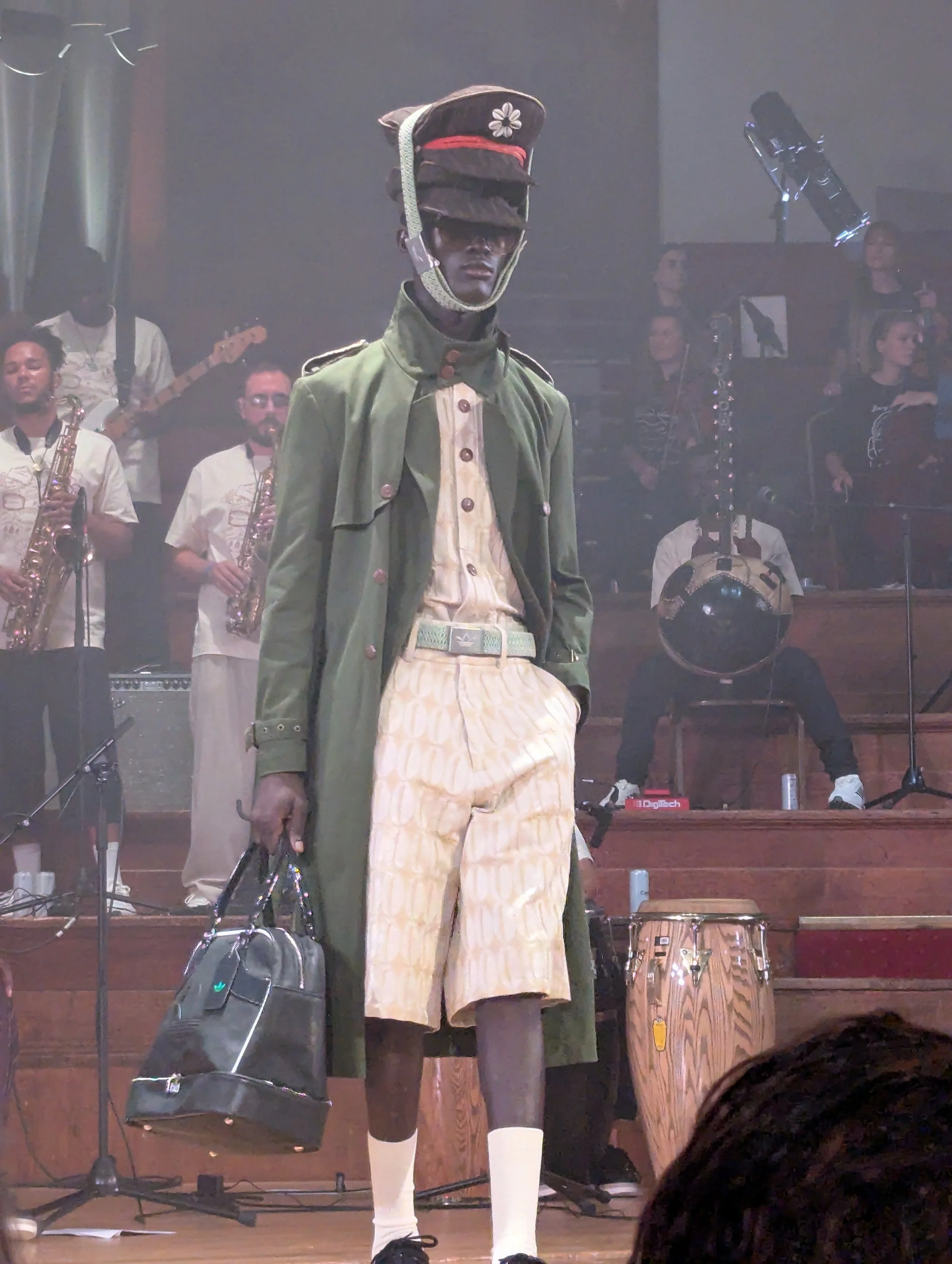
Passport stamped blazers and travel marked pieces rendered immigration not as a political talking point but as lived texture. Creased, weathered, dignified, and unignorable. Military inflected cords, adorned with commemorative brooches, marched through like a reminder that Black and immigrant histories are woven into the very fabric of “Britishness,” despite how often they are erased. At his SS26 show, Dumbuya examined cultural osmosis not as an abstract concept but as a deeply personal practice, honoring West African heritage while planting it firmly in the soil of contemporary London. The collection felt like witnessing memory pass from one generation to the next in real time.
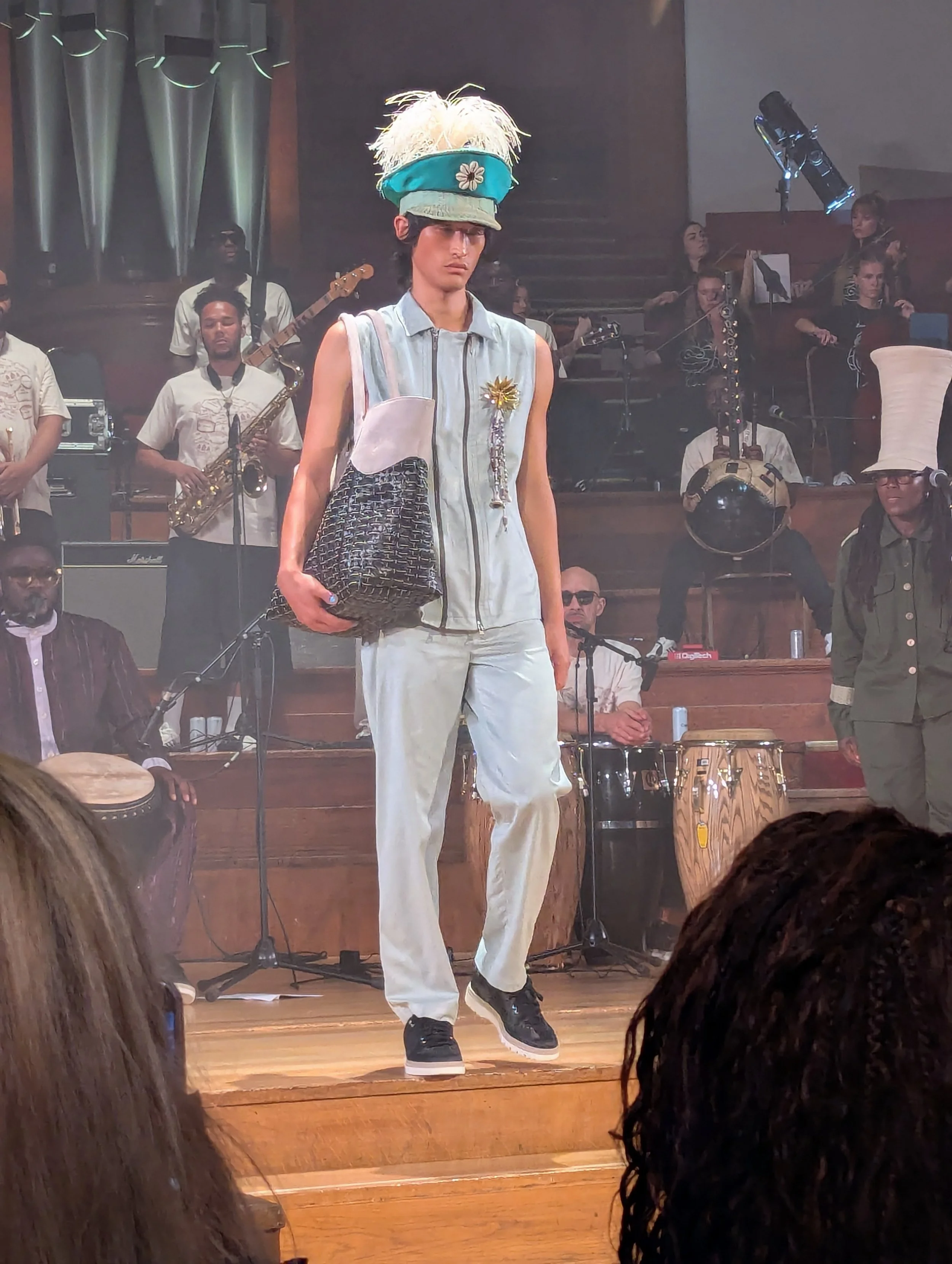
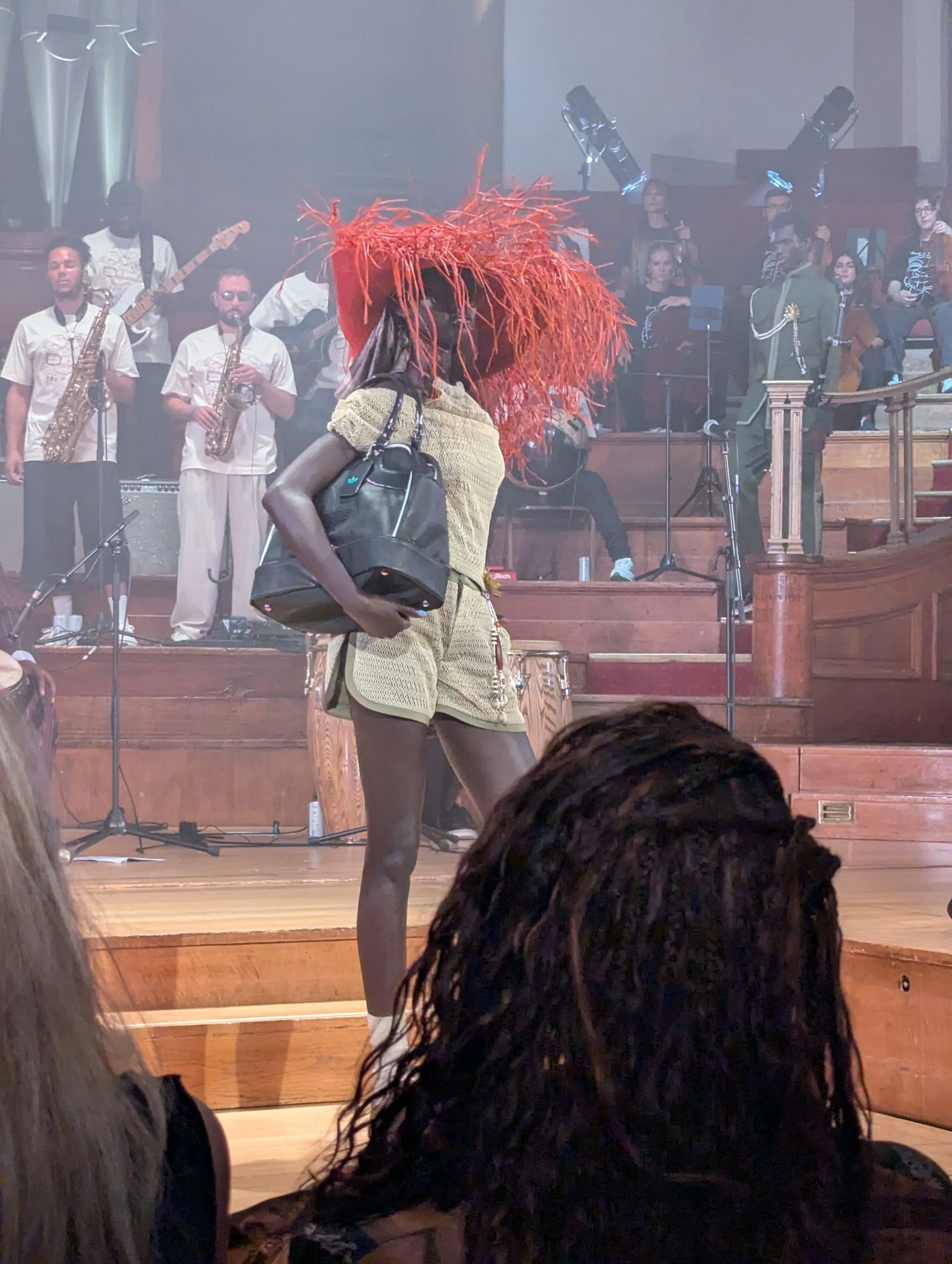
Silhouettes oscillated between precision and ease, reflecting lives lived in transit; between homes, passports, and identities. There was an emotional pragmatism to the clothes, garments designed to move with bodies that never fully belong to one place. Tailored pieces were deconstructed just enough to hint at disruption. Ropes cinched waists, asymmetric closures shifted the eye line and layered shirting created a sense of garments mid journey. Embellishments and woven details referenced craft traditions without reducing them to mere ornament, insisting on heritage as structure rather than surface. The color story moved between grounded earth tones, sun worn neutrals, and punctuations of saturated hues that felt like flashes of festival, ceremony, and protest in equal measure. This was clothing for crossing thresholds; station platforms, border checkpoints, church doors, dance floors. Each look suggested a body that refuses to be still, even when the world tries to fix it in place.
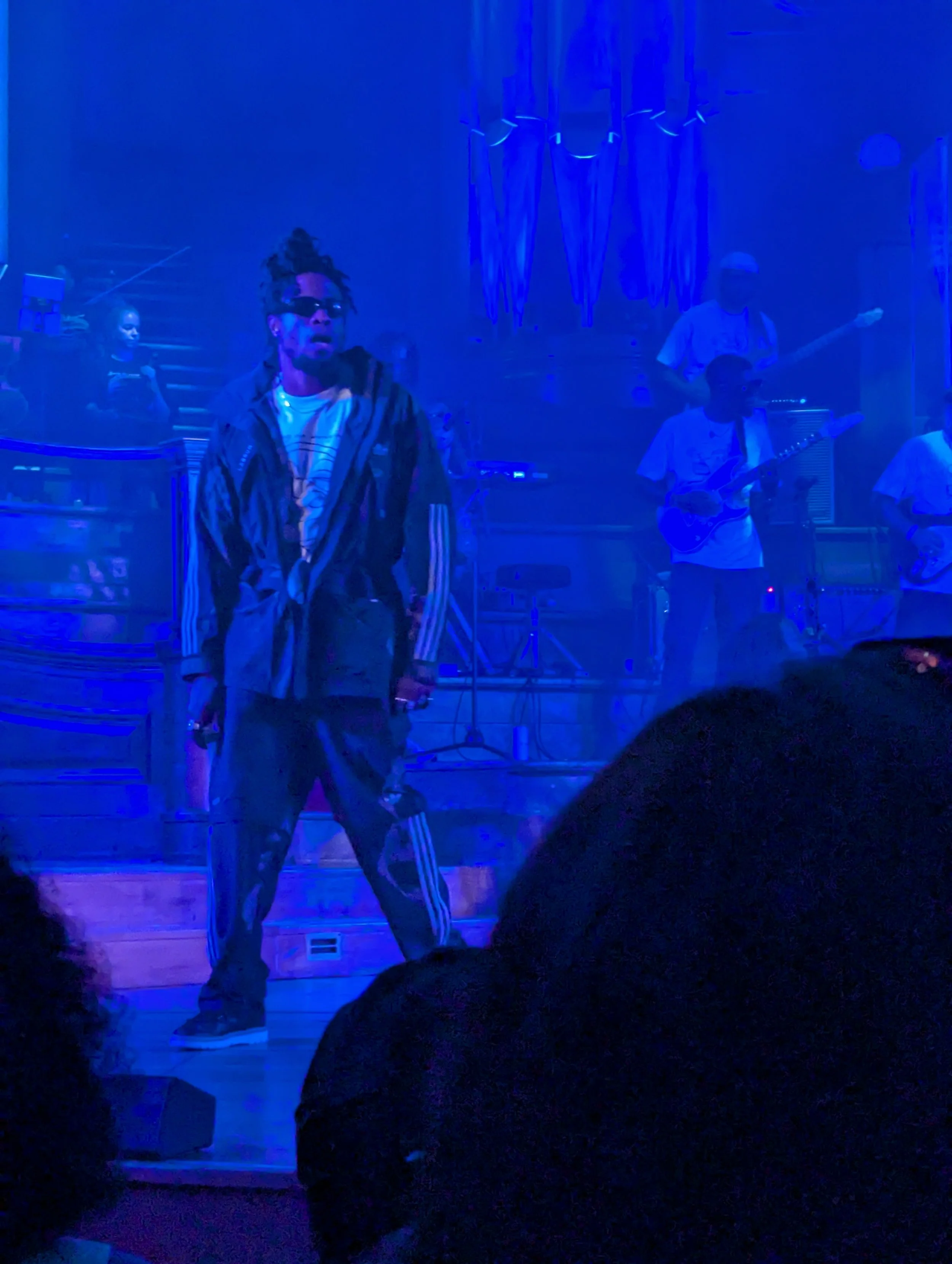
Labrum’s ongoing collaboration with adidas returned this season, expanding into running gear, footwear, bags, and accessories that threaded sport into the label’s language of culture and community. These pieces did not read as add-ons, but as a natural outgrowth of the brand’s dedication to everyday uniforms for a global, diasporic citizen. Performance inspired pieces, track influenced layers, technical textiles, grounded sneakers sat comfortably next to tailored looks, dissolving the line between formal and functional. Accessories and bags carried the same storytelling intent, signaling that the journey is not just metaphorical; it is carried on shoulders, held in hands, worn close to the body.
In that room, it was impossible not to feel that Labrum is part of a new guard reshaping what London Fashion Week can be. Not merely a marketplace of trends, but a site of cultural reckoning and joyful resistance. The show made clear that the future of fashion here belongs to those who can hold politics, heritage, and beauty in the same steady hand.
This was not a fashion show. This was a London Fashion Week event. Most definitely THE event of the season. The queue for this show wrapped around the building down the block and I can't even tell you how far back it went. All I knew was, I'm not standing in that line. Thankfully, we at The Fashion Edit were seated front and center for this concert presentation and we savored every second of it. The audience was gifted this cultural event. Never in my life have I garnered such an overwhelming feeling of gratitude over a show. We all knew that this was not just a designer showing a collection. This was an invitation, a gateway to a movement.
Labrum’s SS26 “Osmosis” was a reminder that fashion can be a conduit for stories, for healing, for accountability, for joy. In a season where spectacle often drowns out substance, this show proved that the most potent spectacle is one rooted in community and truth.