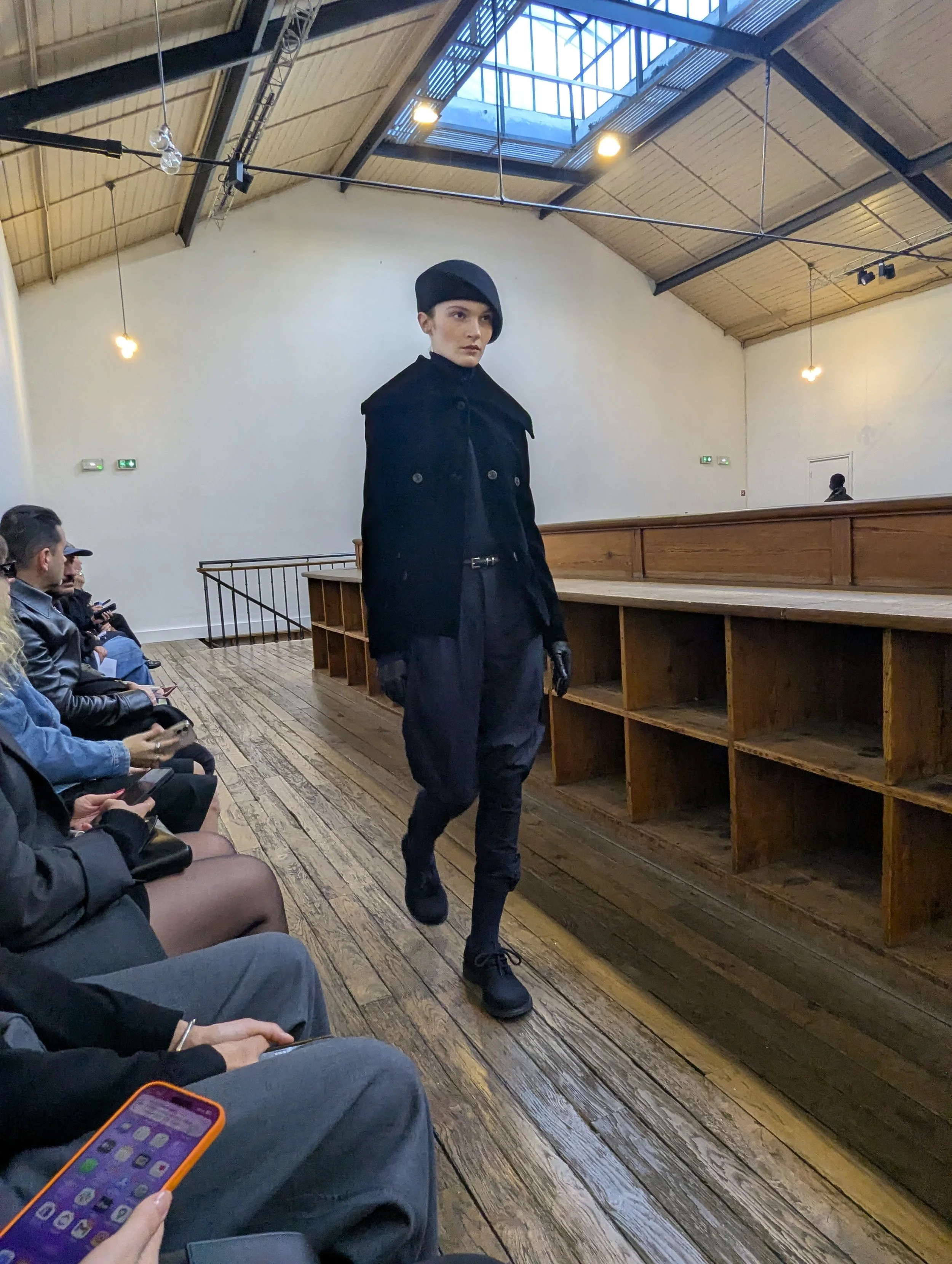
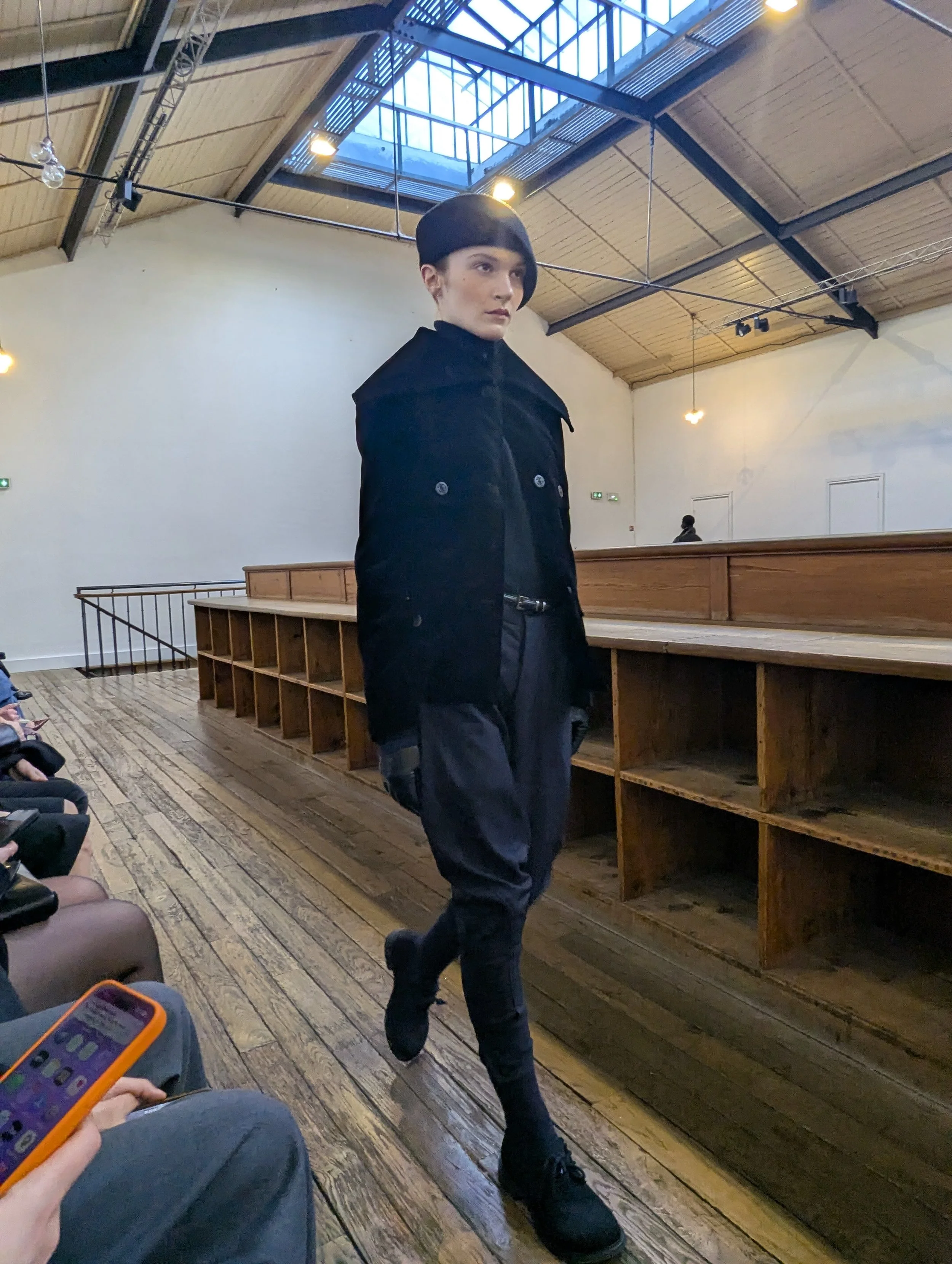
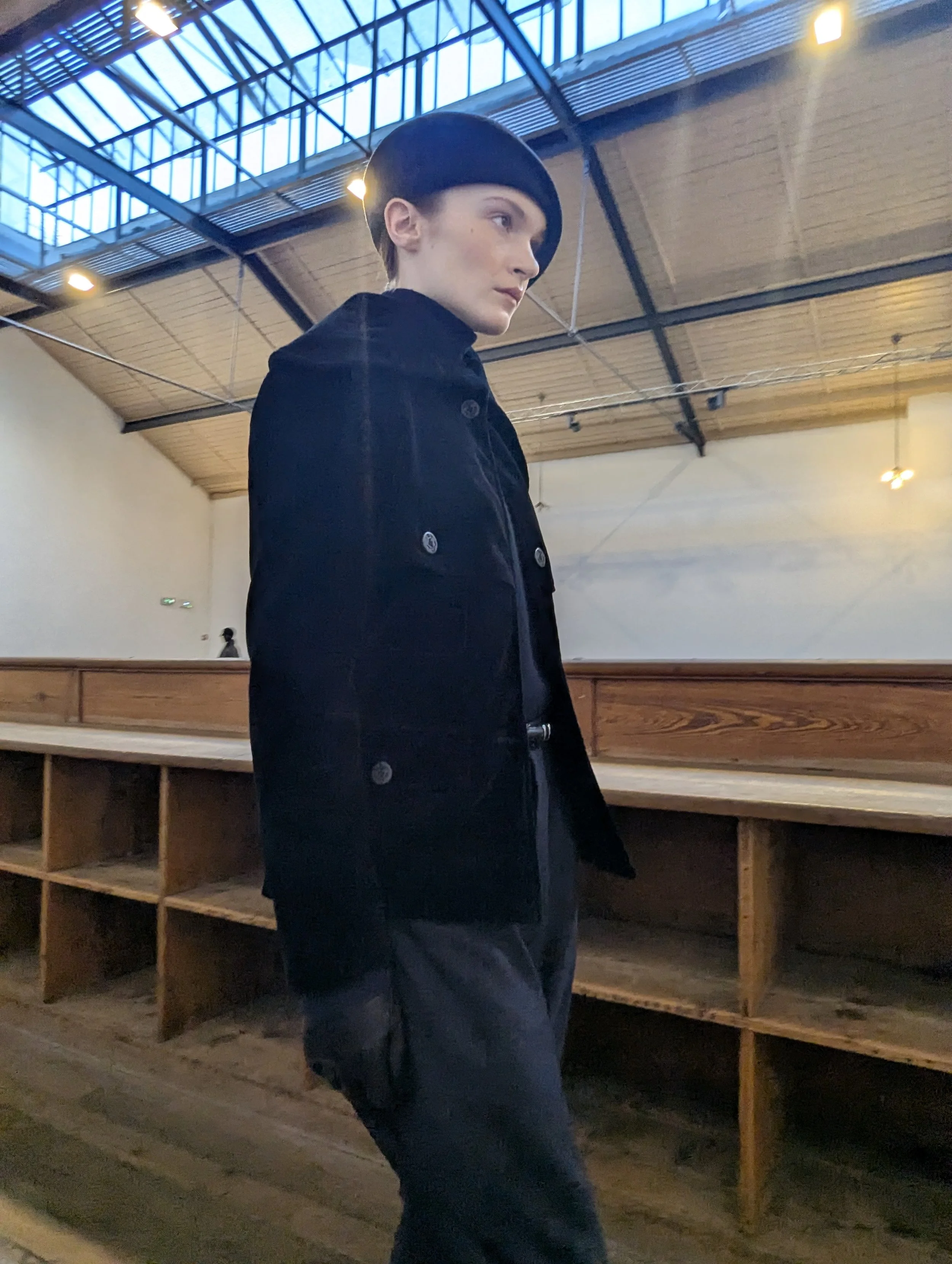
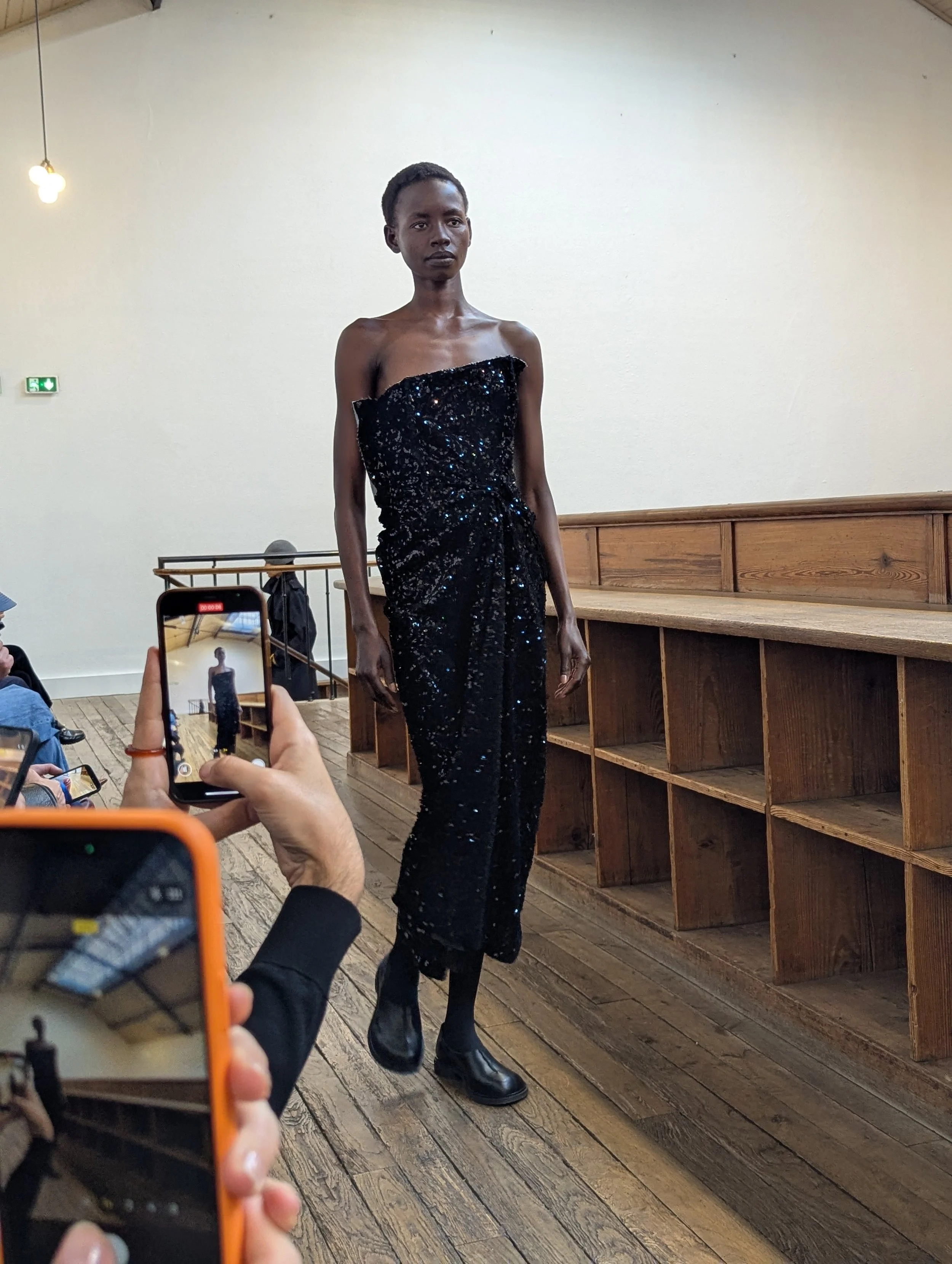
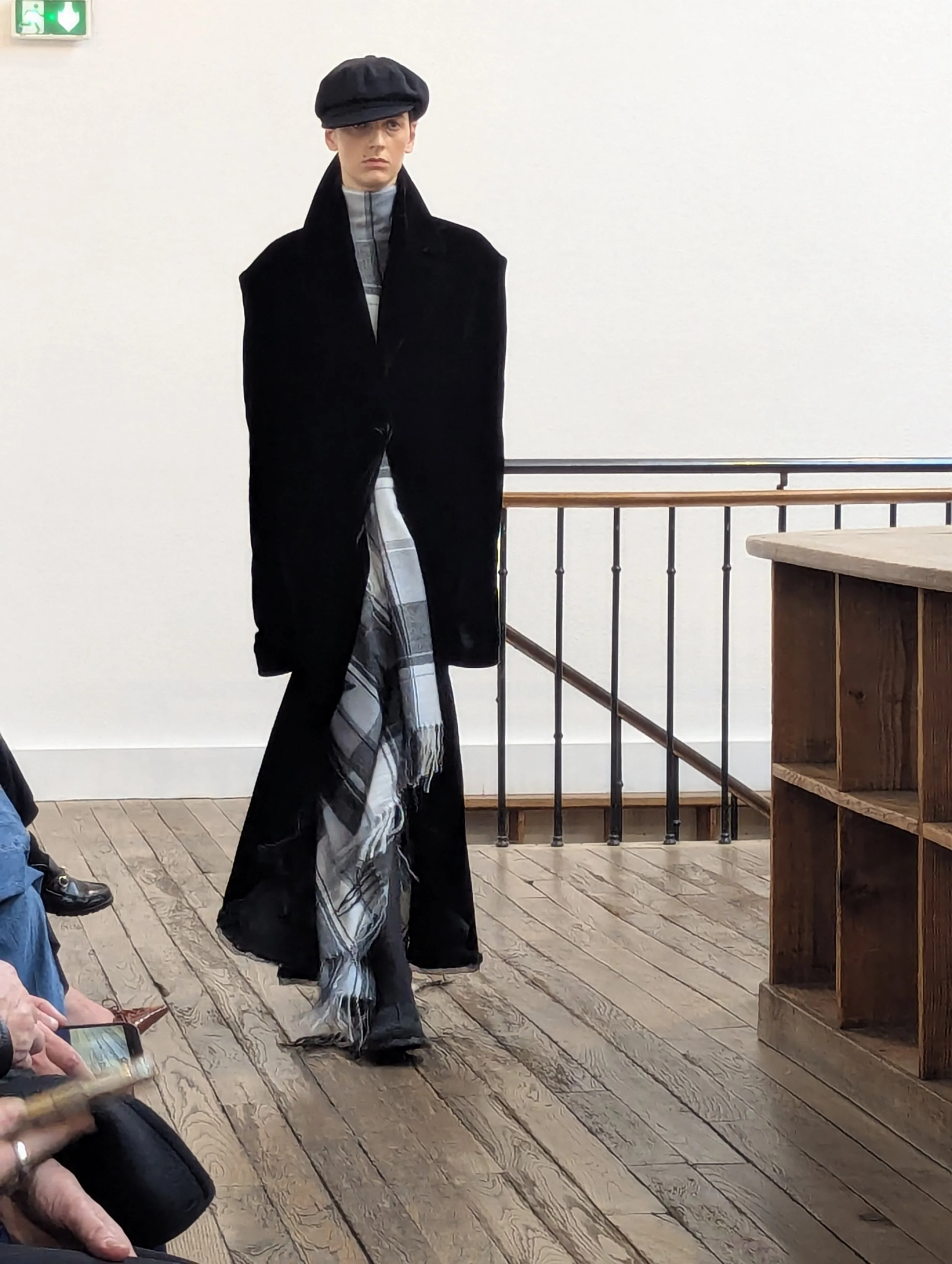
Vautrait AW26
Paris Fashion Week has increasingly become a battleground between spectacle and sincerity. Amid the season’s theatrical debuts and high-voltage luxury moments, Vautrait delivered something far quieter and infinitely more compelling. For AW26, designer Yonathan Carmel continued refining the language that has quickly positioned Vautrait as one of Paris fashion’s most thoughtful emerging labels. The collection explored protection, permanence, and memory through deeply tactile tailoring and restrained silhouettes. There was no need for gimmickry here. Carmel understands the power of precision.
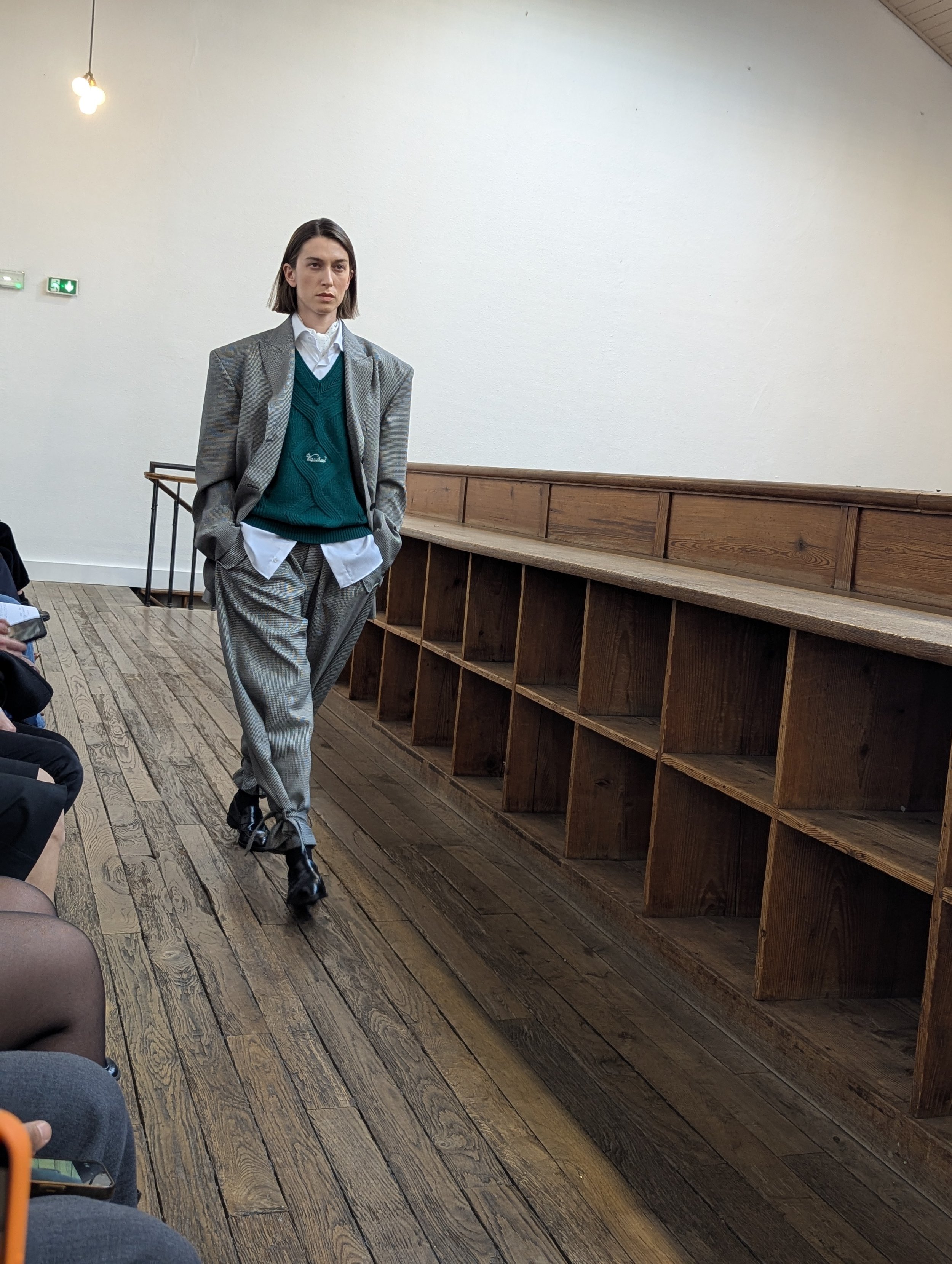
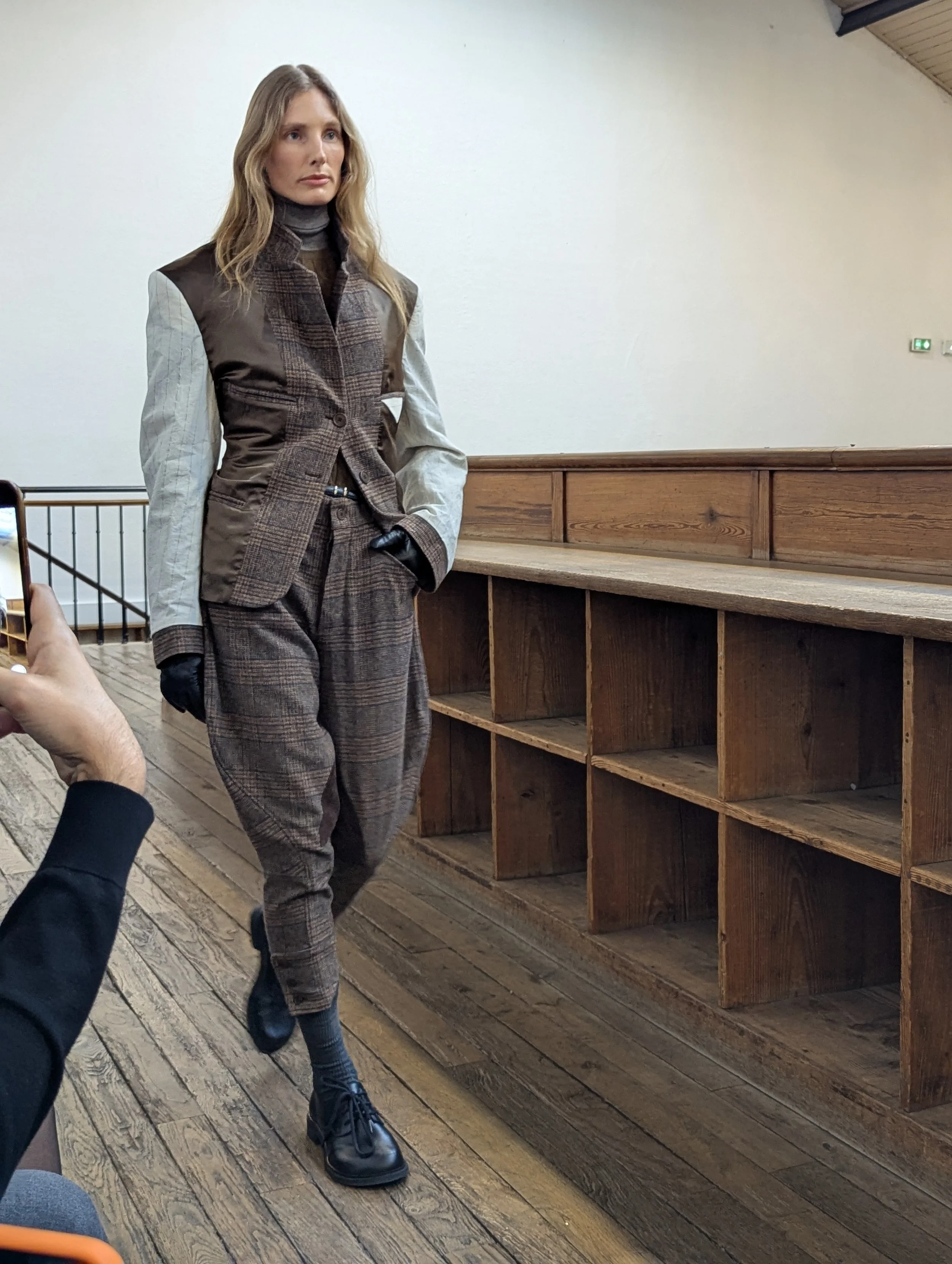
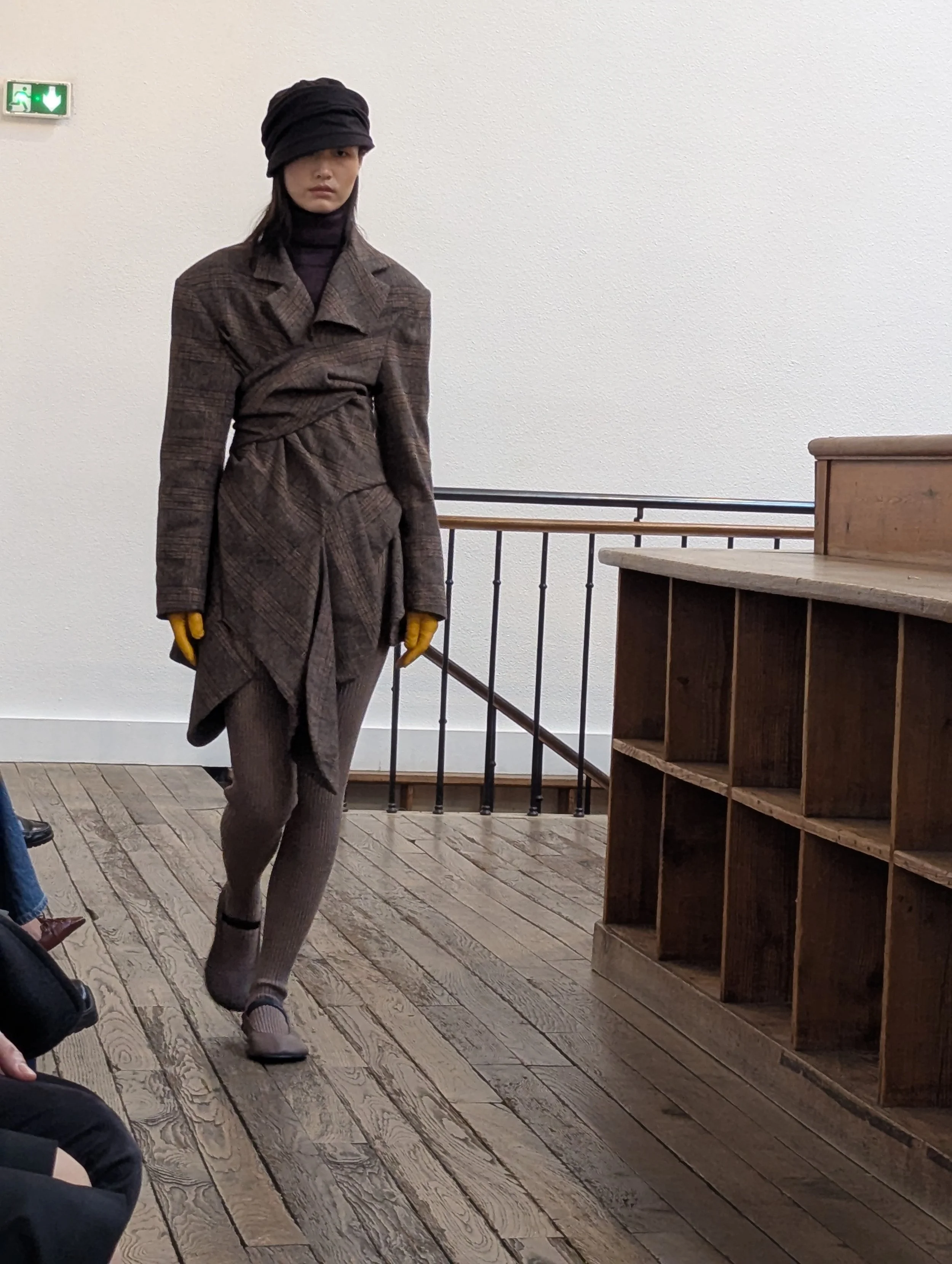
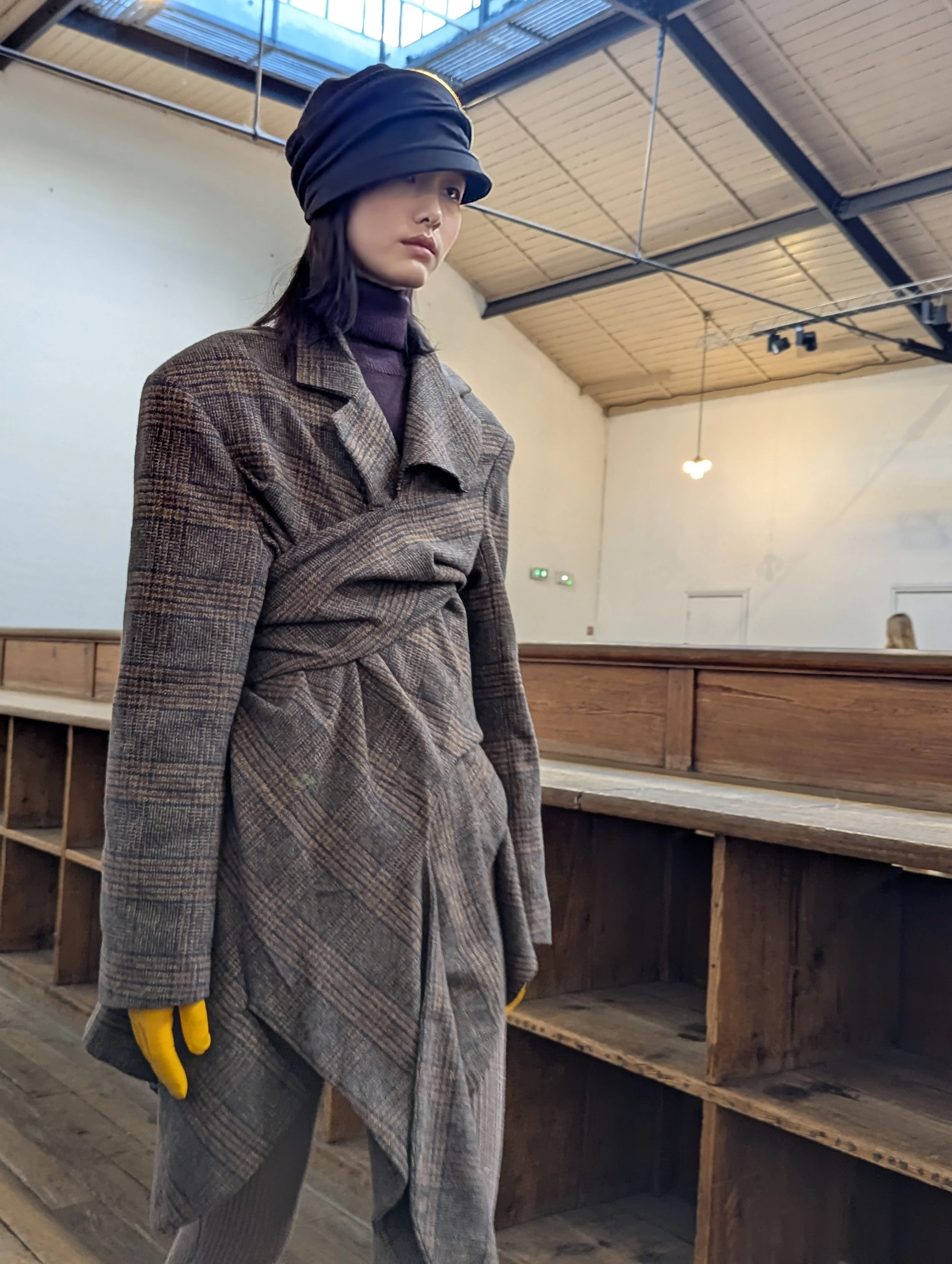
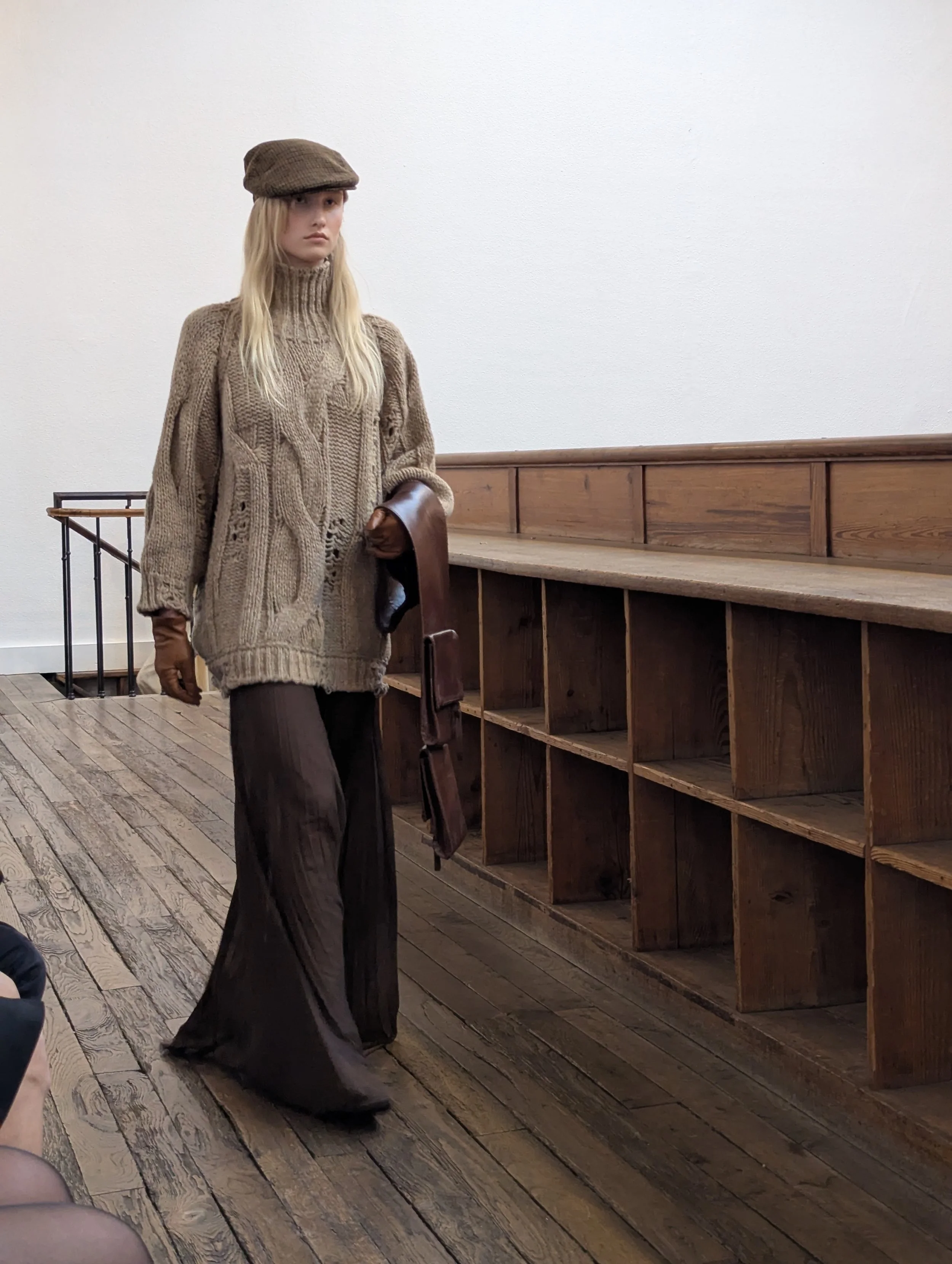
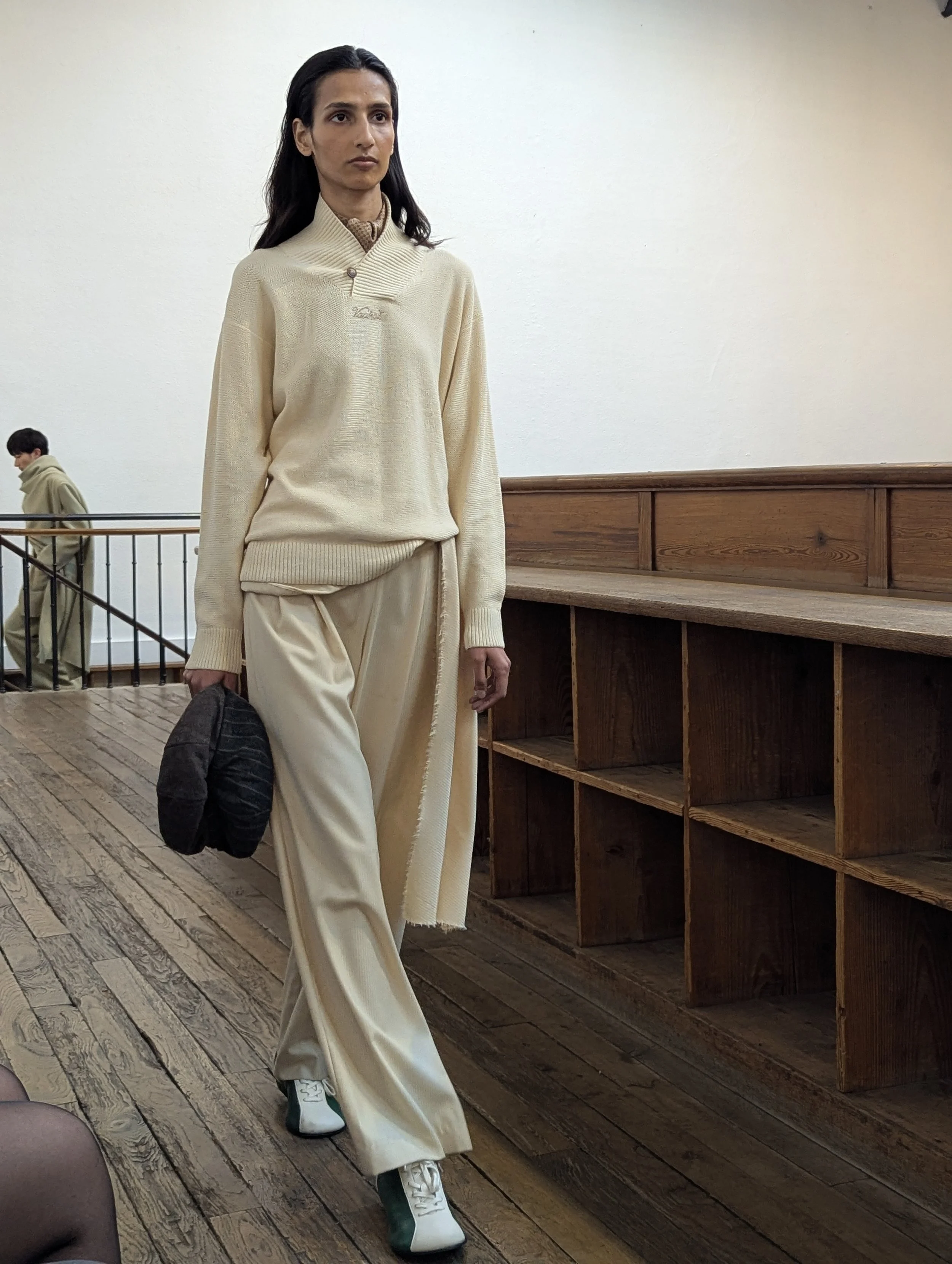
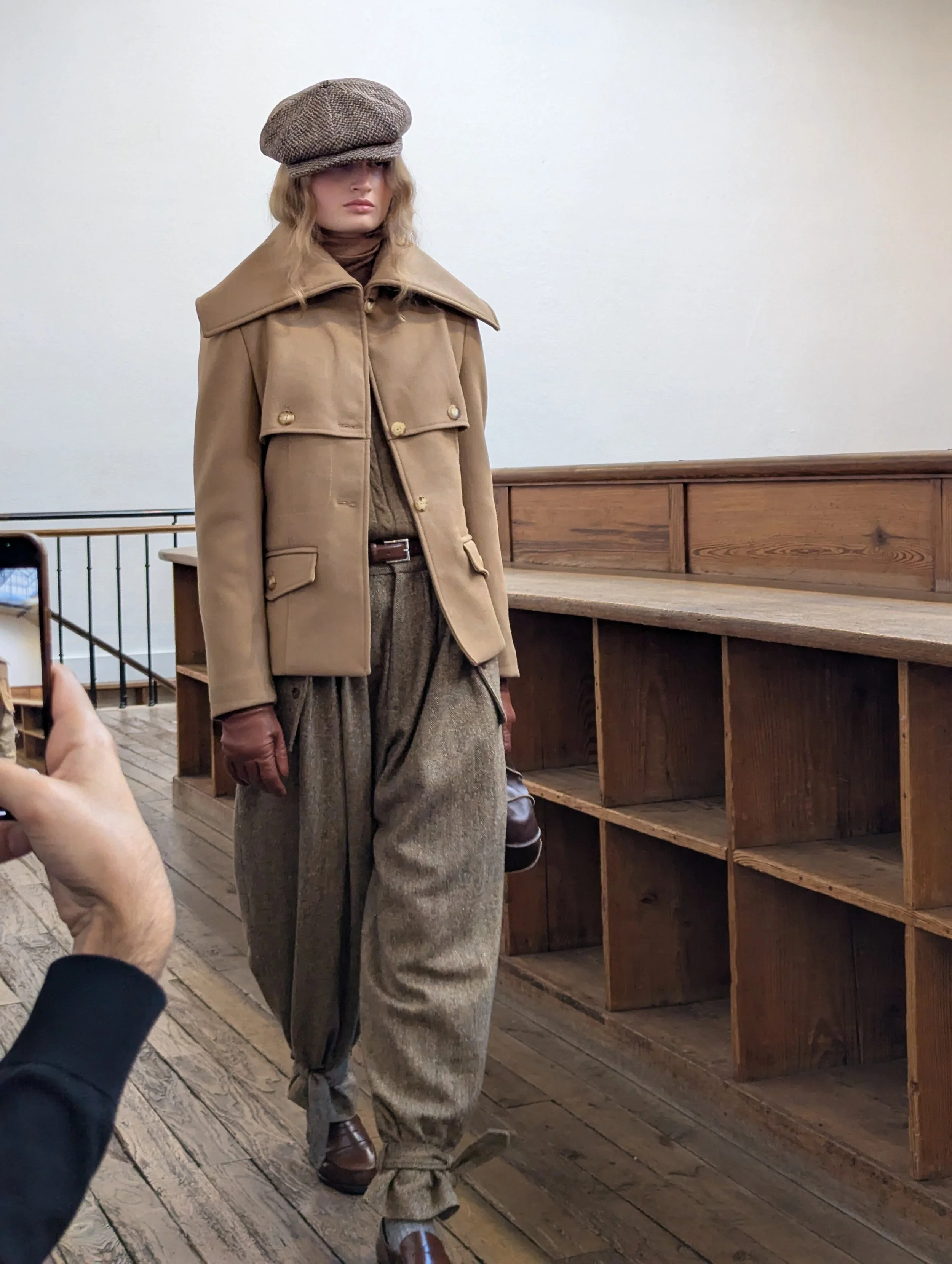
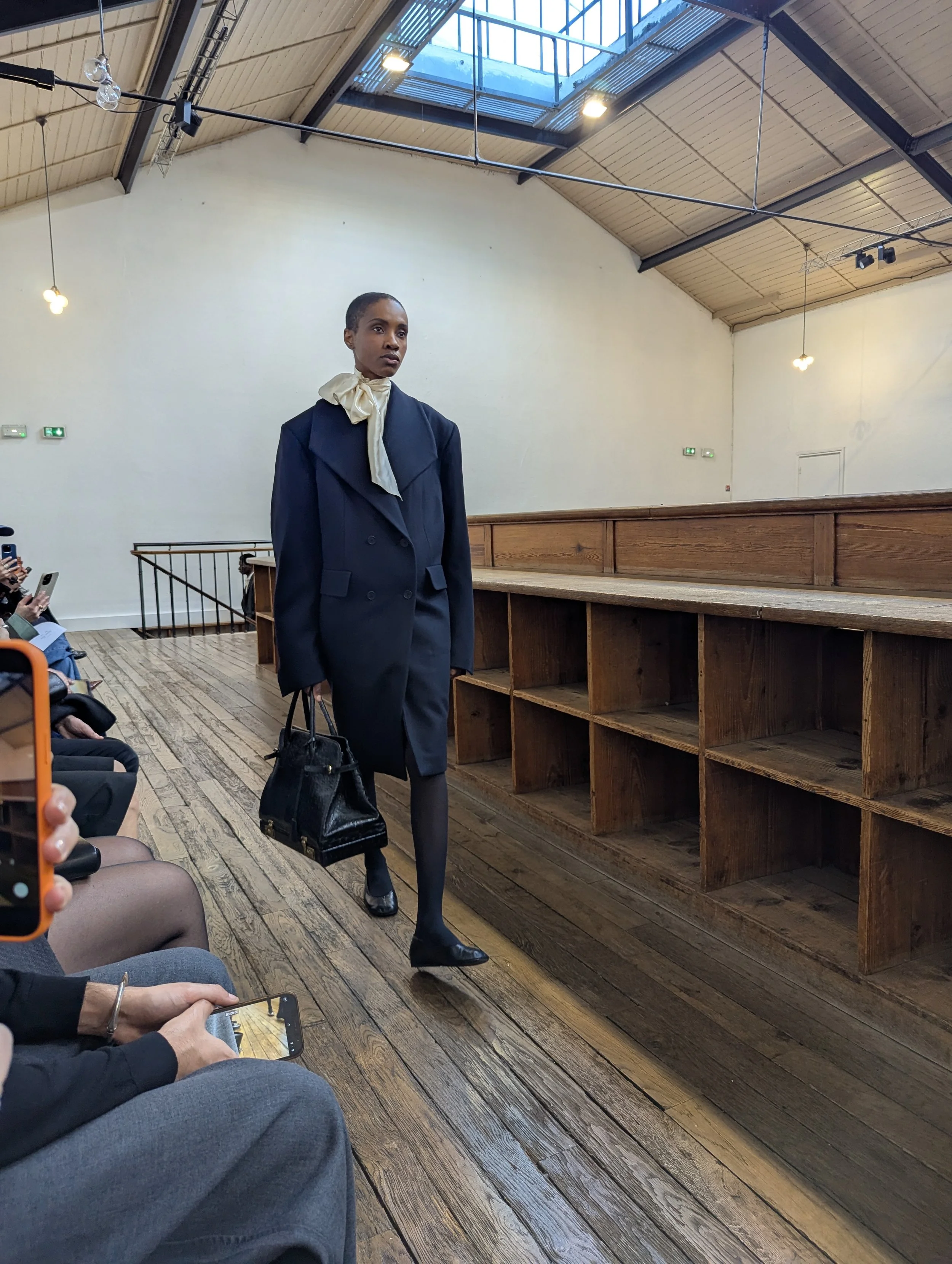
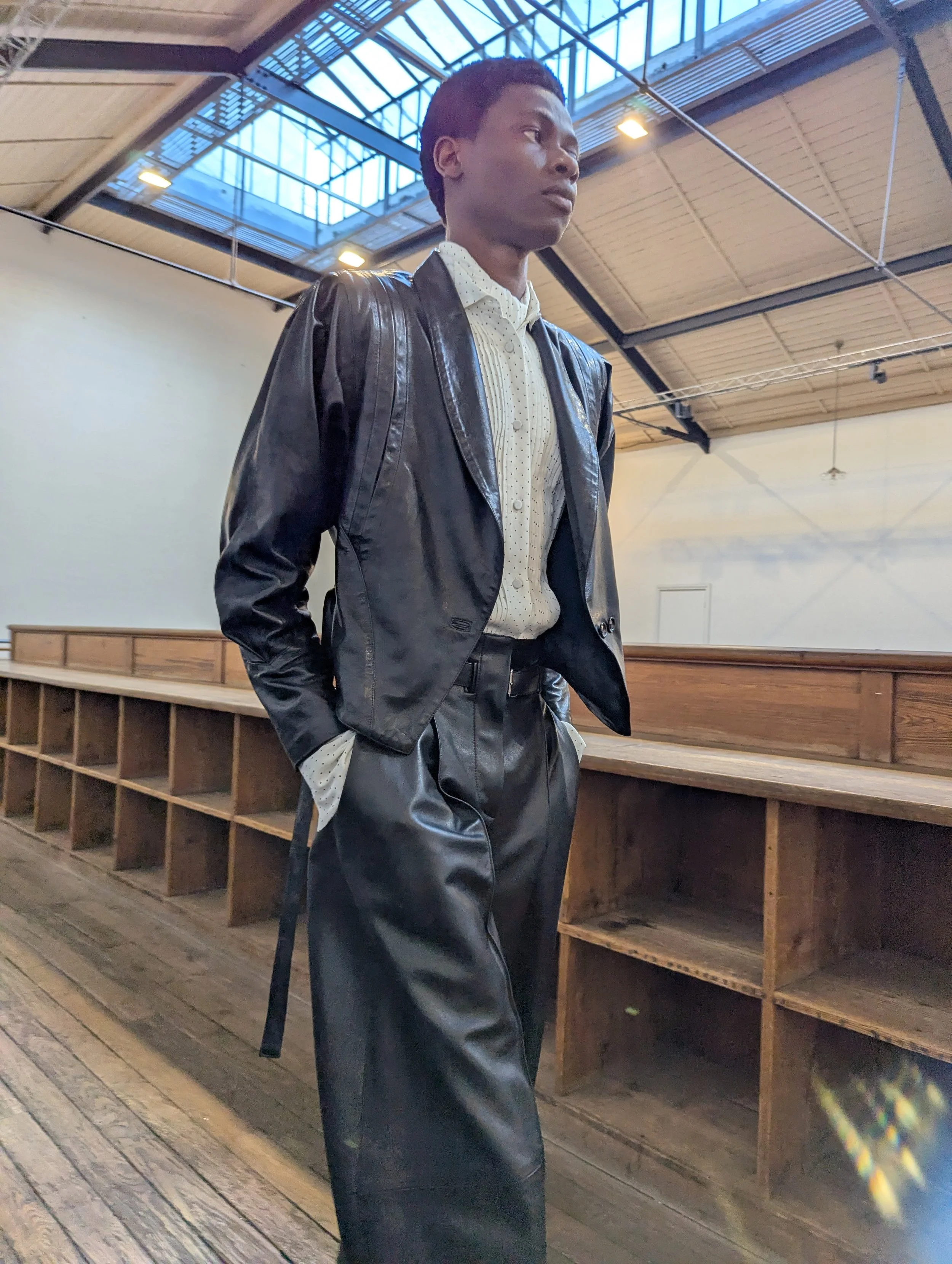
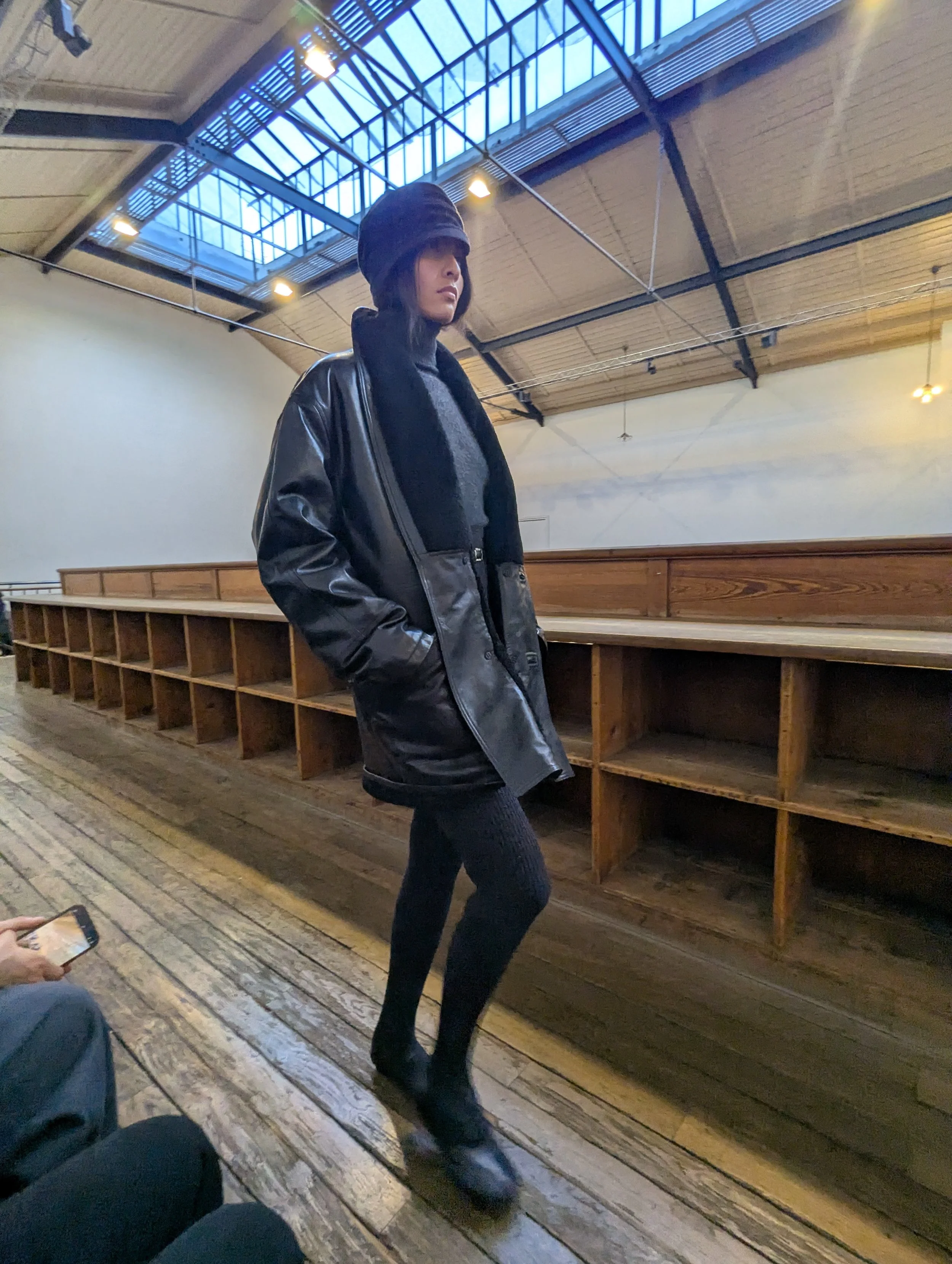
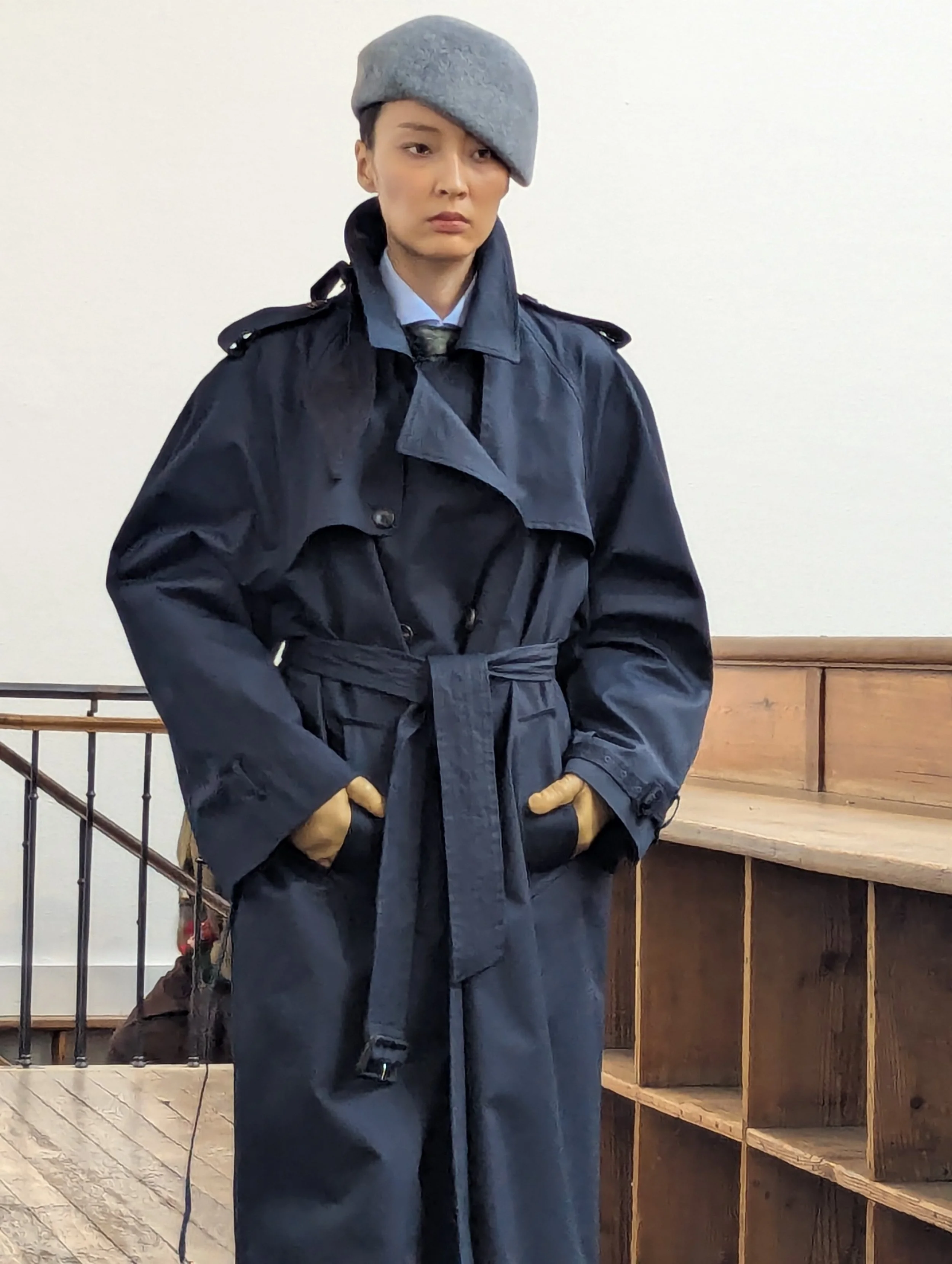
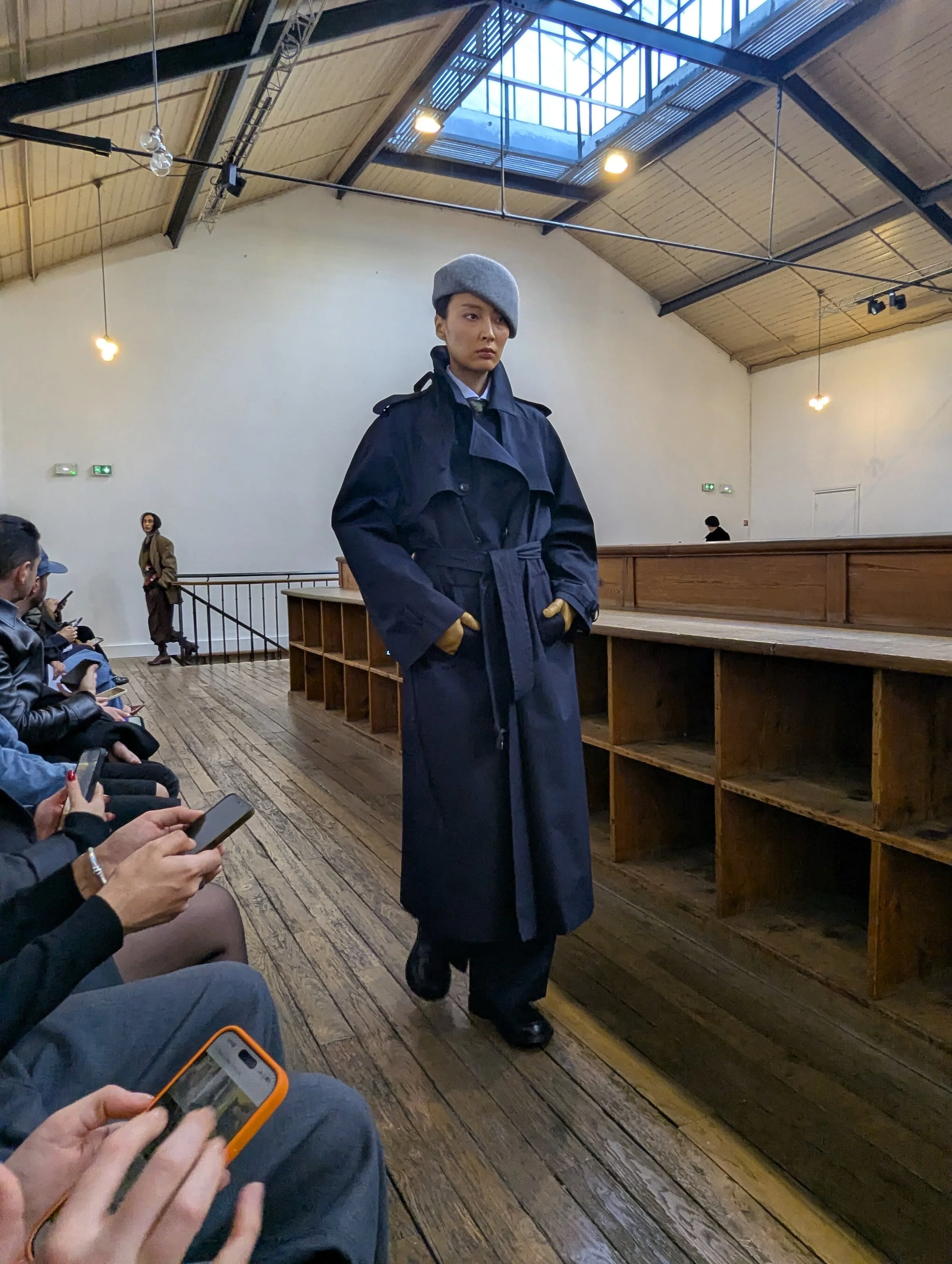
The opening looks established the mood immediately; elongated coats with controlled volume, structured shoulders softened by movement, and layers designed less for ornamentation than for emotional armor. Heavy wool outerwear, weathered leather, and densely constructed tailoring formed the backbone of the collection.
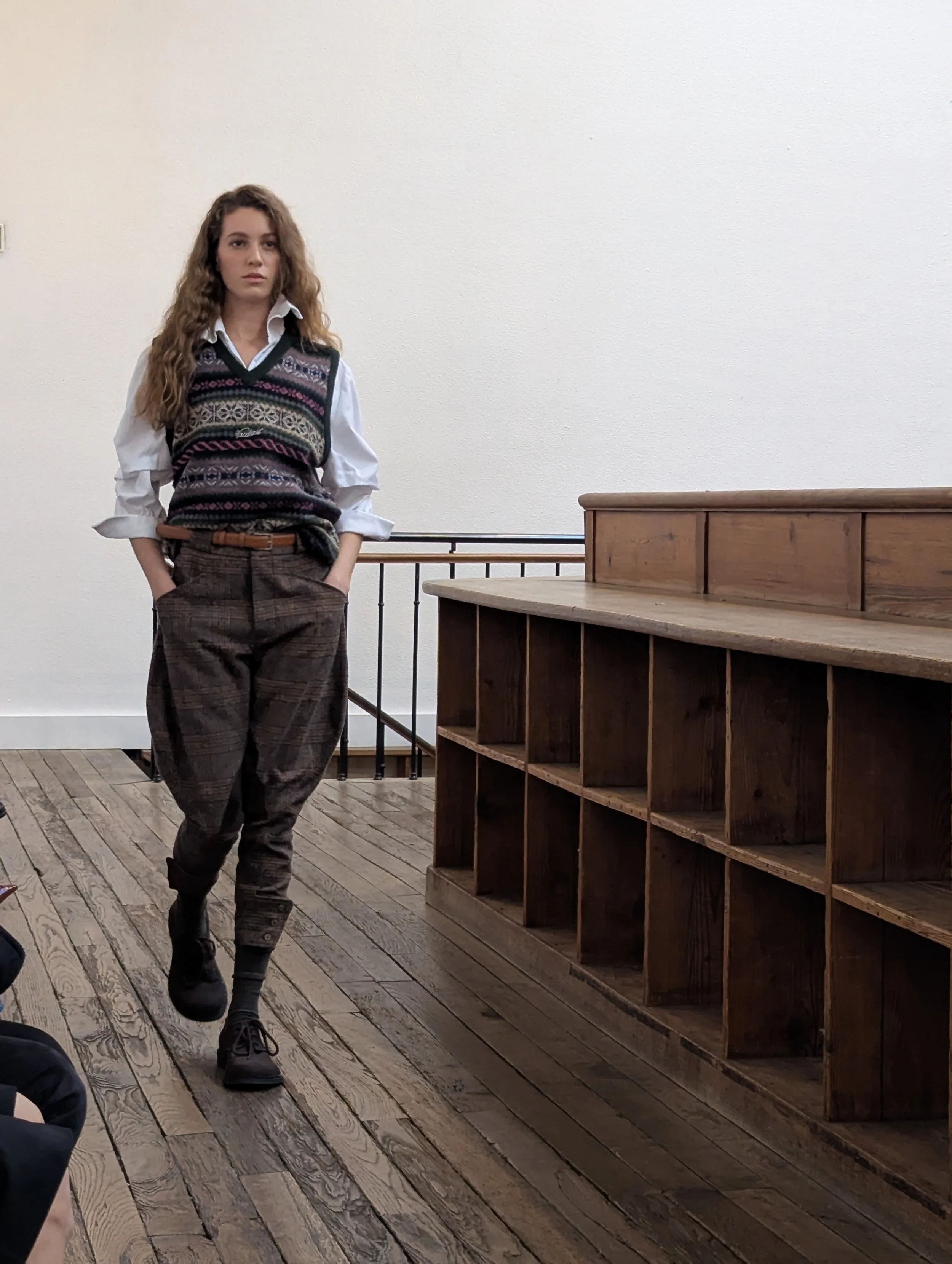
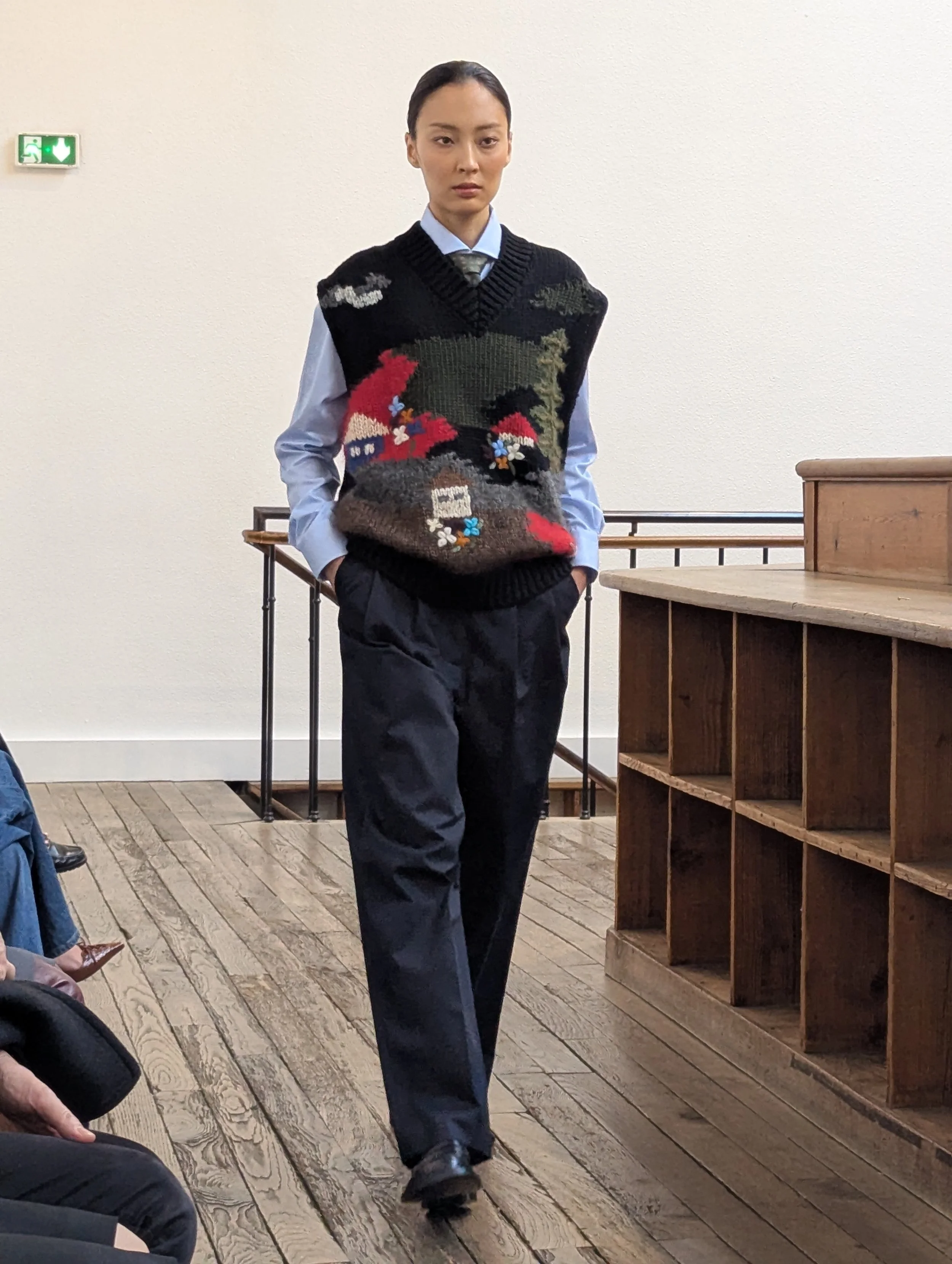
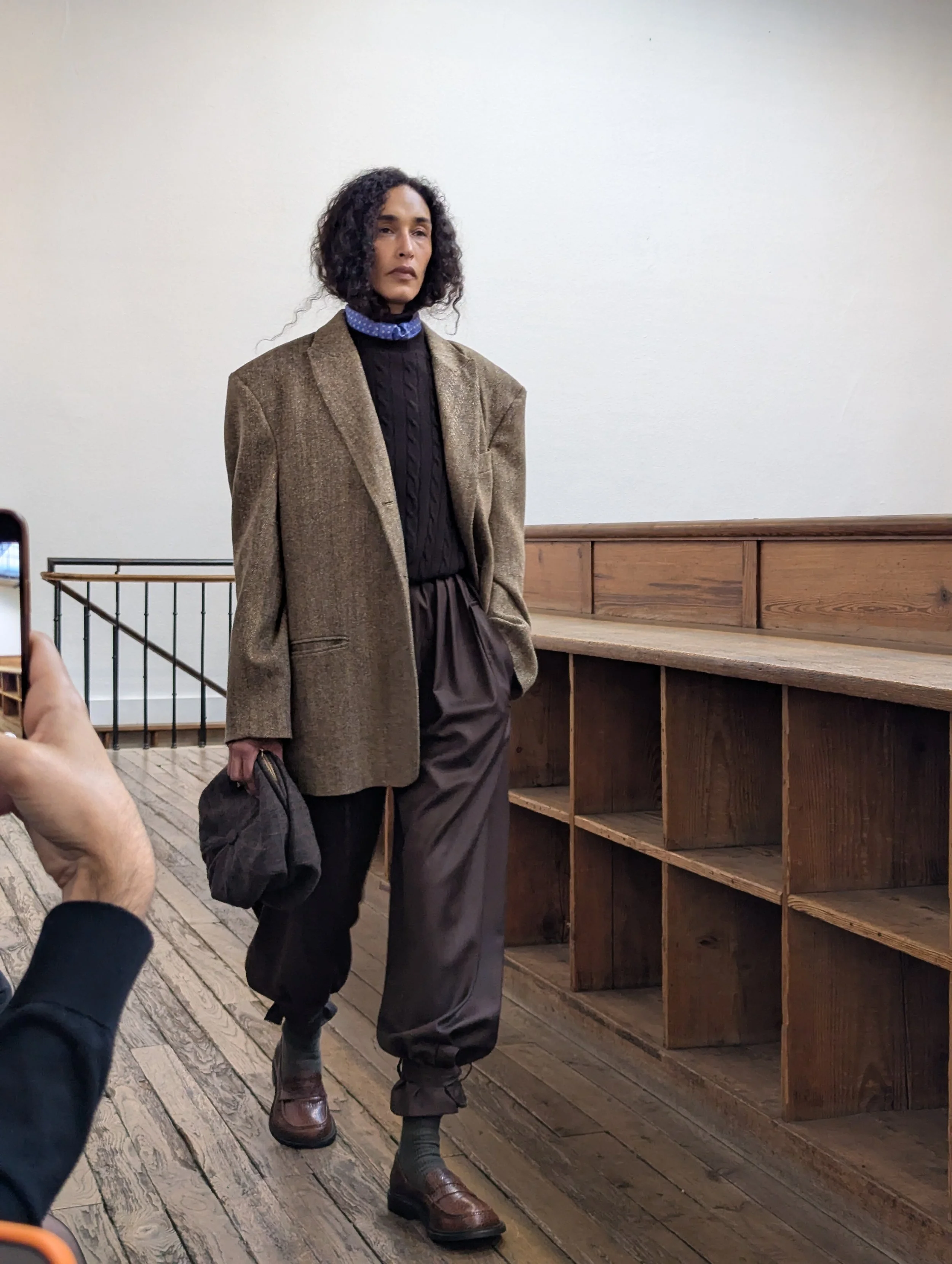
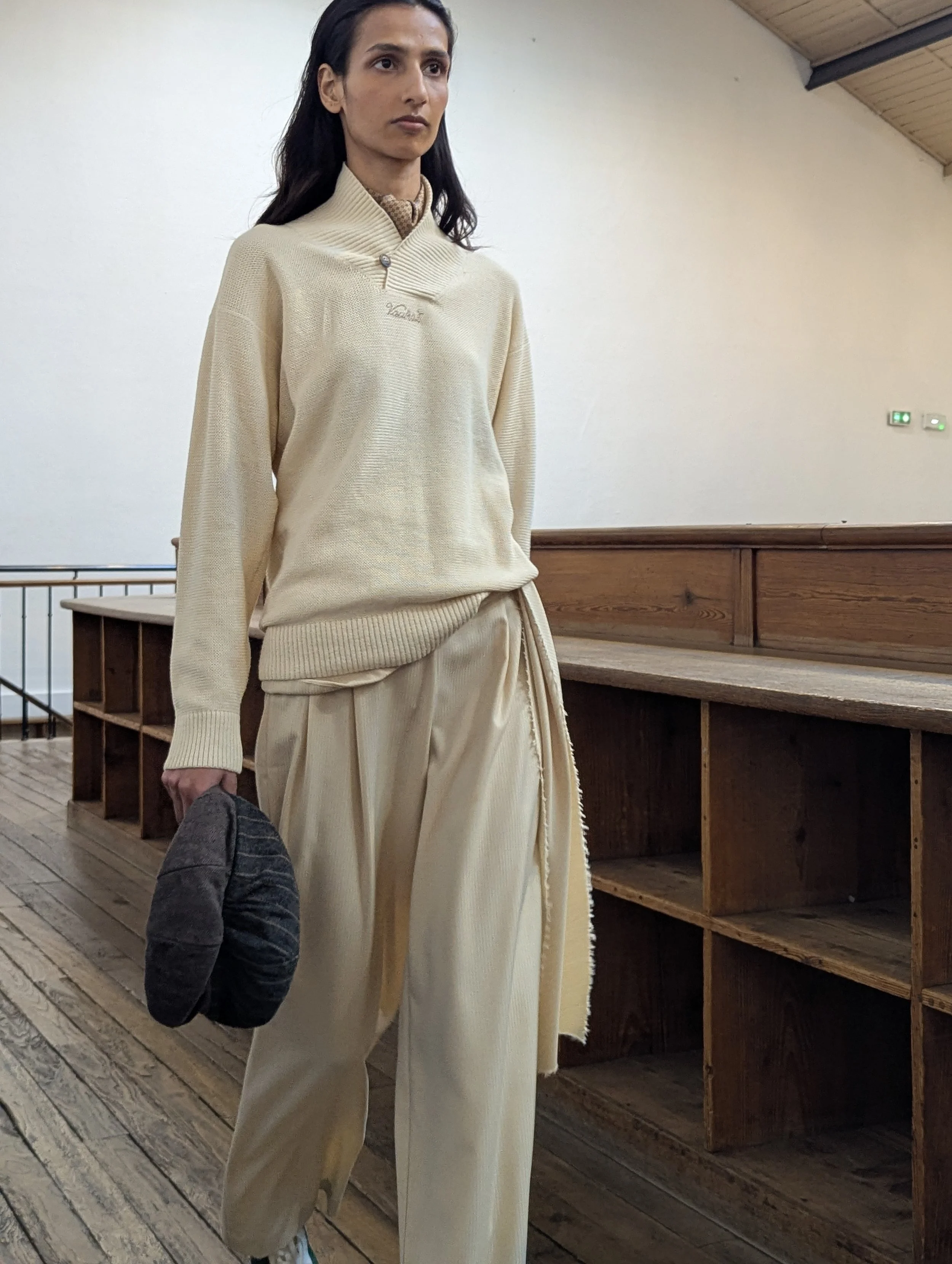
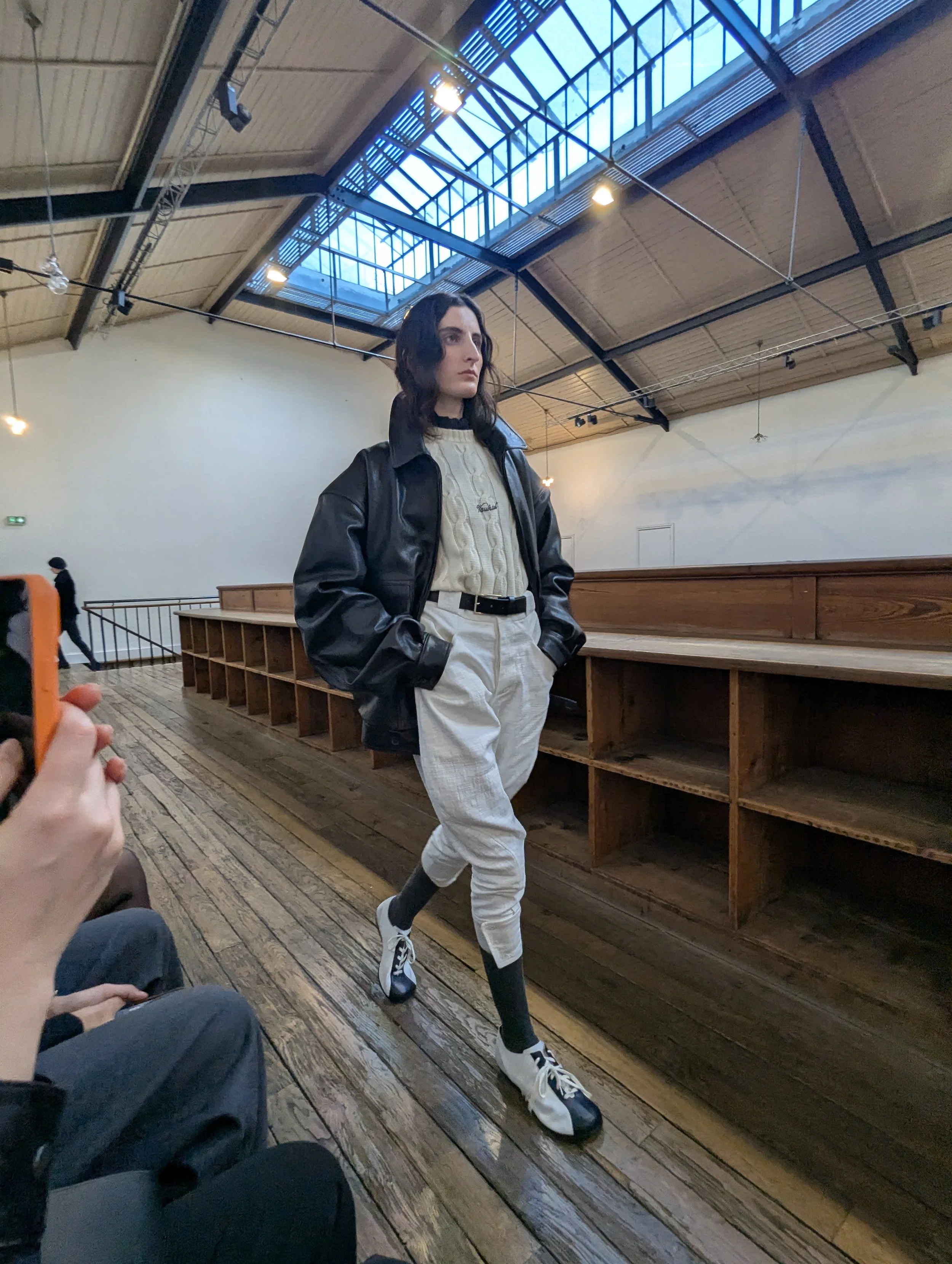
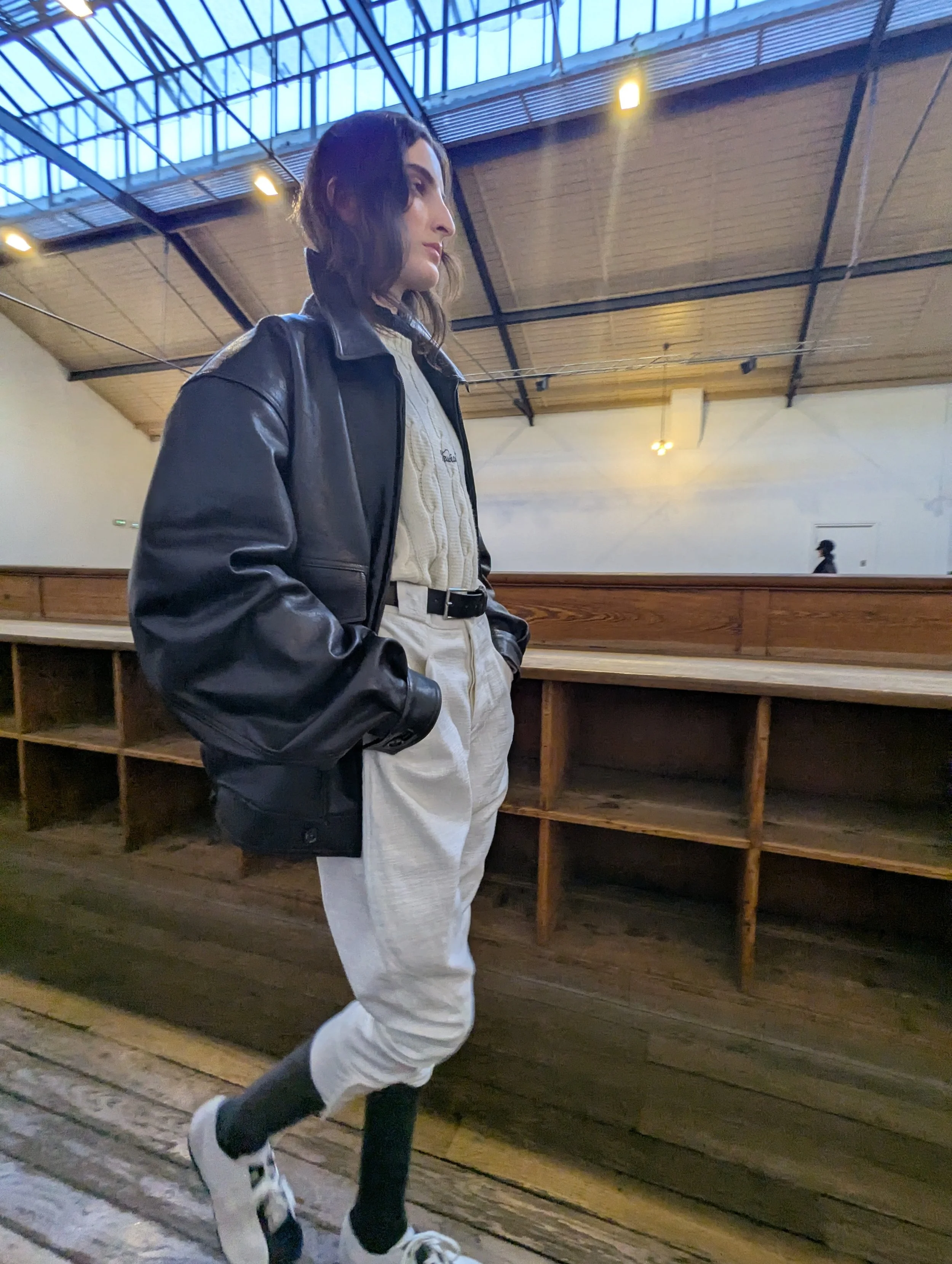
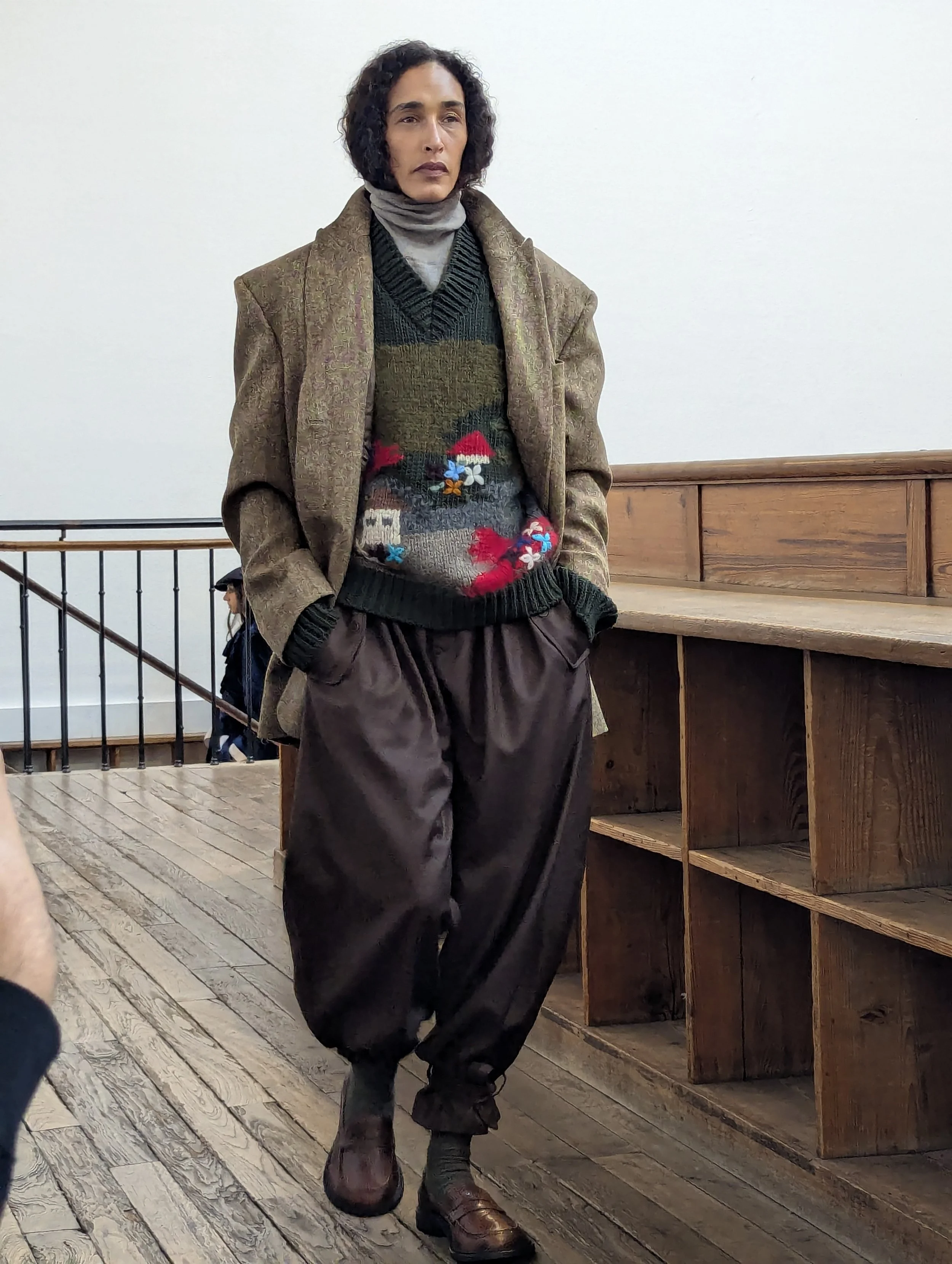
What made the collection resonate was its refusal to romanticize nostalgia in an obvious way. Instead, Vautrait AW26 felt like clothing shaped by inherited memory, garments carrying traces of lives previously lived. There were echoes of English hunting attire, aristocratic uniforms, and traditional menswear archetypes, yet nothing felt literal or costume-like. Carmel’s approach to tailoring is becoming increasingly distinctive within Paris fashion. While many contemporary designers chase exaggerated proportion or overt conceptualism, Vautrait operates through restraint. The silhouettes are architectural without becoming rigid. The garments protect without concealing identity entirely. That tension became the emotional center of the collection.
Since founding the brand in 2021, Carmel has positioned craftsmanship and preservation of artisanal techniques at the core of Vautrait’s identity. The house describes each garment as a meeting point between time, memory, and modernity; an ethos that was fully realized this season. There is a growing appetite for fashion that feels human again, and Vautrait understands this instinctively.
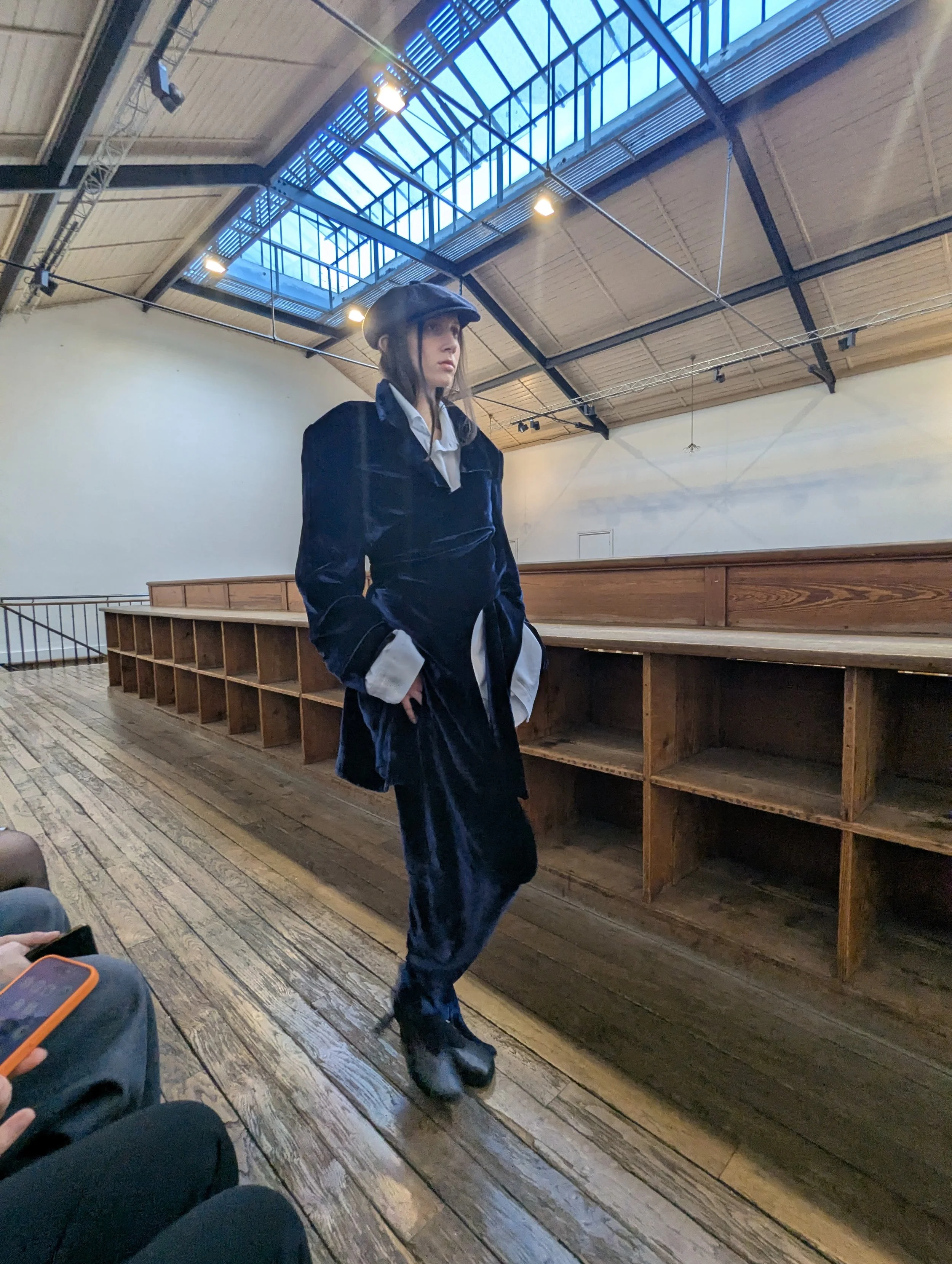
In a season dominated by spectacle across Paris, from cinematic runway productions to celebrity-driven moments, Vautrait’s intimacy felt refreshing. The collection did not scream for attention, it invited contemplation. Even the styling reinforced this philosophy, allowing texture, construction, and proportion to remain the focal point rather than excessive accessories or styling tricks. Particularly striking were the outerwear looks that balanced military rigor with softness. Coats draped close to the body without overwhelming it, while leather jackets introduced a sharper contemporary edge midway through the show. Eveningwear appeared sparingly but effectively, maintaining the same disciplined elegance established from the outset.
Perhaps the most compelling aspect of Vautrait AW26 was its emotional ambiguity. The collection referenced heritage without belonging to any single geography or archive. It evoked familiarity while remaining deliberately difficult to place. That elusive quality is precisely what makes the work feel modern. As one reviewer noted, the collection created “a place lost in memories”, a phrase that perfectly captures Carmel’s ability to transform tailoring into something deeply atmospheric. At a time when many emerging brands feel pressured to create instantly viral runway moments, Vautrait is building something slower and far more enduring: a recognizable emotional vocabulary. And increasingly, that feels like true luxury.
Vautrait’s rise has been steady rather than explosive, but that trajectory feels entirely aligned with the brand itself. After joining the official Paris Fashion Week calendar in 2024 and earning recognition as an LVMH Prize semi-finalist, the label has continued to sharpen its identity with impressive confidence. AW26 confirmed that Vautrait is no longer simply one to watch, it is becoming one of Paris fashion’s most intelligent voices in contemporary tailoring. Not through noise, but through clarity.